Patagonia is one of the safest places to travel in South America. Spanning the southern reaches of Argentina and Chile, it’s a region of small towns, national parks and wide-open wilderness where crime is rarely a concern. The things that genuinely shape safety here are natural: the famously fierce weather, big distances, strong sun and the demands of the trails. Come prepared for the elements and Patagonia is pure reward. Here’s the practical picture.
Very. Gateway towns like El Calafate, El Chaltén, Bariloche, Puerto Natales and Punta Arenas are relaxed and welcoming, and serious crime against visitors is uncommon. Normal common sense covers the little there is — keep valuables out of sight and use your accommodation safe — but the real planning here is about nature, not theft.
Patagonian weather is legendary for changing in minutes, and the wind can be genuinely powerful. This is the heart of staying safe here:
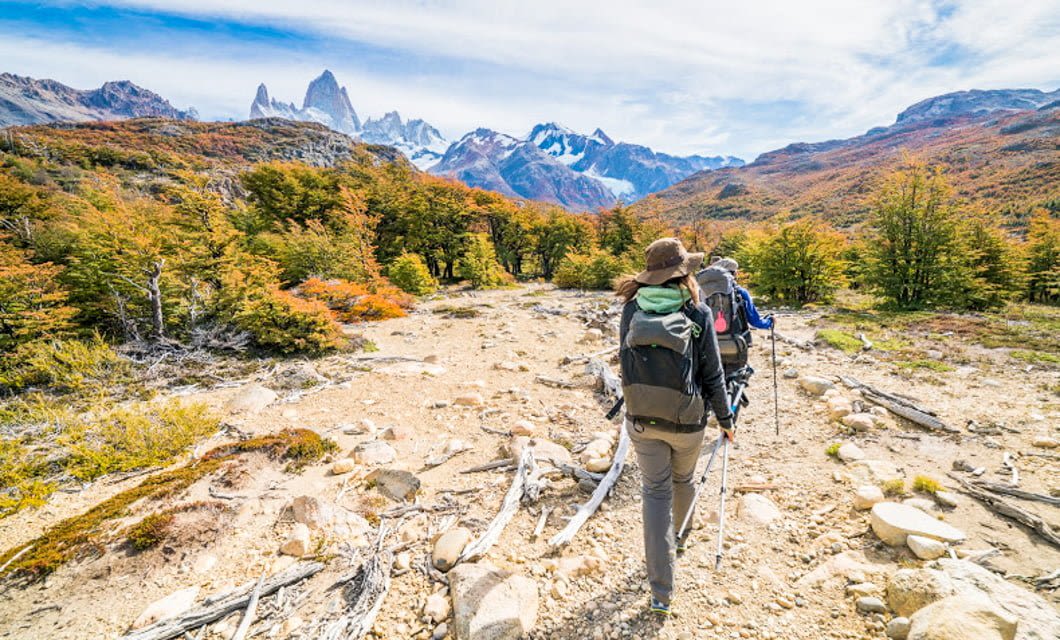
Most Patagonia trips involve walking, from gentle strolls to multi-day treks like Torres del Paine’s “W”. Stay on marked trails, start early, carry water, snacks and a charged phone, and don’t underestimate distances or daylight. Fire restrictions are taken extremely seriously after past wildfires — only use designated areas. Around glaciers and fast, cold rivers, keep well back and follow your guide; meltwater is colder and stronger than it looks.
The southern sun is intense and the ozone thin, so strong sunscreen, sunglasses and a hat matter even when it’s cool. Distances between towns are large and services sparse, so fuel up, carry essentials, and don’t rely on constant mobile signal. Medical facilities are limited in remote areas, making comprehensive travel and evacuation insurance important. Emergency numbers are 911 in Argentina and 133 (police) in Chile.
Patagonia rewards good logistics, and that’s exactly what a guided trip provides. On every South America Travel itinerary we arrange your transport, transfers and hotels, time your activities around the weather windows, and pair you with professional local guides who read the conditions and keep you safe and comfortable. Since Patagonia straddles two countries, see our Argentina and Chile safety guides for the wider trip.
For official updates, US citizens can enrol in the State Department’s free Smart Traveler Enrollment Program (STEP) and review the Argentina and Chile travel advisories; UK travellers can use the FCDO’s advice.
Ready to take on Patagonia with the logistics and the weather-watching handled? Browse our Patagonia tours and travel with confidence.