Ecuador packs astonishing variety into a small, easy-to-travel country — the colonial heart of Quito, the volcanoes and markets of the Andes, Amazon lodges, and of course the Galápagos Islands. For the regions visitors actually come for, it remains a rewarding and manageable destination, and it’s rated Level 2 — “Exercise Increased Caution” overall by the US State Department. The important update is that Ecuador’s security picture has changed: the once-fair line that “violent crime is very low” no longer holds, because of a sharp rise in gang and narcotrafficking violence concentrated on the Pacific coast. The good news is that this is highly regional, and the main tourist areas sit well clear of it. Here’s the honest picture.
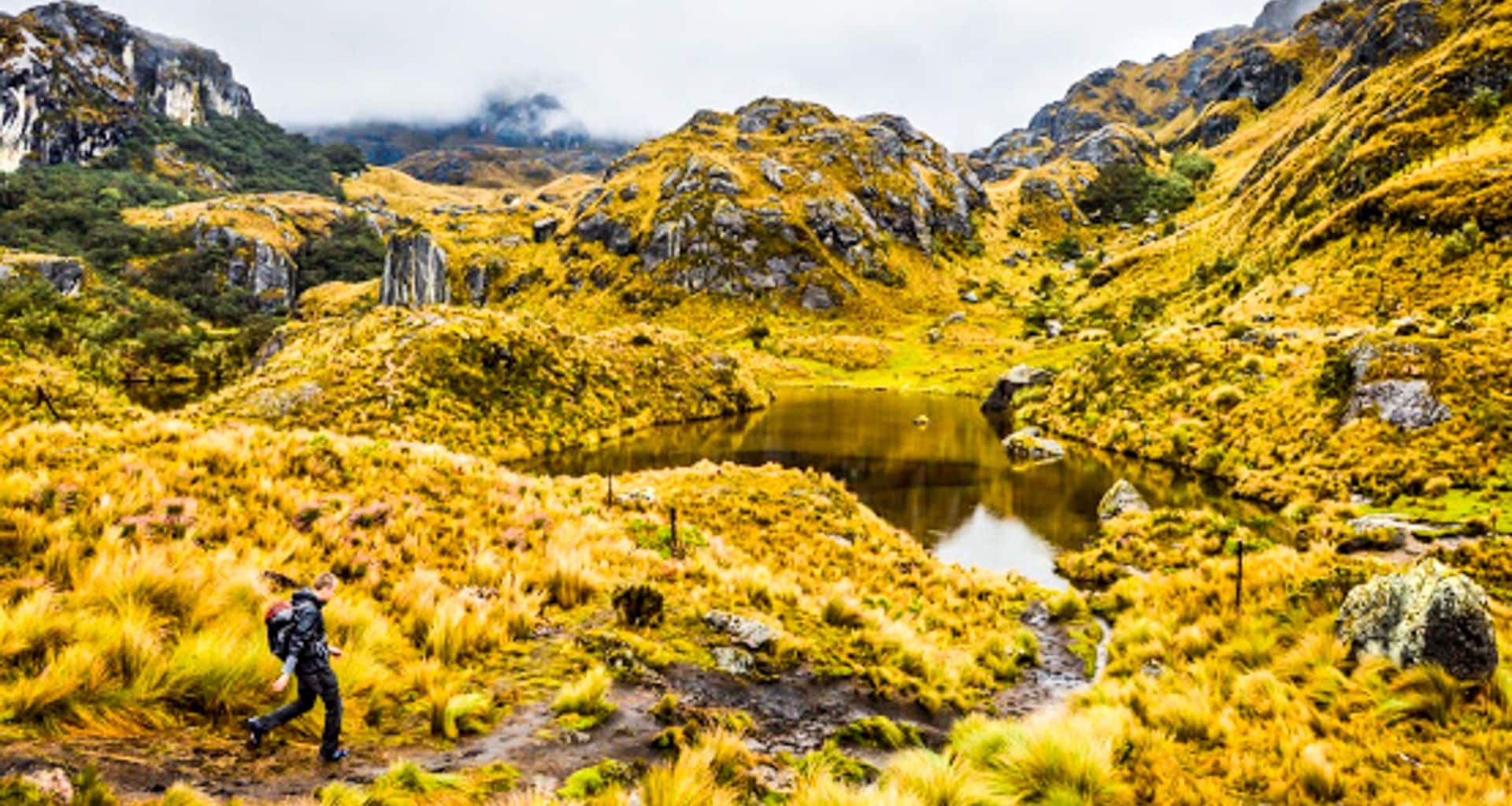
It depends heavily on where you are. The Andean highlands (Quito, Otavalo, Cotopaxi, Baños, Cuenca), the Amazon lodges and the Galápagos Islands — the backbone of almost every Ecuador itinerary — are not in the high-risk zones and are visited safely by travellers year-round. The serious violence the headlines describe is concentrated in specific coastal and border areas, which reputable itineraries simply don’t go to.
The State Department flags “Do Not Travel” and “Reconsider Travel” zones that include parts of Guayaquil, the city of Esmeraldas and northern Esmeraldas province, Duran, and several coastal/border provinces (Los Ríos, El Oro, Manabí, Sucumbíos, Santa Elena, Santo Domingo). If your trip is built around the Andes, the Amazon and Galápagos, you’ll be nowhere near these — but it’s worth knowing if you’re planning independent travel on the coast.
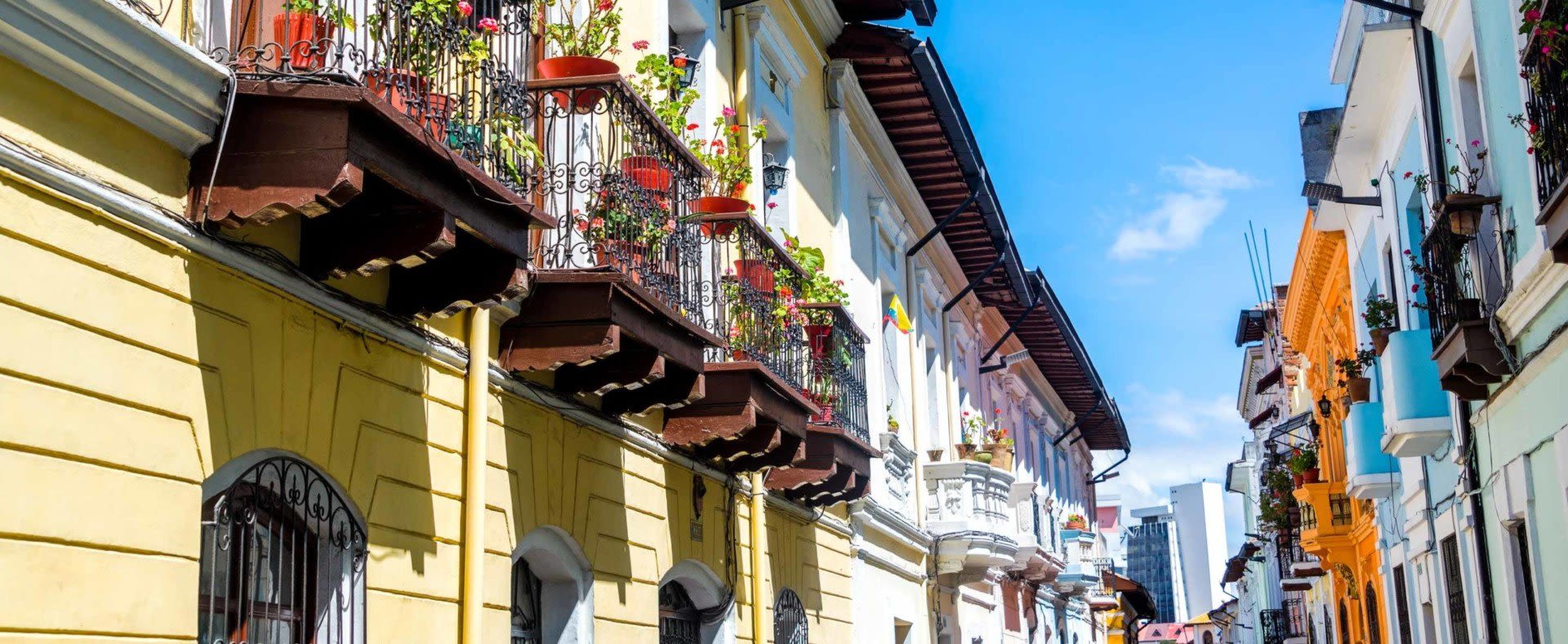
In Quito and other cities, the day-to-day risk is opportunistic theft, and standard habits handle it:
The Galápagos are very safe, but remote — serious medical issues mean evacuation to the mainland, which can be extremely expensive, so insurance that covers medical evacuation is essential. On the mainland, Ecuador is volcanically active; your guide will steer you clear of any area with raised activity. The Andean sun and altitude (Quito sits at about 2,850 m) are worth respecting too — pace yourself the first day and use strong sun protection.
Don’t drink the tap water; stick to bottled or filtered. A yellow-fever vaccination is recommended for Amazon regions. The nationwide emergency number is 911. As always, travel with comprehensive medical and evacuation insurance — doubly important if the Galápagos are on your itinerary.
Ecuador is a clear case where how you travel matters as much as where. On every South America Travel itinerary we arrange your transport, transfers and hotels, keep you firmly within the safe, rewarding highland, Amazon and Galápagos regions, and pair you with professional local guides who know the ground first-hand. It’s the most relaxed and secure way to experience the country.
For official updates, US citizens can enrol in the State Department’s free Smart Traveler Enrollment Program (STEP) and review the Ecuador travel advisory; UK travellers can check the FCDO’s Ecuador advice.
Ready to explore Ecuador and the Galápagos with everything taken care of? Browse our Ecuador tours and travel with confidence.