South America lodges are bases for one kind of day, so we start with the day you want, not the hotel.
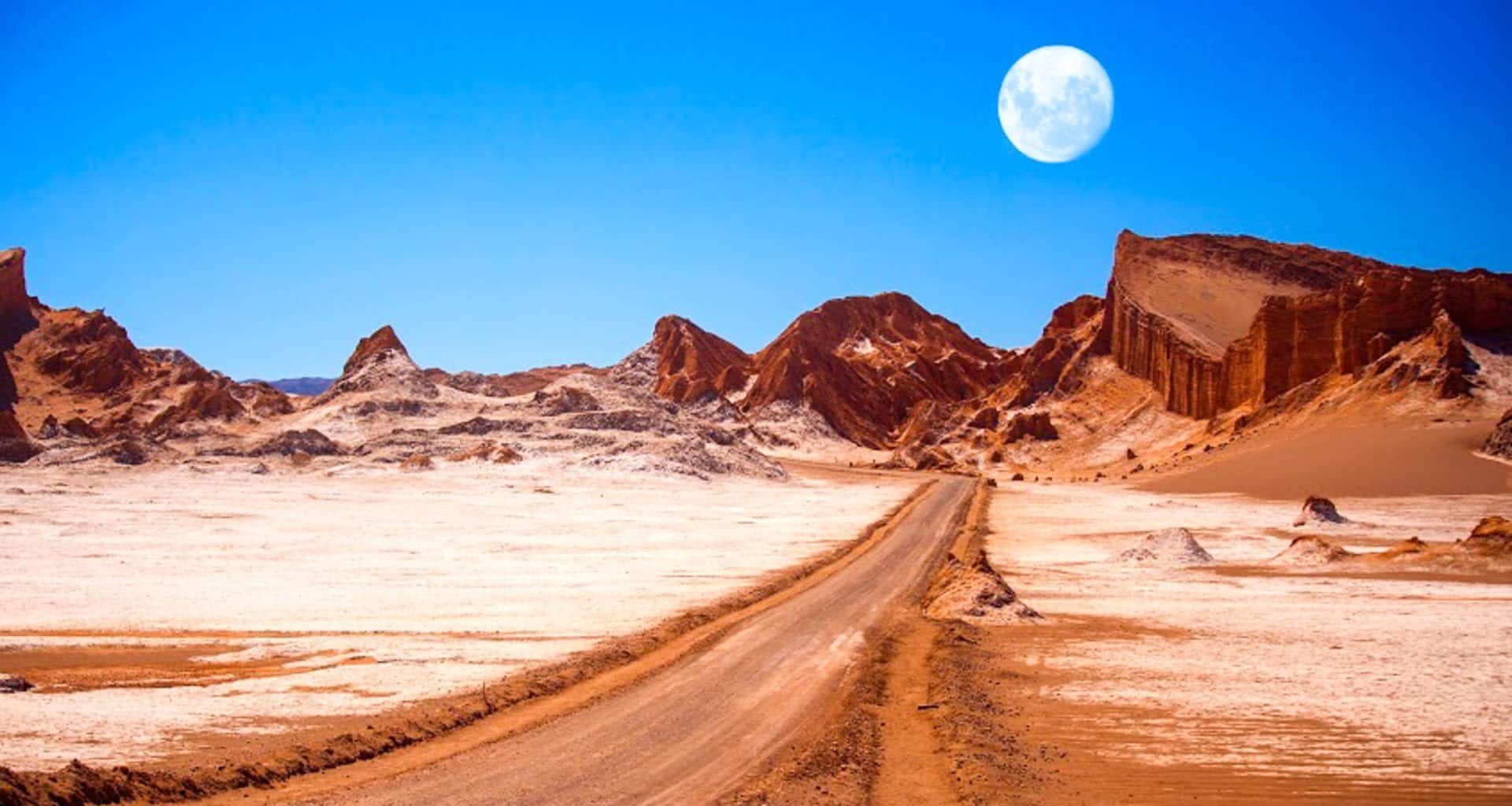
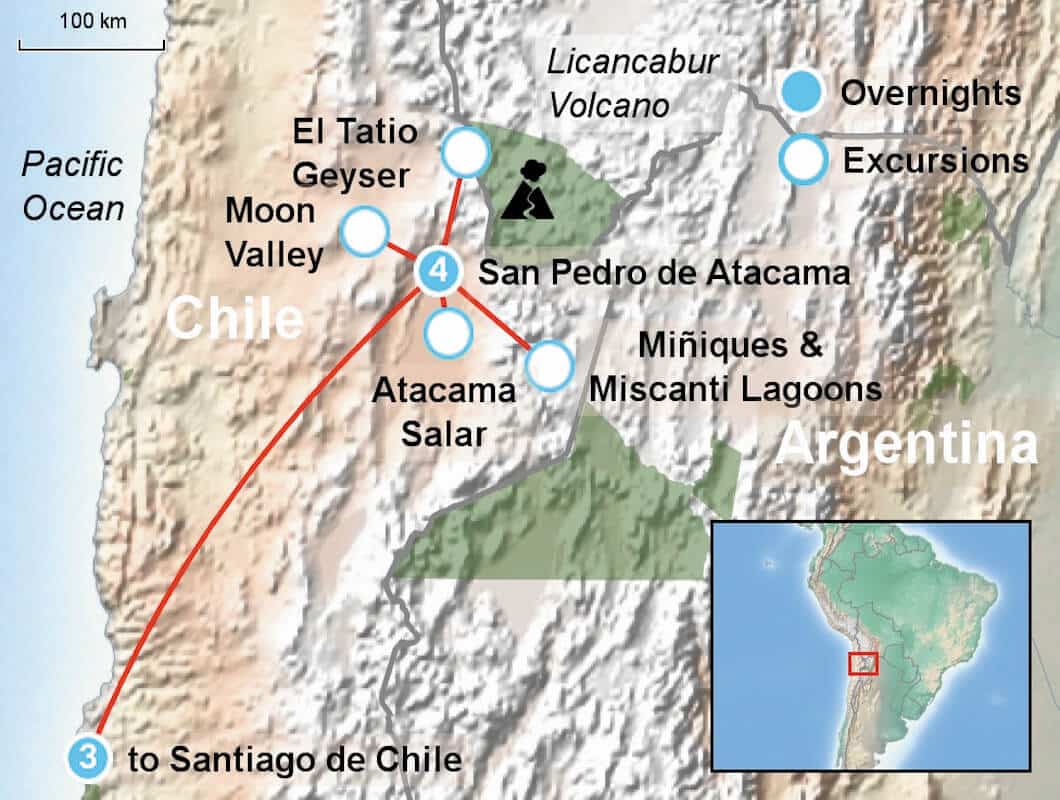
Desert days around San Pedro point to an Atacama Desert lodge, and several there have a spa for the evening. Trails from the door point to a lodge inside Torres del Paine. In Peru, the walk to Machu Picchu can end each day at a lodge instead of a tent.
Most lodges have their own guides and their own list of excursions, and that list tells you more than the room does. A spa, where there is one, is a feature, not the reason to go. A lodge stay usually sits inside a longer route, and we plan the rest of your South America tours around it, privately and on your dates.
Glacier country, reached by boat across Lake Argentino. On day two a 4WD climbs the Feruglio range to the Upsala Glacier’s eastern front, a viewpoint only Estancia Cristina reaches.
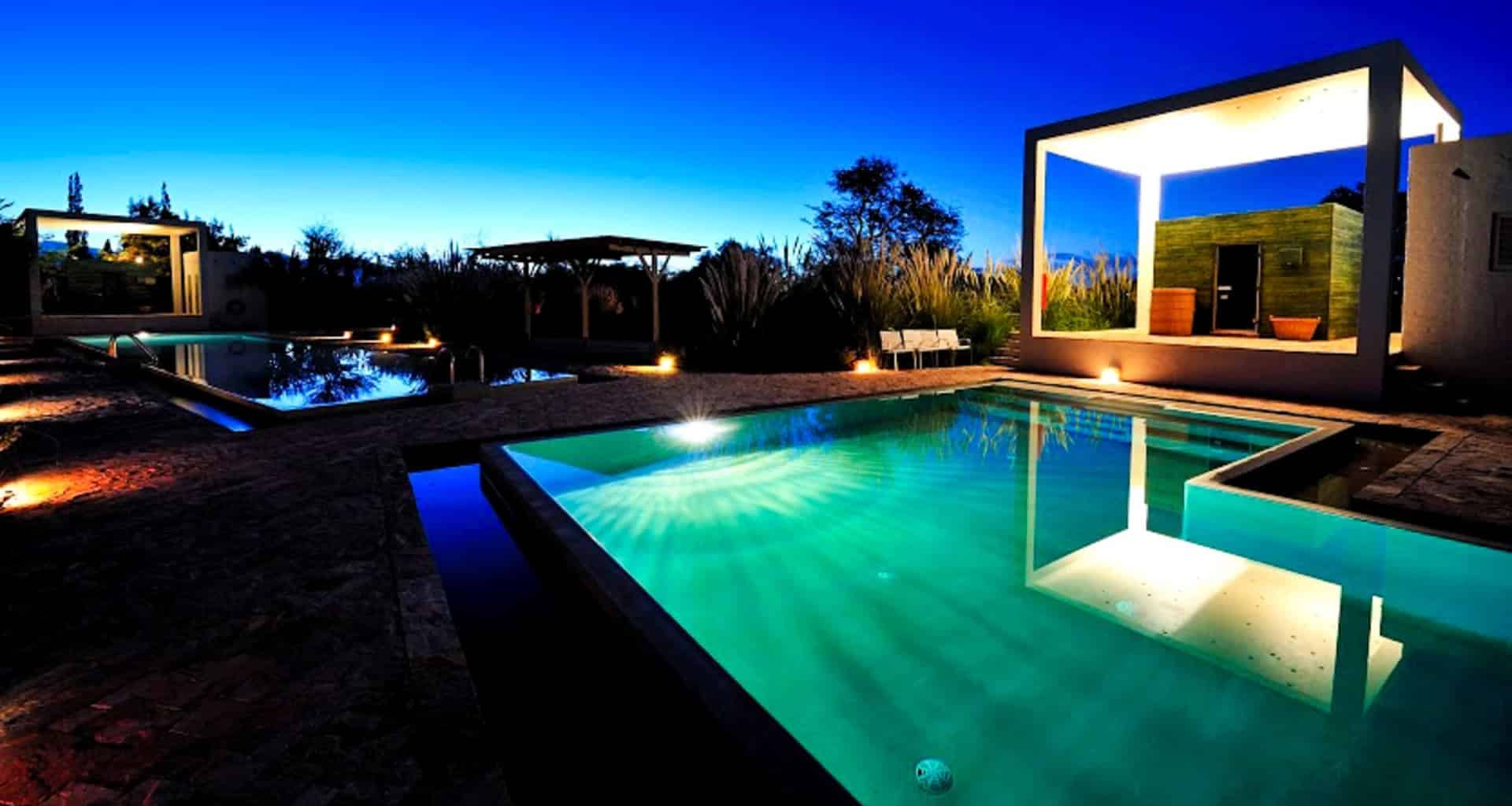
Wine first, then the spa. Two full days in the Luján de Cuyo wineries, three a day with lunch at one, and back at the lodge a spa with grape-based treatments and a one-hour massage each.
The trek with a bed at the end of each day. You walk lodge to lodge through the Andes instead of camping, with meals included and massages along the way, and the trek ends with a tour of Machu Picchu.
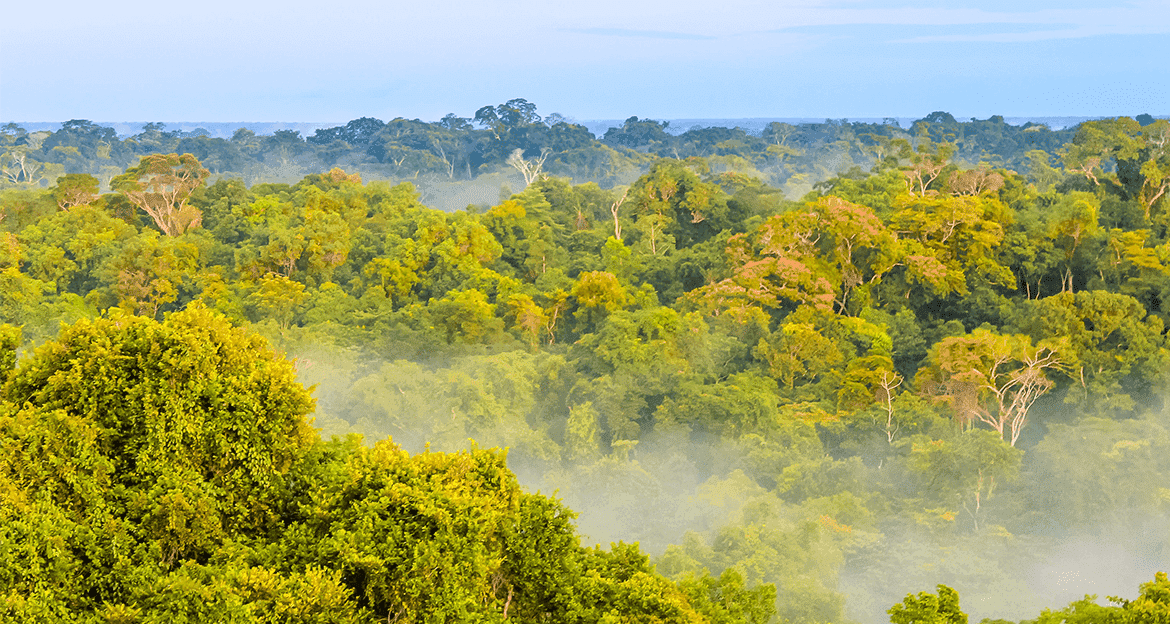
Rainforest wildlife, and a route onward. Cristalino’s own case is where it sits: in the southern Amazon, unlike most Amazon lodges in Brazil. It has two canopy towers over the forest, and the Pantanal is about an hour’s flight away.
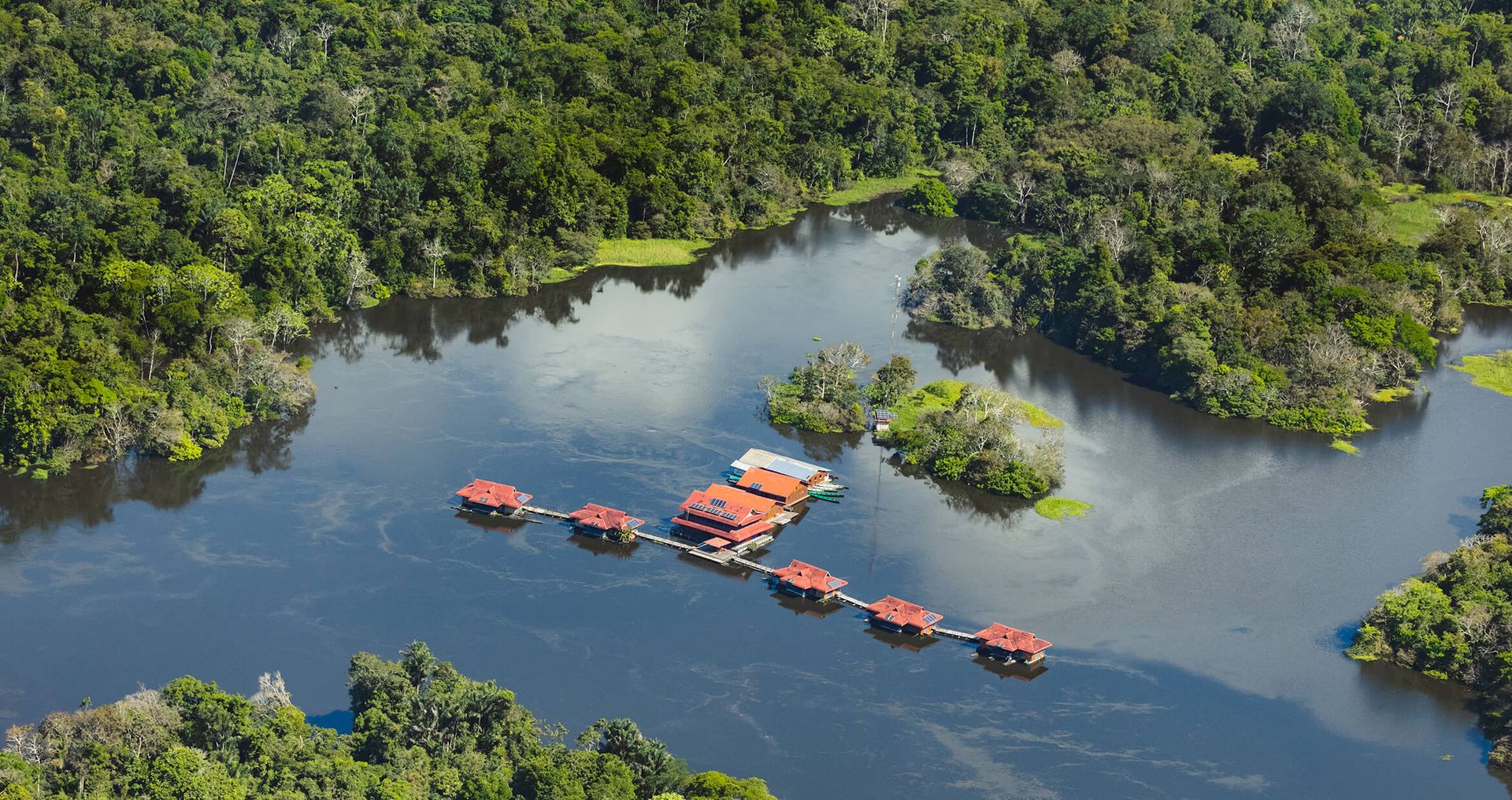
The flooded forest. You sleep in a floating cabin in the Mamirauá Reserve, and between May and July, when the whole reserve floods, much of the exploring is by canoe.
Juergen would rather not start with the hotel. A traveler who arrives with the hotel already chosen has something, in his words, “that they can find on Kayak and then book it right away.” He wants to know what you want to do. After that, three things separate one lodge from the next.
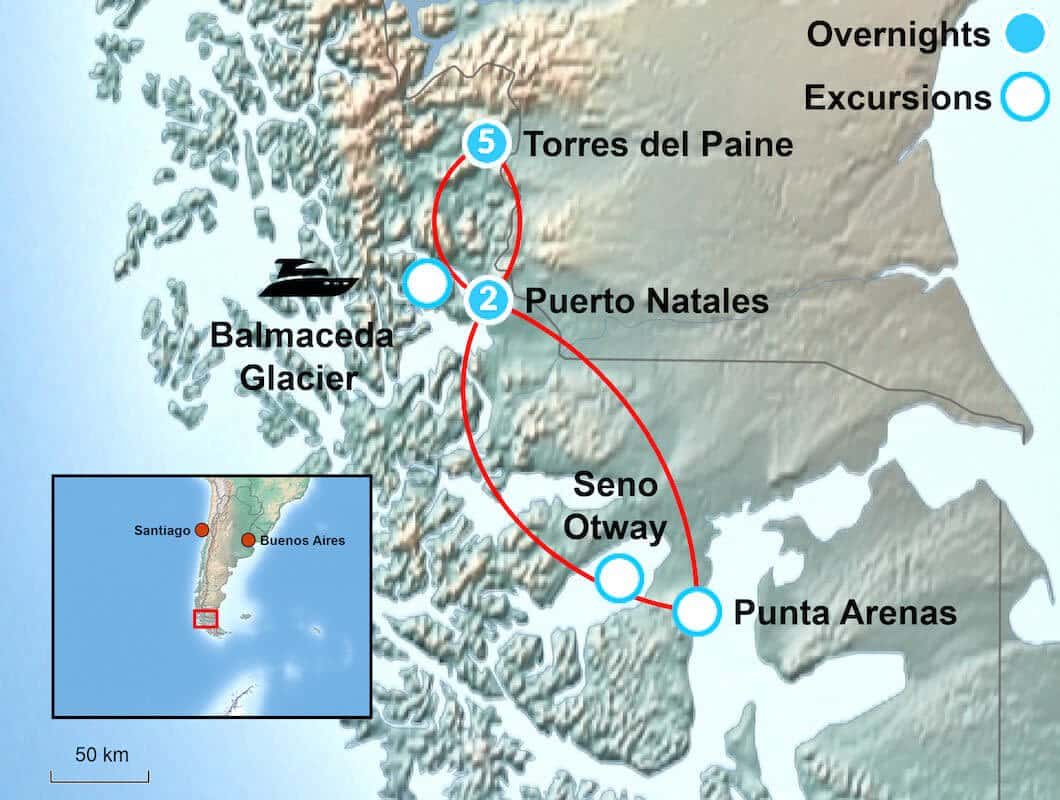
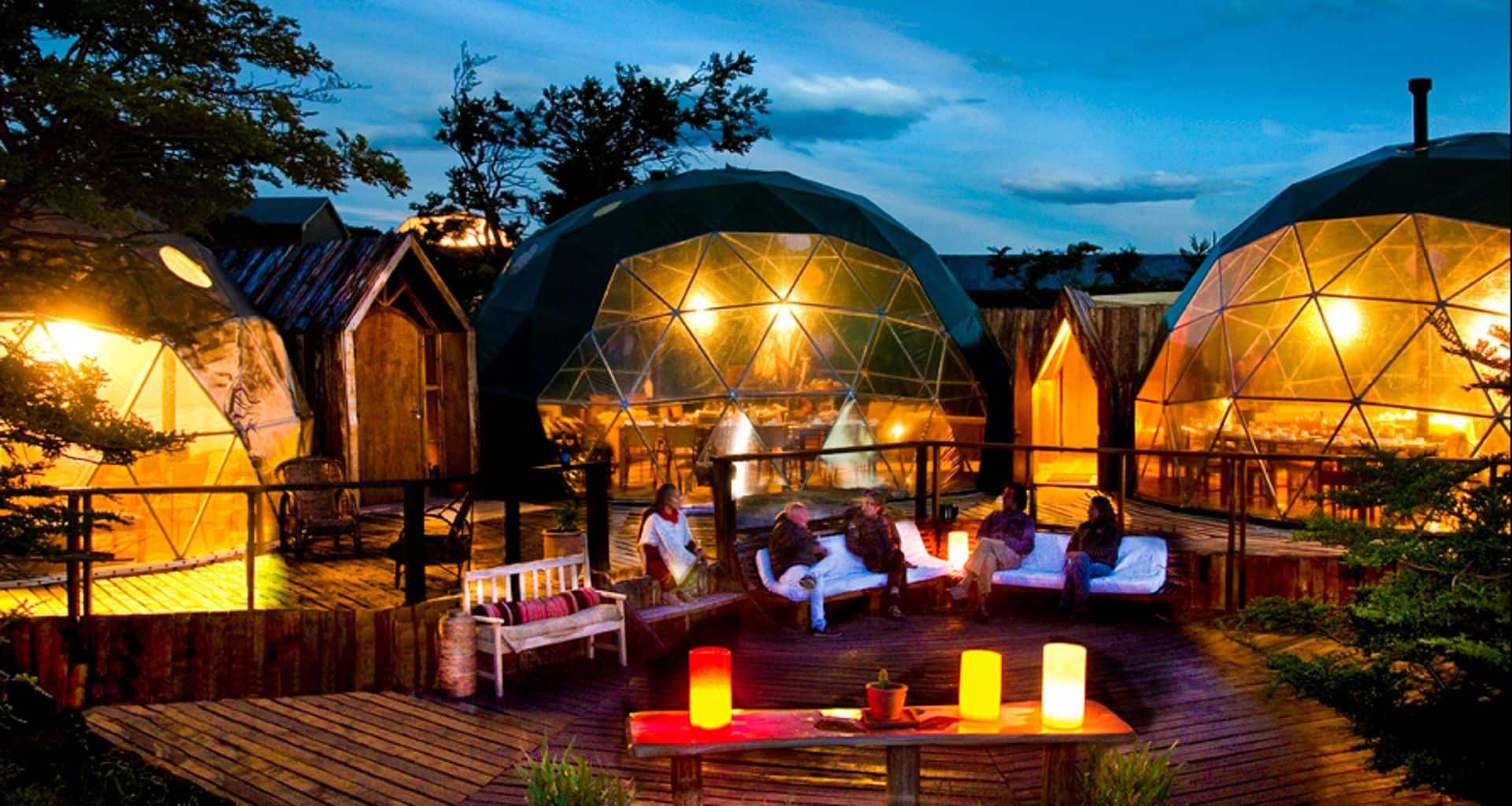
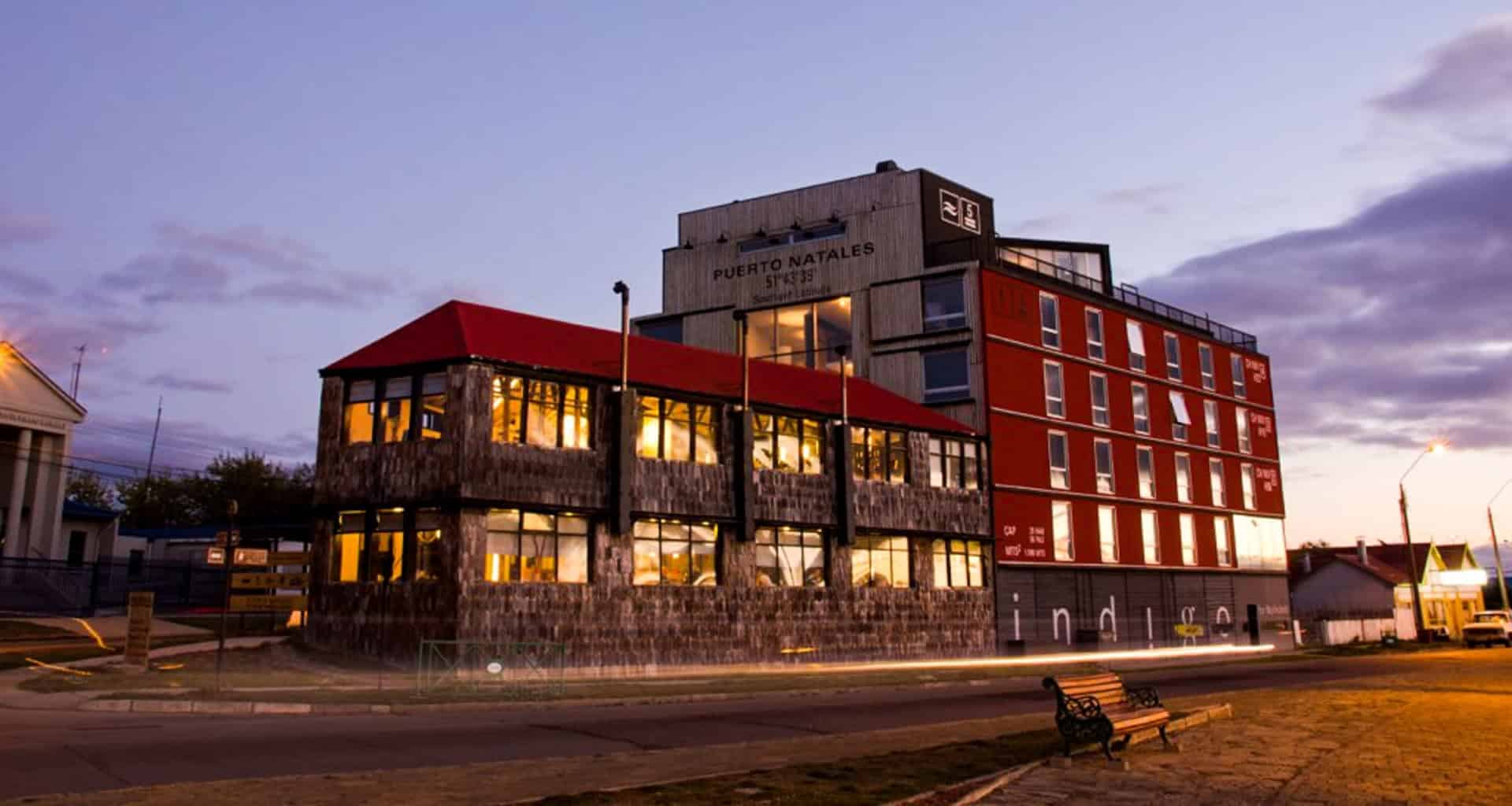
How the days are decided. Explora Patagonia offers over 50 explorations in Torres del Paine. At Remota, in Puerto Natales, excursions are decided on arrival and depend on the weather. At Awasi Patagonia they are private, planned with your own guide. At Eolo, near El Calafate, day two is decided over breakfast. The weather votes first.
How remote it is. Estancia Cristina has no road at all. Uakari sits far up the Amazon, toward the borders with Peru and Colombia.
What comfort means there. Luxury is relative to the surroundings. In the Atacama it can be a spa after the salt flats; in the middle of the rainforest, a pool and a hammock on the balcony. Both are comfortable. They are not the same trip.
So pick the trip first. The lodge follows.
Most lodge stays are sold as extensions: two to four nights added to a longer trip. So the real question is where the lodge sits in the route, and what it takes to get there.
Some pairs we plan often. Our Atacama Desert and Santiago route puts the capital and a desert lodge together. Juergen’s own favorite way into the Atacama is the bus from Salta, with the flamingos and the mountains alongside. Iguazú takes two forest nights at Yacutinga. Around Buenos Aires, Juergen sends people to the family-run ranches, mostly with a pool: “Horseback riding always included!” In Peru, the Amazon lodges are a short flight from Cusco, and Machu Picchu still comes last, “like a good book.” And Cuiabá is the starting point both for the northern Pantanal and for the short flight to Alta Floresta, the way in to Cristalino.
Then the logistics that set the dates. Yacutinga’s shared van leaves Puerto Iguazú at 2 pm. Estancia Buena Vista, 600 km from Buenos Aires, does not include transfers. And leave slack: some routes in Brazil fly only three times a week.
There is no single lodge season for the continent. Each region keeps its own.
The Atacama is year-round. Skies are clearest and days mildest September to November and March to May, and nights are cold in every season. Easter Island works all year.
In Patagonia the lodge, hiking and glacier season runs November to March; Eolo opens a little wider, October to April. Not July. Many lodges are closed, daylight is down to a few hours, and, as Juergen says, “It’s not the cold, but it’s the wind. It blows you off your heels.” See when to go to Patagonia.
The Peruvian Andes are dry May to September. Juergen’s own pick is March and April: “Still warm(ish), still green from the rainy season. Less crowded.”
The Amazon: rain is no reason to stay away. In the rainy season, Juergen says, there are sunny breaks every day; when it rains, it rains very hard.
The Pantanal: the dry season, May to September, peaking July to September.
Away from Torres del Paine, the Chile lodges start in the desert. In San Pedro de Atacama, Tierra Atacama has the Uma Spa, named for the Aymara word for water, and cooks from its own garden; Awasi, Explora and Alto Atacama are nearby. Easter Island has Explora Rapa Nui and Hangaroa Eco Village. Viña Vik sits among the vines at Millahue, and Puyuhuapi, in Aysén, has thermal springs.
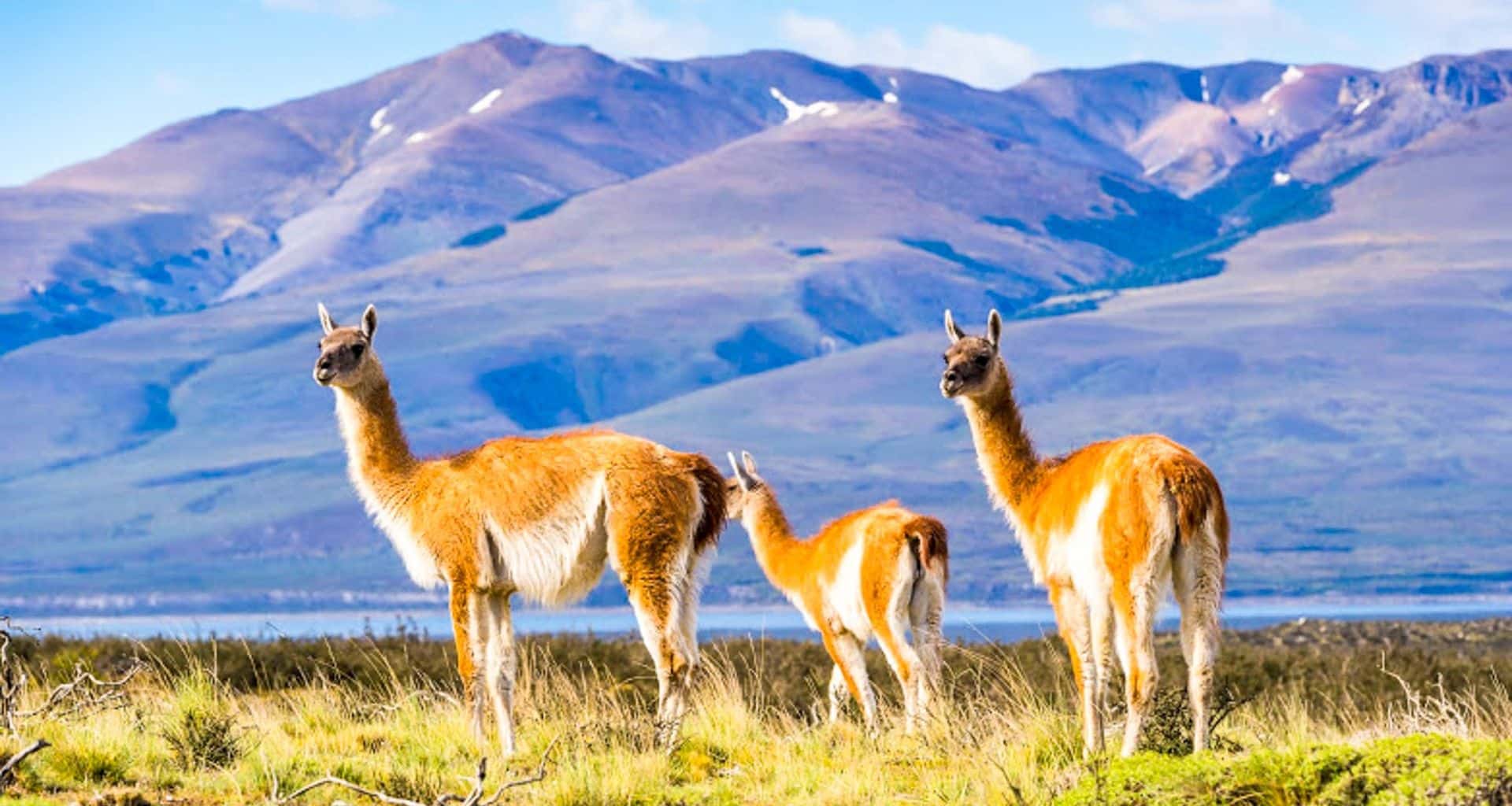
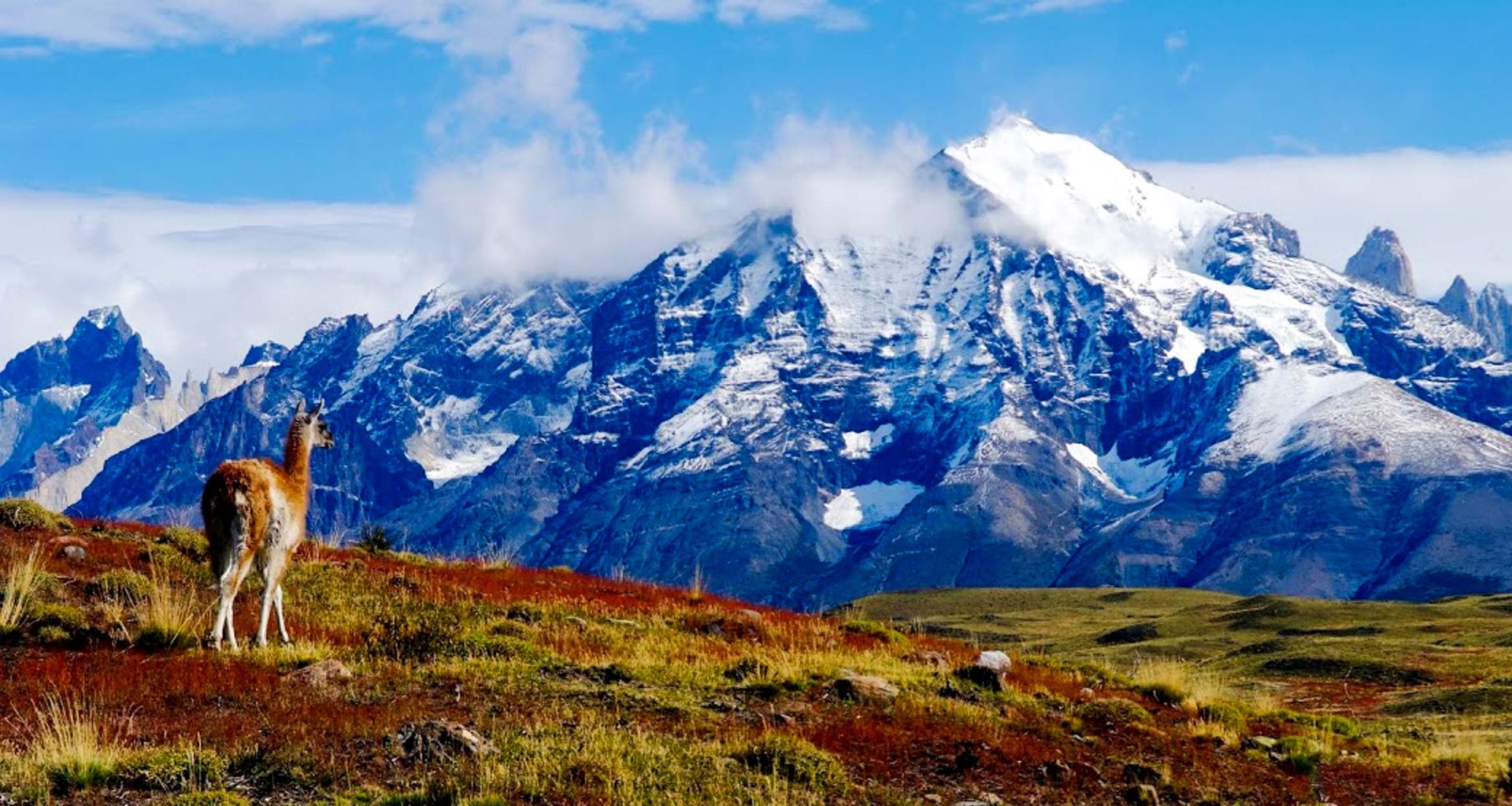
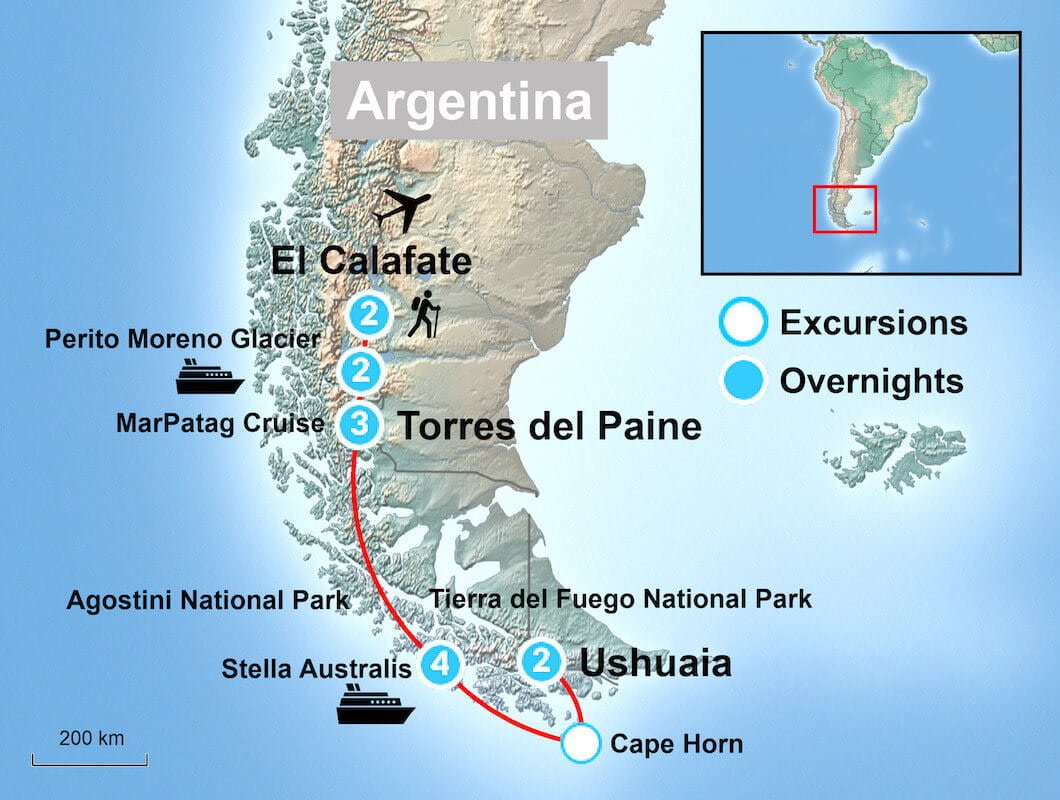
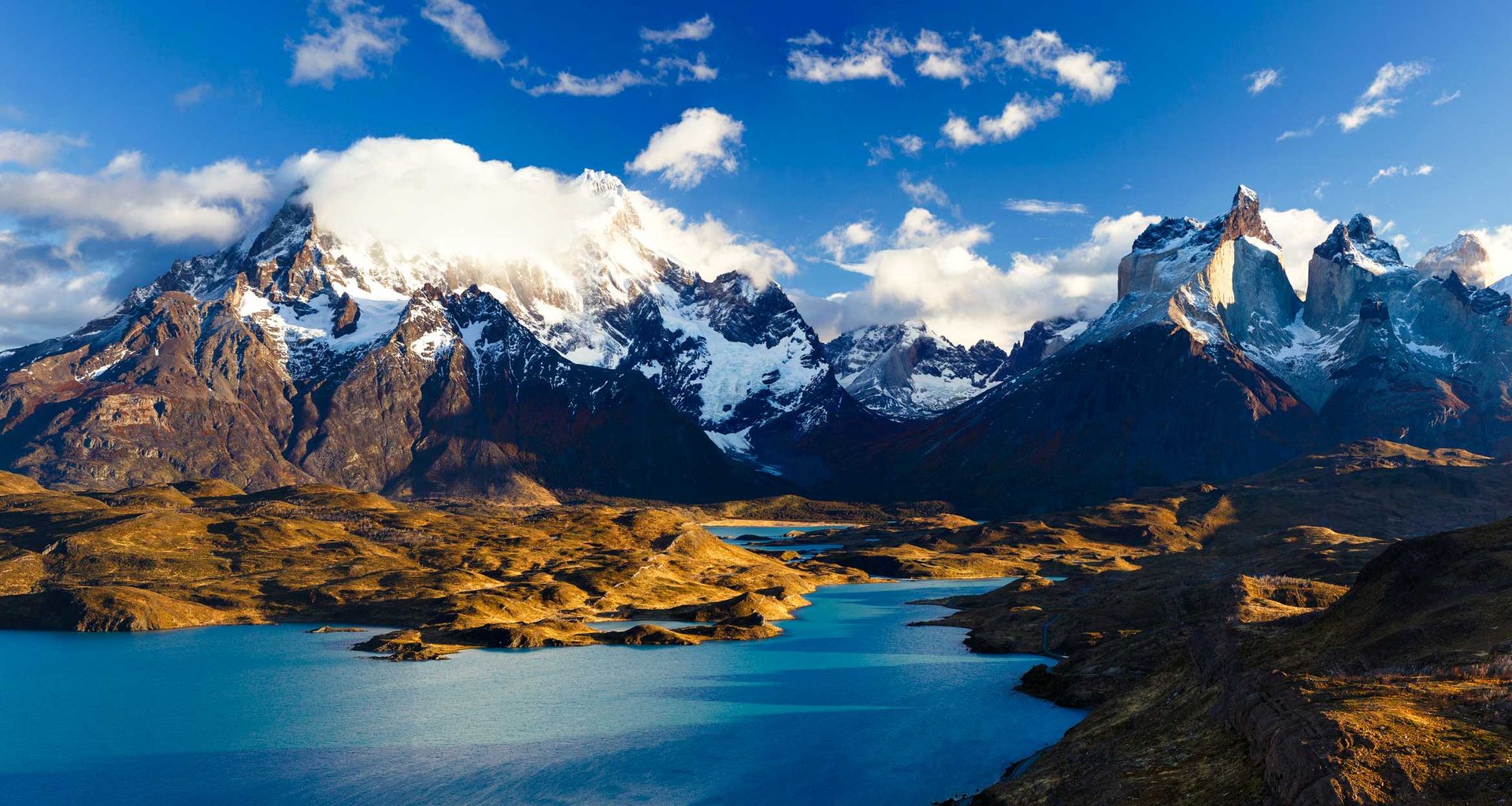
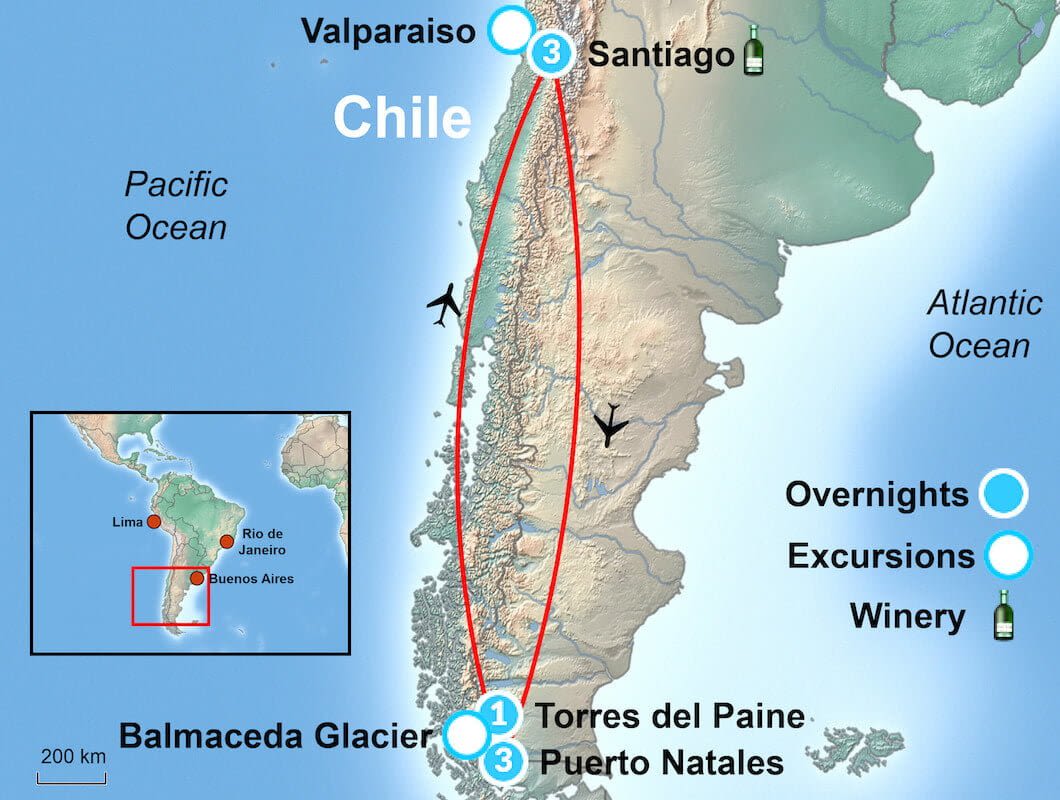
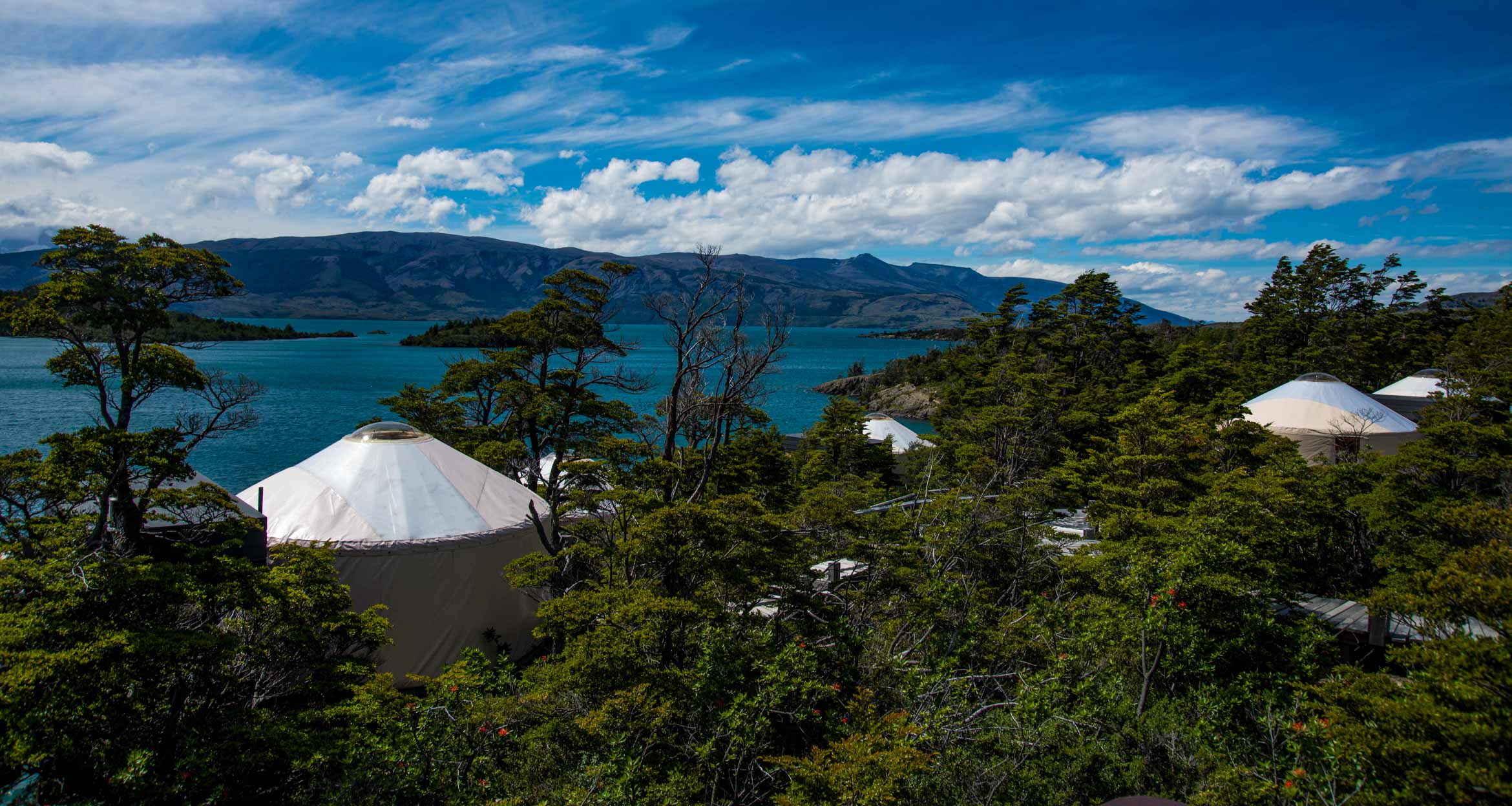
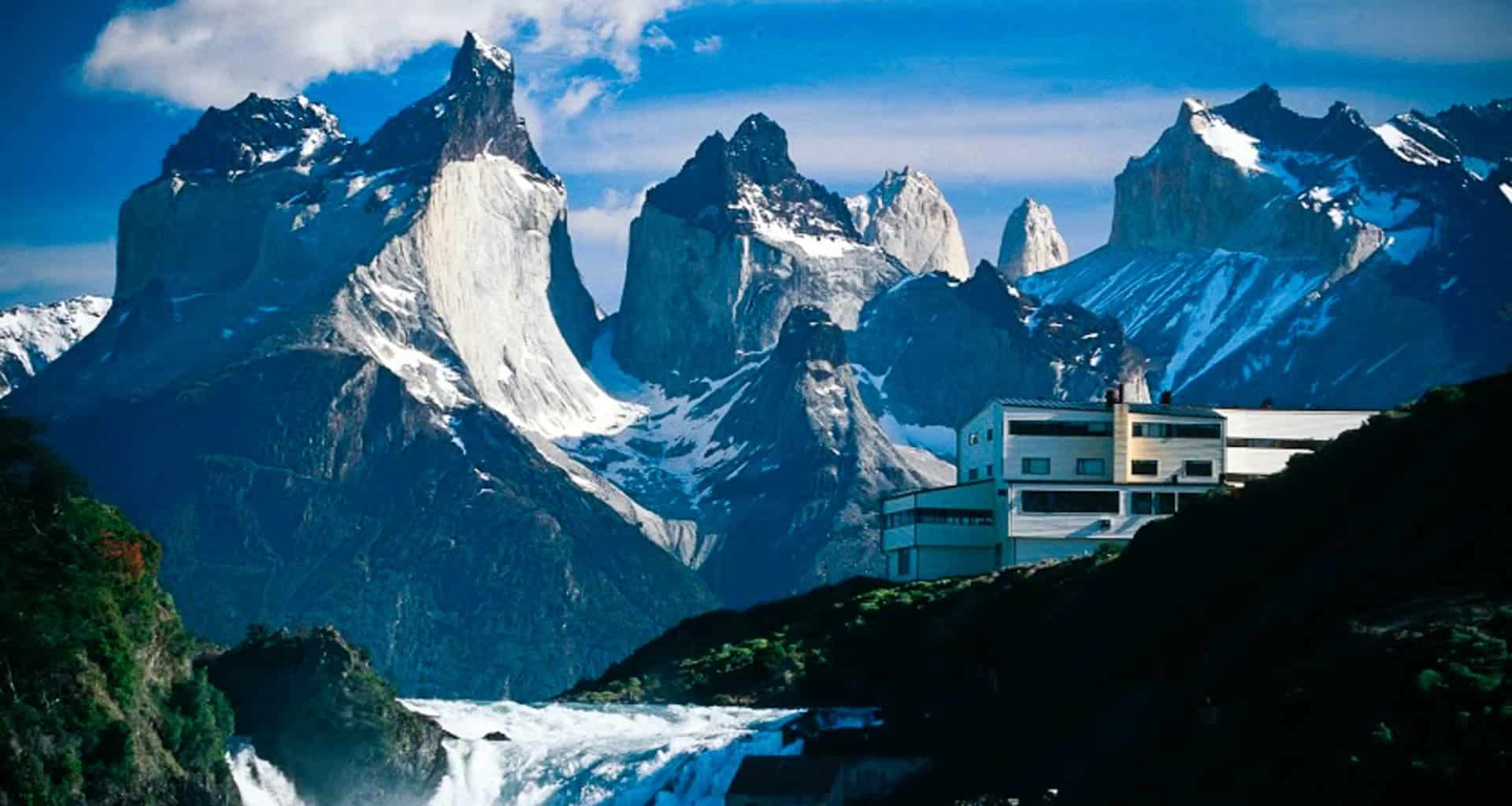
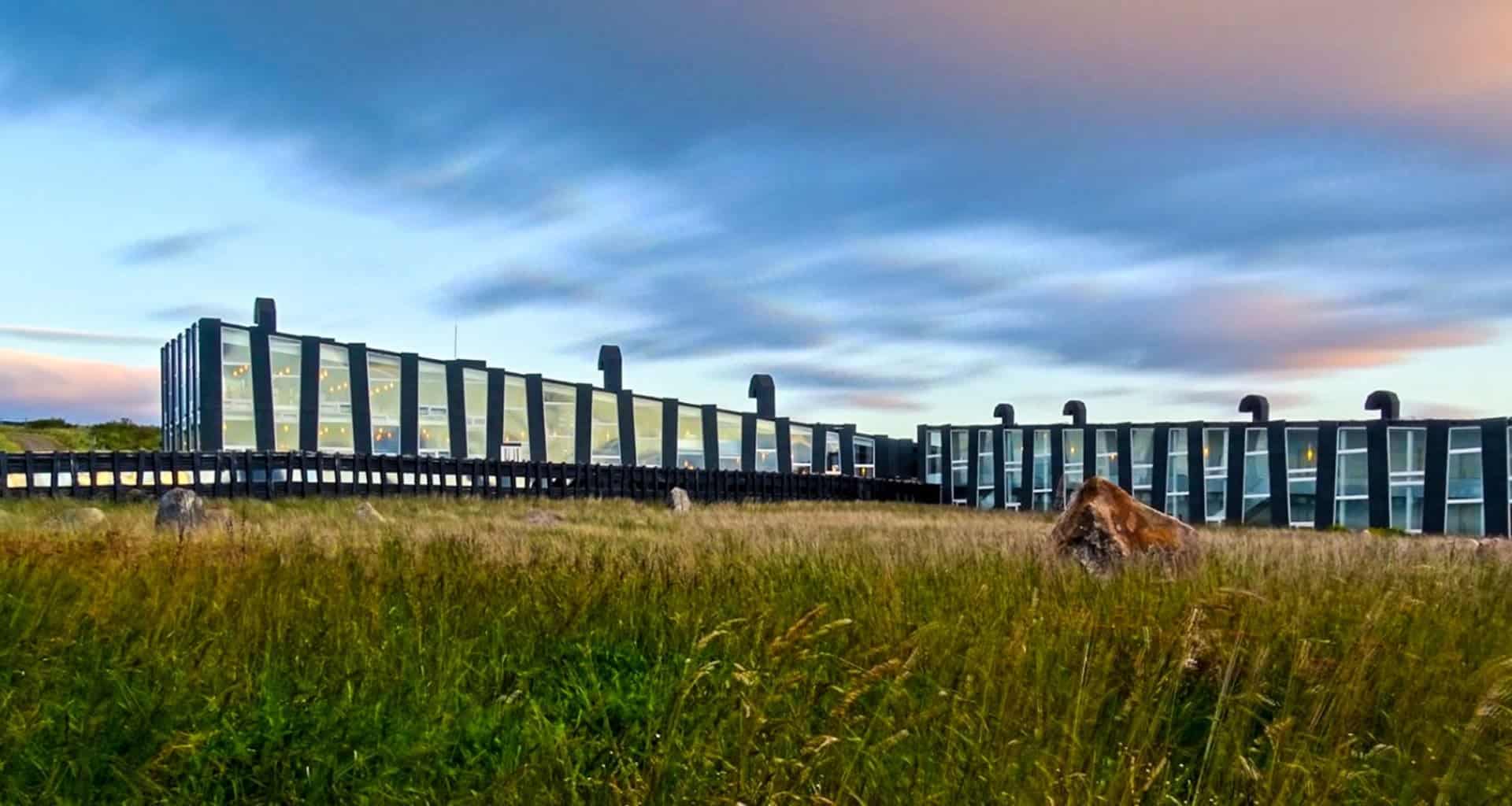
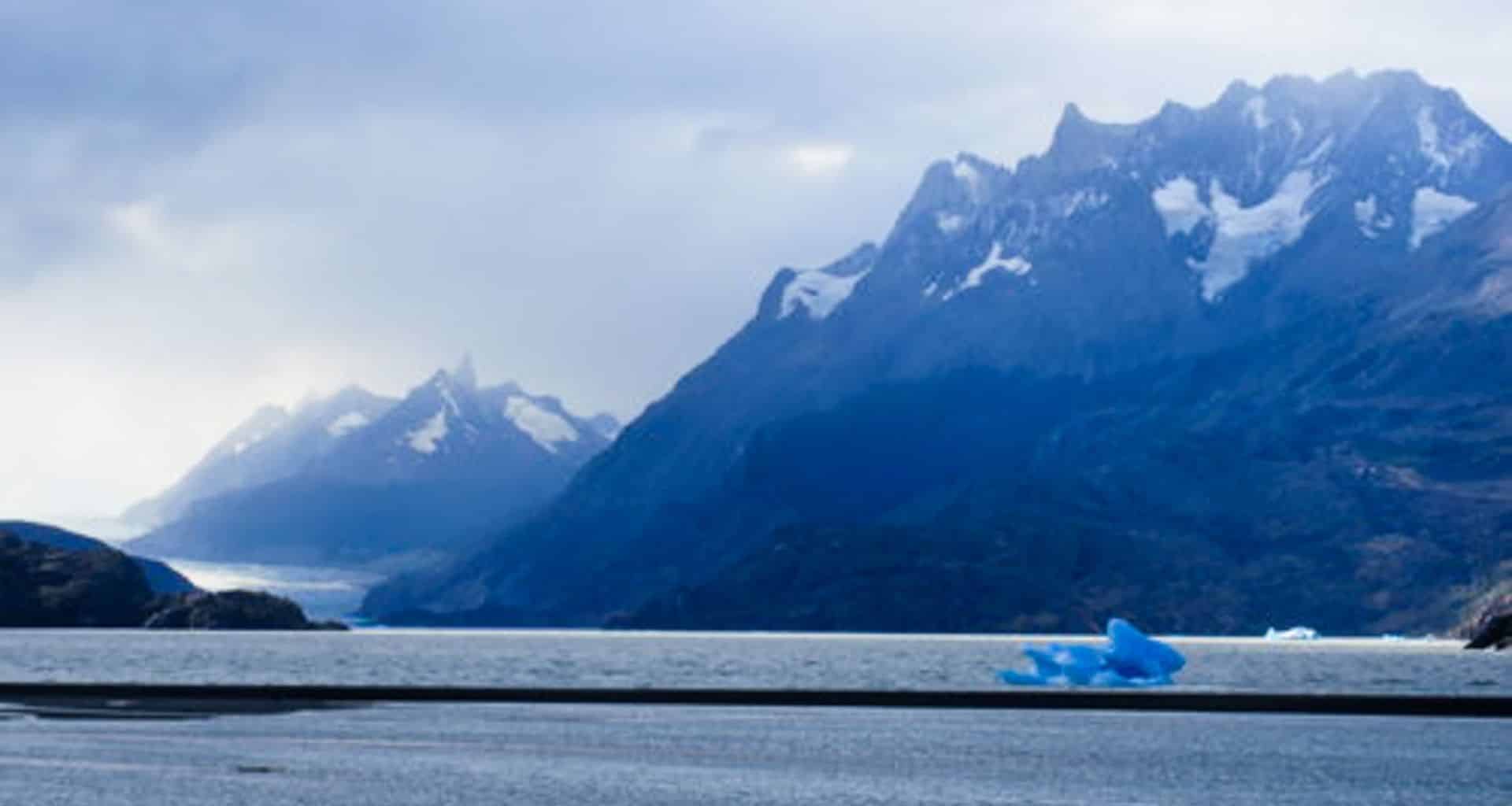
Patagonia, Juergen says, is for those that like it rough. Many of the Patagonia lodges are around Torres del Paine. Explora Patagonia is inside the national park, with the French Valley and a navigation to the Grey Glacier, and a spa with open-air jacuzzis for the evening. Patagonia Camp has yurts looking onto Lake Toro, and Hotel Las Torres rides out with baqueanos. Lakutaia is near Cape Horn.
The Argentina estancias and lodges are spread wide. Cavas is in the Mendoza vineyards. Eolo and Estancia Cristina are in the glacier country around El Calafate, Eolo on 3,000 acres in the La Anita Valley. Yacutinga is a forest reserve 80 km from Puerto Iguazú, with meals from the lodge’s own farm. Estancia Buena Vista, in Corrientes, is a working estancia where you ride out with the gauchos.
Most of the Peru lodges are in the Amazon. From Puerto Maldonado, Posada Amazonas is a first taste of the forest without going far in, and Refugio Amazonas, up to four hours by boat, has a canopy tower and clay licks where parrots and macaws gather. Inkaterra Reserva Amazónica is on the Madre de Dios River. Iquitos has Ceiba Tops. In the Andes, the lodges are the Salkantay trek’s.
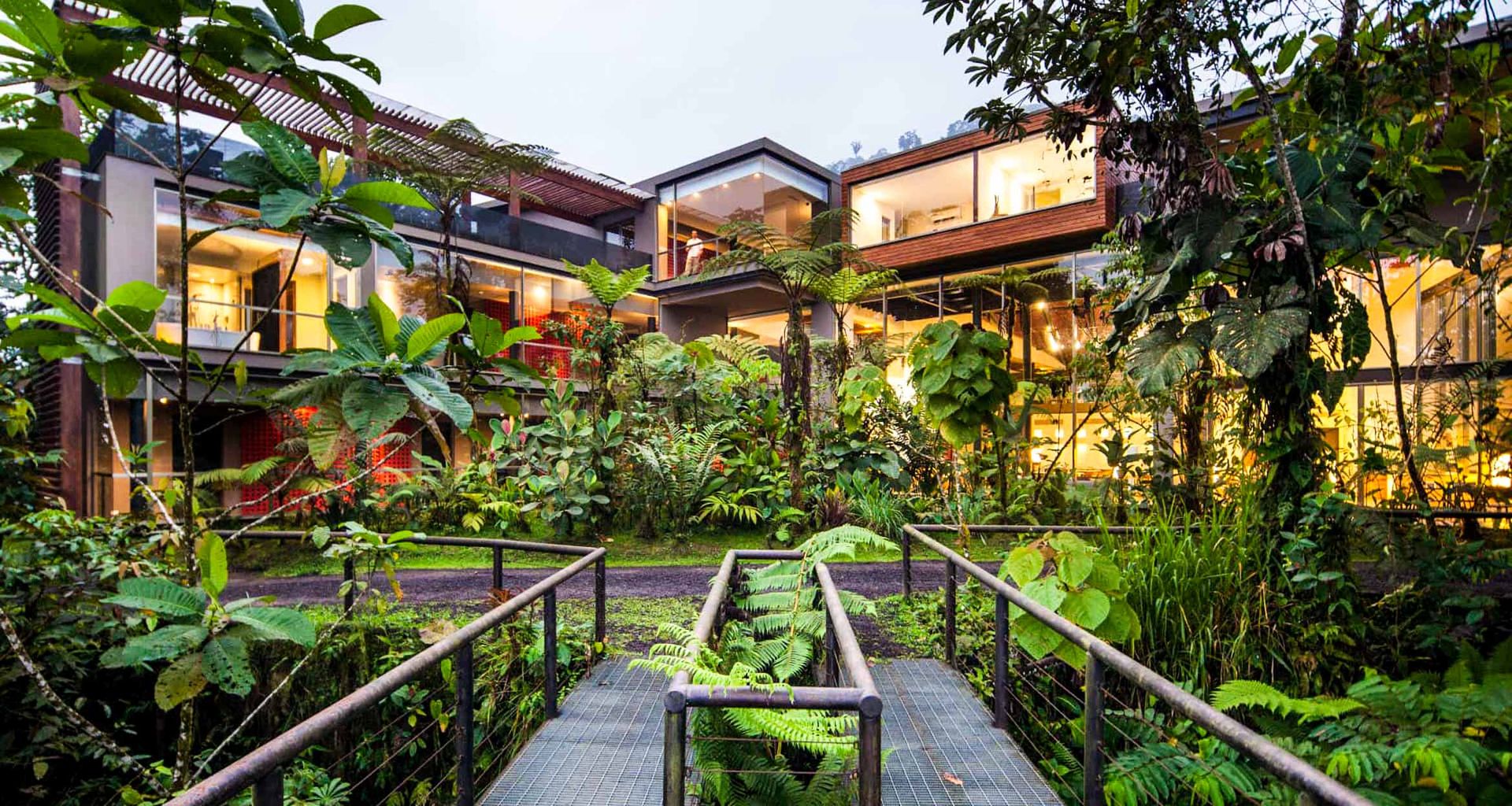
Brazil and Ecuador hold the other Amazon rainforest lodges we plan with. Near Manaus, the Brazil Amazon lodges include Anavilhanas, where you canoe the flooded igapós, and Juma. In Ecuador, Napo Wildlife Center is in Yasuní National Park and La Selva on the Napo River. Mashpi, in Ecuador’s cloud forest, has no fixed program: you choose each day, a guided bird walk, the waterfalls or the hummingbird garden.
The Pantanal lodges are for the animals. Juergen’s short version: “Less trees more animals to see.” At Pousada Rio Mutum you go out on horseback, by boat and by canoe on the Mutum River. Estancia Vitória is family-run, just outside the Pantanal, and a base for the Chapada dos Guimarães, with the snorkeling at Nobres an easy ride away.
A lodge is one way to see a place. Juergen’s other way: “Lodges are stationary. Boats show you different perspectives.” In the Amazon that means the Tucano, his “real explorer’s boat,” and elsewhere our South America cruises. If the animals come first, start with our nature and wildlife tours; if the walking does, our adventure tours. Wine has its own page, our food and wine tours. For two, see South America honeymoons, and for several countries, our multi-country trips.
We start with what you want to do, and only then pick the lodge. We know which lodges decide the excursions on the day and which want them planned when you book. We plan around the logistics that can cost you a night: a boat-only estancia, a fixed shared van, a transfer the lodge leaves out, a Patagonia lodge closed for winter. At the lodge, the guides are usually its own. Outside it, as Brad Nehring, our co-founder, puts it, “we generally have a local guide in each destination.” We leave slack between flights. Every trip is private and on your dates, and we have designed South America trips since 1999.
Planning a trip to South America? Explore essential travel info including via requirements, safety tips, weather, money, and more so you can focus on designing the perfect adventure!
Yes, and they differ more by region and by kind of trip than by any star rating. Explora has three that we plan with: in Patagonia, in the Atacama and on Easter Island. Awasi has two, in Torres del Paine and the Atacama. Cavas is in Mendoza’s vineyards and Cristalino in Brazil’s Amazon. In the rainforest the measure changes: Cristalino has 18 rooms and a floating deck on the river.
Several in Chile, two elsewhere, and none among the Amazon and Pantanal lodges we plan with. In the Atacama: Tierra Atacama, Explora Atacama, Alto Atacama, Casa Atacama and Cumbres. In Patagonia: Explora Patagonia, Hotel Las Torres and Remota, and in Aysén Puyuhuapi, with thermal springs. Also Refúgia on Chiloé, Noi Puma in the central Andes, and Hare Noi’s massages on Easter Island. In Argentina, Cavas. On the Salkantay trek, massages along the way. At Anavilhanas, in the Brazilian Amazon, you get a pool and a hammock, not a spa.
The ones that can tell you exactly what they do. Uakari, in Brazil’s Mamirauá Reserve, runs on solar power, collects rainwater and treats its waste before it returns to the river, and the reserve’s communities share its management. Refugio Amazonas, in Peru’s Tambopata reserve, helps support families in the area. Cristalino heats its water with solar panels and supports the Cristalino Foundation. On Easter Island, Hangaroa Eco Village is about getting back to basics.
Two or three, for many of them. Our lodge stays are often sold that way, as an extension to a longer trip. Some run longer. Tierra Atacama offers four to eight days, and Explora Patagonia has longer programs as well as five-day ones. Uakari’s three- and four-night packages combine into seven nights. Estancia Cristina is two nights, and its own page says it plainly: two nights is short, and that suits it.
Yes, and that is how many of our lodge stays are planned. Santiago goes with an Atacama lodge, and Rio or Cusco with the Amazon. From Quito, our Ecuador Amazon and Quito tour combines Kapawi Lodge with a guided tour of the capital. Buenos Aires takes a family-run estancia outside the city. Tell us the city, and we suggest the lodge that fits next to it.
It varies by lodge, so we tell you what is in and what is not. Estancia Cristina includes transfers, entrance fees, tours, English-speaking guides and meals. Eolo is full board, but a glacier tour, navigation and horseback riding are booked and paid separately. Estancia Buena Vista is full board with the estancia’s activities, transfers not included. At Cavas, transfers and winery days come with a Spanish-speaking driver, not an English-speaking guide.
Our advice is a ship: we recommend cruising over land-based island-hopping. You sleep aboard a small ship and go ashore at each landing, and the ship you choose decides which islands you see; our Galápagos cruises page has them. If you want a lodge in Ecuador as well, put it on the mainland, at Mashpi Lodge in the cloud forest, before or after the ship.
Thinking of traveling to South America? We take your South American travel dream and make it a reality. Every fully custom South America trip is planned by your own expert personal Travel Consultant.
"*" indicates required fields
Our favorite South America tour ideas featuring the best destinations & activities designed to inspire…
Get your FREE South America Guide Now!