Quick answer: Patagonia’s travel season runs from November to March, the southern-hemisphere spring through early autumn. December to February is the warmest, with the longest days for hiking — but also the windiest and busiest. November and March are the sweet spot: milder winds, fewer crowds, and (in March–April) beautiful autumn colour. In winter (June–August) most trails and lodges close. Browse our Patagonia tours for ideas.
Is it a good time to visit right now? Patagonia is deep in the southern hemisphere, so summer is December–February and winter June–August. Unlike most destinations, Patagonia is effectively seasonal for travel: the classic hiking, glacier, and lodge experiences run November through March only, so timing matters more here than almost anywhere else in South America.
As a reference, here are average daytime highs around Torres del Paine and El Calafate, with the famous Patagonian wind at its strongest in high summer:
| Month | Avg High | Conditions | Best For |
|---|---|---|---|
| January | 64°F / 18°C | Warm, very windy, busy | Peak hiking — book well ahead |
| February | 63°F / 17°C | Warm, windy, busy | Peak; W-trek, glaciers |
| March | 57°F / 14°C | Cooling, calmer winds | ★ Autumn colour, fewer crowds |
| April | 52°F / 11°C | Cool, autumn hues | ★ Fall foliage; some closures begin |
| May | 46°F / 8°C | Cold, short days | Late shoulder; limited services |
| June | 41°F / 5°C | Winter | Mostly closed; limited winter treks |
| July | 41°F / 5°C | Winter (coldest) | Snow; few operators |
| August | 43°F / 6°C | Winter ending | Quiet; late-winter snowscapes |
| September | 48°F / 9°C | Spring begins | Season reopening; first wildflowers |
| October | 54°F / 12°C | Spring, wildflowers | ★ Fewer crowds, calmer winds |
| November | 57°F / 14°C | Spring, milder wind | ★ Sweet spot: season opens, less wind |
| December | 61°F / 16°C | Warm, long days | Peak begins; 17+ hours of daylight |
★ = shoulder sweet spots: milder wind, fewer crowds, and autumn or spring colour. See our full Patagonia weather guide for detail.
Planning a route? Our things to do in Patagonia guide can help you time the treks, glaciers, and wildlife.
“If you are looking to travel during a shoulder season, October, November, and April are great months to explore Patagonia as there are fewer visitors during these months. My favorite time of year to visit Patagonia is April as it enables you to experience the vibrant fall colors and escape the crowds of the peak summer months.”
Mike Bonnett
Patagonia Travel Expert
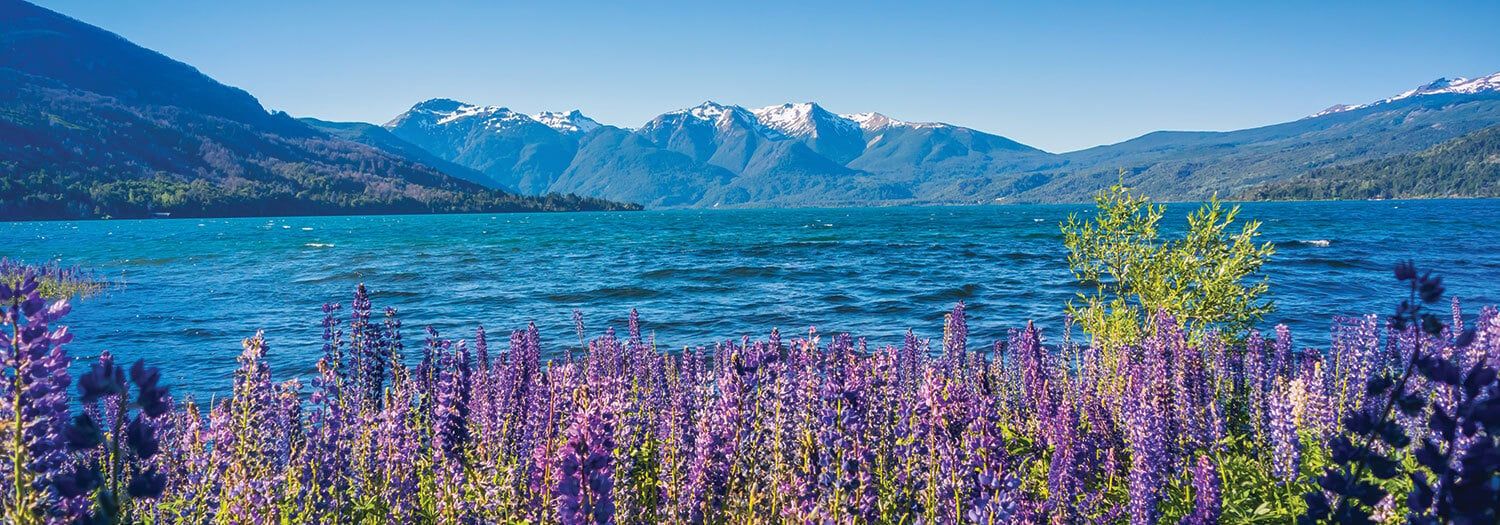
September is when Patagonia transitions from the cold winter season into a blossoming spring! Spring is one of our favorite times to explore Patagonia as the temperatures are moderate and the region welcomes colorful wildflowers. It is a wonderful time to examine the natural plant species and wildlife of the area. There are also smaller amounts of travelers exploring the area at this time - leaving the hiking trails open for many.
Note: While temperatures are beginning to rise and it may be warm during the day, make sure to pack warm clothing as Patagonia’s nighttime still experiences chilly weather.
Be the first to hit the famous hiking trails of Patagonia. One of the major advantages of visiting Patagonia during spring is that it is considered one of the shoulders seasons. With hiking trails throughout the region reopening after Winter, visitors will find national parks and landmarks relatively quiet. The trekking trails begin to reopen again with the end of Winter, however, ski resorts often remain open during early Spring. Visitors can enjoy the best of both seasons, hitting the dramatic slopes of Patagonia’s various mountains and trekking through its pristine national parks. Combine a trip to one of Chile’s famous ski resorts & then continue south to Patagonia.
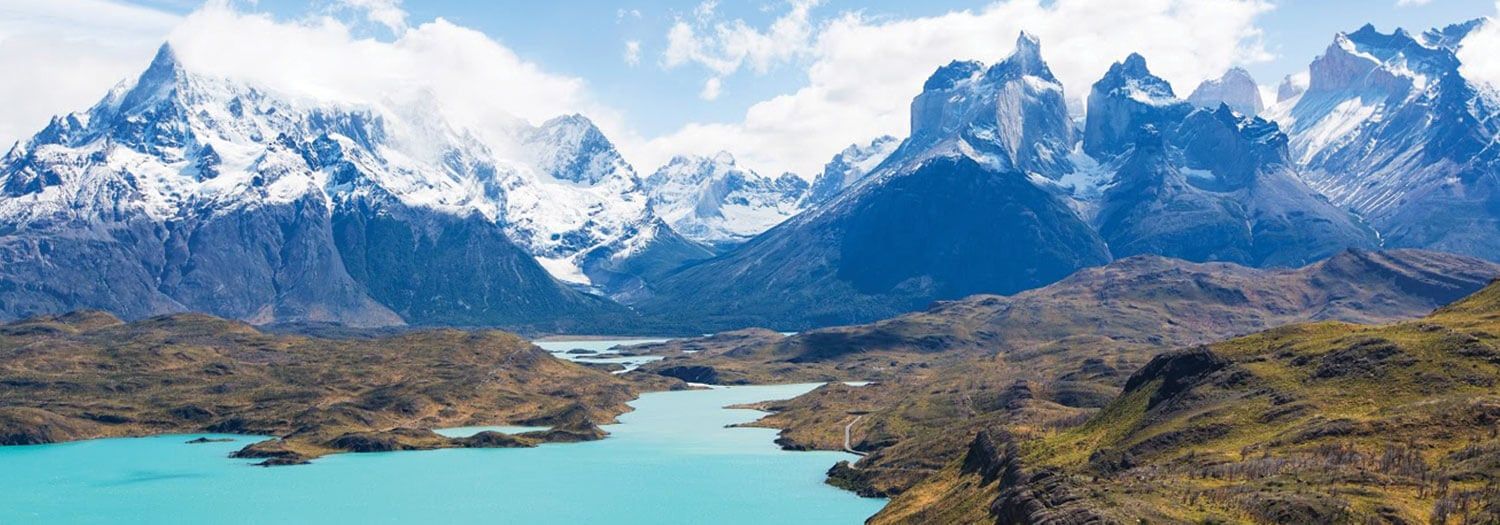
Summer in Patagonia is the peak season for a reason. In general, December weather in Patagonia is ideal. Especially in central areas, the sun is shining and the daily high temperatures begin to linger leaving the trekking trails in perfect condition. All of the natural attractions are easily accessible and travelers are able to explore the region and its wildlife in its full splendor.
Note: The busiest travel times for Patagonia are from December to February with a big influx of visitors during the holiday season so it is best to book your trip to Patagonia well in advance when traveling during these months.
Summer is the best time for hiking in Patagonia. With longer days, warmer weather and the most comfortable temperatures in the year, the various trekking trails of Patagonia are most accessible during Summer. Additionally, travelers will have the most options for excursion tours and accommodation at this time. Ecolodges, resorts, tour groups, and campgrounds that may close during winter, will be open for the season.
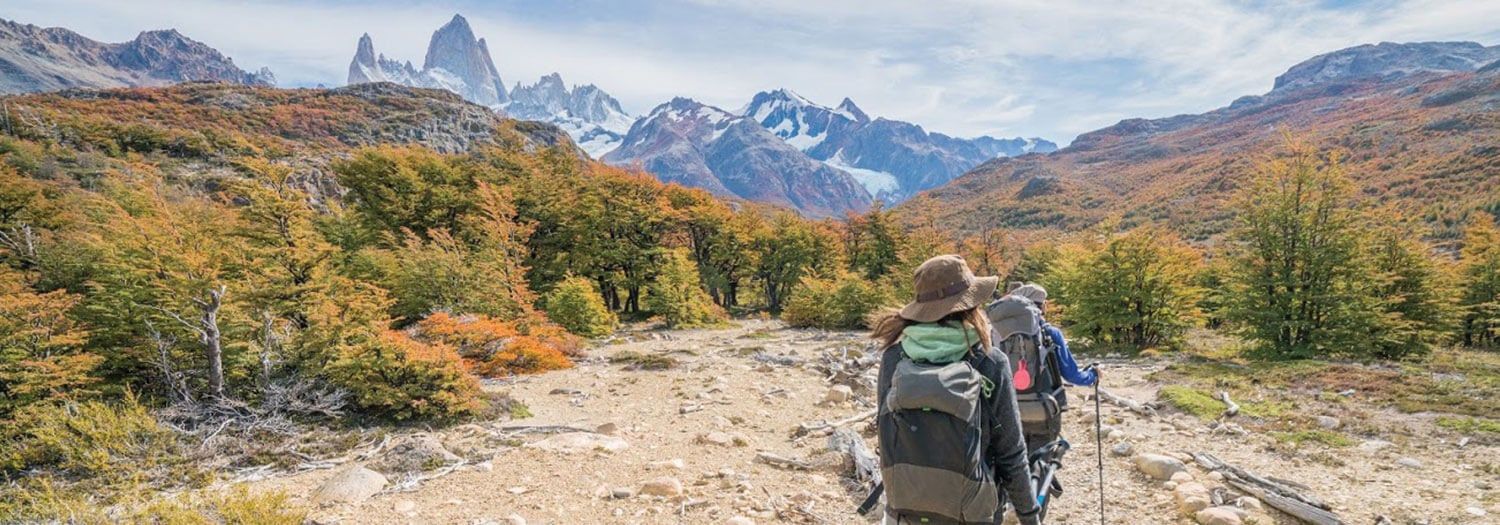
Patagonia during the Fall is the second “shoulder season” for travelers. It’s another opportunity to explore the region when the summer season is dying down and the region becomes much more comfortable to explore with fewer visitors.
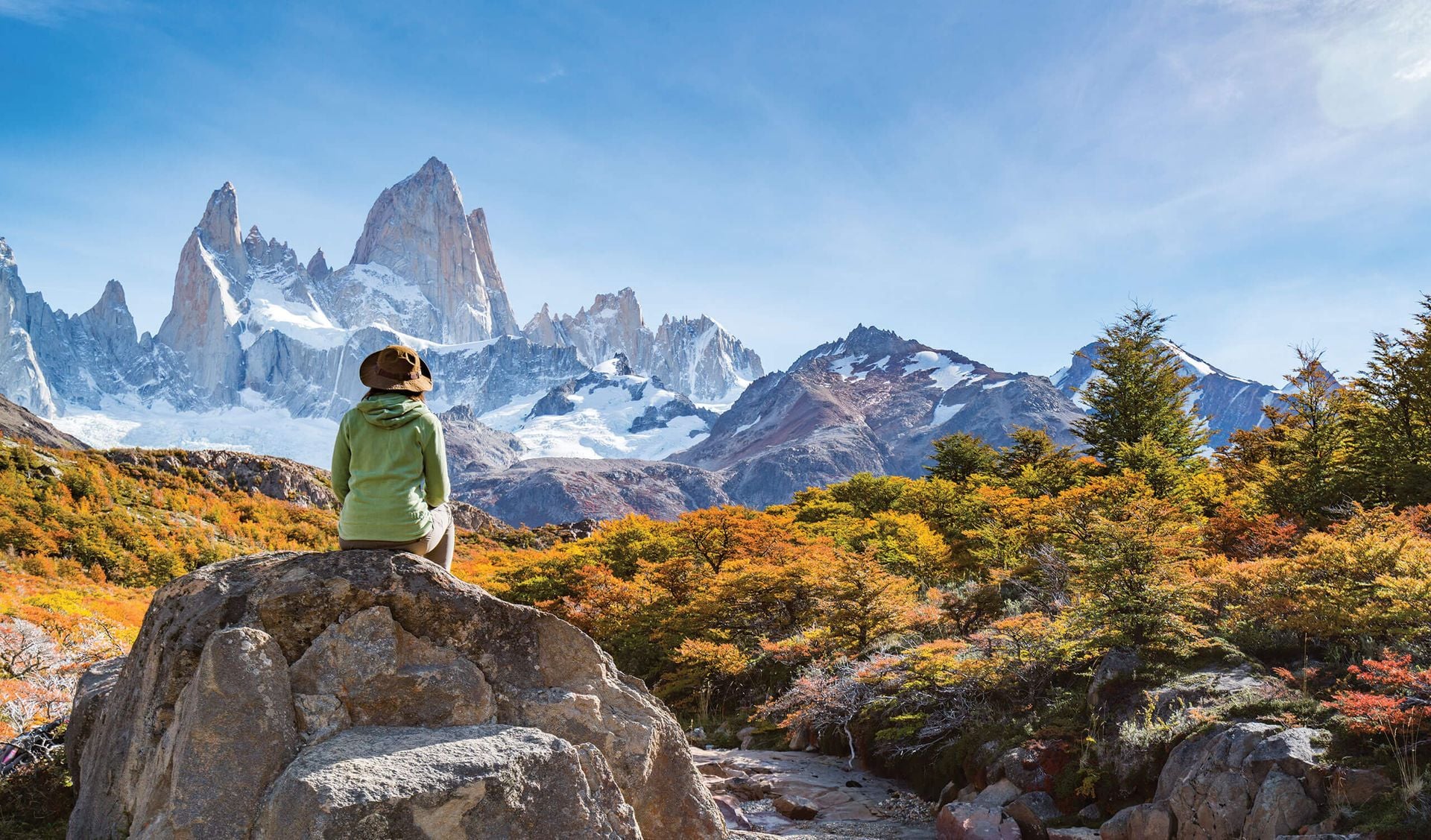
While the temperatures of the park start to cool, the leaves of the region transform into beautiful autumnal hues leaving any traveler in awe of the surrounding natural beauty. It’s during this time that the contrast of colors makes visiting Patagonia during the Fall one of the best times of the year. And while the weather becomes a bit cooler, in general, the days stay dry and the famous treks are still available to tourists.
Note: it starts to become a bit cooler temperatures during this time. The weather can also be a bit more unpredictable - you might experience a variation in weather in just one day!
A tour through Patagonia’s most popular national parks like Torres del Paine and Los Glaciares are among the top things to do in Autumn. Regarded as the shoulder season, visitors at this time will find popular trails and natural landmarks significantly less crowded than during the summer season. Temperatures will begin to cool, however, continue to be comfortable for outdoor exploration. Additionally, the transition from Summer to Fall coats Patagonia with a beautiful display of Fall colors, with forests bursting in hues of reds and oranges throughout these national parks.
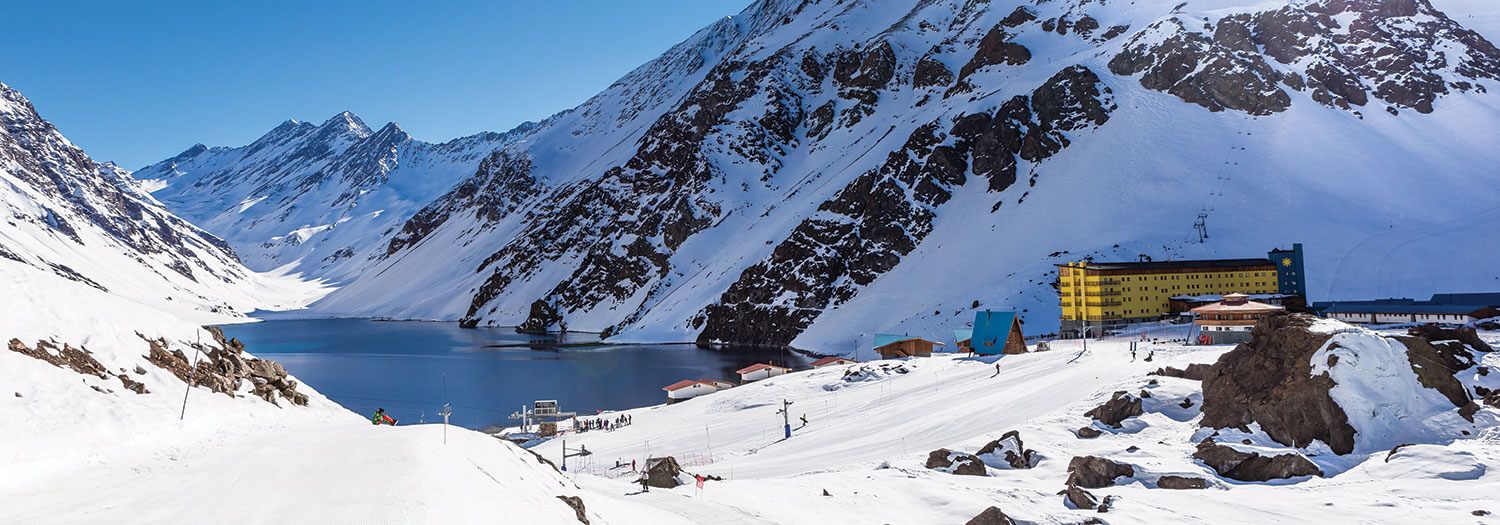
While yes, many trails and lodges shut down in Patagonia during the winter, it is a common misconception that it’s too cold to visit - we’re here to tell you that that is not the case. In fact, Patagonia during the winter is the perfect time to pull out your skis and snowboards and hit the slopes at one of Chile’s most reputable resorts.
Note: Services in and around the park are limited during the winter season and the weather conditions.
The best things to do in Patagonia during Winter can be found in the mountains. Patagonia is world-famous for its impressive peaks and during Winter, many of these dramatic slopes are open for winter sports. Tour through some of the continent’s top ski resorts, like El Calafate. Bariloche or Cerro Castor, to name a few. From skiing, snowboarding, cross-country hiking or snowmobiling, the climate of Patagonia provides the ideal weather and conditions for enjoying the best of Winter.
Patagonia's season runs November to March. December–February is the warmest with the longest days, but also the windiest and busiest. For the best balance of good weather, fewer crowds, and calmer winds, aim for the shoulders — November or March (March also brings autumn colour).
The W and O treks in Torres del Paine run November to March. High summer (Dec–Feb) has the warmest, longest days but the strongest winds and most hikers; November and March are quieter and less windy. Many lodges and refugios close from June to August.
Partly. From June to August most hiking trails and lodges close, days are short, and the weather is cold and snowy. A few operators run winter experiences — snowshoeing, photography, and a limited winter trek in Torres del Paine — but for classic Patagonia hiking and glacier trips you need the November–March season. The Perito Moreno Glacier and El Calafate remain accessible year-round.
The W and O circuits are best from November to March, when the trails, refugios, and campsites are open. December and January give the longest daylight for big hiking days; November and March trade a little warmth for calmer winds and far fewer people. Book refugios months ahead for the peak summer months.
Very — Patagonia is famous for it. The wind is strongest in high summer (December–February), when gusts on exposed trails can exceed 60 mph. It eases noticeably in the shoulder months, which is a big reason many hikers prefer November, March, and April. Whenever you go, pack a proper windproof layer.
The Perito Moreno Glacier near El Calafate is impressive year-round and accessible in every season. The November–March summer offers the warmest weather and longest days for boat trips and ice-trekking; the shoulder and winter months are quieter and can be strikingly beautiful, with fewer visitors on the walkways.
Southern right whales gather at Península Valdés on Argentina's Atlantic coast from June to December, peaking around September to November. This makes late winter and spring — before the main trekking season — a great time to combine whale watching with Patagonia's wildlife coast.
The shoulder months of November and March–April are the quietest within the travel season, with calmer winds, lower prices, and either spring wildflowers or autumn colour. You trade a little warmth and daylight for a much more peaceful experience on the trails.