Peru and Ecuador tours tend to start with two names: Machu Picchu and the Galápagos. Both fit in one trip. What decides it is the order, the flights, and how much of mainland Ecuador you keep between the ruins and the boat.
The tours below are mostly single-country tours and Galápagos cruises, not Peru-and-Ecuador combinations. Any of them can be joined to the other country, and we plan the flights that connect them.
Click or Tap your preferences: Destinations & Activities. Be as specific or general as you like – or click Help Me Decide! We’ll spice it with hidden gems & personal tips to create your perfect trip. Need assistance? Contact an expert at +1 (888) 900-5060
The Trip That Does Both, and the Pieces We Join to It
Galápagos Cruise and Machu Picchu
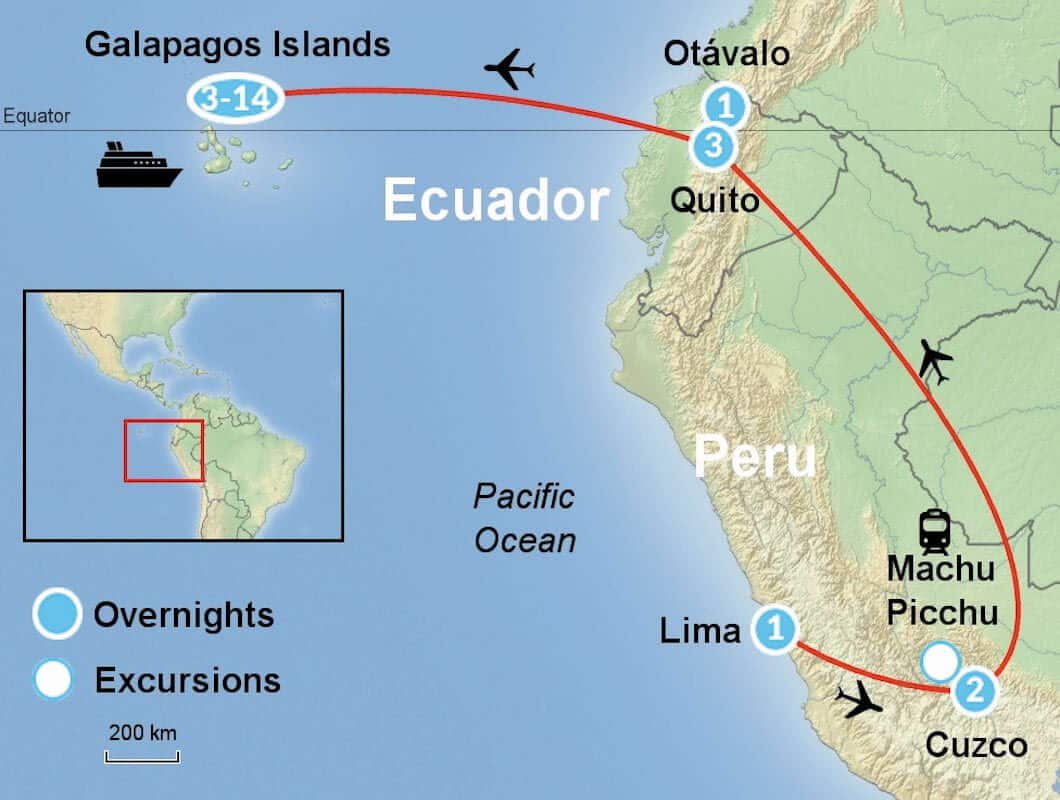
The one trip in our collection that does both countries. Lima, Cusco and Machu Picchu first, then the flight to Quito, Otavalo and the Imbabura highlands, and a Galápagos cruise to finish.
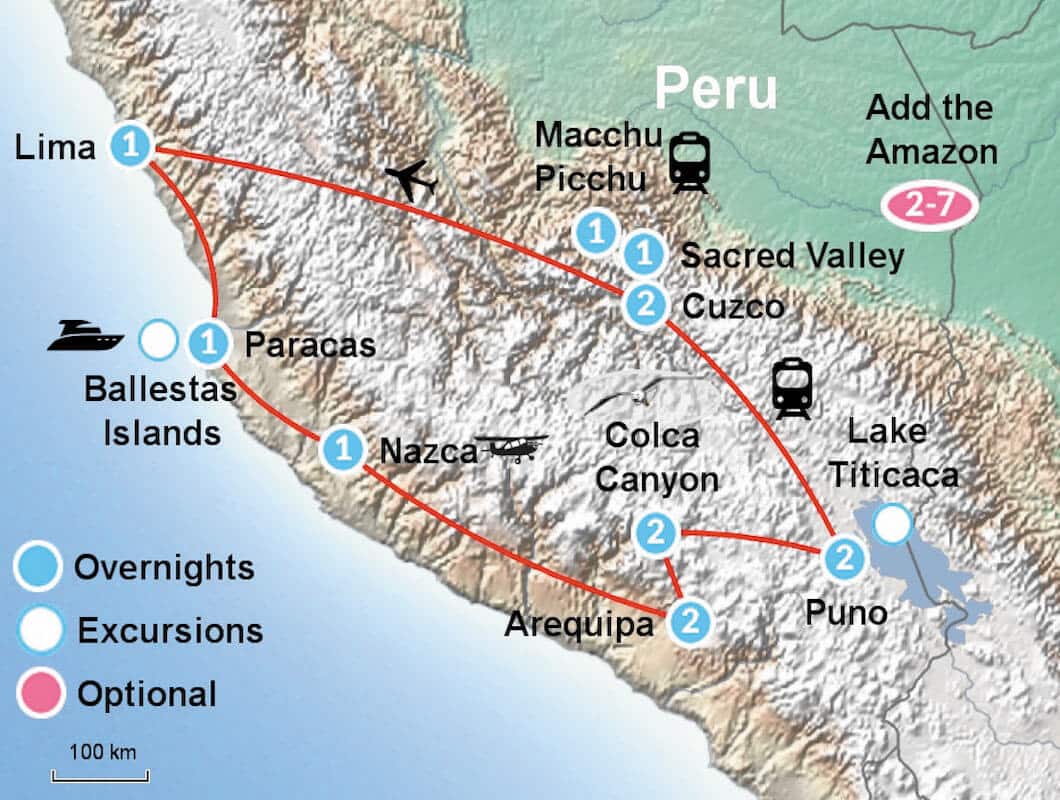
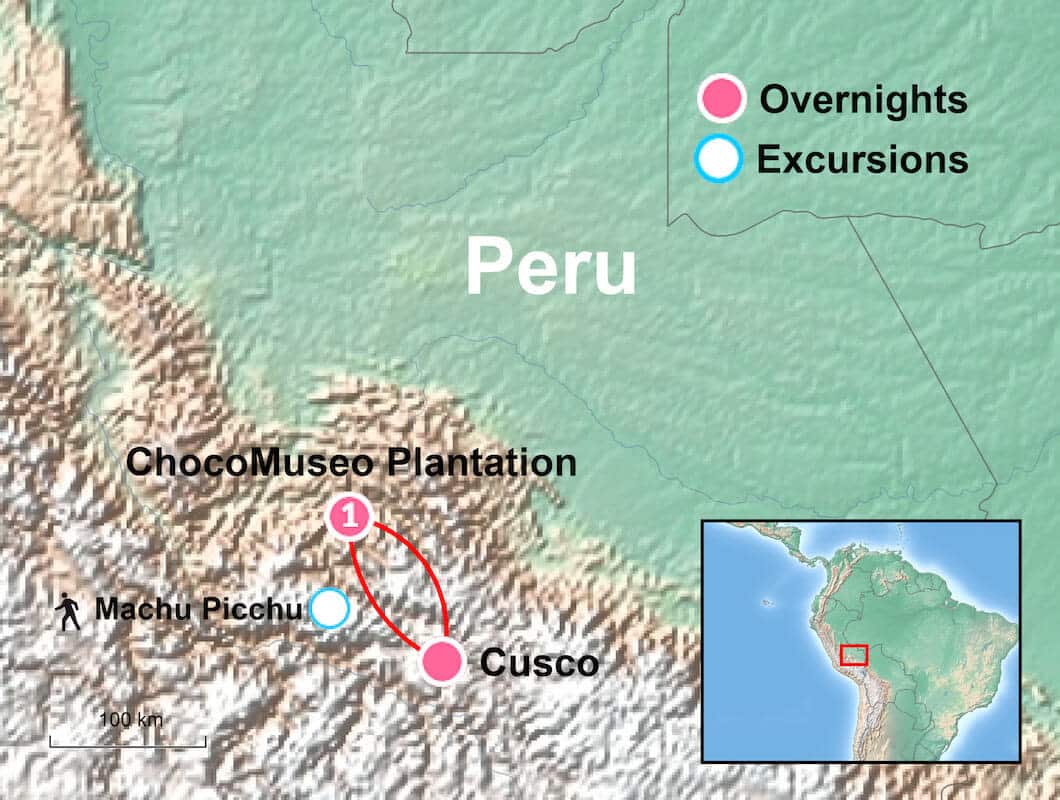
The Peru half, which we join to Ecuador. It goes from the Cusco airport straight down to the Sacred Valley, gives Machu Picchu two days, returns to Cusco, then flies into the Peruvian Amazon at Puerto Maldonado and back to Lima, where the Quito flight leaves.
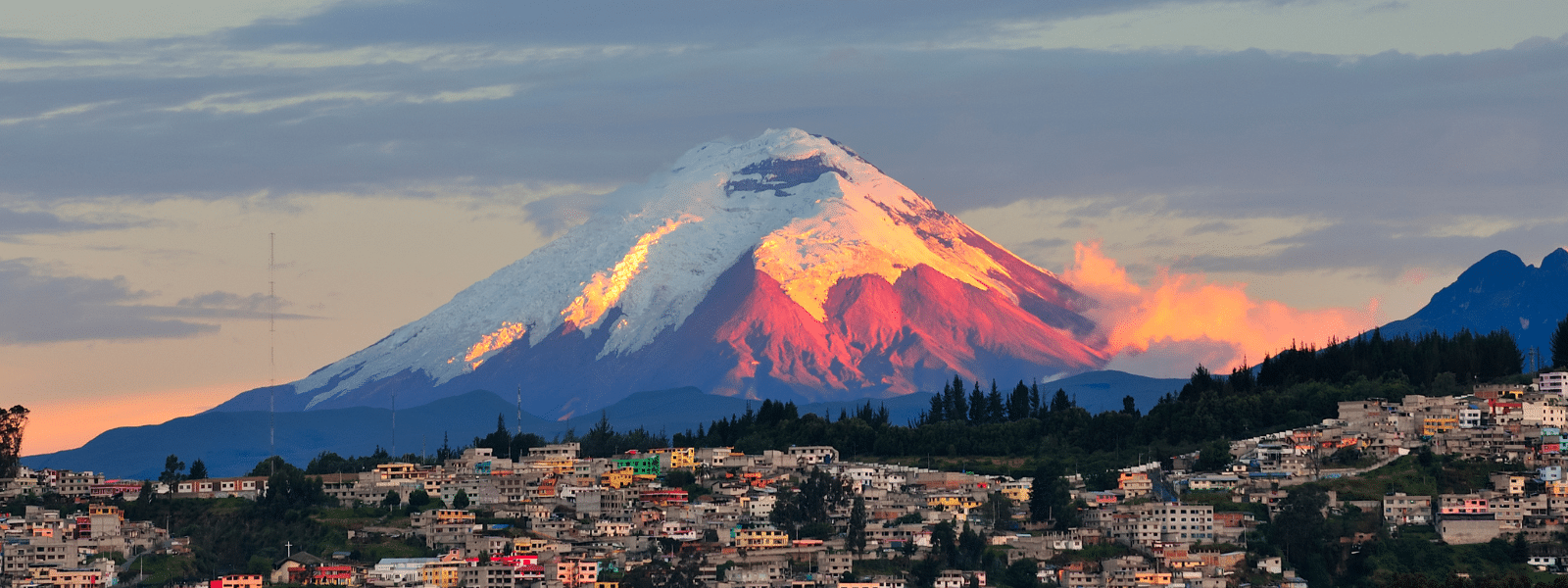
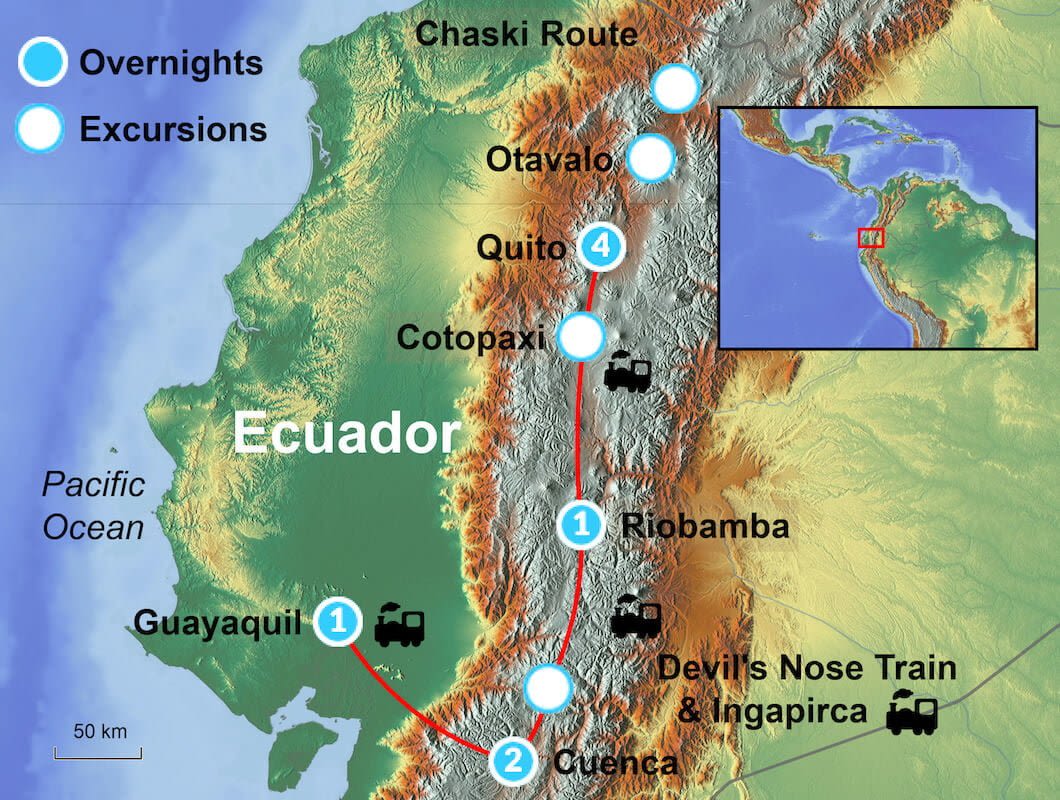
An extension: mainland Ecuador on its own, added after Peru. Quito, the Otavalo valley, the Avenue of the Volcanoes and Cotopaxi, Ingapirca's Inca-Cañari ruins and Cuenca, then a flight to Quito or Guayaquil, the two cities the island flights leave from.
An extension: four days in the cloud forest at Mashpi Lodge, a drive from Quito. The hummingbird garden, a waterfall hike, the Sky Bike and the Dragonfly cable car, slotted into the Quito days before the islands.
An extension for the islands, by ship: Quito and Otavalo, then a four-day Galápagos cruise that can be lengthened. After a Peru tour, it is the Ecuador half in one piece.
Yes, Machu Picchu and the Galápagos fit in one trip. Peru comes first and the islands last: no flight goes from Peru to the Galápagos. The islands are reached only from Quito or Guayaquil, so every version of this trip passes through mainland Ecuador. Our Galápagos Cruise and Machu Picchu tour is that trip.
Now the “yes, but”. Juergen Keller, our co-founder, counts Peru, Bolivia and Ecuador as the Inca heritage lands. “That is one history,” he says. Peru is “its own cosmos” to him, combined at most with “similar” Bolivia or “continental Ecuador”. The islands are a different story, and a good one, but not that one. Brad Nehring, the other co-founder, names the underrated half: “Ecuador, and not the Galápagos.”
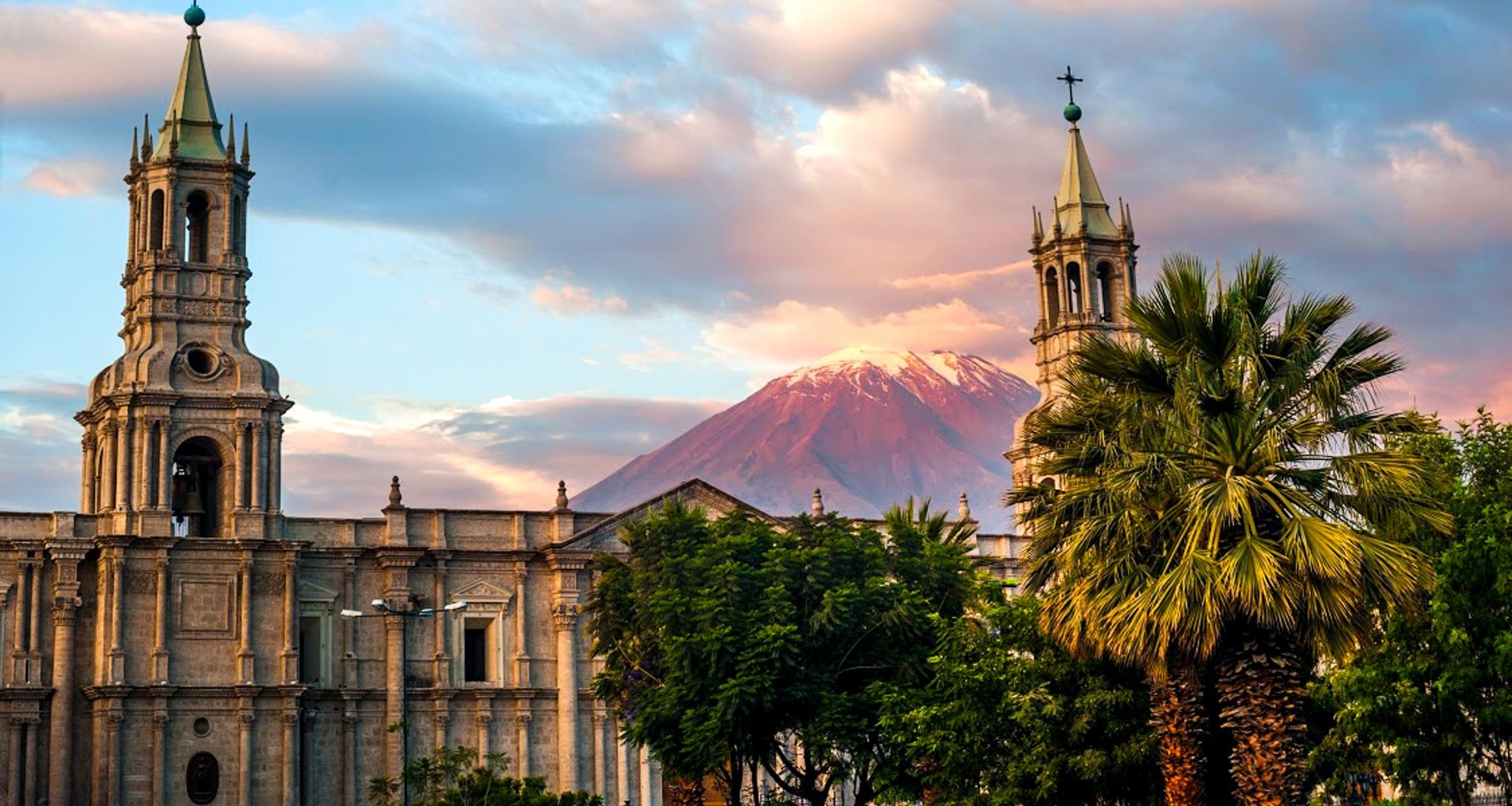
So give the mainland its days. Quito’s old center and Cuenca are both on the UNESCO World Heritage list, the Avenue of the Volcanoes runs south of Quito, and the ruins of Ingapirca carry the Inca thread south. If Quito is only the airport between Machu Picchu and the boat, you have skipped the half of Ecuador that belongs with Peru.
How to Route a Peru and Ecuador Trip
Start in Lima and fly to Cusco, but don’t sleep there yet. Juergen’s routing is to go from the airport straight down to the Sacred Valley for the first night. Machu Picchu sits lower again. Come back up to Cusco afterward, “and by then you’ve acclimatized.” Our twelve-day combination sleeps in Cusco on arrival; a custom plan puts the valley first. For health questions, see staying healthy in Peru.
Then Ecuador, and not straight to the boat. Lima to Quito is a direct flight; from Cusco, the flight to Quito connects through Lima. Give the mainland a few days: Quito and Otavalo, the Avenue of the Volcanoes, Cuenca, or a cloud-forest lodge.
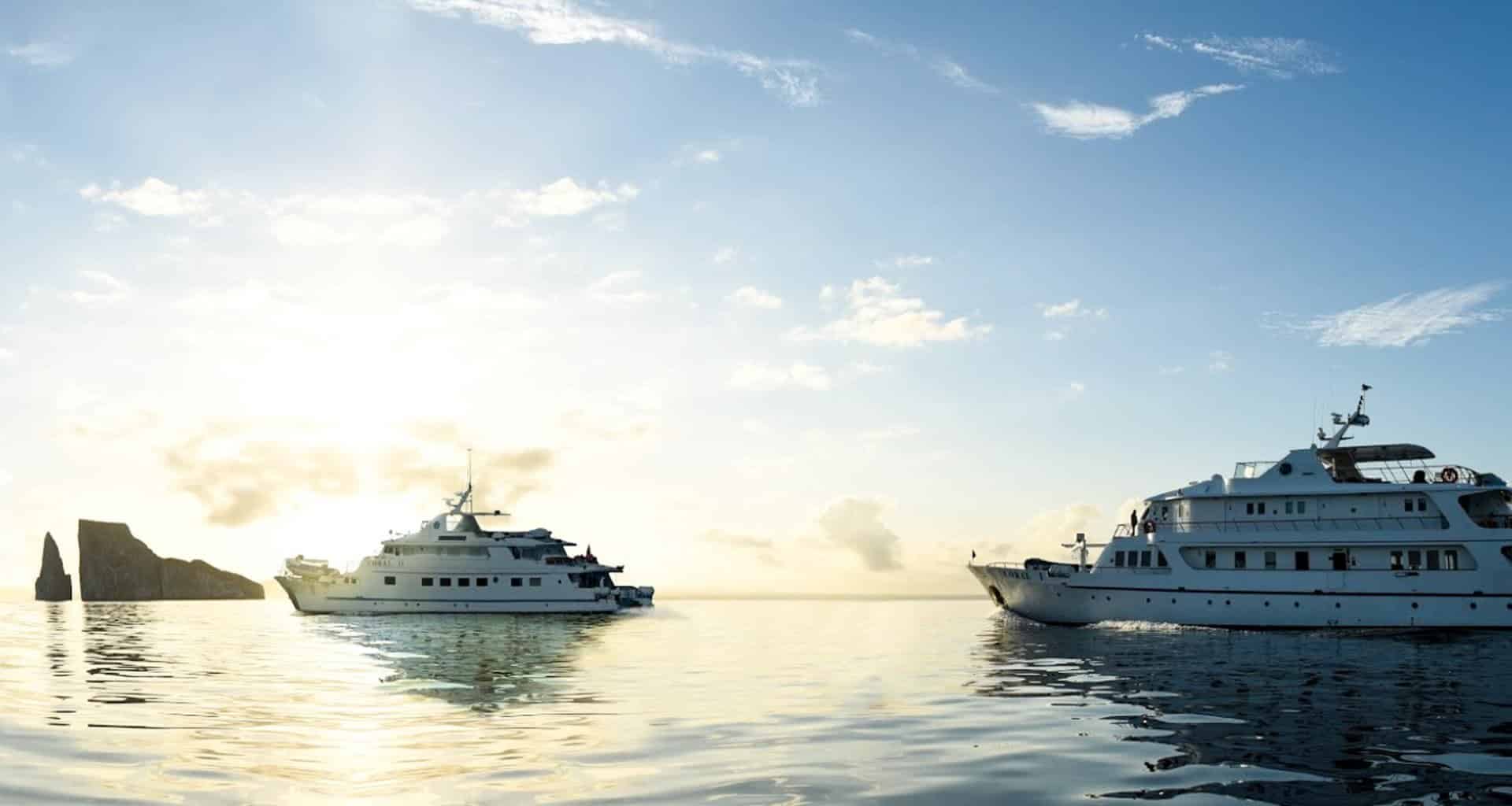
The islands come last, and by ship. We recommend cruising over land-based island-hopping. Three or four days on board give a real feel for the wildlife; seven take in the most islands. Read more on our Galápagos cruises page.
Best Time for a Peru and Ecuador Trip
Juergen’s rule for South America as a whole is April and October, plus the month either side. On this trip Peru sets the dates.
The usual answer for Machu Picchu is the dry season, May to September. He is blunt about it: in the highlands “It is cold. It is windy. It is very dry.” The snowcaps make “a spectacular background”, and the northern summer holidays bring the crowds. His own pick for Peru is March and April: “Still warm(ish), still green … Less crowded.” That is his pick, not the rule: March is still rainy in the Andes, and the Inca Trail closes in February.
The Galápagos have two seasons. December to May is warm, with calmer seas and the best snorkeling; June to November brings cooler Humboldt water and the richest marine life. For the mainland, see when to visit Ecuador. Plan around Semana Santa, the week before Easter, which Brad calls “very tricky and potentially expensive”.
Where a Peru and Ecuador Trip Goes
The rows run in the order of the trip: Lima, the valley, the ruins, Quito, the southern Andes, and the islands at the end.
1.
Lima
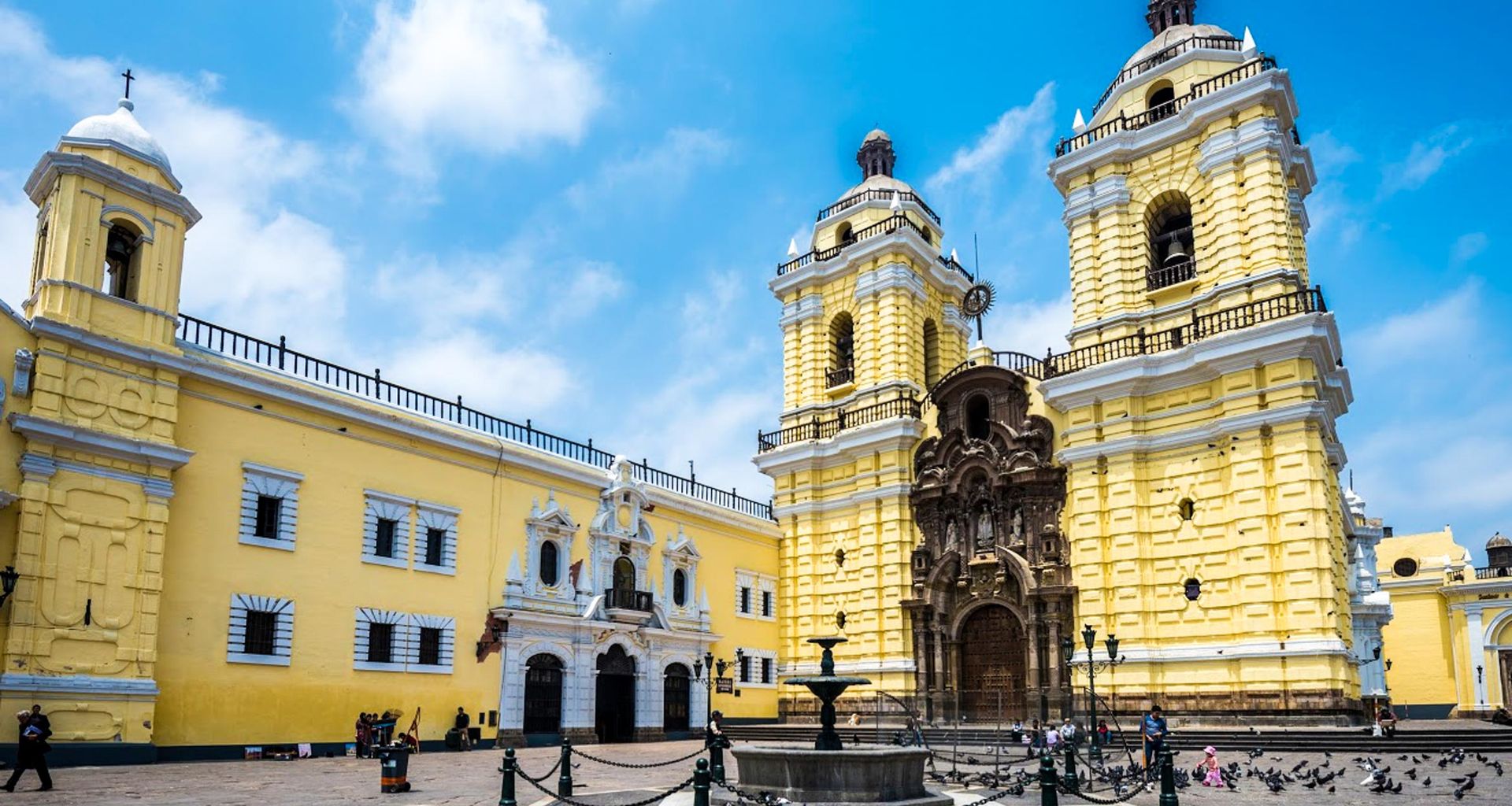
The first night and the last airport in Peru. International flights land here, and the flight to Quito leaves from here. Lima earns a day of its own at the start: the colonial center around the Plaza de Armas, and a city that takes its food seriously. You may pass through again on the way north.
You land at Cusco's airport and drive down to sleep beside the Urubamba River, with Pisac and its market on the way. Cusco waits until you come back from Machu Picchu. It is worth the wait: the Spanish set their churches on Inca foundations, and you can still see the joins.
The end of the Peru leg, and lower than the valley above it. The train follows the river down from the Sacred Valley, and the ruins sit below the tree line, green and steep, closer to subtropical forest than to the bare highlands. A night at the foot of the mountain gives you a second visit. Then the train climbs back toward Cusco.
Where Ecuador starts. Quito was an important city of the Inca empire; its old center today is colonial, churches and plazas on steep streets. North of the city, Otavalo's market and the crater lake of Cuicocha fill a day. West, the cloud forest at Mashpi Lodge is the quiet option, hummingbirds included.
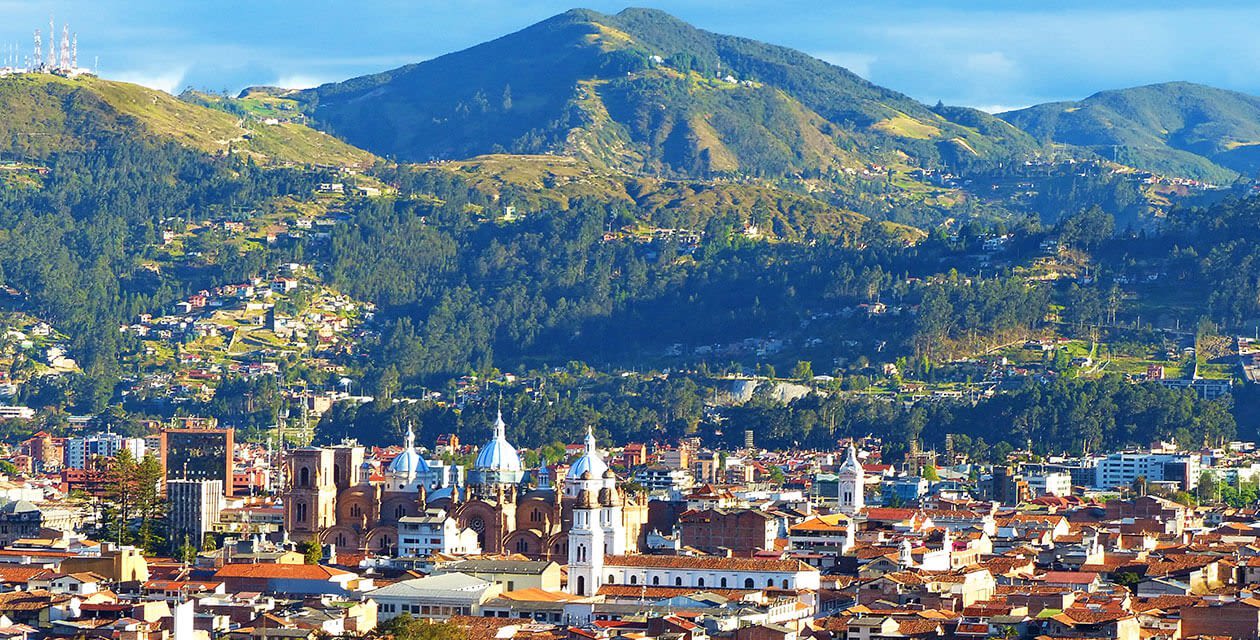
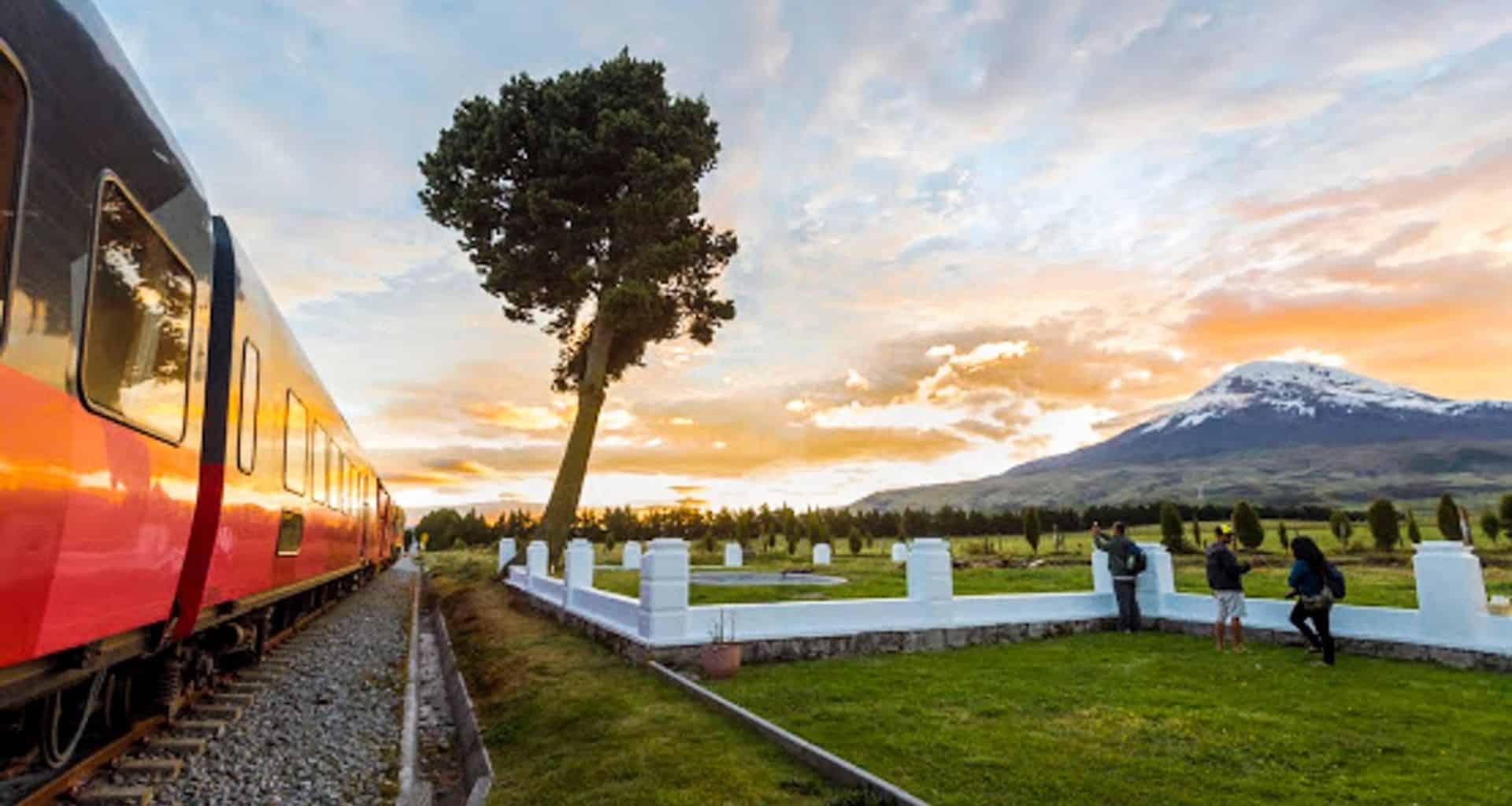
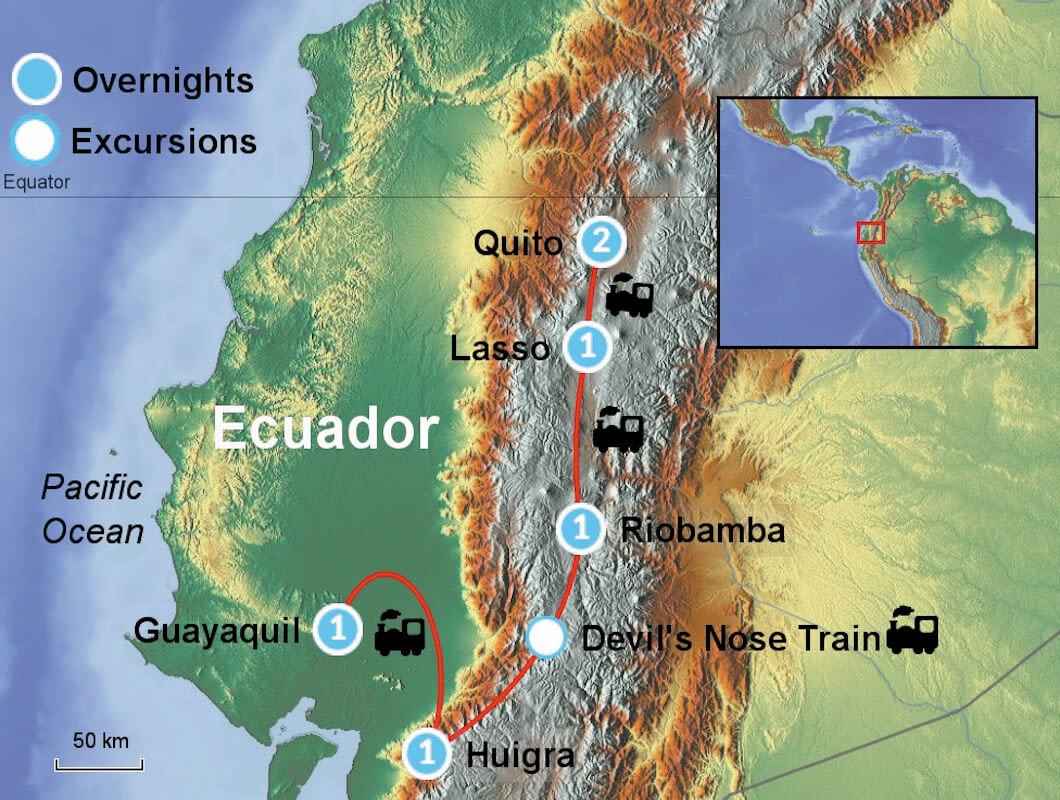
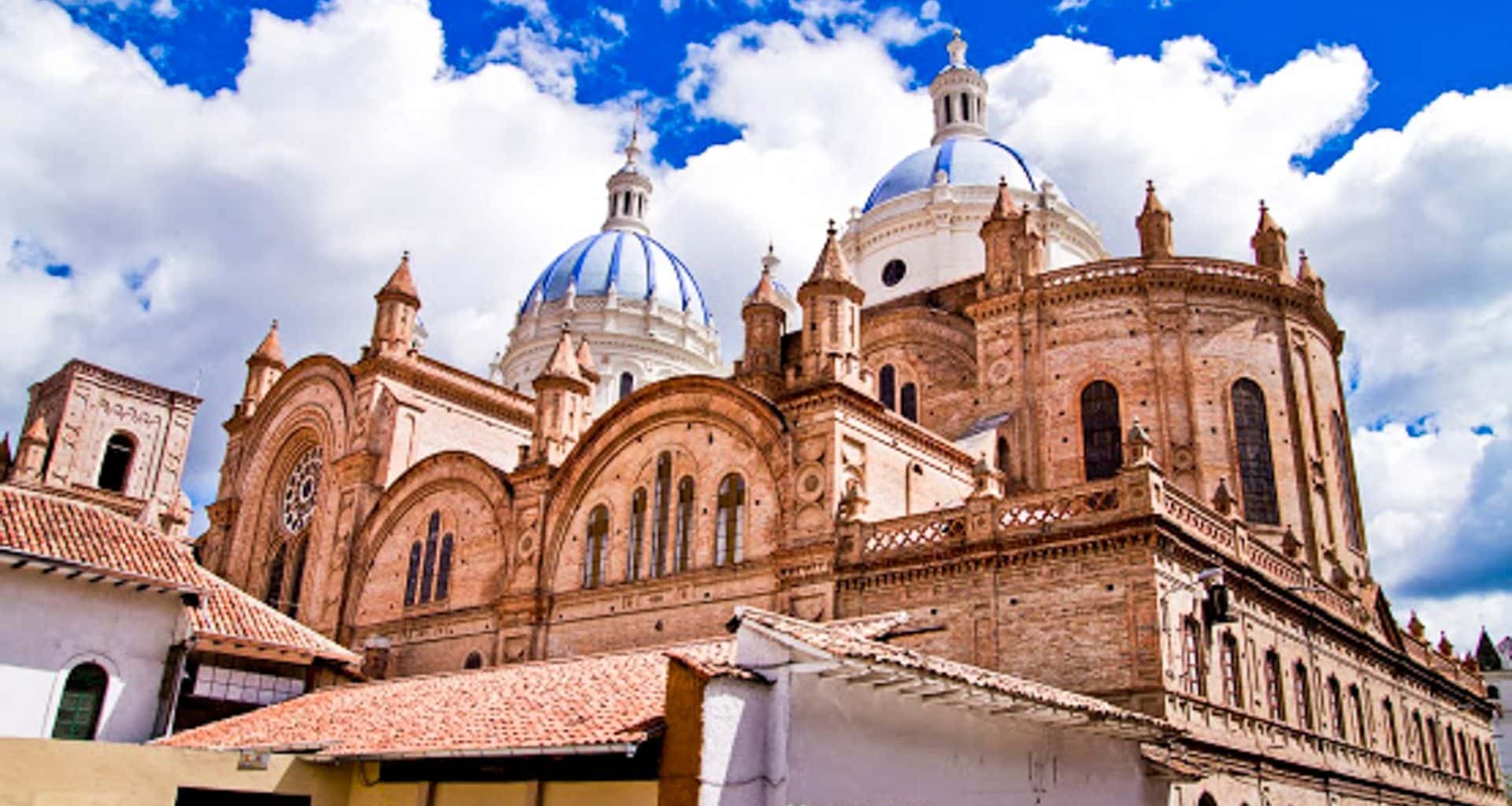
South of Quito the road follows the Avenue of the Volcanoes, past Cotopaxi National Park. Farther south, the Inca-Cañari ruins of Ingapirca tie this stretch back to Peru's story. Cuenca is the last stop on the mainland: a colonial city under blue cathedral domes, with the craft towns of Gualaceo and Chordeleg close by and flights out to Quito and Guayaquil.
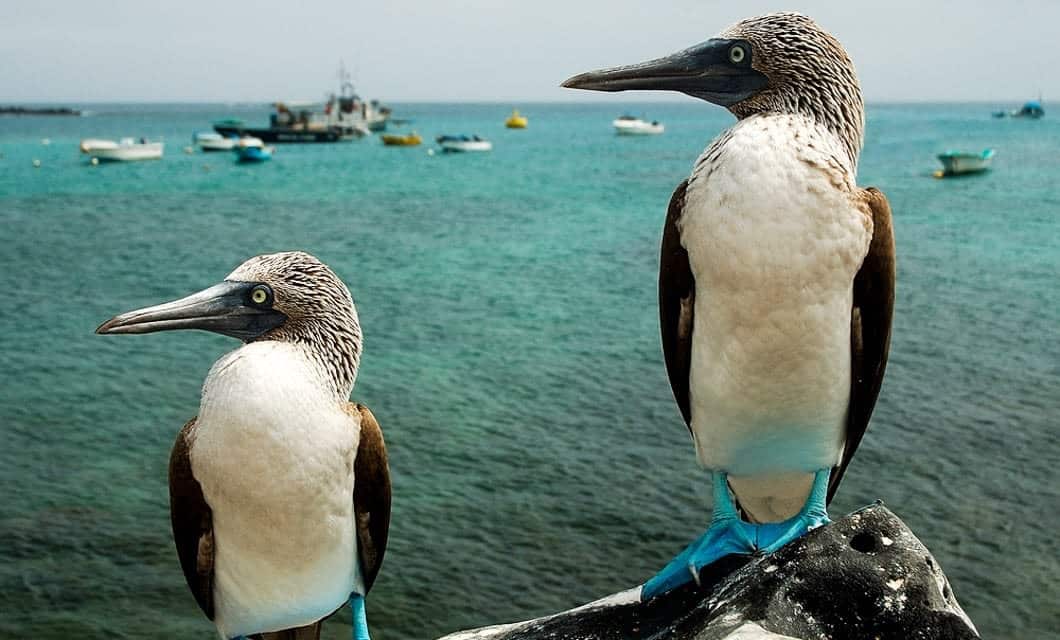
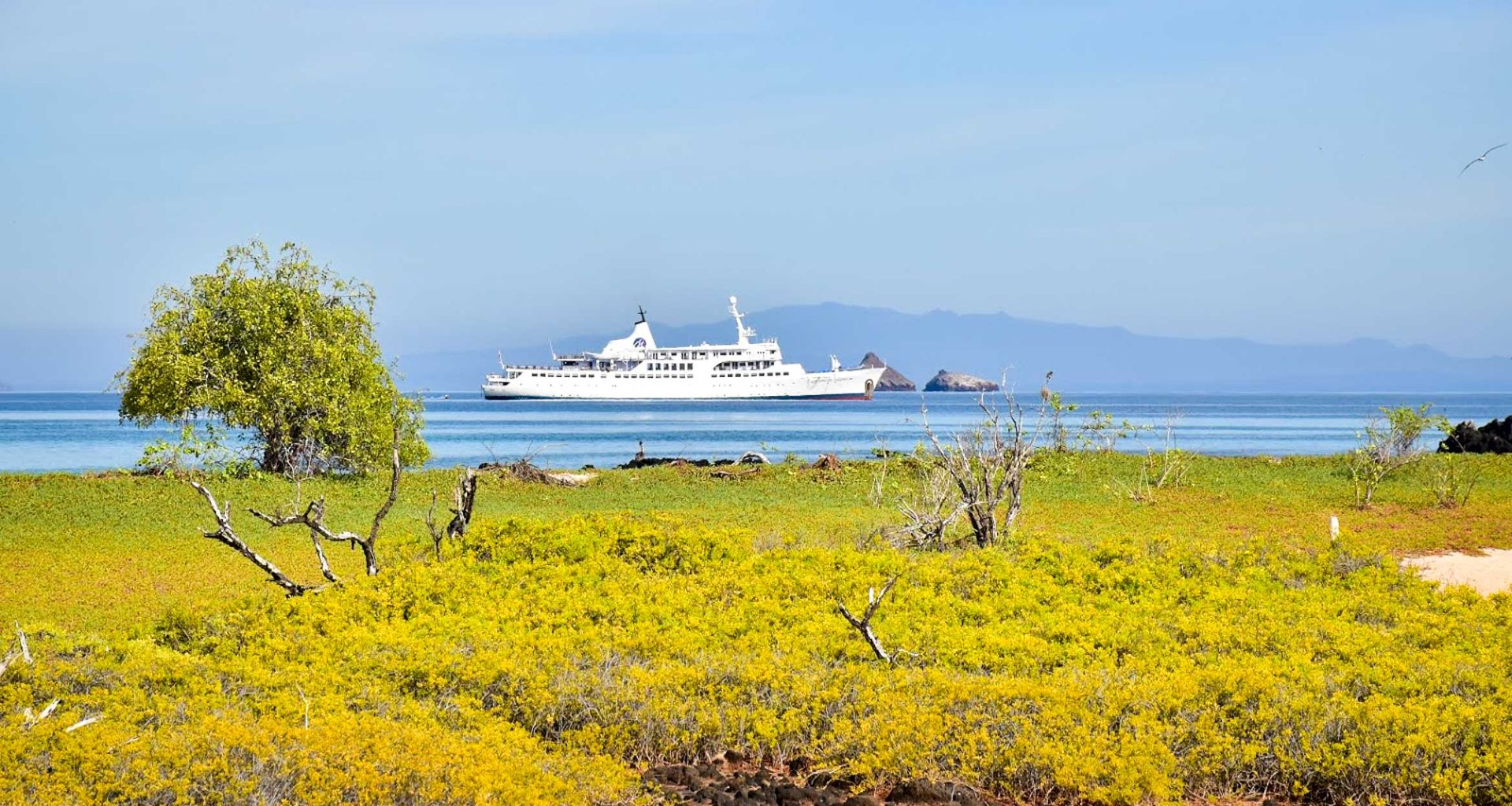
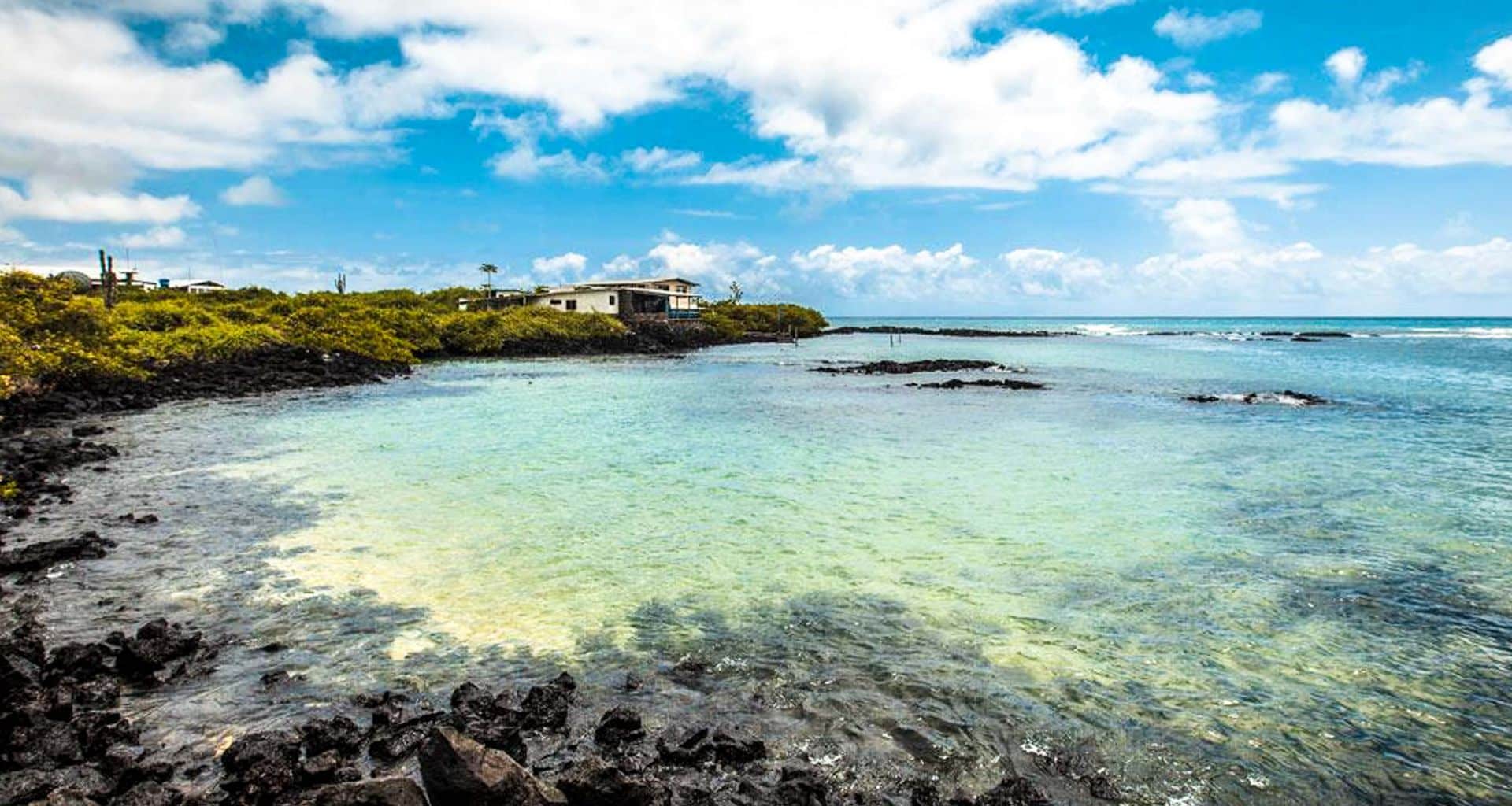
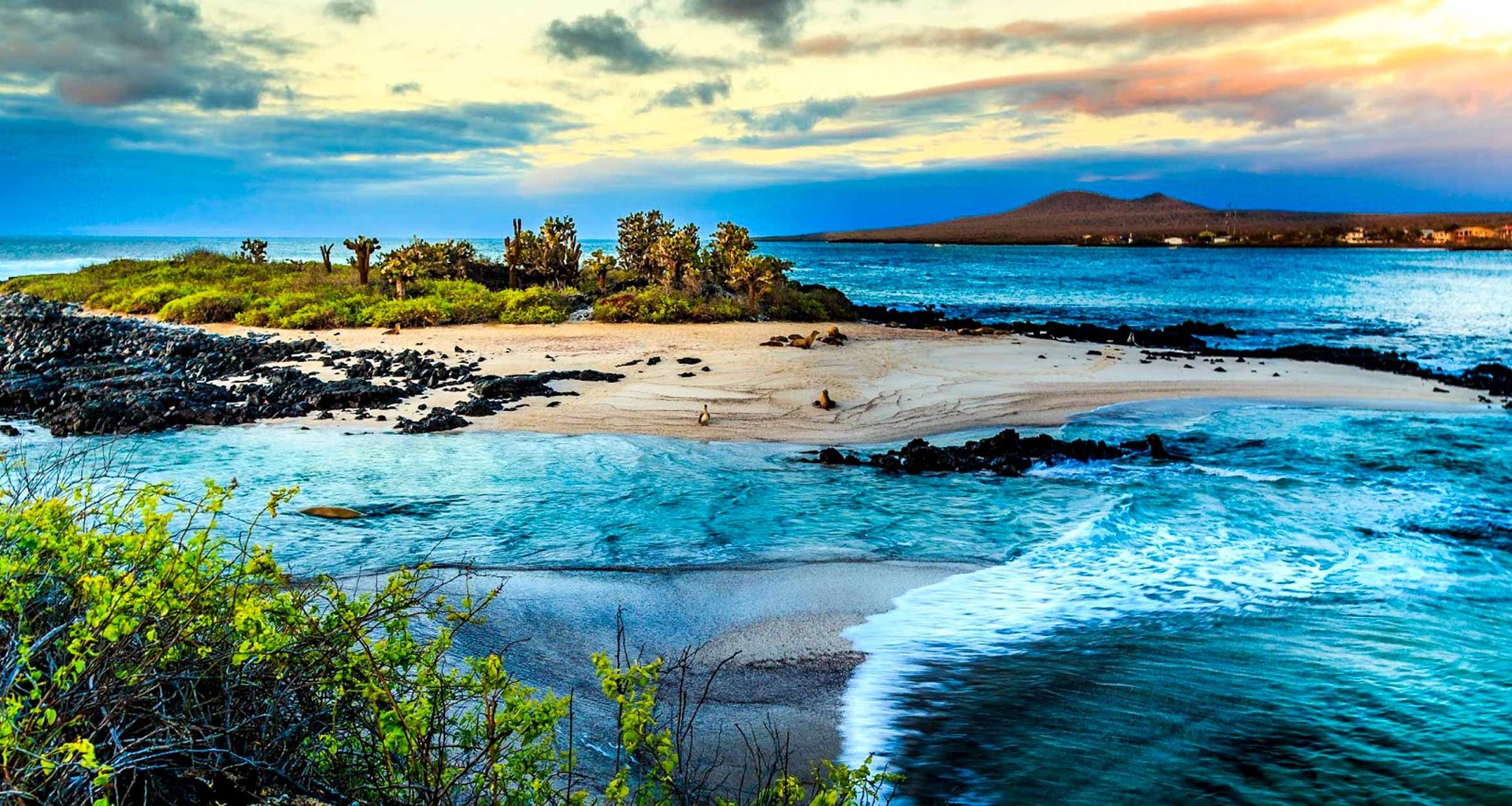
The last leg, and the only one at sea. The flight lands at Baltra or San Cristóbal, and a guide meets it to take you to the ship. On land you walk past blue-footed boobies, marine iguanas and giant tortoises. In the water you snorkel with sea turtles and sea lions. Then one more flight back to the mainland, and home.
There is no flight from Peru to the Galápagos, and the Cusco to Quito day connects in Lima. The flights and the order are the work, and they decide whether two countries become one trip or a week of airports. If you arrive with an itinerary already in hand, our rule holds: “we would not just price this, we also want to know why you want to see this.” Then we add one thing you would not have found yourself, often the mainland day you were planning to skip. We design the trip, and our partners on the ground guide it. As Brad puts it, “we generally have a local guide in each destination.”
Download our FREE South America Travel Guide and get inspired to explore to South America. Browse through 26 pages of travel planning tips and ideas – a great resource for planning your dream vacation.
Planning a trip to South America? Explore essential travel info including via requirements, safety tips, weather, money, and more so you can focus on designing the perfect adventure!
South America Hotels & Resorts
South America Articles
Staying Healthy in South America
Internet & Calling in South America
South America Travel Insurance
South America Packing List
Money in South America
South America Visa Requirements
Getting to and Around South America
Weather in South America
Languages of South America
South America Food & Drink
Safety in South America
Peru and Ecuador Tours FAQs
Can you combine Machu Picchu and the Galápagos in one trip?
Yes, with Peru first and the islands last. Flights to the Galápagos leave only from Quito or Guayaquil, which puts mainland Ecuador between the two. Our Galápagos Cruise and Machu Picchu tour runs Lima, Cusco and Machu Picchu, flies to Quito, spends its mainland days in Quito and Otavalo, and then flies out to the boat for the cruise that ends the trip.
How many days do you need for Peru and Ecuador?
Our twelve-day combination fits Lima, Cusco, Machu Picchu, Quito, Otavalo and a Galápagos cruise. Every addition costs days: the Sacred Valley before Cusco, the Andes south of Quito and Cuenca, a cloud-forest lodge, or a longer cruise. Our co-founders are frank about squeezing in more: two weeks across several countries does justice to little more than the capitals you fly in and out of.
Should you visit Peru or Ecuador first?
Peru first, then mainland Ecuador, with the Galápagos last. The islands are reached from Ecuador, so ending the trip in Ecuador lets the cruise close it, and that is the order our combination tour runs. Inside Peru, sleep in the Sacred Valley before Cusco and save Cusco for after Machu Picchu. Our page on staying healthy in Peru covers the health side.
How do you get from Peru to Ecuador?
You fly. Lima to Quito is a direct flight, and our itineraries fly between the two countries. From Cusco, the flight to Quito connects through Lima, so a Peru half that ends in Lima saves you the change of planes. Check the entry rules for both: Peru visa requirements and Ecuador visa requirements.
Is mainland Ecuador worth it, or just the Galápagos?
Yes, it is worth it. Brad and Juergen spent two weeks in mainland Ecuador with a personal guide, and Brad describes it this way: "The mountains shoot right up out of the water, the volcanoes, the canyons, everything." Quito and Ingapirca carry the Inca history Ecuador shares with Peru. Cuenca, the Avenue of the Volcanoes and the cloud forest are reason enough on their own. Start with The Heart of the Andes.
Should you see the Galápagos by cruise or from a hotel?
By cruise. Our advice is plain: "We recommend cruising over land-based island-hopping." A 7-day voyage takes in the most islands, though even a 3–4 day cruise gives a real feel for the wildlife. A few tours in our collection are land-based; our own advice is still the ship, and on a Peru and Ecuador trip it is the finish. See Galápagos cruises.
Can you add Bolivia to a Peru and Ecuador trip?
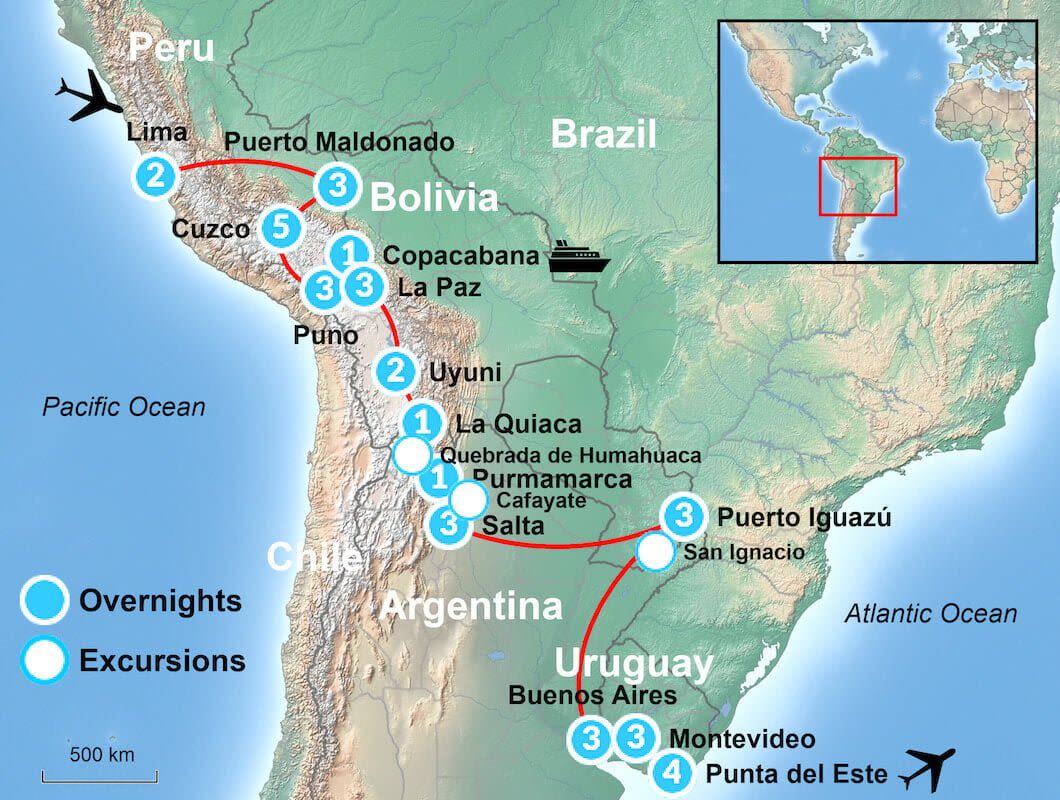
Yes, and it is the one addition that keeps the trip in a single story. Juergen counts Bolivia, Peru and Ecuador as the Inca heritage lands: "That is one history." Bolivia shares Lake Titicaca and the high Andes with Peru. Three countries take more days, so tell us what you want to see in each. For the Peru and Bolivia side, see Peru and Bolivia tours.
Your Experts in South America!
Let’s Design Your Perfect South America Trip
Tell us what you want to see in Peru and Ecuador, and why. We plan the order and the flights around it, and keep real days for the mainland.
We Love to Talk About South America Trip Ideas!
Thinking of traveling to South America? We take your South American travel dream and make it a reality. Every fully custom South America trip is planned by your own expert personal Travel Consultant.
"*" indicates required fields
South America Travel Guide
Our favorite South America tour ideas featuring the best destinations & activities designed to inspire…

 +1 (888) 900-5060