20+ Years Designing Multi-Country Tours to South America
Multi-country South America tours tend to start with a list of countries, and that is the wrong end to start from. Juergen Keller, our co-founder, puts it this way: “Neither countries nor seasons are important. It depends on what you want to do or to see! Then we tell you where to go to see it!”
The second habit to drop comes from Europe. Brad Nehring, our other co-founder: “everybody approaches South America thinking it’s like Europe, that you travel in a day through three countries.” You don’t. The borders are far apart, and a change of country is usually a flight. If Inca history is the reason for the trip, Peru and its two neighbors make a trip on their own. Machu Picchu and the glaciers of Patagonia in one go is possible too, but count the flights first.
This page is about combining countries: which ones belong together, in what order, and how many days a pairing needs. For one country at a time, or the continent as a whole, start with our South America tours.
Multi-Country Tour Itineraries
Every card below crosses at least one border. Treat each one as a starting point: we reorder it, slow it down or shorten it to fit your dates.
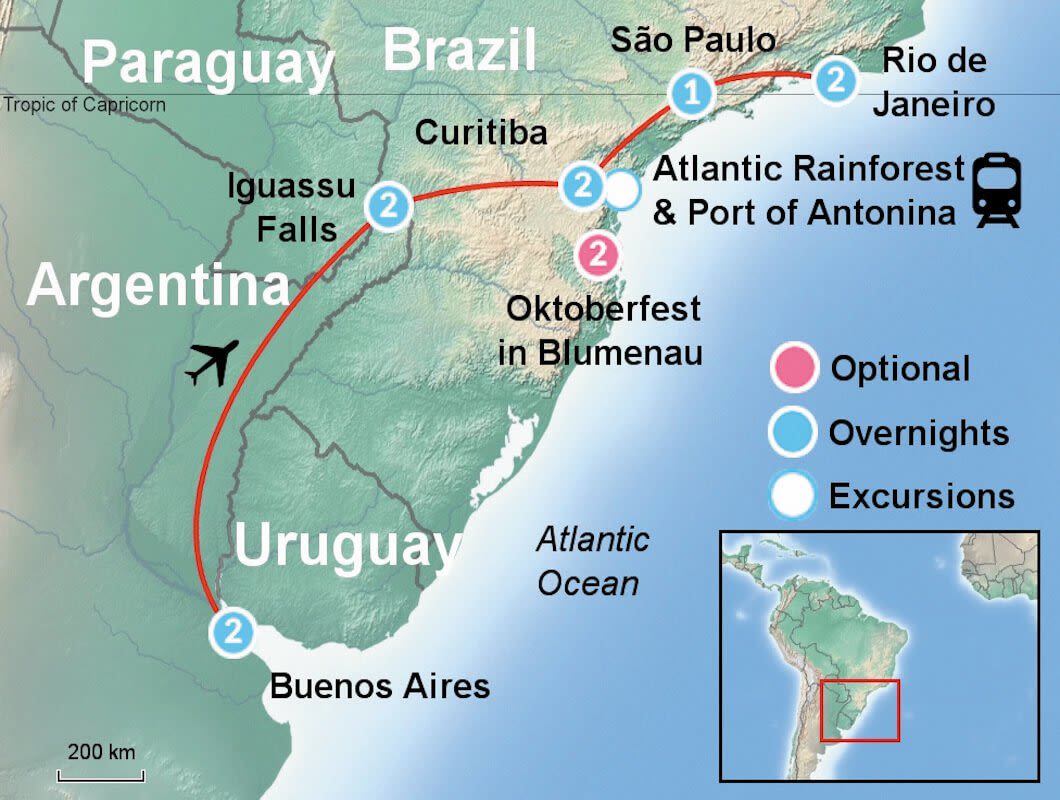
Montevideo •Punta del Este •Colonia del Sacramento •Argentina •Brazil •Uruguay •South America •Multi-Country •Buenos Aires •Iguazu Falls •Rio de Janeiro
Click or Tap your preferences: Destinations & Activities. Be as specific or general as you like – or click Help Me Decide! We’ll spice it with hidden gems & personal tips to create your perfect trip. Need assistance? Contact an expert at +1 (888) 900-5060
Five Trips, Five Different Pairings
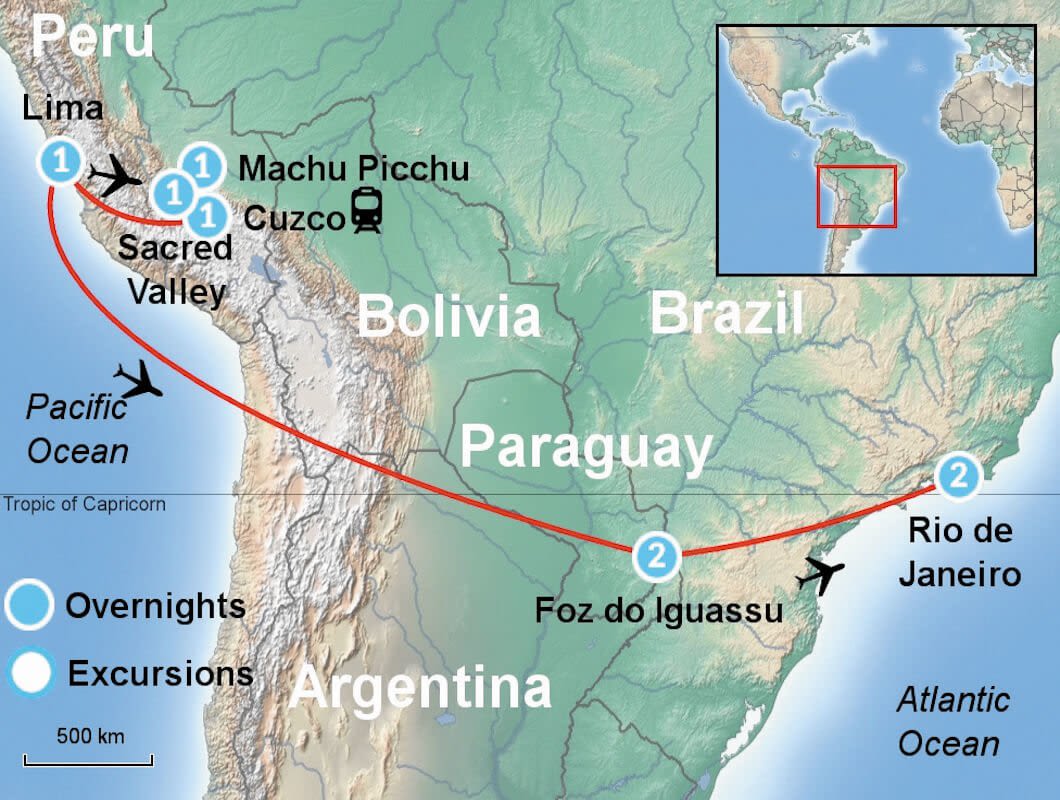
Travels of the Incas – Machu Picchu to La Paz
The Inca heritage pairing, Peru first. Lima, then straight down to the Sacred Valley, Machu Picchu and Cusco, a coach to Puno, and across Lake Titicaca into Bolivia to finish in La Paz; customizable for 7, 8 or 9 nights.
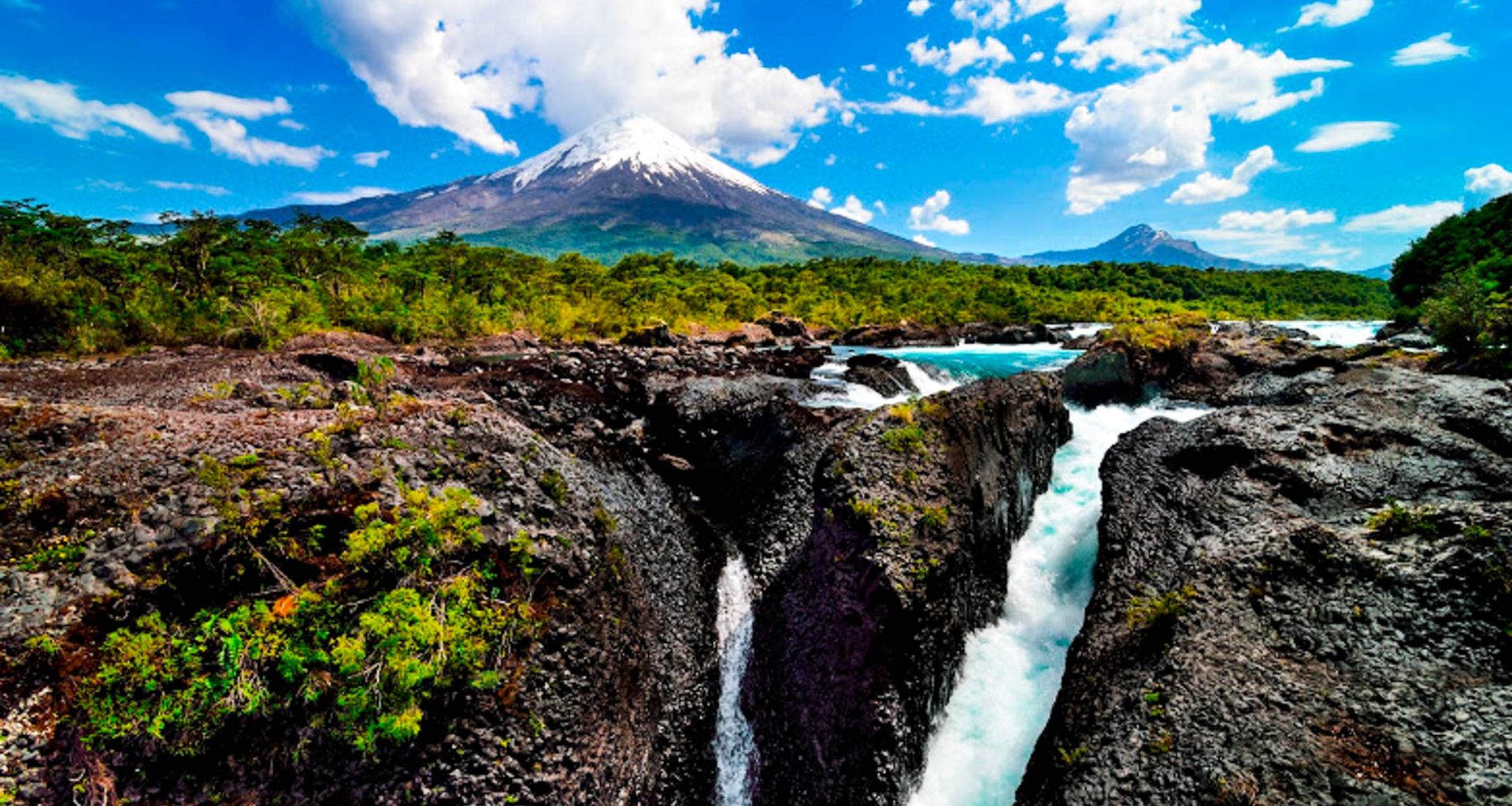
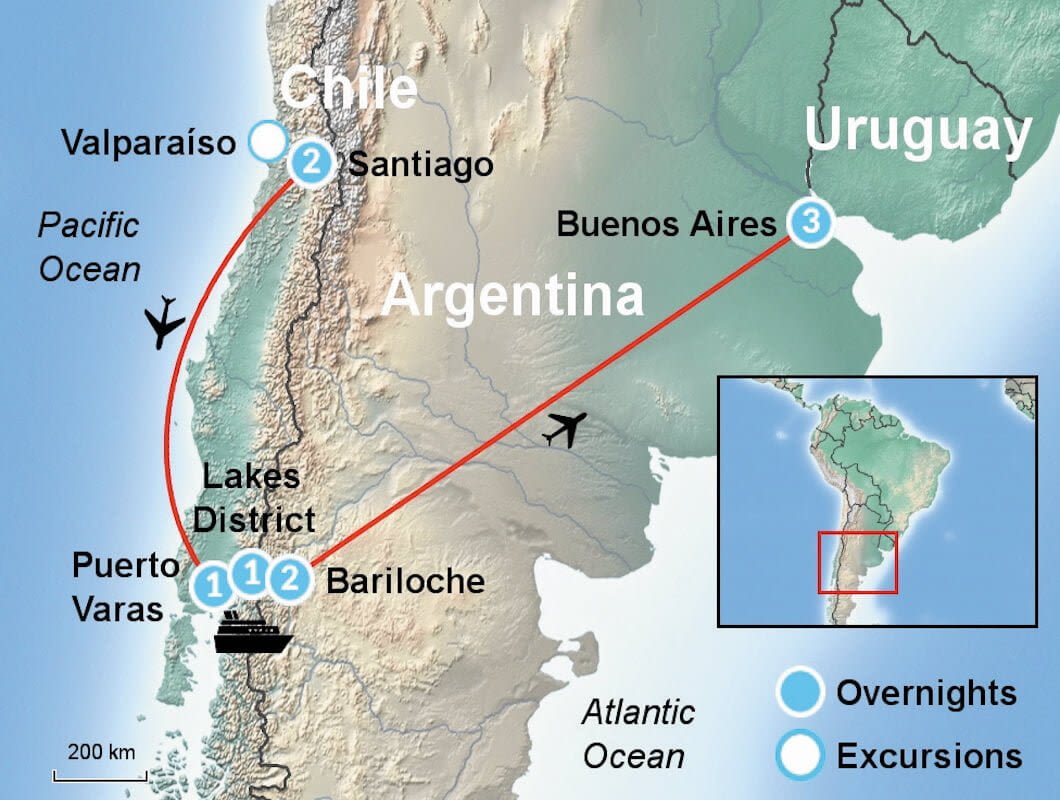
Argentina and Chile as a loop that crosses the Andes twice. Bariloche, the lakes crossing by boat into Chile, Puerto Varas and Pucón, then back into Argentina by road to San Martín de los Andes and along the Seven Lakes Route to Bariloche.
Bolivia, Chile and Argentina, with both borders crossed by road. La Paz and Lake Titicaca, the Uyuni salt flat and its lagoons, down into Chile’s Atacama, then over the Andes to Salta, the Quebrada de Humahuaca and the vineyards of Cafayate.
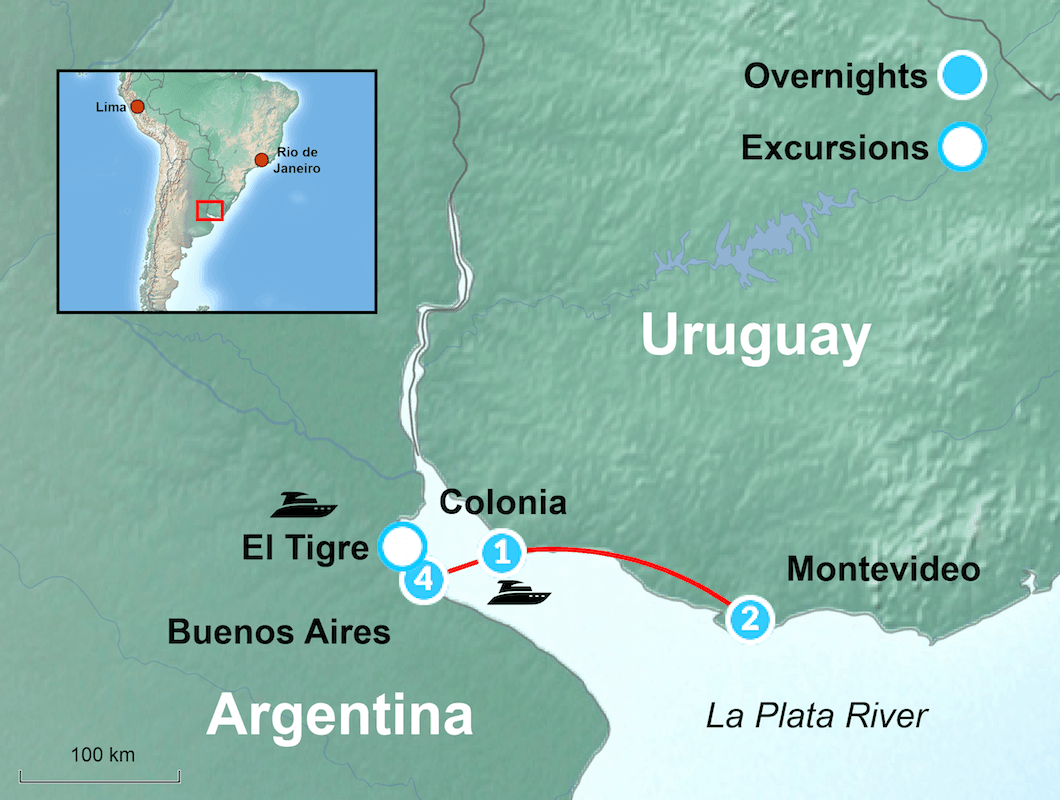
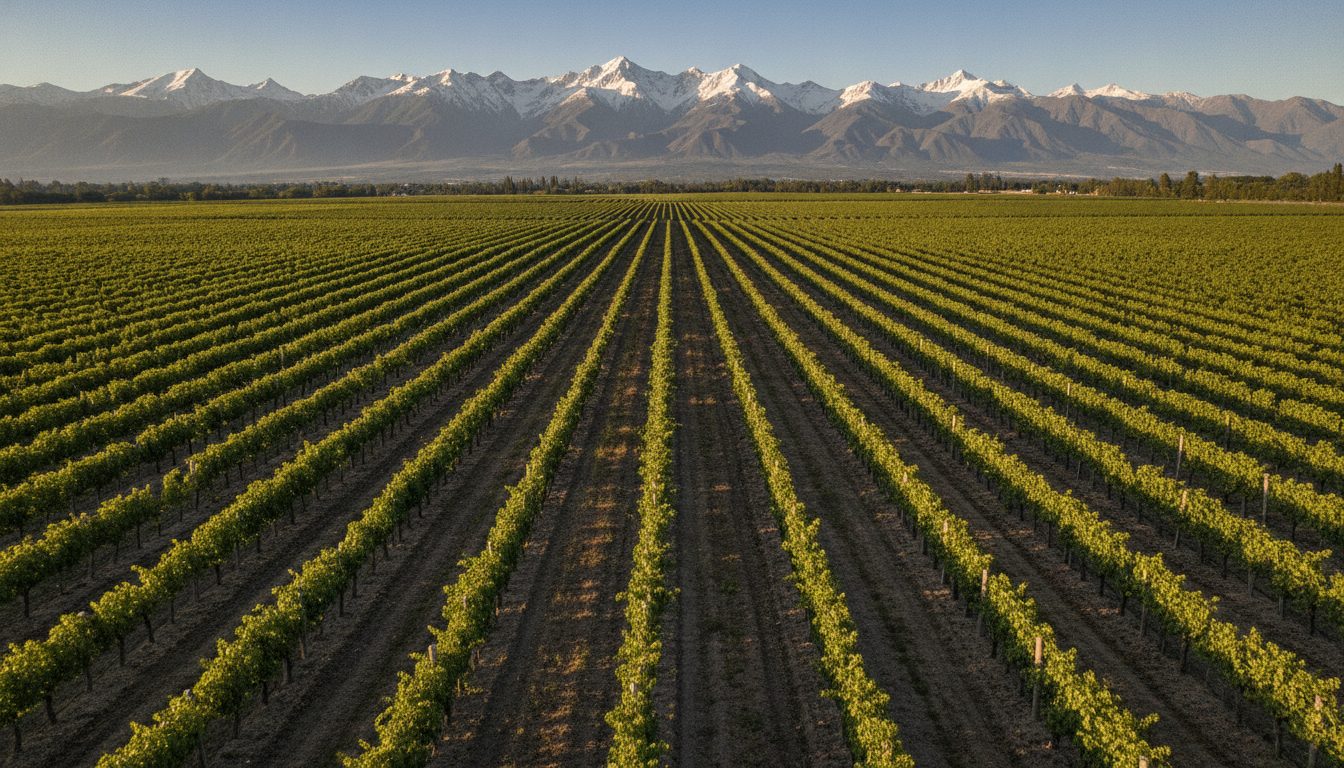
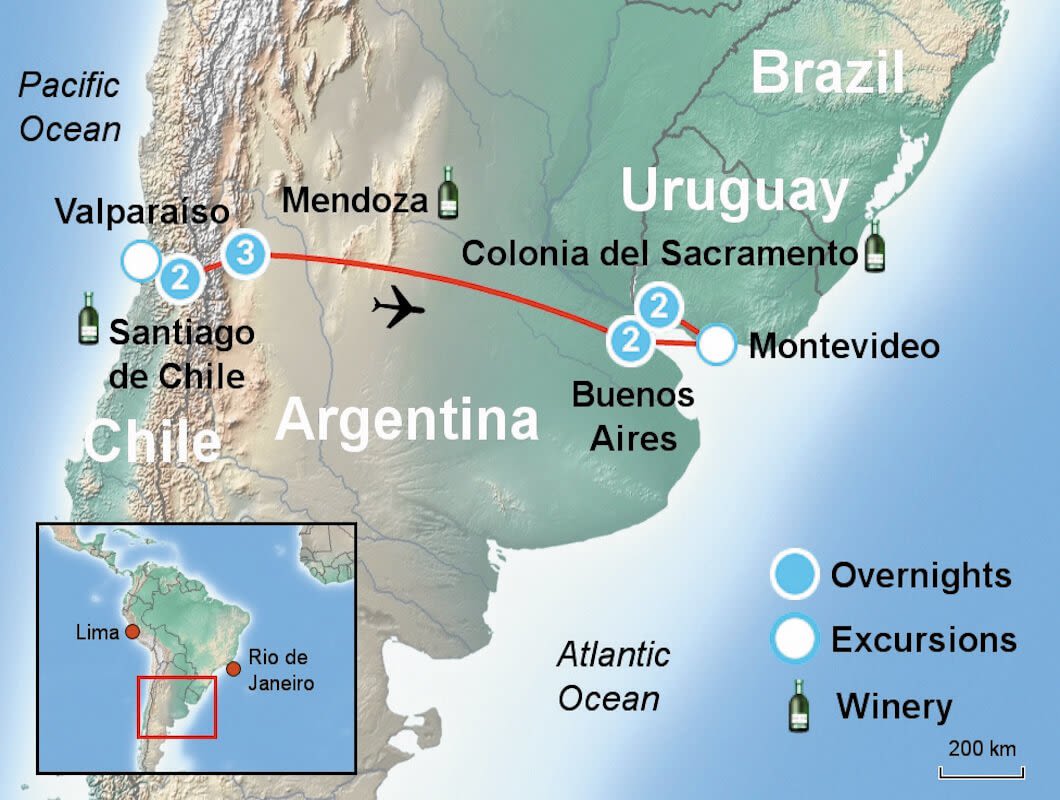
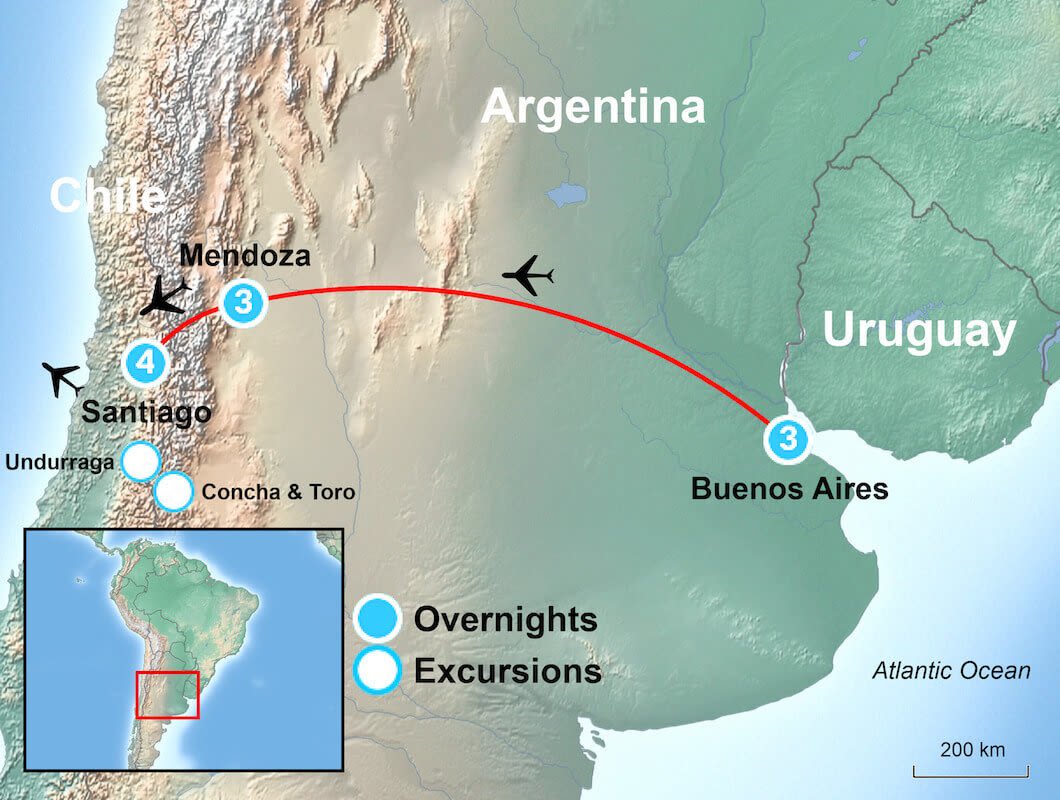
Four countries in one line, west to east, with wine as the thread. Santiago’s wineries, across the Andes to Mendoza, a flight to Buenos Aires and the ferry to Colonia in Uruguay, then Rio.
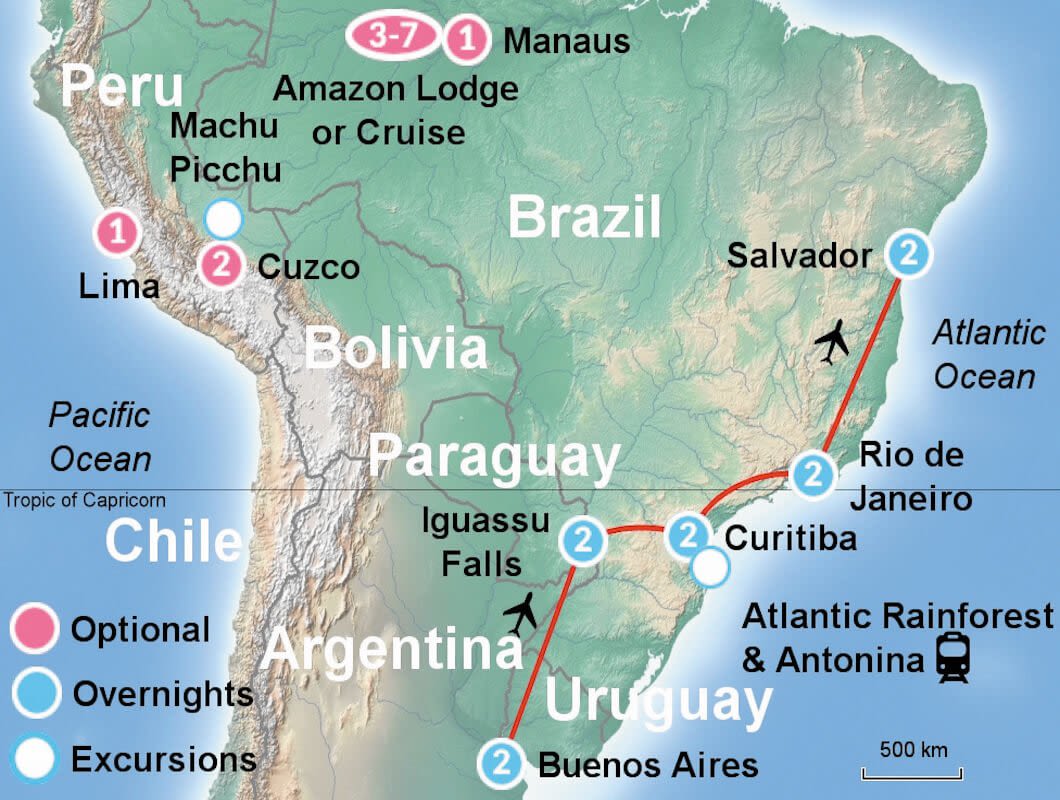
The long version people ask for, designed as a honeymoon: four countries, four flights. Rio, Iguazú, Buenos Aires and Santiago’s wine valleys, then Cusco and straight down to the Sacred Valley, with Machu Picchu near the end.
Start with what you want to see. After that, Juergen sees two bundles.
The first is the Inca heritage lands: Peru, Bolivia and continental Ecuador. To him that is “one history” and “its own cosmos”, and people who come for it “actually should not mix anything else into that because there’s a lot to see.”
The second is the European South: “the south of Brazil, Argentina and Chile belong together as one destination,” with Uruguay a ferry ride across the river. “Chile works so well you believe you’re in Switzerland.”
Then come the pairings people ask for anyway, Machu Picchu with Iguazú or with a tango lesson in Buenos Aires. Juergen is blunt: Peru with Argentina “doesn’t make much sense”, and neither does Peru with Brazil. “You’re doing the Scottish Highlands, the Eiffel Tower and the Black Sea in a week.” We design them anyway; World Wonders of South America is one. “If they want to see it we will never say don’t do it.” Juergen’s one condition: “at least one time we want to make them aware of what they are doing.”
How Many Days a Multi-Country Trip Needs
Scale first. Juergen: “South-America is big. Brazil alone is bigger than the [contiguous] US.” Rio to Lima is about a coast-to-coast flight across the US, and in our co-founders’ words, “That day is gone.” Inside one country it is no different: “just to get from Buenos Aires down to Patagonia: three and a half hours flight, and then you’re not even at the end of Patagonia.”
Two weeks across many countries gets you little more than “the capital cities you fly in and out of.” Our itineraries mostly run two countries in 8 to 11 days, three in 10 to 15, four or more from 12.
Two habits save days. Fly into one country and home from another: “Think international!” Use the crossing when it is the sight: the Andes lakes, Juergen’s “long day, but it doesn’t feel like a long day” (Patagonia of Chile & Argentina has it), the ferry to Uruguay (Tango, Candombe, & Samba), the road from the Atacama to Salta.
In Brazil, Juergen warns, “Some routes are flown only 3 times a week and easily canceled due to bad weather … Leave slack in your trip!”
When to Go When Your Route Crosses Climates
For the continent as a whole, Juergen’s answer is “April and October”, and he means the month either side as well. Rain is the wrong worry. There is no monsoon here, and “it rarely rains 24/7.”
The months that matter are local. Patagonia in July has little daylight, and many lodges close: “It’s not the cold, but it’s the wind. It blows you off your heels.” Peru’s dry season works, but up in the highlands “It is cold. It is windy. It is very dry,” and busy with the northern summer vacations. His own pick for Peru is March and April. Read that as his preference: March is still rainy in the Andes. Rio, Brad says, is good in July.
For cost, watch Semana Santa, “very tricky and potentially expensive”, and New Year’s in Rio. If July is all you have, “we find something.” The best time to visit South America and Patagonia’s seasons go region by region.
Multi-Country Pairings, and Where to Read More
One row per pairing: what it is for, where you cross, and one thing about the route. Each row sends you to that pairing’s own page.
1.
Peru and Bolivia
The pairing Juergen recommends to anyone who comes for Inca history. Peru comes first, and the border is crossed by road at Lake Titicaca, through Copacabana, so Bolivia arrives without a flight. Continental Ecuador is the third country of the same history, with its own page: Peru and Ecuador tours.
Here the falls are the border. Fly into one country, give Iguazú two nights so you see each side on its own day, and fly home from the other. Buenos Aires is at one end and Rio at the other, and either direction works. How to split those nights is on our Iguazú Falls tours page.
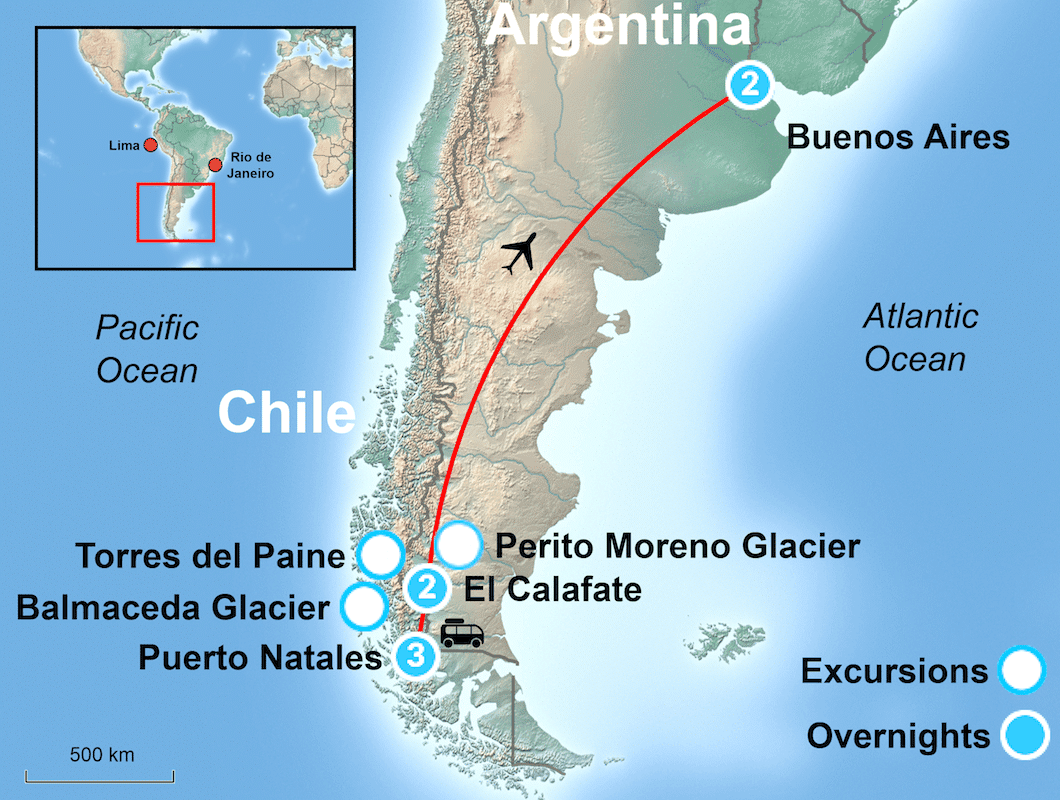
The Andes are the border, and there is more than one way over. In the lakes district the crossing is by boat, between Bariloche and Puerto Varas. Farther north, Mendoza and Santiago face each other across the mountains. In the far south Patagonia runs down both sides, and one of our routes goes by road from Puerto Natales to El Calafate.
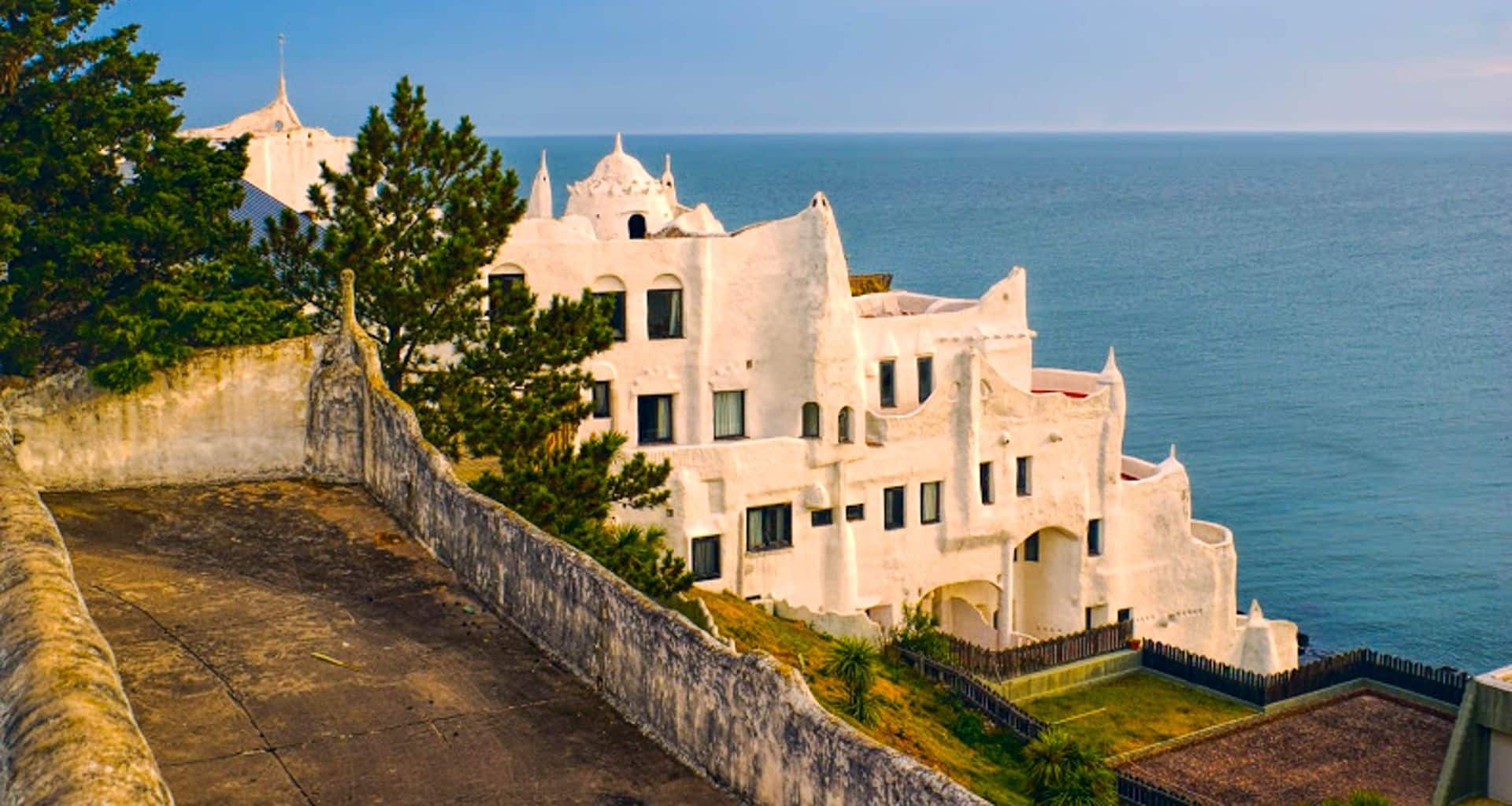
A river instead of a mountain range. The ferry across the Río de la Plata takes you from Buenos Aires to Colonia del Sacramento or to Montevideo, so Uruguay joins the trip without another flight. That makes it the easy third country on many southern routes.
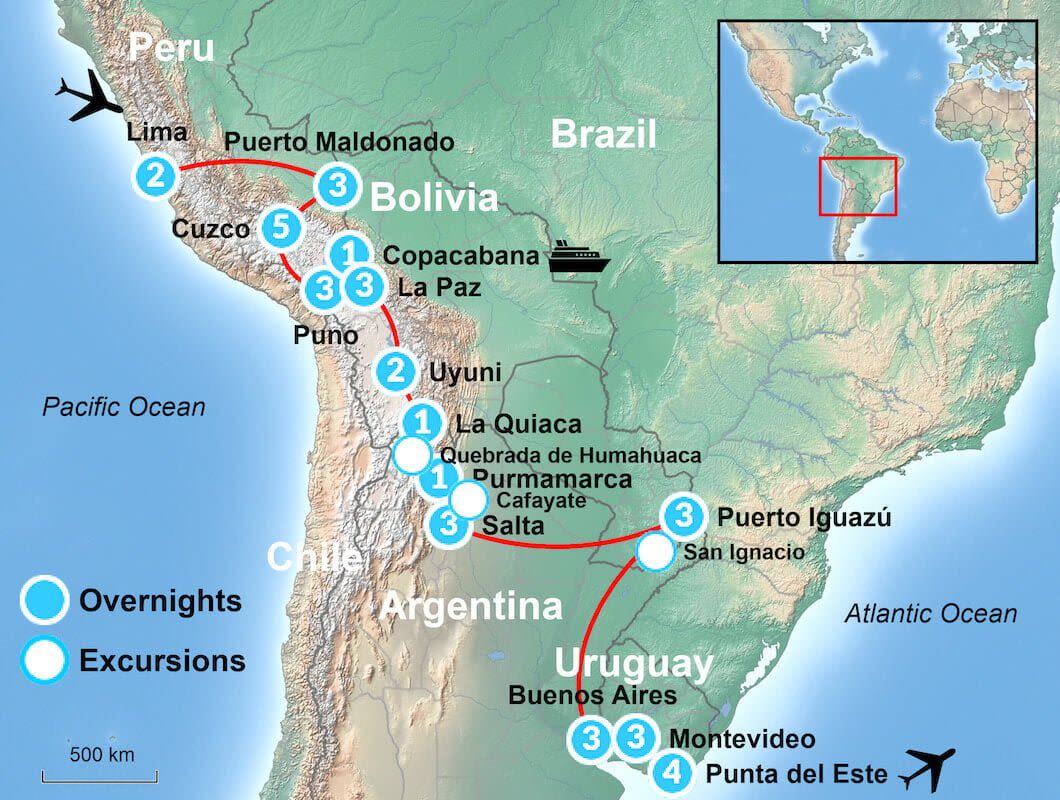
The high deserts. From the Uyuni salt flat and its colored lagoons the road runs into Chile at San Pedro de Atacama. Some routes carry on over the Andes to Salta in Argentina, as the Magic Triangle does. A second way across goes by coach from La Paz to Arica. Neither has a set direction.
These are the pairings people ask for, and they are joined by air. Juergen says it once: “it’s not a recommendation. It’s just people demand that.” We design them anyway, with Machu Picchu late in the Peru leg. Peru with Chile on the Pacific side has its own page: Chile and Peru tours.
Brad Nehring says it plainly: “multi-country has always been our specialty.” The work is the order and the flights: which country first, where you cross the border, and which connection needs a spare day because the flights are thin. In each destination there is generally a local guide who handles the transfers and the sightseeing. Most of what we plan is private, on your dates and at your pace. SouthAmerica.travel has designed these trips since 1999; our partners on the ground guide them.
Download our FREE South America Travel Guide and get inspired to explore to South America. Browse through 26 pages of travel planning tips and ideas – a great resource for planning your dream vacation.
Planning a trip to South America? Explore essential travel info including via requirements, safety tips, weather, money, and more so you can focus on designing the perfect adventure!
South America Hotels & Resorts
South America Articles
Staying Healthy in South America
Internet & Calling in South America
South America Travel Insurance
South America Packing List
Money in South America
South America Visa Requirements
Getting to and Around South America
Weather in South America
Languages of South America
South America Food & Drink
Safety in South America
Multi-Country South America Tours FAQs
Which South American countries are best to combine?
The ones that already belong together. Juergen Keller, our co-founder, sees two bundles: the Inca heritage lands of Peru, Bolivia and continental Ecuador, and the European South of southern Brazil, Argentina and Chile, with Uruguay across the river. Inside either bundle the trip hangs together. Beyond that, the countries follow from what you want to see, and that is the first thing we ask.
How many countries can you visit in two weeks?
Two, perhaps three. Try for more and most of the trip is airports. In our collection, two-country itineraries take 8 to 11 days and three-country ones 10 to 15. Four can work in 12 days when the route keeps one direction and one theme, as our wine route from Santiago to Rio does.
How do you travel between countries in South America?
Mostly by air. Where the crossing is worth seeing, our itineraries go by land or water instead: the boat across the Andes lakes between Bariloche and Puerto Varas, the Río de la Plata ferry to Uruguay, the border at Iguazú, the road from Uyuni into the Atacama, and Lake Titicaca between Puno and La Paz. Leave slack around the flights that matter. Entry rules differ by passport: see our visa requirements page.
What is the best month for a multi-country trip to South America?
April or October, with the month either side. Juergen Keller gives that answer for South America at large, which is what a route across several climates needs. The exceptions are local ones: Patagonia in July, Peru’s busy dry season, and the weeks around Easter and New Year’s. The section on climates above takes them one by one.
In what order should you visit the countries?
Fly into one country and home from another, and let a land or water crossing replace a flight where it can. Inside Peru the rule is about altitude. Juergen: “we try not to go to Cusco and to La Paz right away.” Start in Arequipa, or land in Cusco and go straight down to the Sacred Valley, and keep Machu Picchu for late in the trip. “It’s like a good book. You build up the tension.” For health questions, read staying healthy in South America.
Can you see Machu Picchu, Iguazú Falls and Patagonia in one trip?
Yes. We design it, and we tell you once what it costs. Each change of country is a flight, and Patagonia adds its own flights and days inside Argentina. For the first two, our Honeymoon South America: South American Wonders runs Rio, Iguazú, Buenos Aires and Santiago before Peru, Machu Picchu near the end, in 17 days.
Are multi-country tours private or group tours?
Mostly private: most of what we plan runs on your dates and at your pace. As Brad Nehring describes it, “we generally have a local guide in each destination, which ideally does the transfers and the sightseeing.” Some sightseeing is shared by nature, such as a jeep tour in Rio. We design the route; our partners on the ground guide it.
Your Experts in South America!
Let’s Design Your Perfect South America Trip
Tell us what you want to see and how many days you have. We will tell you which countries fit, in what order, and which ones to save for the next trip.
We Love to Talk About South America Trip Ideas!
Thinking of traveling to South America? We take your South American travel dream and make it a reality. Every fully custom South America trip is planned by your own expert personal Travel Consultant.
"*" indicates required fields
South America Travel Guide
Our favorite South America tour ideas featuring the best destinations & activities designed to inspire…

 +1 (888) 900-5060