20+ Years Designing Northwest Argentina Itineraries
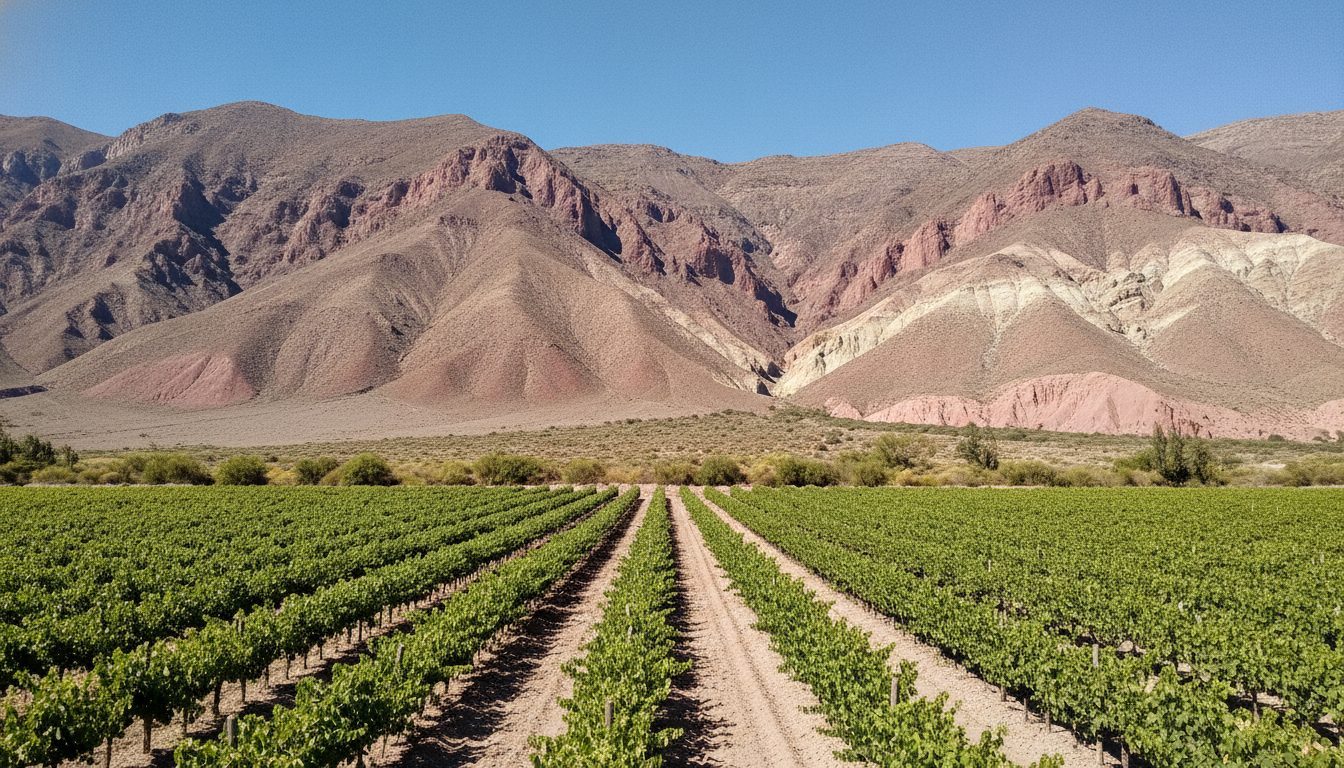
Northwest Argentina is the dry, high corner of the country. Salta and Jujuy: banded mountains, adobe villages, high-altitude vineyards and long roads that do most of the work. Cachi and the Calchaqui valleys, the Torrontes wineries at Cafayate, the Train to the Clouds, the salt plain of Salinas Grandes and the Quebrada de Humahuaca all sit within a few hours of Salta city.
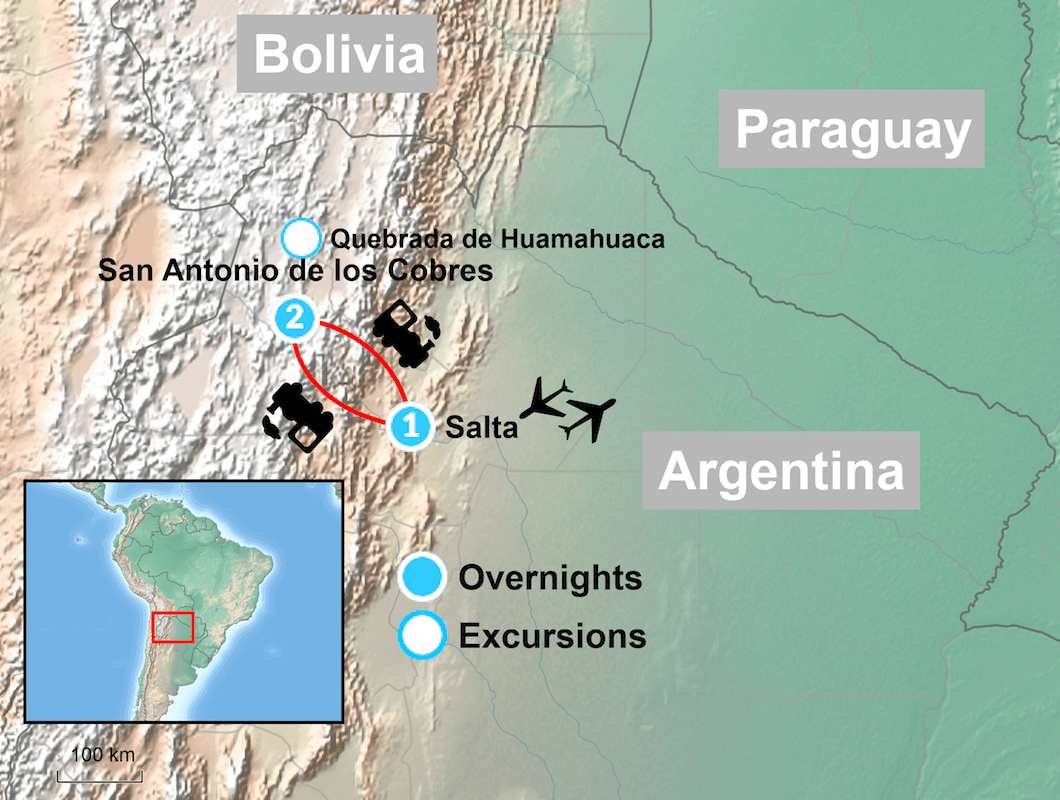
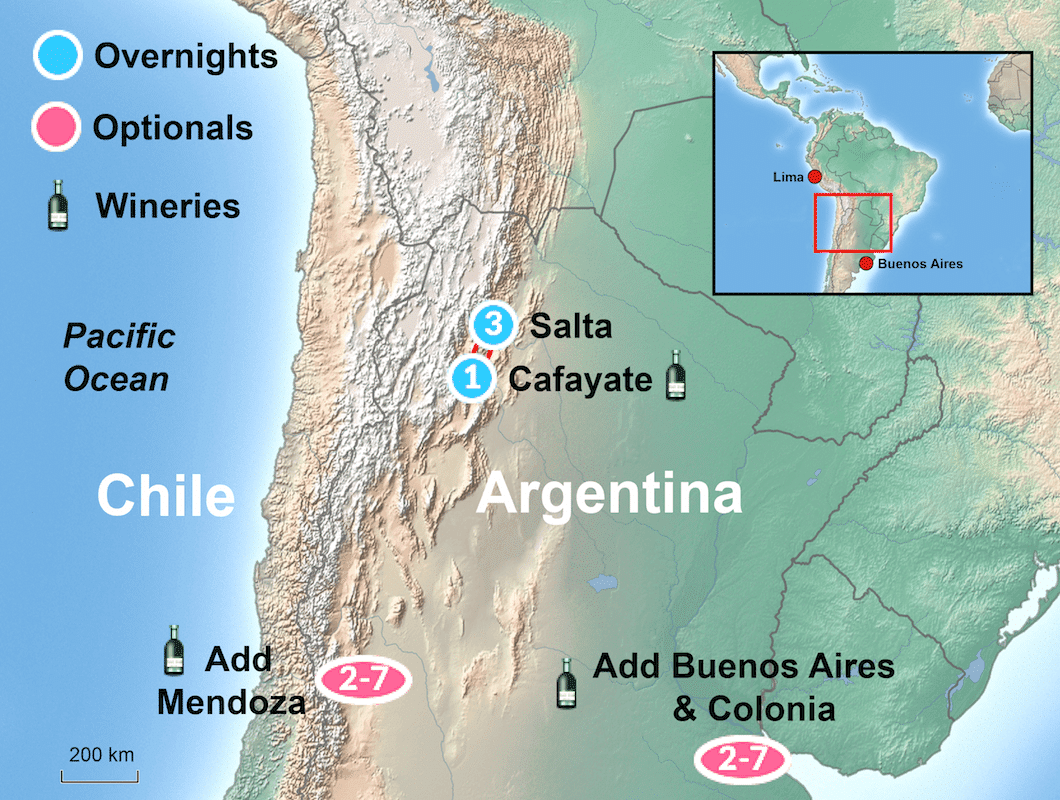
Six of the seven itineraries here are extensions, most of them four to seven days, flown in from Buenos Aires and attached to a longer Argentina trip rather than sold on its own. The building blocks stay the same, Route 40 through the Calchaqui valleys, a vineyard night at Cafayate, the Hill of Seven Colors above Purmamarca, Salinas Grandes on the provincial border. The order, the pace and the number of nights you spend at altitude are yours to set, and every trip on this page is private and tailor-made.
Salta & Jujuy Tours
These nine are every itinerary we have that reaches Salta and Jujuy: seven Argentina routes, and two longer multi-country ones that include the northwest.
Click or Tap your preferences: Destinations & Activities. Be as specific or general as you like – or click Help Me Decide! We’ll spice it with hidden gems & personal tips to create your perfect trip. Need assistance? Contact an expert at +1 (888) 900-5060
Choosing Between the Northwest Tours
Wonders of Northern Argentina
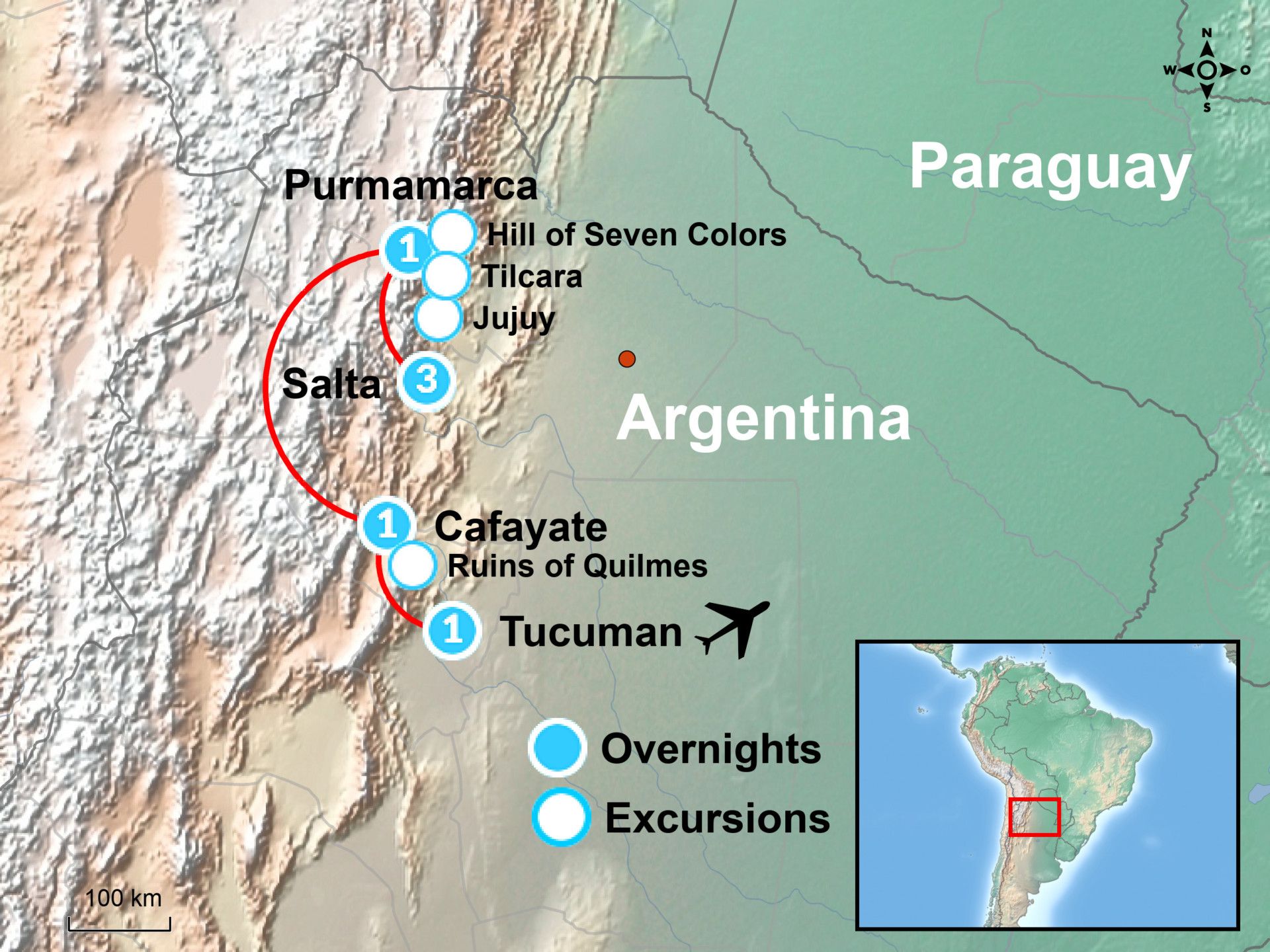
Answers the question of what the whole northwest looks like in one pass. Purmamarca, Tilcara's Pucara, the church at Uquia, Cafayate and the Quilmes ruins, ending in Tucuman instead of looping back to Salta.
The Northern Express: Salta, Cafayate & Purmamarca
For travelers whose reason for coming north is the salt flats and the colored rock. Six days out of Salta and back again, with Salinas Grandes and two nights in Purmamarca under the Hill of Seven Colors, and Cafayate earlier in the week in the other direction.
The wine answer. Cachi, Colome and Cafayate by way of the Calchaqui valleys, with Torrontes tastings at the high vineyards the Calchaqui is known for. Take it if the bodegas are the point and the rest is scenery on the way there.
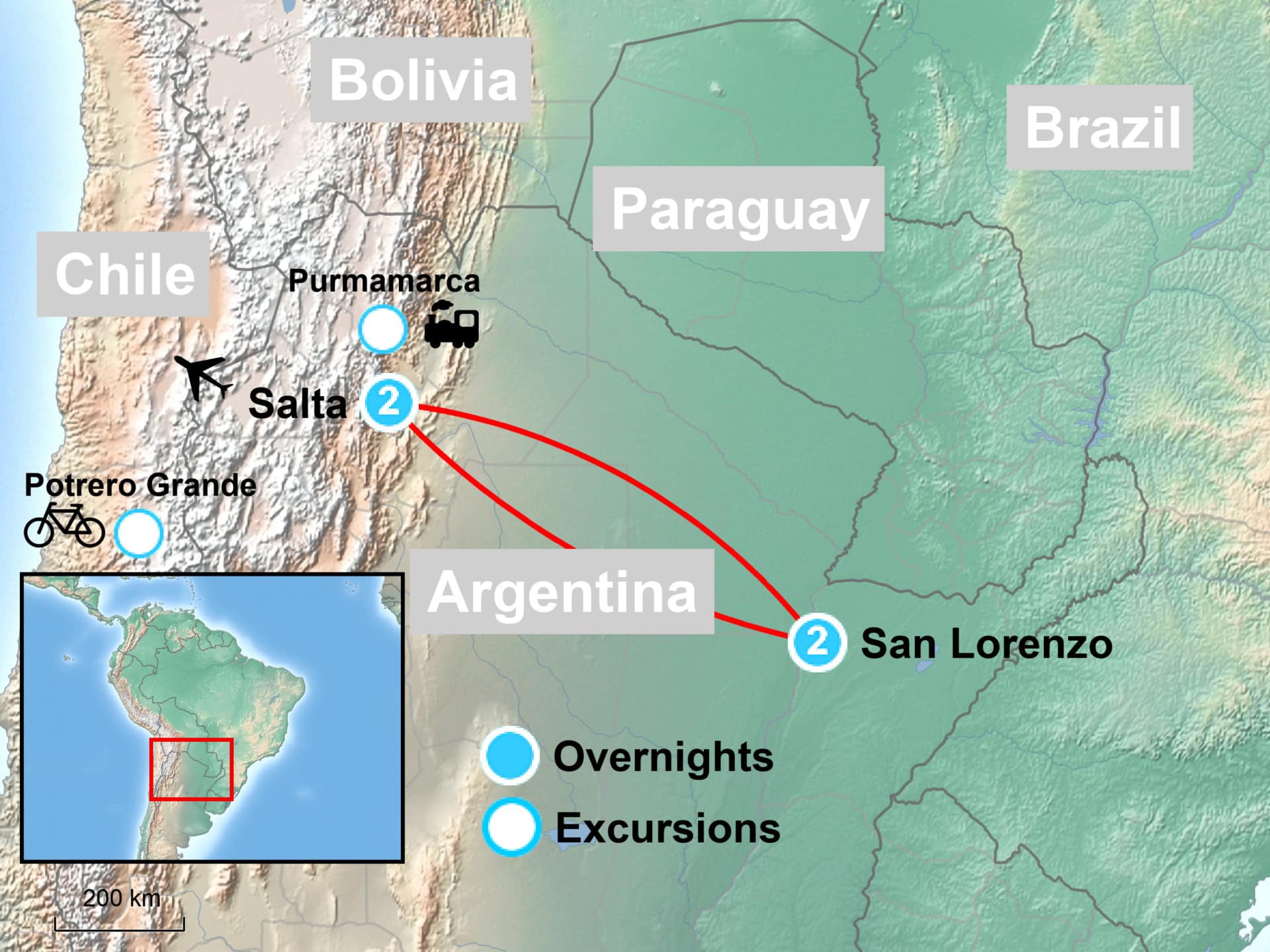
For people who would rather not spend five days looking out of a vehicle window. Horseback riding, rafting on the Juramento river and trekking around San Lorenzo and the Valley of Lerma, based out of Salta city with Cabra Corral Dam within reach.
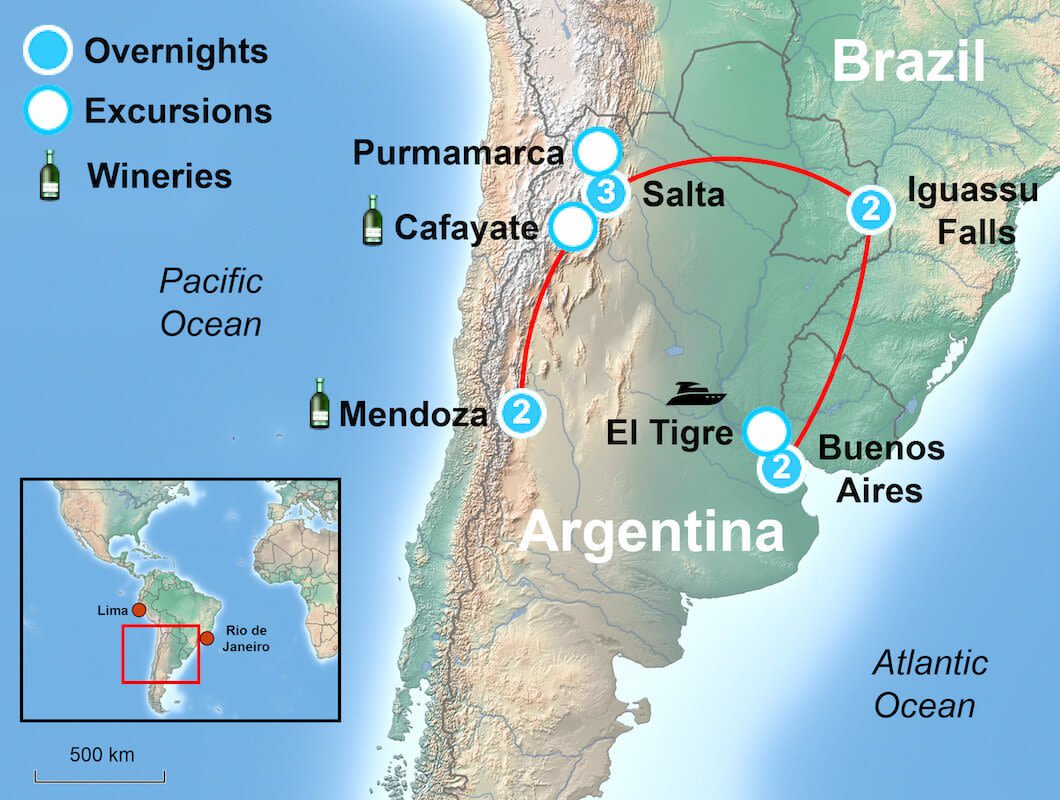
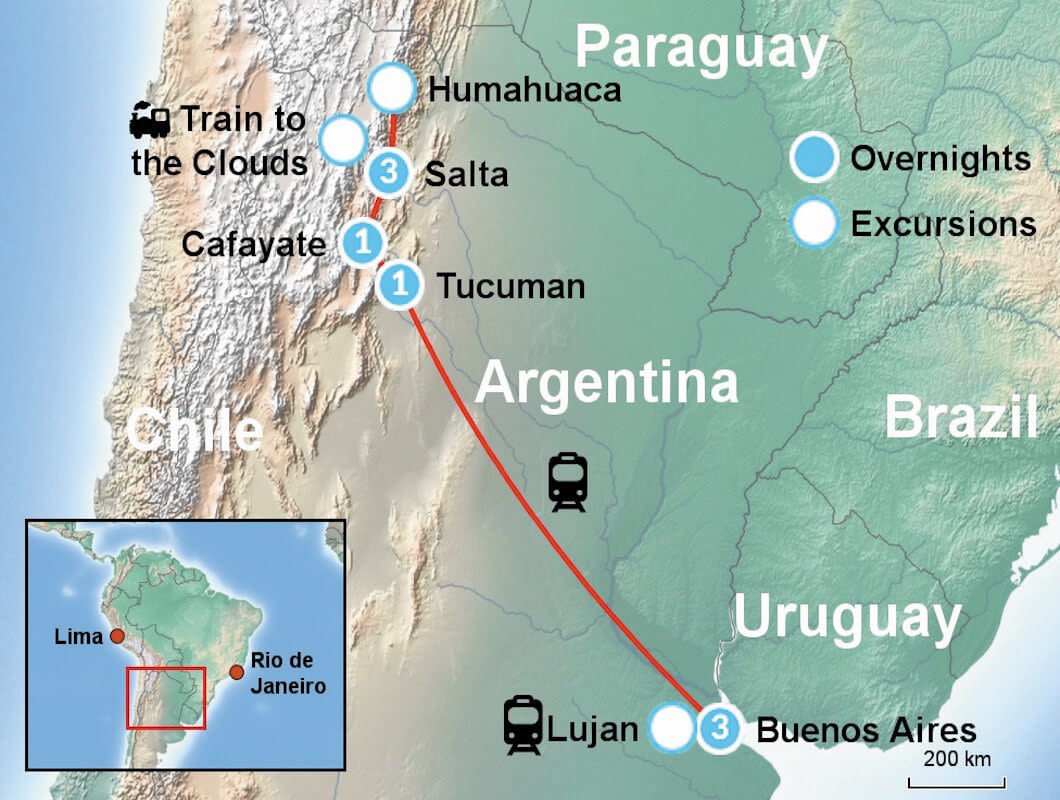
The only northwest itinerary here that works as a whole trip. Ten days and three internal flights: Buenos Aires, then Iguazu Falls, then Salta, Cafayate and the Quebrada de Humahuaca, finishing in Mendoza. Choose it if you want the north inside a route rather than added to one you assemble yourself.
How Northwest Argentina Fits into an Argentina Trip
Six of the seven northwest itineraries on this page are tour extensions. They are not built to be your whole trip. Five of them run four to seven days out of Salta; the sixth is a ten-day rail itinerary whose Tucuman to Buenos Aires leg is on hold while that line is out of service. You attach them to the rest of the country, which in practice means Buenos Aires, Iguazu Falls or the Mendoza wine country, and the joins are flights.
That follows from how Argentina flies. The domestic network hubs through the capital, so a northwest leg almost always opens with a flight from Buenos Aires to Salta, a little over two hours, and closes with one going back. Plan the north as a block of nights in the middle of a route, not as something you slot into a spare weekend.
One itinerary here does stand alone. Argentina, Land of Contrast covers four regions in ten days with Salta and Cafayate in the middle of it. Start there if you would rather not assemble the pieces yourself.
When to Go
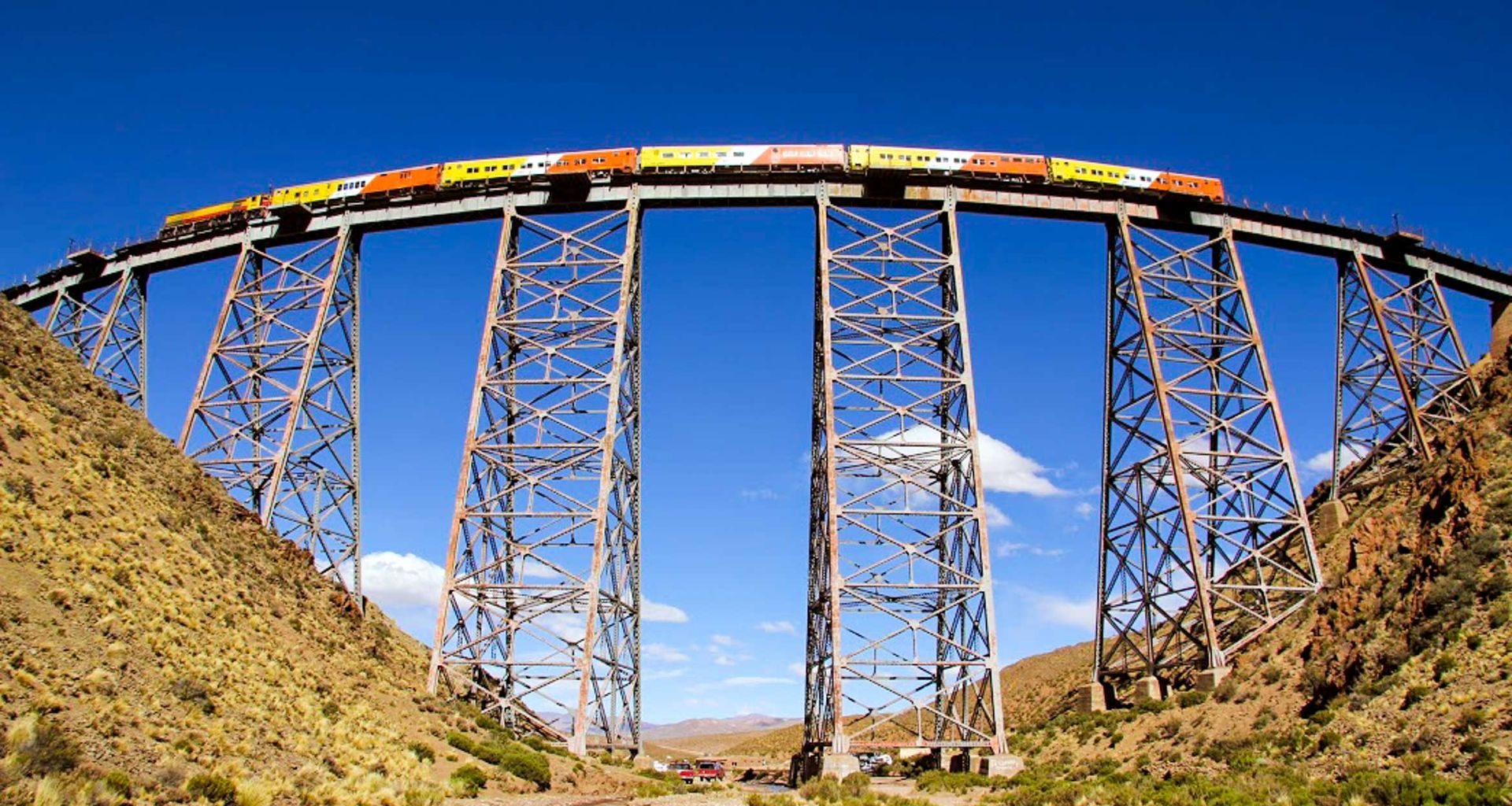
The Train to the Clouds runs through the year on fixed departure days, with a maintenance pause each summer and cancellations when the weather closes in above 4,000 meters. It sells specific dates, so on a trip built around it everything else is arranged around the seat you get. Check its calendar before you fix the rest of the route.
The better months are the dry ones. Rain in the northwest falls in the southern summer, roughly December to March, and it falls hardest on the Quebrada de Humahuaca and the high roads above it. The Calchaqui valleys south of Salta, Cachi and Cafayate, are drier and stay passable more of the year, so a summer trip should lean that way.
Winter, June to August, is cold at night and clear in the daytime, which is the trade you are making. The cold belongs to the altitude more than to the season: Cafayate down in the valley and Salinas Grandes at 3,450 meters are two different trips on the same July morning. If the salt flats and the colored rock are why you are coming, come between April and November.
Salta to Atacama: Crossing into Chile
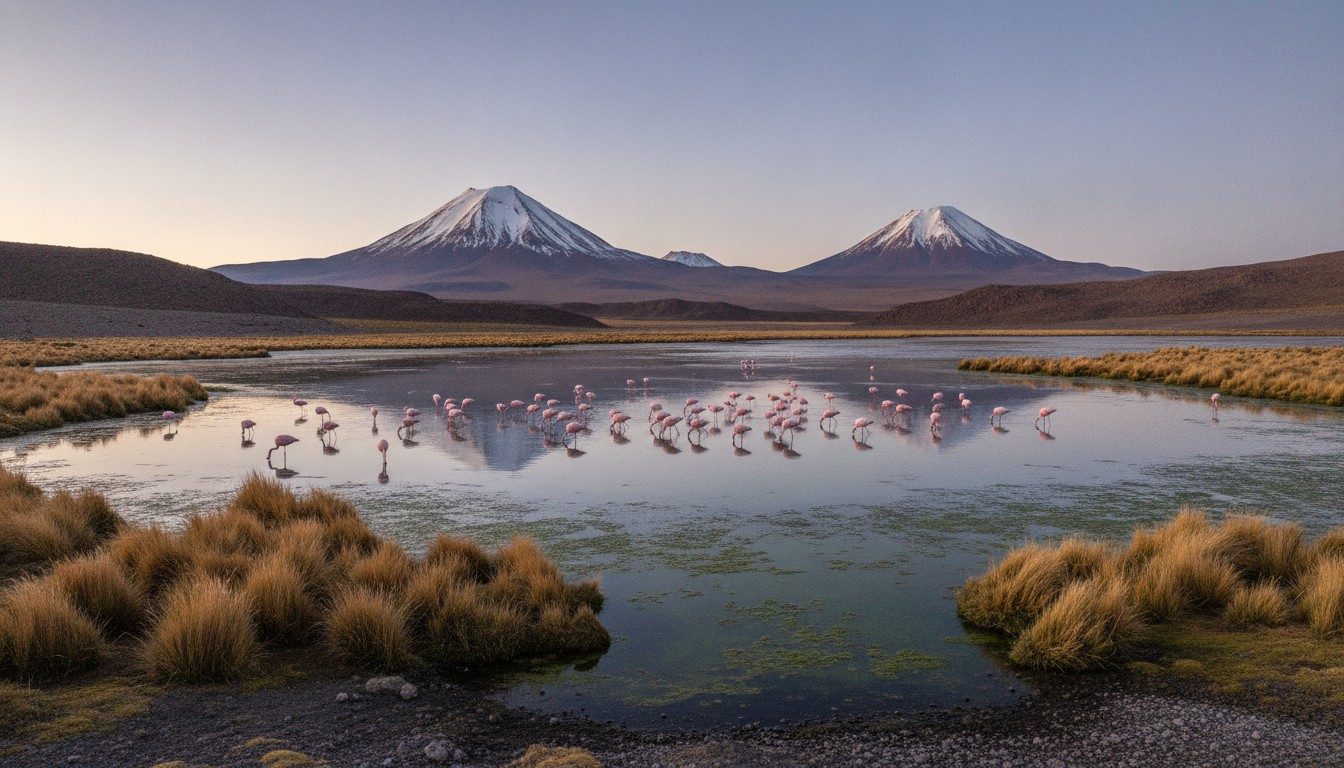
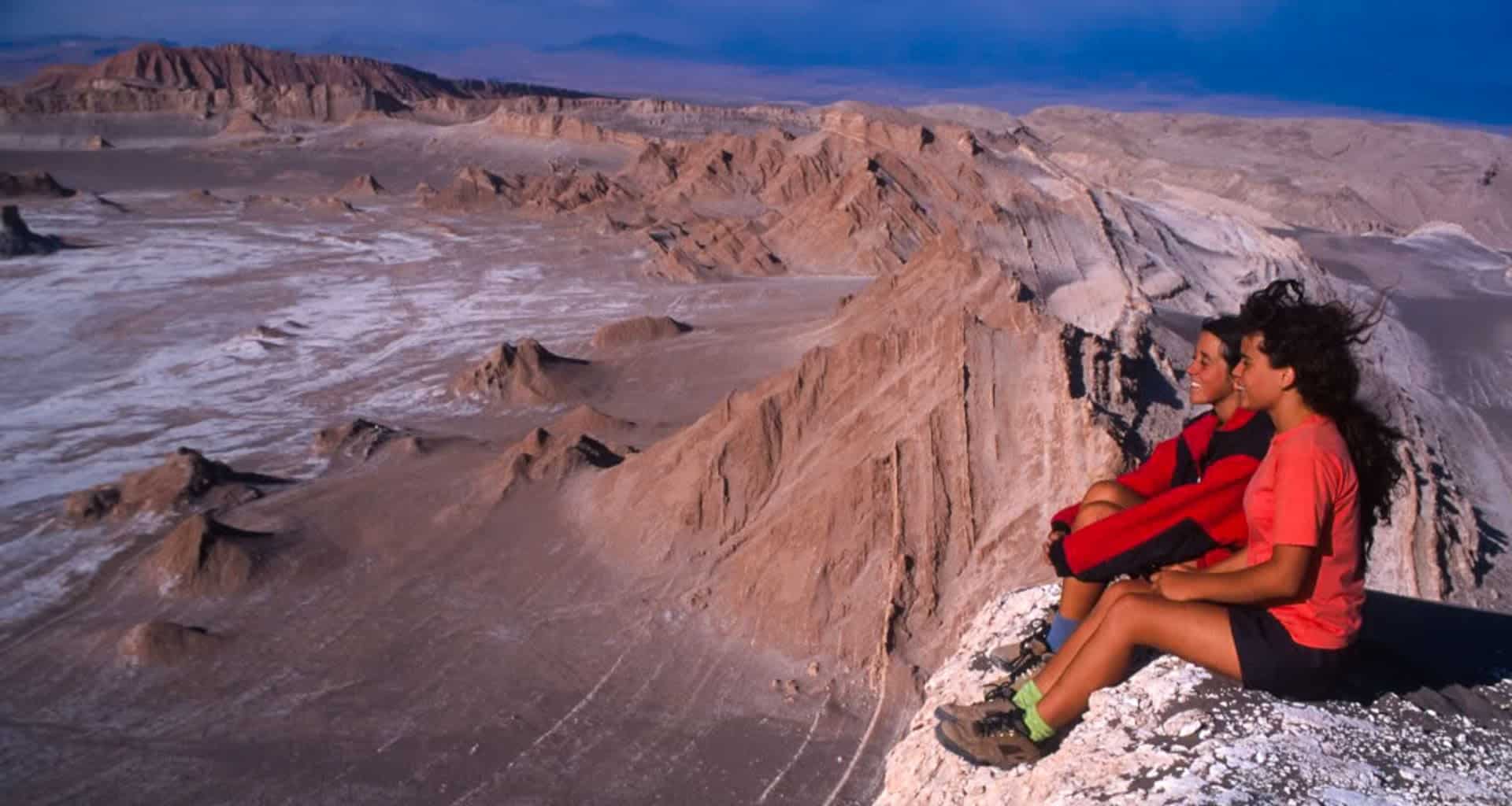
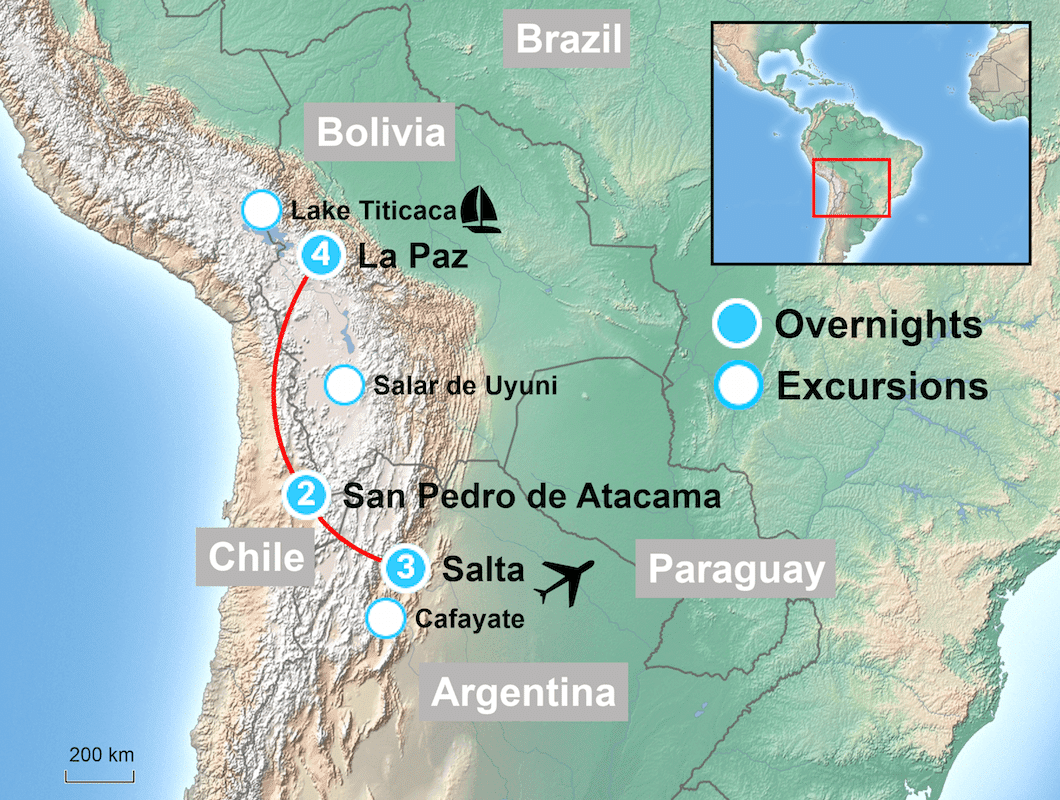
Juergen Keller, our co-founder, has been traveling South America for thirty years, and of the overland routes he knows he calls the road from Salta across to the Atacama his favorite. It climbs through Jujuy past Purmamarca, crosses Paso de Jama above 4,000 meters, and runs for hours over an altiplano of salt lagoons, flamingos and volcanoes before dropping into San Pedro de Atacama. The buses on it are, in his words, of a far higher standard than Greyhound or the likes in the US.
It belongs to a wider rule of his. Think international: a good Argentina route begins or ends in Chile or Brazil rather than flying in and out of Buenos Aires, and planning gets easier once you stop treating the country as a closed loop.
This page is not selling you a packaged crossing. It is route knowledge. Knowing the road is there changes what you ask for.
Where to Go in the Northwest
Six places worth the nights. Distances up here are long and the roads are slow, so the order you take them in matters more than the list does.
1.
Salta City
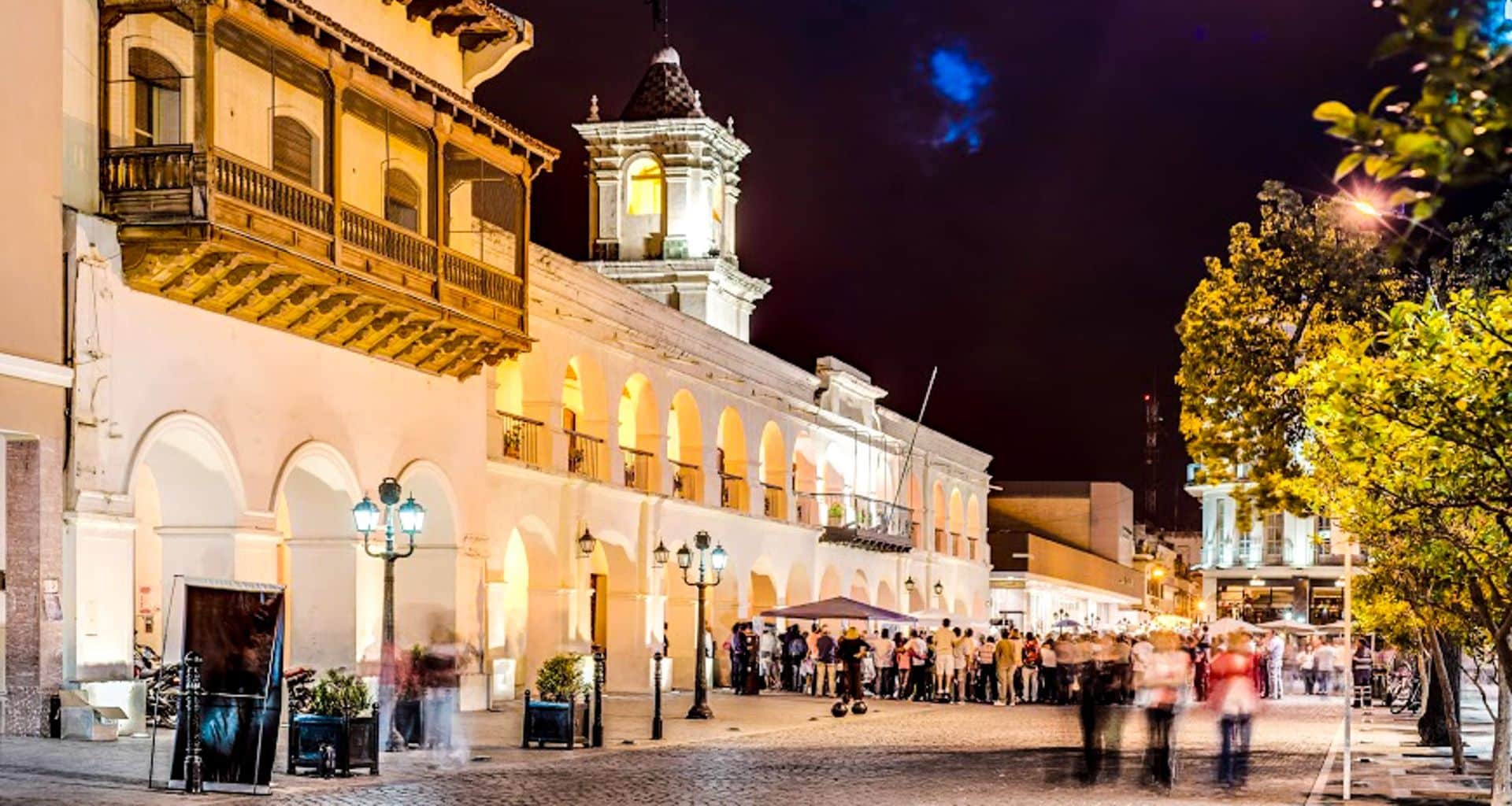
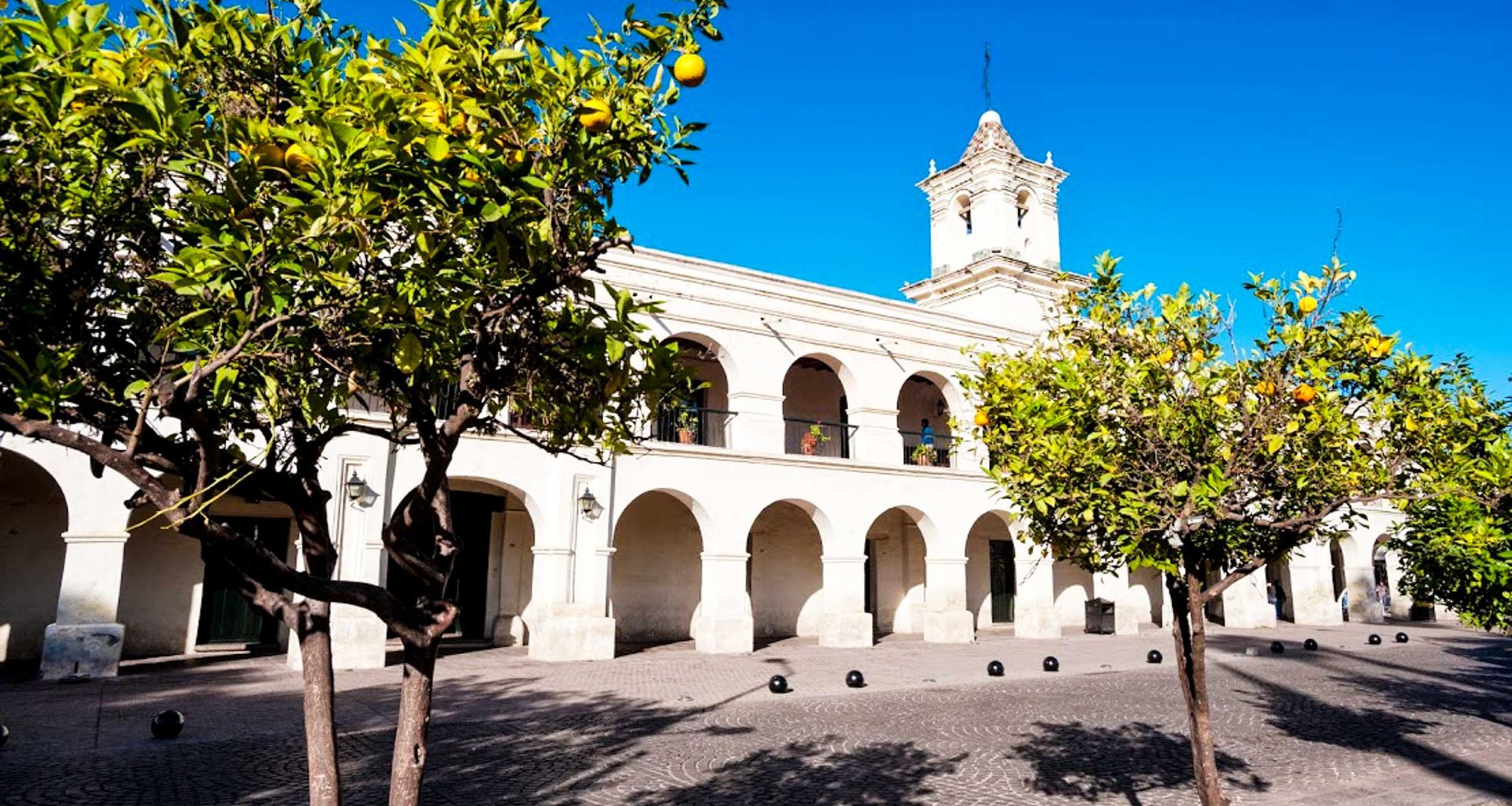
The base for everything else. A colonial center, a cable car up San Bernardo Hill, and at roughly 1,150 meters an altitude that asks nothing of you, which makes it the right place to sleep before going higher. Most trips give the city a night at each end and spend the days out in the valleys.
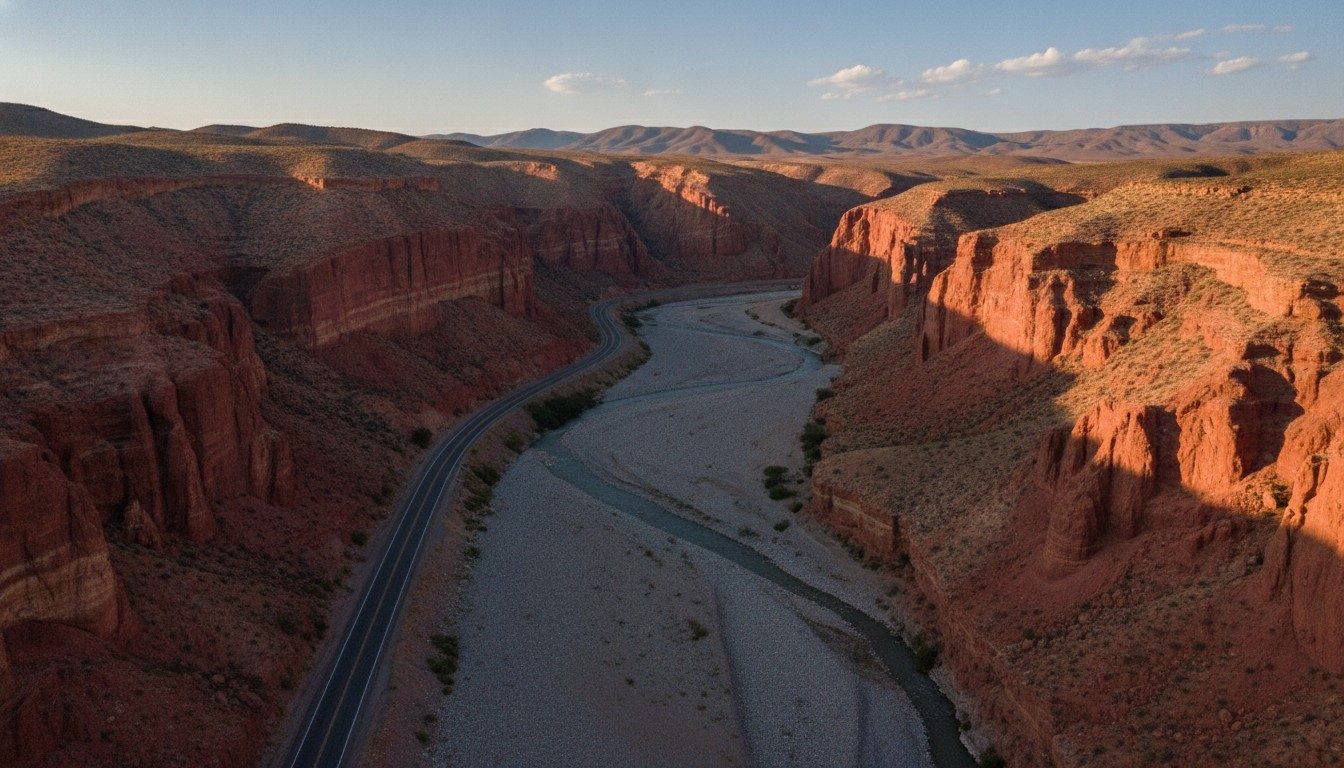
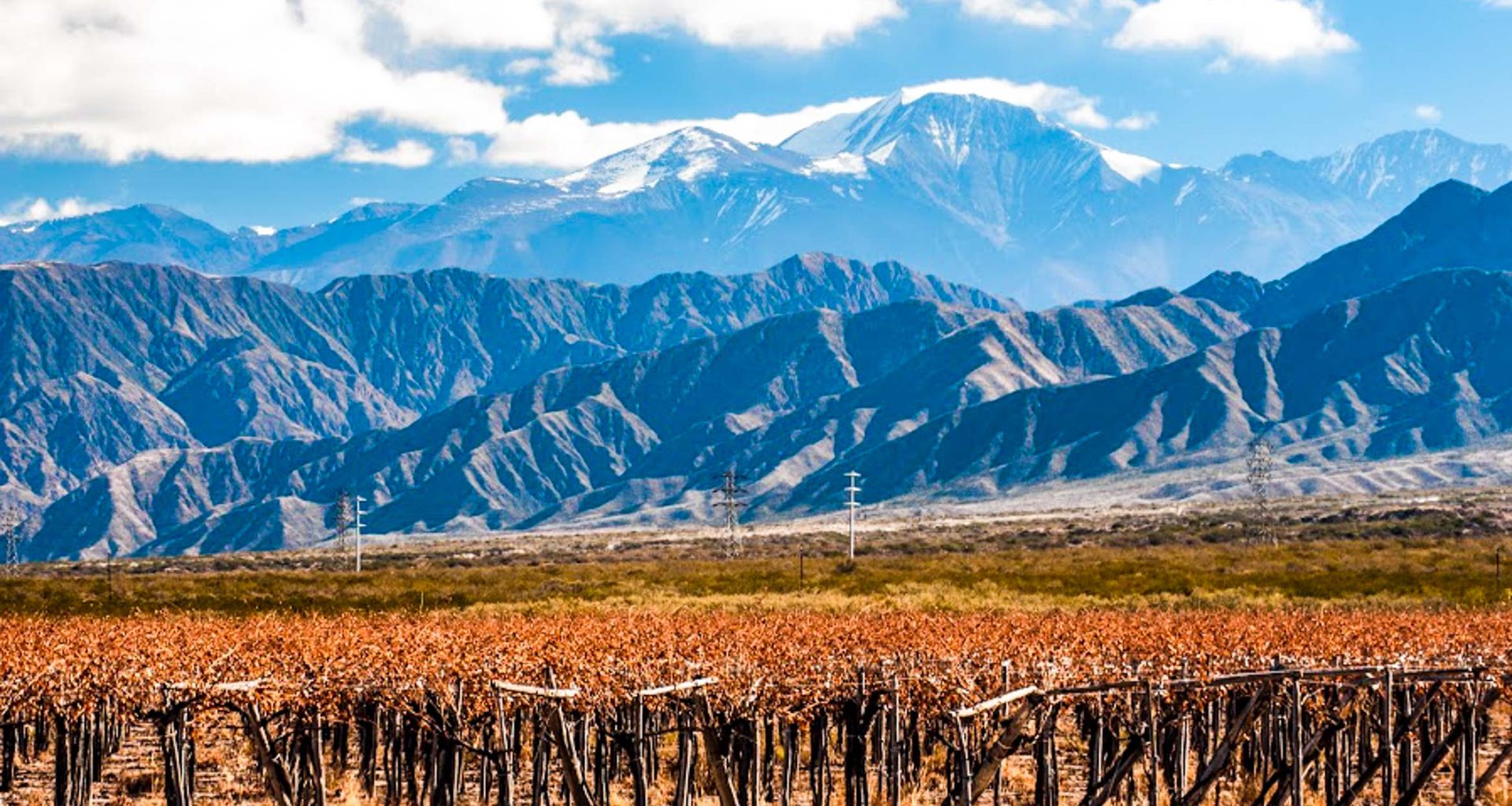
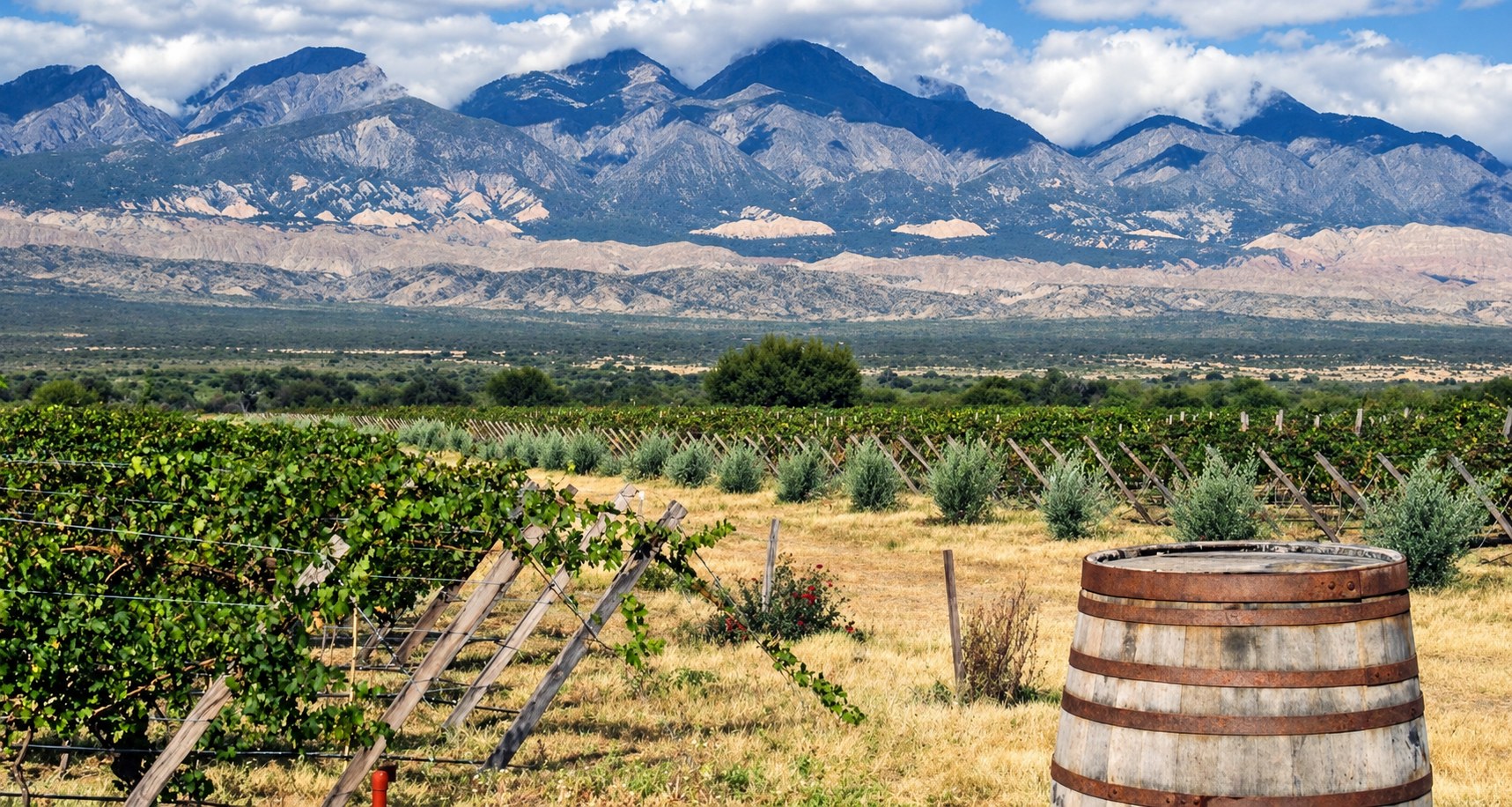
About three hours south of Salta down the Quebrada de las Conchas, a ravine of red rock that is the reason for the drive rather than the price of it. Cafayate is Torrontes country: small bodegas, a winery resort above the canyon, and the Quilmes ruins within reach. Most people wish they had given it a second night.
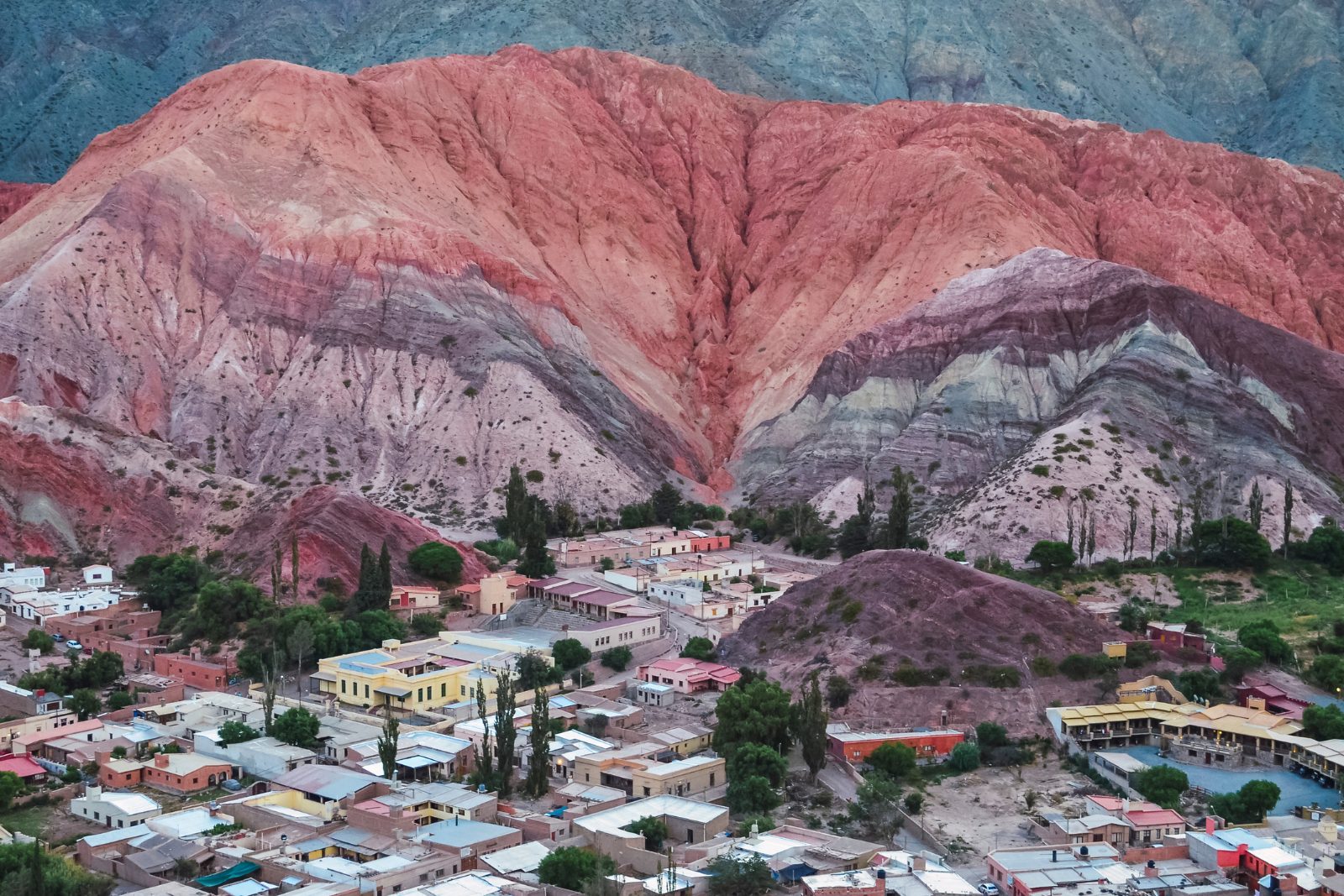
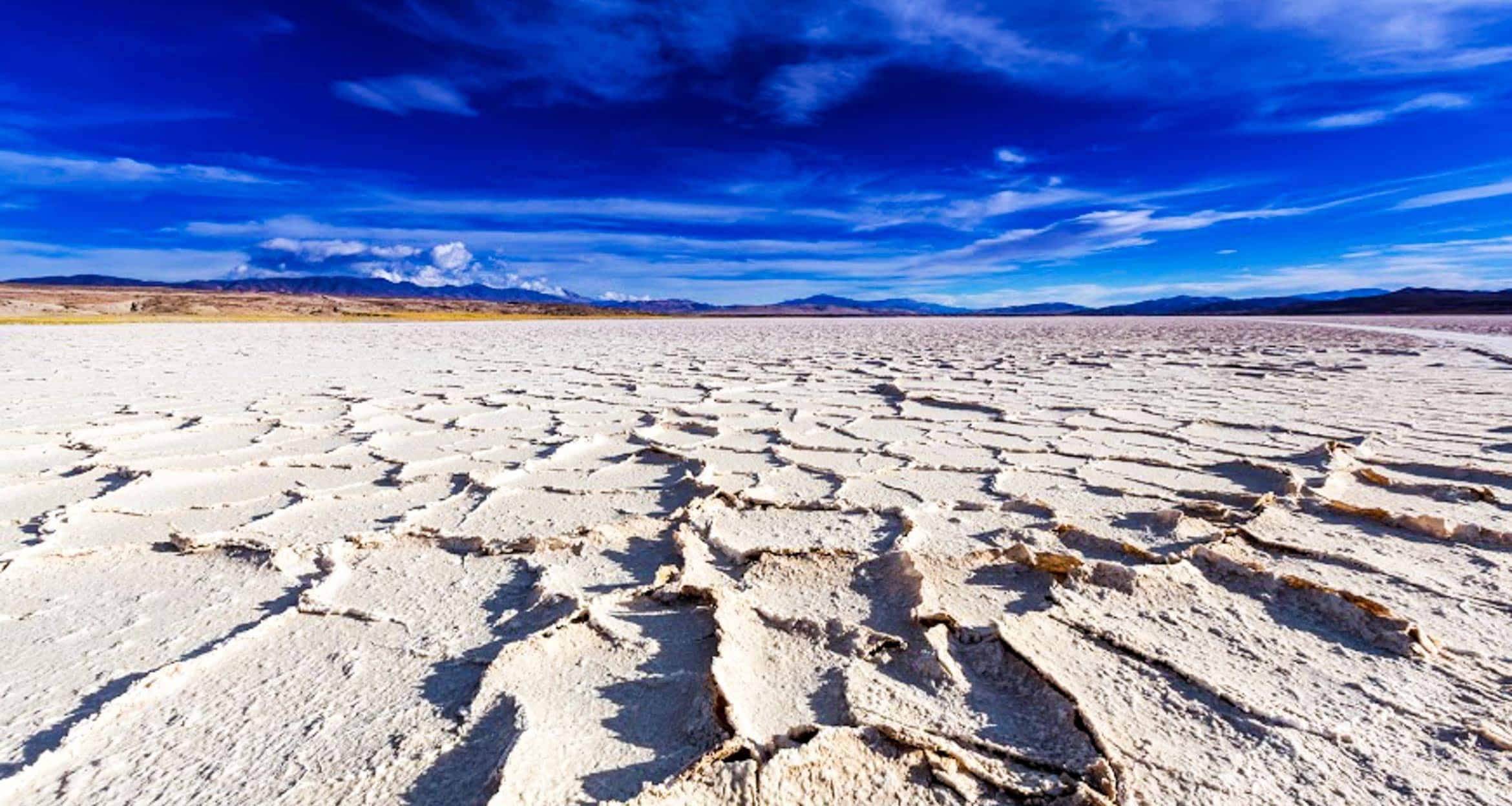
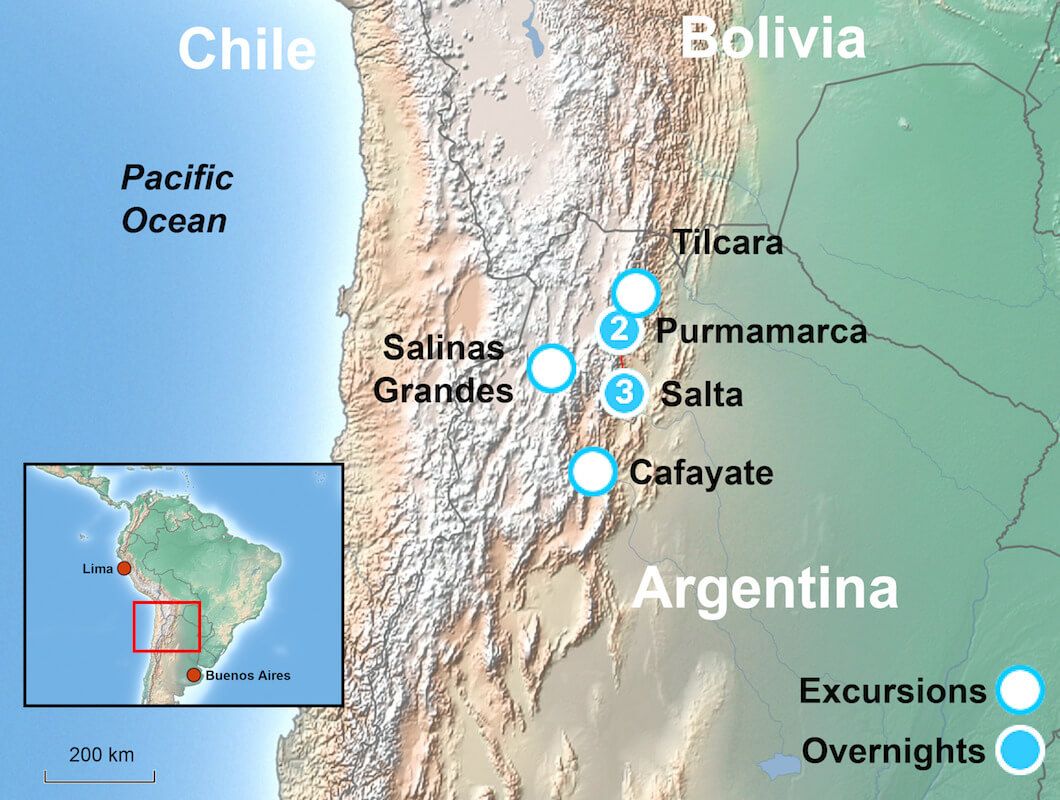
Three hours north of Salta, in Jujuy province. Purmamarca sits under the Hill of Seven Colors, and the road west from it climbs to Salinas Grandes, the salt plain on the Salta and Jujuy border at about 3,450 meters. White ground to the horizon with nothing in it to give you scale. Sleep in Purmamarca rather than driving up and back.
Further up the Quebrada de Humahuaca, UNESCO World Heritage since 2003. Tilcara holds the Pucara, a pre-Hispanic hill fortress, and calls itself the archaeological capital of northwestern Argentina. Humahuaca is higher again, near 2,900 meters, with the old church at Uquia on the road between them. This is the stretch that most rewards slowing down.
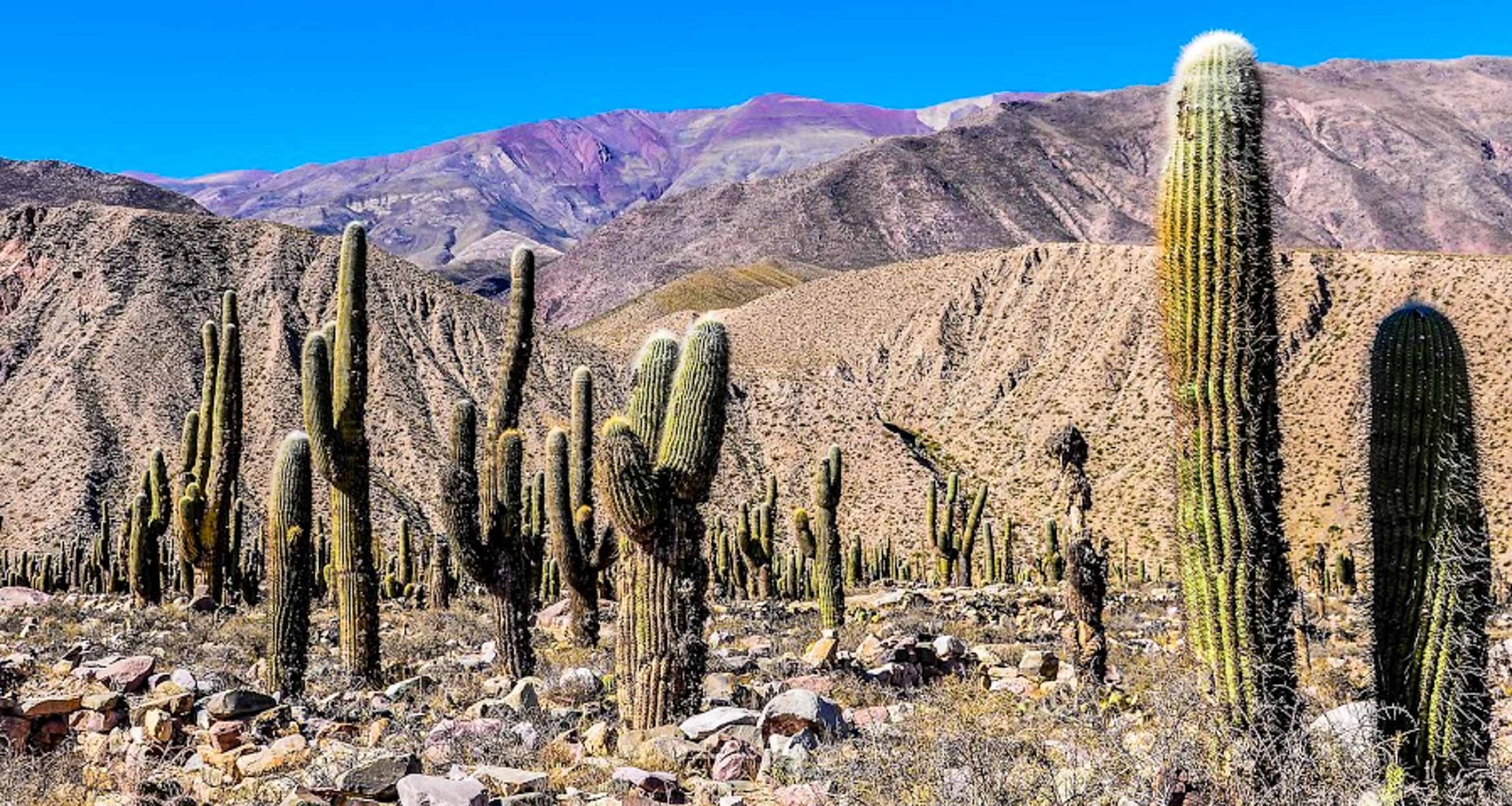
West of Salta over the Cuesta del Obispo, a switchback road through cactus country that tops out above 3,000 meters before dropping into the Calchaqui valley. Cachi is whitewashed adobe under a snow peak. Colome, further south again, is one of the highest wine estates in the world, and the reason to keep driving.
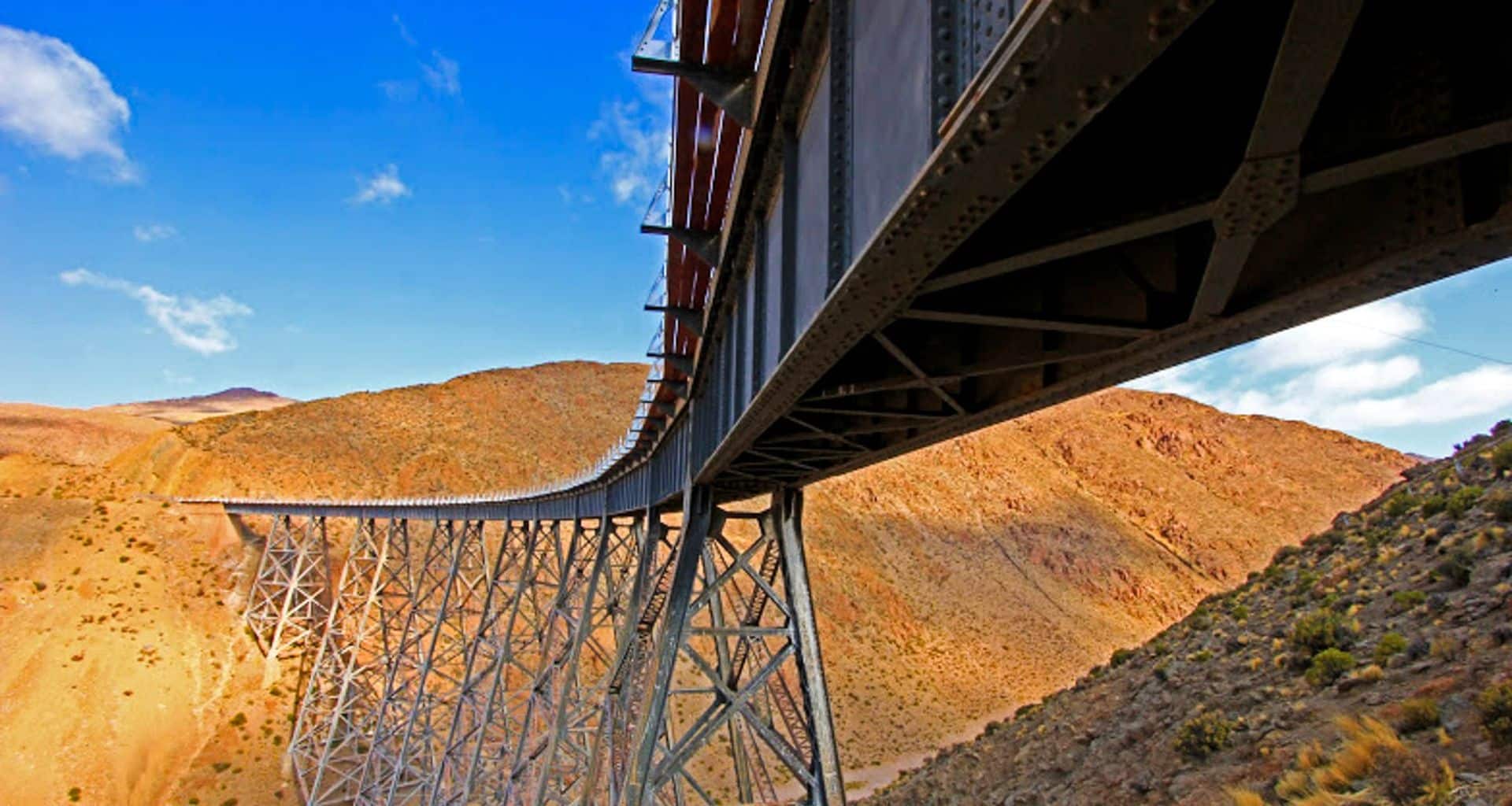
A mining town at roughly 3,775 meters on the plateau west of Salta, and the point the Train to the Clouds climbs toward before it crosses the Polvorilla viaduct at around 4,200 meters. Thin air, no shelter, the emptiest landscape on this page. The road out here also carries on to the Chilean border.
The northwest is one chapter of a longer route. The train journeys start in Salta, and two of the itineraries here are built around them. Food and wine covers Cafayate alongside Mendoza. Riders, rafters and walkers should look at the adventure trips, and anyone whose real interest is the colored rock should start with the Quebrada de Humahuaca. The whole country is on the Argentina page.
Why Plan the Northwest with Us
Get to Know Us
Argentina travel content reviewed by Juergen Keller, Co-Founder & CEO
Altitude is the part that goes wrong. Someone who lands at Salta at 1,150 meters and stands on Salinas Grandes at 3,450 the next afternoon has gained more than two thousand meters in a day, and we build the nights so that it does not happen that way. The Train to the Clouds sells fixed departure dates, which means the train picks your day and the rest of the itinerary is arranged behind it. And we will tell you which valley earns the extra night. It is Cafayate if you care about wine, and the Quebrada if you do not.
Download our FREE Argentina Travel Guide and get inspired to travel to Argentina. Browse through 30 pages of travel planning tips and ideas, pictures of Argentina, and adventurous tours. This e-book is a great resource for planning your Argentina dream vacation.
Planning a trip to South America? Explore essential travel info including via requirements, safety tips, weather, money, and more so you can focus on designing the perfect adventure!
Argentina Overview
Argentina Holidays
Argentina Recommended Hotels
Money in Argentina
Languages of Argentina
Safety in Argentina
Staying Healthy in Argentina
Argentina Travel Insurance
Internet & Calling in Argentina
Argentina Packing List
Argentina Visa Requirements
Getting to and Around Argentina
Argentina Food: Asado, Malbec and the Culture Behind the Table
Argentina Articles
Weather in Argentina
Salta & Northwest Argentina FAQs
Is Salta in Argentina worth visiting?
Yes, and for a specific reason. Salta is the part of Argentina that looks and feels Andean rather than European or Patagonian, so it adds something no other region on your itinerary will. Colored rock, high desert, pre-Hispanic sites, and Torrontes grown above 1,600 meters. If your trip is Buenos Aires, Iguazu and Patagonia, the northwest is what is missing from it.
How many days are needed in Salta?
Four to seven. Five of the six extensions on this page sit in that window. Four days covers Salta city and one high excursion. Five adds the Calchaqui valleys and Cafayate. Six or seven gets you Salinas Grandes and the Quebrada de Humahuaca without rushing either. Fewer than four and you spend the visit in a vehicle; more than seven and you are into Tucuman or a crossing into Chile.
What is Salta famous for?
Three things. The Train to the Clouds, which climbs from the city to the Polvorilla viaduct at around 4,200 meters. Torrontes, the white wine of the high, dry valleys around Cafayate. And the colonial city itself, set among red-earth landscapes and an Andean culture that has more in common with Bolivia than with Buenos Aires.
When is the best time to visit Salta and Jujuy?
April to November, because those are the dry months. The Train to the Clouds runs on fixed dates through the year with a summer maintenance pause, so it is the rain, not the train, that sets the calendar. December to March brings the summer rain, which affects the Quebrada de Humahuaca and the high roads more than it affects the Calchaqui valleys, so a summer visit should lean south toward Cachi and Cafayate. June to August is cold at night at altitude and the clearest of the year by day.
How do you get to Salta?
You fly from Buenos Aires. Almost every domestic route connects through the capital, and the flight up to Salta takes a little over two hours. From the airport, itineraries pick up a vehicle and a driver-guide for the drives south to Cafayate or north into Jujuy. Coming overland from Chile is possible and is covered further up this page.
Is the altitude in Salta and Jujuy a problem?
For most travelers it is manageable, but it deserves respect. Salta city sits at about 1,150 meters, which nobody notices. Purmamarca and Tilcara are higher, Salinas Grandes is around 3,450 meters and the Train to the Clouds tops out near 4,200. The gain happens fast. We put a night at moderate altitude before the high days, and anyone with a heart or lung condition should speak to a doctor first.
Can a Salta trip be combined with the Atacama Desert in Chile?
Geographically, yes. The road from Jujuy over Paso de Jama runs across the altiplano to San Pedro de Atacama, and it is one of the great drives on the continent. Whether it belongs in your itinerary depends on your dates, the border crossing and how many nights above 3,000 meters you want in a row. Raise it with a consultant before you plan the rest of the route around it.
Your Experts in Argentina!
Let’s Design Your Perfect Argentina Trip
Tell us your dates and how much time you have. We will tell you whether the Train to the Clouds is running, how many nights the Quebrada really needs, and where a Salta extension belongs in the rest of your Argentina route.
We Love to Talk About South America Trip Ideas!
Thinking of traveling to South America? We take your South American travel dream and make it a reality. Every fully custom South America trip is planned by your own expert personal Travel Consultant.
"*" indicates required fields
Argentina Travel Guide
Our favorite Argentina tour ideas featuring the best destinations & activities designed to inspire…

 +1 (888) 900-5060