Most trips to Argentina pair Buenos Aires with Iguazú Falls, the high northwest, Mendoza or Patagonia, and each asks something different of your planning. Here is what the US CDC and other official bodies say about vaccines for Argentina, mosquitoes and altitude, and where our itineraries meet that advice. Our travel consultants are not medical professionals and cannot give medical advice. The CDC’s advice is to visit your doctor at least a month before your trip.
The CDC asks every traveler to be up to date on routine vaccines, including MMR. As of November 2026, its Argentina page carries the CDC’s global measles notice (Level 1). The CDC also recommends hepatitis A for unvaccinated travelers one year and older and hepatitis B for unvaccinated travelers under 60, suggests considering typhoid vaccine for rural areas or stays of a month or more, and leaves rabies vaccine as a question for your healthcare provider.
According to the CDC, Argentina does not require yellow fever vaccination for entry, but it recommends the vaccine for all travelers 9 months and older going to Corrientes and Misiones provinces. Iguazú Falls is in Misiones, as are rainforest stays such as Yacutinga Lodge.
| Where you are going | Yellow fever vaccine, per the CDC |
|---|---|
| Misiones (including Iguazú Falls) and Corrientes | Recommended, 9 months and older |
| Formosa, and designated areas of Chaco, Jujuy and Salta | Generally not recommended |
| Everywhere else, including Buenos Aires, Mendoza and Patagonia | Not recommended |
Some countries ask for a yellow fever certificate from travelers arriving from countries WHO lists as at risk, Argentina among them, so check the next stop on your route. Argentina’s entry rules are on our visa page.
WHO certified Argentina malaria-free in 2019, and the CDC’s vaccines-and-medicines list for Argentina does not include malaria prevention medicine. The same CDC page also says malaria is a risk in some parts of the country, so ask your doctor with your full route.
The CDC says travel above 8,000 ft can put you at risk of altitude illness. Its guidance: do not go from low elevation to more than 9,000 ft (2,750 m) in one day, above 9,000 ft raise your sleeping elevation by no more than 1,600 ft a day, and skip alcohol and hard exercise for the first 48 hours. It adds that medicine can help prevent altitude sickness; ask your doctor.
In Argentina this mostly means Salta and Jujuy. Our northwest itineraries are based in Salta, about 3,800 ft (1,150 m), and reach the high points by day: Salinas Grandes at about 11,300 ft (3,450 m), and the Train to the Clouds, which climbs from San Antonio de los Cobres to the Polvorilla viaduct at about 13,850 ft (4,220 m). The highest nights on the Northern Express are two in Purmamarca, about 7,600 ft (2,325 m).
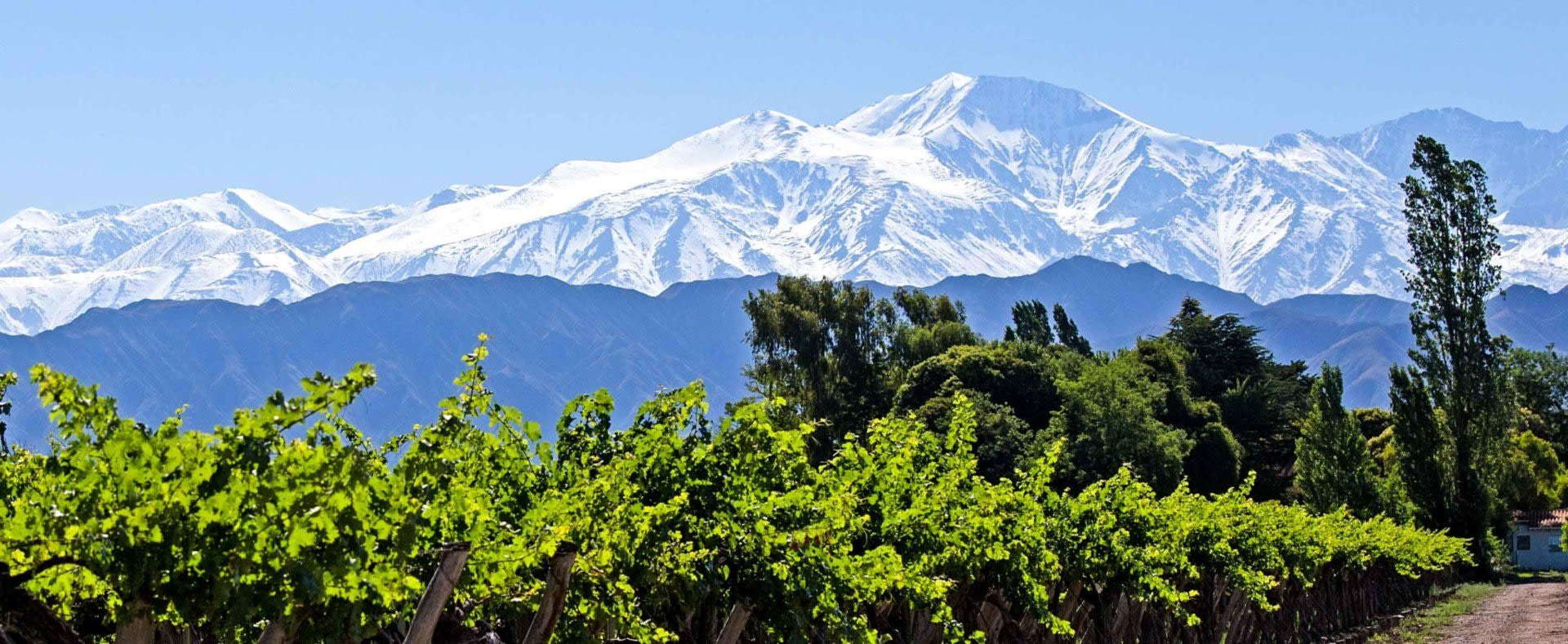
West of Mendoza, the road to Chile passes Puente del Inca, about 9,000 ft (2,740 m), below Aconcagua, nearly 23,000 ft (about 6,960 m). A day on that road can be part of our Mendoza wine trips. Climbing Aconcagua is an expedition and a separate conversation with your doctor.
The CDC lists dengue, Zika and chikungunya for Argentina, without limiting dengue to one region, and its advice for all three is to avoid mosquito bites. Argentina’s Ministry of Health counted 583,297 confirmed cases in the season that ended in mid-2024, and 69 notified so far in the 2025-26 season, with more still under investigation, according to its August 2026 bulletin.
The CDC suggests repellent with 20% or more DEET; for mosquitoes alone it also lists picaridin, oil of lemon eucalyptus, IR3535 and 2-undecanone. It adds long sleeves and permethrin-treated clothing (never on skin).
The US CDC’s general advice for travelers is to choose factory-sealed drinks wherever tap water might be contaminated, and to skip ice where clean water is a concern. See our Argentina food and drink page.
As of November 2026, the CDC’s Argentina page also notes increased cases of leptospirosis, spread through fresh water contaminated by animal urine, especially after floods. It advises against swimming in unchlorinated lakes, ponds and rivers.
The CDC recommends SPF 15 or higher and shade from 10 a.m. to 4 p.m., with extra care in summer and at high elevation, since snow, sand and water reflect sunlight. Patagonia has its own page: Staying Healthy in Patagonia.
Some of our routes run far from a hospital: the Puna above Salta, the Misiones rainforest, the far south. Our travel insurance page explains medical and evacuation cover.
According to the CDC, yellow fever vaccine is not required for entry. It recommends routine vaccines including MMR, hepatitis A and B for the unvaccinated, and yellow fever for Misiones and Corrientes.
For Buenos Aires, the CDC does not recommend it. For Iguazú Falls, in Misiones, it does, for travelers 9 months and older.
Yes, the CDC lists it, and case numbers vary widely by season. Check the CDC’s Argentina page close to departure, and leave the medical side to your doctor.
❗ A note from our team: we plan trips, we are not doctors. This page sums up what official health bodies such as the US CDC say about travel here. It is not medical advice, and official advice changes, so please check with your doctor or a travel clinic, ideally at least a month before you go.