Ask what Argentina tastes like and two answers usually arrive first: steak and Malbec. Fair enough. Both deserve their reputation. But Argentina food makes more sense when you look beyond individual dishes and notice what happens around the table—the long conversations, the unhurried pace and the mix of traditions carried into the country over generations.
An asado is not simply meat cooked outdoors. Mate is not merely a caffeinated drink. Pizza in Buenos Aires is no longer just Italian food transplanted abroad. Each has become part of a distinctly Argentine way of gathering. That is the part worth understanding before you travel.
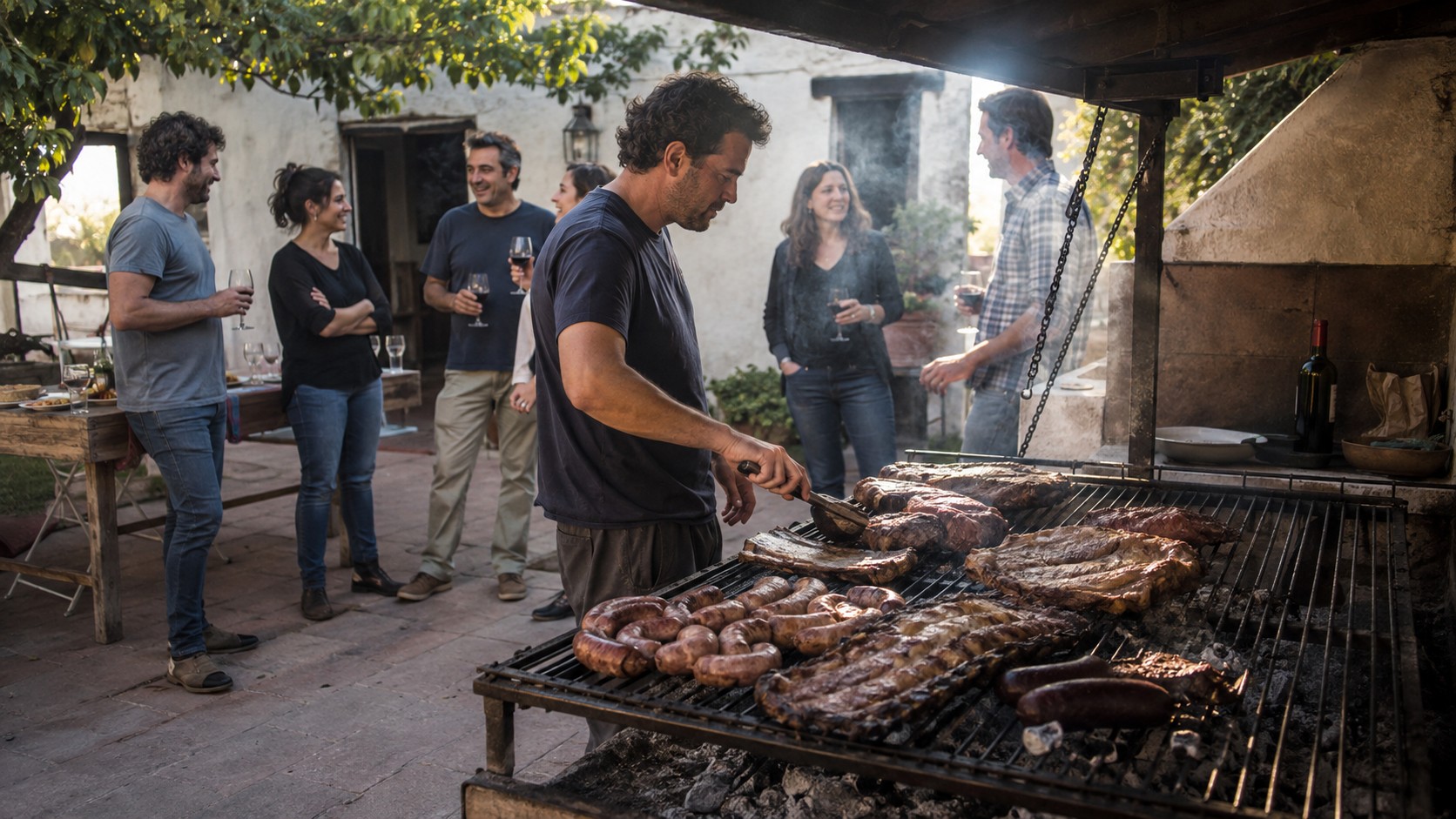
Asado can refer to the barbecue, the meal and the occasion itself. The cooking matters, of course, but the gathering is the real story.
The cook, known as the asador, manages the fire and cooks over glowing embers rather than rushing the meat over high flames. Different cuts arrive when they are ready. There may be sausages first, followed by ribs, flank or other cuts, with bowls of chimichurri or salsa criolla passed around the table. Provoleta—cheese grilled until browned and bubbling—often appears along the way.
No single menu defines every asado. What remains consistent is the pace. This is food that makes people wait together.
Juergen Keller, SouthAmerica.travel’s co-founder, describes the scene from family gatherings: people stand around the grill with a drink in hand, starters appear while the meat cooks, and a typically late lunch can drift into the evening without anyone noticing.
That is why translating asado as “barbecue” only gets you halfway there. It is a social ritual rooted in family life, friendship and Argentina’s gaucho heritage. Even travelers who are not enthusiastic meat eaters can appreciate the occasion. The point is not to consume the biggest steak possible. The point is to share the time.
Argentina’s food culture is much broader than the parrilla. Some dishes are found across the country; others change noticeably between provinces.
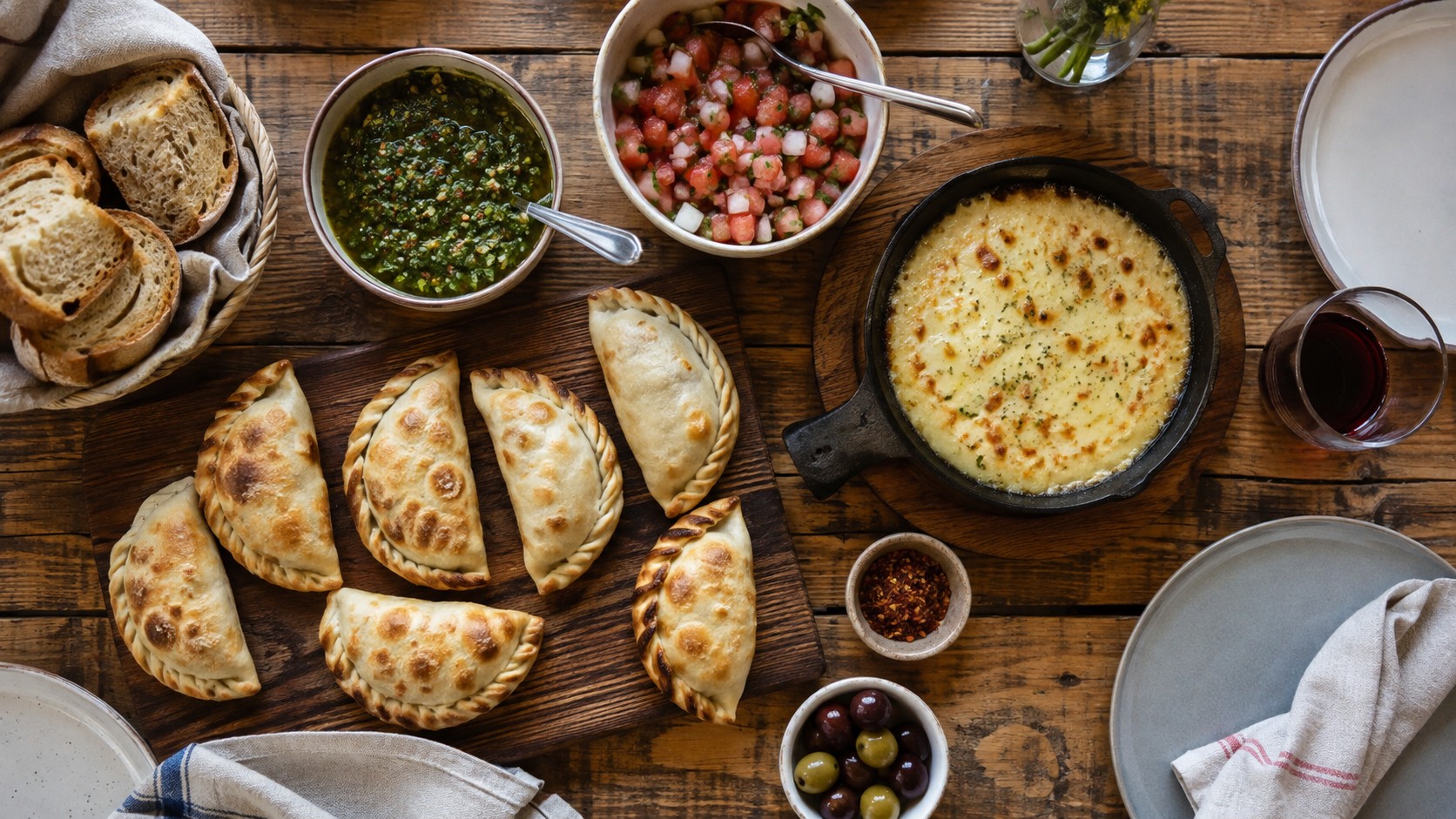
Empanadas are among the easiest regional differences to taste. The pastry, seasoning, filling and cooking method vary from place to place. Beef is common, but chicken, cheese, corn and other fillings are easy to find. In the Northwest, provinces such as Salta and Tucumán defend their own styles with considerable pride.
Choripán is simpler: a grilled chorizo sausage tucked into bread, usually finished with chimichurri or salsa criolla. You may encounter it at an asado, at a market or before a football match. Provoleta, meanwhile, turns a thick round of provolone-style cheese into something smoky, crisp-edged and made for sharing.
Travel north and the menu begins to reflect Andean and Creole traditions. Corn, squash and potatoes appear in dishes such as humitas and tamales, while locro is a substantial slow-cooked stew associated especially with cooler weather and national holidays.
Elsewhere, the landscape changes the plate. River fish matters in the Litoral. Lamb is closely associated with Patagonia. Coastal areas bring their own seafood traditions. These regional foods are a useful reminder that Argentina stretches from subtropical forest to the far south; no single Buenos Aires menu can represent the entire country.
Argentine cooking grew from Indigenous and Creole foundations, then absorbed generations of immigrant influence. Spanish traditions are present throughout the country, while Italian immigration transformed everyday eating particularly strongly. Arabic, Jewish, Armenian and other communities also added to the range of flavors found in Buenos Aires and beyond.
Pizza is one of the clearest examples of food arriving from elsewhere and becoming unmistakably local. Buenos Aires is known for thick, airy pizza al molde with a generous layer of cheese, as well as fugazzeta, filled or topped with cheese and onions. It is usually shared rather than treated as an individual meal.
Fresh pasta, gnocchi and ravioli are equally at home on an Argentine table. In a traditional bodegón—an informal neighborhood restaurant with generous portions—you may find pasta, milanesa and Spanish-influenced dishes alongside grilled meat. The categories overlap. That is precisely the point.
The Italian legacy also explains the country’s enthusiasm for helado. Buenos Aires has neighborhood ice-cream shops across the city, and ordering by weight for a group is entirely normal. Dulce de leche appears in seemingly endless variations, from smooth and mild to dark and intensely caramelized.
Malbec is Argentina’s best-known wine abroad, but the exported bottles tell only part of the story.
Juergen’s advice is to look for “wines you have never heard of.” Small producers do not all have international distribution, so traveling in Argentina creates the chance to taste limited-production bottles that rarely appear on shelves in the United States or Europe. That does not make familiar export labels inferior. It means the country’s wine culture is deeper than the selection that crosses the border.
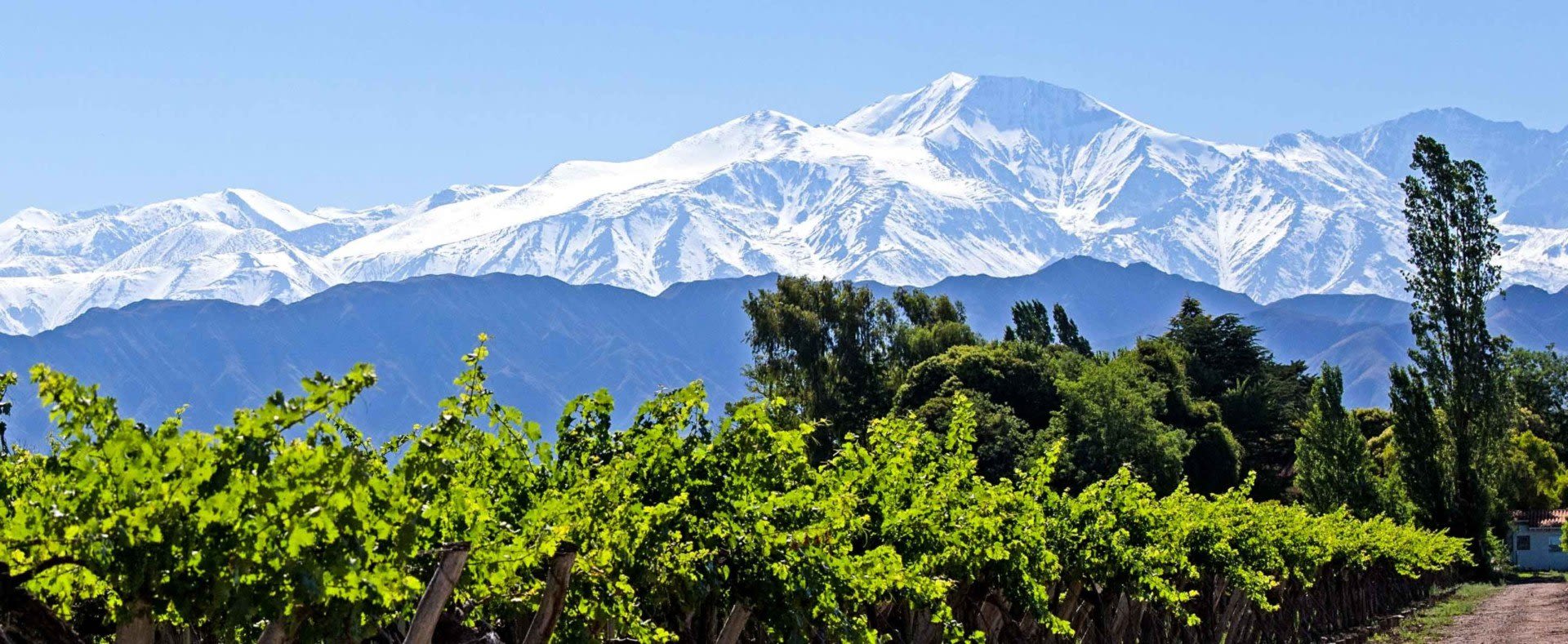
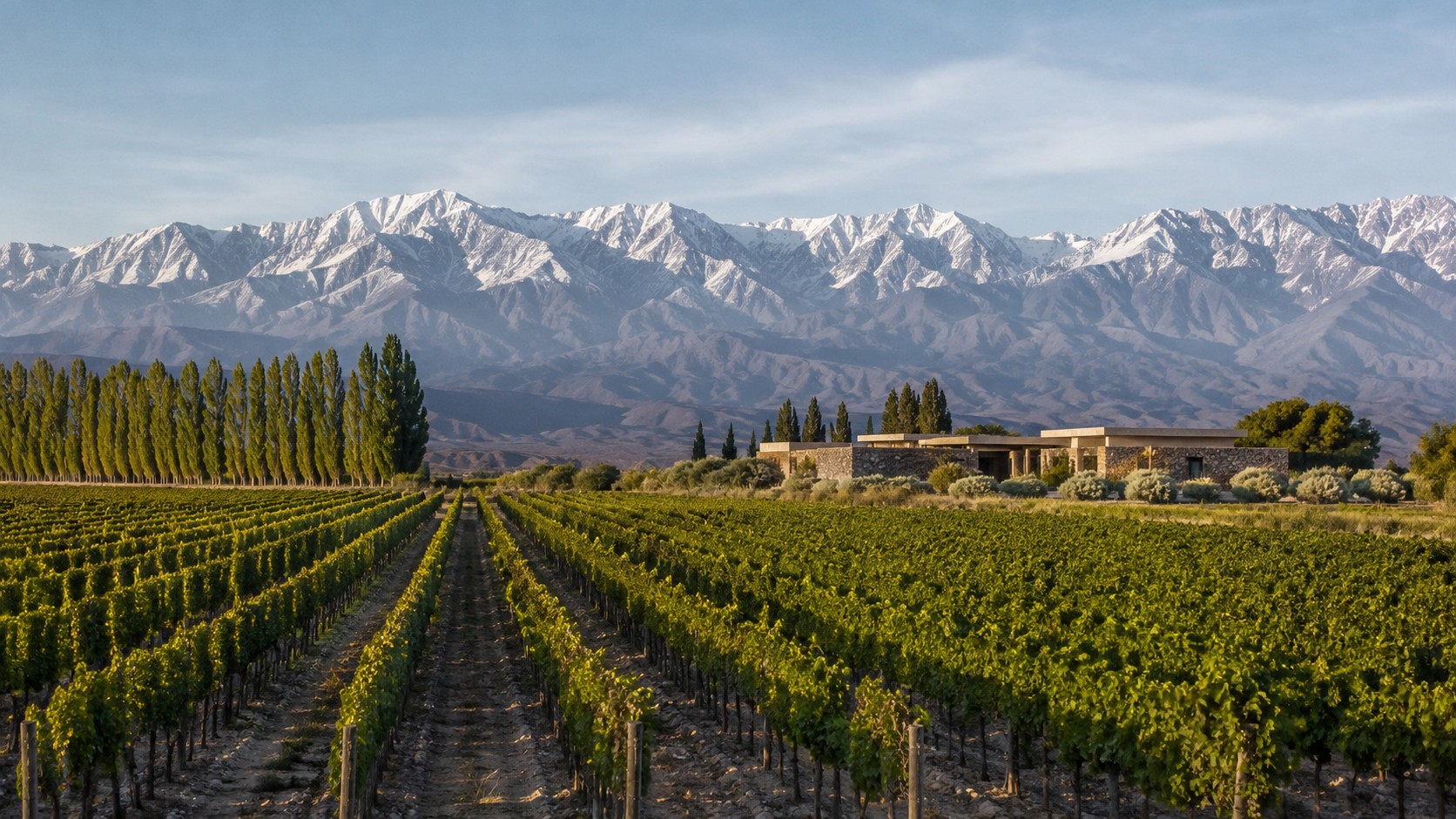
Mendoza is the center of Argentine wine tourism, with established vineyard areas such as Luján de Cuyo and the Uco Valley set against the Andes. Malbec leads the conversation, but Cabernet Franc, Cabernet Sauvignon, Chardonnay and other varieties give travelers plenty to explore.
Farther north, Cafayate and the Calchaquí Valleys pair high-altitude vineyards with dry, dramatic landscapes. Torrontés—the country’s distinctive aromatic white wine—is especially important here. Patagonia offers a cooler-climate contrast, including Pinot Noir as well as Malbec and white varieties.
For most trips, it makes more sense to explore one wine region properly than to race between several. Mendoza is the natural choice for a dedicated luxury-wine stay. Salta and Cafayate suit travelers who want wine as part of a broader journey through Northwest Argentina.
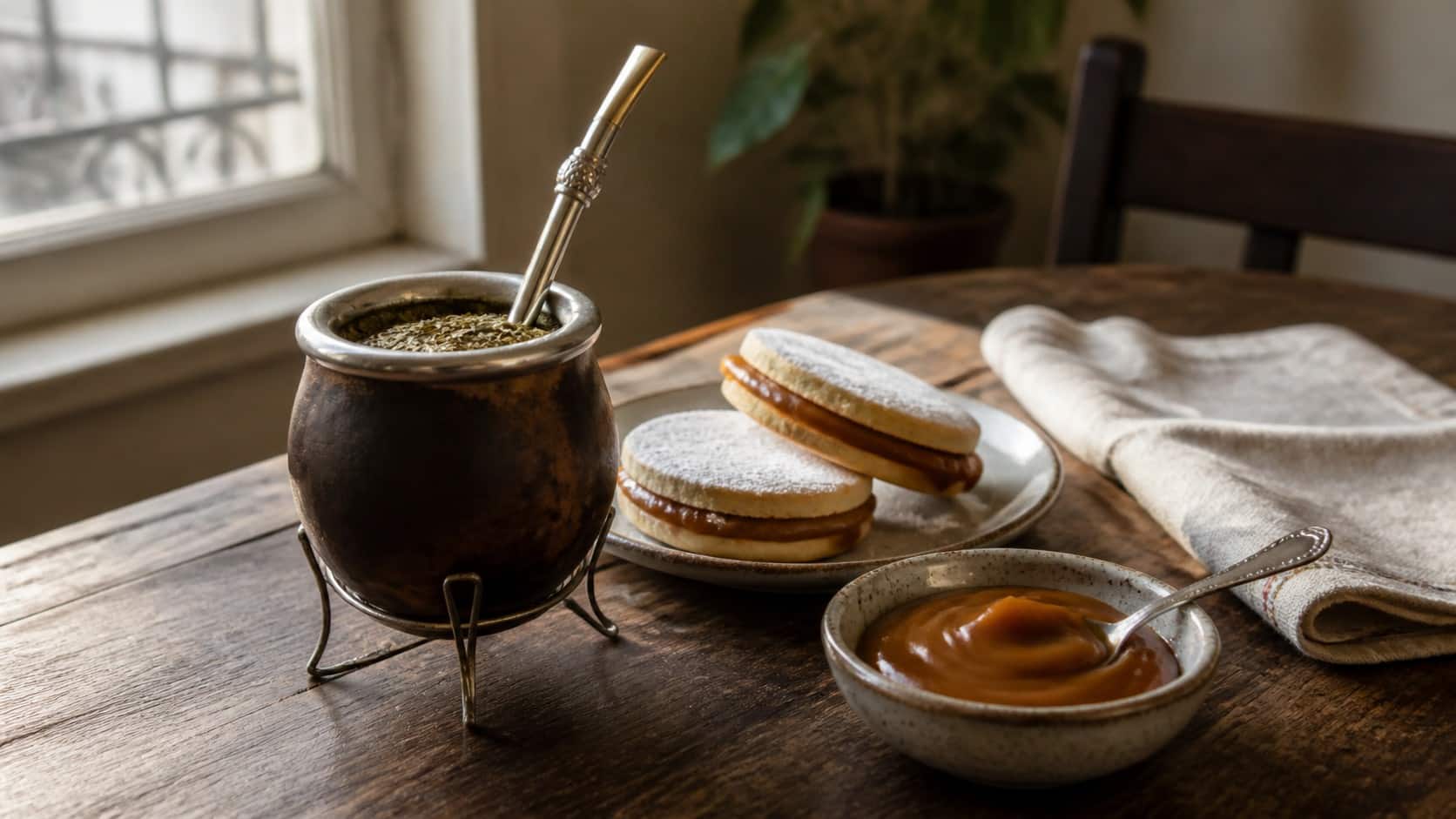
Dulce de leche is made by slowly cooking milk and sugar until thick and caramel-colored. It fills alfajores, flavors ice cream and appears in cakes, pastries and breakfast spreads. Alfajores vary by region and maker, but the familiar form is two tender cookies sandwiched around dulce de leche, sometimes coated in chocolate or icing.
Mate belongs to a different kind of ritual. The herbal infusion is traditionally prepared in a small vessel and sipped through a metal straw called a bombilla. When people share mate, one person prepares and refills it before passing it to the next drinker. It is less like ordering a cup of tea and more like joining an ongoing conversation.
The day’s rhythm often runs later than many North American and northern European travelers expect. Lunch commonly begins around 1 p.m., merienda offers a late-afternoon pause for coffee or mate with something sweet or toasted, and dinner in Buenos Aires often starts around 9 p.m. or later. Hotels and tourist-oriented restaurants may serve earlier, but adjusting to the local schedule is part of settling into the trip.
Breakfast is usually lighter than a full cooked breakfast—coffee, juice, toast or pastries are common—although larger hotels may offer eggs, fruit, yogurt and a broader buffet.
Food works best as part of the journey rather than an isolated checklist. Leave enough time for an asado. Visit a market or neighborhood bakery. Try regional empanadas where they are made, and taste wine close to the vineyards that produced it.
Travelers who want a dedicated wine stay can begin with our Essential Mendoza Wine Tasting itinerary. For a different landscape and a quieter wine region, the Salta to Cafayate Wine Route travels through the Calchaquí Valleys. The Northern Express places Cafayate’s wine culture within a broader journey through Salta and Jujuy.
Explore our Argentina food and wine tours, or ask us to design a custom Argentina itinerary that leaves room for the long meals as well as the famous sights. Sometimes the hours around the table are the part you remember best.