From September to November Argentina enjoys its spring season. This is also considered Argentina’s shoulder season, which lasts from September to November and March to May. The shoulder season is the best time to visit Argentina if you prefer pleasant weather for exploration, offering consistently warmer days and reduced humidity.
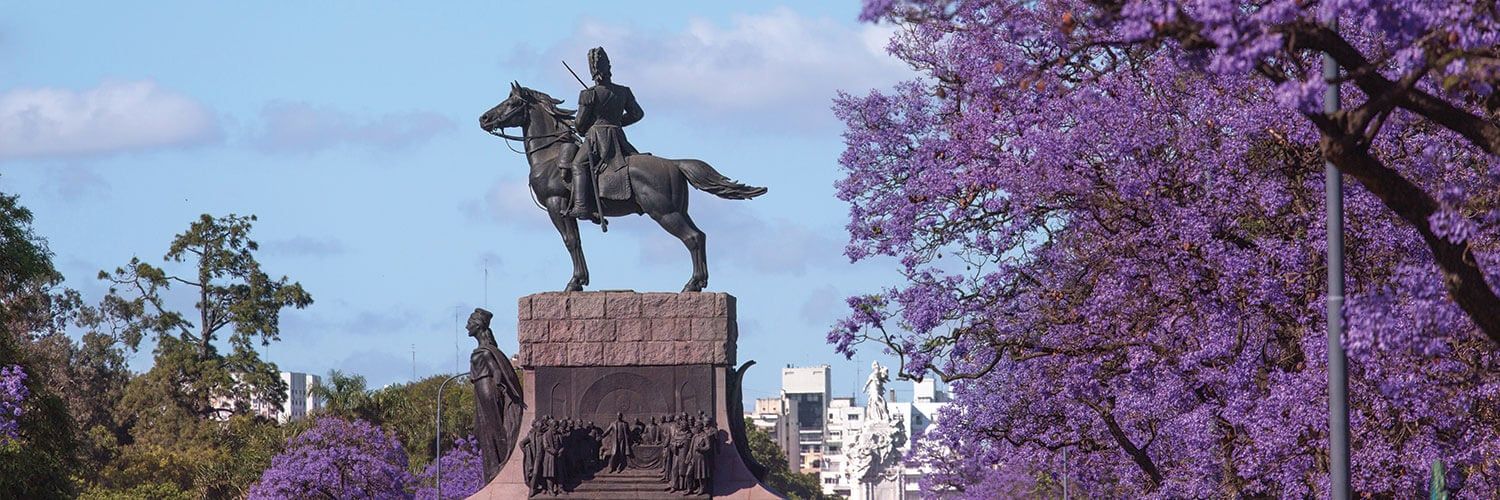
Argentina's weather in the spring is very comfortable. In Buenos Aires, temperatures are warmer and can reach highs of 71F / 22C and lows of 57F / 14 C. Jacaranda trees are in bloom in the springtime making Buenos Aires an even more beautiful city to visit. In southern Argentina, near Patagonia, travelers can expect cooler weather, which is quite nice during days of high activity (hiking, glacier trekking, etc).
Spring offers an ideal climate for sightseeing through some of Argentina’s most famous cities. From September - November the central region of Argentina begins to experience warmer temperatures, leaving travelers with countless things to do. Cities like Cordoba, Mendoza and the capital, Buenos Aires feature blooming Jacaranda trees, busy vineyards and sun-filled days. Spend your time strolling the historic streets, lounging in parks and visiting significant sites like Plaza de Mayo. Additionally, during these months, visitors will have the best whale watching opportunities in northern Argentina, in towns like Puerto Madryn.
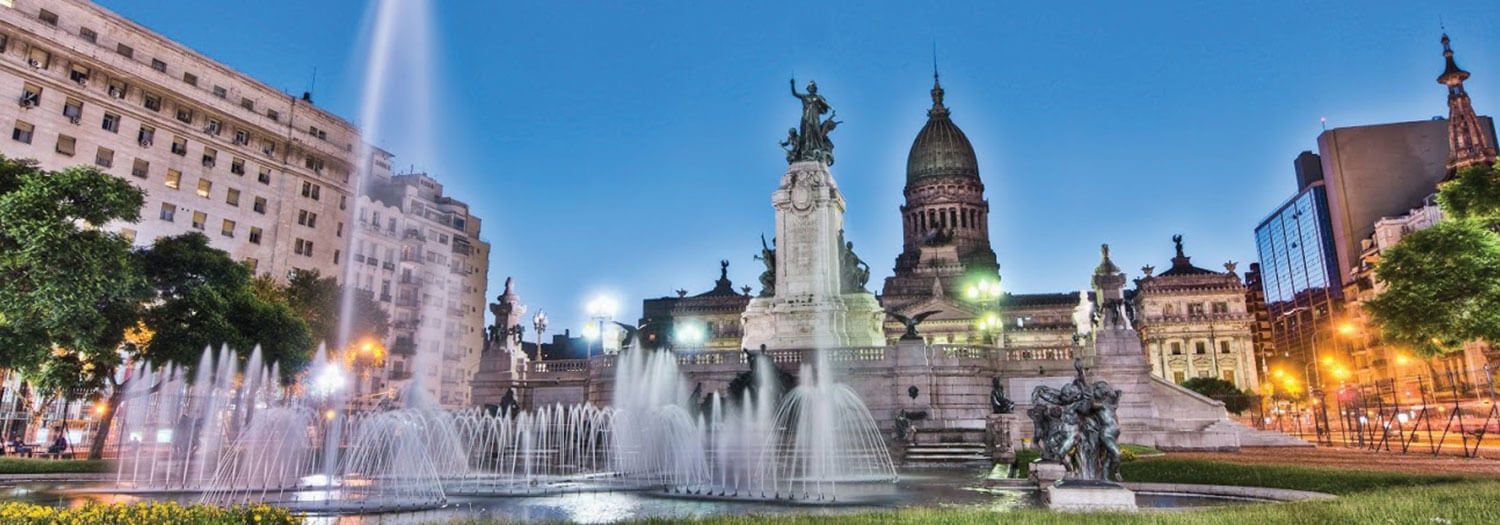
December in Argentina is extremely pleasant as the beautiful spring season is transitioning into the warm summer. For that reason, the summer season in Argentina (December to February) is considered the peak season for travel. Hot and humid temperatures make all trips to Argentina enjoyable, whether it be to Salta and Cordoba in northern Argentina or the Lake District in southern Argentine Patagonia. Traveling in December means that you might even miss some of the busy crowds that start arriving in January and February as the peak season continues.
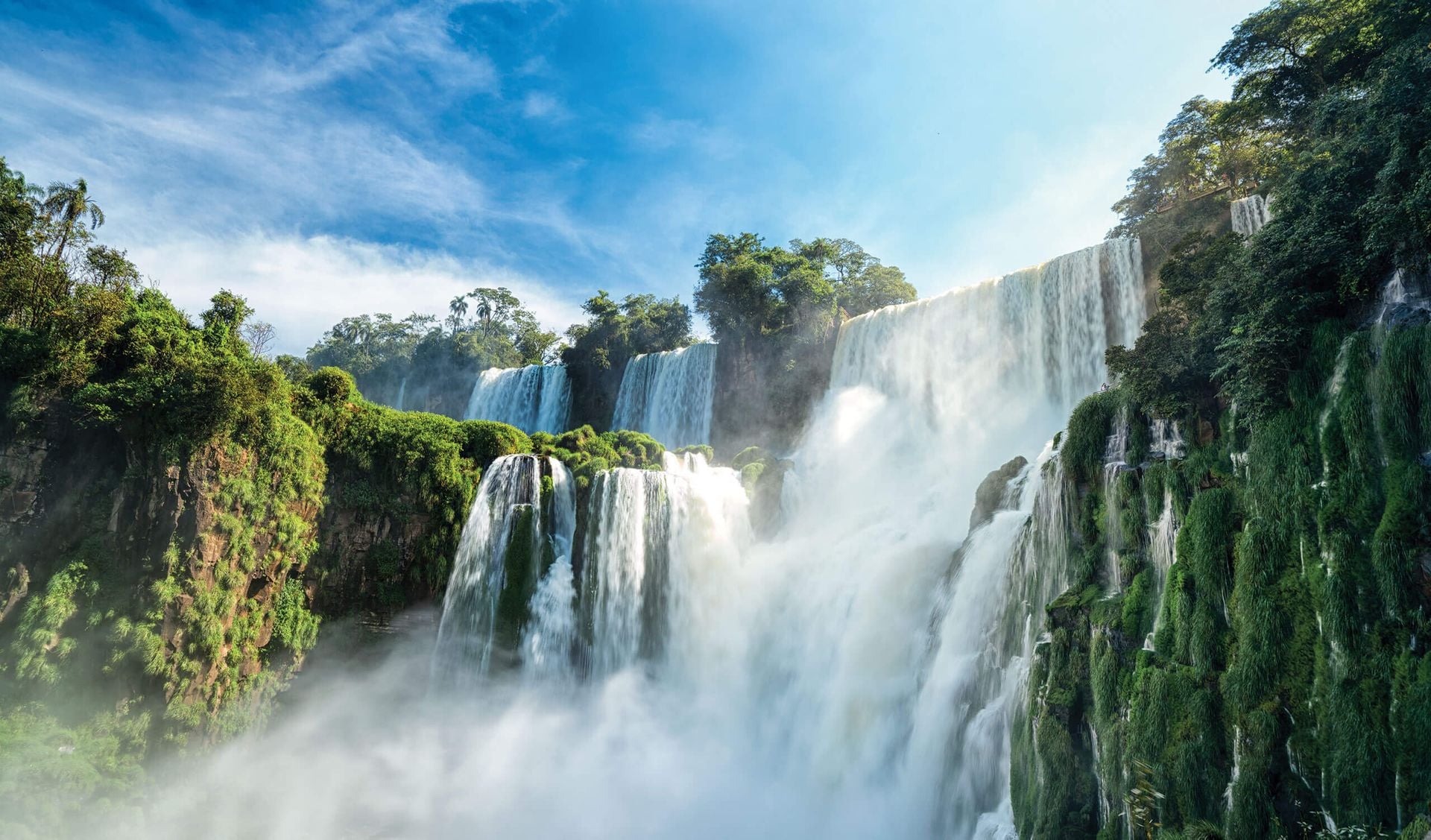
Travel tip: the rain that has fallen from the spring season at Iguazu Falls creates a larger volume of water that will rush over - making it a more dramatic experience for all visitors.
Summer weather in Argentina heats up with highs of 84F / 29C in Buenos Aires. It can be hot and humid in the city, especially during the crowded peak season. Rain isn’t as common during this time of the year, though Buenos Aires can experience plenty of cloud cover in December. Then, as January and February make way, the city experiences clearer, sunnier days.

During the summer season, one of the best things to do in Argentina is to go hiking. From December to February, the trails in Argentine Patagonia are most accessible, offering ideal hiking conditions, and plenty of guided activities.
This is also the season with the most festivals. Throughout major cities in Argentina, visitors can expect to see many events, from the Buenos Aires Tango Festival to Carnival.
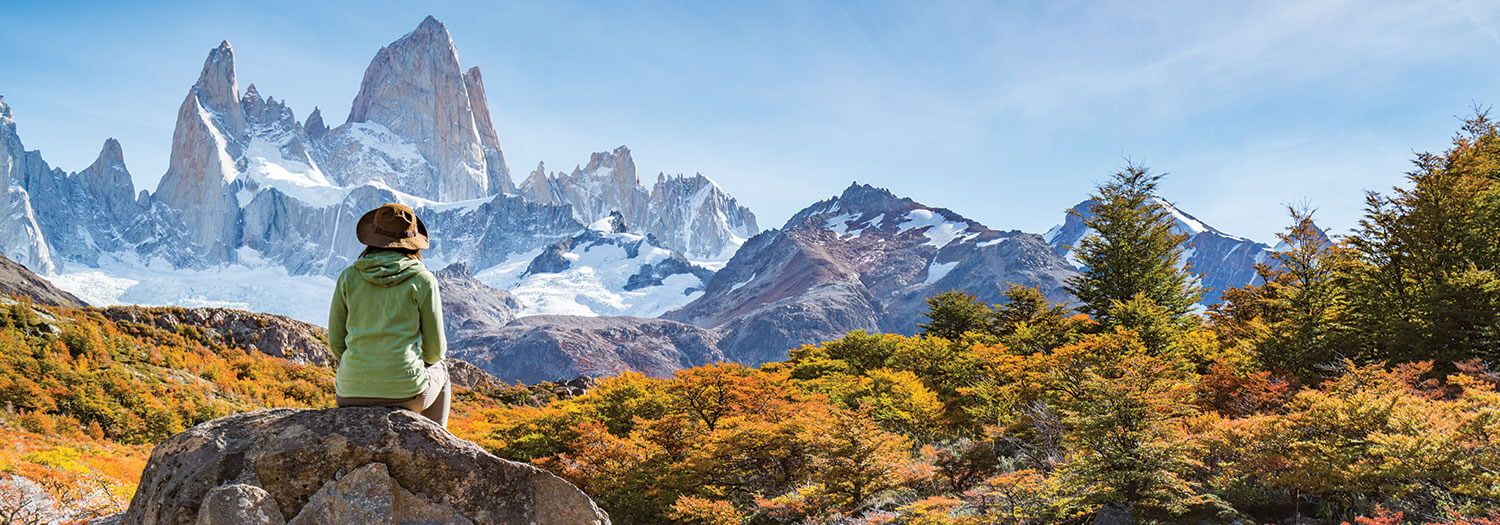
Autumn, from March to May, is a great time to travel to Argentina as the summer season crowds tend to taper off, especially in Patagonia and along the Atlantic coast. April is the peak autumn season in Argentina, where the temperatures continue to cool and fiery colors start filling the forests of southern Argentina. In May, Argentina experiences it’s late autumn season, which will mean different weather depending on where you travel.
In general, fall in Argentina means slightly cooler temperatures, beautiful fall foliage (autumnal colors), wildflowers blooming and while some regions experience lower temperatures, northern Argentina is still pretty warm.
Autumn is known as the shoulder season in Argentina and lasts from March to May. Autumn offers the best overall temperatures for exploration. Buenos Aires cools off to temperatures of 72F / 22C, and northern Argentina (Salta) stays around 74F / 23C. While Patagonia drops down to 49F / 9C, the landscapes of changing colors make traveling during the Fall well worth the change in temperature. Every year, we find it surprising that travelers don’t choose to visit Argentina during the shoulder season due to its agreeable weather.
A visit to the wine capital of South America, Mendoza, is a must during Argentina’s fall. Perhaps the most important time of the year for vineyards, Fall marks the start of Mendoza’s grape harvesting season. With the vineyards turning color in the fall, the region will be bursting with hues of red, and, of course, excellent wines. Wine sampling tours through the various vineyards of Mendoza, from a boutique, family-owned businesses to major wine cultivators, will ensure visitors sample the best of South American wines.
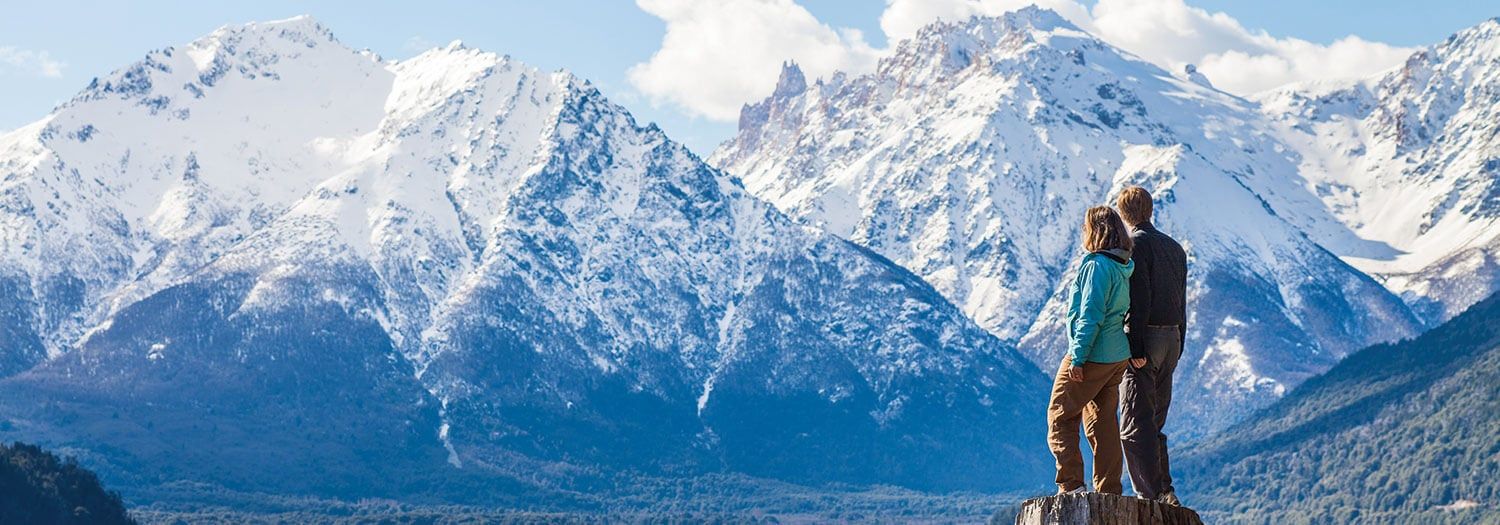
From June to August, Argentina experiences its winter season. During this time, the country is generally a colder place to visit. With that in mind, this is the best travel time for winter sports enthusiasts. Take a skiing/snowboarding/snowshoeing adventure when some of the top mountain resorts in South America open their doors for the season such as Las Lenas and Cerro Castor. It is also late June when some of the best whale watching can be seen in the Peninsula Valdes in southern Argentina.
July and August can be wonderful times to explore Buenos Aires. The evenings in the city are generally cooler in temperature and the mornings are fresh with crisp air.
Winter in Argentina is relatively brief, with the coldest month of the year being July. In Buenos Aires, temperatures drop to highs of 59F / 15C and lows of 47F / 8C. Whereas in Argentine Patagonia, temperatures can drop as low as 30F / -1C. With the weather transforming into colder conditions, ski resorts start to fill up with travelers and whale watching along the coast is also popular.

Travelers visit Argentina in the winter season for the peak ski season, comfortable temperatures in the major cities, and for whale watching in the Peninsula Valdes. Some of the best snow can be found around Argentina at ski resorts like Cerro Castor at the southern tip of Tierra del Fuego, Cerro Chapelco near San Martin de los Andes, La Hoya in the province of Chubut, and Catedral Alta Patagonia in the middle of Nahuel Huapi National Park. Besides skiing, travelers enjoy exploring the beautiful city of Buenos Aires and spotting killer whales in the Peninsula Valdes.