20+ Years Planning Iguazú Falls Trips on Both Sides
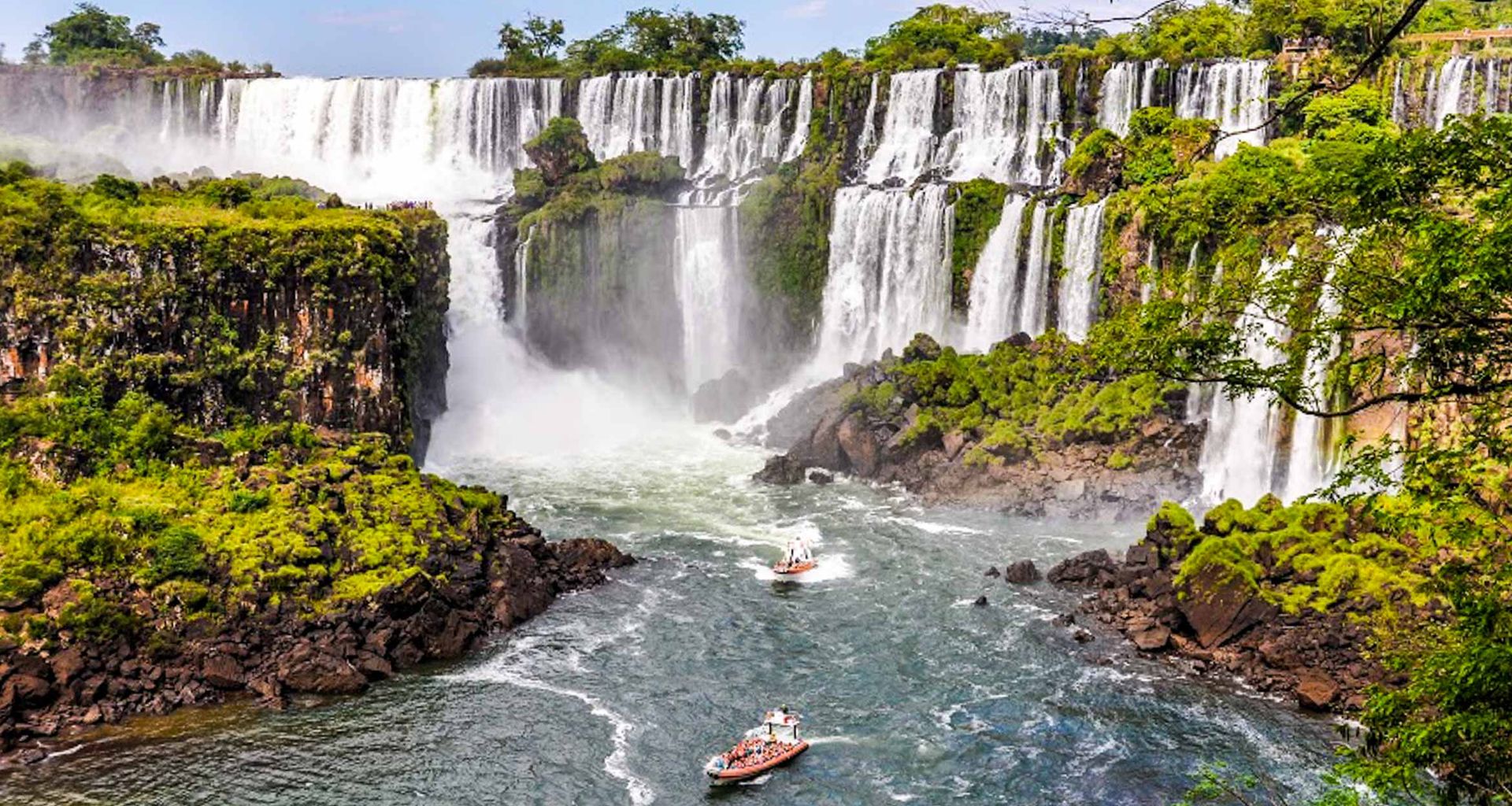
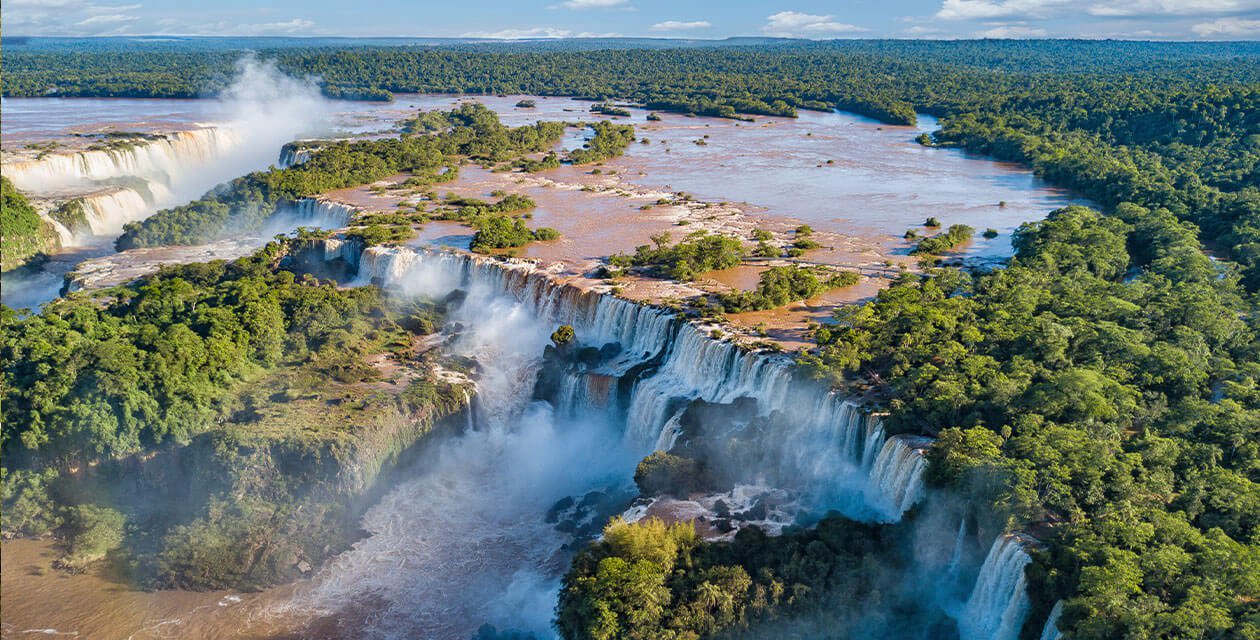
Iguazú Falls sits on the border between Argentina and Brazil, and it is a highlight of any Argentina tour or Brazil itinerary. On the Argentina side, out of Puerto Iguazú, the walkways take you through the forest and out over the water; the Brazil side, near Foz do Iguaçu, gives you the panorama. The Devil’s Throat (Garganta del Diablo) is the largest cascade. The Devil’s Throat walkway has been closed since August 2026 as a flood precaution, with no reopening date yet; the rest of the Argentine side stays open, and we check its status when we plan your dates. Many travelers planning an Iguazú Falls vacation add the falls to a longer journey from Buenos Aires, combining it with Mendoza wine country, Patagonia or Rio. Boat rides below the falls run when the river allows. The falls are also where many of our South America tours cross from one country into the next. Our tour packages are a starting point: we design each one around your pace and your dates.
Iguazú Falls Tour Packages
These are multi-day itineraries, not day excursions. Treat each one as a draft: we can move the falls earlier or later, add a night, or start on the other side of the border.
Click or Tap your preferences: Destinations & Activities. Be as specific or general as you like – or click Help Me Decide! We’ll spice it with hidden gems & personal tips to create your perfect trip. Need assistance? Contact an expert at +1 (888) 900-5060
Five Ways to Fit Iguazú Into a Trip
Tango, Samba & Waterfalls
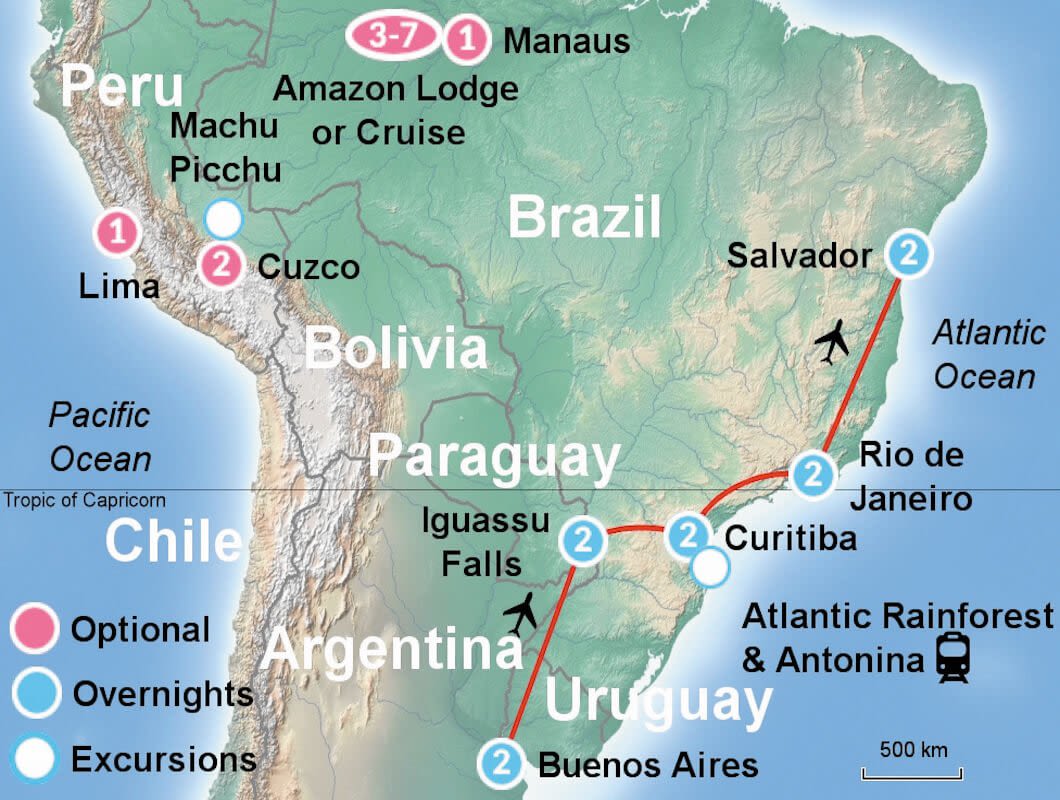
The classic line. Buenos Aires first, then two days at the falls, the Brazilian side on arrival and the Argentine side the next day, then the train through the Atlantic Rainforest, São Paulo, and Rio to finish.
The shortest trip here that is about the region, not only the water: Jesuit missions on both sides of the Paraná, in Paraguay and at San Ignacio Miní, the Wanda gem mines, then both sides of the falls. It is a tour extension, so it attaches to a longer trip.
Buenos Aires and the glaciers at El Calafate first, the falls last, with three nights there. That is more than most of our routes give it, and it leaves room for the bird park on the Brazilian side and an unhurried day in the Argentine park.
Southern Highlights: Uruguay, Buenos Aires & Brazil Tour
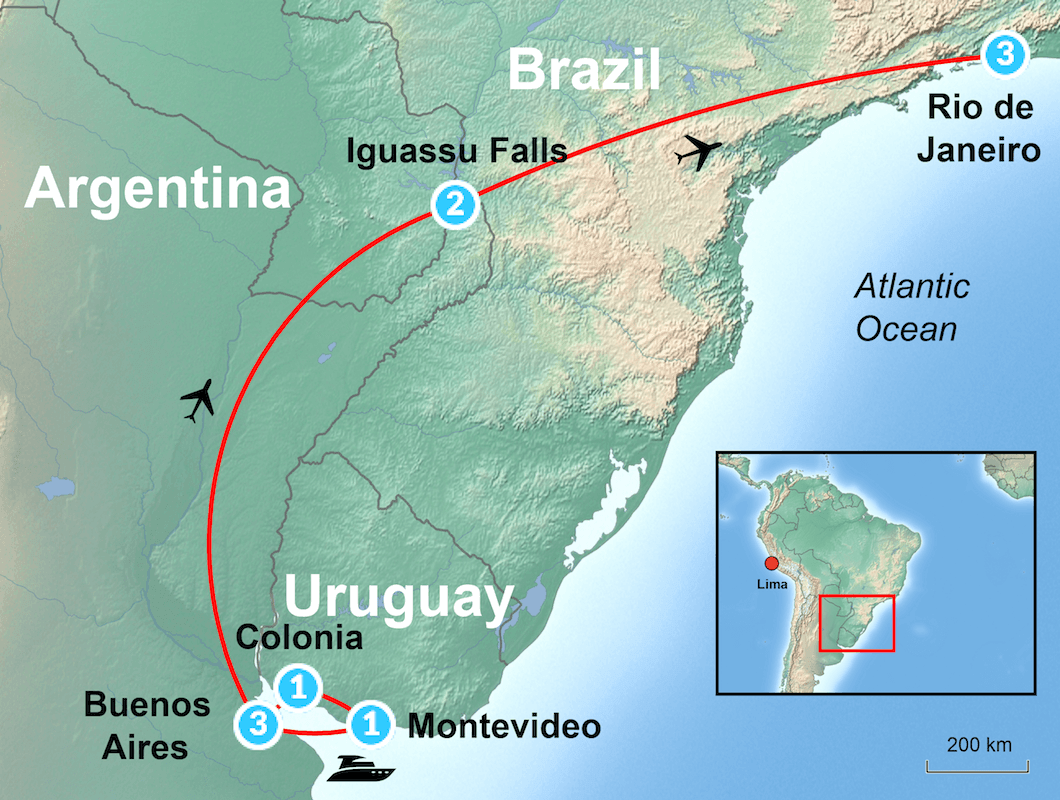
Montevideo, Punta del Este and Colonia, then Buenos Aires, then into Brazil by way of the falls: the Argentine side one day, the Brazilian side the next, Rio that evening. Here the falls are the border crossing, not a detour.
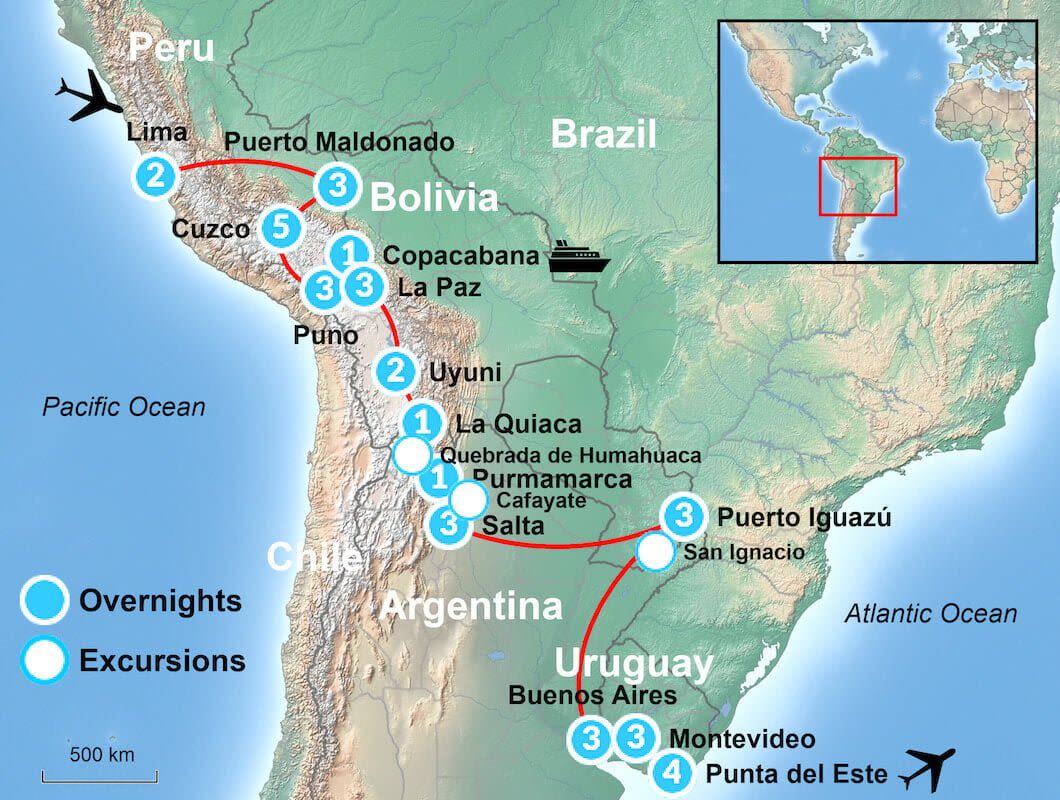
Two days at the falls, the Brazilian side and then the Argentine side, and on the second afternoon a flight to the dry northwest: Salta, the Quebrada de Humahuaca, the vineyards of Cafayate. You leave from Mendoza instead of doubling back to Buenos Aires.
Custom Iguazú Falls Tours: the Argentina and Brazil Sides
Argentina or Brazil? People ask as if they had to choose. You don’t, and the two sides do different jobs. The Brazilian side, in Iguaçu National Park outside Foz do Iguaçu, is the panorama: one walkway along the canyon, the whole front of the falls in view, a few hours. The Argentine side puts you inside the falls. Its upper circuit runs along the top edge, the lower circuit takes you down among the cascades, and walking both is a full day.
Between the two parks is an international border, with passport control and a ride across the bridge. That is why a good itinerary gives Iguazú two nights: one side on the day you arrive, the other side the next day, and no racing for a flight. Sleep in Puerto Iguazú or in Foz do Iguaçu; either works, and the choice usually follows the direction of your trip. It also makes the falls the natural crossing point on Argentina and Brazil tours such as Southern Highlights, which arrives from Buenos Aires and leaves for Rio.
Beyond the Falls: Forest, Missions and Iberá
Juergen Keller, our co-founder, puts it plainly: stay in the subtropical area around Puerto Iguazú, “there is so much more to see.” The falls take two days. The forest around them needs more than an afternoon.
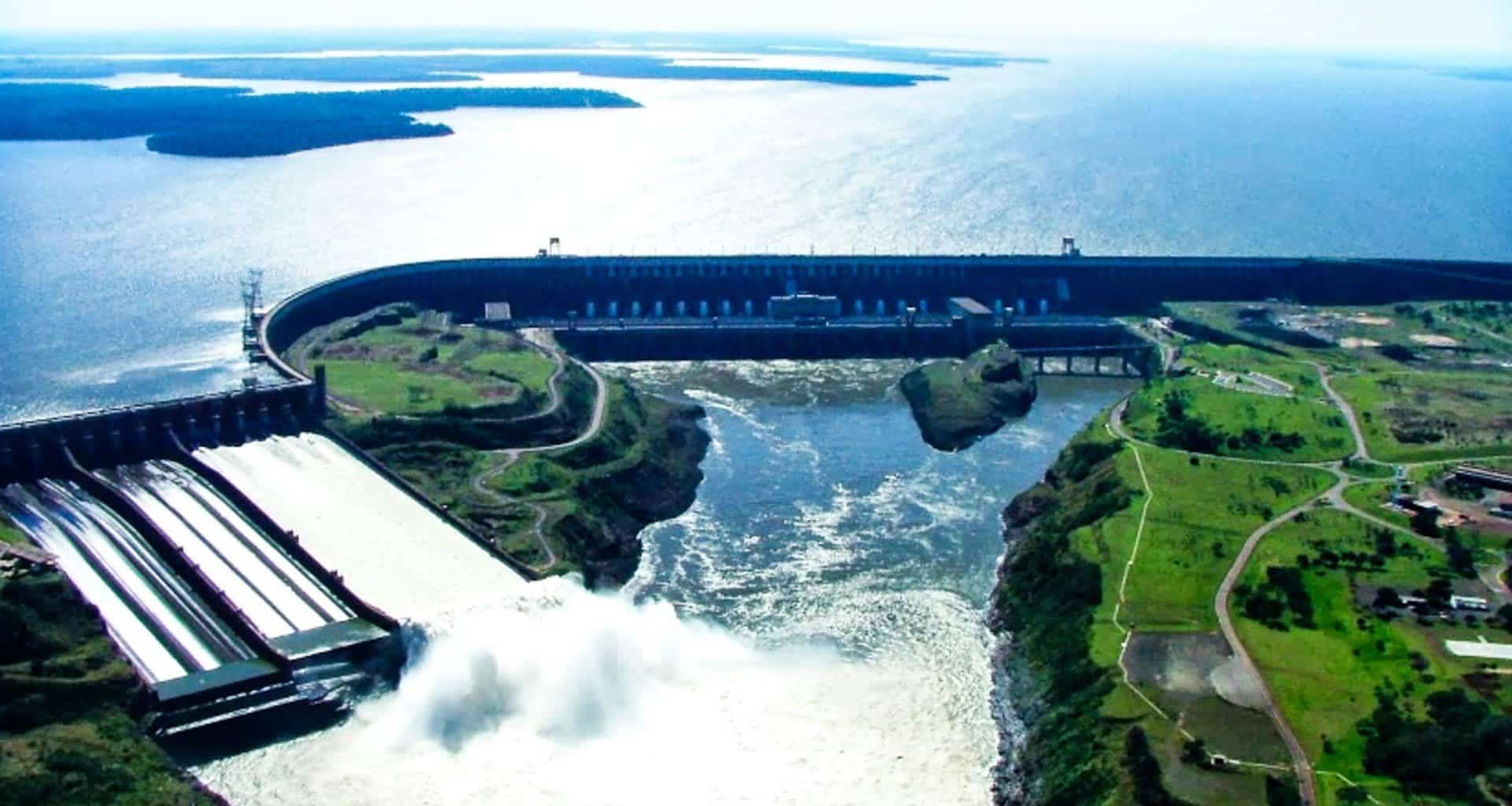
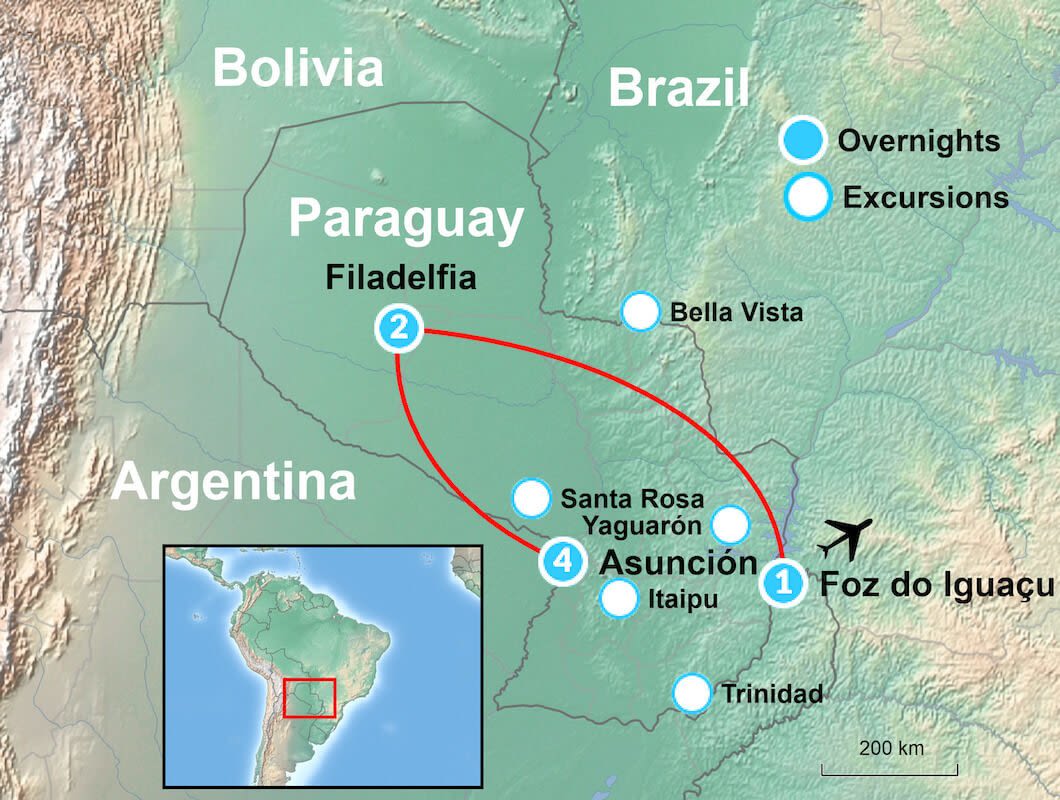
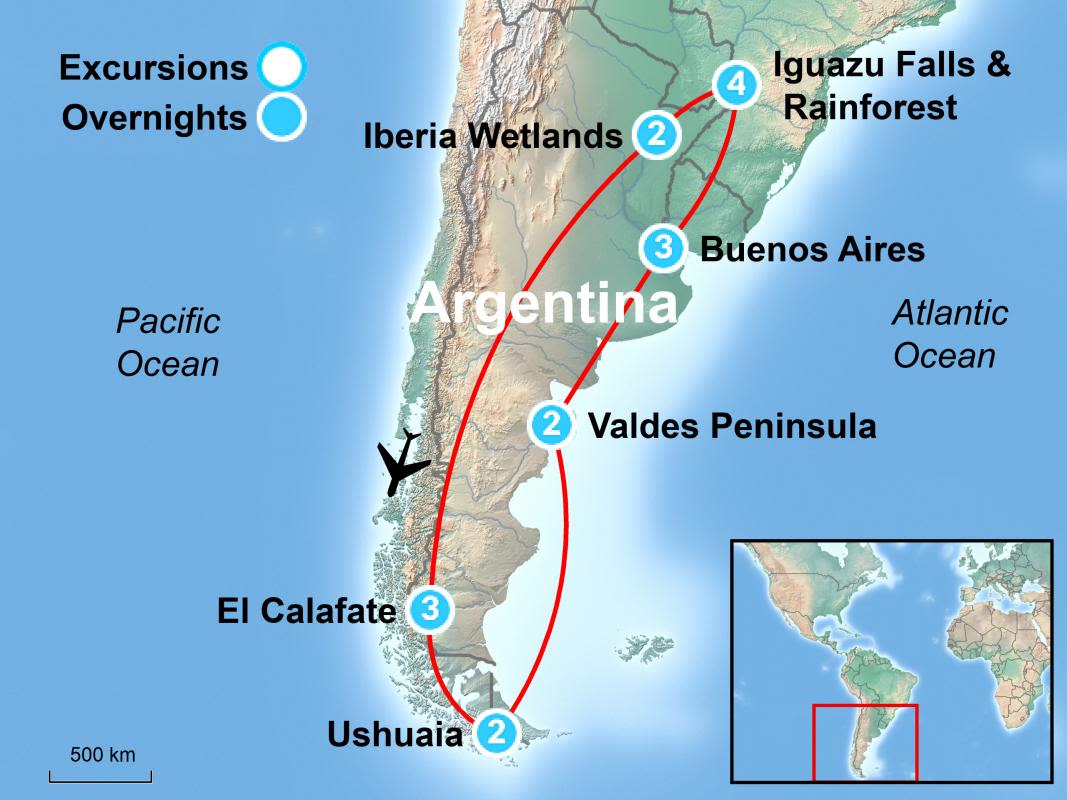
Yacutinga Lodge sits in a reserve out past the red-soil roads and yerba mate farms, and the falls are deliberately not on its itinerary: two nights, a kayak on the San Francisco stream, a walk after dark. Southwest along the Paraná are the Jesuit missions, the ruins of towns the Jesuits and the Guaraní built together, at San Ignacio Miní on the Argentine bank and at Trinidad and Jesús across the river. Further on are the Iberá wetlands. Juergen again: the logistics are complicated, “but that’s the reason why not too many tourists are coming there.” Caiman, capybara, marsh deer, birds everywhere and, “with a bit of luck,” jaguars. Wild Argentina gives Iberá three nights. North of Foz, the Itaipu dam sits on the border with Paraguay, the third country at this corner.
The Best Time to Visit Iguazú Falls
Iguazú works all year. What changes is the heat, the crowds and the river. December to March is hot and humid, and the falls usually carry more water. April to September is more comfortable for a long day on the walkways. Crowds peak over Christmas and New Year, at Carnival and, most of all, in Semana Santa, the week before Easter, when it seems everyone travels at once. Brad Nehring, our other co-founder, calls that week “very tricky and potentially expensive.”
Rain is not the problem. South America has no monsoon, as Juergen likes to point out, and it rarely rains all day. The river is what decides, and it works in both directions: high water can close a walkway for days, and very low water can stop the boats. For the wider seasons, see the best time to visit Argentina and Brazil.
Where Iguazú Fits in a Longer Trip
The falls are a two-night stop. These are the places our trips pair them with, and what you actually do there.
1.
Foz do Iguaçu and the Brazilian park
The Brazilian town is the base for Iguaçu National Park, the panorama side, and for the bird park near its gate. It is also where Brazil begins, so a route that continues into Brazil can sleep here and fly out from its airport. Iguaçu and the Argentine park across the river are both UNESCO World Heritage sites, listed separately.
A tour extension, not a detour: a shared van leaves Puerto Iguazú at 2 pm and brings you back around 1 pm on the third day, so the lodge slots in before or after the falls without another flight. Before, and you reach the falls knowing the forest around them. After, and it is the quiet end of a busy route.
On this route the missions come first. The six-day Jesuit Missions & Iguazú Falls extension starts in Oberá, takes in the ruins on both banks of the Paraná and the Wanda gem mines, and reaches the falls on its last two days. Because it ends at Iguazú, it hands you straight on to Rio or back to Buenos Aires.
Iberá comes by road. Wild Argentina drives south from the falls through Misiones toward Posadas, then on into Corrientes, and gives the wetlands three nights and two full days of wildlife excursions. Put it straight after the falls, while you are still in the north; it is too far to come back for.
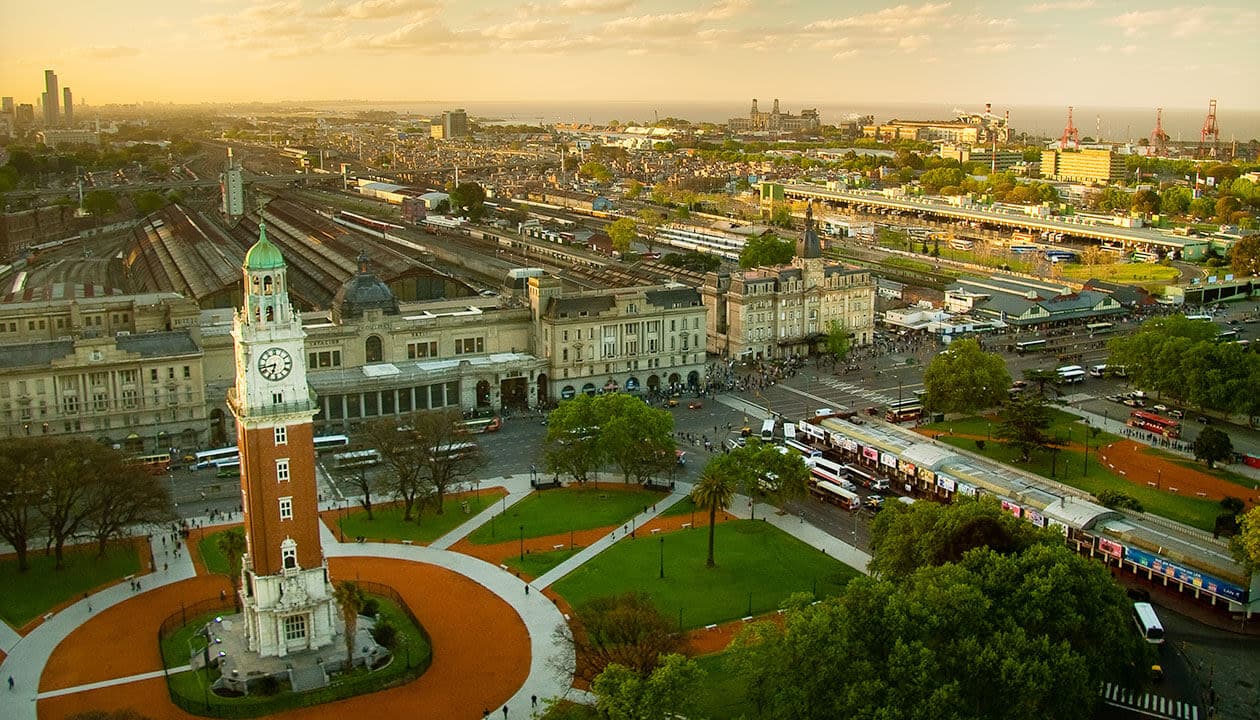
Many trips that include the falls start here, with a domestic flight north to Puerto Iguazú. Give the city two or three days first: the neighborhoods, a tango show, an asado that drifts into the evening. If you are ending in Rio, the falls sit neatly between the two cities, and you cross into Brazil there.
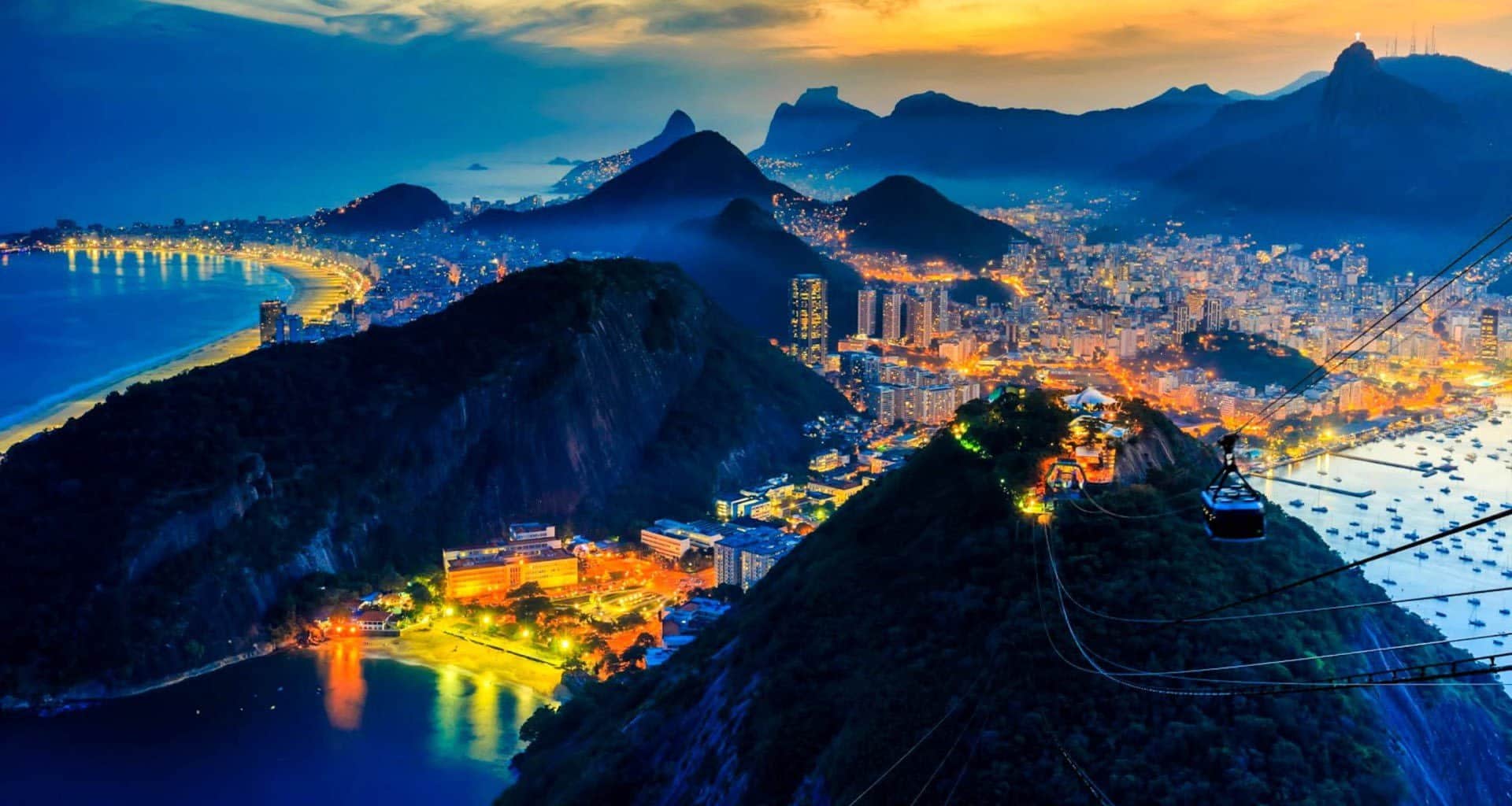
Juergen's route for Argentina starts here: “start in Rio de Janeiro, cross into Argentina via the Iguazu Falls and then head South.” Corcovado, Sugarloaf and the beaches first, then a flight to Foz do Iguaçu and the Brazilian side on arrival. Run it in reverse and Rio becomes the reward at the end.
Iguazú sits on a border and moves with a river, and both shape the plan. We decide which side you see on which day, so the crossing doesn’t eat a morning you needed. The two sides are two countries with two sets of entry rules, and we point you to both before you book. We check what is open in the parks for your dates, because the river changes that. There is generally a local guide at each stop, who ideally handles the transfers and the sightseeing. And we fit the falls into the rest of your route, not the other way around. We design and plan the trip; our local partners guide it.
Download our FREE South America Travel Guide and get inspired to explore to South America. Browse through 26 pages of travel planning tips and ideas – a great resource for planning your dream vacation.
Planning a trip to South America? Explore essential travel info including via requirements, safety tips, weather, money, and more so you can focus on designing the perfect adventure!
South America Hotels & Resorts
South America Articles
Staying Healthy in South America
Internet & Calling in South America
South America Travel Insurance
South America Packing List
Money in South America
South America Visa Requirements
Getting to and Around South America
Weather in South America
Languages of South America
South America Food & Drink
Safety in South America
Iguazu Falls Travel FAQs
Which tour company is best for Iguazu Falls?
No single company is best; the right one is the one that plans the falls properly. Look for two nights at Iguazú, the Argentine and Brazilian sides on separate days, a local guide who handles the border crossing, and an itinerary where the falls fit the rest of your trip instead of interrupting it. Be wary of any plan that flies you in and out on the same day.
What month is best for Iguazu Falls?
For comfort, April to September; for thinner crowds, any month outside the holiday weeks. December to March is hot and humid. The weeks to plan around are Christmas and New Year, Carnival and, above all, Semana Santa. No month guarantees what the river will do, so a spare half-day at the falls is worth more than the perfect month.
How much time do I need to visit Iguazu Falls?
Two nights: a few hours for the Brazilian side and a full day for the Argentine side and its circuits. Both sides in a single day is possible, but it is rushed, and one late flight undoes it. Add a night or two at Yacutinga Lodge if you want the forest as well as the water. For what to see in each park, read our Iguazú Falls travel guide.
Do US citizens need a visa for Iguazu Falls?
It depends on your passport and on the rules in force when you travel, so check before you book. The two sides of the falls are in two countries with different entry rules, and most itineraries cross the border at least once. Check the current requirements for both countries: start with our Argentina visa requirements and Brazil visa requirements pages.
Do you need a tour guide for Iguazu Falls?
No, a guide is not compulsory, and you can walk both parks on your own. If you stay at one of the hotels inside the parks, exploring alone is easy. If you stay in Puerto Iguazú or Foz do Iguaçu, a guide is worth it: they get you to and from the parks and across the border, walk the trails in the right order, and know the plants and animals you would otherwise pass by.
How much does it cost to go to the Iguazu Falls?
The cost depends far more on the trip around the falls than on the falls themselves. Both national parks charge an entrance fee, and the amounts change from time to time. What drives the total is the flights in and out, how many nights you stay, whether you see one side or both, your hotels and your guides. Crossing the border costs a little more in time and transfers, and it is worth it.
How do you get to Iguazu Falls from Buenos Aires or Rio?
Almost everyone flies. From Buenos Aires the flights land at Puerto Iguazú on the Argentine side; from Rio and São Paulo they land at Foz do Iguaçu on the Brazilian side. So fly in on one side and out on the other, and you never double back.
Your Experts in South America!
Let’s Design Your Perfect South America Trip
Tell us when you can travel and what else you want to see, and we will plan the falls into the route: which side on which day, how many nights, and where you go next.
We Love to Talk About South America Trip Ideas!
Thinking of traveling to South America? We take your South American travel dream and make it a reality. Every fully custom South America trip is planned by your own expert personal Travel Consultant.
"*" indicates required fields
South America Travel Guide
Our favorite South America tour ideas featuring the best destinations & activities designed to inspire…

 +1 (888) 900-5060