*Example by 4 travelers in 4★ accommodation, low season. Flights priced separately. Get a quote for 1 to 99+ below
What is Argentina like? That depends entirely on where you are standing, which is the honest answer and also the reason this itinerary exists. Ten days, four regions, three flights between them.
You start in Buenos Aires, the one part of the country that gets compared to Europe, with a day on the Tigre Delta and a tango show to close it out. Then the border with Brazil, and Iguazú Falls from the Brazilian side and the Argentine side both. Then the dry northwest: Salta, the vineyards of Cafayate in the Calchaqui Valley, the Quebrada de Humahuaca and the Hill of Seven Colors above Purmamarca. You finish in Mendoza, the wine capital of Argentina, which was barren desert until somebody irrigated it.
Four regions in ten days is a lot of moving. It is also the only way to see how little the second largest country in South America has in common with itself.

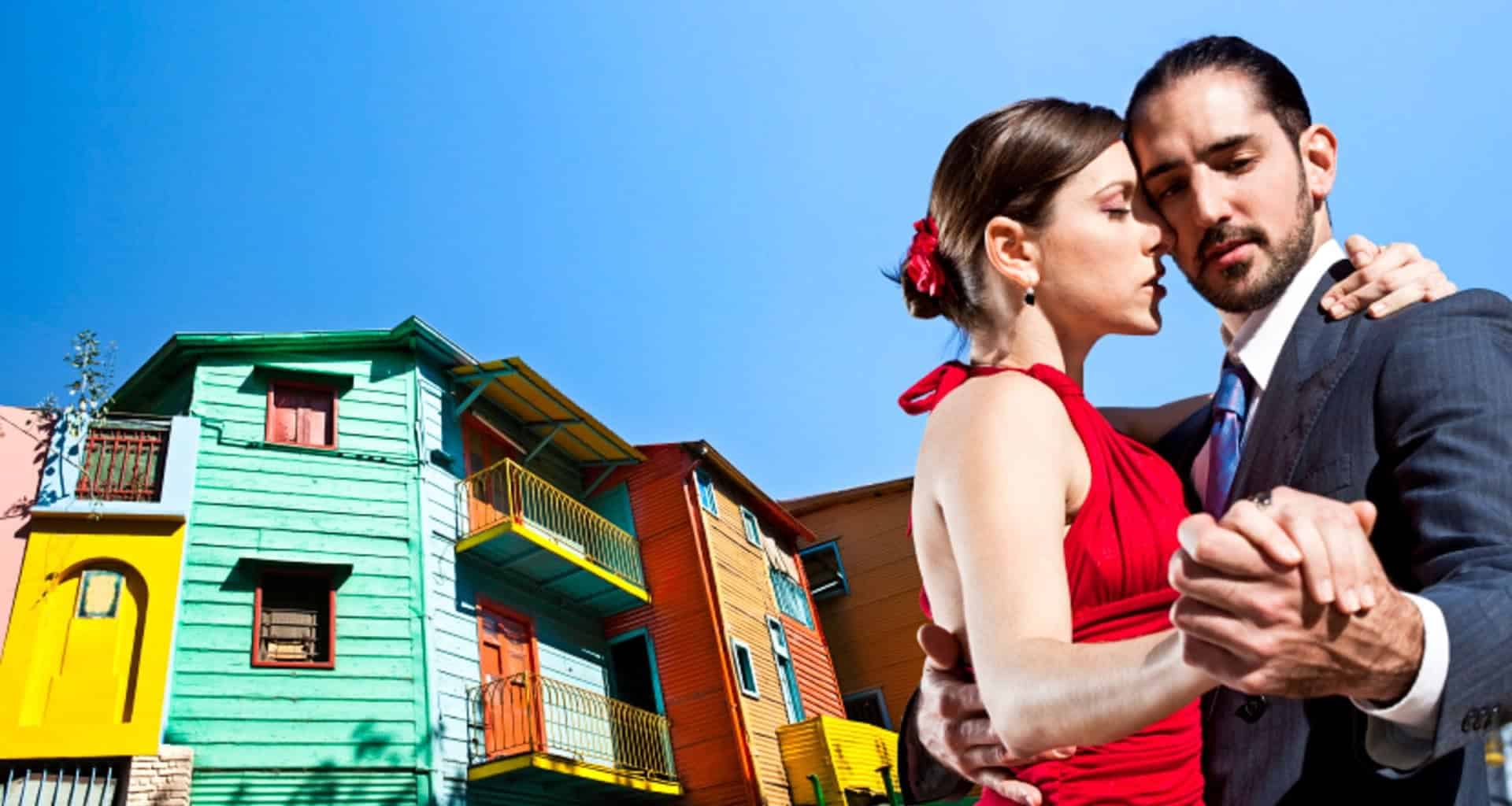
Kick off this incredible South American adventure in Buenos Aires, romantically called the “Paris of South America”. Upon arrival, be escorted by your guide to the capital city’s downtown area. Settle in, unpack the bags and then begin the tour at the iconic Obelisk that stands at the heart of 9 de Julio Avenue, the widest street in the world. Pass by the classic Colon Opera Theater and the Embassy of France. Visit the historic Plaza de Mayo, the elegant Plaza San Martin and the busy financial district. Explore the traditional neighborhoods of La Boca, San Telmo, Montserrat, Recoleta and Palermo. Then cap off the tour at the renovated Puerto Madero featuring the spectacular Woman’s Bridge, designed to resemble a couple dancing the tango.

Stock up on energy with a hearty breakfast this morning and travel around 30km northeast of Buenos Aires. Then step aboard a boat and set sail on the Tigre Delta, a lush, green natural haven inhabited by the isleño people. Learn about their customs and daily routines, including the intriguing barco almacén, a local boat that regularly traverses the river doubling as a fish market.
Afterward, return to Buenos Aires and explore the northern area of the city, famous for the impressive architecture of its residential houses. In the evening, paint the town red and feel the rhythm of Buenos Aires at a dinner and tango dance show. Feast on Argentine cuisine paired with world-famous Argentine wine and applaud the skill and passion of the performers.

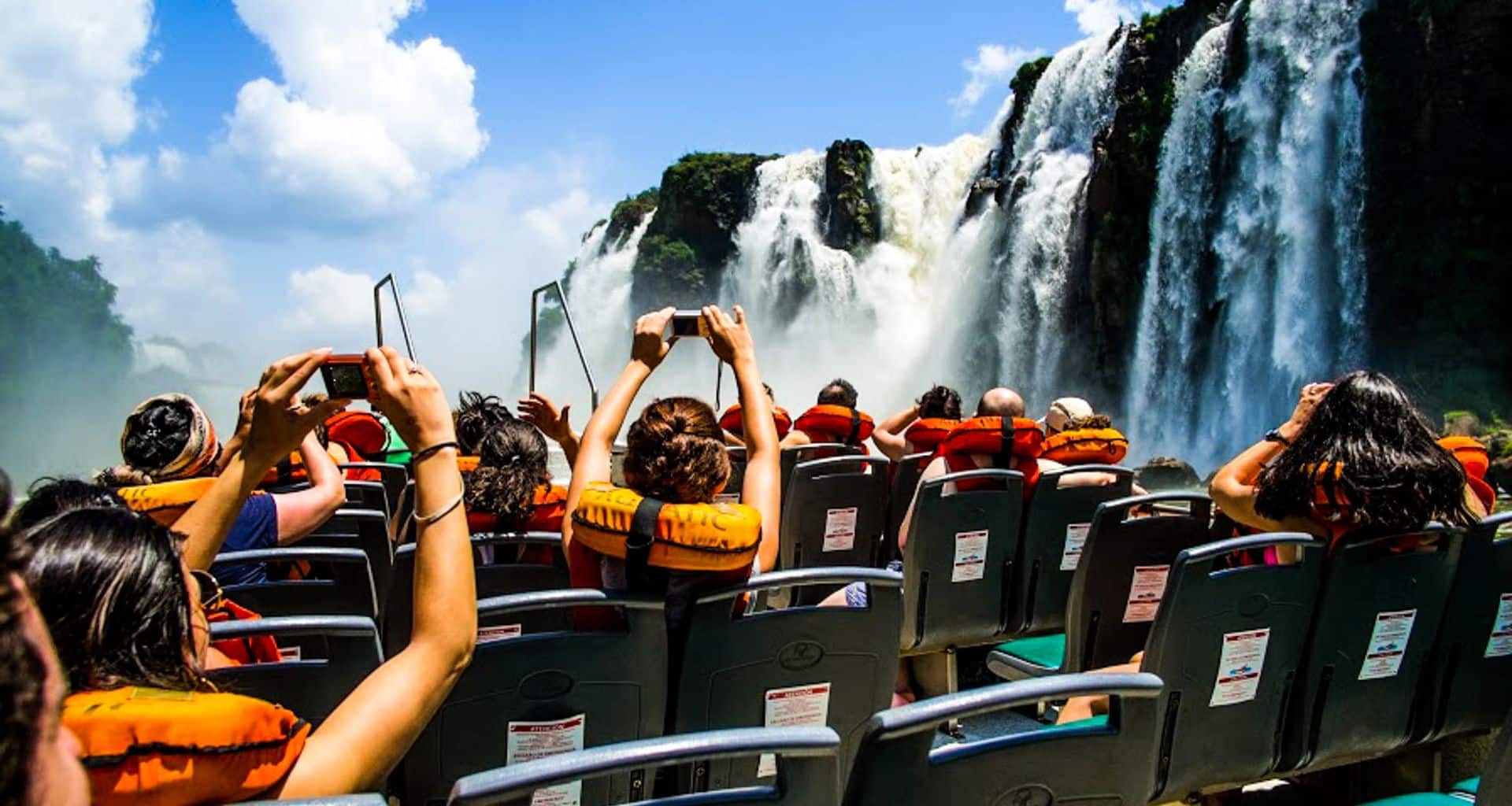
First flight of the trip. Transfer to the airport, fly north to Puerto Iguazú, and meet your guide on arrival for the ride to the hotel. Then the falls — the Brazilian side today, where a catwalk runs out over the water and takes you closer than you expect on a first afternoon. Which side is better? Wrong question. They are two views of the same enormous thing, and that is exactly why Iguazú gets two days here instead of one. It is one of the Seven Natural Wonders of the World and it does not disappoint anybody.

Yesterday was the first look. Today is the park — a full day on the Argentine side, corner by corner. The Devil's Throat is the grandest cascade in Iguazú National Park and the one you have already seen photographed; what a photograph cannot hand you is the roar of the torrents or the mist of spray standing around them. Then the Gran Aventura boat crosses the Iguazú River and brings you in close to the water itself. Bring something waterproof for the camera. That is the only advice this day needs.

Second flight, and the sharpest change on the trip: the falls in the morning, the dry northwest by the afternoon. The three-hour city tour starts high, on San Bernardo Hill, for the panorama over Salta and its surroundings, then comes back down to Plaza 9 de Julio, the Cathedral, the Church of Saint Francis, the Town Hall and the Historic Museum of the North. Finish at the artisan market. The handicrafts there are decorated with symbols of ancient Andean civilizations, which is the part of Salta most visitors walk straight past. This is your base for three nights. The evening is yours.

Almost 200 kilometers south into the Calchaqui Valley, and the road earns its own place on the itinerary: small rustic villages, sand formations carved out of the mountainsides, an arid desert that turns green as you get nearer to Cafayate, which is famous for its vineyards. You can watch the change happen through the window. Visit a winery, drink a few glasses of what it makes, then back to Salta in the late afternoon. Pay attention to what it tastes like. Mendoza is coming later in the week, and holding both in your memory is the reason two wine regions sit on one itinerary.

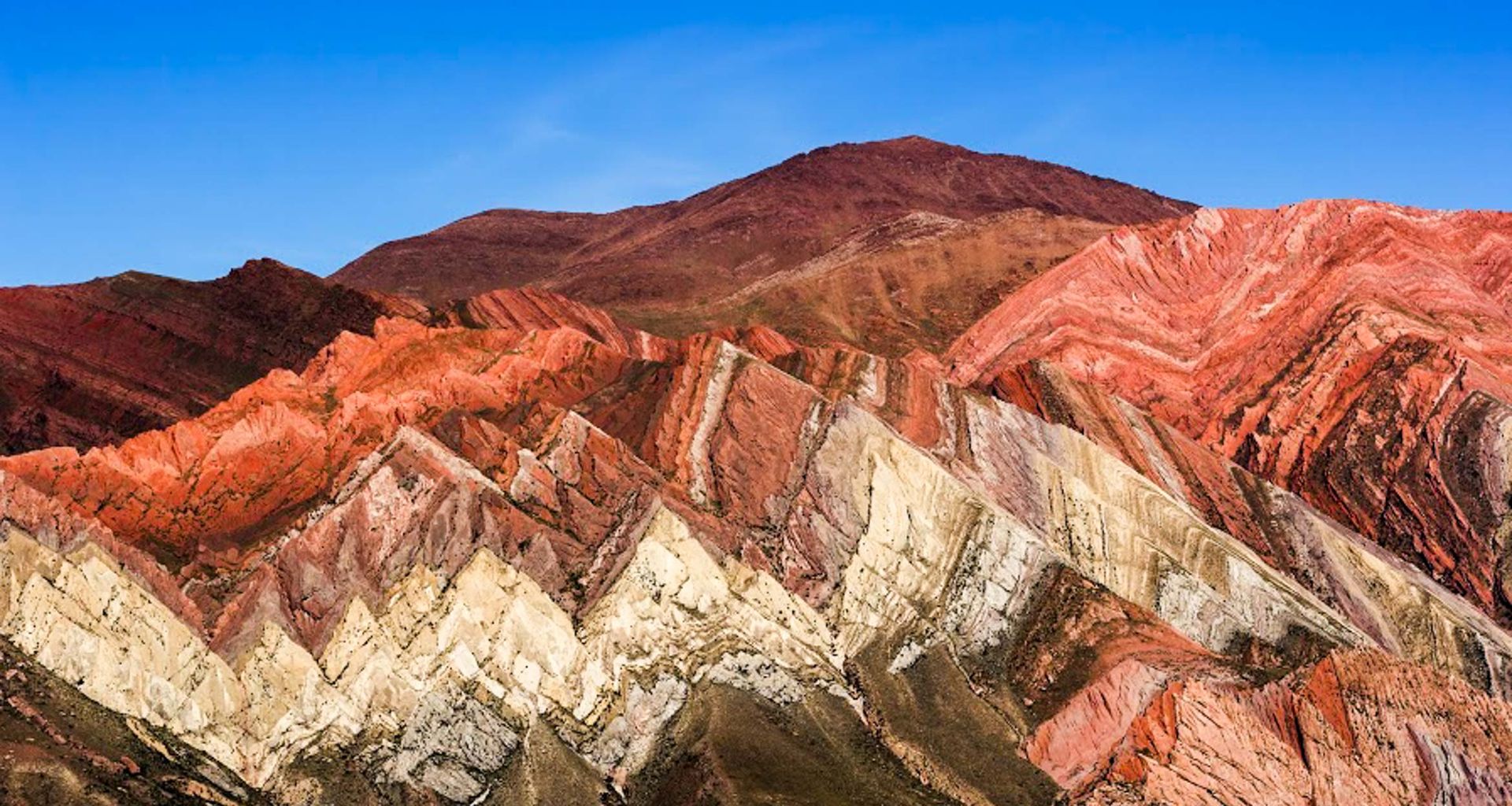
North into the Jujuy Province today, to the ravine and mountain valley of the Quebrada de Humahuaca. The Hill of Seven Colors stands over Purmamarca — the Red Heart of the Quebrada — which sits at its foot. The colors are geology, not a filter. Then follow the Grande River to Tilcara and the Pucará, a pre-Hispanic fortress built by indigenous people centuries ago. Stand in it after two days of colonial churches and wine and the point makes itself: this valley was organized long before any of that showed up. Back to your hotel in Salta for the night.

Third flight, fourth region. Mendoza calls itself the Wine Capital of Argentina, and the half-day city tour explains how it got there, which is a better story than it sounds: this was barren desert. Spanish colonization changed who lived here. Irrigation changed what could grow. No irrigation, no winemaking industry, no Mendoza — everything you are looking at, the main attractions and the mountains and valleys behind them, rests on that one piece of engineering. Then check into the hotel and do nothing whatsoever with the rest of the day. Tomorrow involves a long lunch. Arrive rested.

Prestigious wineries today: how the grapes are cultivated, harvested and processed into wine, and then the tasting. Malbec is the most popular red in the country and the one you came for. But here is what nobody tells you at home — the excellent small-winery Malbecs never leave Argentina. Those wineries simply do not have the logistics in place, and the Argentine market is big enough for them. What you buy abroad comes from a few large producers. Not saying those wines are bad! They are just not these ones. Then a long lunch, and the evening is yours.

You depart Argentina from Mendoza, not from Buenos Aires. That is deliberate — the itinerary does not spend a day sending you back to the capital to finish where you started. Ten days ago you were in a city that reminded you of Europe. You are leaving from a desert that was irrigated into a wine capital, with snow on the mountains behind you, having stood under the falls and inside the Quebrada in between. One country, and not one thing. Fly home from here, or keep going — the rest of the continent is right there.
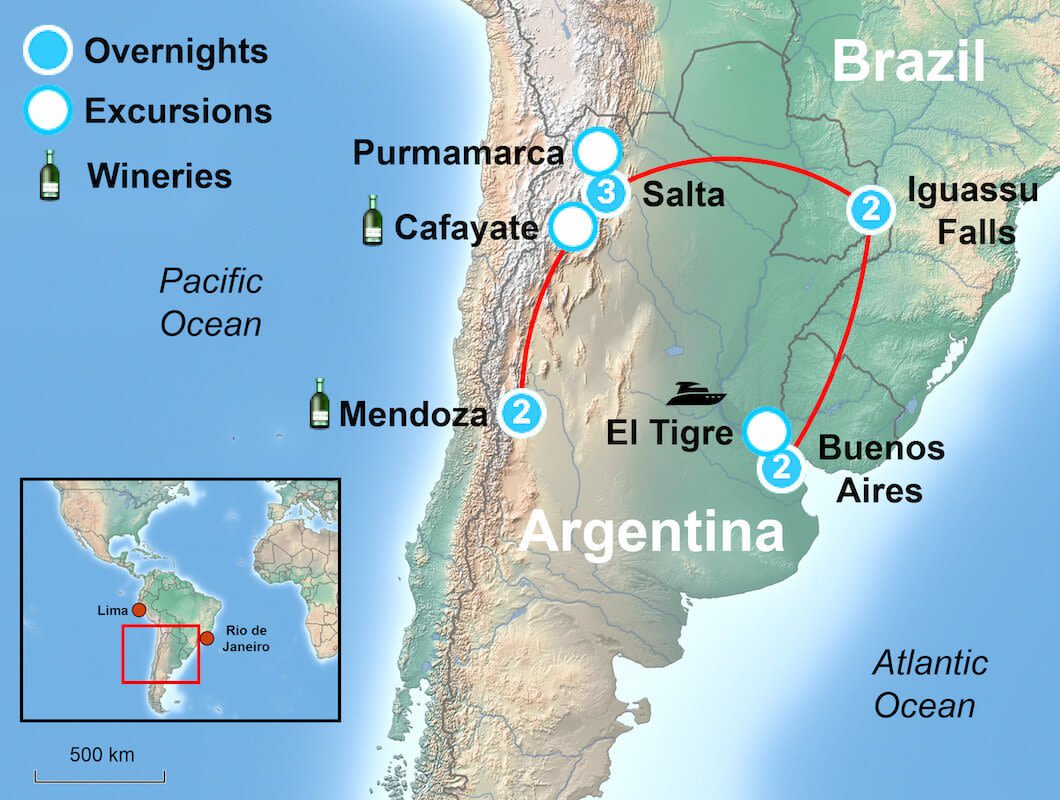
Prices vary according to several factors including: season, number of people traveling, shared vs private excursions, when you book and rooming arrangements. These are from prices based on low season.
We can customize anything for any time of year! Contact us for an exact quote for your trip.
*Budget generally includes excursions in group, Superior & Deluxe private excursions, & Basic is a best mix (varies by itinerary & excurion)
Note: ALL itineraries are 100% customizable to create your perfect trip!
*Budget generally includes excursions in group, Superior & Deluxe private excursions, & Basic is a best mix (varies by itinerary & excurion)
Note: ALL itineraries are 100% customizable to create your perfect trip!
*Budget generally includes excursions in group, Superior & Deluxe private excursions, & Basic is a best mix (varies by itinerary & excurion)
Note: ALL itineraries are 100% customizable to create your perfect trip!

Our favorite Argentina tour ideas featuring the best destinations & activities designed to inspire…
Get your FREE Argentina Guide Now!