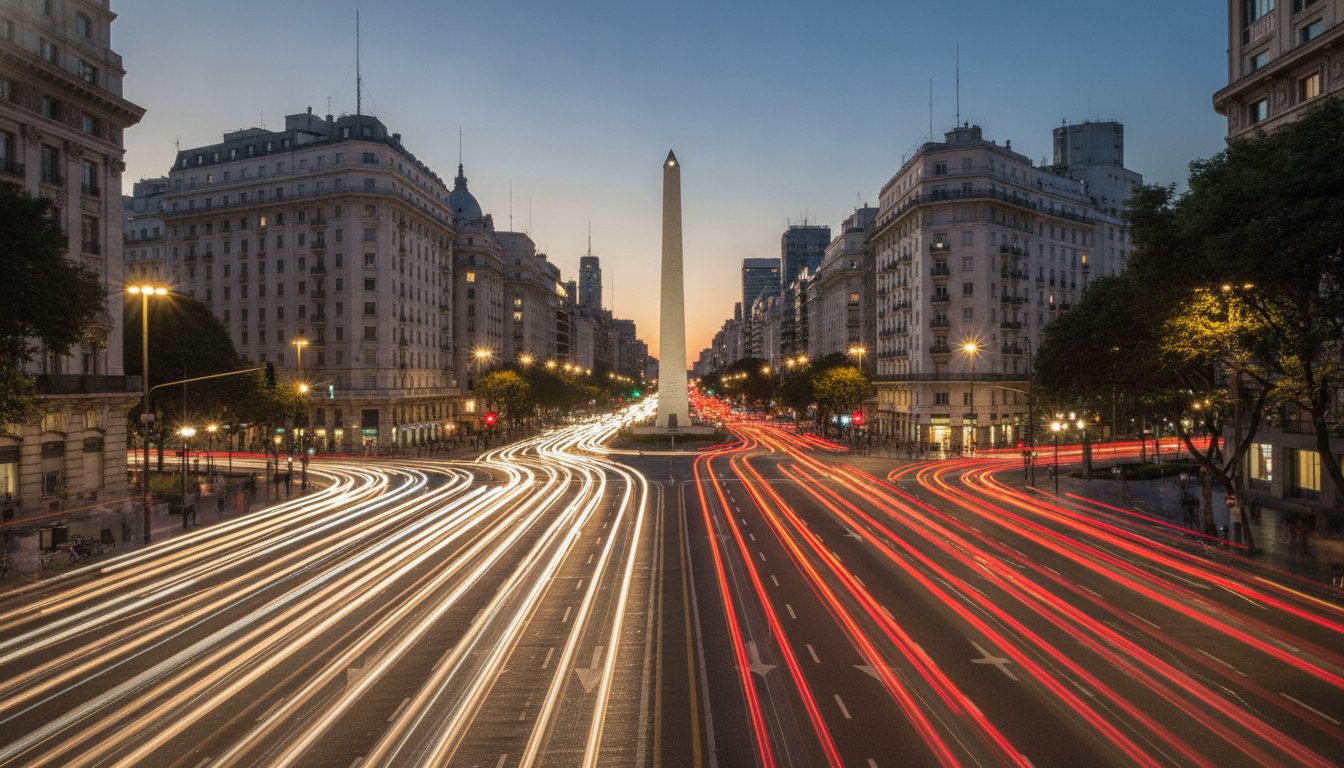
Buenos Aires is the starting point for most travel through Argentina, because nearly every domestic and international connection routes through the capital. International flights land at Ezeiza; domestic flights leave from Aeroparque, inside the city. Travelers usually spend several days here before continuing to Mendoza wine country, Iguazú Falls or Patagonia. The city is spread across distinct neighborhoods with very different atmospheres, so pacing and hotel location shape the experience more than most people expect.
A good Buenos Aires itinerary mixes architecture, food, tango and neighborhood walking rather than fast-paced sightseeing. Guided walks through Recoleta and San Telmo pair with markets, wine tastings and an evening built around tango. Longer stays add an estancia in the pampas or a morning in the Tigre delta as excursions inside the itinerary, or a ferry crossing to Colonia in Uruguay. Because the city pairs efficiently with every region of the country, it works as either the beginning or the end of a longer trip.
Buenos Aires Tours & Tailor-Made Trips
Every itinerary below is private and tailor-made, and every one of them starts or ends in Buenos Aires. Tell us the dates and what you care about, and we build the route around that.
Click or Tap your preferences: Destinations & Activities. Be as specific or general as you like – or click Help Me Decide! We’ll spice it with hidden gems & personal tips to create your perfect trip. Need assistance? Contact an expert at +1 (888) 900-5060
5 Private Tours from Buenos Aires
Buenos Aires Tango Tour
Five nights in the city with a tango lesson every evening, a city tour, an excursion to the Tigre delta and an outing to a gaucho estancia. It is the itinerary for people who want Buenos Aires itself, and it also works as the opening chapter of a longer route.
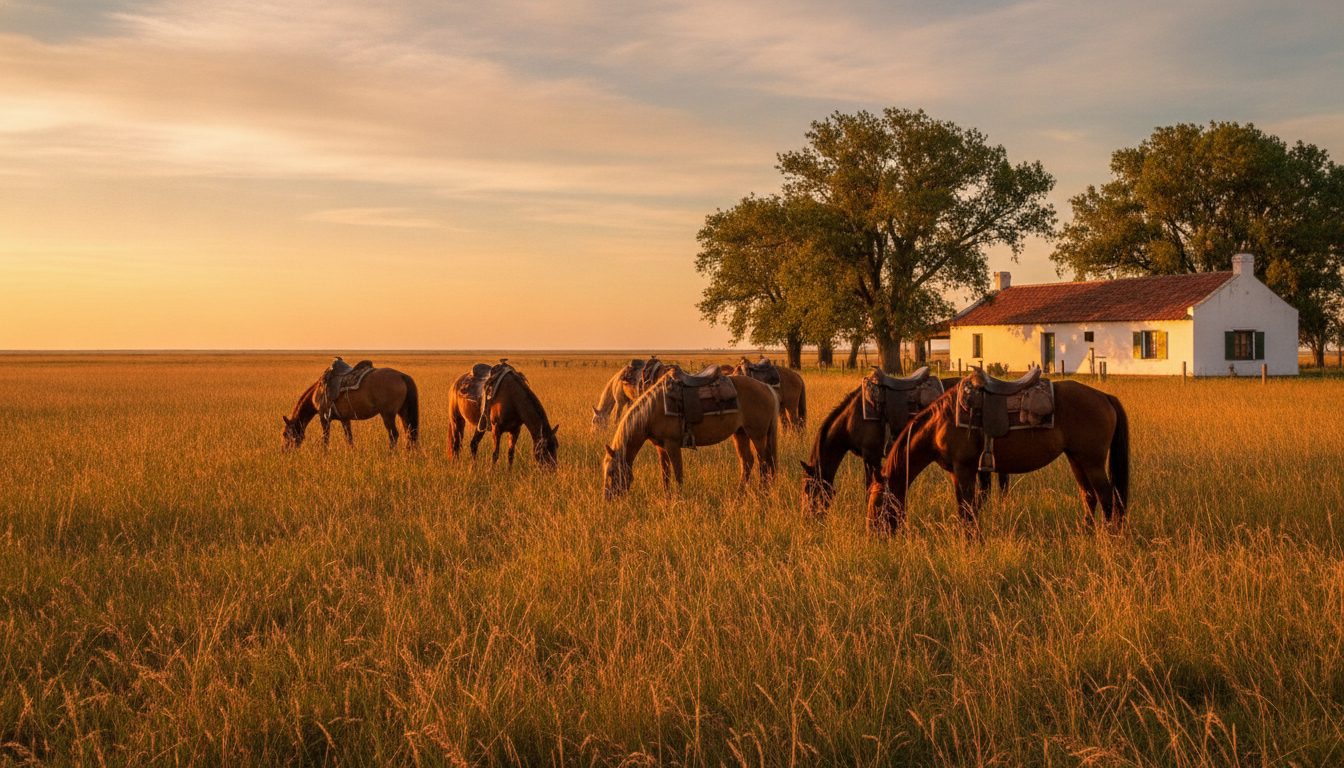
Four days on a working estancia at Esquina in Corrientes, 600 km up the Paraná from Buenos Aires: horseback riding, poling silently through the Pucu estuary for capybara, caiman and the birds of the litoral. This is the answer for the traveler who wants the country and not just the city, and it is a stay, not a run out and back.
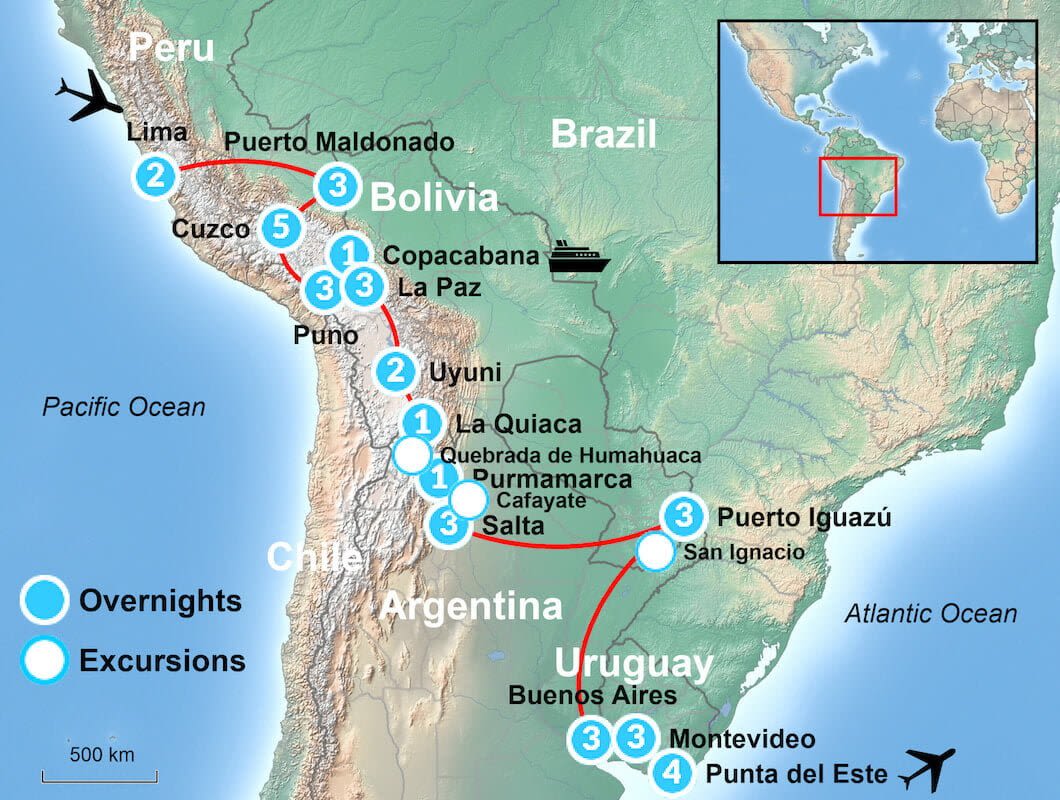
The classic route out of the capital: Buenos Aires first, then Iguazú, then Salta and the Quebrada de Humahuaca, finishing in Mendoza for the wine. Ten days, with the legs flown rather than driven, which is the only sensible way to cover that much country.
Train to the Clouds & Tucuman-Buenos Aires Railway Journey
Salta, Cafayate, the Hill of Seven Colors and the Train to the Clouds, then city days in Buenos Aires and the Tigre delta. The Train to the Clouds runs only on fixed dates, a few times a week, so this one gets planned around the calendar rather than the other way round.
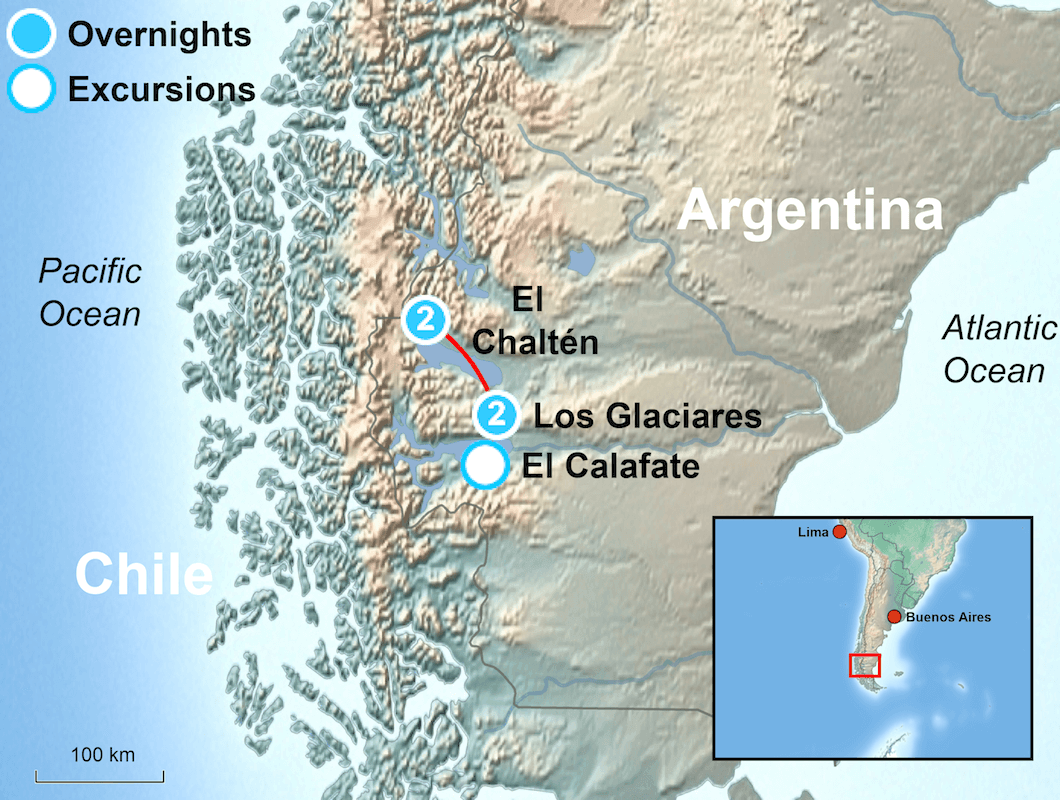
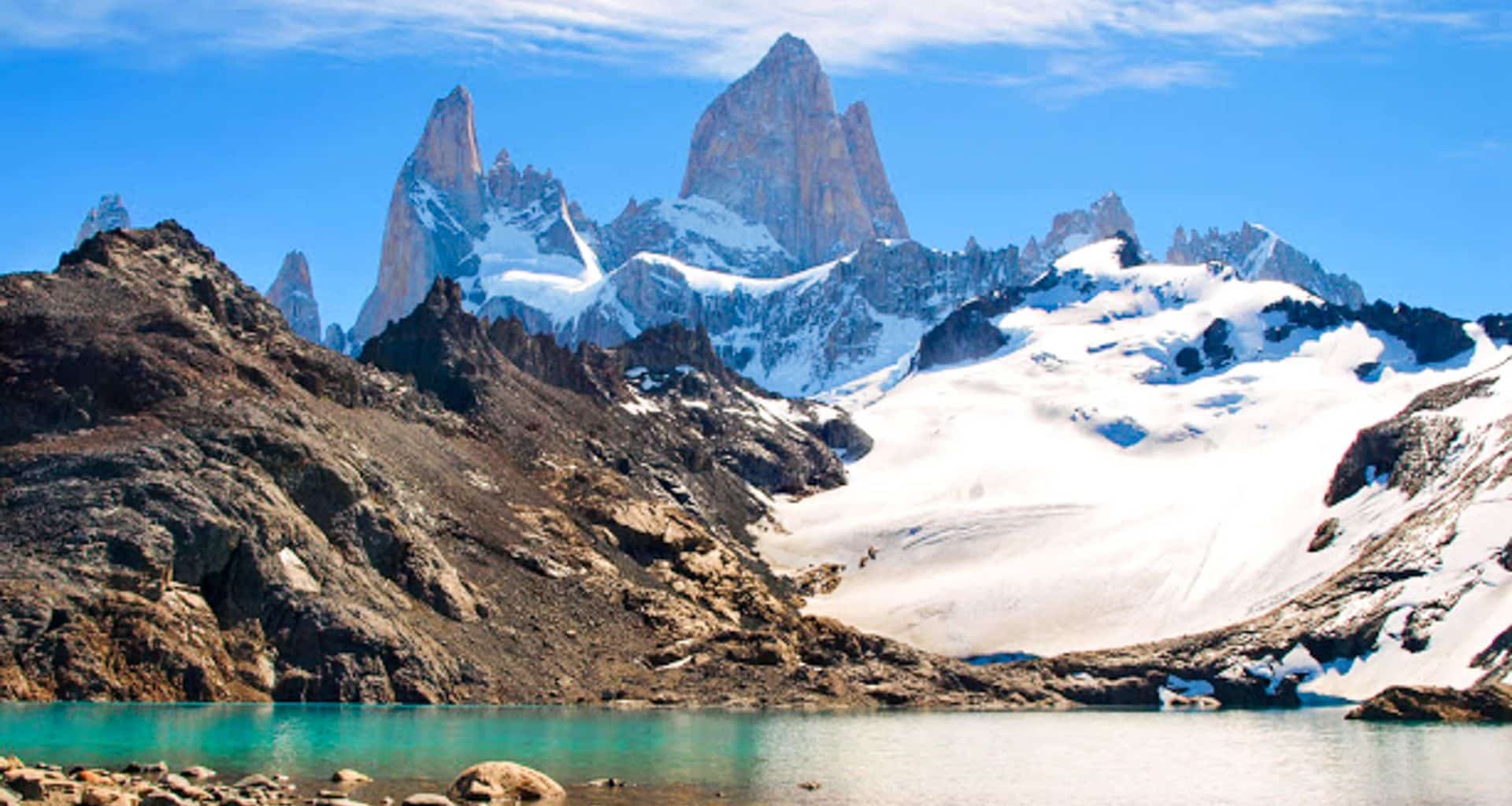
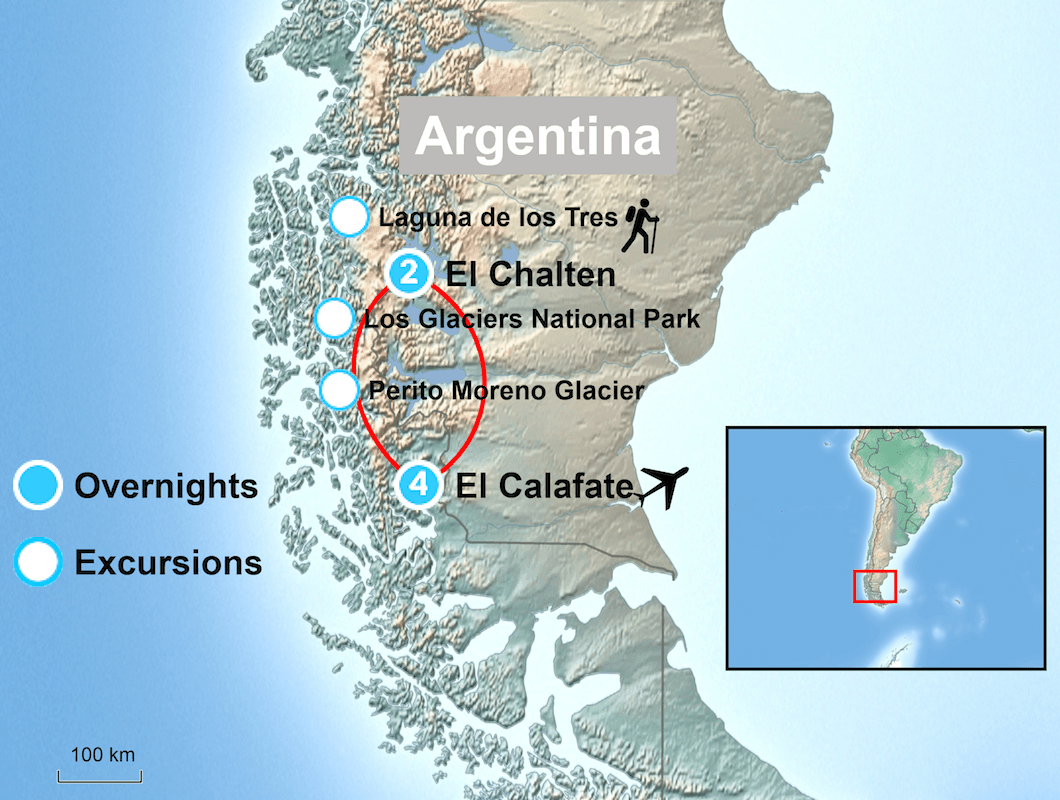
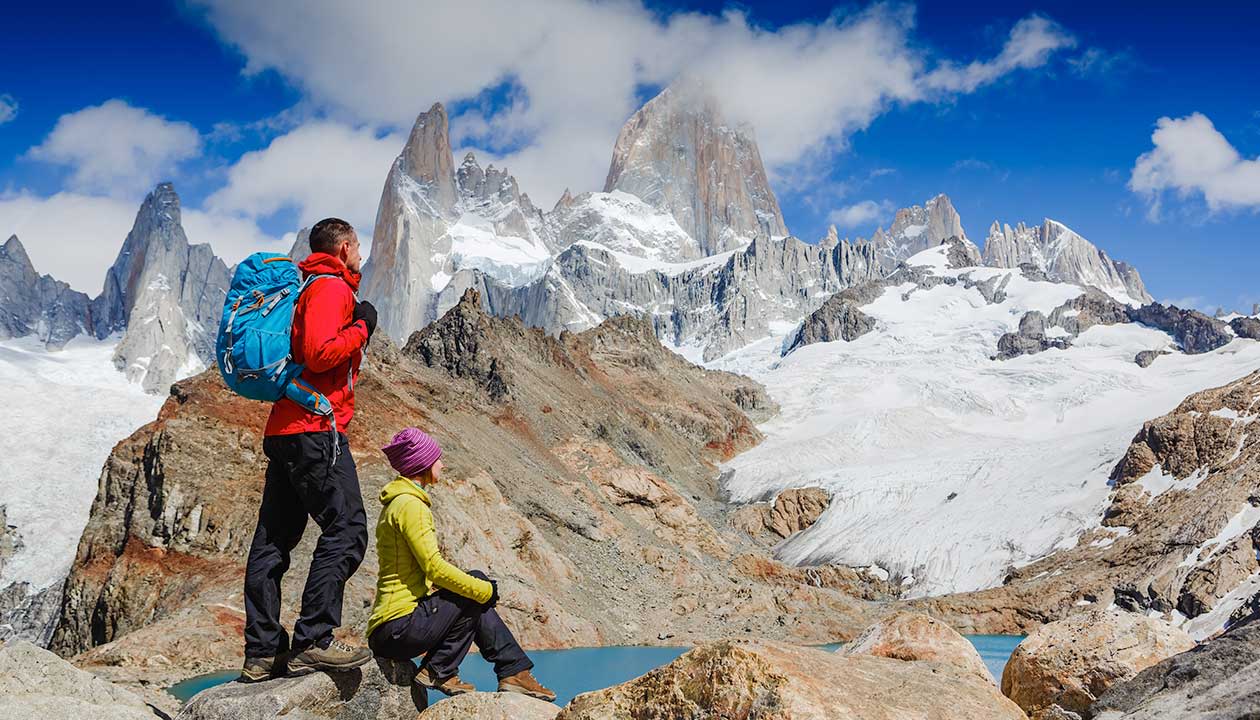
El Calafate is about a three-hour flight south of Buenos Aires, and this is what to do once you land: Laguna de los Tres, Laguna Torre and Pliegue Tumbado, on foot, out of El Chaltén. Our standing advice is to give Patagonia the extra day instead of treating it as a photo stop.
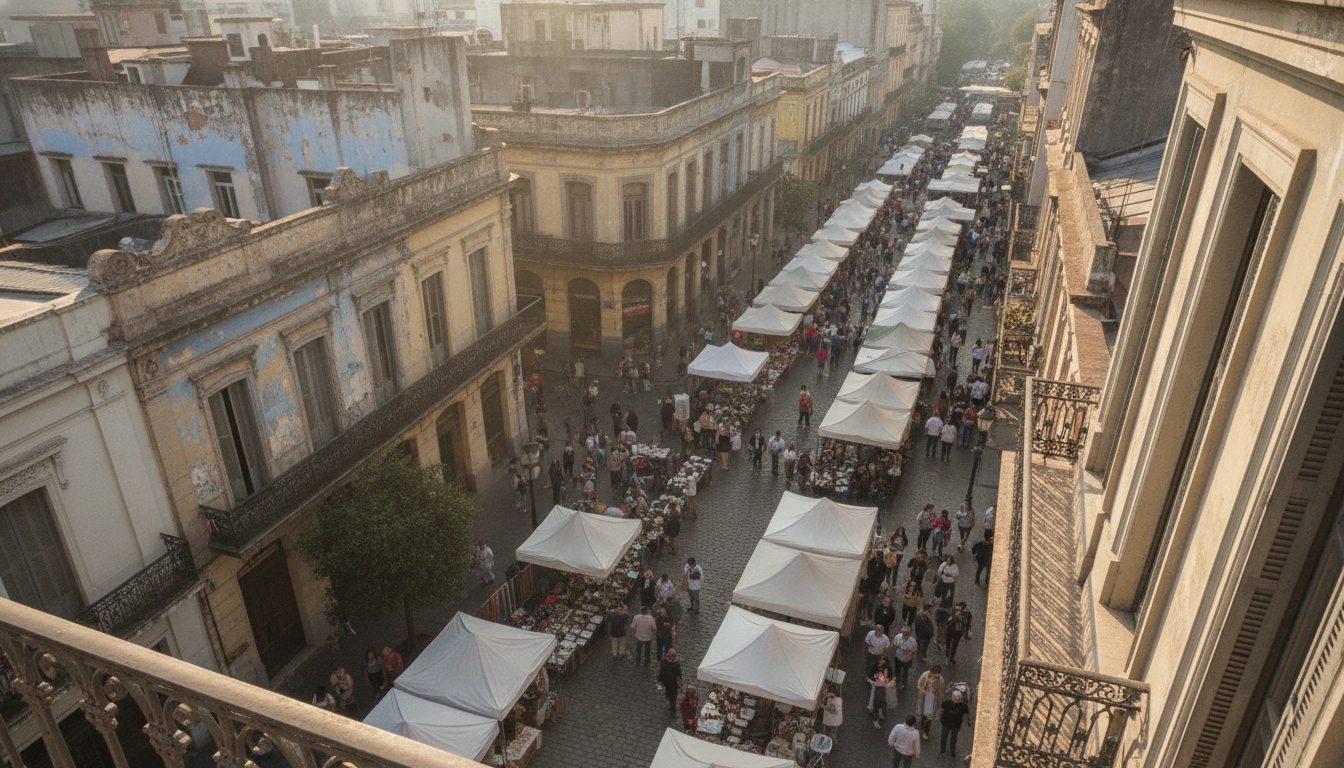
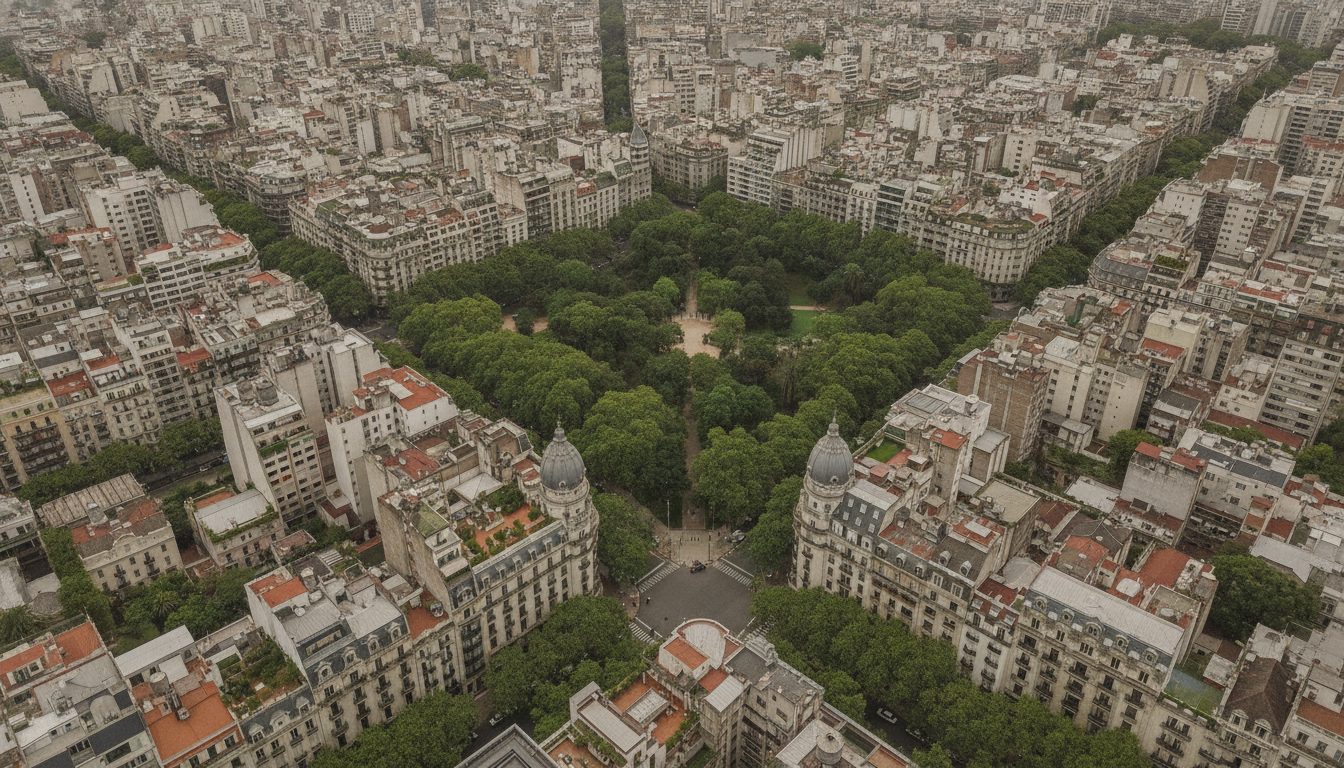
Buenos Aires is a city of neighborhoods, and which ones you spend your time in decides how the trip feels. Recoleta is grand and walkable, and it is where most first-time visitors sleep. San Telmo is older and rougher at the edges, best on a Sunday when the antiques market fills Defensa street. Palermo has the parks, the restaurants and the late dinners. La Boca is worth an hour on Caminito with a guide, and not much more. Puerto Madero looks good and closes early.
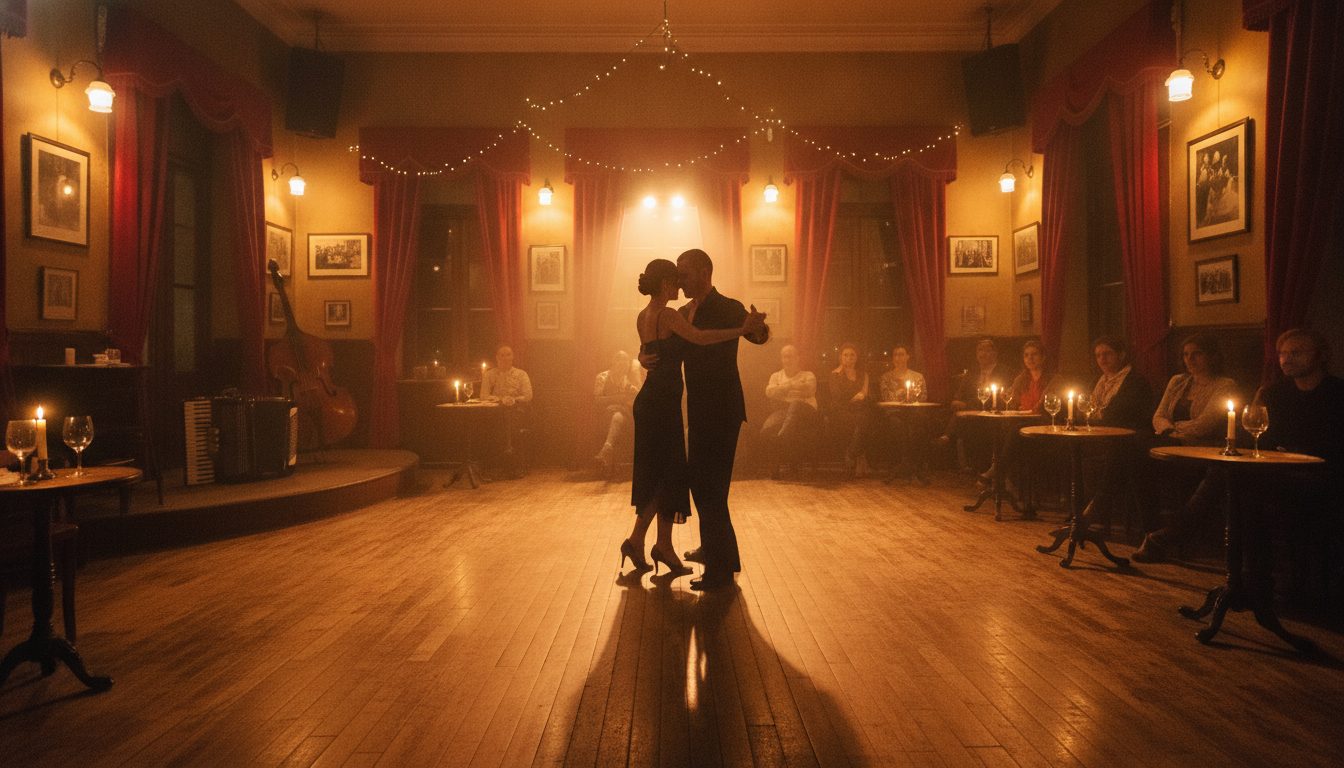
Tango comes in two forms. A dinner show is a production, and a good one is genuinely good; book it for the last night, once you have stopped fighting the time difference. A milonga is where locals actually dance, and a guide gets you into one. Around all that, eat: a long asado lunch that drifts into the evening, and the Italian and Arabic cooking that immigration left behind. Three or four days threads it together without rushing. More in our food and drink guide and on the food and wine itineraries.
How Many Days Do You Need in Buenos Aires?
Three or four nights, at the start or the end of a longer Argentina itinerary. That covers the neighborhoods, one tango evening, a long lunch and an afternoon with nothing scheduled in it. Make it five or six if you are adding an estancia in the pampas or the ferry across to Colonia del Sacramento, which takes about an hour and a quarter.
Where you sleep matters more than the count. Recoleta and Palermo put you within walking distance of most of what you came for, and a hotel in the wrong place turns every evening into a taxi ride. Arrival day is not a touring day either; plan it as a walk and an early dinner. Then build the city around the onward flights rather than the reverse, because those leave from Aeroparque and the connection to Iguazú, Salta or El Calafate sets the shape of everything after it.
Private Buenos Aires Tours, Planned Around You
Private here means a guide and a driver working to your day, not a coach with a fixed departure time. You decide when the day starts. If the museum is a miss, you skip it and go to the market instead. If one of you wants the cemetery and the other wants a parrilla, the guide splits the afternoon.
It also means the small decisions are made by someone who has made them before: which tango show, or whether a milonga suits you better; whether an estancia or the Tigre delta belongs in this trip; how much walking a day is realistic for the people traveling. We arrange small group departures too, but private is the default.
Who it does not suit: backpackers pricing hostels, and cruise passengers with eight hours ashore. Everyone else gets a better trip out of it. Start a custom Argentina itinerary and we will take it from there.
Where to Go from Buenos Aires
Buenos Aires is where the domestic network begins, so most of the country is a short flight away. These six are the ones we add to a city stay most often.
1.
Iguazú Falls
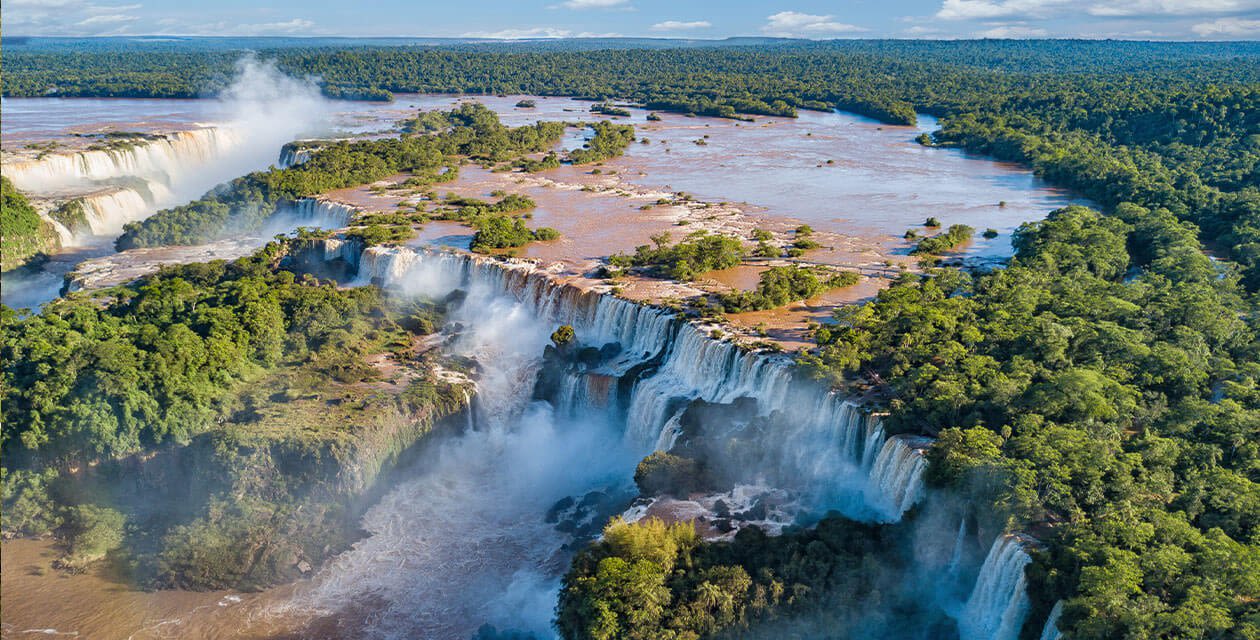
About a two-hour flight north. Two nights is the honest minimum: one for the Argentine walkways over the Devil's Throat, one for the panorama from the Brazilian side. Juergen's advice is to stay in the subtropical country around Puerto Iguazú rather than photograph the falls and fly out the same afternoon.
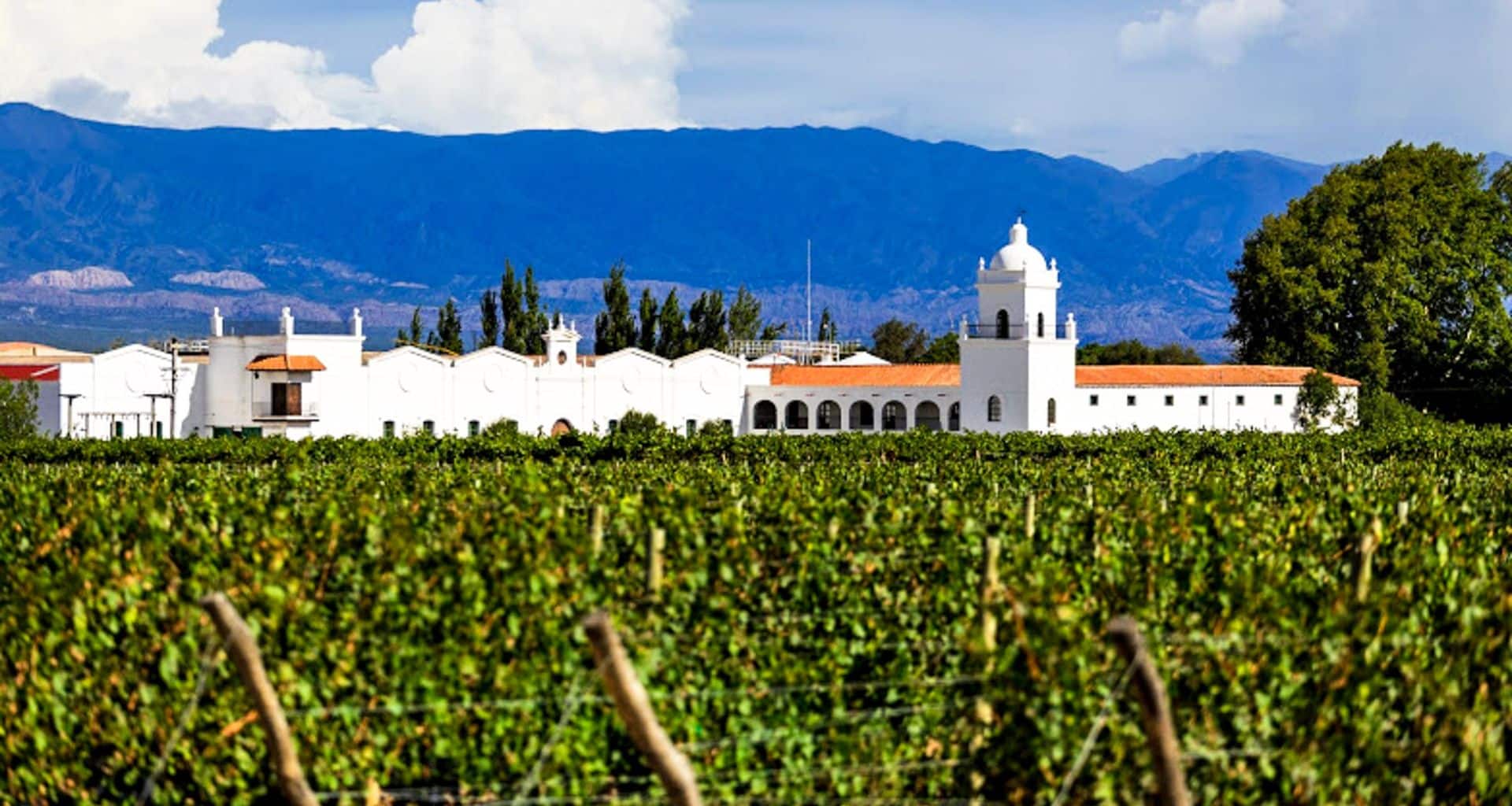
Two hours west, under the Andes. The wine worth flying for is the Malbec that never leaves the country: the small wineries have no export logistics and the domestic market is enough for them, so what you buy at home comes from a handful of large producers. Three nights is the usual.
Three hours south by air, and the most common addition to a Buenos Aires stay. Perito Moreno is the reason people come and it earns the attention. Give it the extra day anyway: El Chaltén and Fitz Roy are up the road, and El Calafate is a good place to do nothing for an afternoon.
Two hours northwest and a different country in feel: Andean, dry, high, with the Quebrada de Humahuaca and the Hill of Seven Colors above it. Cafayate makes Torrontes, which is worth the detour on its own. Salta is also the base for the Train to the Clouds, which runs on fixed dates a few times a week.
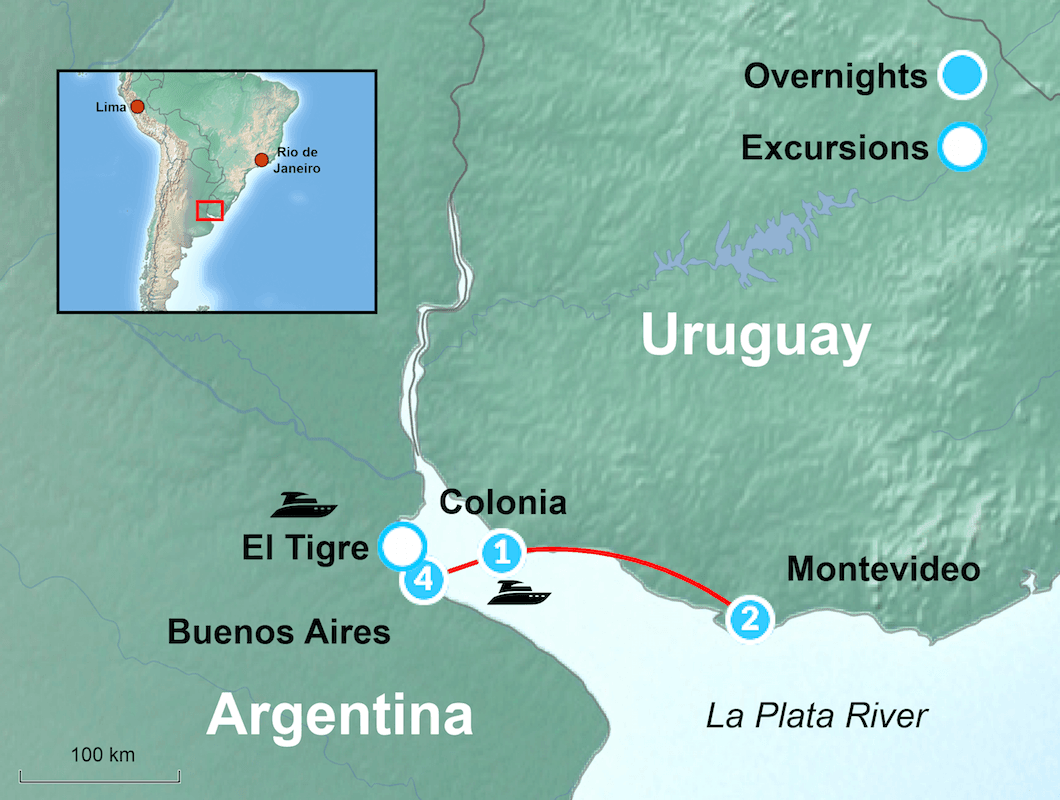
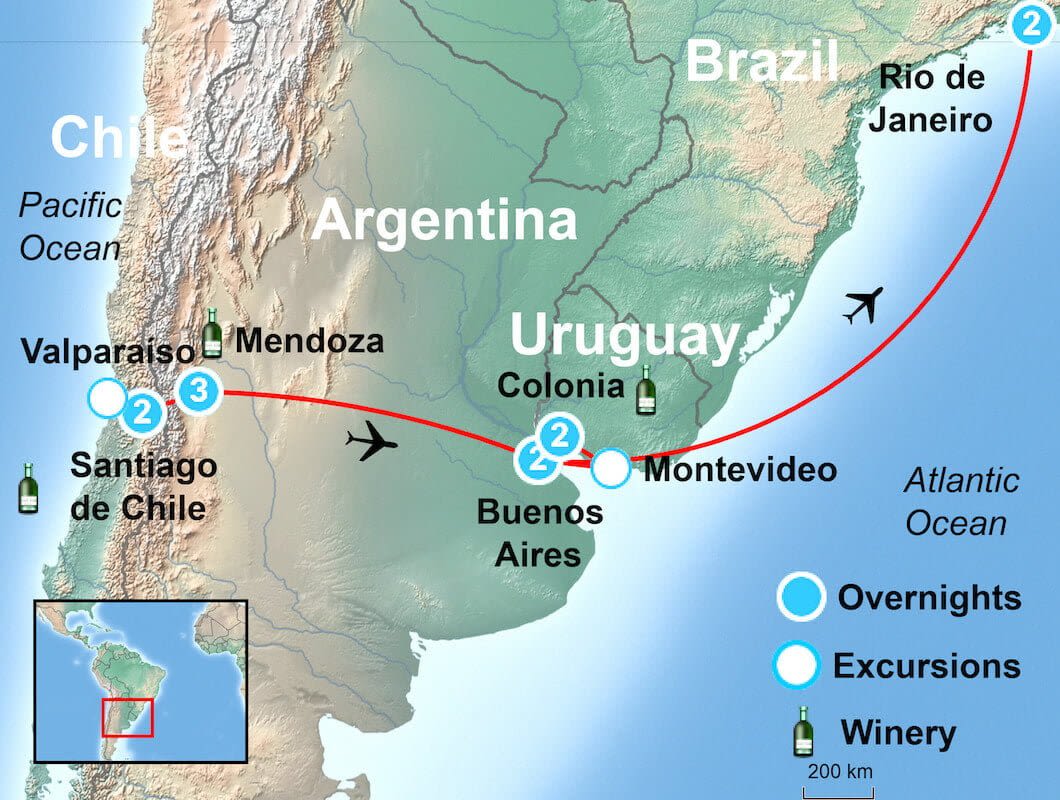
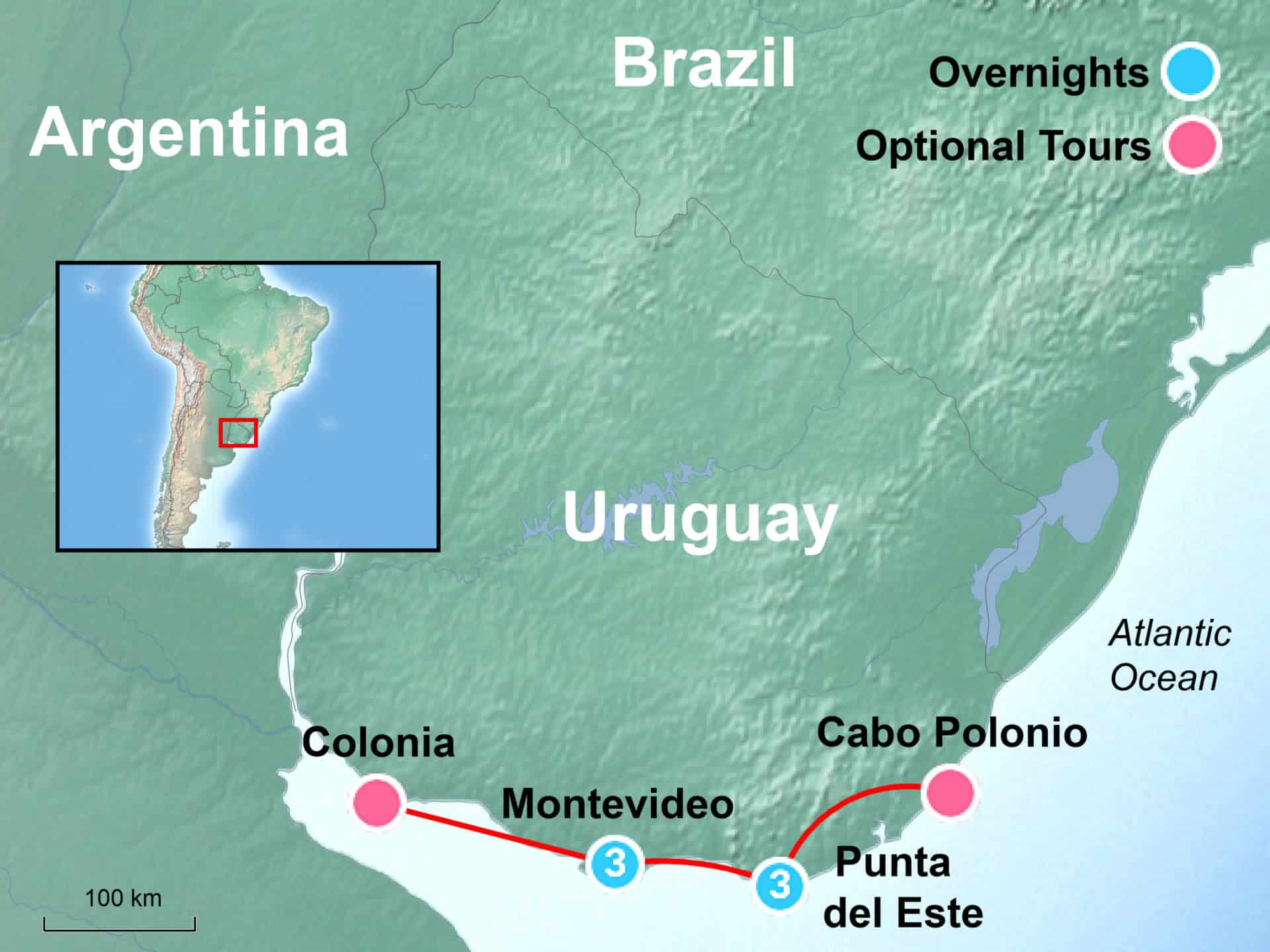
The ferry crosses the Río de la Plata to Colonia in about an hour and a quarter, or two and a quarter to Montevideo. Colonia is a walled colonial town you can see on foot in a morning, and the crossing is about as painless as borders get. Two nights makes it a chapter rather than an errand.
Family-run ranches in the flat country around the city. Most are comfortable, most have a pool, and horseback riding is always included. They are the best use of the two days that do not fit anywhere else, and families in particular do well on them. Further out, Corrientes has the wetland estancias, with the wildlife to match.
Every Argentina itinerary we design runs through Buenos Aires, because the flights make it so. We have been booking those arrivals into Ezeiza and those onward connections out of Aeroparque for more than twenty years, and we know which hotel in which neighborhood is the difference between a good four days and a tired one.
Juergen Keller, our co-founder, has traveled and worked in South America for 30 years, and the Argentina advice on this page is his. What you get is a private guide who works to your interests, transfers that actually meet you, and a route that does not lose a day at the wrong airport.
Download our FREE Argentina Travel Guide and get inspired to travel to Argentina. Browse through 30 pages of travel planning tips and ideas, pictures of Argentina, and adventurous tours. This e-book is a great resource for planning your Argentina dream vacation.
Planning a trip to South America? Explore essential travel info including via requirements, safety tips, weather, money, and more so you can focus on designing the perfect adventure!
Argentina Overview
Argentina Holidays
Argentina Recommended Hotels
Money in Argentina
Languages of Argentina
Safety in Argentina
Staying Healthy in Argentina
Argentina Travel Insurance
Internet & Calling in Argentina
Argentina Packing List
Argentina Visa Requirements
Argentina Flights
Argentina Food: Asado, Malbec and the Culture Behind the Table
Argentina Articles
Weather in Argentina
Buenos Aires Travel FAQs
Is Buenos Aires safe to travel?
Yes, with the precautions you would take in any large city. Leave the expensive watch at home, keep your phone in your pocket on the street, and stay alert in crowds and on the Subte. A guide keeps you in Recoleta, Palermo, San Telmo and Puerto Madero, which is where you would want to be anyway, and a private driver removes the taxi question entirely. La Boca is the one area to see with a guide and in daylight. More in our Argentina safety guide.
How much money do I need per day in Buenos Aires?
Buenos Aires is a city where you can spend as much or as little as you wish. On one of our private itineraries, accommodation, transfers and excursions are included, so the main thing to budget for is meals. On that count the city is good value, with excellent food and drink at prices considerably below the United States and most of Europe. Currency and cards are covered in our money guide.
When should I go to Buenos Aires?
Sitting quite far south on the continent, Buenos Aires has distinct seasons. The winter months of June to August are cool, with average highs around 15C (59F). In summer, December to February, highs are around 28C (82F). Rainfall is fairly constant and not particularly high year-round. September to November is the pick: the trees are coming into flower and the climate is pleasant. Patagonia and the Train to the Clouds have narrower windows, so check the best time to visit for the whole route.
How many days should I spend in Buenos Aires?
Three or four nights for most travelers, at the beginning or the end of a longer Argentina itinerary. That covers the main neighborhoods, one tango evening, a long asado lunch and an unscheduled afternoon. Five or six nights if you are adding an estancia in the pampas or crossing to Uruguay by ferry. Fewer than three and the city becomes a transit stop, which wastes the flight you took to get here.
Where should I stay in Buenos Aires?
Recoleta or Palermo on a first visit. Recoleta is central and grand, and walkable to the cemetery, the museums and much of the good eating. Palermo is greener and younger, and better for late dinners. San Telmo suits travelers who want the older city and do not mind the noise. Puerto Madero is quiet and modern, but you will be in a taxi most evenings. The neighborhood changes the trip more than the star rating does. See our hotels overview.
Can I combine Buenos Aires with Iguazú, Patagonia or Mendoza in one trip?
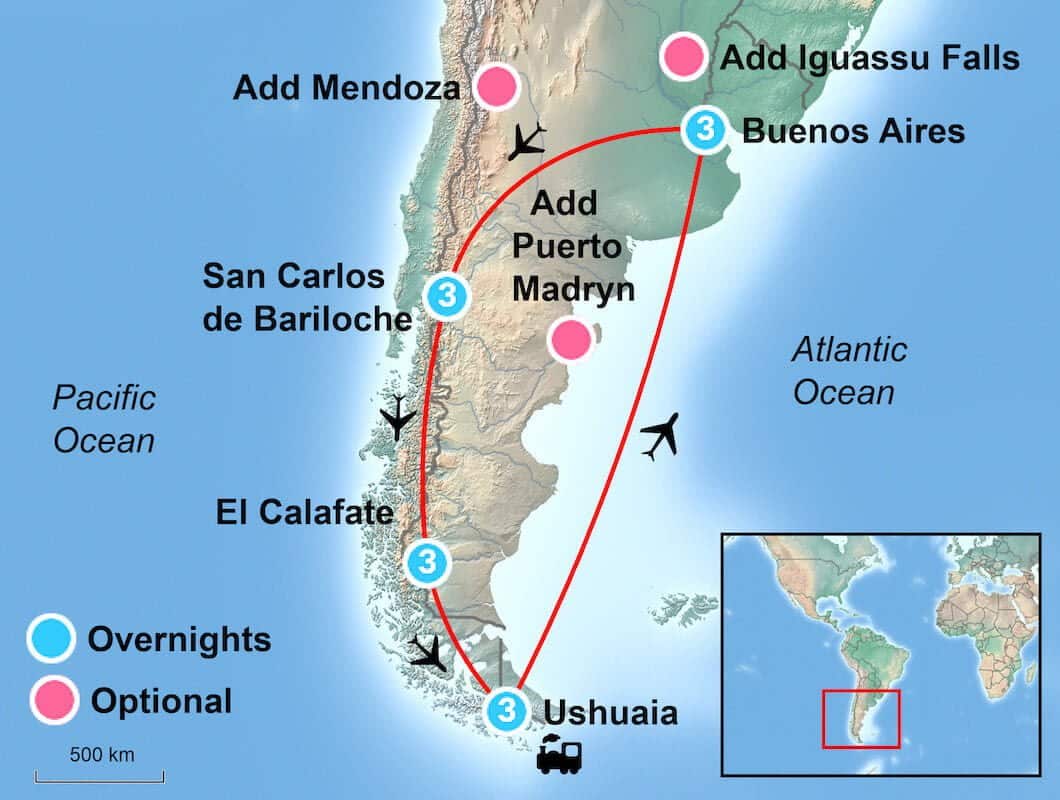
Yes, and most of our travelers do. All three are short domestic flights out of Aeroparque in the city: roughly two hours to Iguazú, two to Mendoza, three to El Calafate for the glaciers. Ten days holds Buenos Aires plus two of them comfortably; two weeks holds all three. The order matters more than the count, so we build the city around the flights.
Is a tango show worth it?
Yes, once, and book it for the last night rather than the first. The good dinner shows are real productions with serious dancers, and they are the easiest way to see the dance done properly. What they are not is where tango actually lives. That is a milonga, a neighborhood dance hall where locals turn up and dance very late, and a guide can take you to one and explain what you are watching.
Your Experts in Argentina!
Let’s Design Your Buenos Aires Trip
Our specialists have been routing Argentina itineraries through Buenos Aires for more than twenty years. Send your dates and your interests and we will build the trip around them.
We Love to Talk About South America Trip Ideas!
Thinking of traveling to South America? We take your South American travel dream and make it a reality. Every fully custom South America trip is planned by your own expert personal Travel Consultant.
"*" indicates required fields
Argentina Travel Guide
Our favorite Argentina tour ideas featuring the best destinations & activities designed to inspire…

 +1 (888) 900-5060