20+ Years Designing Argentina Adventure Itineraries
Argentina adventure tours are often built around the country’s geographic range and the long travel distances between regions. Many itineraries combine Patagonia, the Lake District, and the northwest or Iguazú depending on the season, flight routing, and the level of activity travelers want each day. Because internal flights usually connect through Buenos Aires, pacing becomes important when combining remote trekking areas with wine regions, glacier excursions, or shorter soft-adventure experiences as part of a broader Argentina tour.
Activity levels vary widely. Glacier trekking in Patagonia, hiking around the Bariloche Lake District, kayaking, horseback riding at estancias, mountain biking near Mendoza and rainforest excursions near Iguazú Falls all sit inside the same country. Some travelers focus on multi-day trekking and outdoor activity, while others balance active days with slower stays in wine country, boutique lodges, or scenic drives through the Andes. Season decides more than preference in Patagonia, where hiking conditions and access change significantly between October and April.
Adventure Tour Packages in Argentina
Every itinerary below is a starting point, not a fixed departure. We build Argentina adventure holidays around your dates, your fitness and how much ground you actually want to cover, then quote the whole trip in one price.
Click or Tap your preferences: Destinations & Activities. Be as specific or general as you like – or click Help Me Decide! We’ll spice it with hidden gems & personal tips to create your perfect trip. Need assistance? Contact an expert at +1 (888) 900-5060
The 5 Best Argentina Adventure Tours
El Chalten and El Calafate Trekking Tour
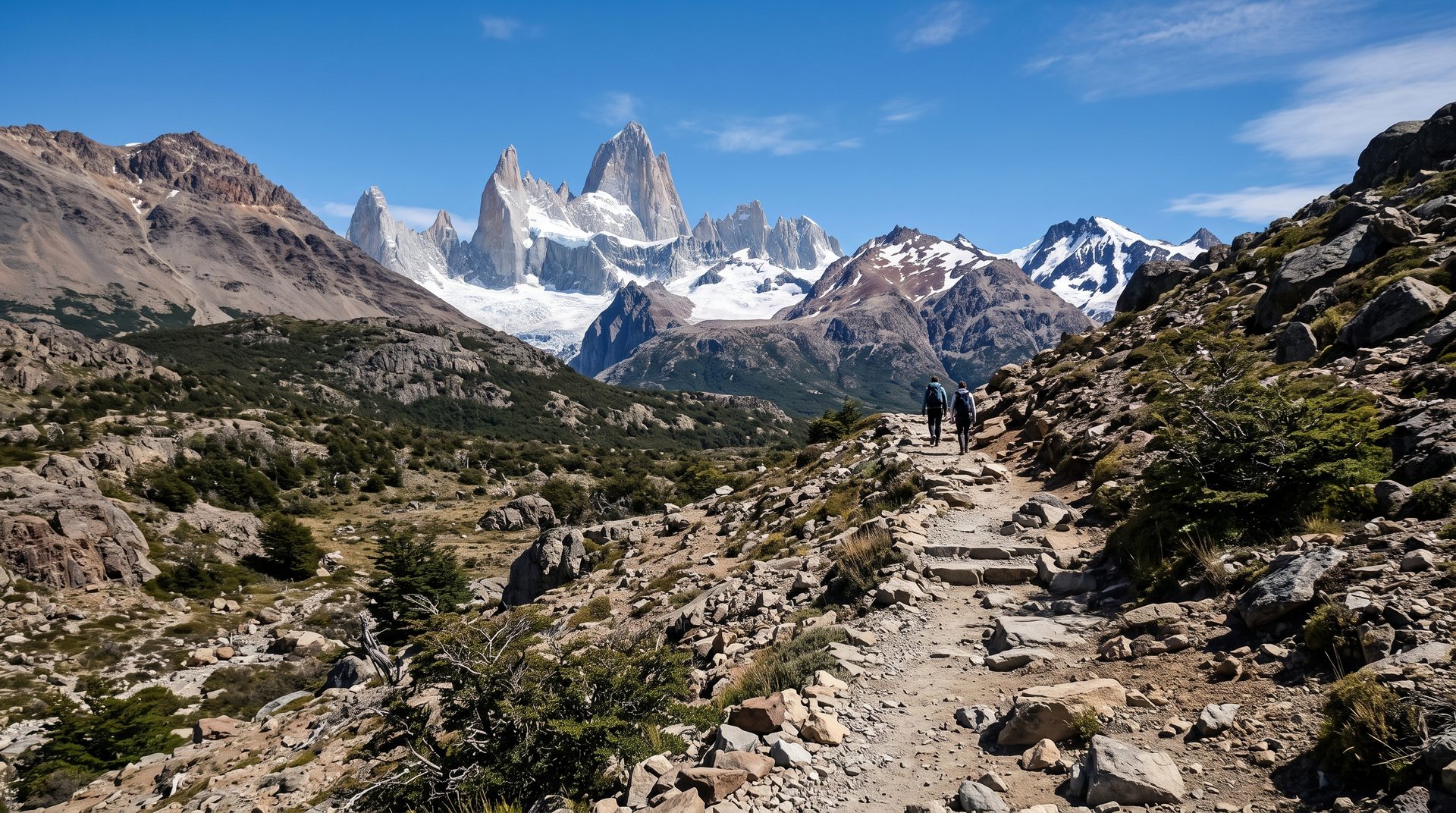
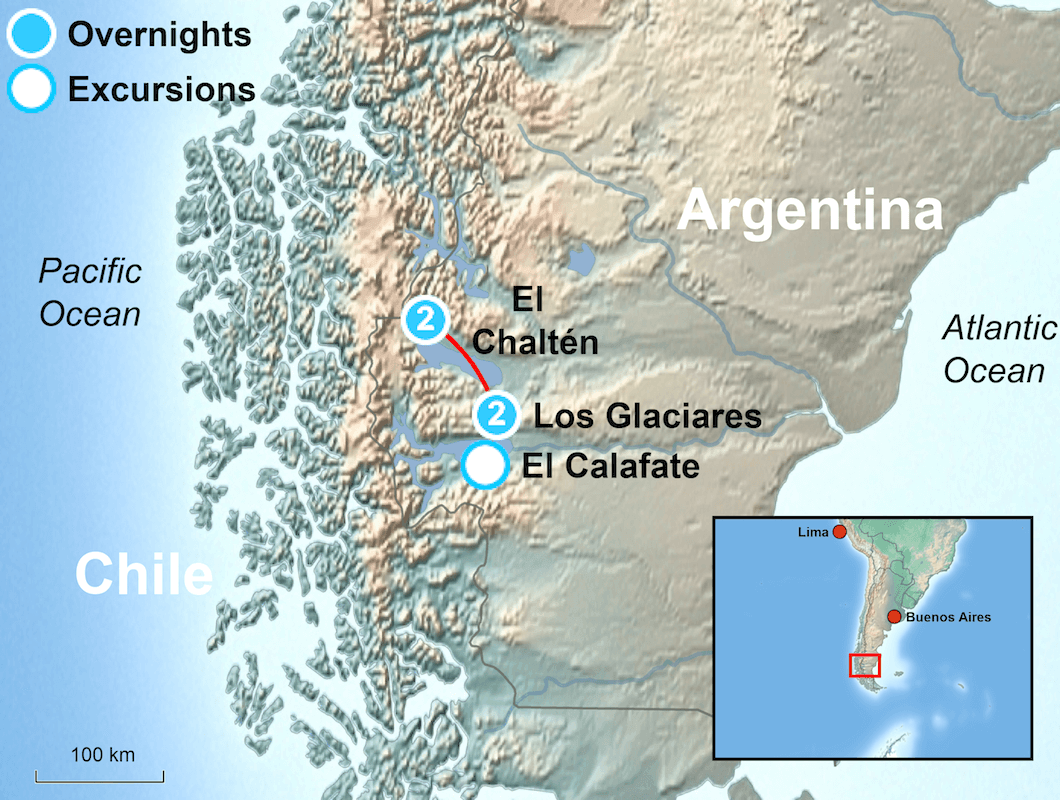
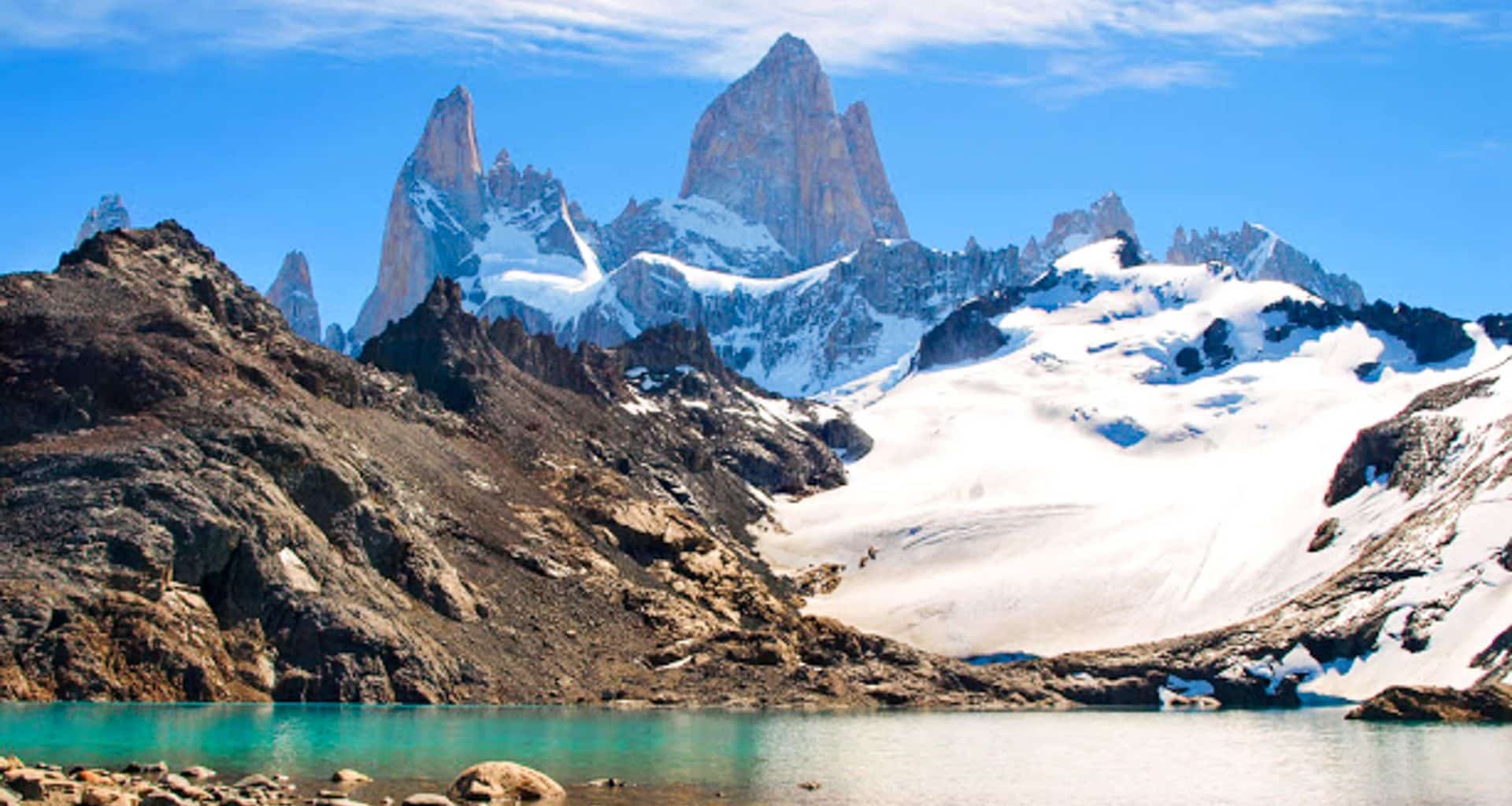
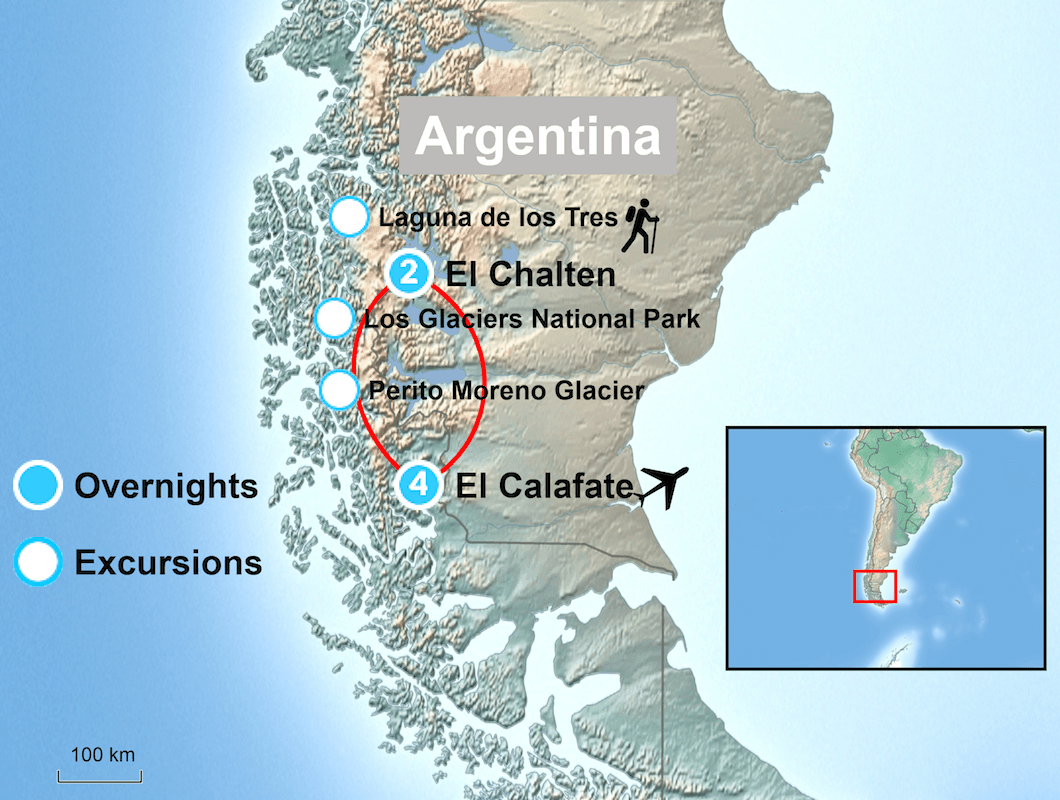
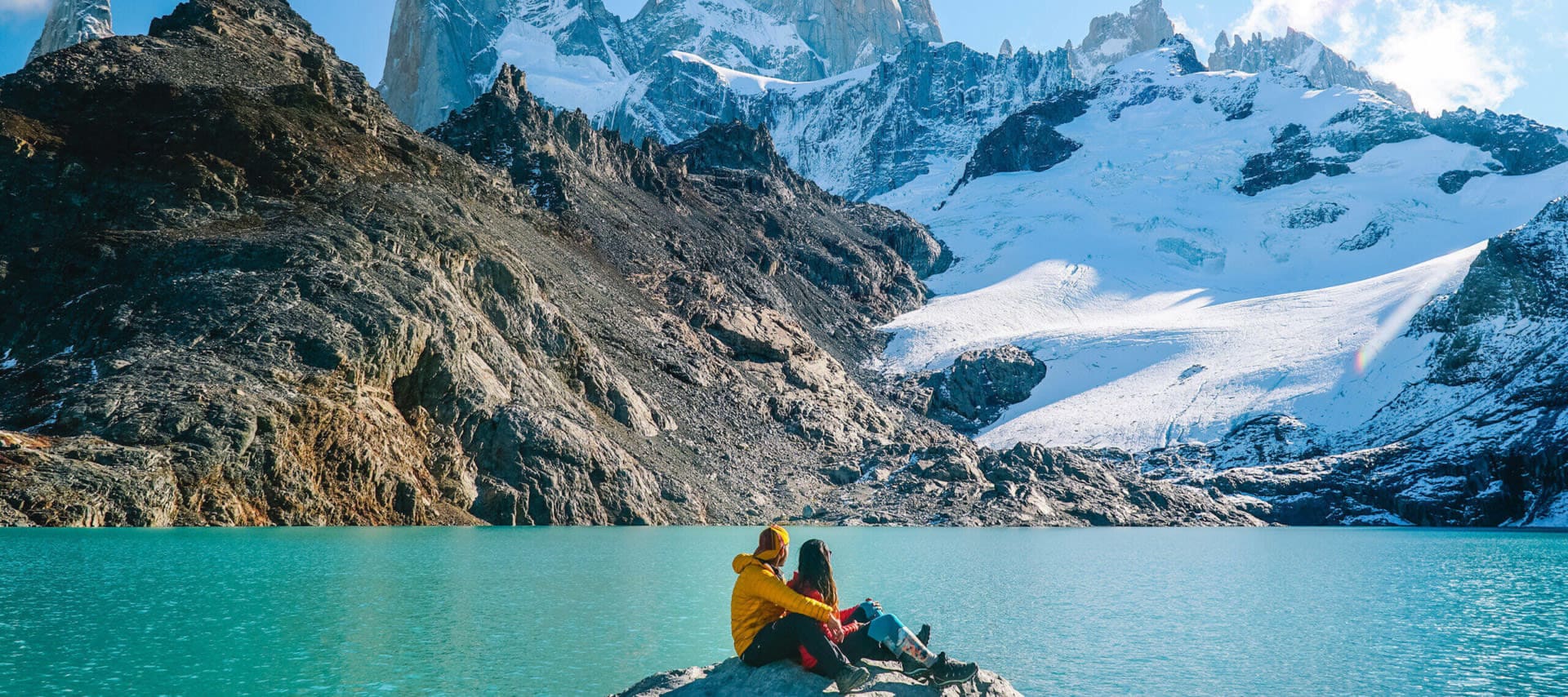
Three of Patagonia’s best day walks from one base: Laguna de los Tres, Laguna Torre and Pliegue Tumbado. El Chaltén is a short bus ride from El Calafate, so the trekking slots straight onto a Los Glaciares itinerary instead of replacing it.
Riding and walking in Nahuel Huapi National Park, with trekking near Mount Tronador and home-cooked meals at the estancia. The window is November 8 to April 20 only, and the outdoor activities are booked and paid on the spot rather than prepaid.
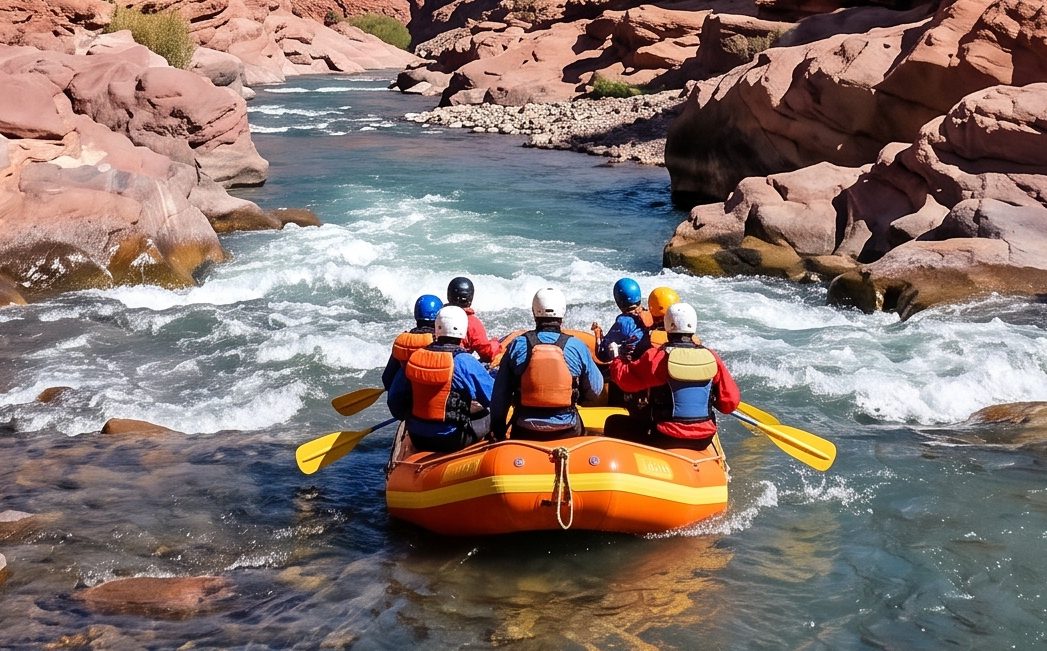
Rafting the Juramento River, horseback riding around San Lorenzo and trekking in the Valley of Lerma, all worked out of a colonial city most travelers only use as a train stop. The northwest is also at its best in the half of the year when Patagonia closes down.
Cycling, rafting, rappelling and horseback riding in the Andes above the vineyards, with the tastings as the afternoon reward. You choose the activity mix and the touring is private.
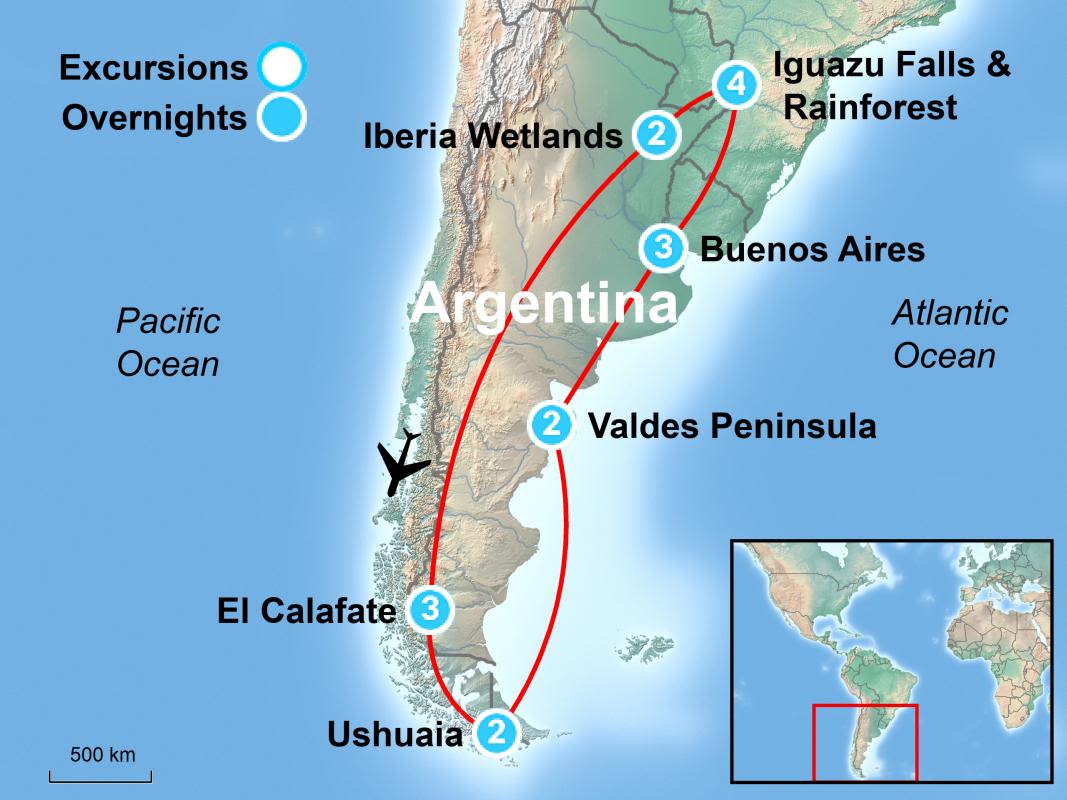
The one complete package on this list and the reliable spine for a first Patagonia trip: Puerto Madryn for whales and penguins, El Calafate for the glaciers, then Ushuaia. Daily departures October 1 to April 15, half board, airfare not included.
El Chaltén is where most Argentina hiking trips actually happen. The trailheads start at the edge of the village inside Los Glaciares National Park, so you walk from your hotel instead of driving to a trailhead. Laguna de los Tres is the long day, with the climb saved for the end. Laguna Torre is flatter and shorter and makes the better first day if you have just flown in. Pliegue Tumbado gives the wide view of the massif for less effort. Our four-day El Chaltén and El Calafate trekking extension covers all three.
Two rules are worth knowing before you plan. Marked day trails are walked unguided, with no permit. Anything on ice is guided without exception, and the gear is arranged locally rather than carried from home. Trekkers with more time cross the border for Torres del Paine, which is a different park, a different country and a full border day.
Beyond Hiking: Adventure by Region
Patagonia is not the only place to be outside. In the northwest, rafting on the Juramento River sits alongside horseback riding around San Lorenzo and trekking in the Valley of Lerma, all from one colonial base. Mendoza sells itself on Malbec, but the Andes begin at the edge of the vineyards and the normal day there is cycling, rappelling or a river descent before the tastings. Bariloche skis in winter and rides in summer. Closer to Buenos Aires the family-run estancias ride every day of the year, and the horses come with the stay rather than as an excursion you book.
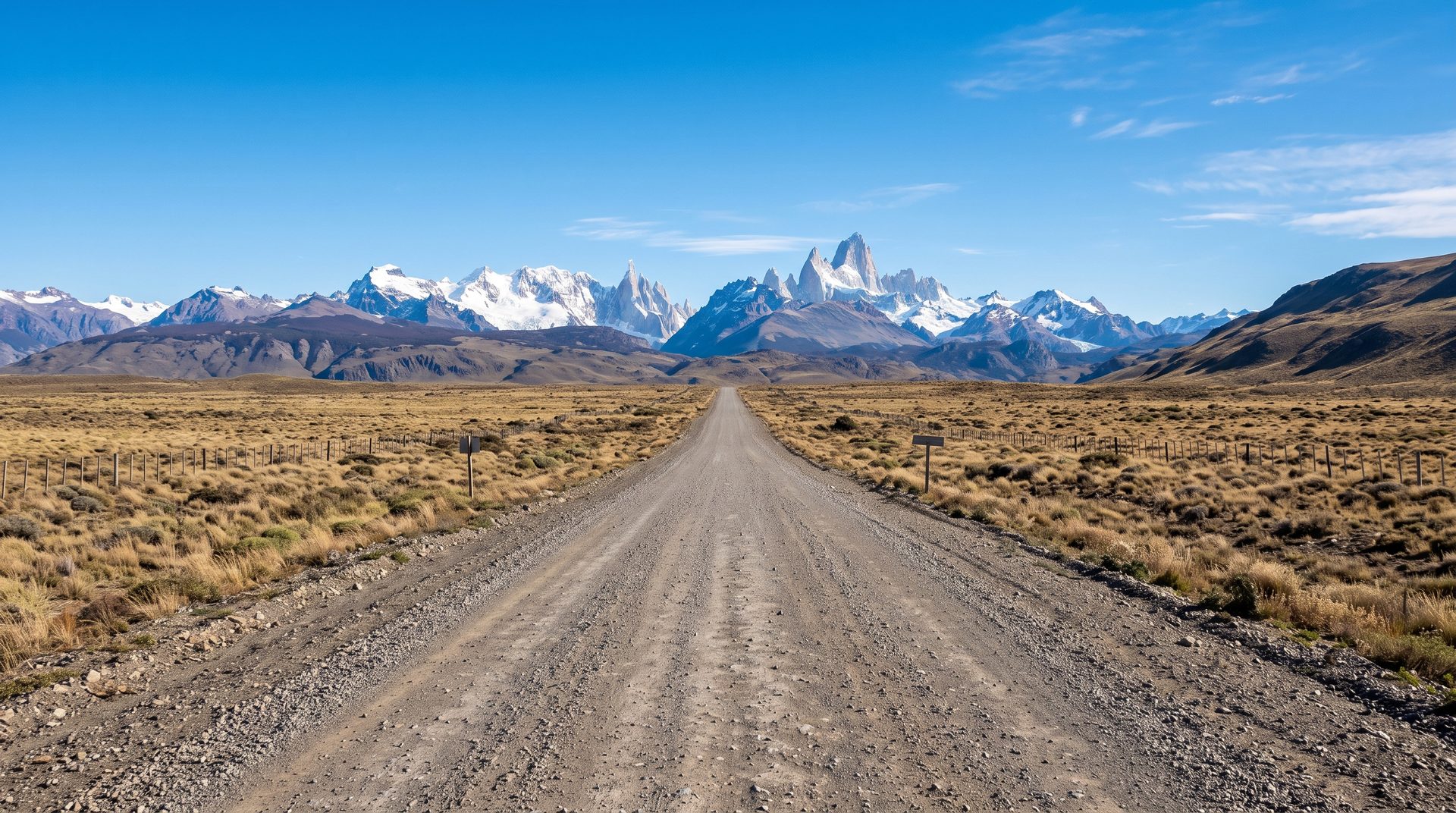
Península Valdés is the outlier: marine wildlife above the water and shipwreck diving below it, on a peninsula most itineraries skip. The Patagonian Route 40 drive is adventure in the older sense, four days of distance with the Cueva de las Manos handprints and the Marble Caves as the reasons to stop.
Best Time of Year for Adventure Travel in Argentina
The Patagonia adventure season runs roughly November to April, and our own products enforce it. The Route 40 extension does not operate May through September. The Bariloche riding trip runs November 8 to April 20. The classic Patagonia circuit departs daily from October 1 to April 15. Outside that window the trails are still there, but the transport and the guides largely are not.
Inside the window, take the shoulders. December and January are the busiest and the windiest in the south. March gives thinner trails and calmer air. The northwest runs on the opposite half of the year, driest from about April to October, which makes Salta and Jujuy the natural winter pairing. Winter is also ski season: Cerro Castor above Ushuaia holds snow from June to September, and southern right whales are in the gulfs at Península Valdés from June to December. For the country-wide picture, see the best time to visit Argentina.
Where to Go for Adventure in Argentina
Adventure in Argentina is regional, and the regions are a long way apart. These six carry most of the weight in a two-week trip.
1.
El Chaltén and Los Glaciares National Park
The trekking capital, and the reason most people come south. The day walks to Laguna de los Tres, Laguna Torre and Pliegue Tumbado all start in the village, which means no transfers and no wasted mornings. El Calafate and the Perito Moreno glacier are a bus ride away, so most travelers pair the two rather than choose between them.
Northern Patagonia, and the softest landing for a first adventure trip. Horseback riding in Nahuel Huapi National Park, walking near Mount Tronador, lake crossings toward Chile, and a ski season on the same slopes in July and August. Nights are at estancias and lodges rather than in tents, which is why families and mixed-fitness groups end up here.
Rafting the Juramento, riding around San Lorenzo, trekking the Valley of Lerma, and altitude to respect once you climb toward the Quebrada de Humahuaca. The bus from Salta across to Atacama, flamingos and mountains the whole way, is our co-founder’s favorite route in the country. Take it instead of the flight.
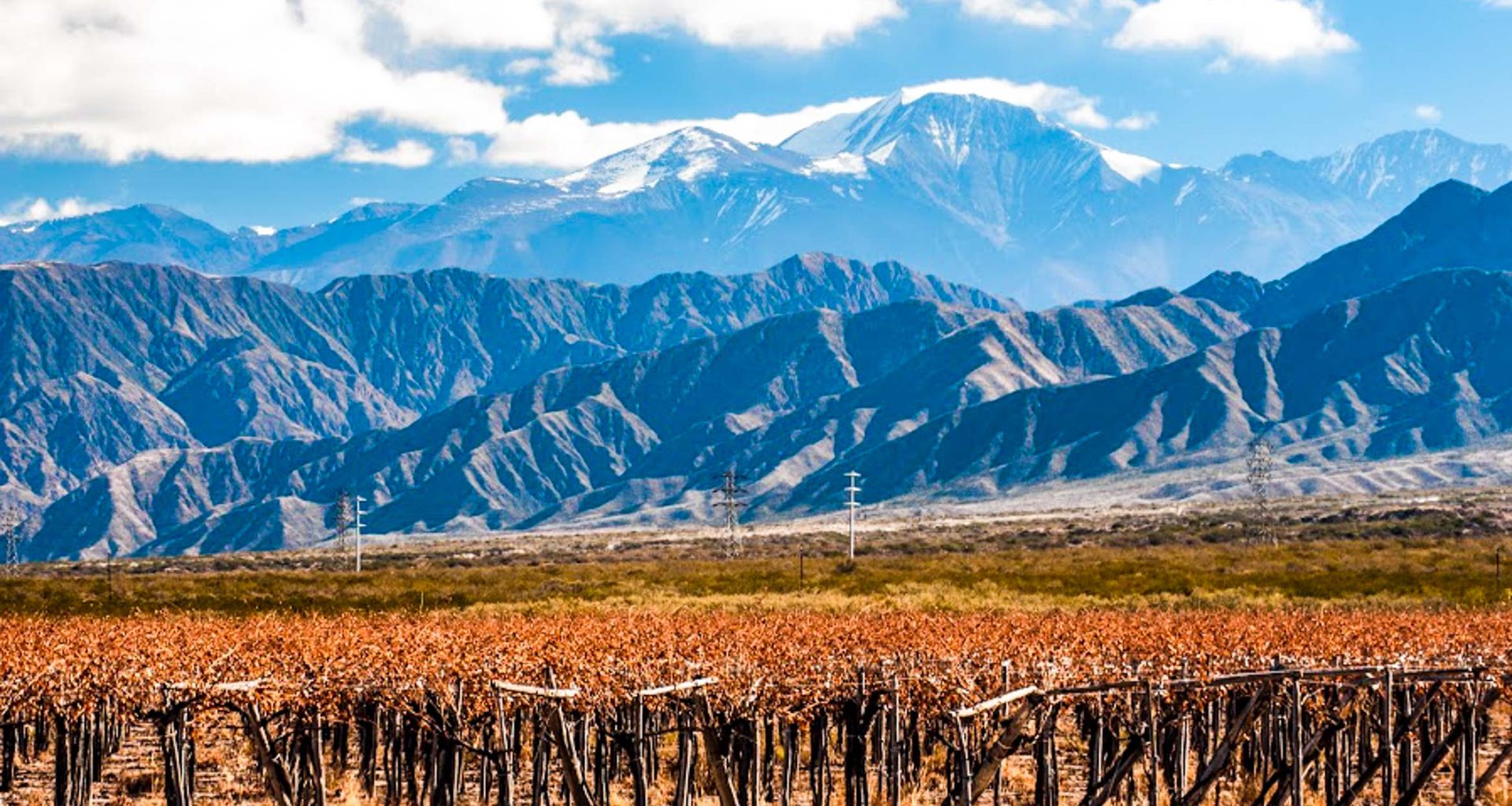
The Andes rise straight out of the vineyards, so the day splits cleanly: cycling, rafting or rappelling in the morning, tastings in the afternoon. The wines worth the trip are the ones that never leave the country, because the small wineries have no export logistics and the domestic market is enough for them. Aconcagua stands over all of it, though the summit is a multi-week expedition rather than a tour.
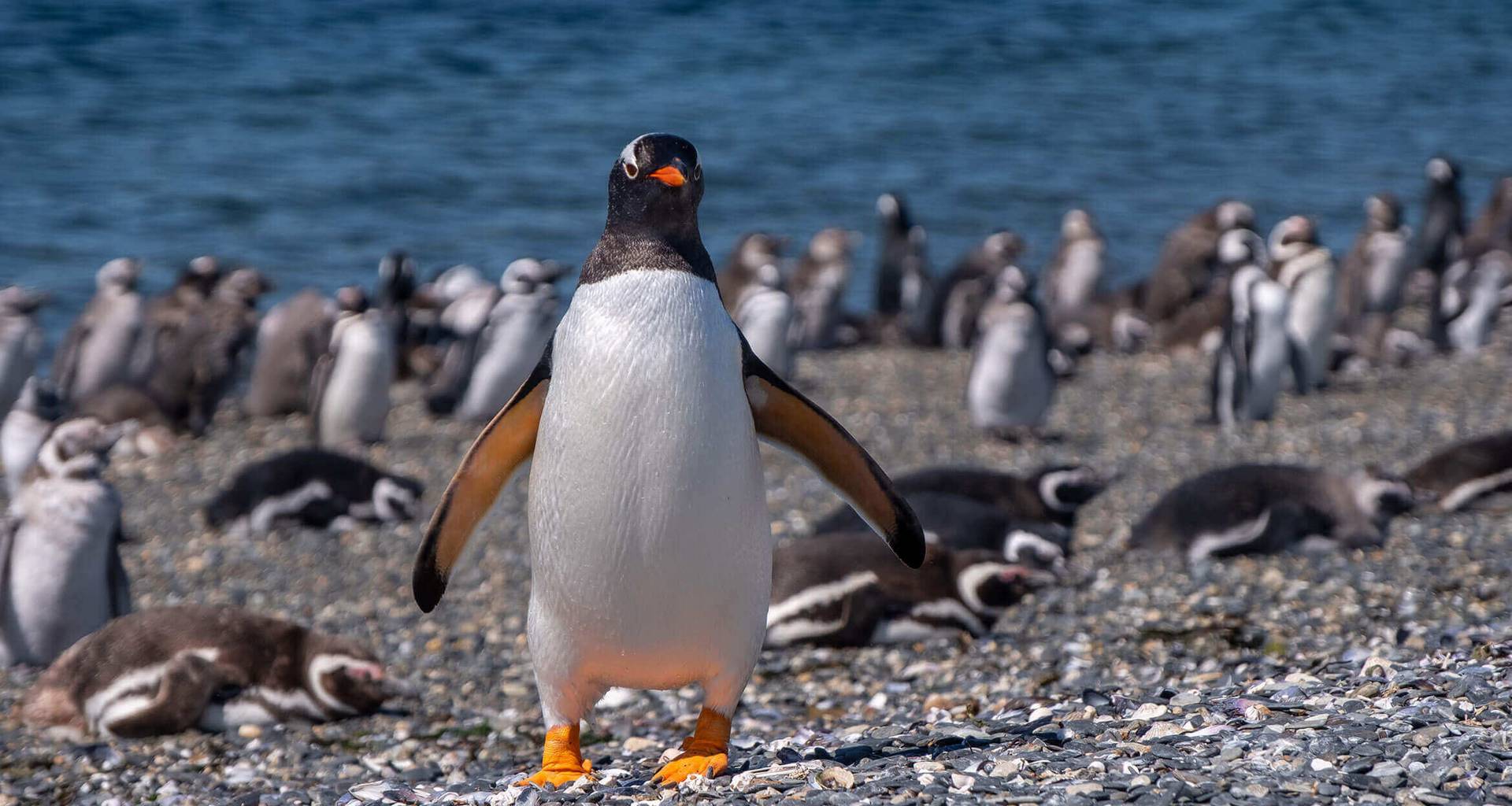
Wildlife rather than walking. The peninsula holds one of the world’s significant marine reserves, with sea lions, elephant seals and penguins ashore and shipwreck diving offshore. It is a long detour off the Patagonia trekking route, which is exactly why it stays quiet, and it pairs naturally with Puerto Madryn on the Atlantic coast.
The end of the road, and the point where Argentine adventure travel moves onto water. Sailing the Beagle Channel past the sea lion colonies and the lighthouse is the standard half day, and the same port is where Antarctica departures leave between November and March. Tierra del Fuego National Park sits behind the town for a walking day before you board.
Adventure itineraries in Argentina fail on logistics, not on scenery. Internal flights connect through Buenos Aires, so one badly chosen connection costs a hiking day. Most of the short adventure trips are extensions with hard operating windows, and those windows do not line up with each other. Someone has to confirm the riding trip is still running in the week your trekking days end.
We also plan the route the way a specialist would, which usually means not flying in and out of Buenos Aires. A good Argentina trip often begins or ends in Chile or Brazil. Tell us the shape you want and we will build it around your dates.
Download our FREE Argentina Travel Guide and get inspired to travel to Argentina. Browse through 30 pages of travel planning tips and ideas, pictures of Argentina, and adventurous tours. This e-book is a great resource for planning your Argentina dream vacation.
Planning a trip to South America? Explore essential travel info including via requirements, safety tips, weather, money, and more so you can focus on designing the perfect adventure!
Argentina Overview
Argentina Holidays
Argentina Recommended Hotels
Money in Argentina
Languages of Argentina
Safety in Argentina
Staying Healthy in Argentina
Argentina Travel Insurance
Internet & Calling in Argentina
Argentina Packing List
Argentina Visa Requirements
Getting to and Around Argentina
Argentina Food: Asado, Malbec and the Culture Behind the Table
Argentina Articles
Weather in Argentina
Questions We Get About Adventure Travel in Argentina
What is the best month for adventure travel in Argentina?
March, if the dates are yours to choose. The Patagonia trekking season runs November to April, and March gives you the same open trails with less wind and fewer people than December or January. November is the second pick. If your travel falls in the southern winter, the trip moves north to Salta and Jujuy, or onto snow at Cerro Castor above Ushuaia.
How many days do you need for an adventure trip to Argentina?
Eight days covers Patagonia on its own, which is the length of our classic circuit through Puerto Madryn, El Calafate and Ushuaia. Twelve to fourteen is the honest number once you add a second region, because flights between regions route through Buenos Aires and cost most of a day each time. With less than a week, pick one region and go deep instead.
How fit do you need to be?
Fit enough to walk six to eight hours on a marked trail carrying a day pack. Almost nothing we build in Argentina involves camping, technical ground or carrying your own gear, and you sleep in a hotel or a lodge every night. The hardest standard day is Laguna de los Tres, which is long rather than technical. Tell us your ceiling and we plan under it. Our Argentina packing list covers what to bring.
Is Argentina safe for adventure travel?
The real risks are environmental rather than criminal. Patagonian weather turns fast and wind is the main hazard on exposed trails, the northwest adds altitude, and the distances between towns mean help can be hours away. In the cities, take the normal precautions against pickpocketing. Read our Argentina safety notes and check your own government’s current advisory before you travel.
Can you combine Patagonia with Iguazú or Mendoza?
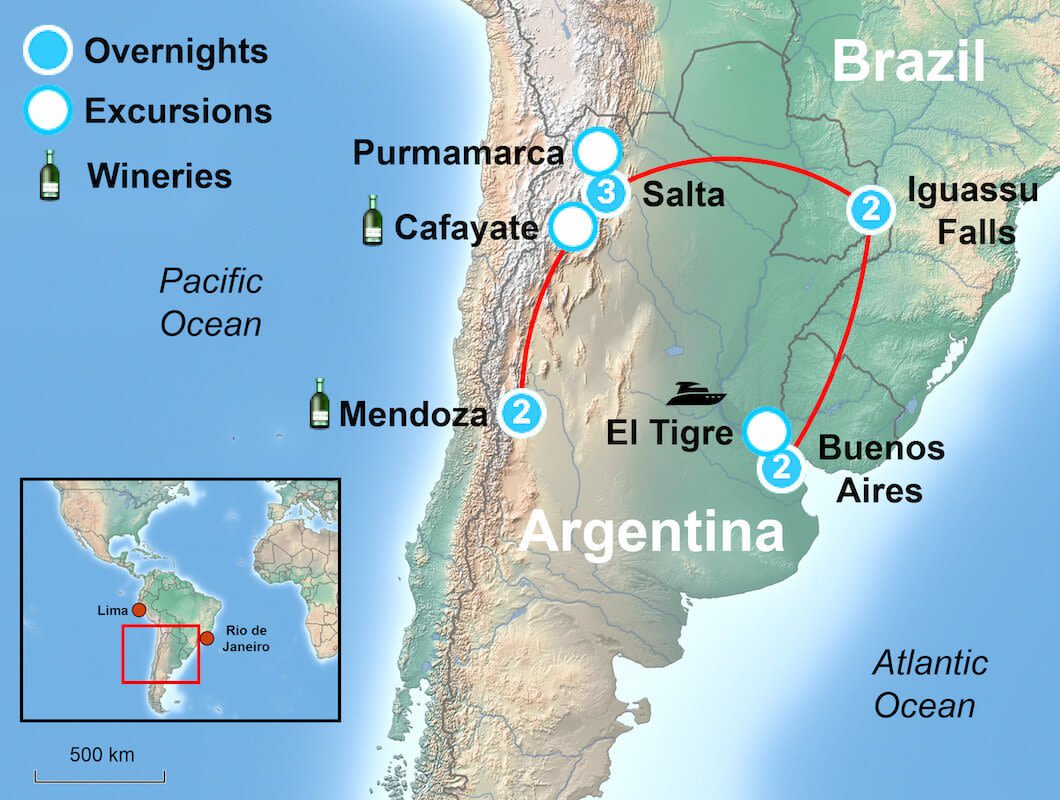
Yes, and the routing matters more than the choice. Every internal flight runs through Buenos Aires, so each region you add costs travel time. Iguazú is subtropical and works year round, which makes it a good partner for Patagonia’s shoulder months. Mendoza is a shorter hop and fits at either end. If you have the time, do not fly in and out of Buenos Aires. A good Argentina route begins or ends in Chile or Brazil.
Do you need a guide to hike in El Chaltén?
No, not for the day hikes. The marked trails to Laguna de los Tres, Laguna Torre and Pliegue Tumbado start in the village and are walked unguided, with no permit. You need a guide the moment you step onto ice, including the glacier walks near El Calafate, and for anything overnight in the backcountry. We book the guided days and leave the trail days open.
Private trip or fixed group departure?
Almost everything we plan is private, built around your dates and your pace. The exception is the classic Patagonia circuit, which runs on fixed daily departures with a shared bilingual guide and costs less for it. Private earns the difference when your group has mixed fitness, when you want to set your own speed, or when you are combining regions.
Your Experts in Argentina!
Let’s Design Your Perfect Argentina Trip
Tell us your dates, your fitness and how many days you have on the ground. We will come back with a route that works with the season instead of fighting it.
We Love to Talk About South America Trip Ideas!
Thinking of traveling to South America? We take your South American travel dream and make it a reality. Every fully custom South America trip is planned by your own expert personal Travel Consultant.
"*" indicates required fields
Argentina Travel Guide
Our favorite Argentina tour ideas featuring the best destinations & activities designed to inspire…
 +1 (888) 900-5060