The Quebrada de Humahuaca is the valley of the Río Grande in Jujuy province, in the far northwest of Argentina. It runs north of the city of San Salvador de Jujuy toward the Bolivian border, climbing all the way. People have used it as a road for about 10,000 years, and the Inca road network ran up it. UNESCO listed it as World Heritage in 2003, and the listing is about that route as much as the colored rock.
Most visitors see it in one long round trip out of Salta and are back in the city the same night. It can be done. We would not do it that way. The valley deserves two or three nights, and the rest of this page is about how to spend them.
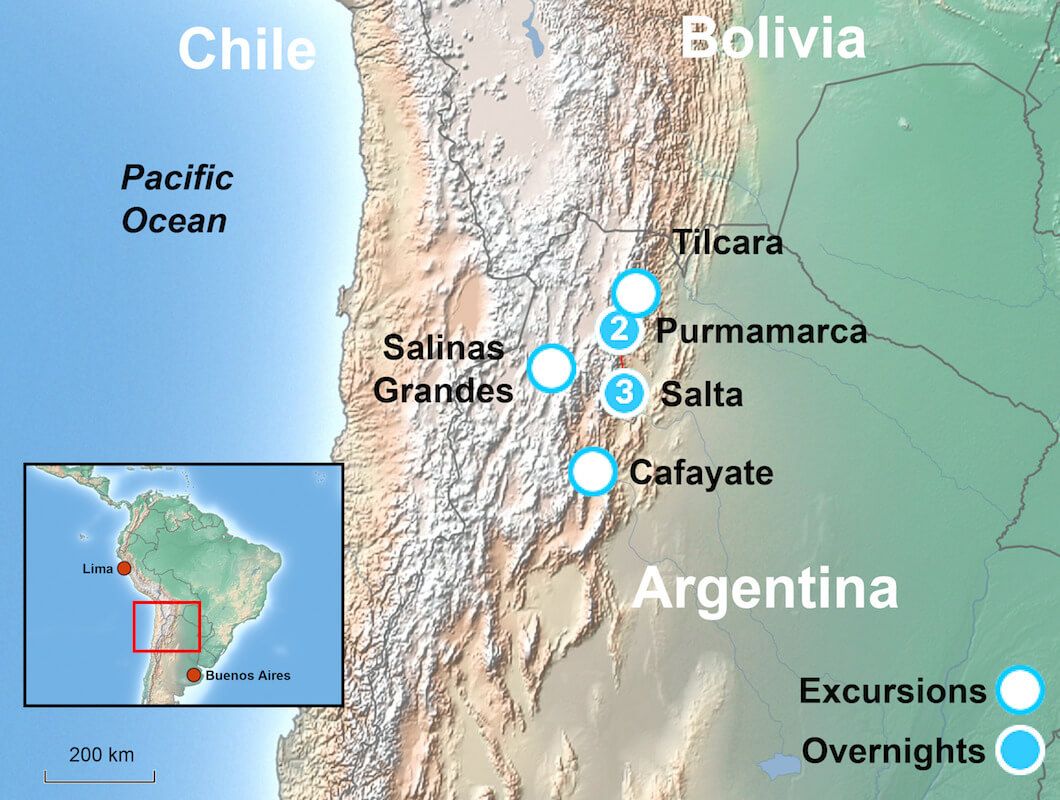
Two nights in Purmamarca, which is this page's advice turned into an itinerary. You come in from Salta by way of Salinas Grandes, then wake up twice under the Hill of Seven Colors.
The one to choose if you want the whole valley. One night in Purmamarca, then a full day up the valley: Tilcara's Pucará and Archaeological Museum, the church at Uquía, which no other itinerary here lists, and the streets of Humahuaca, before the route turns south for Cafayate.
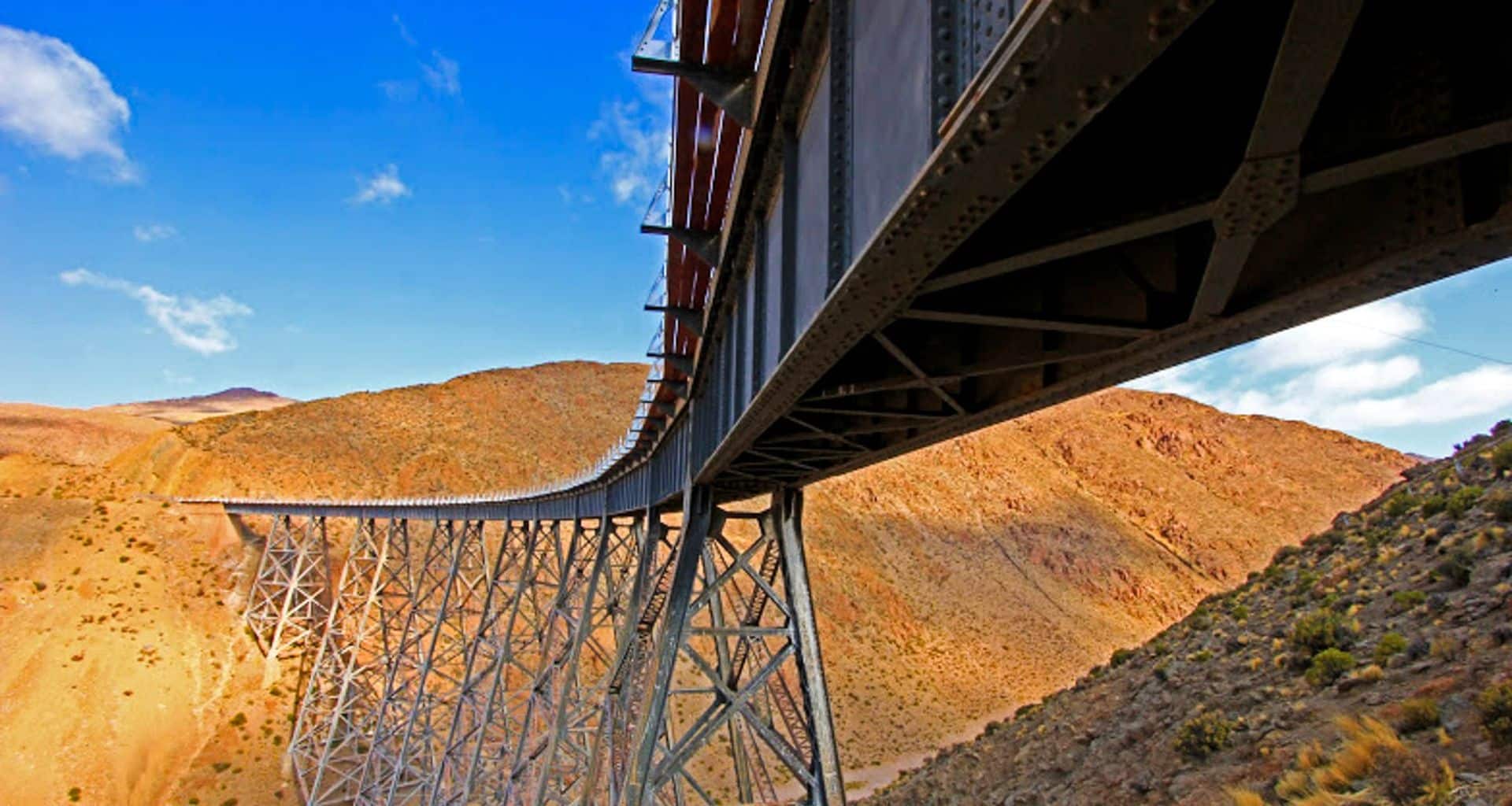
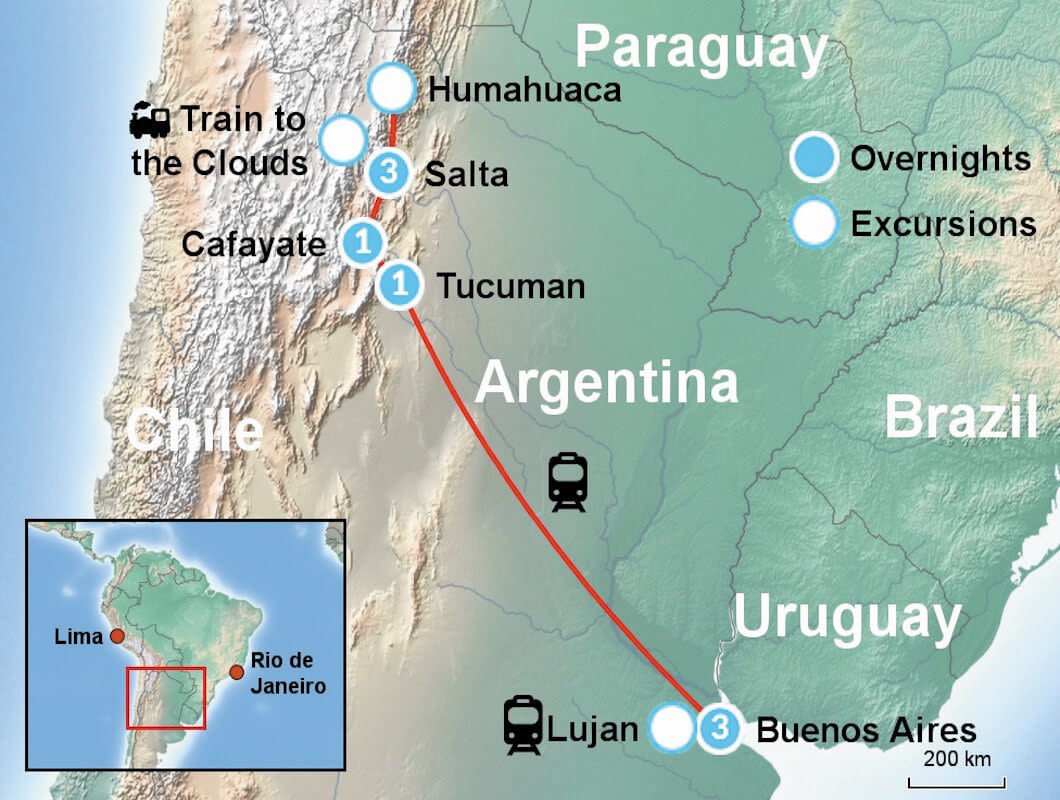
Four days set around a Train to the Clouds departure, because the train runs only on fixed dates. The Quebrada is one full day out of Salta, for Humahuaca and the Hill of Seven Colors, so take it when the train is why you are coming north.
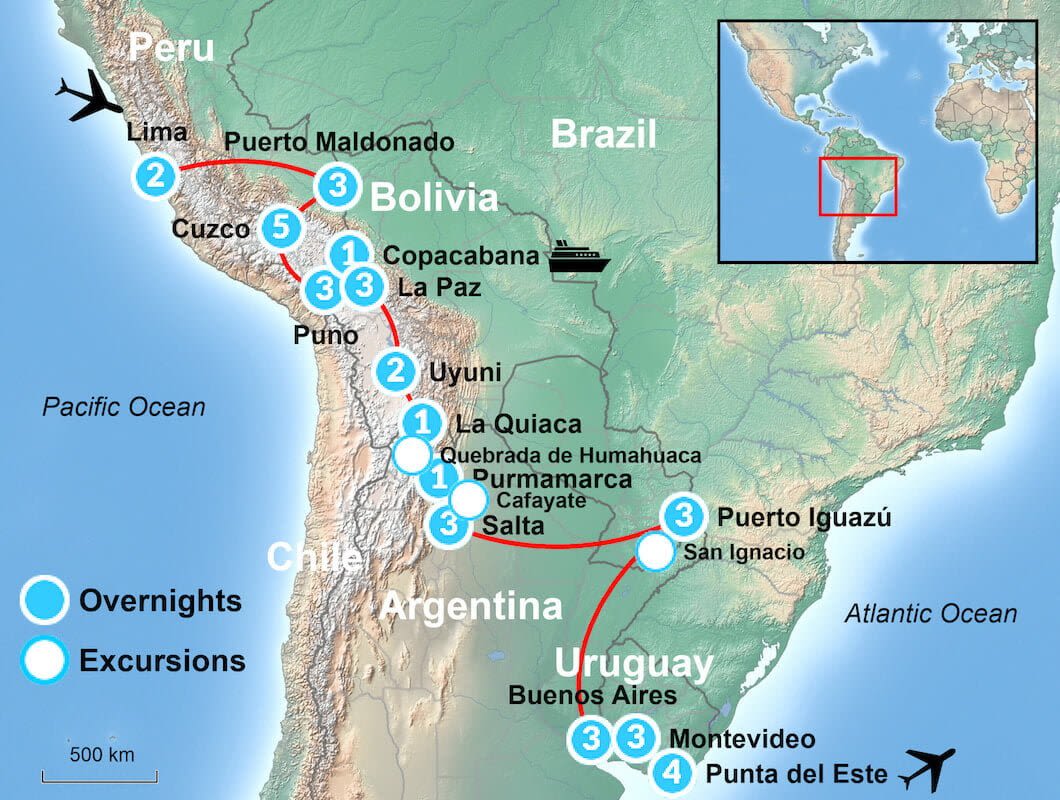
The Quebrada at the end of a long run through the high desert. Ten days that begin in La Paz, cross the Uyuni salt flats and the Atacama, and finish in Salta through Jujuy and the valley, so the colored rock comes after days of salt and altiplano.
Ten days, four regions, and the Quebrada as one day out of Salta: the Hill of Seven Colors above Purmamarca and the pre-Hispanic fortress at Tilcara. Choose it for the whole country with the valley in it, and ask for a night in Tilcara if the valley turns out to be the point.
You can see the Quebrada in one long round trip from Salta. Yes, but look at what that trip is. It leaves early, spends most of its twelve hours on the road, and reaches the Hill of Seven Colors around midday, when the sun is high and the bands go flat. You get the photograph. You miss the place.
Juergen Keller, our co-founder, says an attractive place is “literally attracting people,” and he would never talk you out of the famous sights. His advice is to skip the usual Instagram tour and stay an extra day. In the Quebrada that means sleeping in Purmamarca or Tilcara. You see the hill in the first hours of the morning, before anything from Salta can reach it. You are up at the Pucará in Tilcara ahead of the groups. And you get Humahuaca in the evening, after the coaches leave and it is a small Andean town again.
The Northern Express is built this way, with two nights in Purmamarca. Wonders of Northern Argentina moves up the valley, Purmamarca one day and Tilcara, Uquía and Humahuaca after it.
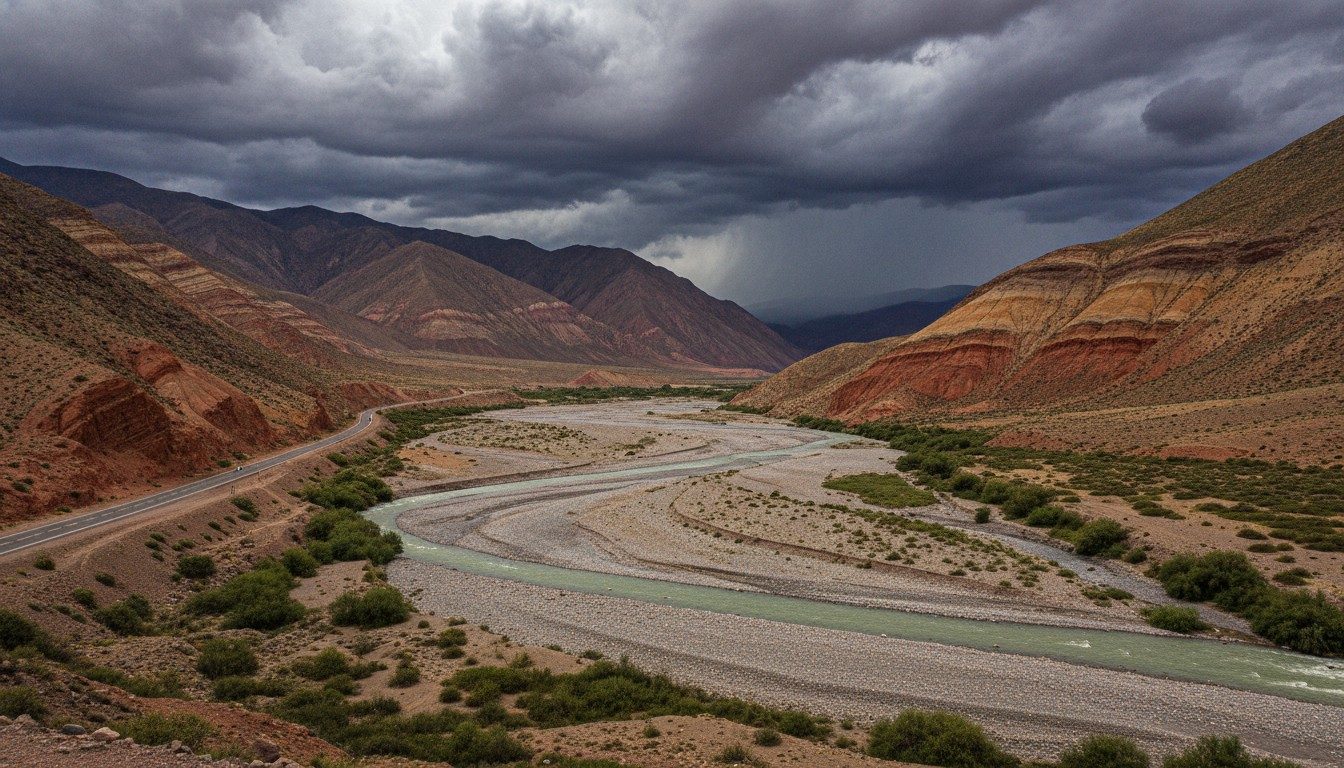
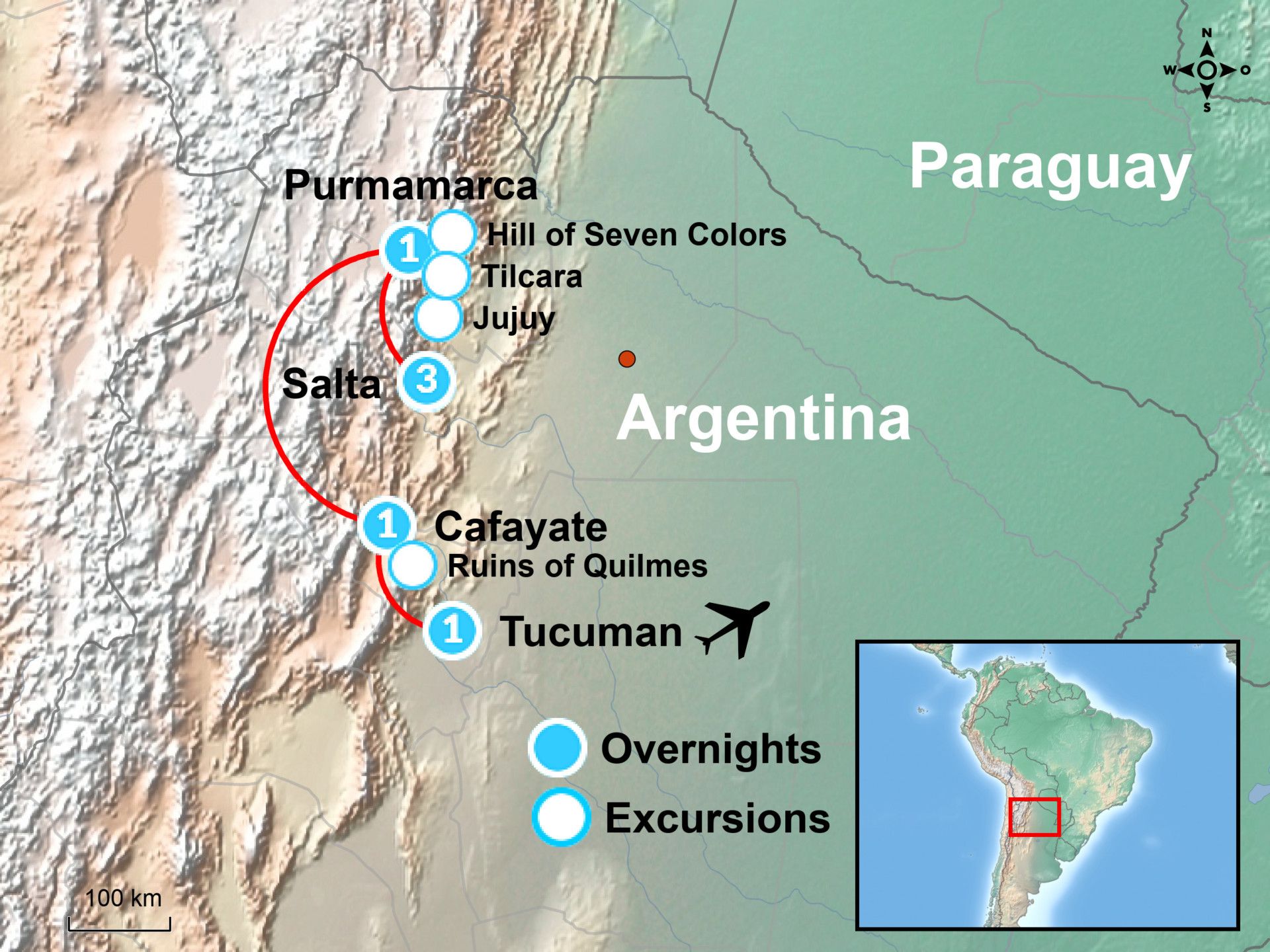
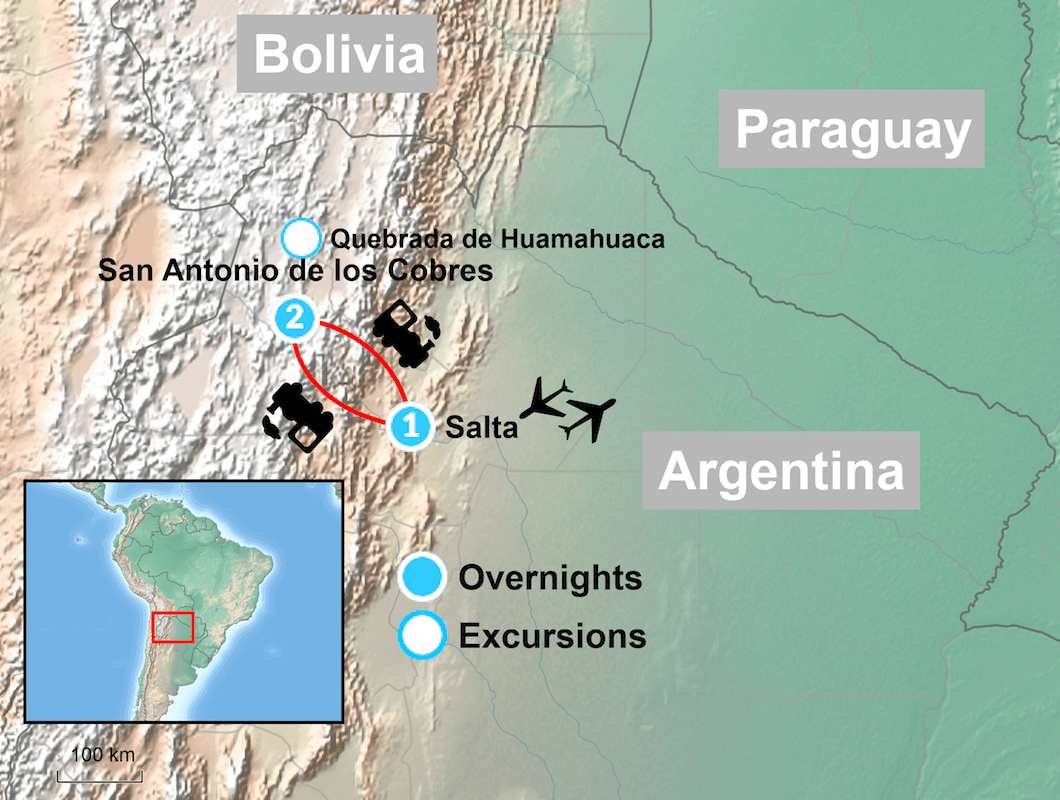
The Quebrada is one river and one road. Route 9 leaves Jujuy and follows the Río Grande north, starting around 2,000 meters and reaching close to 3,000 at Humahuaca, irrigated fields below and bare, banded slopes above. The villages sit along it in a line, which makes planning simpler than it looks.
Purmamarca comes first, just off the main road under the Hill of Seven Colors. The road behind it climbs west to Salinas Grandes and carries on over the Andes to the Atacama, Juergen’s favorite crossing and a good case for his advice to start or end an Argentina trip across a border instead of in Buenos Aires. Back on Route 9, Tilcara has the Pucará, its hilltop fortress. Beyond it, Uquía has a church worth the stop. Humahuaca sits highest, and the Hornocal is about 25 kilometers of gravel past it.
Sleep low, go high. Two nights in Purmamarca or Tilcara come first. A third, in Humahuaca, comes last if you want the town after dark and the Hornocal in afternoon light.
The valley’s biggest week is carnival. It opens with the Desentierro del Diablo: the carnival devil is dug up at the mojones, the stone cairns, in Tilcara, Humahuaca and Purmamarca, with coca leaves, drink, and music on erques, cajas and bombos. The date follows the church calendar, so it lands in February or early March, and it is the busiest week of the year for beds. If you want to be there, tell us first and we plan backward from the rooms. If not, stay clear of that week.
Carnival also falls in the rains. December to March is summer, and the storms hit the Quebrada and the high road up to Salinas Grandes hard, so a summer trip needs slack in it. For everything else, plan on April to November, the dry months, and see our best time to visit Argentina guide for the rest of the country. Winter days are clear. The nights are cold, in Humahuaca more than in Purmamarca.
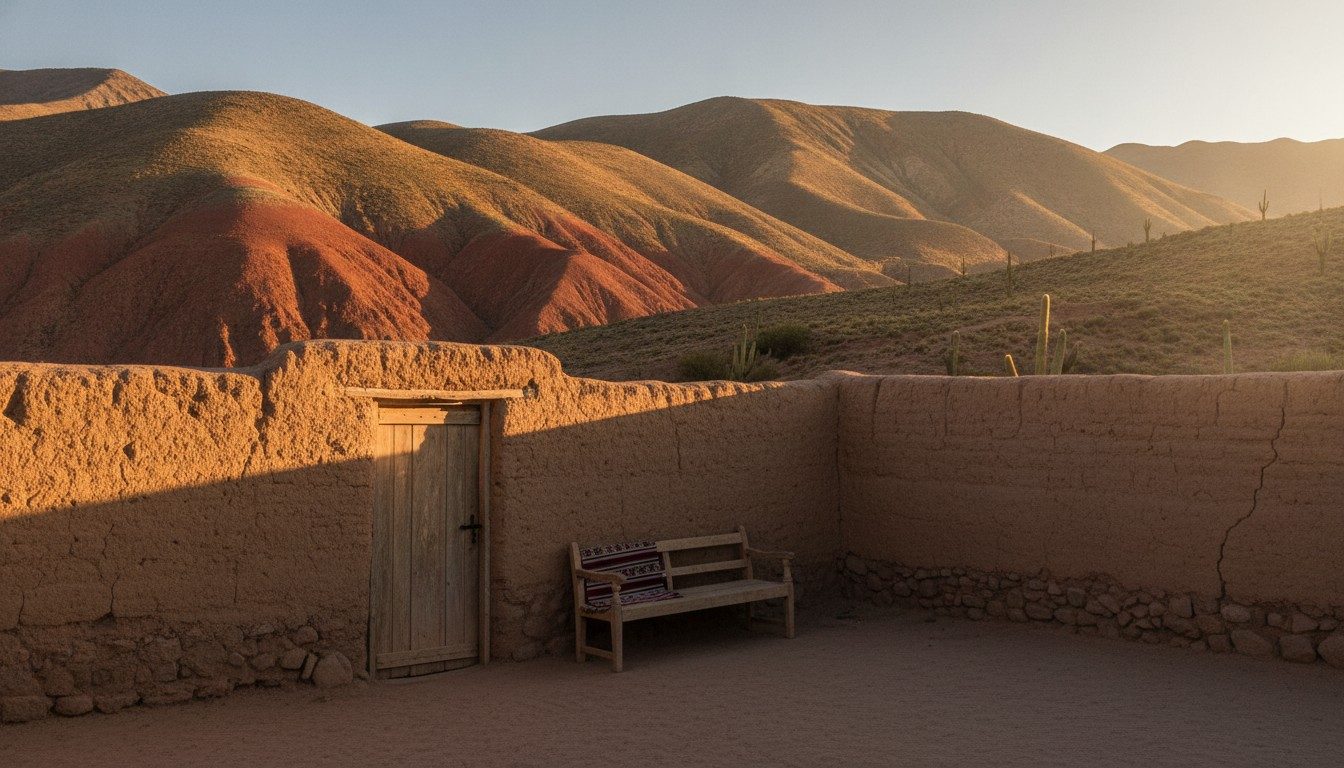
A small adobe village just off Route 9, with the Hill of Seven Colors rising straight behind it. Walk the Paseo de los Colorados, a dirt loop through the red rock at the edge of town, early in the day, and eat on the square in the evening, when only the people staying the night are left. It is our first choice of base in the valley.
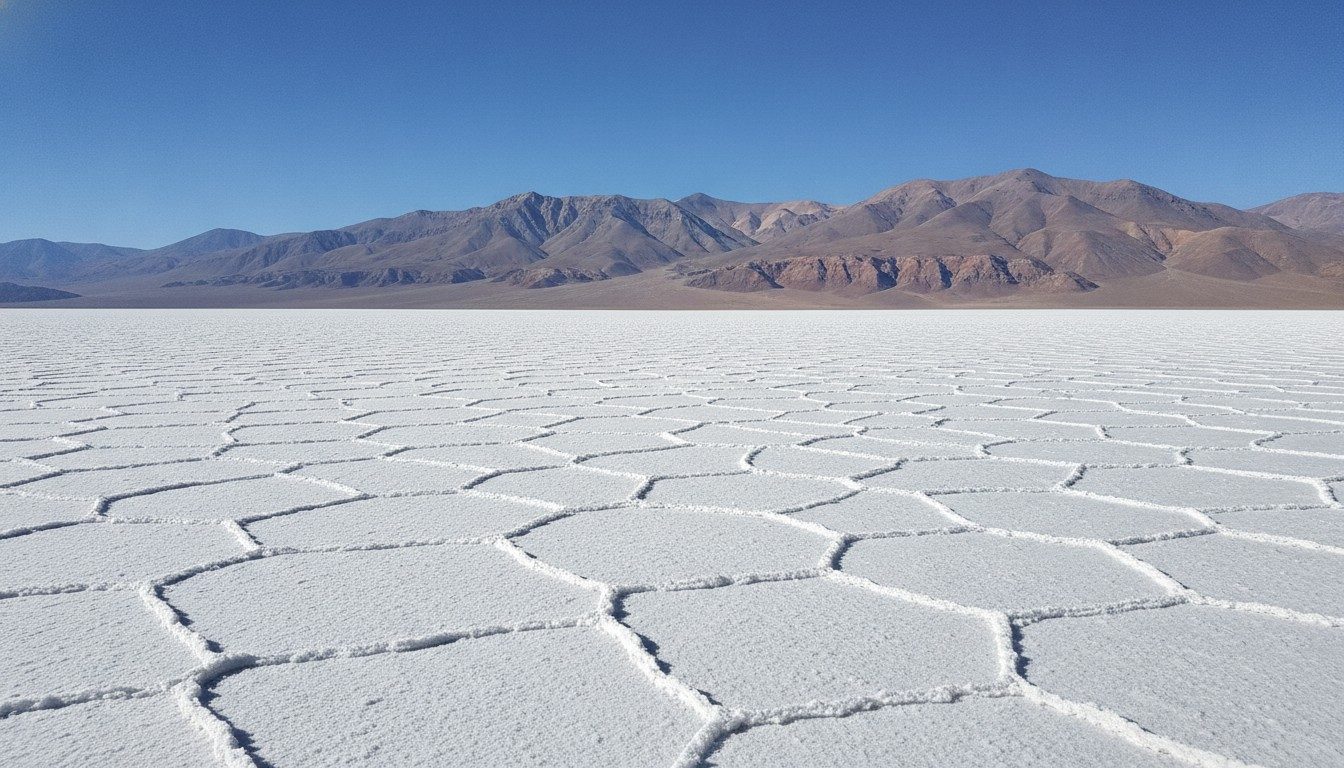
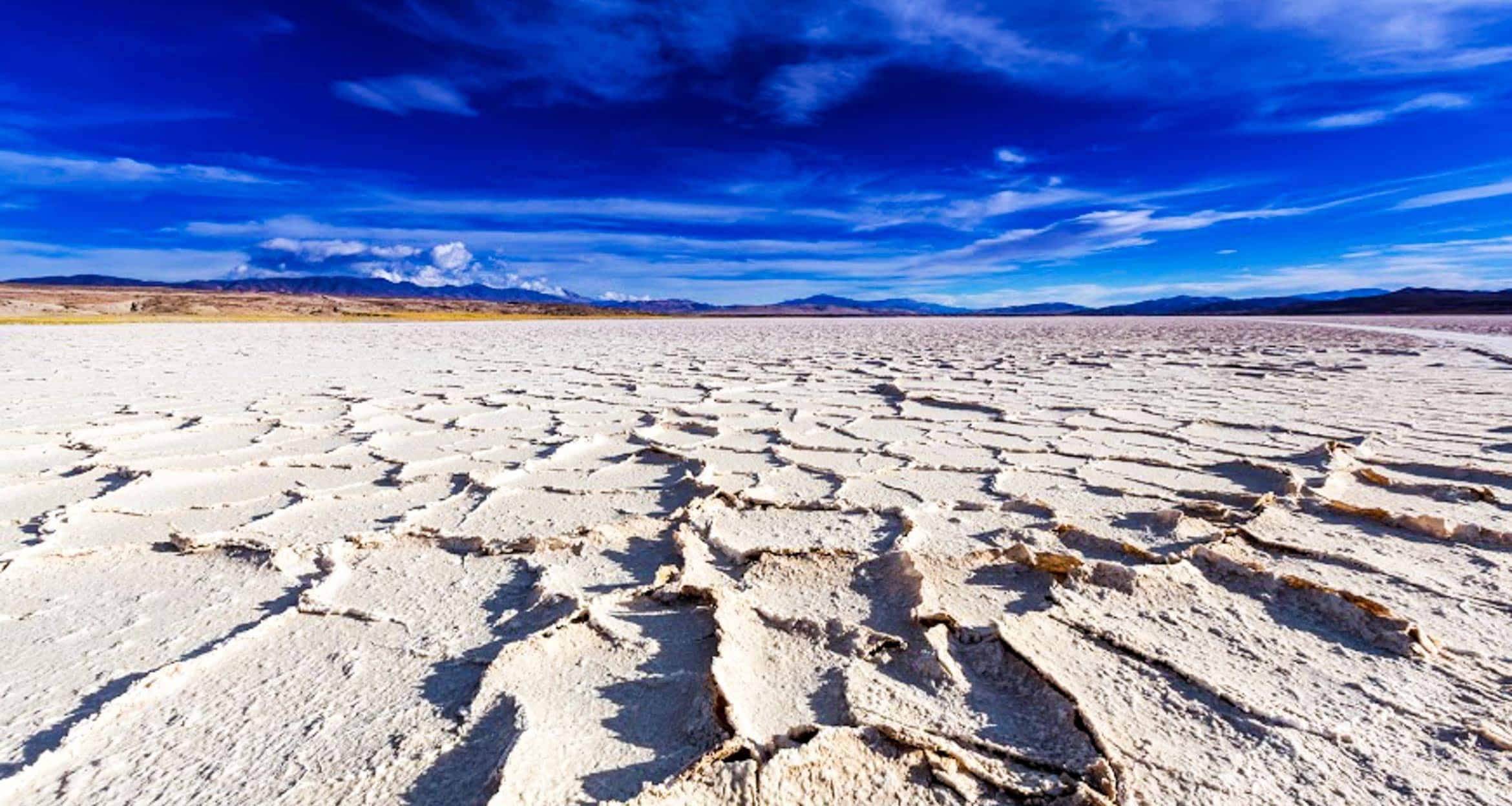
West of Purmamarca the road climbs the Cuesta de Lipán in tight switchbacks, then comes down onto the salt at about 3,450 meters, on the line between Jujuy and Salta provinces. The crust is cracked into polygons, firm enough to walk on, and the glare off it by midday is fierce, so bring dark glasses. It is close from Purmamarca and a very long way from Salta.
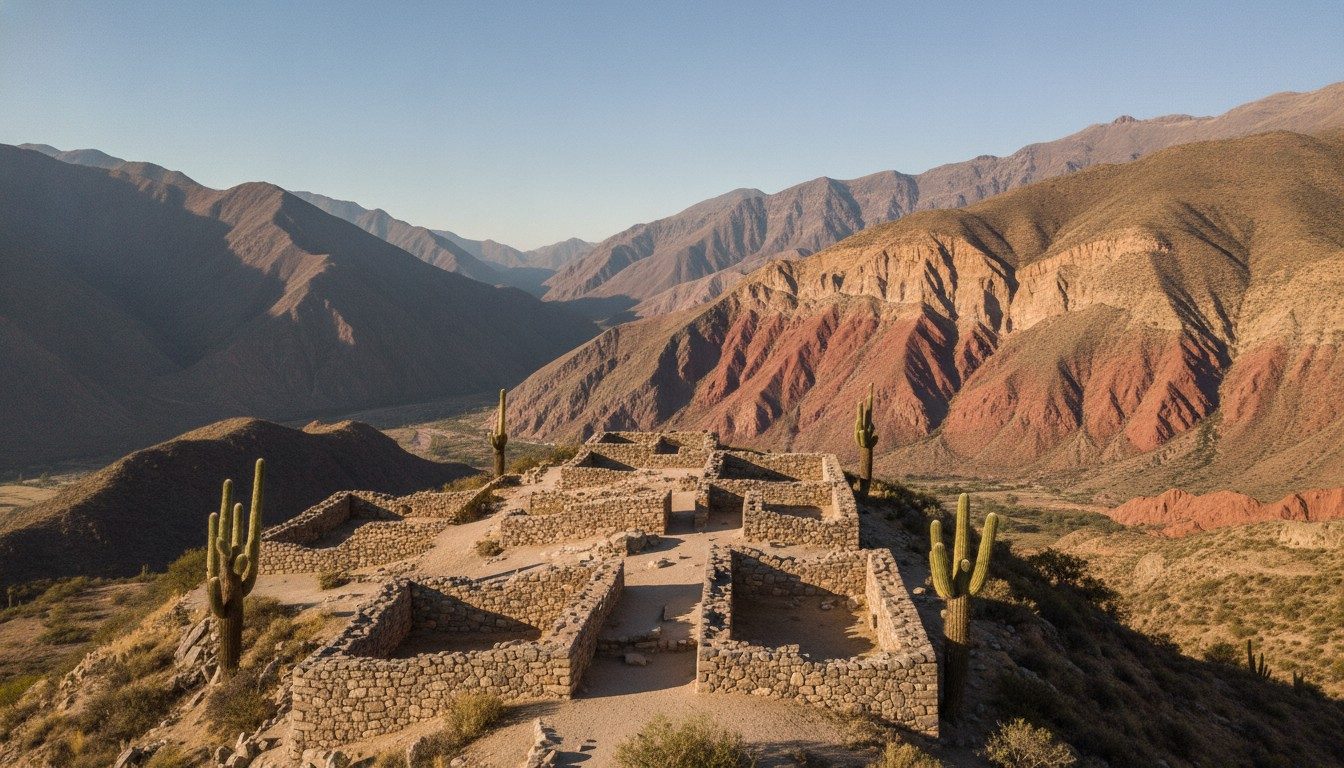
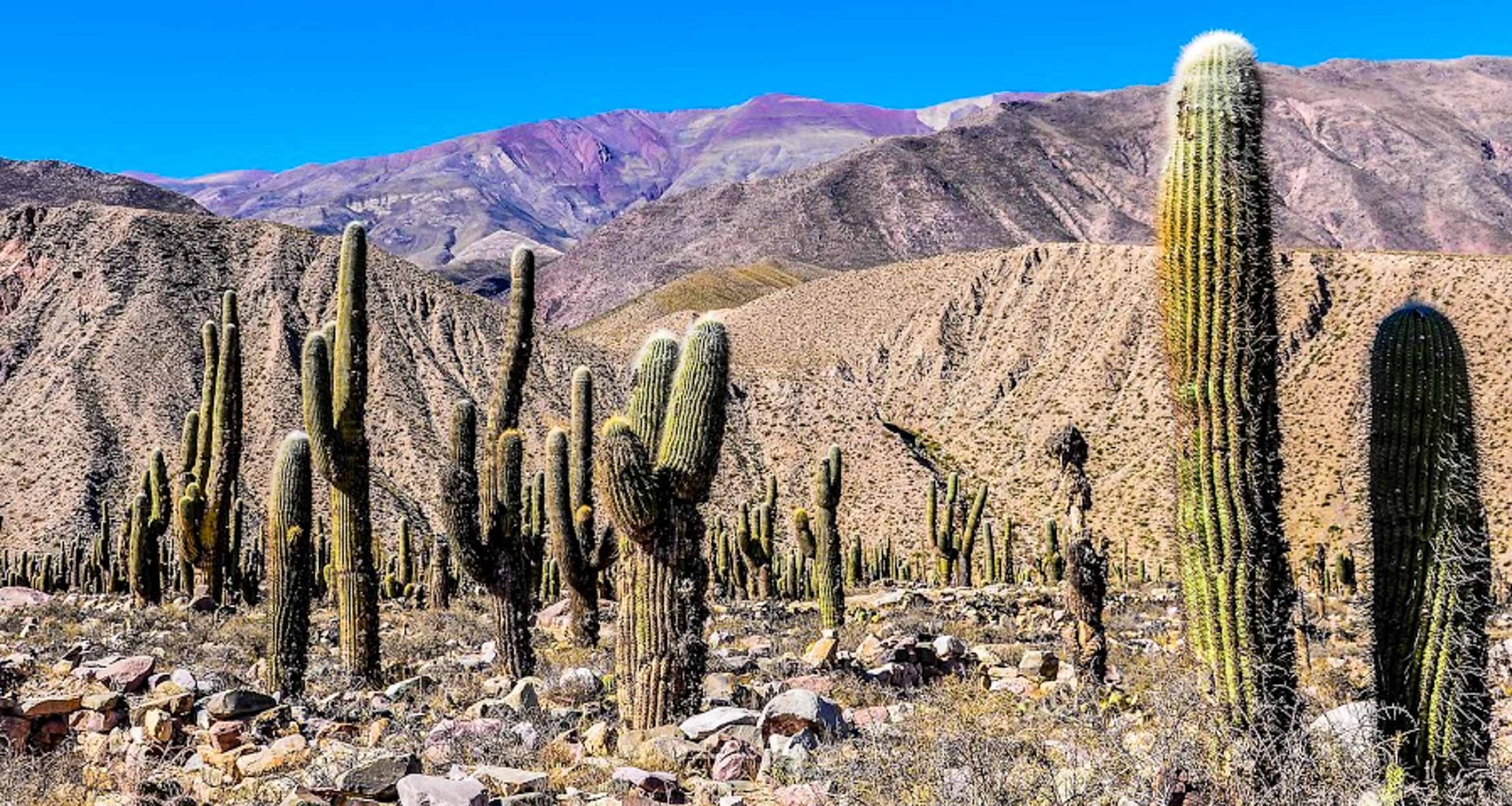
The Pucará is a pre-Hispanic fortified town on a hill above the Río Grande: low stone houses and walls, partly rebuilt, with tall cardón cactus between them. Give it a couple of hours, then the Archaeological Museum in town. Tilcara is bigger than Purmamarca, with more choice at dinner, and the better base for the upper valley. Argentina, Land of Contrast stops here for the fortress.
A small village between Tilcara and Humahuaca, and an easy one to drive straight past. Stop. Its colonial church holds a series of paintings of angels dressed as Spanish soldiers and carrying arquebuses, done in the Cusco school style. Nothing else in the valley looks like them. Wonders of Northern Argentina is the itinerary here that includes Uquía.
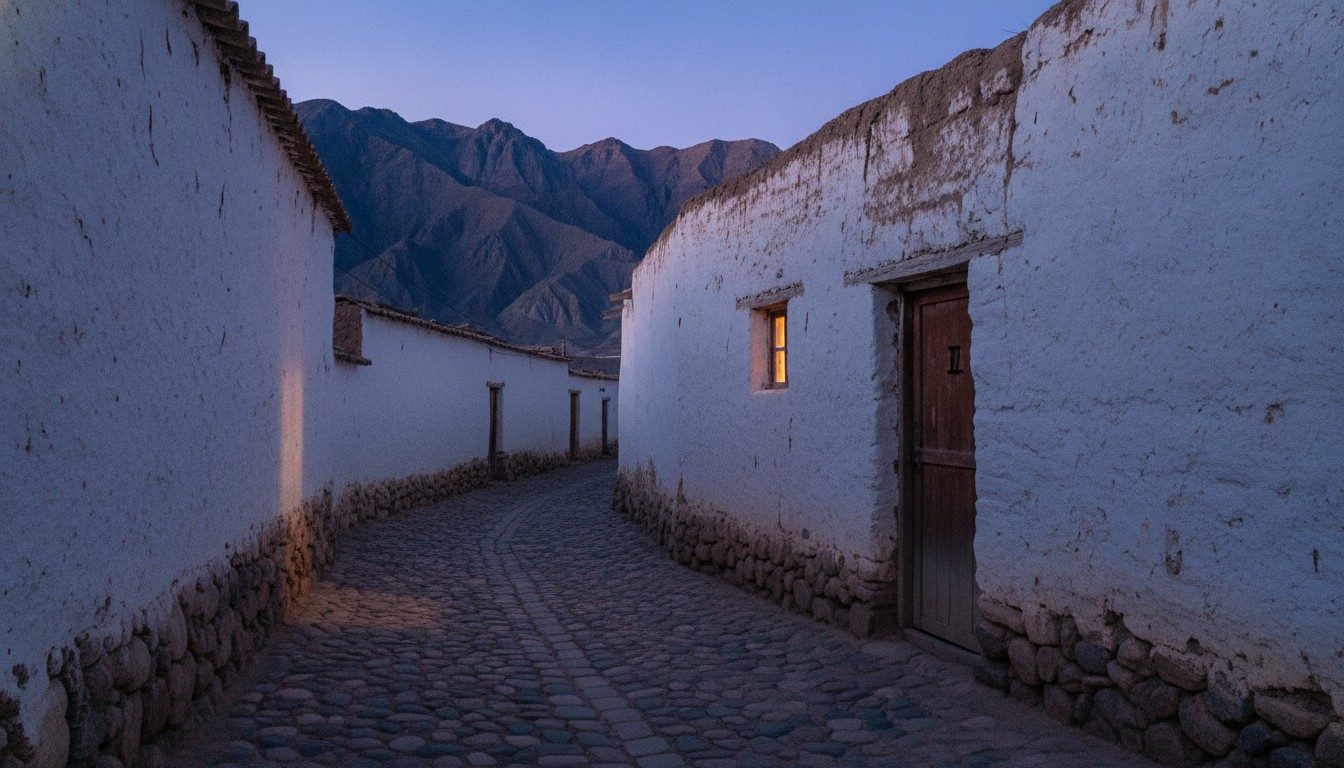
The town the valley is named for, close to 3,000 meters up, with cobbled streets and adobe walls. Stay the night and keep the next afternoon for the Hornocal, the ridge of zigzag color bands east of town. It is in none of our itineraries, so it has to be asked for. The Train to the Clouds itinerary includes Humahuaca.
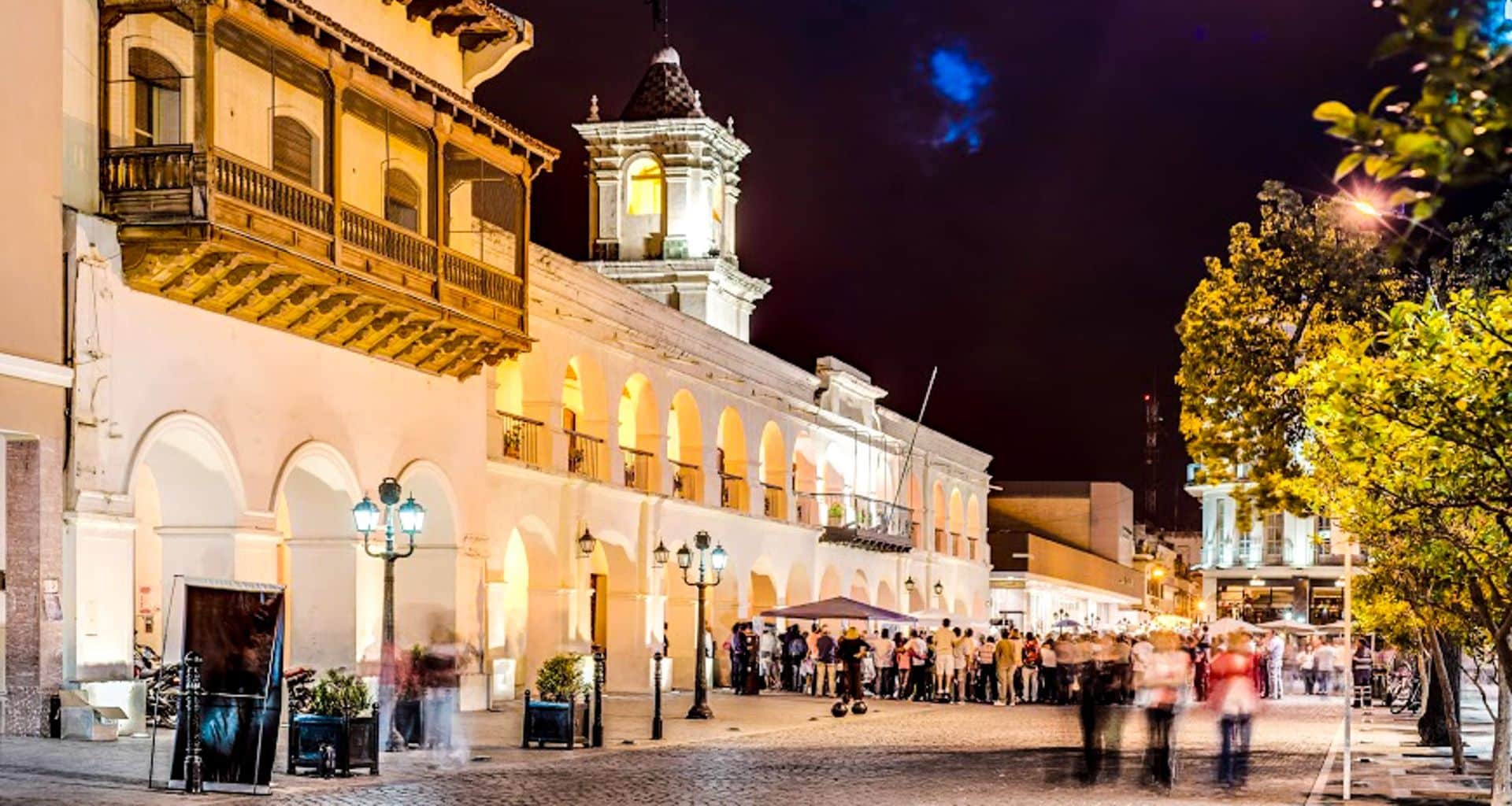
Where most trips into the Quebrada begin. Flights from Buenos Aires land at Salta or Jujuy: Jujuy's airport is closer to the valley, Salta's has more connections and the city more to see. Salta is also the base for the Calchaquí valleys, Cafayate's wineries and the Train to the Clouds, which runs west out of the city and never enters the Quebrada.
For the region around the valley, Salta city, the Calchaquí valleys and the drive south, start with Salta and northwest Argentina. Rail journeys, the Train to the Clouds among them, are on the train tours page. Cafayate and its Torrontés sit under food and wine. For riding, rafting and trekking, look at the adventure trips. The Quebrada is one of Argentina’s UNESCO World Heritage sites, and the whole country starts on the Argentina page.
We settle four things with you before anything is booked. Which village you sleep in, and for how long, depends on whether Salinas Grandes, the Pucará or the Hornocal matters most. The order you climb matters more: a few hours at the salt flats on the way in is fine, but the Hornocal and a night in Humahuaca wait until you have slept lower down. Carnival week fills the beds early, so if your dates touch it, the rooms come first. And the Train to the Clouds never enters the valley. It runs on fixed dates, so we fix that day first and fit the Quebrada nights around it.
Planning a trip to South America? Explore essential travel info including via requirements, safety tips, weather, money, and more so you can focus on designing the perfect adventure!
Yes, and it deserves more time than most people give it. The colored rock lives up to the photographs, and the valley holds what they leave out: the Pucará at Tilcara, the painted angels in the church at Uquía, cobbled Humahuaca, and adobe villages still farming the river flats. Give it two nights and you see all of that. Give it an afternoon and you see the hill.
Yes, in a round trip of about twelve hours, but you trade most of the valley for the drive. The usual version reaches Purmamarca when the light is flattest, makes a short stop in Tilcara and turns around at Humahuaca. Salinas Grandes and the Hornocal do not fit. If you can spare one night, spend it in Purmamarca and the same ground becomes two unhurried days.
Two or three nights in the valley, not counting Salta. Two nights in Purmamarca or Tilcara cover the Hill of Seven Colors, Salinas Grandes, the Pucará and Uquía; a third in Humahuaca adds the town and the Hornocal. The Northern Express, Wonders of Northern Argentina and the Train to the Clouds itinerary are extensions of four to seven days, built to attach to a longer Argentina trip.
April to November, the dry season. The summer months, December to March, are the wet ones, and the rain hits the valley and the roads above it hard, so leave slack in a summer plan. Midwinter has the clearest skies and the coldest nights. Carnival, in February or early March, is the valley's busiest week. Our best time to visit Argentina guide covers the rest of the country.
The valley floor starts around 2,000 meters in the south and reaches close to 3,000 meters, about 9,800 feet, at Humahuaca, and the side trips go higher: Salinas Grandes sits at about 3,450 meters and the Hornocal viewpoint at 4,350, about 14,300 feet. Altitude is mostly a problem when an itinerary climbs too fast. Sleep in Purmamarca or Tilcara first. A few hours at the salt flats on the way in is fine; leave the Hornocal and a night in Humahuaca for later. Walk slowly and drink water. If you have heart or lung trouble, see your doctor first.
It is the Cerro de los Siete Colores, the striped hill that rises directly behind the village of Purmamarca, near the southern end of the Quebrada. The bands are layers of sediment laid down over millions of years and then pushed up and tilted, each colored by different minerals: reds, purples, greens and ochres. It reads one way in morning light and another by late afternoon, and flattest at midday, which is one more reason to sleep in Purmamarca instead of arriving from Salta at noon.
By road from Humahuaca: about 25 kilometers east on provincial route 73, 24 of them on gravel, to a viewpoint at 4,350 meters. Go in the afternoon, when the sun is on the zigzag bands of the Serranía de Hornocal, also called the Cerro de los 14 Colores. None of our itineraries include it, so plan a night in Humahuaca and ask us to add the afternoon. It is the highest point on this page, so leave it until you have had a few nights at altitude.
Thinking of traveling to South America? We take your South American travel dream and make it a reality. Every fully custom South America trip is planned by your own expert personal Travel Consultant.
"*" indicates required fields
Our favorite Argentina tour ideas featuring the best destinations & activities designed to inspire…
Get your FREE Argentina Guide Now!