Argentina is one of the safest countries in South America for travellers, and most visits pass without any trouble at all. The US State Department rates it Level 1 — “Exercise Normal Precautions”, its lowest advisory tier and the same level it assigns to much of Western Europe. The realistic concern here isn’t violent crime against tourists; it’s the same opportunistic pickpocketing and distraction scams you’d guard against in any big city. Here’s how to travel smart and relaxed.
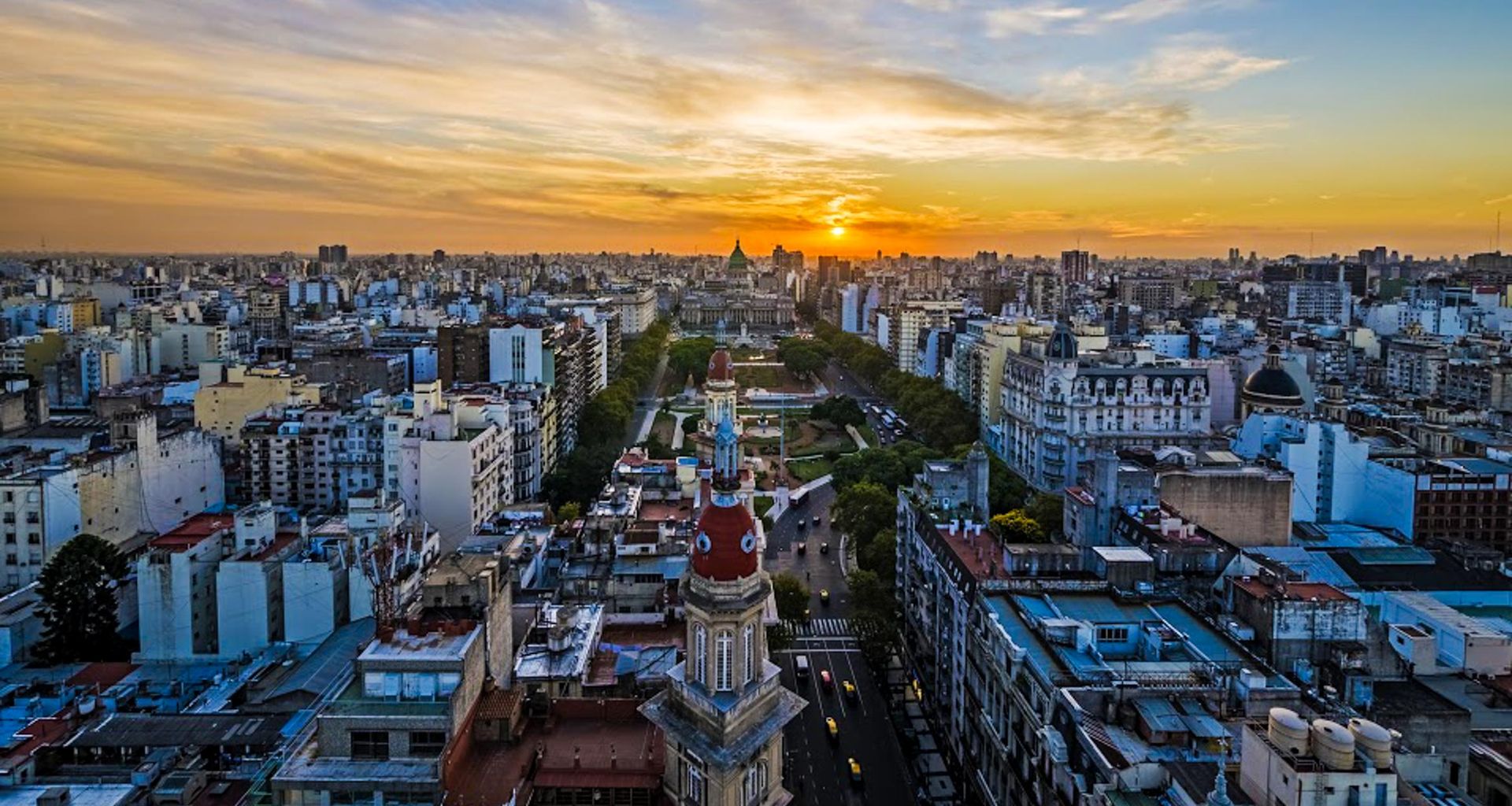
Very. Buenos Aires, Mendoza, Bariloche, El Calafate, Iguazú and the classic tourist circuit are well-travelled and welcoming, and Argentines are famously warm hosts. The main thing to manage is petty theft in crowded urban spots — bus and subway stations, busy pedestrian streets, markets and packed cafés — where bag-snatching and pickpocketing are the most common problems. Keep your wits about you in a crowd and you remove most of the risk.
Thieves here work by distraction rather than confrontation. A few patterns worth knowing:
Leave valuable watches, flashy jewellery and unnecessary electronics at home, carry only the cash and one card you need for the day, and keep your passport in the hotel safe with a photo or copy on your phone.
A couple of Buenos Aires areas call for extra care. La Boca is a must-see for the colourful Caminito, but stay on the tourist streets, visit in daylight, and don’t wander off the beaten path or linger after dark. The area around Retiro station and its nearby informal settlement is best avoided at night. Everywhere else in the tourist core is fine to enjoy in the evening with normal awareness.
For getting around, use official “radio taxis” or a ride-hailing app (Cabify and Uber both operate in Buenos Aires) rather than flagging an unmarked car, and have your hotel or restaurant call a cab late at night. The SUBE card makes the subway and buses easy, but keep your phone and wallet secured during rush hour.
Argentina has a lively protest culture, and marches and one-day transport strikes (paros) do happen, particularly in central Buenos Aires around Plaza de Mayo and the Congreso. They’re rarely aimed at tourists, but they can be large and they can disrupt flights, trains and city transit. Avoid demonstrations as a matter of course, keep some schedule flexibility, and check local news if one is announced.
For full transparency: the city of Rosario, in Santa Fe province, carries a higher Level 2 advisory because of drug-trafficking-related crime. It’s an industrial hub well off the standard tourist trail, so the vast majority of visitors never go near it — but it’s worth knowing if you’re planning independent travel through the region.
For drinking water, follow the US CDC’s general advice for travelers: where tap water might be contaminated, choose factory-sealed drinks and skip the ice. More in staying healthy in Argentina. The nationwide emergency number is 911. No special vaccinations are required for the main tourist regions, though it’s always worth checking current health advice before you fly. As with any trip, comprehensive travel insurance that covers medical care is strongly recommended.
One of the quiet advantages of a guided trip is that the logistics that cause travellers stress are handled for you. On every South America Travel itinerary we arrange your transport, transfers and hotels, and you’re accompanied by professional local guides who know each city, including which corners to enjoy and which to skip. It’s the easiest way to see Argentina with peace of mind.
For official updates, US citizens can enrol in the State Department’s free Smart Traveler Enrollment Program (STEP) and review the Argentina travel advisory; UK travellers can check the FCDO’s Argentina advice.
Ready to explore with everything taken care of? Browse our Argentina tours and travel with confidence.