20+ Years Designing Argentina Cruise & Land Journeys
Argentina cruises center on Patagonia, Tierra del Fuego, and the routes that link Argentina with Chile through the southern fjords and channels. This is not Caribbean-style cruising. The vessels are small, the itineraries are expedition-shaped, and the point of them is coast that is hard to reach overland. Season decides the rest: the main window runs through the austral summer, when conditions around Patagonia and Cape Horn are navigable at all.
Two ports do most of the work. Buenos Aires sits on the Río de la Plata and bookends a large share of South American sailings, and the far-southern departures board at Ushuaia or Punta Arenas, which puts flights, transfers and fixed sailing dates at the middle of the planning. Longer South America cruises touch Argentina as one stretch of a wider continental route. We are not a cruise line and we do not operate ships. What we design is the Argentine half of the trip, before the sailing or after it, and where an itinerary here includes a cruise the ship is the operator’s. Send your sailing dates and we work backward from them.
Argentina Cruise Itineraries
Each of these pairs a southern sailing with the land days on either side of it. The ship keeps its own fixed departure dates; we build the Argentina around them.
Click or Tap your preferences: Destinations & Activities. Be as specific or general as you like – or click Help Me Decide! We’ll spice it with hidden gems & personal tips to create your perfect trip. Need assistance? Contact an expert at +1 (888) 900-5060
Which Argentina Cruise Route Fits You?
Buenos Aires to Tierra del Fuego Cruise
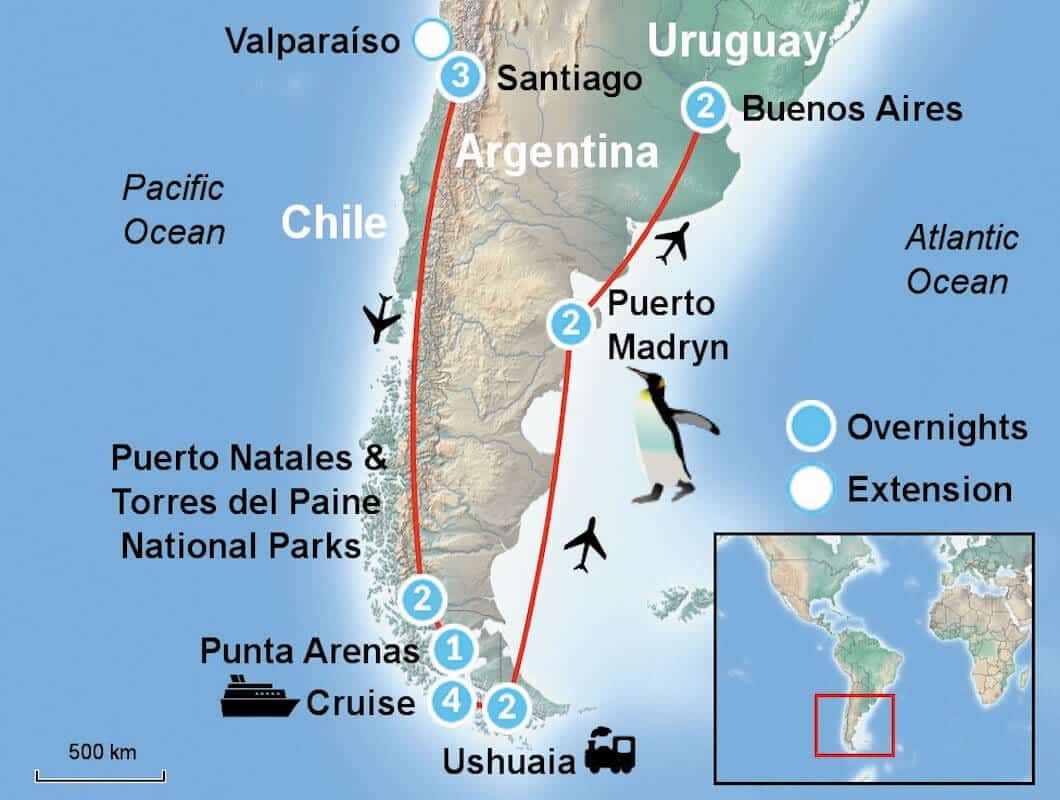
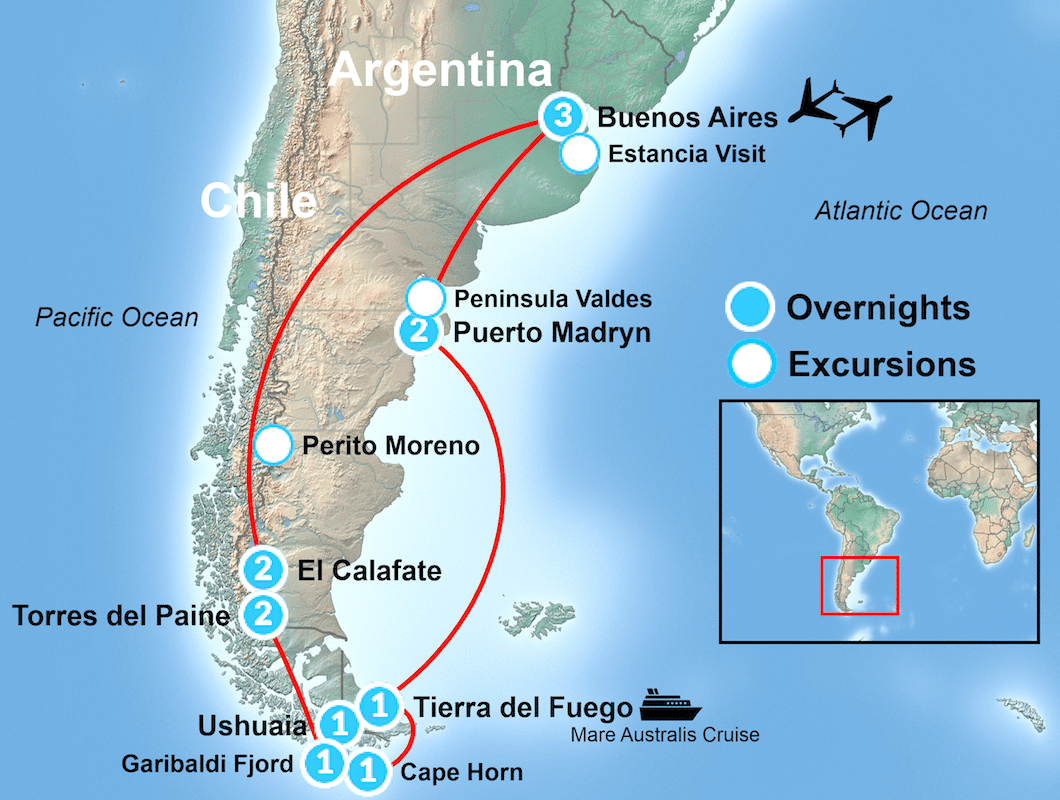
The one that begins in Buenos Aires and stays Argentine as long as it can: the city first, then Puerto Madryn and Península Valdés, an Australis ship through the fjords, and Torres del Paine and the El Calafate glaciers to close. It has to be fitted to Australis departure dates. Take it if the ship is the middle of your trip rather than the whole of it.
Santiago to Buenos Aires Australis Patagonia Cruise
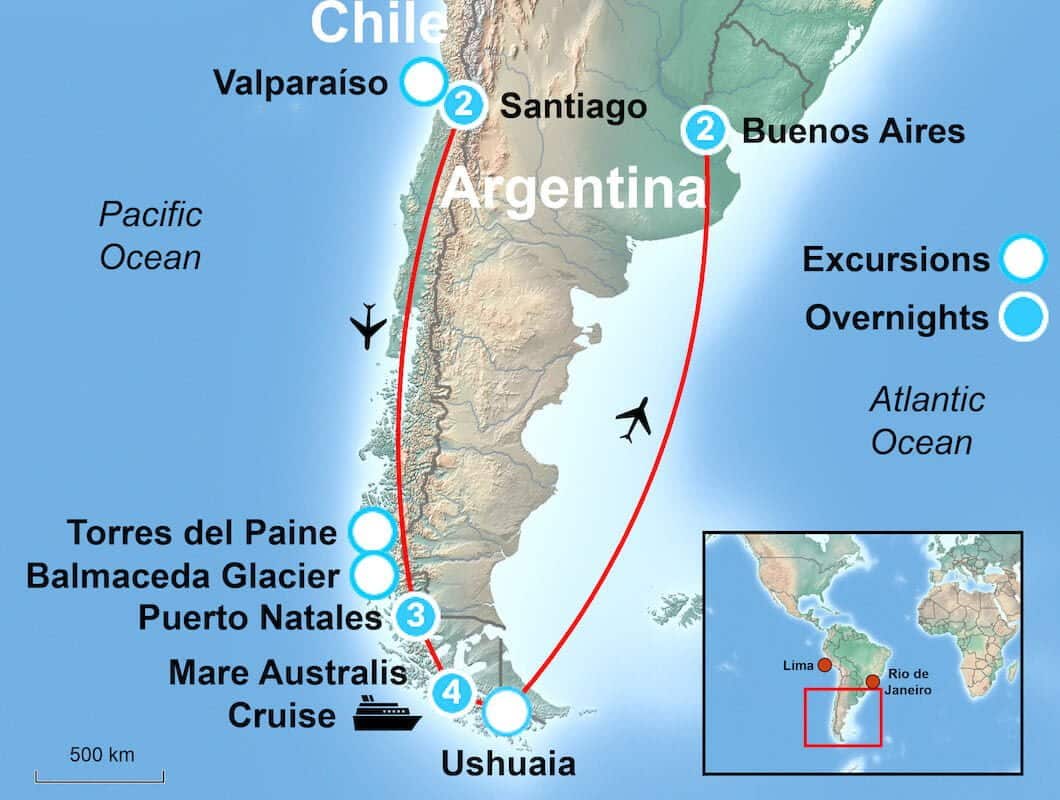
The same water, run the other way. Santiago, then Punta Arenas, which sits 100 km (62 mi) from Torres del Paine, then the ship north to Ushuaia and on to Buenos Aires at the end. The land tour has to start five days before the cruise departs. Choose it if you would rather finish in Buenos Aires than start there.
Patagonia Cruise to Ushuaia, Torres del Paine & Santiago
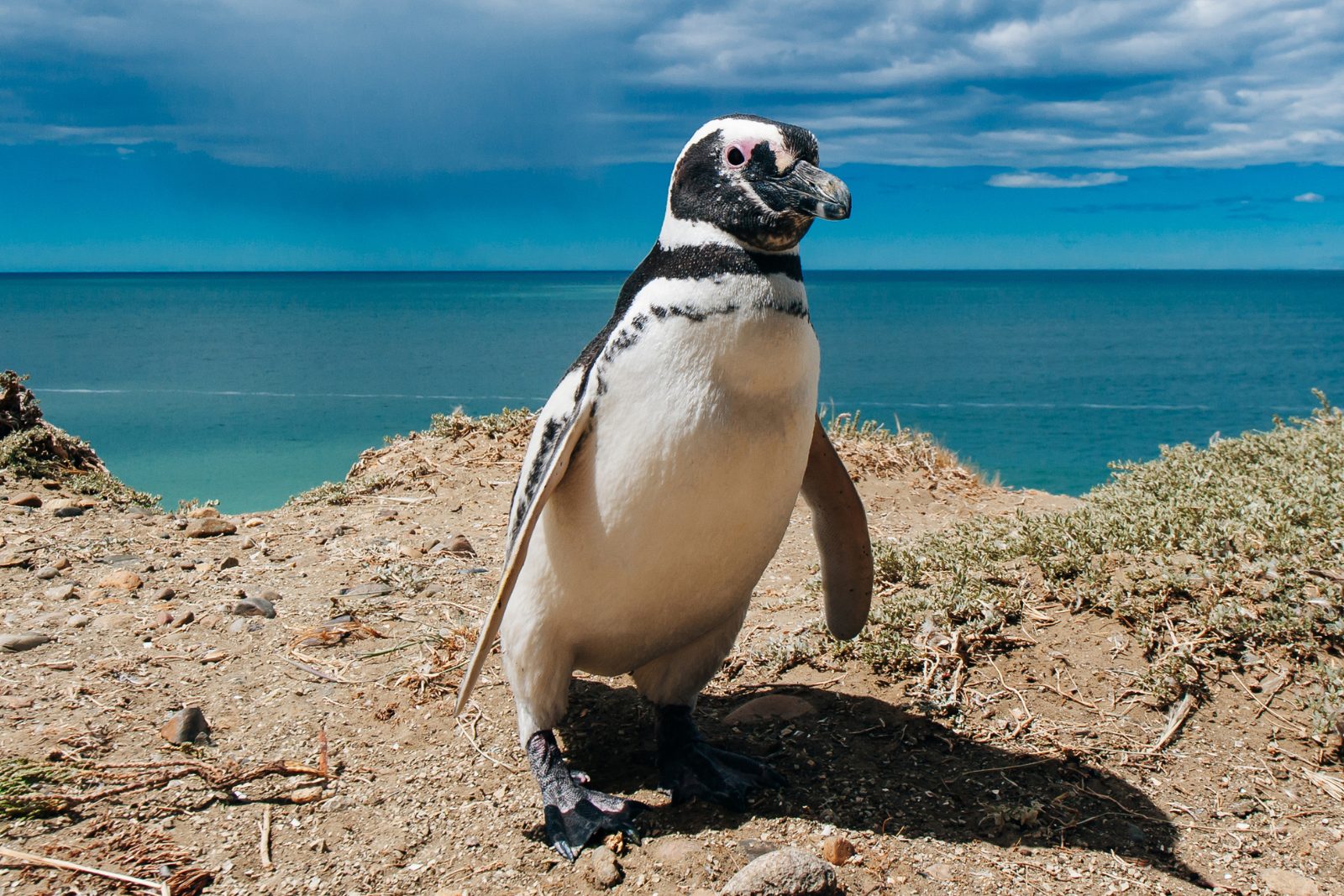
Seventeen days, the fullest version of the route. It takes the same Punta Arenas to Ushuaia crossing, then adds Punta Tombo, a Magellanic penguin rookery, and closes with a tango show in Buenos Aires. This is the itinerary for travelers who want the Atlantic coast as well as the fjords, and who have the time to do both properly.
Patagonia: Australis Cruises Across Fuegian Fjords
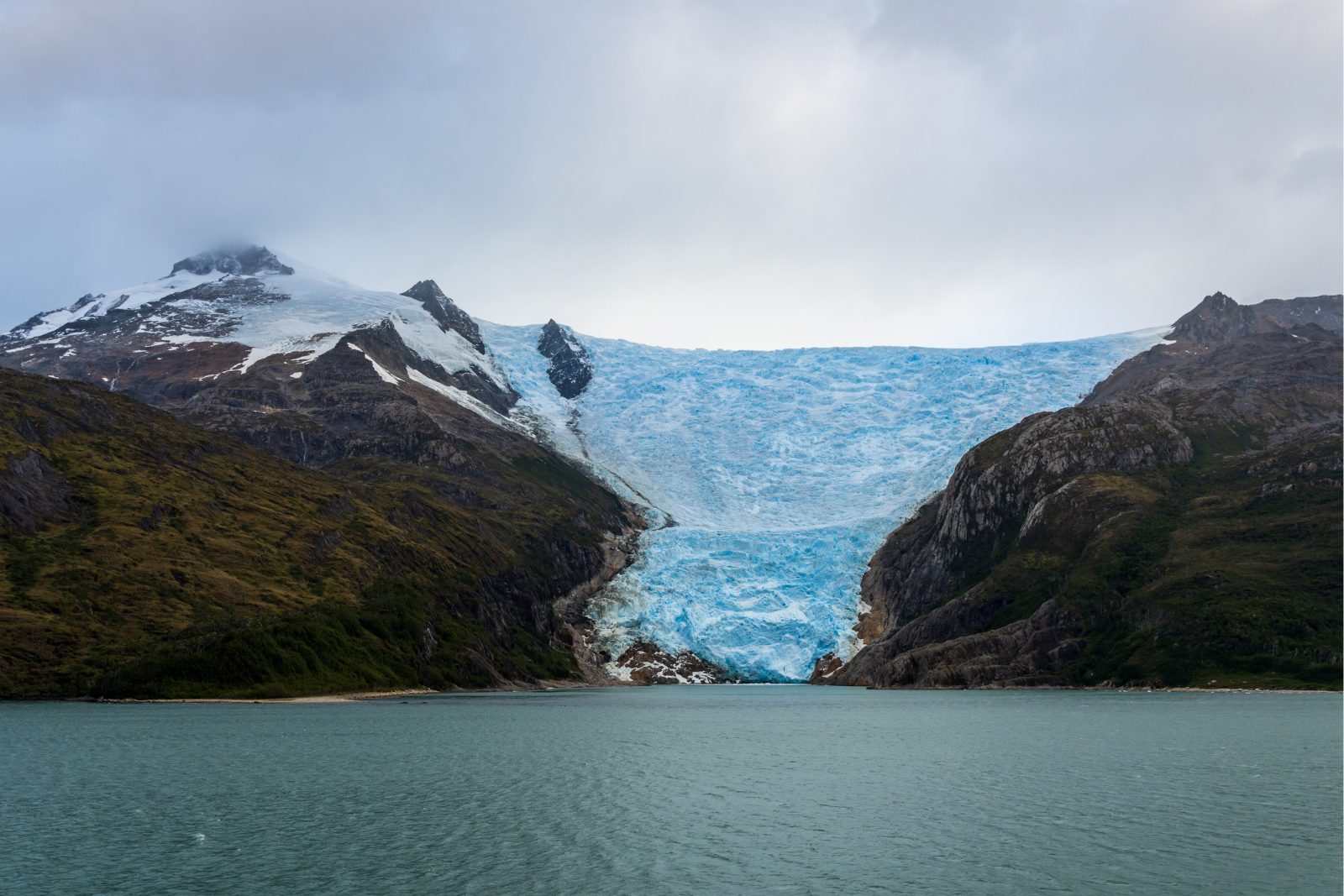
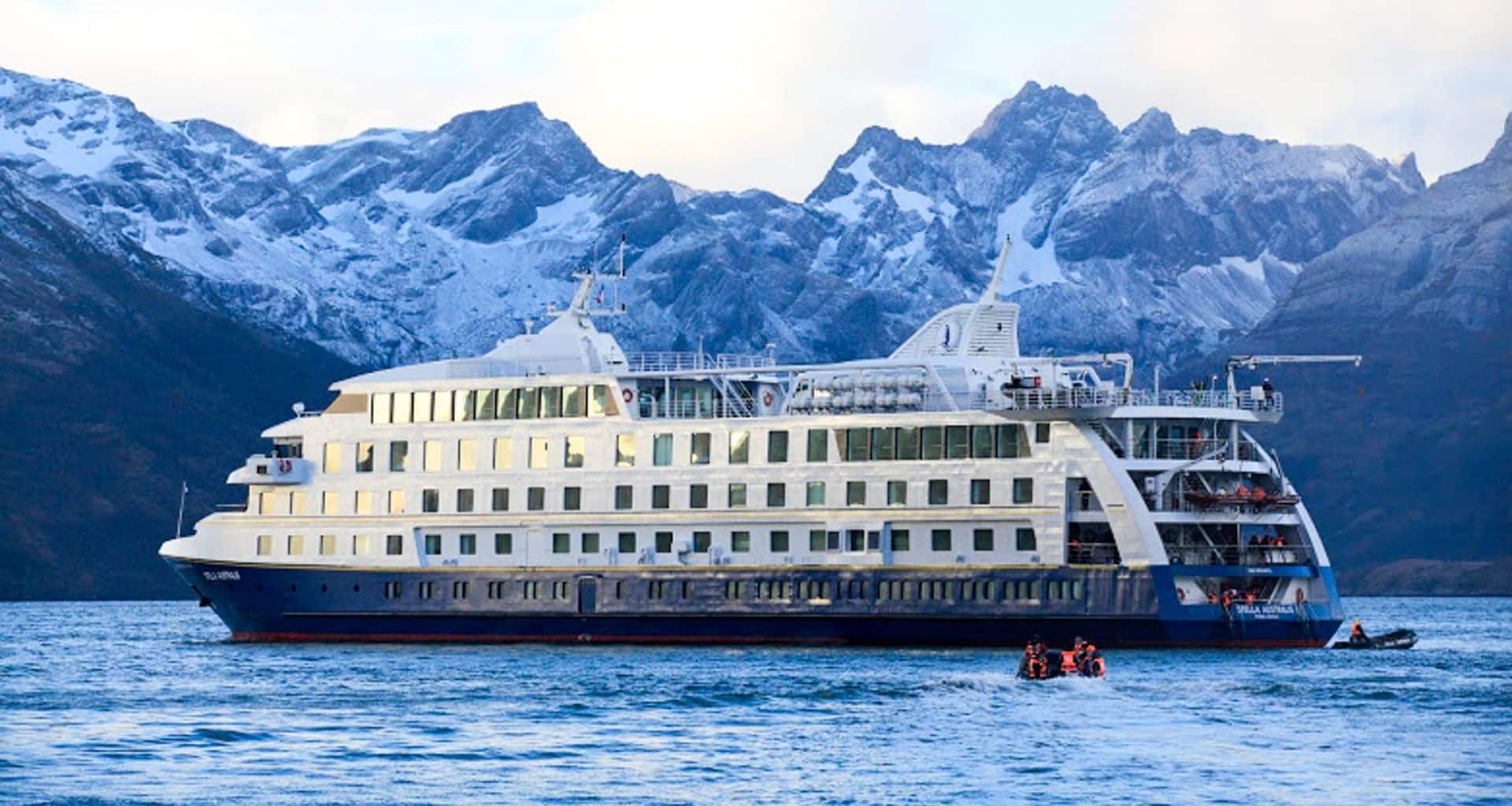
The crossing on its own, with no land program attached. Five days and four nights between Ushuaia and Punta Arenas, through the Strait of Magellan and the Beagle Channel, with Cape Horn National Park, Wulaia Bay and the Pia, Garibaldi and Águila glaciers along the way. Four itineraries, A through D, and you board in Ushuaia. This is the piece the longer trips are built on.
A six-day extension on the Chilean side, out to the San Rafael Glacier. It is not an Argentine sailing and does not pretend to be. It goes on the end of a longer trip, and it suits travelers who have already done the Fuegian crossing and want a second, quieter stretch of water rather than a repeat of the first.
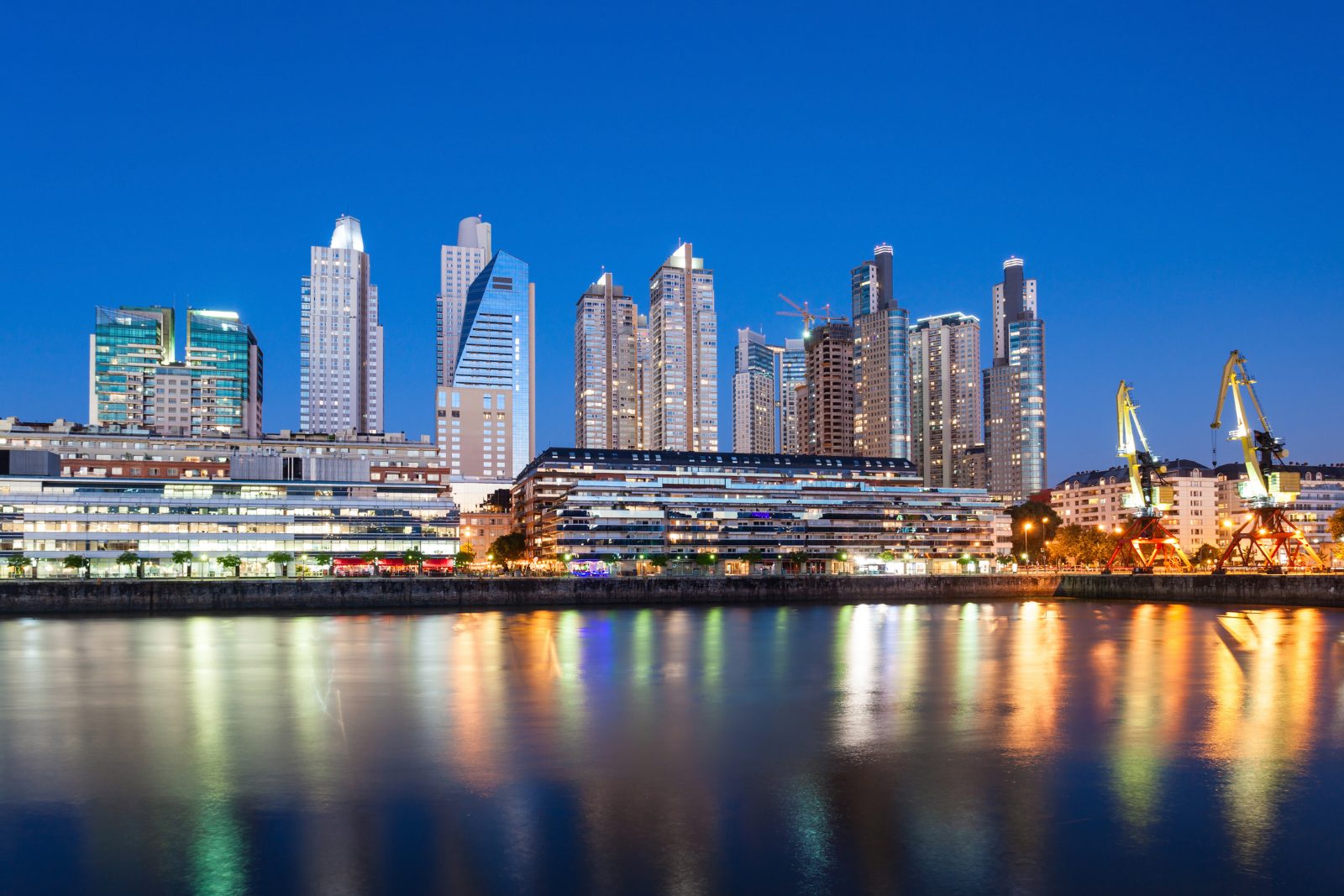
Buenos Aires is the Atlantic end of most South American sailings. Ships work the Río de la Plata through the austral summer, so a route that finishes in Ushuaia often starts in the city, and one that starts in Santiago usually ends there. Either way, the ship gives you a day in Buenos Aires. That is not enough for it.
Three or four nights is closer to right: the neighborhoods, a tango show at night, and time that is not spent in a taxi to the terminal. With a week, the city becomes the hinge for the rest of the country. West to Mendoza and the vineyards under the Andes. Northeast to Iguazú Falls, then back for the ship.
Ask us about the days on either side of your sailing. Give us the dates and the port, and we will tell you what they actually allow before anything gets booked.
Ushuaia, the Beagle Channel and the Fuegian Fjords
The crossing that matters here runs between Ushuaia and Punta Arenas: five days, four nights, through the Strait of Magellan and the Beagle Channel. You board in Ushuaia. There are four itineraries, A through D, and they are not interchangeable, so the one you take decides which landings you get.
What is on that water: Cape Horn National Park, where the promontory is 425 m (1,394 ft) of rock, first sighted in 1616 and a UNESCO World Biosphere Reserve since 2005. Wulaia Bay, a Yámana settlement long before it was anything else, where Darwin came ashore in 1833 off the HMS Beagle. The Pia, Garibaldi and Águila glaciers, and De Agostini Sound. The channel is also a day out of Ushuaia, not only a multi-day voyage. Ushuaia is where Antarctic expedition ships sail from too, and that is a separate trip with its own season and its own vessels: see Antarctica cruises. For the fjord crossing by itself, take the Australis route.
When to Sail in Argentina
The Australis ships run October to March. Outside that window the Fuegian crossing does not happen, and the southern half of an Argentina cruise itinerary goes with it. The season is short because the weather down there is short. Past March the daylight shrinks, the wind gets serious, and the operator stops.
Fixed departure dates are the part most people underestimate. The ship sails on published dates and everything else bends to it. One of the itineraries on this page has to begin five days before its cruise departs, so the land days fall in the right order. That is normal, not a quirk. Pick the sailing first, then build the trip around it.
Farther north on the Atlantic coast the calendar is its own question. Southern right whales gather at Península Valdés from June to December, peaking September to November, which is mostly the wrong half of the year for the Fuegian crossing. October to December is the overlap. Want both on one trip and that is the window you are working in. When to visit Argentina and when to visit Patagonia cover the rest of the year.
Argentina's Cruise Ports
Six places a cruise itinerary actually touches, and what a day at each is worth. No ship calls at all of them, and the ones it skips are usually the reason the land half exists.
1.
Buenos Aires
The Atlantic end of the run, on the Río de la Plata. Ships call here at the start or the finish of a South American sailing, and most travelers are given a single day for it. Three or four nights is the number that works: the neighborhoods, a tango show, and the flights south arranged properly.
The wildlife call on the Atlantic coast. Puerto Madryn is the port; Península Valdés, a UNESCO World Heritage Site, is why you get off the ship. Farther down the coast, Punta Tombo is a Magellanic penguin rookery. A ship's call here is short, so this is the port we most often turn into a night on land.
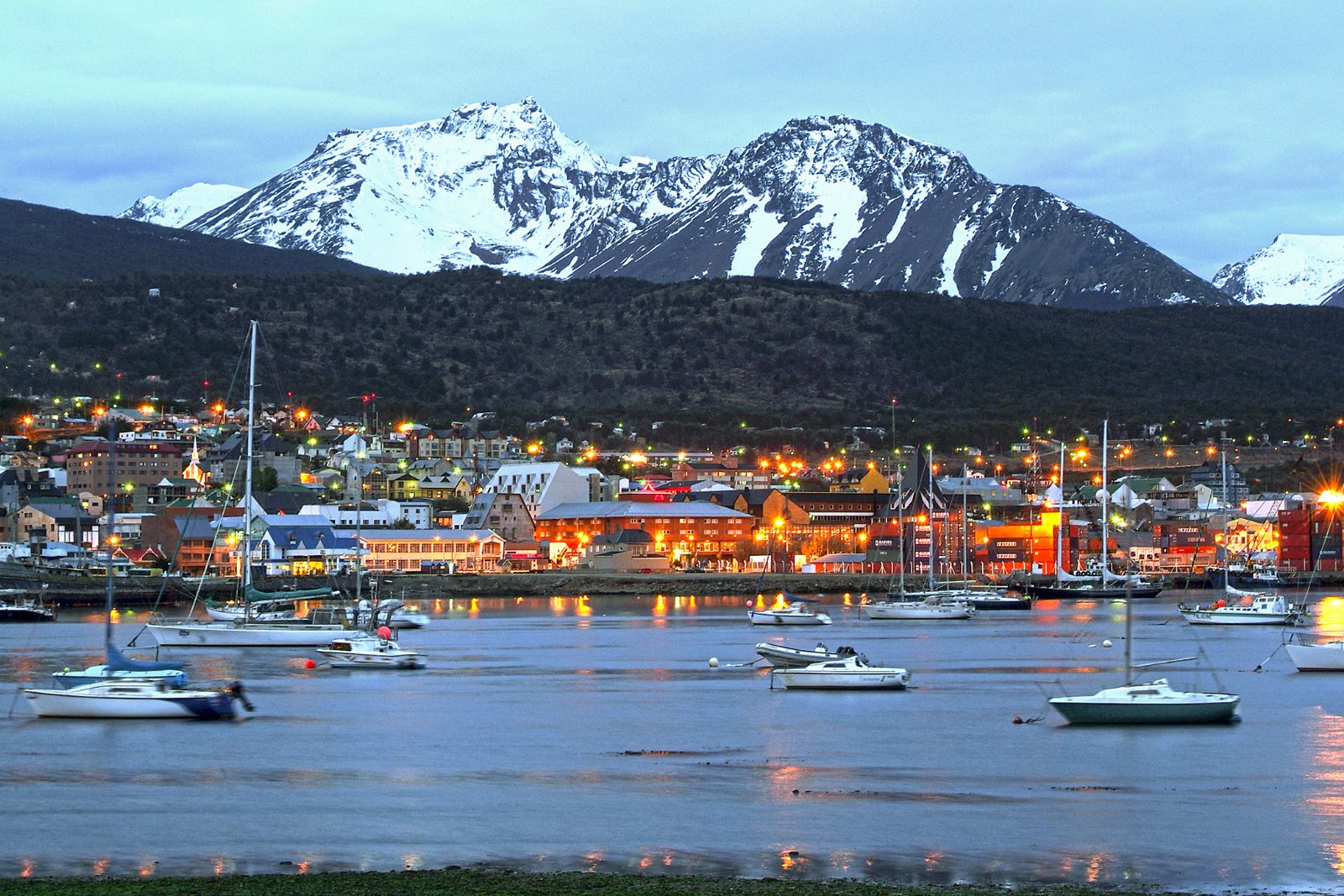
The southernmost Argentine port, and the one everything turns on. Australis sailings board here for the run to Punta Arenas, Beagle Channel boats leave from the same waterfront, and the Antarctic expedition ships use it as well. Flights in are the pinch point, and they are what the rest of the trip gets timed against.
The reason to sail this coast at all. The channel runs west from Ushuaia into the fjords, and Cape Horn National Park sits at the bottom of it: a promontory 425 m (1,394 ft) high, first sighted in 1616, a UNESCO World Biosphere Reserve since 2005. Wulaia Bay, where Darwin landed in 1833, is on the same route.
Not a sea port, but it belongs on a cruise itinerary. Day cruises run from El Calafate out to the Upsala and other Patagonian glaciers, which is the closest thing the country has to a glacier sailing you can do in an afternoon. It sits naturally after the fjords and before the flight back north.
Chilean, and the other end of the Australis crossing. Punta Arenas is 100 km (62 mi) from Torres del Paine, which is why it is where the Chilean half of a Patagonia itinerary attaches. A sailing that leaves Ushuaia arrives here, and the reverse, so an Argentina cruise almost always has Chilean days inside it.
A cruise is one chapter of the trip. Buenos Aires is where most of them begin or end, and Península Valdés is the wildlife worth giving real days to rather than a shore call. Mendoza pairs well with a sailing that finishes in the capital, and the train journeys and adventure trips cover the country away from the water. Couples tend to look at the honeymoon routes; if where you sleep is the point, see the lodges.
Why Plan Your Cruise Days with Us
Get to Know Us
Argentina travel content reviewed by Juergen Keller, Co-Founder & CEO
You booked the ship somewhere else. Good. The part that goes wrong is never the ship, it is everything touching it: a flight into Ushuaia that lands the morning the boat leaves, a transfer nobody arranged, an itinerary written as though Punta Arenas were next door to Torres del Paine instead of 100 km away.
We build the land half against your sailing’s fixed dates, with slack where a delayed connection would otherwise cost you the cruise. When an operator moves a departure, the land days have to be rebuilt around the new one, and that is our work rather than yours. More than twenty years of doing exactly this.
Download our FREE Argentina Travel Guide and get inspired to travel to Argentina. Browse through 30 pages of travel planning tips and ideas, pictures of Argentina, and adventurous tours. This e-book is a great resource for planning your Argentina dream vacation.
Planning a trip to South America? Explore essential travel info including via requirements, safety tips, weather, money, and more so you can focus on designing the perfect adventure!
Argentina Overview
Argentina Holidays
Argentina Recommended Hotels
Money in Argentina
Languages of Argentina
Safety in Argentina
Staying Healthy in Argentina
Argentina Travel Insurance
Internet & Calling in Argentina
Argentina Packing List
Argentina Visa Requirements
Argentina Flights
Argentina Food: Asado, Malbec and the Culture Behind the Table
Argentina Articles
Weather in Argentina
Argentina Cruise FAQs
Which Argentine ports do cruise ships use?
Three of them matter. Buenos Aires on the Río de la Plata, at the Atlantic end of most South American routes. Puerto Madryn, which is the way in to Península Valdés. And Ushuaia in the far south, where the Fuegian crossings board. Punta Arenas comes up constantly as well, but it is Chilean. Which of them your ship uses decides where the land days can go.
When is the best time to take an Argentina cruise?
October to March. That is the Australis operating season for the Fuegian fjord crossing, and it is also when conditions in the far south allow the landings an itinerary promises. The window is short and the departures are on fixed published dates, so the sailing is the first thing to settle and the rest of the trip follows it. Book earlier than feels necessary; the season is short and the ships are small.
Can you plan the land half of a cruise we booked ourselves?
Yes. Send us the ship, the ports and the sailing dates, and we will look at the Argentine days around them, before the cruise or after it. We work backward from the day you board, because that date does not move and everything else does. What it ends up looking like depends on your ports and how many days you have, so give us the dates first and we will tell you what is possible.
How do Antarctica cruises from Ushuaia work?
They leave from Ushuaia and cross the Drake Passage, which takes about two days each way, then spend a few days on the continent before returning to Argentina. It is a separate trip with its own ships and its own season, not a longer version of a Patagonia sailing. Our Antarctica cruises page has the itineraries and the timing.
Is the Beagle Channel a day trip from Ushuaia?
Yes. The channel begins at the city, so you do not need the five-day crossing to get onto it, and boats go out from the waterfront and are back the same day. The Australis crossing is a different thing, running west and south through the fjords to Cape Horn and Punta Arenas.
Do you sell the cruise itself?
No. We are not a cruise line and we do not operate ships. What we design is the itinerary around the sailing: the land days, the flights that get you to the port on time, the transfers and the hotels. Where an itinerary on this page includes a cruise, the ship is the operator's and the trip built around it is ours. If you have already booked a berth, that is fine, and usually simpler.
Your Experts in Argentina!
Let’s Design Your Perfect Argentina Trip
Send us your ship, your ports and your sailing dates, and we will design the Argentine days around them. More than twenty years of fitting land itineraries to fixed departures, on the Río de la Plata and at the bottom of the continent.
We Love to Talk About South America Trip Ideas!
Thinking of traveling to South America? We take your South American travel dream and make it a reality. Every fully custom South America trip is planned by your own expert personal Travel Consultant.
"*" indicates required fields
Argentina Travel Guide
Our favorite Argentina tour ideas featuring the best destinations & activities designed to inspire…

 +1 (888) 900-5060