20+ Years Designing Argentina Estancia & Lodge Stays
A lodge stay in Argentina is not a hotel night in a city. It is one property, booked as the trip, usually two or three nights, with the guided activity and most meals built into the stay and nothing else on the schedule.
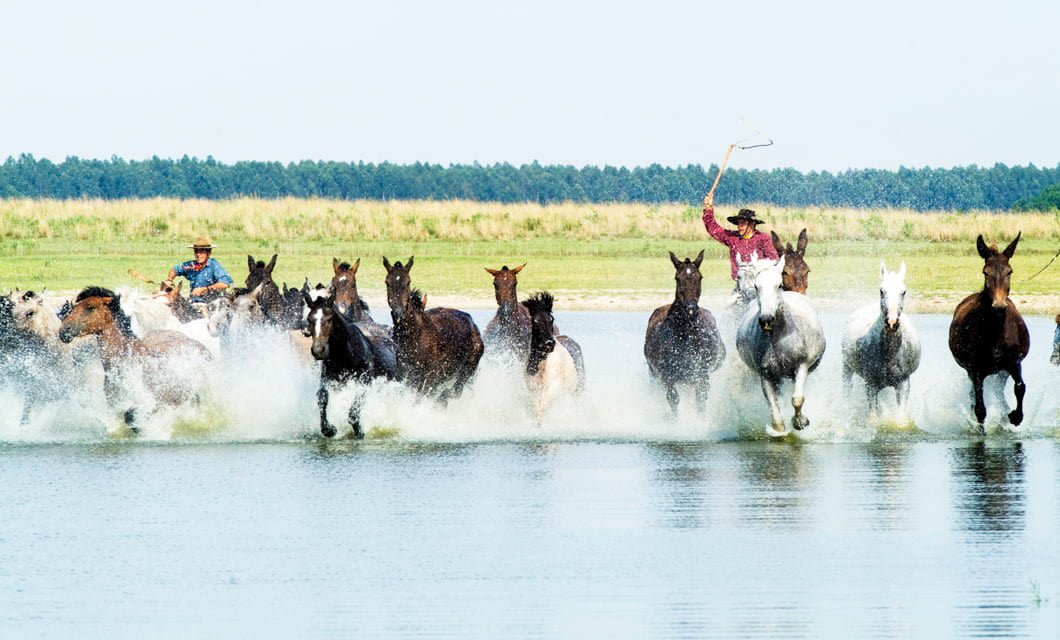
We book five of them. A wine lodge in the vineyards of Luján de Cuyo. Two properties in the glacier country around El Calafate, one of them with no road to it. An ecolodge in a rainforest reserve 80 km inland of the Iguazú Falls. And a working cattle estancia in the Corrientes wetlands, where what you do on day two depends on what the gauchos are doing with the herd.
They suit travelers who have settled the route and now want to stop moving in one place. Riders, birders, wine drinkers, families who need a pool and a horse more than another museum. The itineraries below are something else: longer Argentina trips that happen to include a lodge or estancia night.
Itineraries With a Lodge or Estancia Night
These are full itineraries that include a night at a lodge or estancia, not the properties themselves. The five we book as stays on their own are listed below.
Click or Tap your preferences: Destinations & Activities. Be as specific or general as you like – or click Help Me Decide! We’ll spice it with hidden gems & personal tips to create your perfect trip. Need assistance? Contact an expert at +1 (888) 900-5060
Five Stays You Can Book on Their Own
Cavas Wine Lodge
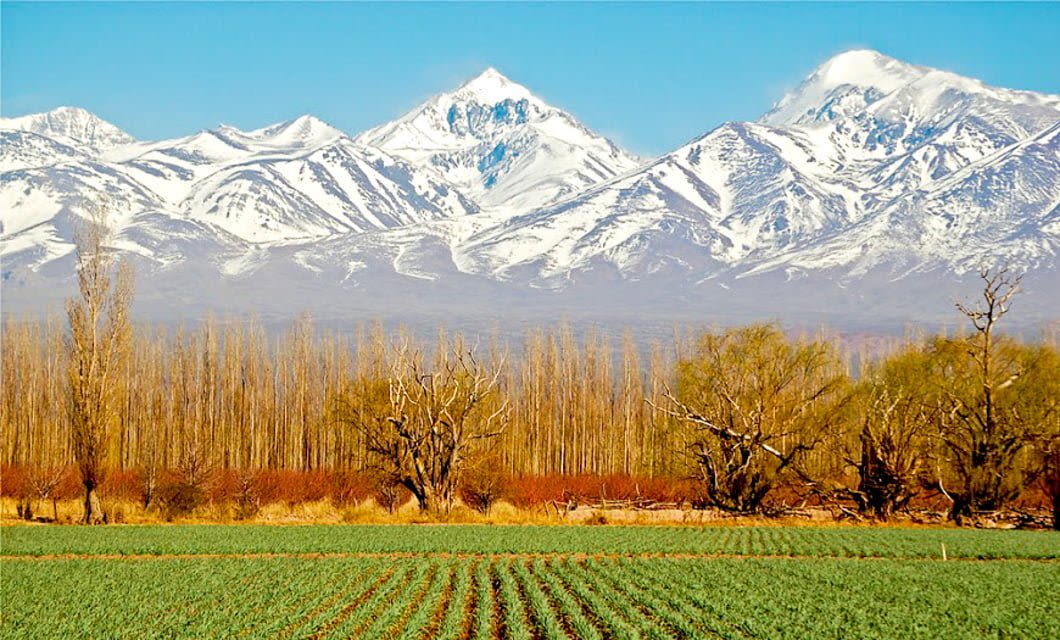
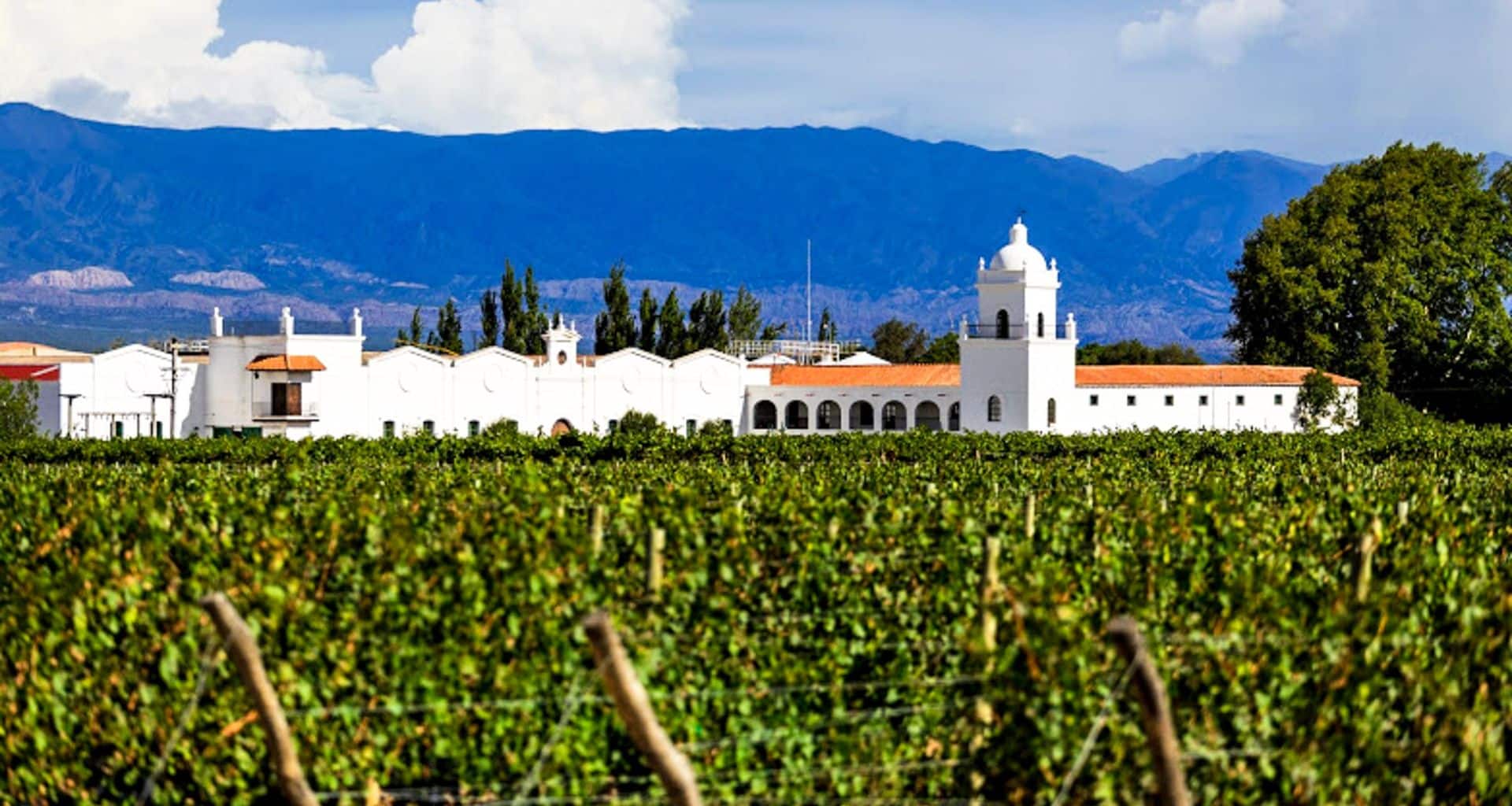
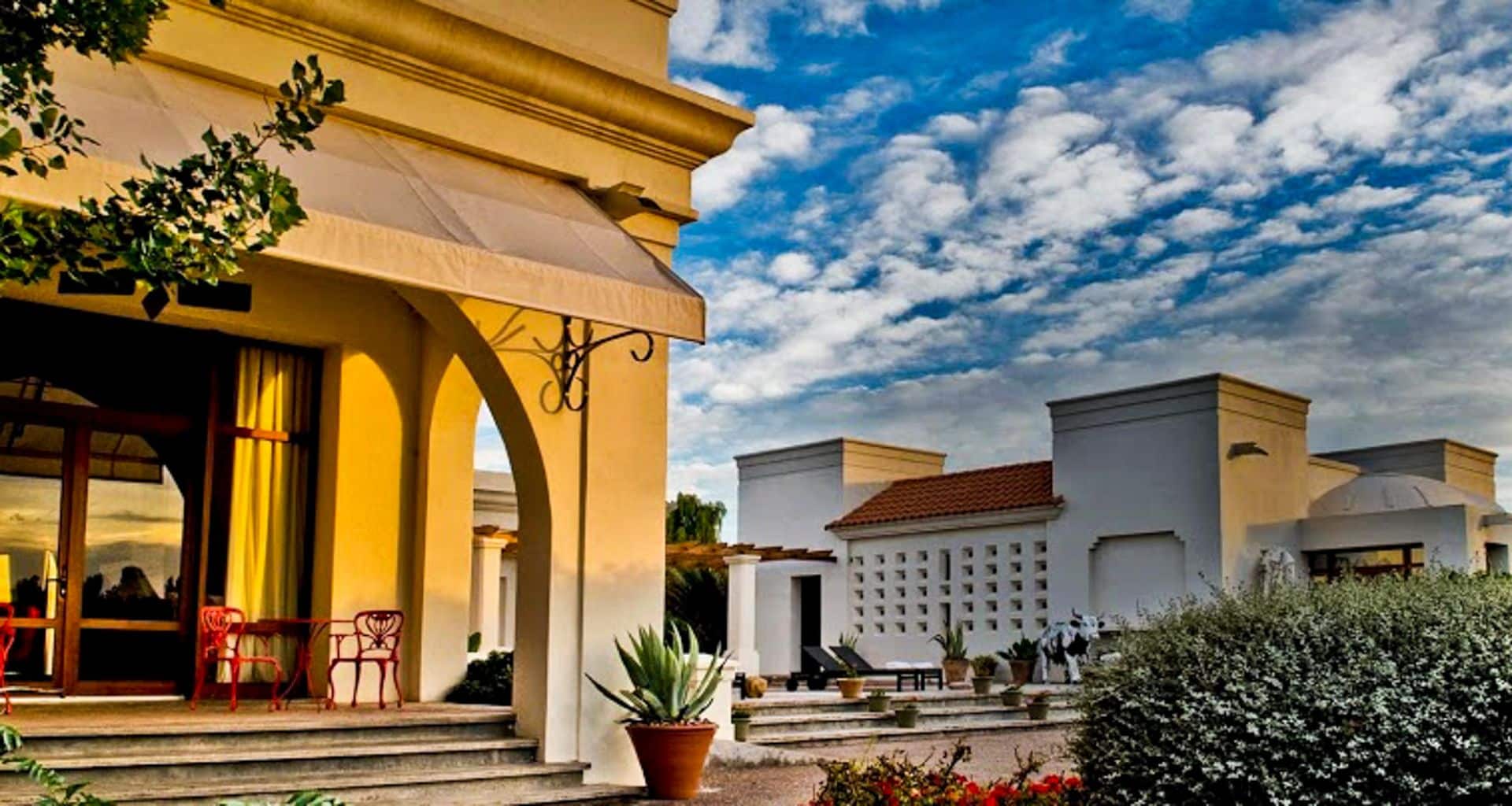
A Relais & Chateaux lodge standing in the vineyards at Luján de Cuyo, with two full days of bodega visits, lunch at the wineries and a cellar tasting with the lodge sommelier. It suits wine drinkers who want the Andes out the window and an afternoon at the spa, not a bus full of tasters.
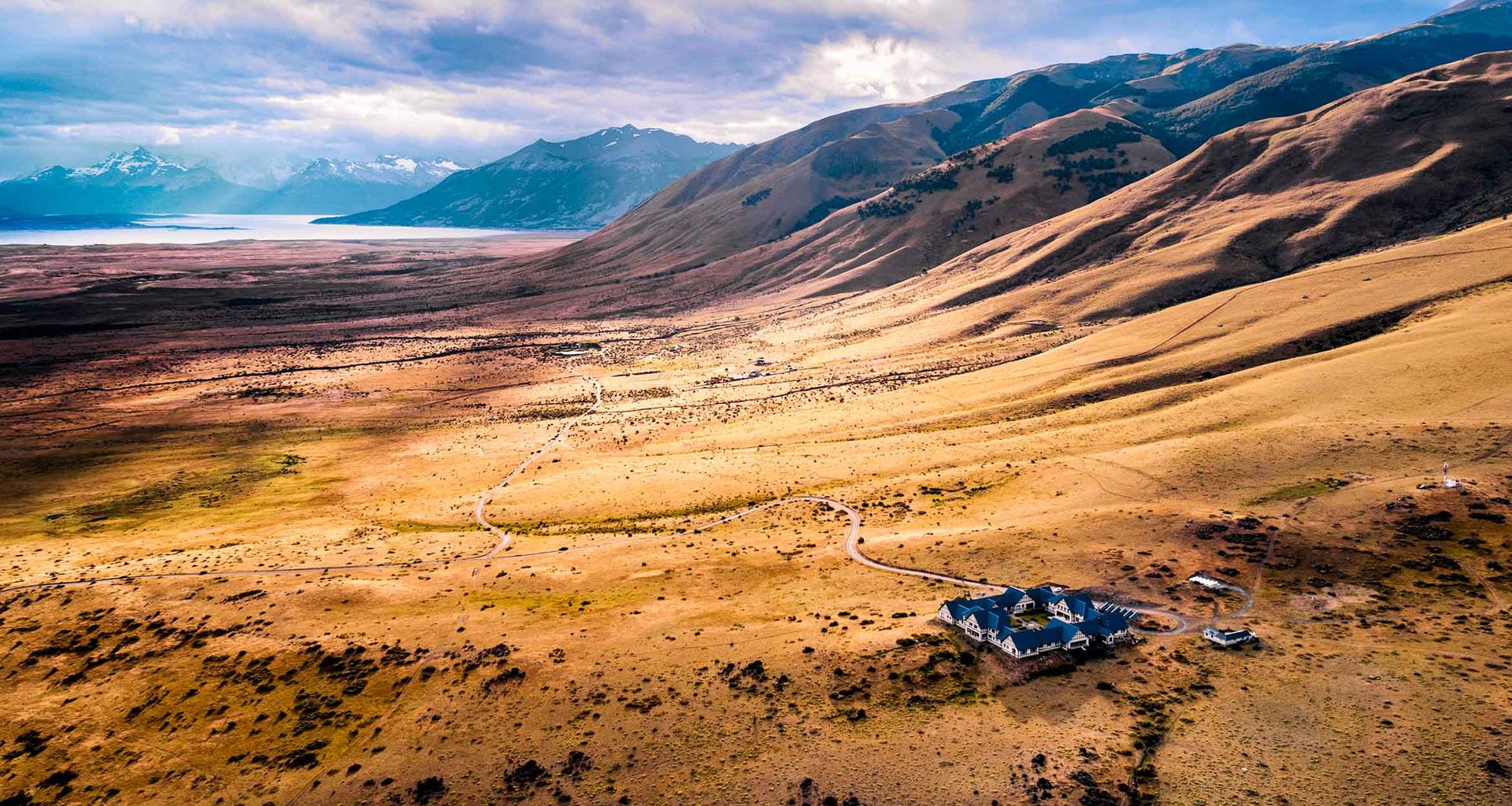
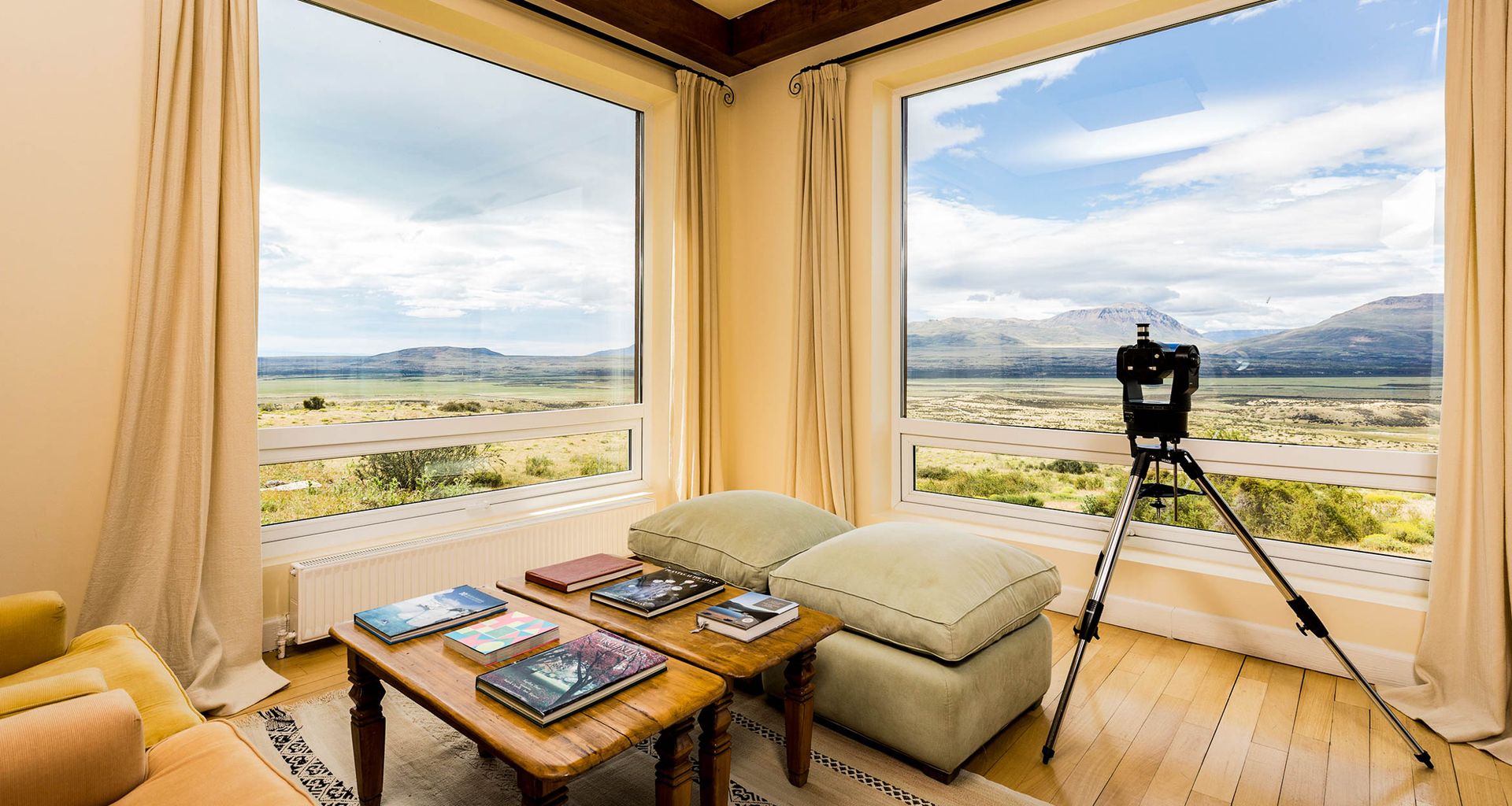
A lodge on 3,000 acres of La Anita Valley, half an hour by road from El Calafate airport, full board, with private guides for trekking, biking and bird watching on the property itself. Good as the pause either side of Perito Moreno, which is booked as a separate excursion.
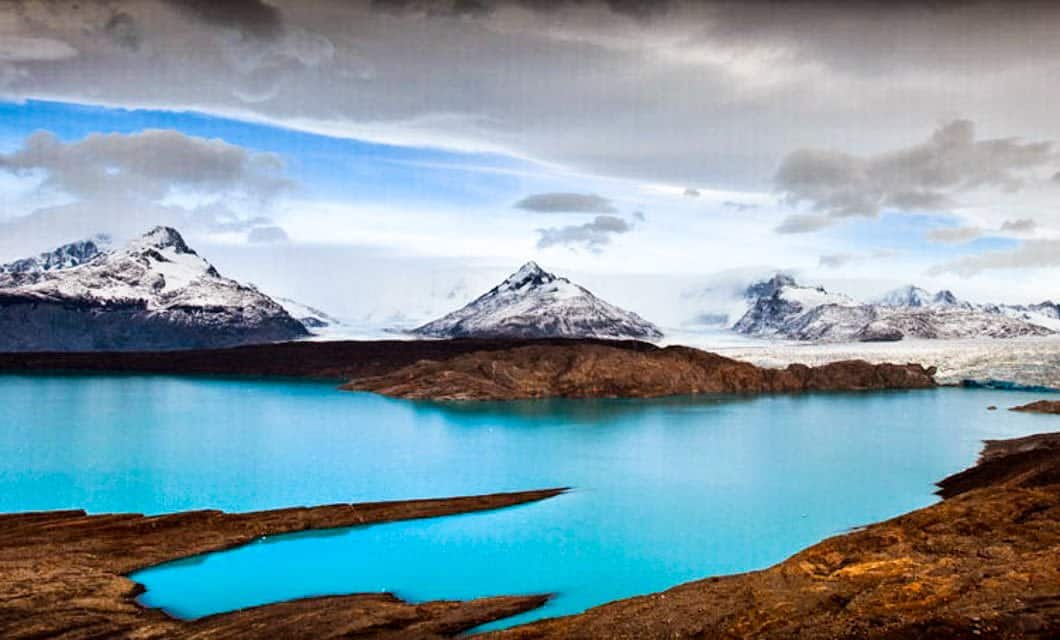
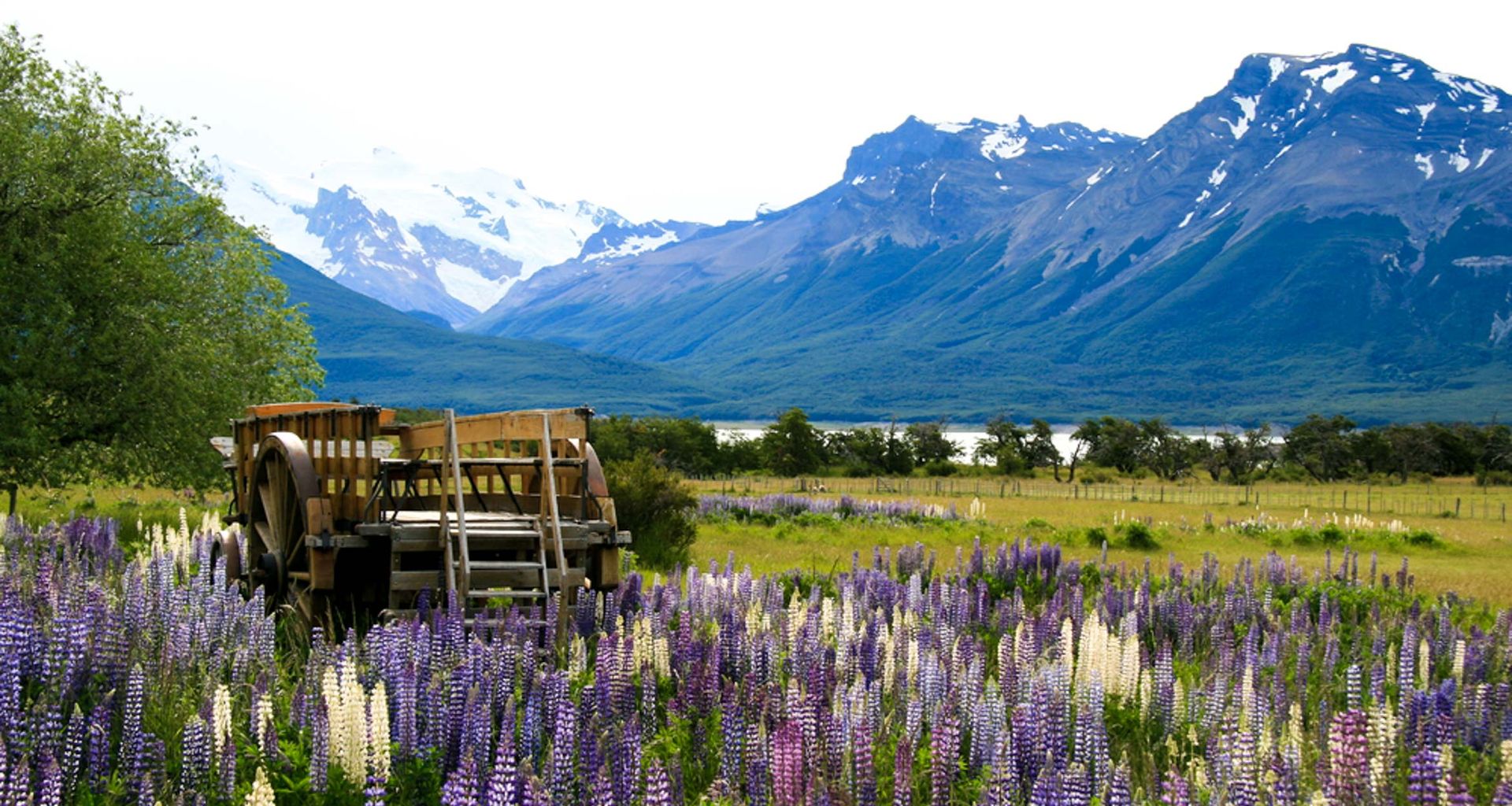
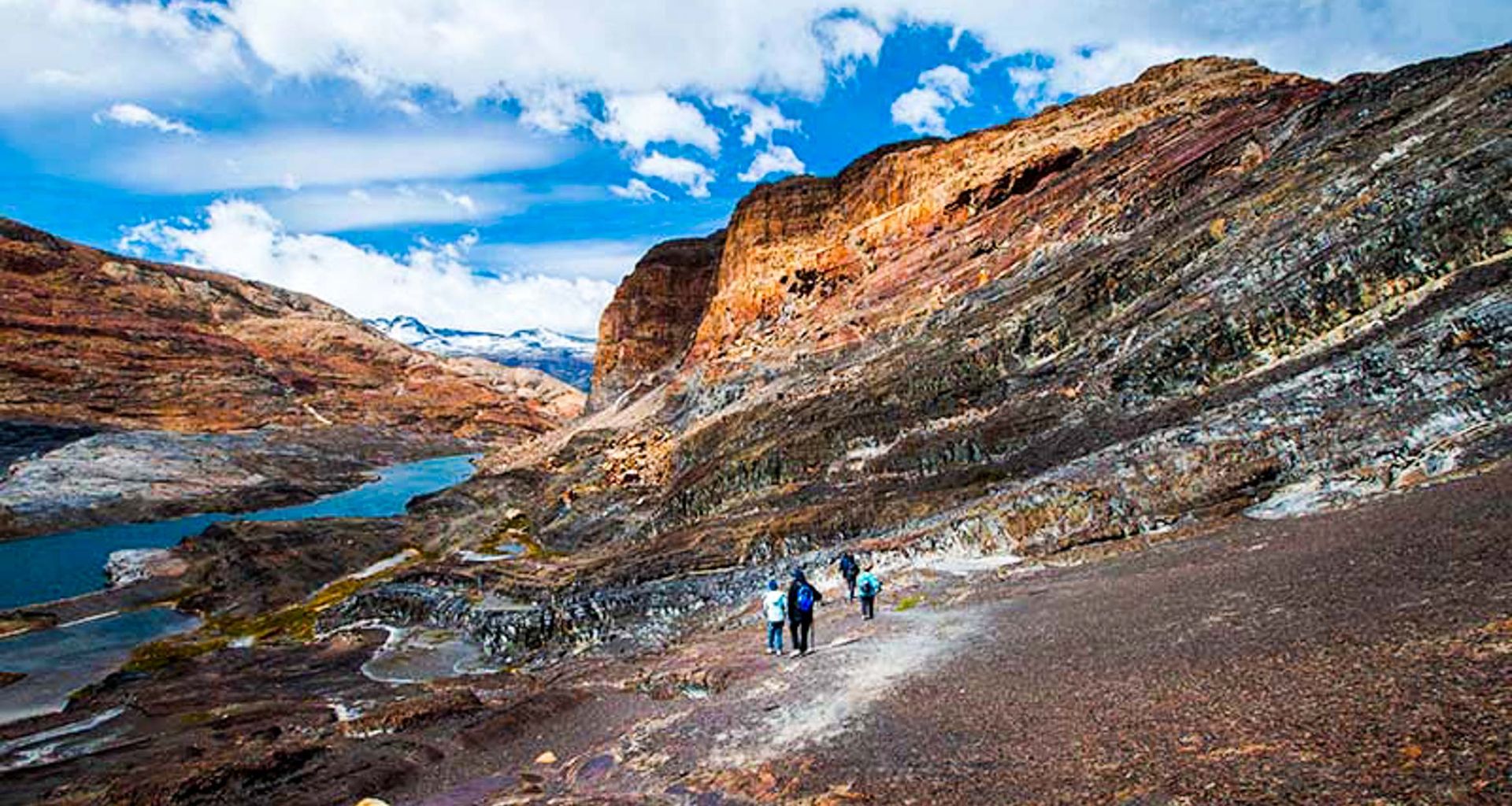
Reached only by boat across Lake Argentino, inside Los Glaciares National Park, with a 4WD climb to a viewpoint over the eastern front of the Upsala Glacier that belongs to the estancia alone. For travelers willing to trade easy access for two quiet nights under hanging glaciers.
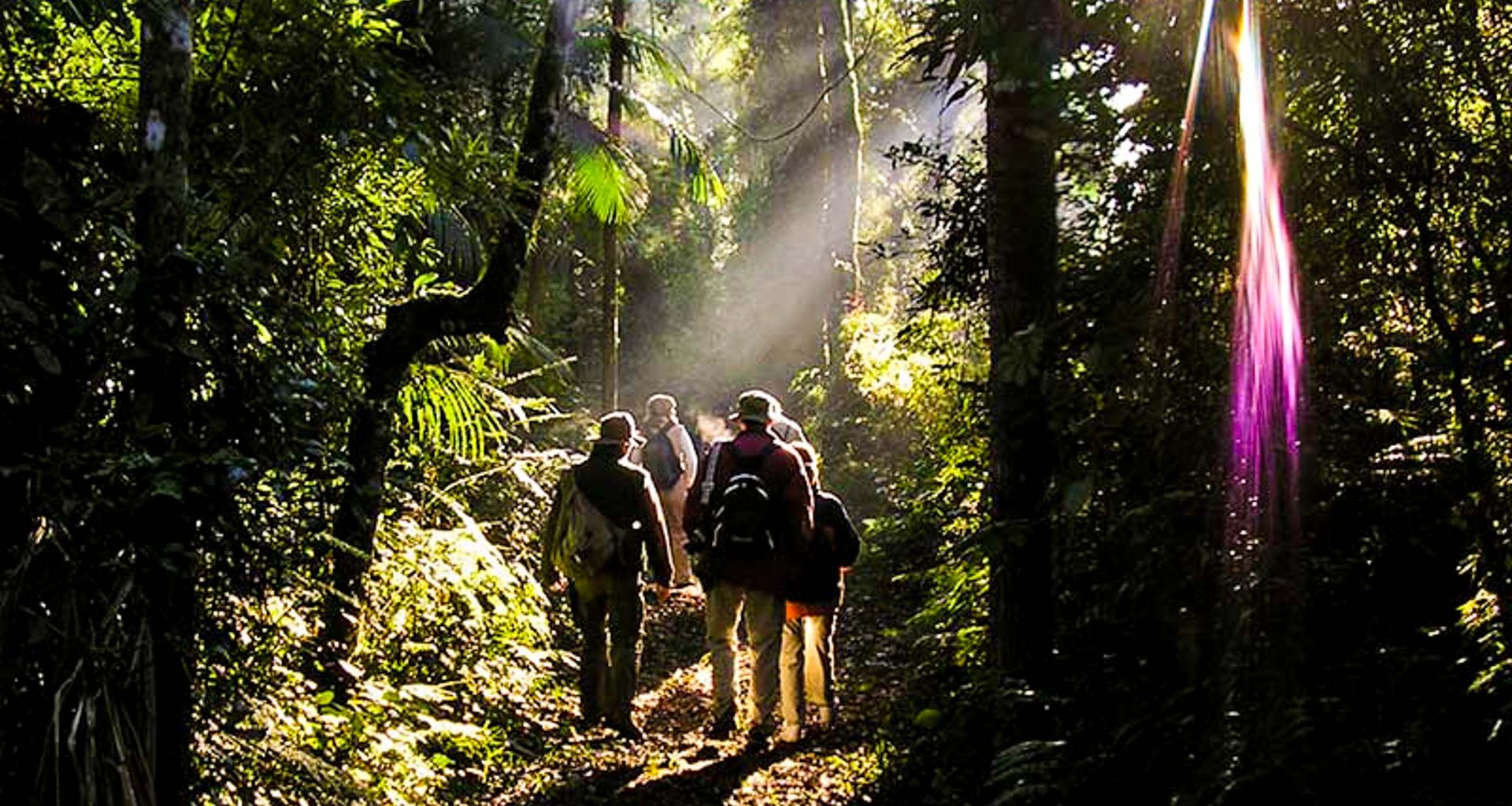
A reserve of Atlantic rainforest 80 km from Puerto Iguazú, with early-morning kayaking on the San Francisco stream, guided forest walks and a night walk. The van leaves Puerto Iguazú at 2 pm with a group of eight to twelve, so the Falls day has to be built around it.
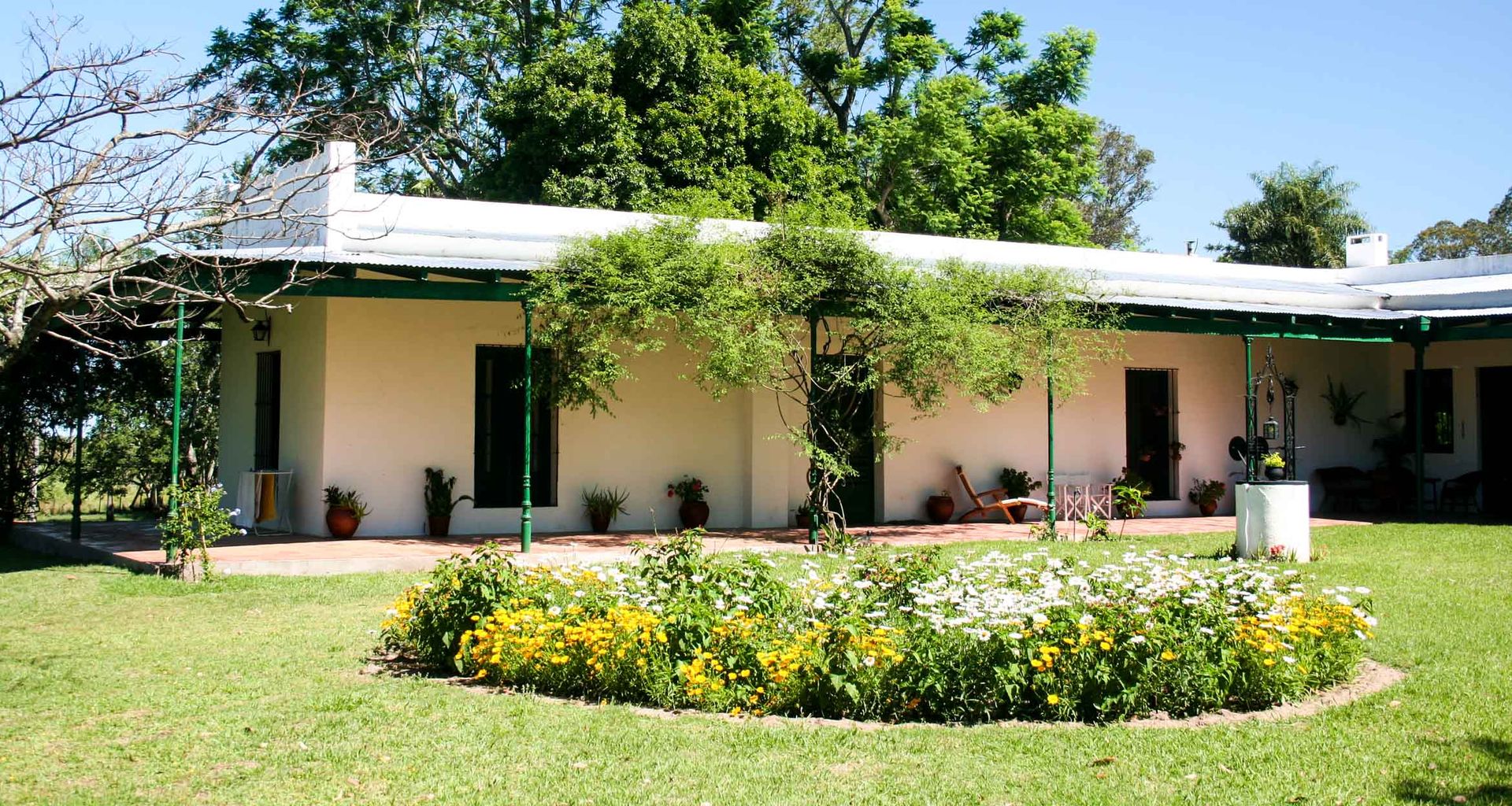
Seven suites in a late-19th-century rural mansion at Esquina, in Corrientes, 600 km north of Buenos Aires. The days are a gaucho's: cattle work on horseback across 4,000 hectares of lagoon and native forest, or poling a canoe through the Pucu Estuary past capybaras and yacaré caiman.
Juergen Keller, who co-founded this company and has known South America for thirty years, puts it plainly: “Around Buenos Aires, venture off to one of the many family run ranches. Mostly luxurious with swimming pool, they are ideal for a break for the entire family. Horseback riding always included!”
That is the whole proposition. An estancia is a working ranch that takes guests. You sleep in the main house, eat what the kitchen is cooking, and ride. Riding belongs to the stay rather than to a price list. The ranches Juergen means are in Buenos Aires province, outside the city, and those go into a custom itinerary. The two estancias we book as stays in their own right are farther out: one at Esquina in Corrientes, one inside Los Glaciares National Park.
An estancia is not a sightseeing base. Nothing is within an easy drive, and that is the point of it. Treat it as the slow stretch of an Argentina trip and it earns its nights.
Where the Lodges Are
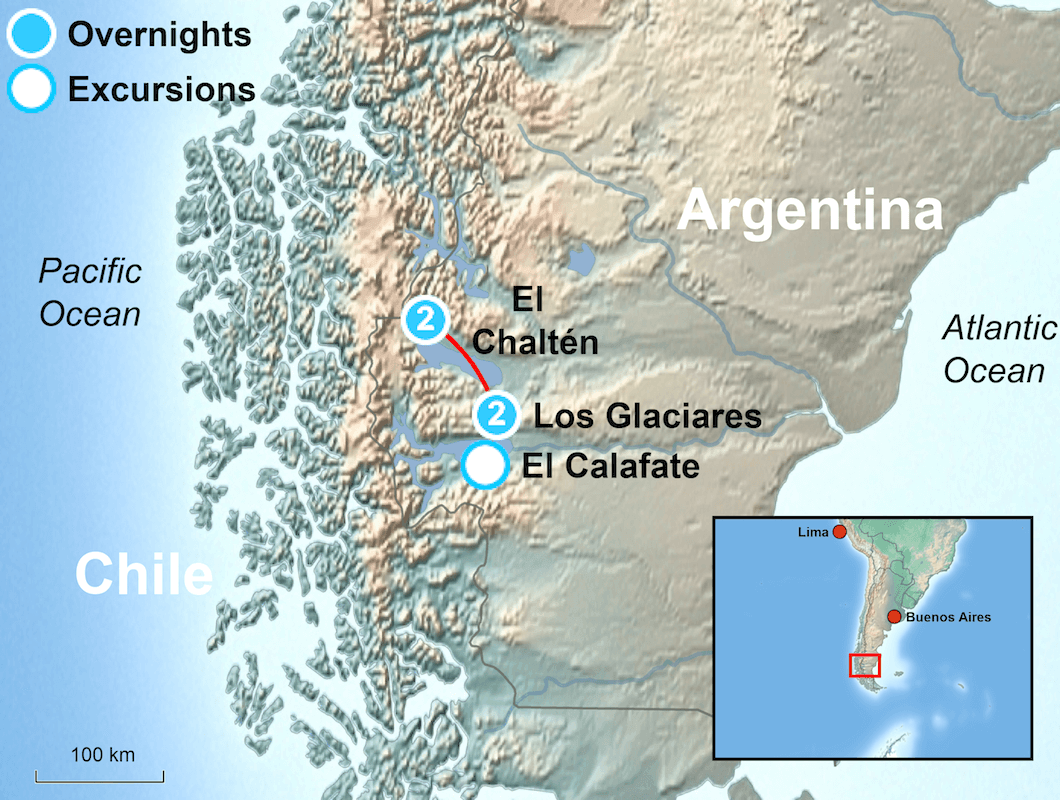
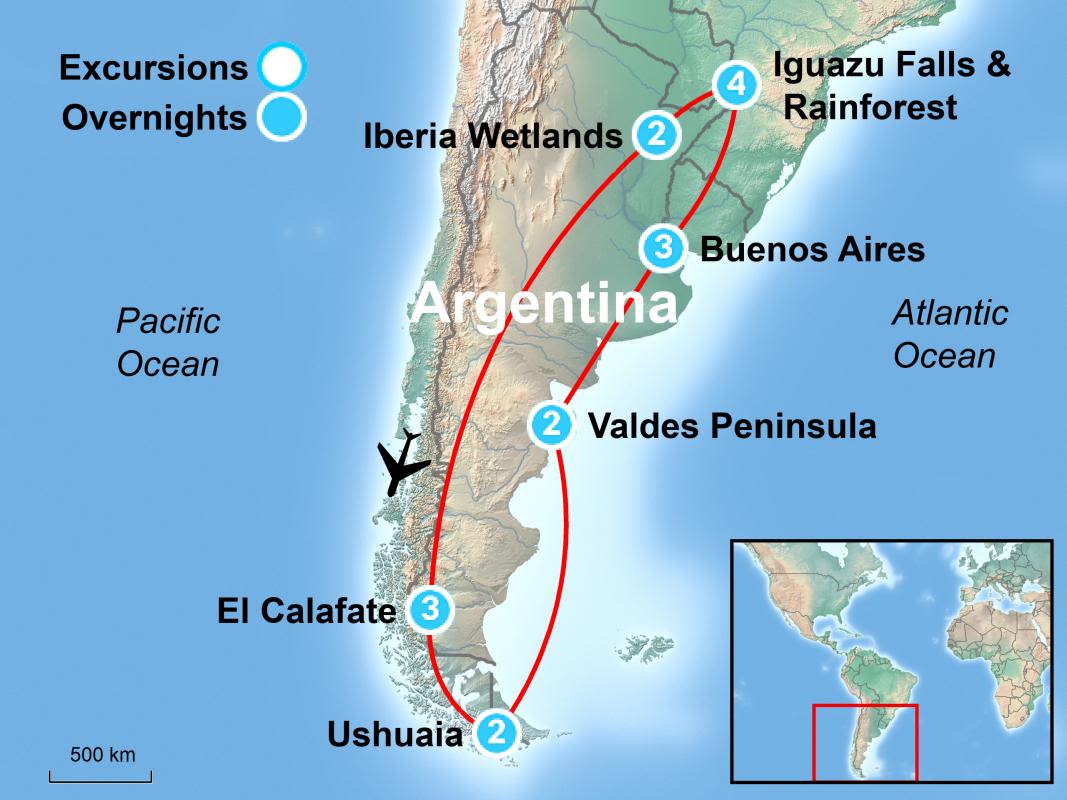
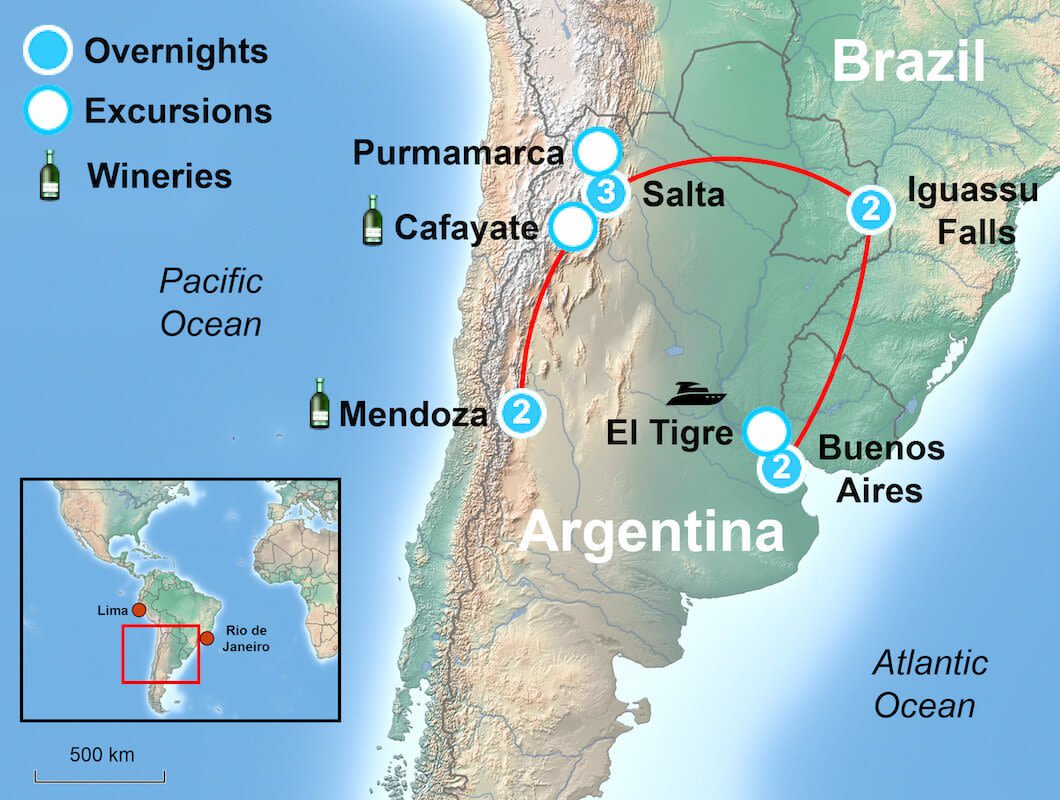
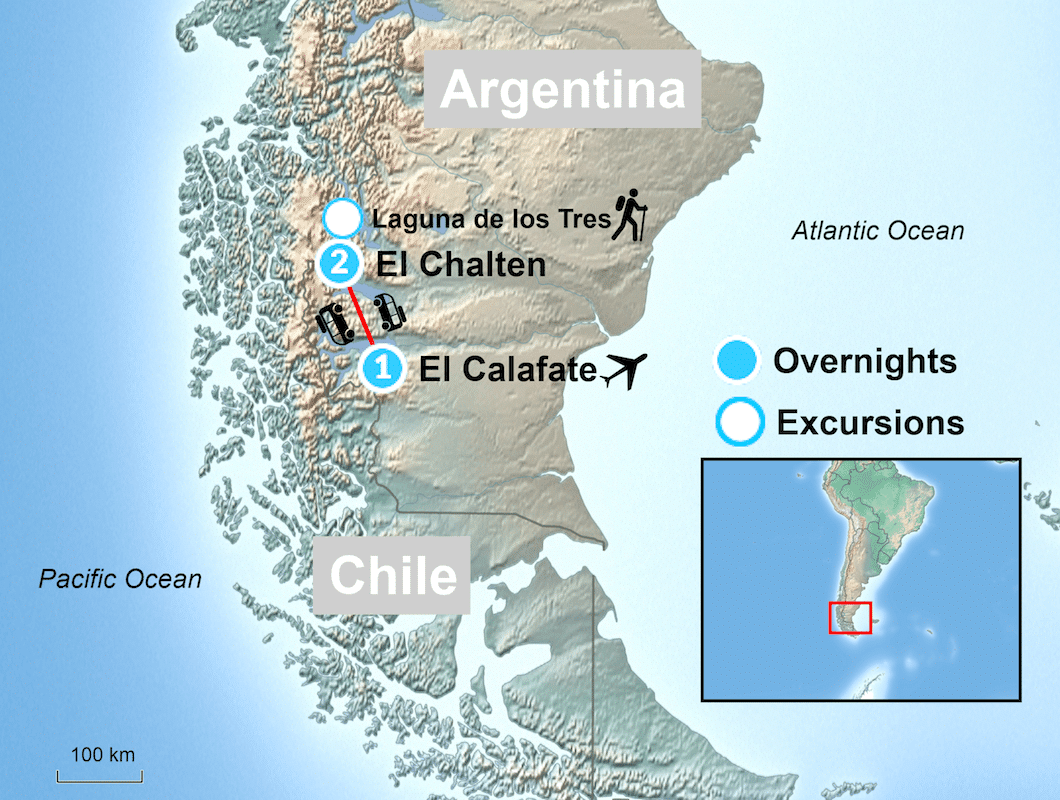
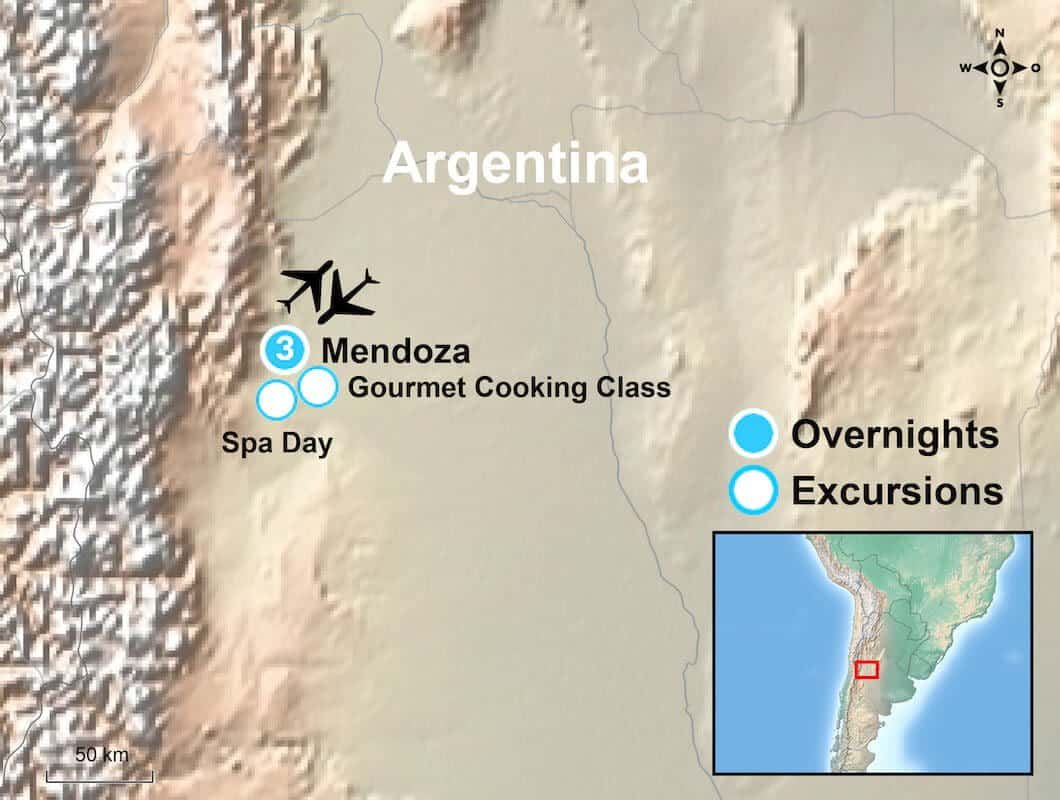
The five are not clustered. Cavas Wine Lodge sits among the vineyards of Luján de Cuyo, south of Mendoza city, with the Andes on the western horizon. Two sit in the glacier country around El Calafate: Eolo stands on 3,000 acres of the La Anita Valley, about thirty minutes by road from the airport, while Estancia Cristina lodges inside Los Glaciares National Park, up the northern arm of Lake Argentino, with no road at all.
Yacutinga is 80 km from Puerto Iguazú, in a reserve of Atlantic rainforest, in the red-soil border country of yerba mate farms. Estancia Buena Vista is the outlier. Esquina sits 600 km (370 mi) north of Buenos Aires, in Corrientes, the wetland province that holds the Iberá marshes. The bus up from Buenos Aires takes about eight hours. Flying into Santa Fe and driving three is the other way in, and the transfer is not included in the stay.
How a Lodge Stay Fits a Trip
Two or three nights is the shape of these stays, three or four days once the travel at each end is counted. Long enough to stop moving, short enough to sit inside a two-week Argentina route without swallowing it.
Where it slots depends on the region. The wine lodge works most of the year and the vineyards are at their busiest for the late-February and March harvest. The two glacier-country properties follow the Patagonian season our southern extensions run in, roughly October through April, with December and January the most crowded. Iguazú is subtropical and runs hot and wet in midsummer, so the cooler months are the kinder window for walking in the forest. Corrientes reads the same, one province south. Most domestic flights route through Buenos Aires, which decides more arrival days than travelers expect.
Six regions where a lodge or estancia night is worth building a trip around. Each one asks for a different kind of day.
1.
Mendoza Wine Country
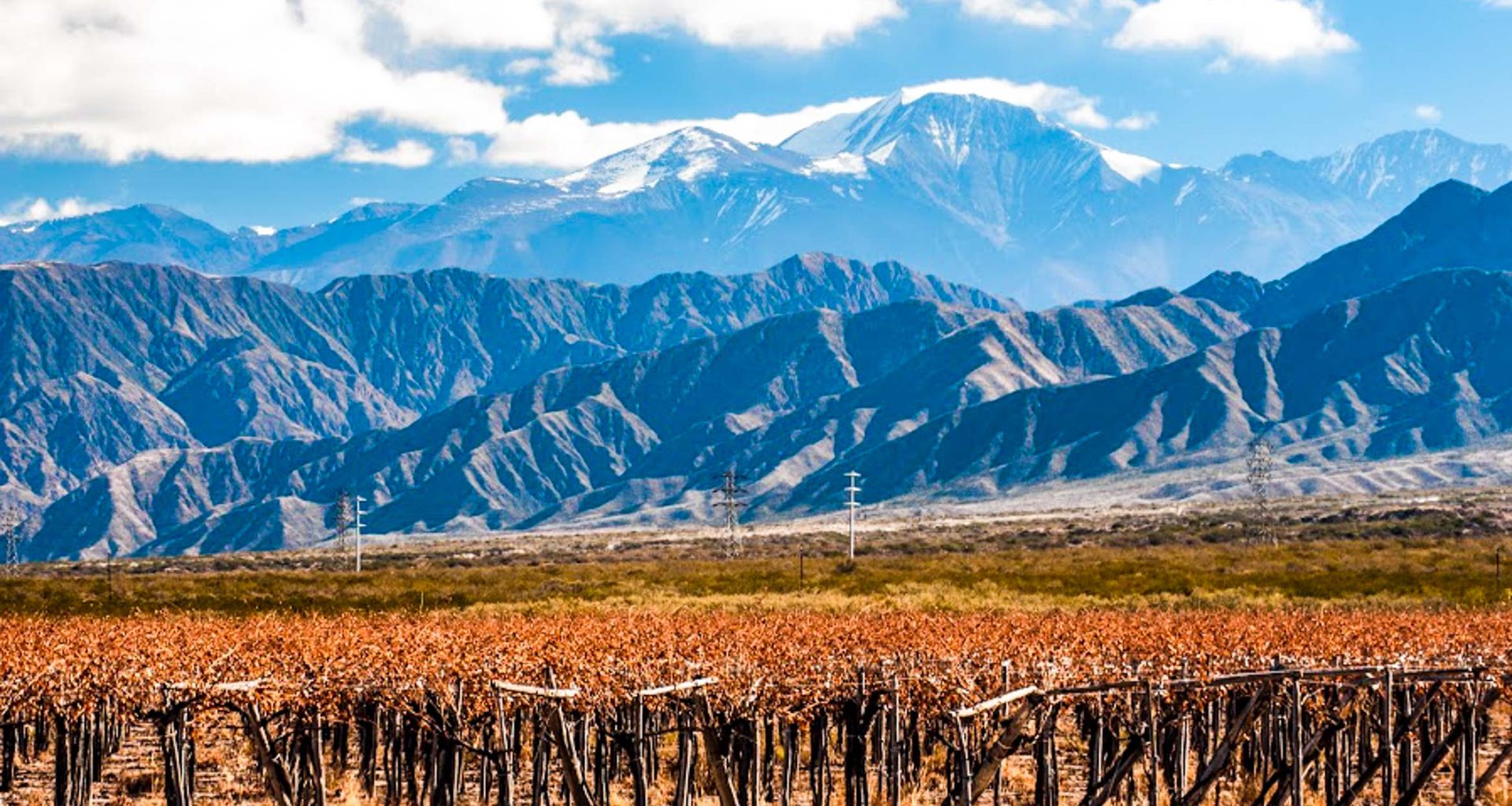
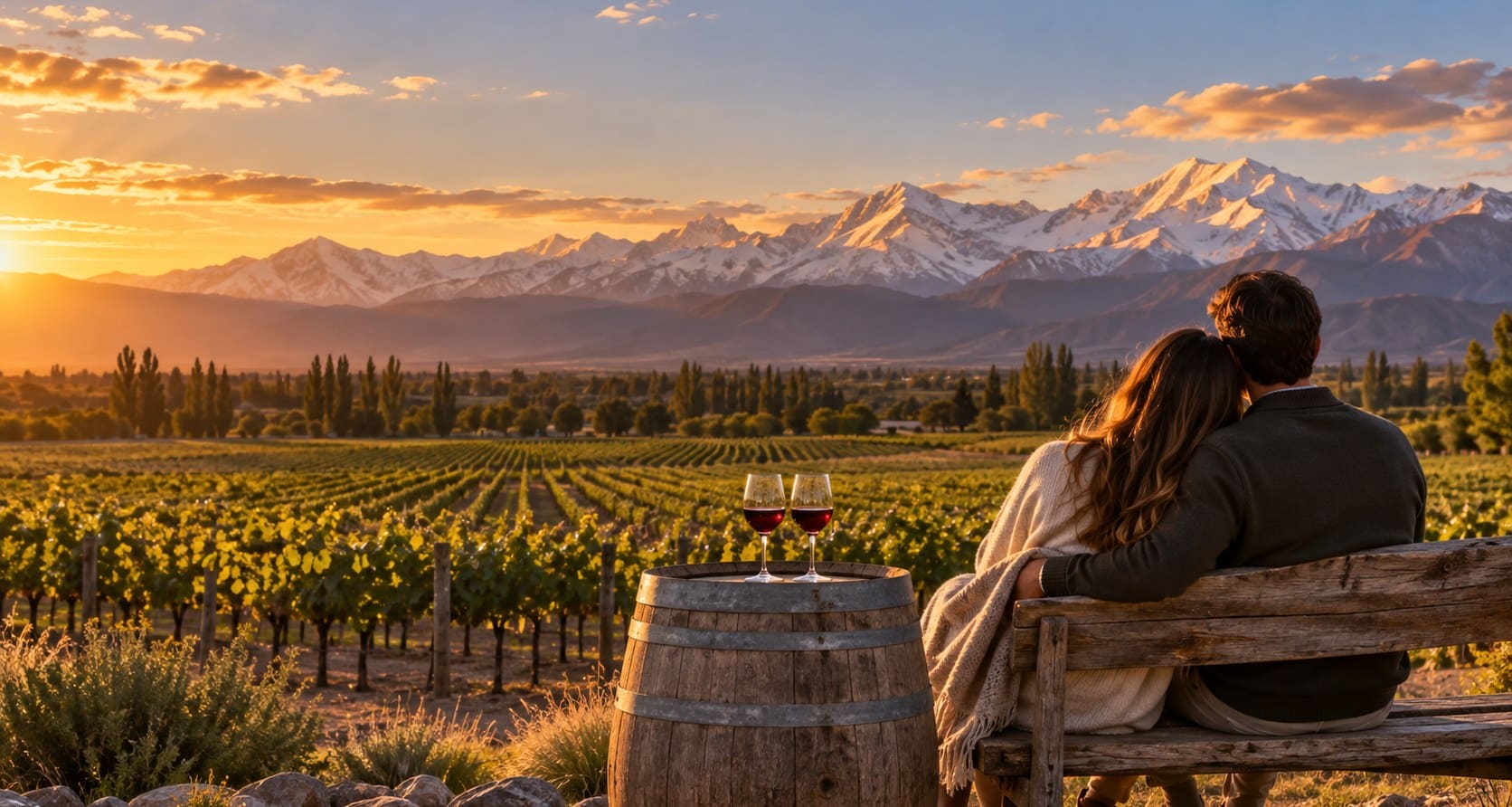
Luján de Cuyo and the vineyards south of Mendoza city are where the lodge stay and the winery day are the same thing. Three bodegas in a morning, lunch at one of them, the Andes behind every row of vines. Juergen's point about Argentine wine is that the small producers never export, so tasting at the source is the only way to meet them.
El Calafate is the airport and supply town for the southern ice field, and the lodge country starts outside it, on open steppe. A stay here buys guided trekking, biking and bird watching on the property, and the road in from the airport passes Perito Moreno.
The northern arm of Lake Argentino has no road. Boats leave Punta Bandera and cross grey glacial water to a valley of hanging glaciers, where a 4WD track climbs 9.5 km to a viewpoint over the eastern face of the Upsala Glacier. Two nights is the least that makes the crossing worth doing.
Most travelers see the Falls in a day and fly out the next morning. Inland from Puerto Iguazú the Atlantic rainforest is still standing, with kayak streams, orchids and old growth. Add the two nights after the Falls, not instead of them.
Esquina sits in the Corrientes wetlands of Argentina's northeast, nowhere near the capital. Getting there takes most of a day whichever way you come. What the effort buys: capybaras, yacaré caiman, river beaches and 4,000 hectares you can ride at a gallop.
This one is Juergen's recommendation rather than a packaged stay. The family-run ranches on the pampas outside the capital are the easiest estancia night in Argentina to attach to a city stay, pool and horses included. Ask us to build one into the trip instead of looking for it among the five above.
Lodge stays break on logistics, not on the lodging. Estancia Cristina is boat access only, so your arrival in El Calafate has to match the sailing or you lose a night. Yacutinga‘s van is a shared group departure at a fixed hour, which decides when you see the Falls. Buena Vista includes no transfers, and Esquina is not a day trip from anywhere. We have routed Argentina for 20+ years, which mostly means knowing which flight you have to be on and which month each region repays.
Download our FREE Argentina Travel Guide and get inspired to travel to Argentina. Browse through 30 pages of travel planning tips and ideas, pictures of Argentina, and adventurous tours. This e-book is a great resource for planning your Argentina dream vacation.
Planning a trip to South America? Explore essential travel info including via requirements, safety tips, weather, money, and more so you can focus on designing the perfect adventure!
Argentina Overview
Argentina Holidays
Argentina Recommended Hotels
Money in Argentina
Languages of Argentina
Safety in Argentina
Staying Healthy in Argentina
Argentina Travel Insurance
Internet & Calling in Argentina
Argentina Packing List
Argentina Visa Requirements
Argentina Flights
Argentina Food: Asado, Malbec and the Culture Behind the Table
Argentina Articles
Weather in Argentina
Argentina Lodge and Estancia FAQs
What is an estancia stay?
An estancia is a working Argentine ranch that takes paying guests. You stay in the main house or a building on the property, eat full board, and ride. Juergen Keller, our co-founder, calls the family-run ones ideal for a family break: mostly luxurious, usually with a pool, horseback riding always included. No sightseeing circuit is attached, which is the appeal.
Is horseback riding included?
At the estancias, yes. Riding is part of the stay rather than a paid excursion. At Estancia Buena Vista the horses are tame, a gaucho rides with you, and the day's work may mean separating cattle or checking paddocks across 4,000 hectares. At the lodges it varies. Eolo offers riding as an excursion booked separately, while Cavas is built around wine and Yacutinga around the rainforest.
How many nights do these stays run?
Two or three nights, which is three or four days with the travel at each end. Cavas Wine Lodge and Estancia Buena Vista run three nights; Eolo, Estancia Cristina and Yacutinga run two. There is a reason for that. These properties are remote enough that a single night is mostly transfer, and after the third or fourth day most travelers want the next region.
When is the best time to go?
It depends on the region more than on the property. Patagonia and Los Glaciares run roughly October through April, December and January busiest. Mendoza works most of the year and fills up for the late-February and March harvest. Iguazú and Corrientes are subtropical, hot and humid in midsummer, so April through September is more comfortable for walking and riding. Check the month-by-month page before fixing dates.
Can someone who does not ride come along?
Yes. Riding is included at the estancias, but nothing obliges anyone to do it. At Buena Vista the alternative is the Pucu Estuary by canoe, poled rather than paddled so you get close to capybaras and birds. Cavas is wine and a spa, Yacutinga is kayaking and forest walks, and Eolo has trekking, biking and bird watching on its own land.
Are lodges and estancias good for families?
They work for families who want a break from moving. Juergen's line on the family-run ranches is that they suit the entire family, pool included, with the riding thrown in. Buena Vista has seven suites, lagoons and sandy river beaches on the property. Yacutinga runs in a shared group of eight to twelve, which some families like and others do not, so tell us which you prefer.
Do you offer hunting, dove or fishing lodges?
No. We do not sell hunting lodges, dove-shooting lodges or fly-fishing lodges in Argentina, and nothing in our catalogue is built around any of them. The five stays here are a wine lodge, two glacier properties, a rainforest reserve and a working cattle estancia. If a dedicated fishing or hunting lodge is what you want, another operator is the better fit.
Your Experts in Argentina Lodges!
Let’s Design Your Perfect Argentina Trip
Tell us which stay interests you and roughly when you want to travel, and we will check availability and route the rest of the trip around it. If you are not sure which of the five suits you, describe what you want the days to look like and we will say.
We Love to Talk About South America Trip Ideas!
Thinking of traveling to South America? We take your South American travel dream and make it a reality. Every fully custom South America trip is planned by your own expert personal Travel Consultant.
"*" indicates required fields
Argentina Travel Guide
Our favorite Argentina tour ideas featuring the best destinations & activities designed to inspire…

 +1 (888) 900-5060