Patagonia spans southern Argentina and Chile, and for this region the two US CDC country pages say much the same. Their list of vaccines for Patagonia is short; wind, cold, sun and distance shape the trip more. For the rest of each country, see staying healthy in Argentina and staying healthy in Chile.
Our travel consultants are not medical professionals and cannot give medical advice. The CDC’s advice is to visit your doctor at least a month before your trip.
On its Argentina and Chile pages, the CDC asks every traveler to be up to date on routine vaccines, including MMR, and recommends hepatitis A (one year and older) and hepatitis B (under 60) for the unvaccinated. It suggests considering typhoid for rural areas or stays of a month or more, and leaves rabies vaccine to you and your healthcare provider.
Yellow fever is two separate questions. According to the CDC, neither country requires the vaccine for entry, and it does not recommend it for Patagonia. Malaria prevention medicine is not on the CDC’s vaccines-and-medicines list for either country. If your trip continues north, for example to Iguazú Falls, the advice changes, so take your full route to your doctor.
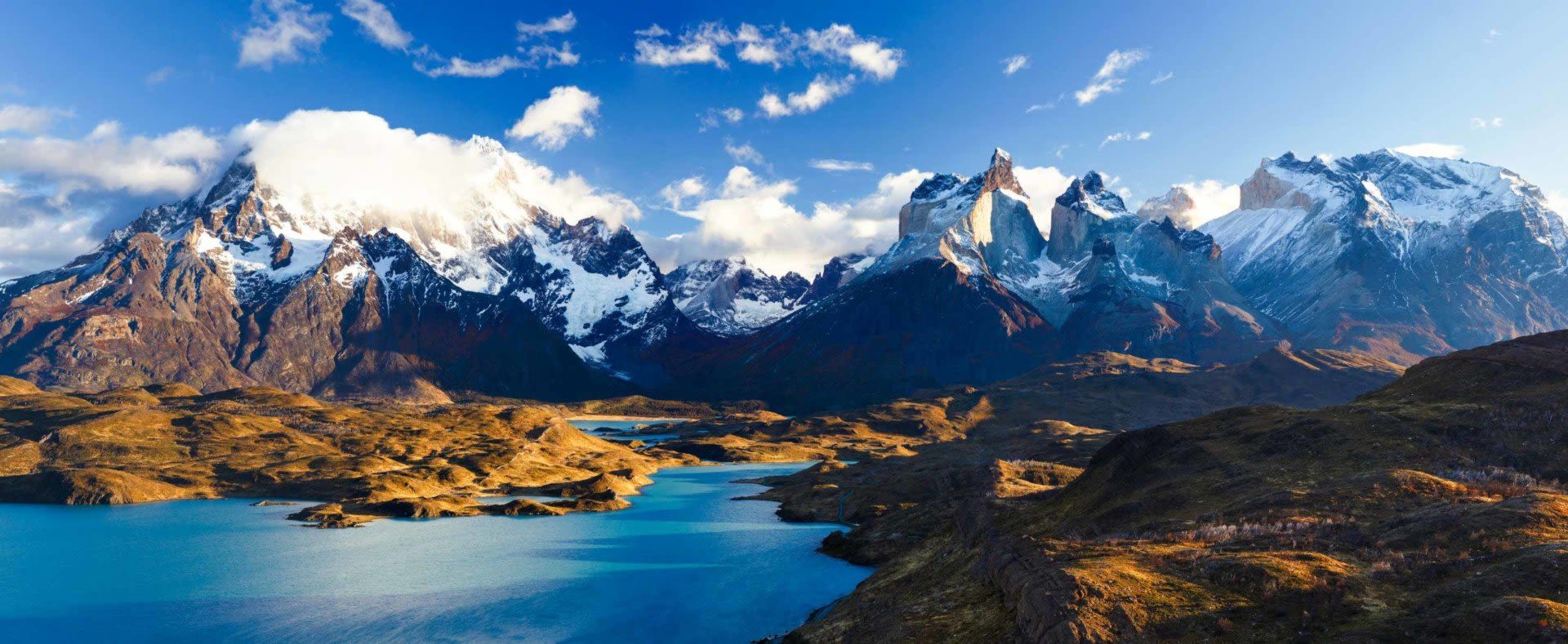
Torres del Paine is known for strong winds, and the windiest months, November to January, are also the busiest. The CDC’s advice for cold places is to dress in layers and cover your head, hands and feet. Three days on our Torres del Paine W Circuit trek are hikes of about 10 hours, so those layers stay in your daypack.
Wind and cool air make the sun easy to forget. The CDC recommends SPF 15 or higher, protective clothing and shade from 10 a.m. to 4 p.m., with extra care in summer. Chile’s weather service, the Dirección Meteorológica de Chile, tracks the Antarctic ozone hole in spring and its impact on Chile, and publishes a daily UV index forecast.
Torres del Paine National Park lies about 70 miles (112 km) north of Puerto Natales, and W Circuit nights are at campsites inside the park. El Chaltén, the base for our Fitz Roy trek to Laguna de los Tres, is about 140 miles (220 km) north of El Calafate. The UK government’s travel advice for Argentina says to make sure your insurance covers unexpected medical evacuation. See our Patagonia travel insurance and Patagonia safety pages.
The CDC lists hantavirus for both countries. It spreads mainly through air or food contaminated by the urine, droppings or saliva of infected rodents, and the CDC advises avoiding rodents and the places they live.
As of November 2026, Chile’s Ministry of Health has a preventive hantavirus alert in force from Atacama to Magallanes, the region that holds Torres del Paine. It was announced on July 28, 2026 and runs until July 31, 2027. The ministry says the alert does not mean an epidemic is under way, and advises airing out closed homes before going in and seeking care at once for fever, intense muscle pain or difficulty breathing after time in rural areas. In Argentina, the Río Negro provincial government says hantavirus is present in the province’s Andean zone.
The US CDC’s general advice for travelers is to choose factory-sealed drinks wherever tap water might be contaminated, and to skip ice where clean water is a concern. More is on our Patagonia food and drink page.
According to the CDC, neither country requires yellow fever vaccine for entry; it recommends routine vaccines including MMR, plus hepatitis A and B for the unvaccinated. Your doctor makes the final list.
The US CDC’s general advice on drinks and ice is in the food and water section above.
Entry rules are on our Patagonia visa requirements page, and the regions and routes are in our Patagonia travel guide.

❗ A note from our team: we plan trips, we are not doctors. This page sums up what official health bodies such as the US CDC say about travel here. It is not medical advice, and official advice changes, so please check with your doctor or a travel clinic, ideally at least a month before you go.