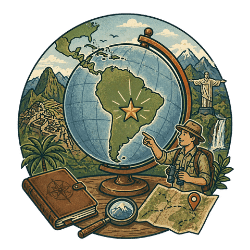
Chile and Peru share one long coastal desert on the Pacific, kept dry by a cold ocean current. Beyond that, they are two very different trips. Chile is Santiago and its wine valleys, the UNESCO-listed port of Valparaíso, the Atacama, Patagonia and Easter Island; our places to visit in Chile guide covers the rest. Peru is the Inca heritage: Lima on the coast, the old Inca capital of Cusco, the Sacred Valley, the ancient ruins that aren’t Machu Picchu, and Machu Picchu itself.
So the real decision is whether to combine them or choose one. People ask us for Peru and Chile in one trip, and we design it. If you are still weighing other pairings, start with our South America tours.
Tours in Chile and Peru
The tours below are mostly single-country trips in Chile or in Peru, not combinations. Any of them can be joined to the other country, and we plan the connection.
Click or Tap your preferences: Destinations & Activities. Be as specific or general as you like – or click Help Me Decide! We’ll spice it with hidden gems & personal tips to create your perfect trip. Need assistance? Contact an expert at +1 (888) 900-5060
Itineraries That Link Chile and Peru
Easter Island and Machu Picchu
The one trip in our collection that is Chile and Peru and nothing else. Three days on Easter Island first, a night in Santiago, the flight to Lima, then Cusco and Machu Picchu.
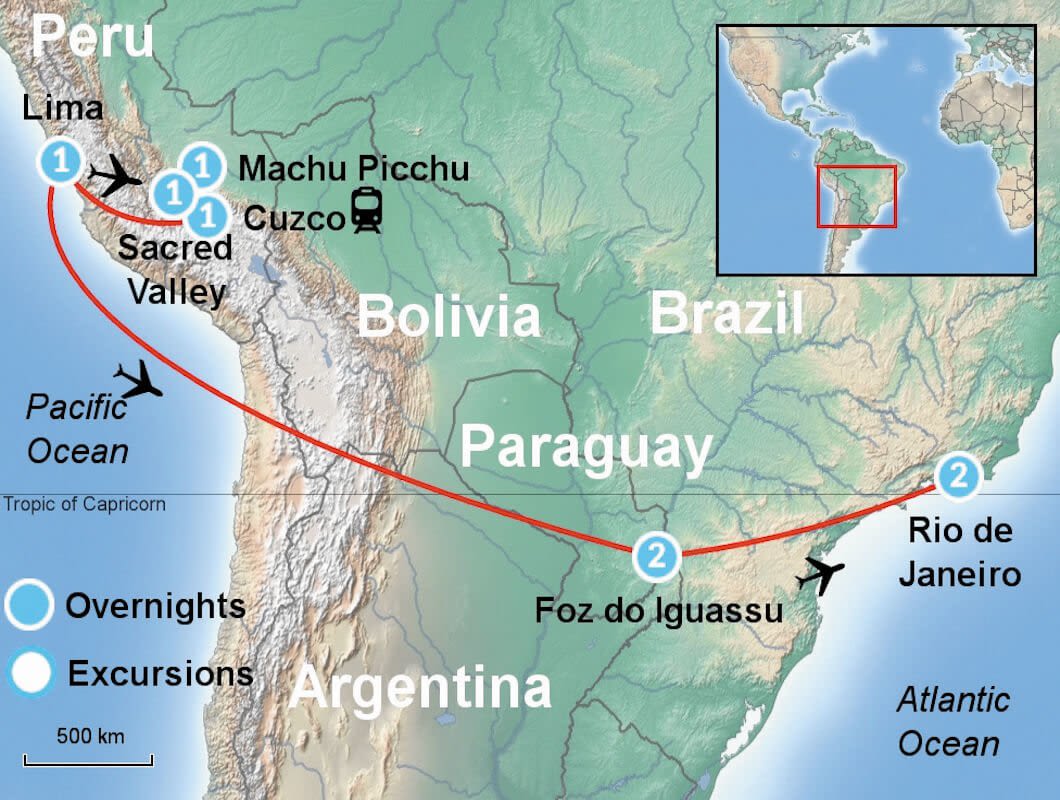
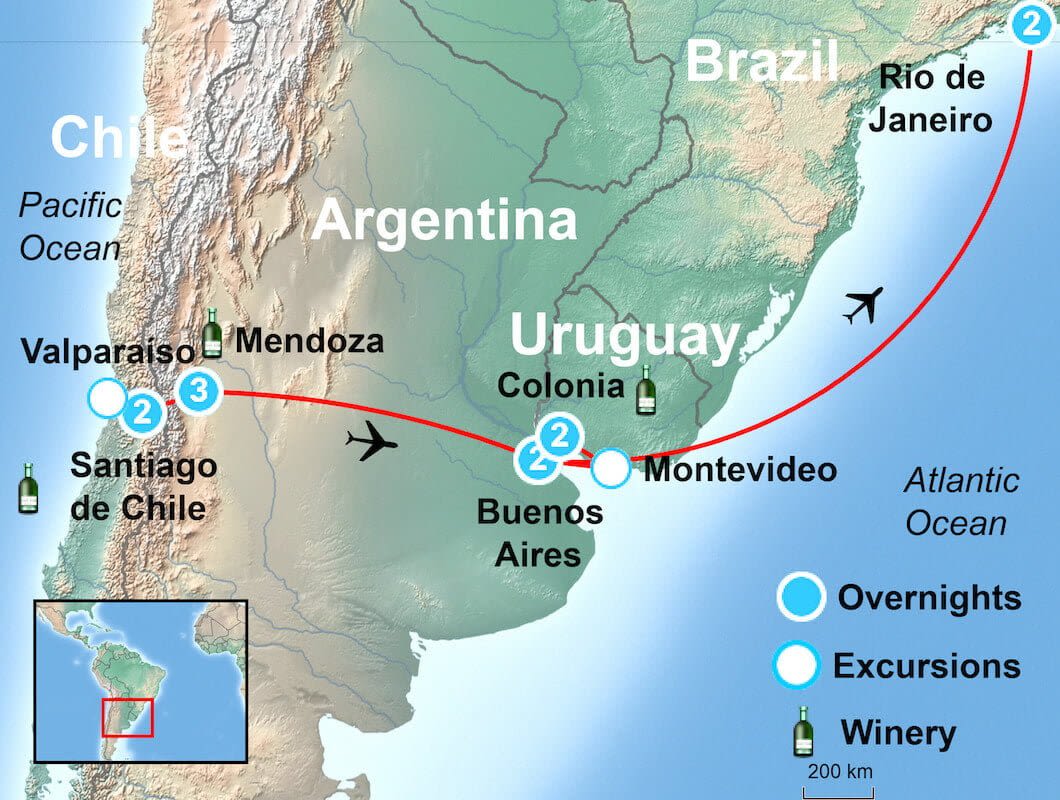
Four countries, not two: Rio, Iguazú and Buenos Aires come first, then three nights in Santiago with Casablanca Valley wineries and a market and cooking day. From there it flies to Cusco and goes straight down to the Sacred Valley before Machu Picchu.
A golf trip that runs Colombia, then Peru, then Chile: six days in Bogotá and Cartagena, then rounds in Lima and Arequipa with Machu Picchu and Lake Titicaca in between. It finishes with a flight to Santiago for Chile's courses, the wine valleys and the coast at Valparaíso.
An extension, not a Chile and Peru tour. It continues from Travels of the Incas (Lima to La Paz) by coach from La Paz to Arica and into the Atacama, so together the two run Peru to Chile.
Start with the sights, not the countries. Juergen Keller, our co-founder, puts it this way: it depends on what you want to do or to see, and then we tell you where to go to see it. The Inca heritage doesn’t stop at Peru’s border. He counts Peru, Bolivia and Ecuador as “one history” and calls the region “its own cosmos”. If Peru gets a partner, it is Bolivia or continental Ecuador. Chile belongs to the European South, with Argentina. In his words, “Chile works so well you believe you’re in Switzerland.”
We sell Chile and Peru together because people ask for it and the flights make it possible. Juergen is blunt: the pairing is “not a recommendation.” We design it and tell you what the travel days cost. It works for Easter Island with Machu Picchu, and on trips of two weeks or more. With less than two weeks and a first trip to the Andes, go to Peru and leave Chile for another trip. For wine, lakes and Patagonia, Chile with Argentina makes the better trip.
How to Route a Chile and Peru Trip
Chile first, Peru last. Easter Island is a flight from Santiago, so it belongs at the Chile end, and the Atacama is Chile’s far north. Between the two countries you fly: our Easter Island and Machu Picchu tour takes the Santiago to Lima flight. By land, the border lies between Arica in Chile and Tacna in Peru, but none of our itineraries crosses there. The overland route we have designed goes through Bolivia instead: Travels of the Incas ends in La Paz, and a coach continues to Arica and the Atacama.
In Peru, don’t land in Cusco and stay there. “We try not to go to Cusco … right away,” he says. Fly in and go straight down to the Sacred Valley, then on to Machu Picchu. Come back up to Cusco afterwards, “and by then you’ve acclimatized.” Machu Picchu is the high point at the end: “It’s like a good book. You build up the tension.” One honest note: that tour sleeps in Cusco on arrival, and a custom plan puts the Sacred Valley first. Health questions: staying healthy in Peru.
Best Time for a Chile and Peru Trip
Juergen’s rule for South America as a whole, April and October plus the month either side, suits a trip that covers both.
Peru’s dry season, May to September, is the usual answer for Machu Picchu. He is less romantic about it: in the highlands “It is cold. It is windy. It is very dry.” The snowcapped mountains make “a spectacular background”, and the crowds arrive with the summer vacations of the northern hemisphere. His own pick for Peru is March and April: “Still warm(ish), still green from the rainy season. Less crowded.” That is his preference, not the rule. March is still rainy season in the Andes, and the Inca Trail closes in February. Up high, he says, “the elevation determines how bad you feel, and not the weather.”
Chile first, then Peru, with Machu Picchu at the end. The Atacama is its own trip in the north; on our itineraries the flight to Peru leaves from Santiago.
1.
Santiago & Valparaíso
Where the trip starts, and where it keeps coming back: you fly back here from Easter Island, and on from here to Lima. Leave room for the wine valleys on the road to the coast. Out on the Pacific, Valparaíso climbs its hills in colored houses and steep lanes. Worth the day.
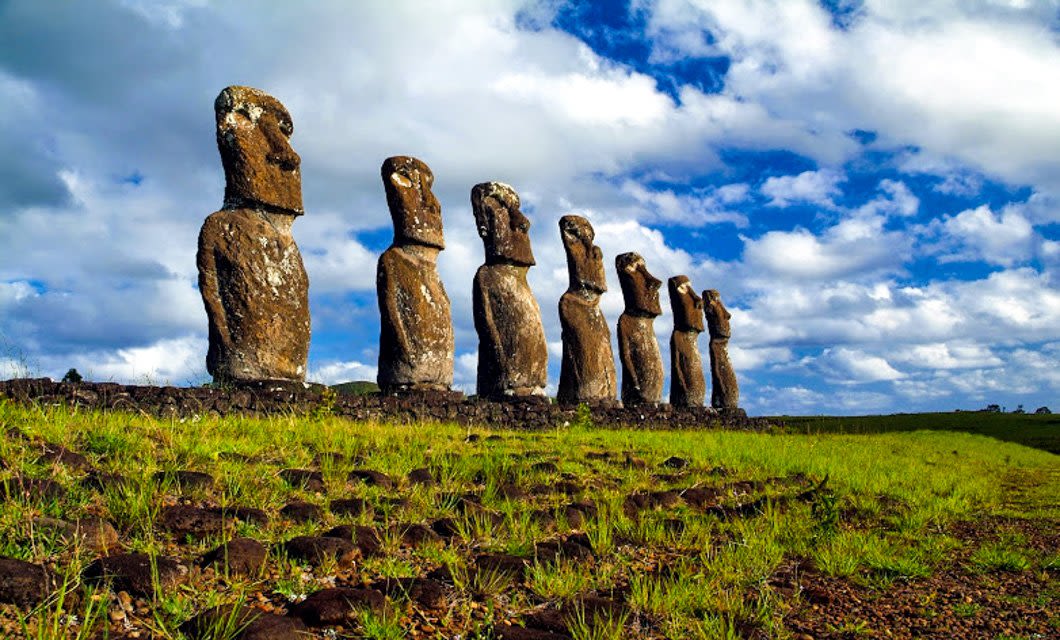
Far out in the Pacific, a flight from Santiago. The moai stand on their stone platforms, most with their backs to the sea, and the island is small, open and windswept, horses grazing between the sites. Rapa Nui is its own culture, Polynesian, not Andean.
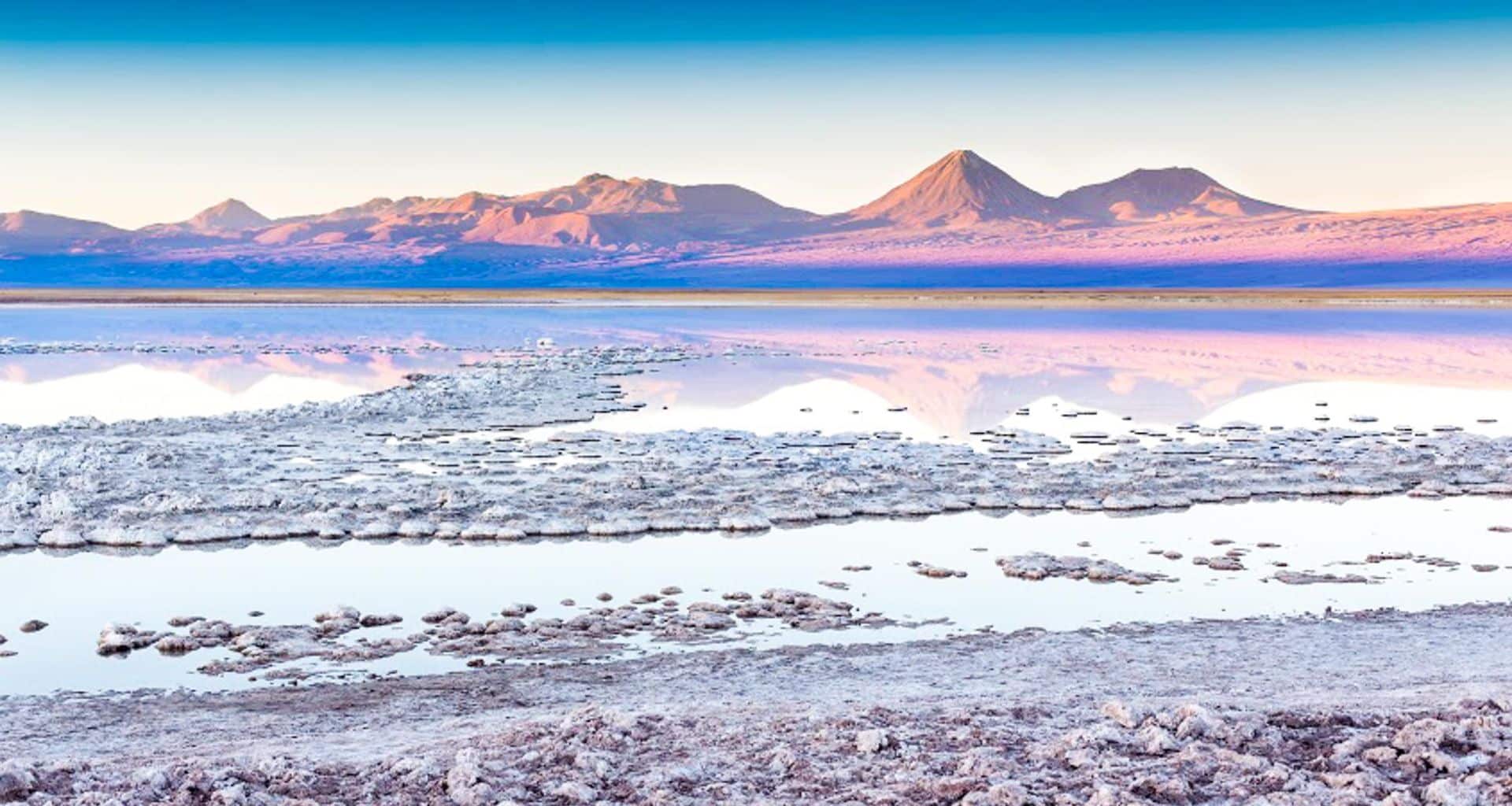
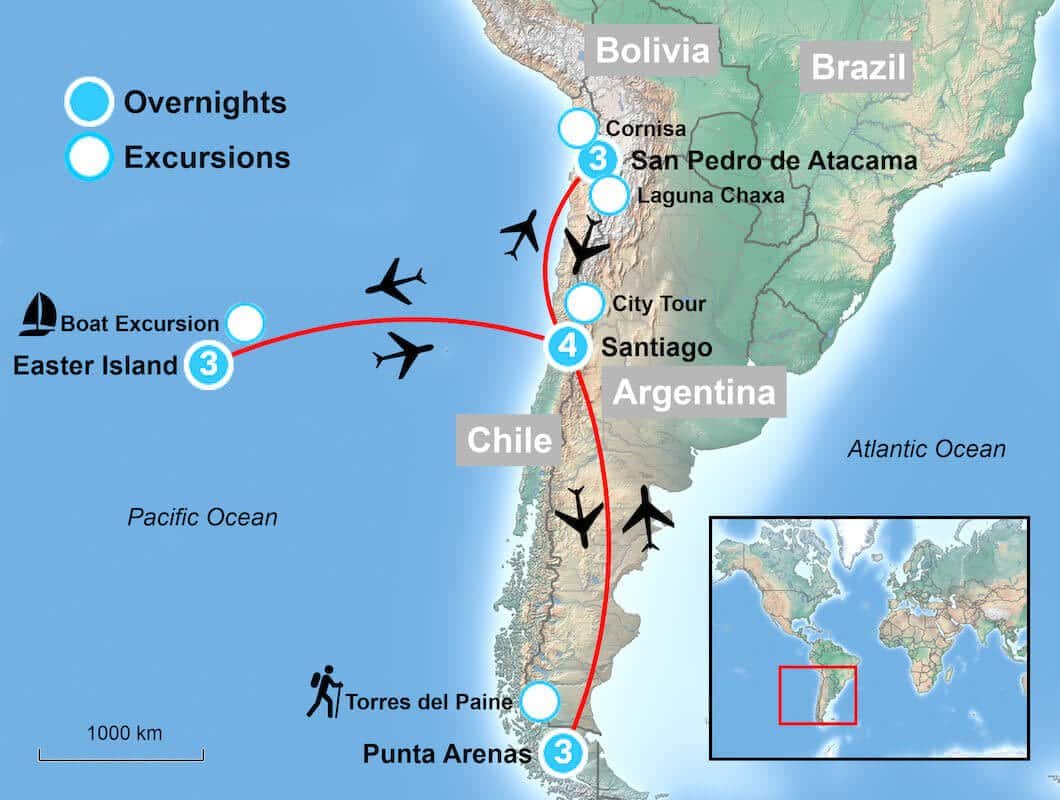
Chile's far north, and a different world from the coast. San Pedro de Atacama is the base for the salt flat, the high lagoons and the El Tatio geysers. It is a flight from Santiago to Calama, then a transfer. Adding it to an eight-day trip means adding days.
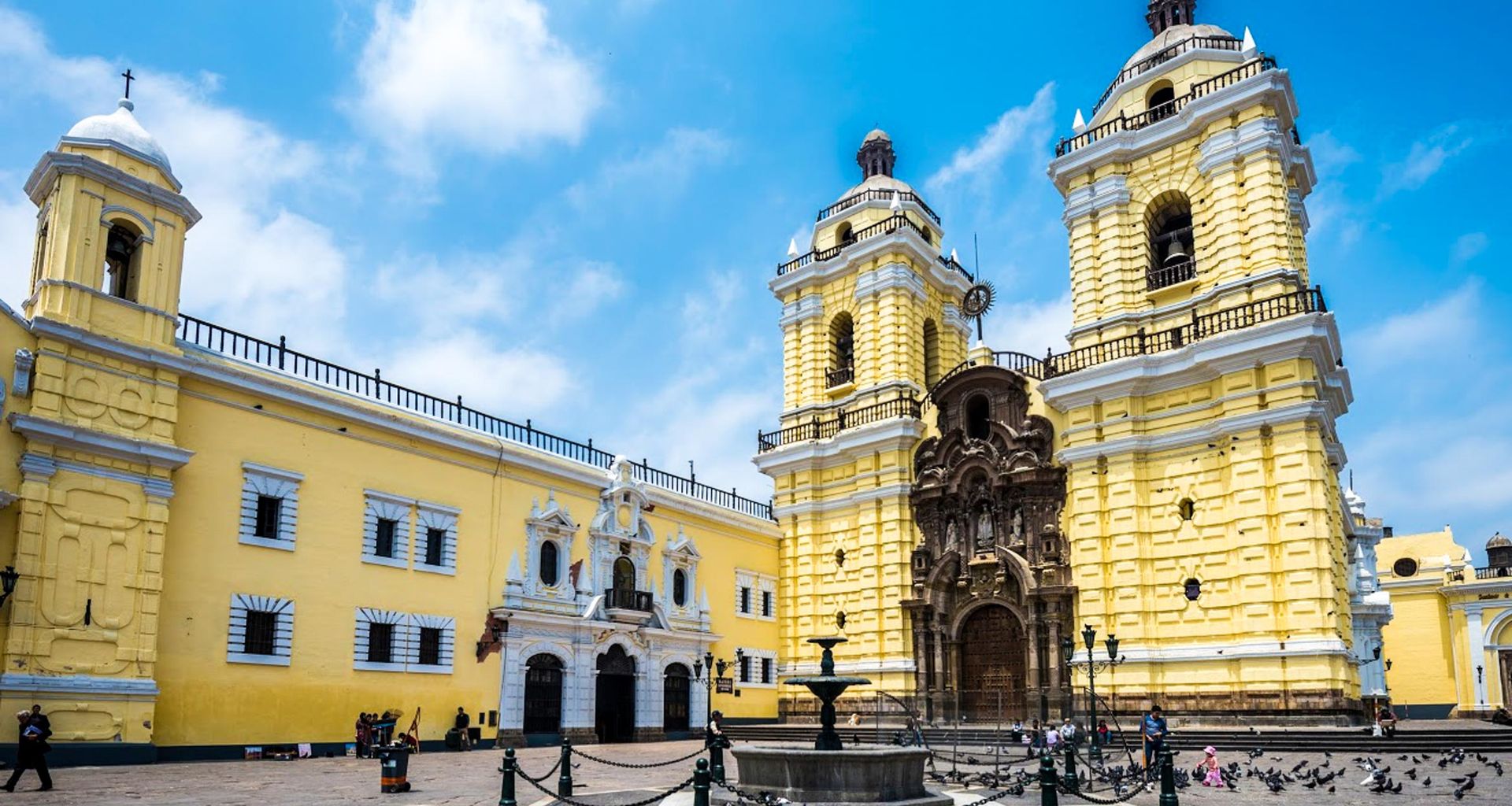
Peru's capital on the Pacific, and where the flight from Santiago lands. The Spanish founded it as the City of Kings, and the old center around the Plaza de Armas still shows it. One night sets up the flight to Cusco. That itinerary comes back on its last day for a city tour.
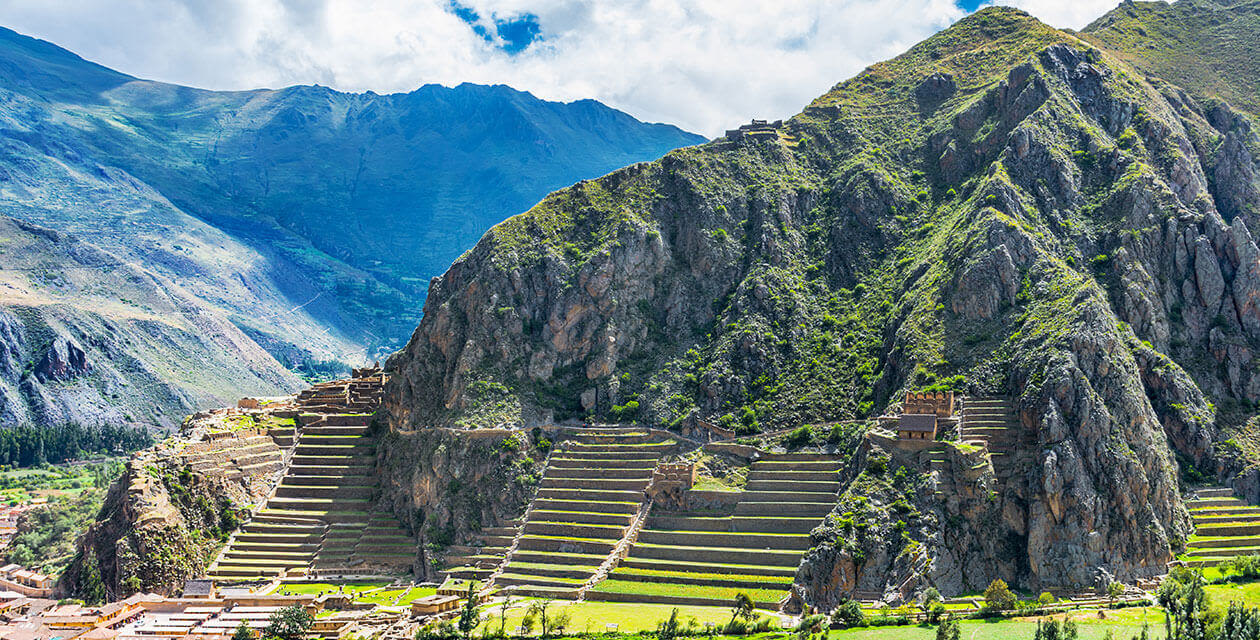
In the Andes, the valley comes before the city. The hotels sit along the river below Cusco, among Inca terraces and the stone town of Ollantaytambo, and the train line follows that river down toward Machu Picchu. Cusco waits until after Machu Picchu, and rewards the wait: colonial churches standing on Inca walls.
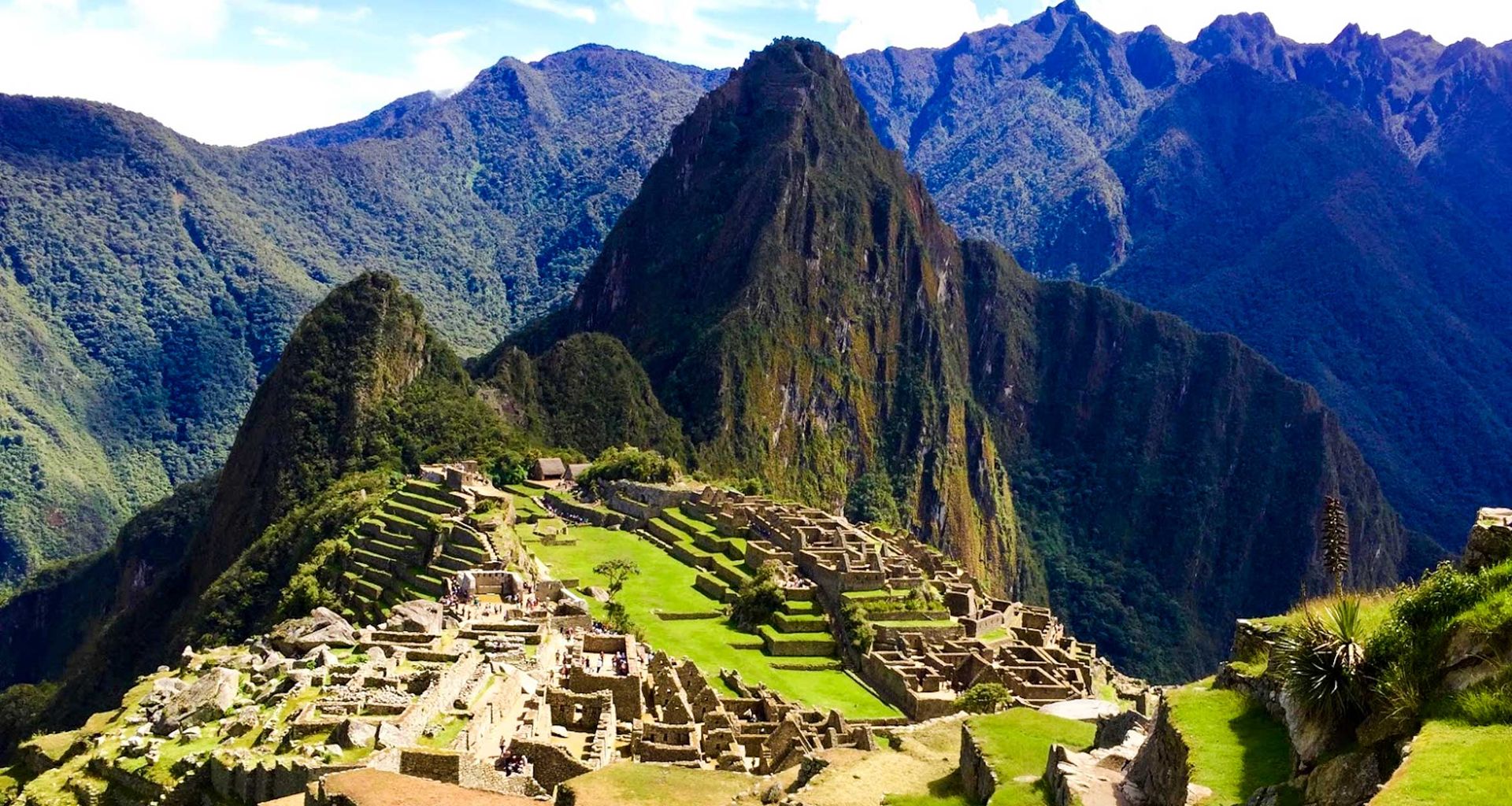
The finale. Machu Picchu sits lower than the Sacred Valley, below the tree line, which is why the photos are so green; the approach is, in our co-founder's words, "almost jungle". The train runs down to Aguas Calientes at the foot of the mountain, and a night there gives you the ruins without a rush. Then back up to Cusco.
Chile and Peru don’t connect by themselves. The flights, the order and the nights in between are the work, and that is where a two-country plan goes right or wrong. If you arrive with an itinerary, our rule applies: “we would not just price this, we also want to know why you want to see this.” Then we add one thing you would not have found on your own. We design the trip and our partners on the ground guide it. As a rule there is a local guide in each destination, who ideally handles the transfers and the sightseeing too.
Download our FREE South America Travel Guide and get inspired to explore to South America. Browse through 26 pages of travel planning tips and ideas – a great resource for planning your dream vacation.
Planning a trip to South America? Explore essential travel info including via requirements, safety tips, weather, money, and more so you can focus on designing the perfect adventure!
South America Hotels & Resorts
South America Articles
Staying Healthy in South America
Internet & Calling in South America
South America Travel Insurance
South America Packing List
Money in South America
South America Visa Requirements
Getting to and Around South America
Weather in South America
Languages of South America
South America Food & Drink
Safety in South America
Chile and Peru Tours FAQs
Should I visit Chile or Peru?
Choose by what you want to see, not by the country. For Inca history and the high Andes, where, as Juergen puts it, "You feel like you're on the moon," go to Peru, with Bolivia or Ecuador if you add a country. For wine, lakes, Patagonia and the European South, go to Chile and pair it with Argentina. Neither is the better country. They are different trips.
Can you combine Chile and Peru in one trip?
Yes. People ask for it and we design it, but we will tell you what it costs in travel days: between the two you fly, and every flight eats into a day you could spend seeing something. The pairing earns its flights when you want one or two things from each country, such as the moai and Machu Picchu. If you want a long list from both, give it more than two weeks, or choose one.
How do you get from Chile to Peru?
You fly. Our eight-day Chile and Peru itinerary takes the flight from Santiago to Lima, then flies on to Cusco. By land, the border lies between Arica in Chile and Tacna in Peru, but none of our itineraries uses that crossing. Before you go, check the entry rules for Chile and for Peru, as they differ by passport.
How many days do you need for Chile and Peru?
Our tightest plan is eight days: the Easter Island and Machu Picchu tour fits Easter Island, Cusco and Machu Picchu into that. Adding the Atacama, Santiago's wine valleys or a slower Peru leg with the Sacred Valley first adds days. Be realistic about scale: two weeks across many countries does justice to little more than the capitals you fly in and out of.
Can you combine Easter Island and Machu Picchu?
Yes, and it is the pairing our Easter Island and Machu Picchu tour is designed around. It starts with three days on the island, flies back to Santiago for a night, then goes to Lima and on to Cusco and Machu Picchu, eight days in all. Easter Island is reached by air from Santiago, so the island goes first and Machu Picchu last.
Should I visit Chile or Peru first?
Chile first, Peru last, with Machu Picchu near the end. Machu Picchu is the highlight for most travelers, and Juergen builds toward it rather than spending it in week one. In Chile, the island and the desert are both reached from Santiago, so they come before the flight north to Lima. In Peru, the Sacred Valley comes before Cusco. For health questions, see staying healthy in Peru.
When is the best time to visit Chile and Peru?
April and October, with the month either side, are our rule for the continent as a whole, and they suit a trip that covers both countries. Peru's dry season from May to September is the usual choice for Machu Picchu; expect cold mornings, wind and company. Keep clear of Semana Santa if your dates allow. The section on timing above has the detail.
Your Experts in South America!
Let’s Design Your Perfect South America Trip
Tell us what you want to see in Chile and Peru, and why. We will tell you honestly whether both belong in one trip, and design the route that does them justice.
We Love to Talk About South America Trip Ideas!
Thinking of traveling to South America? We take your South American travel dream and make it a reality. Every fully custom South America trip is planned by your own expert personal Travel Consultant.
"*" indicates required fields
South America Travel Guide
Our favorite South America tour ideas featuring the best destinations & activities designed to inspire…

 +1 (888) 900-5060