Quick answer: The best time to visit Peru is the dry season, May to September — the ideal window for Machu Picchu, the Inca Trail, Cusco, the Sacred Valley, and Lake Titicaca, with clear skies and reliable trekking. The shoulder months of April and October are excellent too, with fewer crowds. One key planning note: the classic Inca Trail closes every February for maintenance (Machu Picchu itself stays open year-round). Browse our Peru tours for ideas.
Is it a good time to visit right now? Peru is in the southern hemisphere, but the calendar that matters most is the dry season (May–October) versus the wet season (November–March), combined with altitude. The high Andes (Cusco) stay cool by day and cold at night all year; the Amazon is warm and humid; and the desert coast around Lima has its own reversed pattern — sunniest in the southern summer.
In the Andes (Cusco, Machu Picchu, the Sacred Valley) temperatures barely change through the year — daytime highs near 66°F / 19°C, with cold nights. What changes is the rain:
| Month | Cusco / Andes | Rainfall | Best For |
|---|---|---|---|
| January | 66°F / 19°C | Wet | Green & quiet; Inca Trail open |
| February | 66°F / 19°C | Wettest | ⚠ Inca Trail closed; Machu Picchu open |
| March | 66°F / 19°C | Wet, easing | Green shoulder |
| April | 67°F / 19°C | Drying | ★ Lush and drier; great shoulder |
| May | 67°F / 19°C | Dry | ★ Dry season begins — ideal |
| June | 66°F / 19°C | Dry, cold nights | ★ Peak: Machu Picchu, Inca Trail, Titicaca |
| July | 65°F / 18°C | Dry, coldest nights | ★ Peak season (busiest, clearest) |
| August | 67°F / 19°C | Dry | ★ Peak; clear skies |
| September | 68°F / 20°C | Dry | ★ Excellent; crowds thinning |
| October | 68°F / 20°C | First showers | ★ Great shoulder; quieter trails |
| November | 67°F / 19°C | Wet returning | Green; low crowds |
| December | 66°F / 19°C | Wet | Festive; showers, Inca Trail open |
★ = dry season, the best time to travel · ⚠ the classic Inca Trail is closed every February. See our full Peru weather guide for regional detail.
Planning a route? Our things to do in Peru guide can help you time Machu Picchu, the Amazon, and the Andes together.
“The best time to visit Peru is in June because it is fresh after the rainy season has ended, and the Andes mountains are lush with green vegetation. It is also just before the high season hits, so you can beat the crowds that come towards the end of June, July, and August.”
Annica Gaither
Peru Travel Expert

September to November in Peru is considered the shoulder season. The shoulder season is a fantastic time to travel to Peru as the weather is getting a bit warmer as the summer season approaches. The Andean highland is a great region to explore as it will be sunny and dry with cool temperatures in the evening.
Along the coast, it is heating up at this time, and rainfall is almost zero. In the Andes, by October the number of days with some rainfall is around eight as the region approaches the rainier time of year, but is not too wet yet, even for trekking. In the Amazon, river levels rise towards November, fed by rainfall in the Andes.

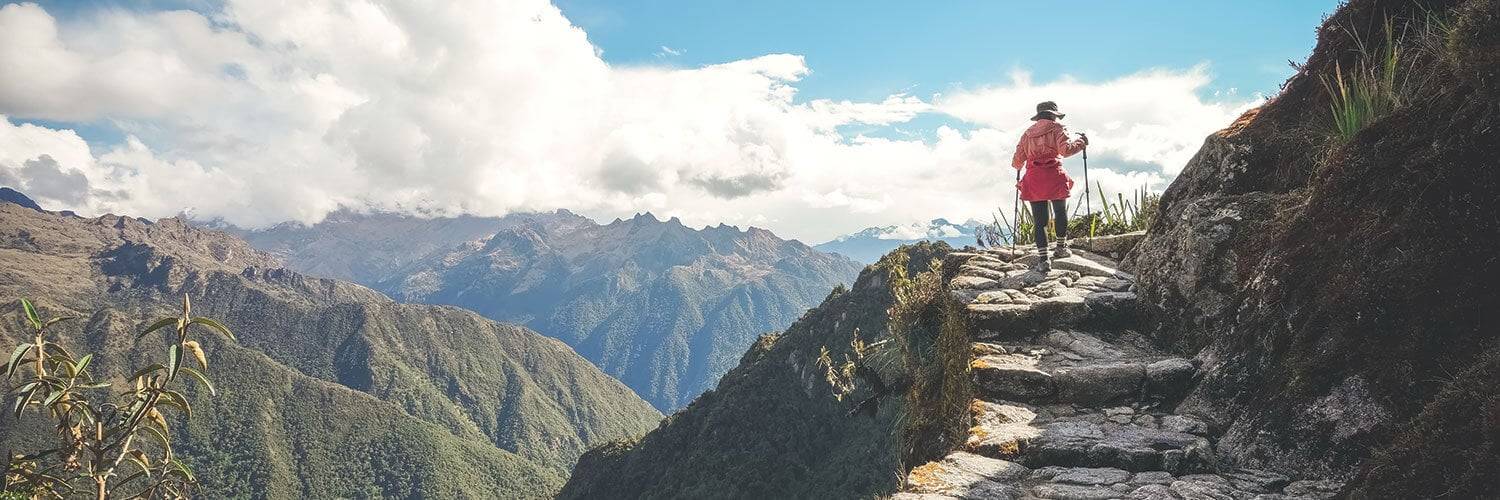
Go hiking while the peak season settles down! The Inca Trail is still pretty dry in September, whereas if you visit in October or November, the trail is still accessible but the rainy season is quickly approaching. Besides the popular Inca Trail, you can also consider hiking the Colca Canyon, visiting the floating islands of Lake Titicaca, and more.
From December to February Peru experiences the summer season. During this time, the skies along the coast are crystal clear blue and warm temperatures are consistent.
Along Peru’s desert coastline, this is the hottest time of year. In the Andes, the temperatures are a little higher than the rest of the year, but this is the rainiest time of year by a considerable amount. Rainfall tends to be in sharp bursts, constant heavy rain for a whole day is not common. This is high water season in the Amazon, which means it is a nice time of year to consider a river cruise from Iquitos.

December marks the official start of Peru’s beach season. Locals enjoy warmer temperatures and ocean breezes as they head to the beaches for sunshine and great waves. In Lima, travelers can enjoy views over the expansive coastline and experience the unique culture of Peru during one of the many festivals of Summer, like the Festival of Lima.
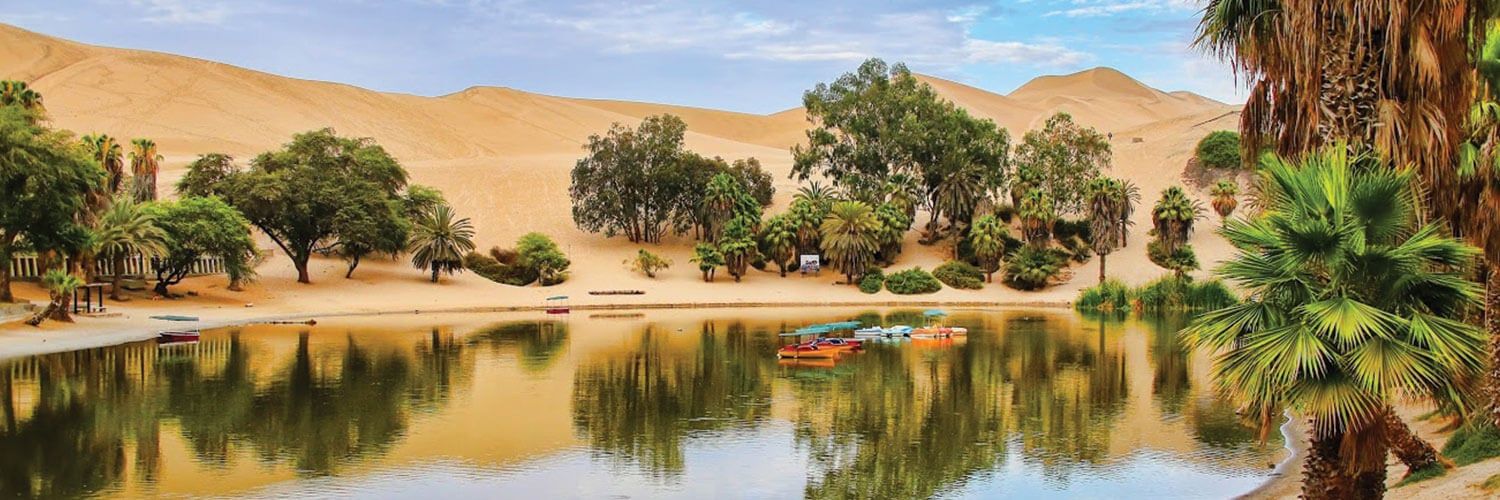
Autumn in Peru is from March to May. During this time, temperatures are very comfortable and rain starts to diminish in the Sacred Valley, leaving travelers the ability to explore the beautiful green terrain with dry days. Also, along the coast, travelers can enjoy dry sunny weather, ideal for swimming, surfing, and exploring the coastal cities like Lima. While the fall season in the northern hemisphere can consist of rain and cold weather, autumn in Peru is an ideal time to explore.
In the Amazon, water levels start to fall during this time. In the Andes, from April rainfall drops and the mountains start to enter the dry season.


It’s easy to find things to do in Peru during Autumn due to the comfortable weather. This is an ideal time to visit Peru’s coastal towns, as the climate is dry and the weather is warm enough to enjoy the beaches like taking a trip to the coast, enjoying Peru’s holidays and festivals, go sand-duning in Huacachina, or hiking the Colca Canyon and watch for Andean condors.
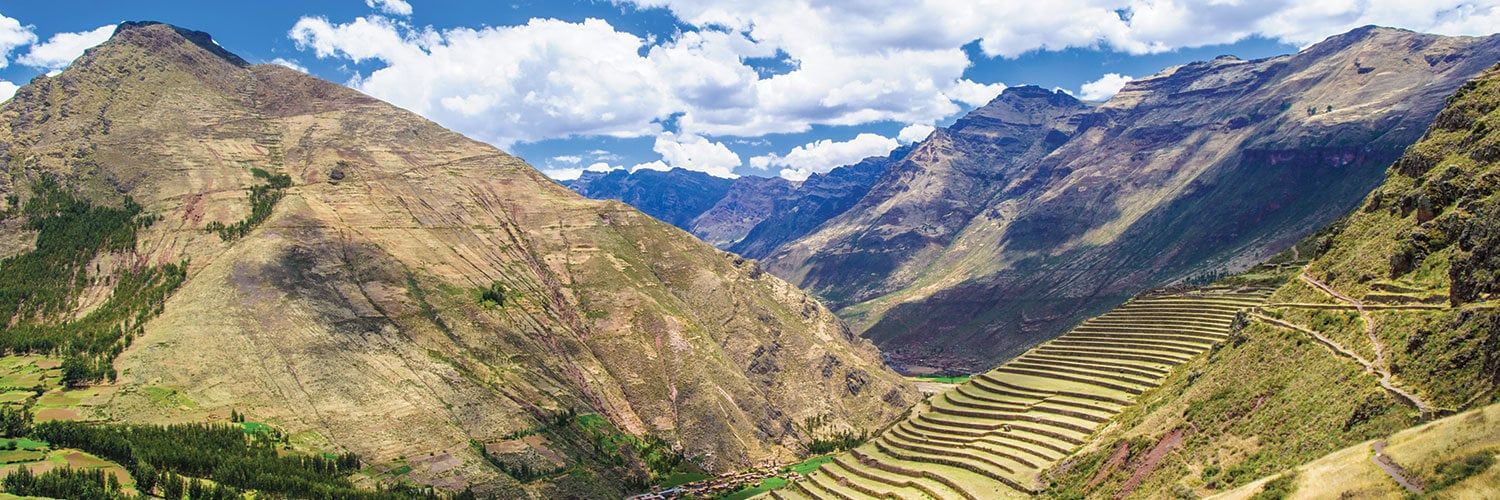
Due to its location in the southern hemisphere, Peru experiences winter from June to August. During this time, the very famous Inti Raymi festival (Festival of the Sun) occurs, as well as excellent weather for visits to Cusco, Puno, and Arequipa.
This is the peak of the dry season in the Andes and considered the best time to visit destinations such as Cusco and Machu Picchu. Days are typically clear with strong sunshine and cool nights. This is low water season in the Amazon. Lima often has a light drizzle in these months and is overcast. The rest of the coastline has little precipitation and is cooler at this time of year.


The best things to do in Peru in the winter consist of being outside! Unlike other areas of the world, the start of the winter season (June) in Peru is the driest. This makes trekking ideal, as well as exploring cities and the Amazon Rainforest. Exploring the Sacred Valley and visiting ancient ruins in the interior of Peru is also very popular in June.
The best time to visit Peru is the dry season, May to September — clear skies and reliable trekking for Machu Picchu, the Inca Trail, Cusco, and Lake Titicaca. April and October are excellent shoulder months with fewer crowds. The wet season (Nov–Mar) is greener and quieter but brings afternoon rain in the Andes.
The dry season (May–September) offers the clearest views and the most reliable weather at Machu Picchu, though it is also the busiest. For a good balance of decent weather and thinner crowds, aim for the shoulder months of April or October. Machu Picchu is open all year.
Yes. The classic 4-day Inca Trail closes for the whole of February every year for maintenance and conservation during the peak of the rainy season. Machu Picchu itself stays open, and alternative treks such as the Salkantay or Lares routes remain available, so you can still reach the citadel by train.
The dry, low-water season — roughly May to October — is best for the Peruvian Amazon around Iquitos, Manu, and Tambopata: trails are open, there are fewer mosquitoes, and wildlife concentrates near the shrinking waterways. High water (Dec–May) is better for canoeing deep into the flooded forest.
In the Andes, the rainy season runs from November to March, with January and February the wettest. Rain usually falls as afternoon showers rather than all day, and the landscapes turn lush and green. The desert coast around Lima, by contrast, is driest at this time and greyest in the southern winter.
Lima and Peru's Pacific coast are sunniest and warmest in the southern summer, December to April — the best time for the beaches and the Paracas/Nazca region. From May to October the coast sits under the cool, grey garúa sea mist, even while the Andes enjoy their clear dry season.
Cusco sits at about 3,400 m (11,150 ft), so days are mild (around 66°F / 19°C) but nights are cold year-round — near or below freezing during the dry-season winter (June–August), which also has the clearest skies. Pack warm layers whatever month you visit, and allow a day or two to acclimatise to the altitude.
The wet-season months (November to March, excluding the Christmas/New Year peak) are the quietest and best value, with green landscapes and thinner crowds at Machu Picchu — just expect afternoon rain and note the Inca Trail's February closure. The shoulder months of April and October offer a great middle ground of good weather and fewer people.