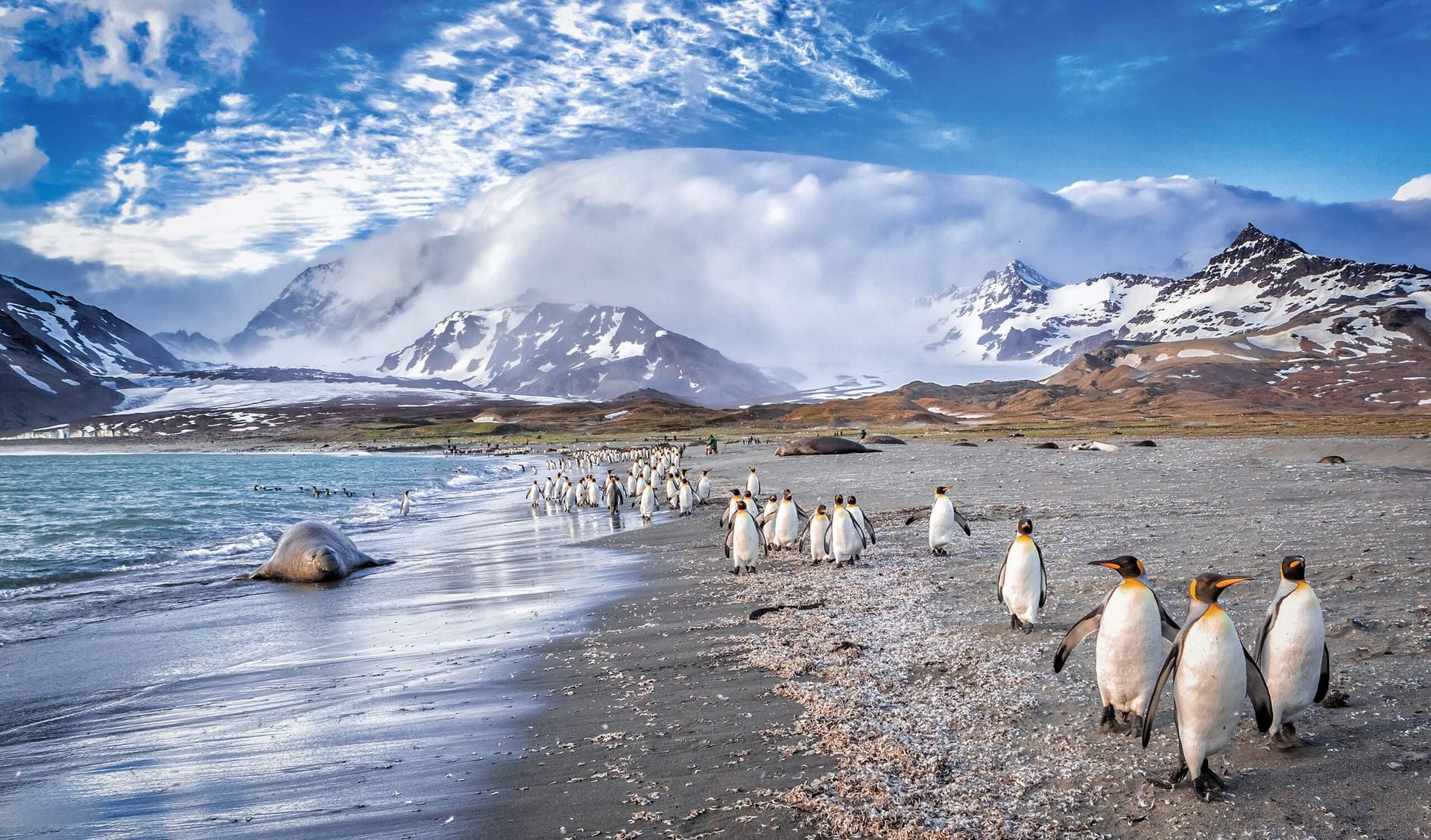
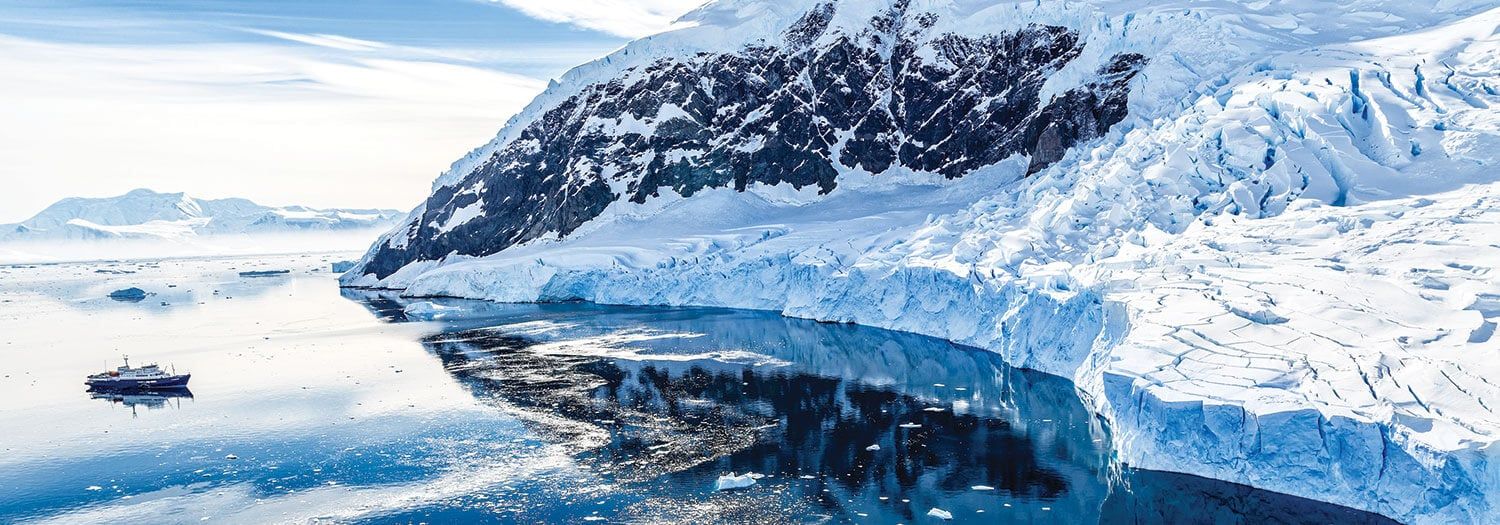
In late October, cruises start to operate and travelers have the opportunity to be the first explorers of the Antarctic tourist season. Also during this time, guests to the southernmost continent have a chance to see the penguins of South Georgia and the Falkland Islands as it is the beginning of the mating season.
Late October and November is a beautiful time to visit Antarctica as the winter ice starts to break up and guests can venture into areas that were inaccessible earlier in the year. Also during this time grand ice sculptures and icebergs are visible, and wildflowers are in bloom in South Georgia and the Falkland Islands.
Note: In November it’s rarer to see baby animals in Antarctica because it’s too cold for seal pups and penguins.
Antarctica’s weather in the Spring results in increased temperatures, though it never gets quite “warm” in the southernmost continent. In September, temperatures rise from -7F to 0F and rarely fall below -20F. As October gets closer, temperatures rise to 14F and in November, temperatures rise from 14F to 28F.

The cruises begin their departures in late October. Aboard the ship, it is one of the best times to see the grand icebergs of the area. Travelers can also enjoy spotting penguins of South Georgia and the Falkland Islands as it is the start of the mating season.
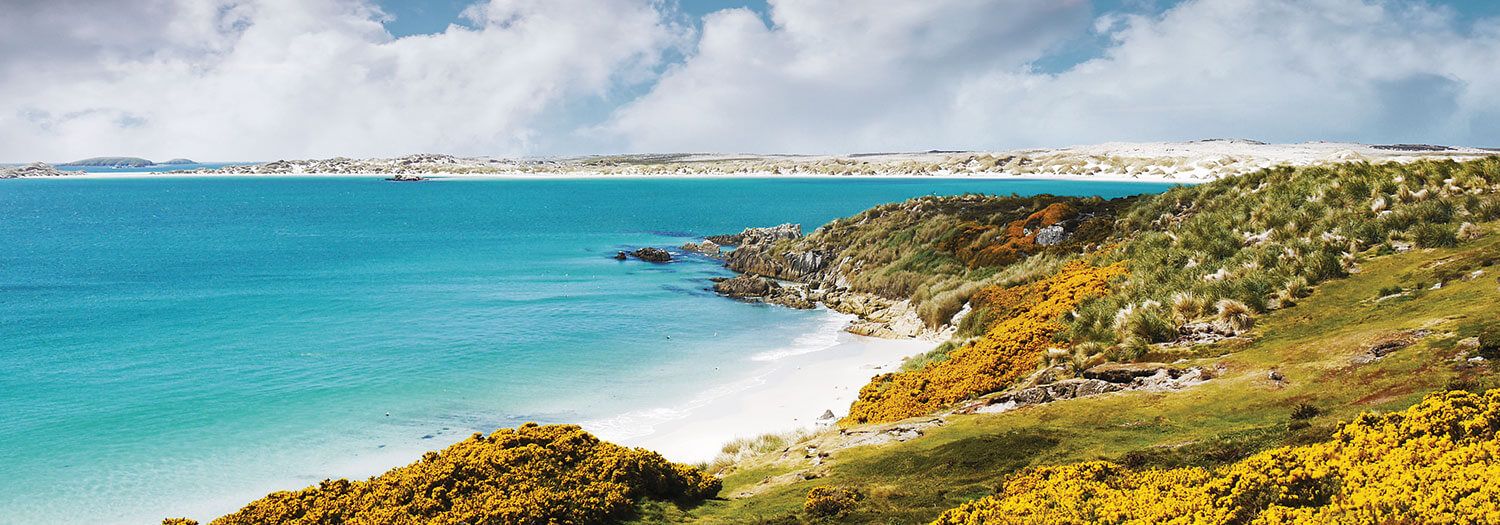
Antarctica in the “summer season”, from December to January is the peak season for travel. During this time of the year, the days are very long and the temperatures are at their warmest (which is not saying much - it’s Antarctica!). For explorers interested in penguins, seals, and seabirds, visiting Antarctica from December to January is great as there is an abundance of active wildlife.
Travel tip: Pack some sunscreen if you’re traveling to Antarctica from December to January. The sunlight reflecting off the snowy, white terrain will expose travelers to a higher chance of sunburn.
Note: Keep in mind that travel to Antarctica in December and January is very busy as it coincides with Christmas and New Year. Be sure to book at least a year in advance if you’re looking to travel during this time.
Antarctica’s summer season is considered the “peak season,” as temperatures reach their highest during this time of the year. In December, the peninsula can reach 30F, South Georgia can reach 41F, and the Falkland Islands can get as warm as 46F. Once January hits, it is the height of summer in Antarctica. Travelers can enjoy consistent days of blue skies and sunshine, with the Peninsula reaching 32F and South Georgia reaching 43F.

During Antarctica’s summer season, travelers can do it all. The weather is ideal for visits to the Falkland and South Georgia islands. Guests also have the opportunity to sail across the Antarctica Circle as conditions at this time typically make this journey accessible. It’s also a great time to spot wildlife and go ice trekking. There are plenty of things to do during Antarctica’s summer season.
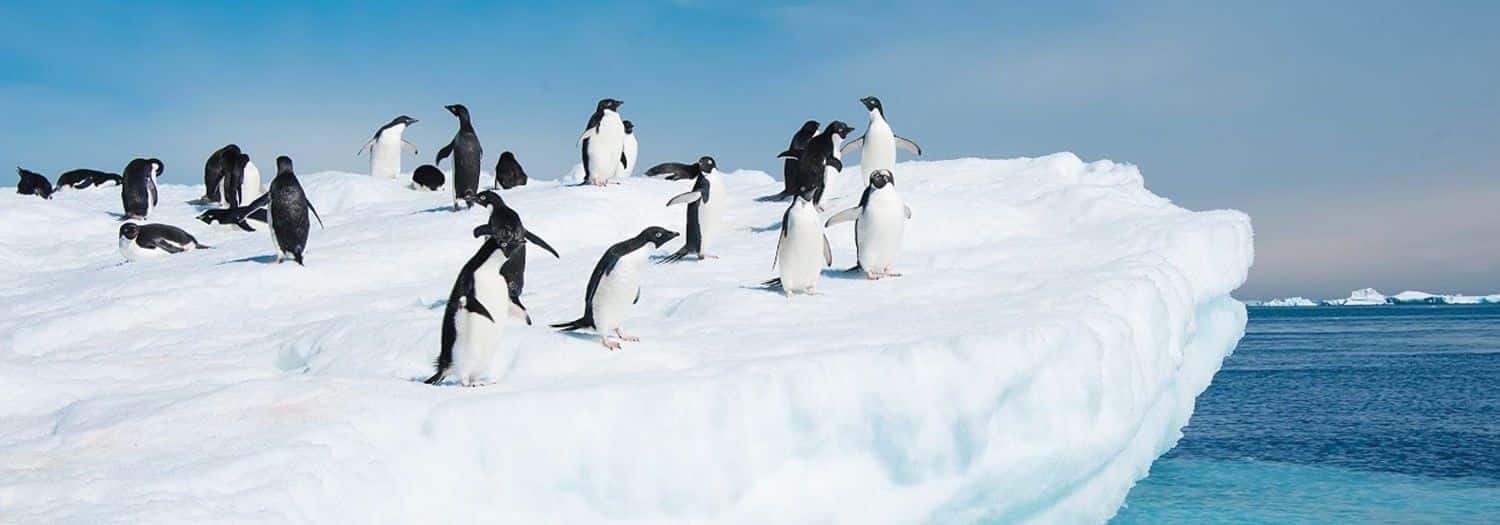
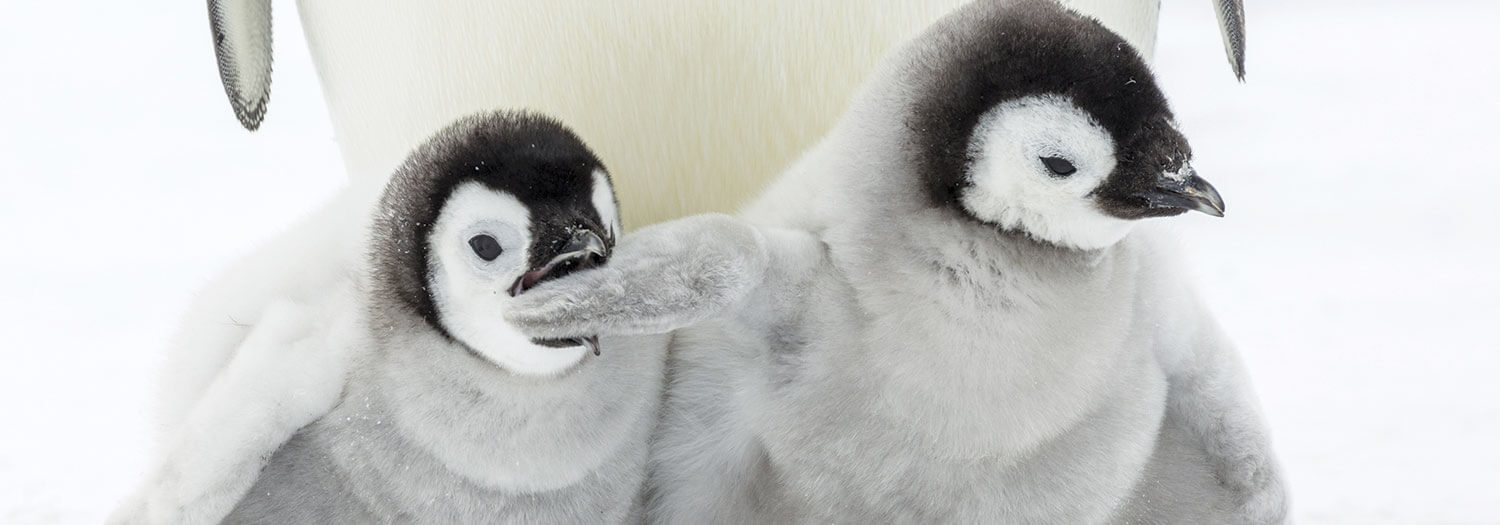
Visiting Antarctica in February and March is perfect for wildlife enthusiasts. The silver lining of the cooler temperatures is that whales can be seen more regularly. While on the cruise ship, try and spot the humpback and orca whales. It’s also during this time that travelers can see penguins hatch.
In February, warm(er) weather may occur leaving explorers plenty of opportunities to spot wildlife such as whales, and you have the chance to sail across the Antarctic Circle.
In March, Antarctica’s weather begins to cool. Guests can experience temperatures around 20 to 30F. It is possible during this time of year, the weather can be colder than the temperatures listed. It is also possible during this time that travelers can enjoy slightly warmer, sunnier days - nothing is certain in Antarctica!
March is really the last suitable month for travelers to experience Antarctica. From late February through March, whale watching is the top thing to do. Explorers have the greatest opportunity to spot killer and orca whales. March is also a great time to spot penguins hatching and to sail through the Antarctic Circle before the season to visit Antarctica comes to a close.
From April to September, you are unable to visit Antarctica because well, it’s absolutely freezing - in fact, below freezing (temperatures below zero!). From April to September, Antarctica begins to form “sea ice” which doubles its area and ships aren’t able to push through. In addition to the sea ice and below-freezing temperatures, during this time of the year, there are very strong winds and little to no daylight. These months of darkness are not suitable for any traveler, no matter how adventurous you are!
Antarctica’s weather from April to September is below freezing. Temperatures drop to lows of -20F / -29C. Cruise ships do not operate during this time due to the large amounts of sea ice that form.

There’s nothing to do in Antarctica at this time of year - because you can’t even get there!