The South Shetland Islands are a haven for wildlife. Vast penguin rookeries, beaches ruled by Antarctic fur seals and southern elephant seals make every day spent in this amazing island group unforgettable. Sailing through the narrow passage into the flooded caldera of Deception Island and the chance to swim in the hot springs of Pendulum Cove is truly unique. King George Island, the largest of the South Shetland Islands, features colonies of nesting Adelie and Chinstrap Penguins, Kelp Gulls, Blue-eyed Cormorants, Antarctic Terns, and Southern Giant Petrels and is home to scientific bases of many different countries. Macaroni, Chinstrap, and Gentoo Penguins, as well as elephant seals, await you at Livingston Island.
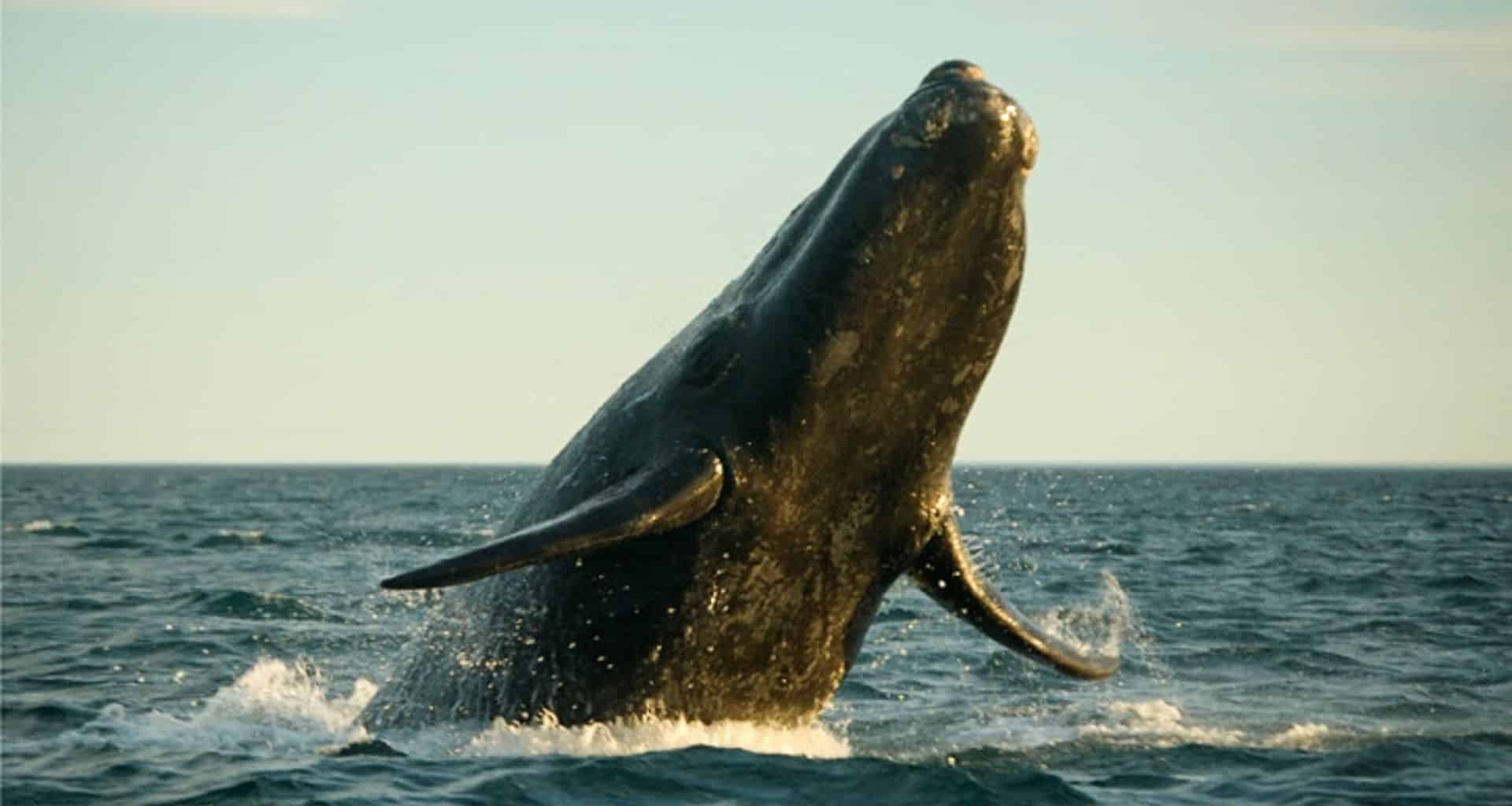
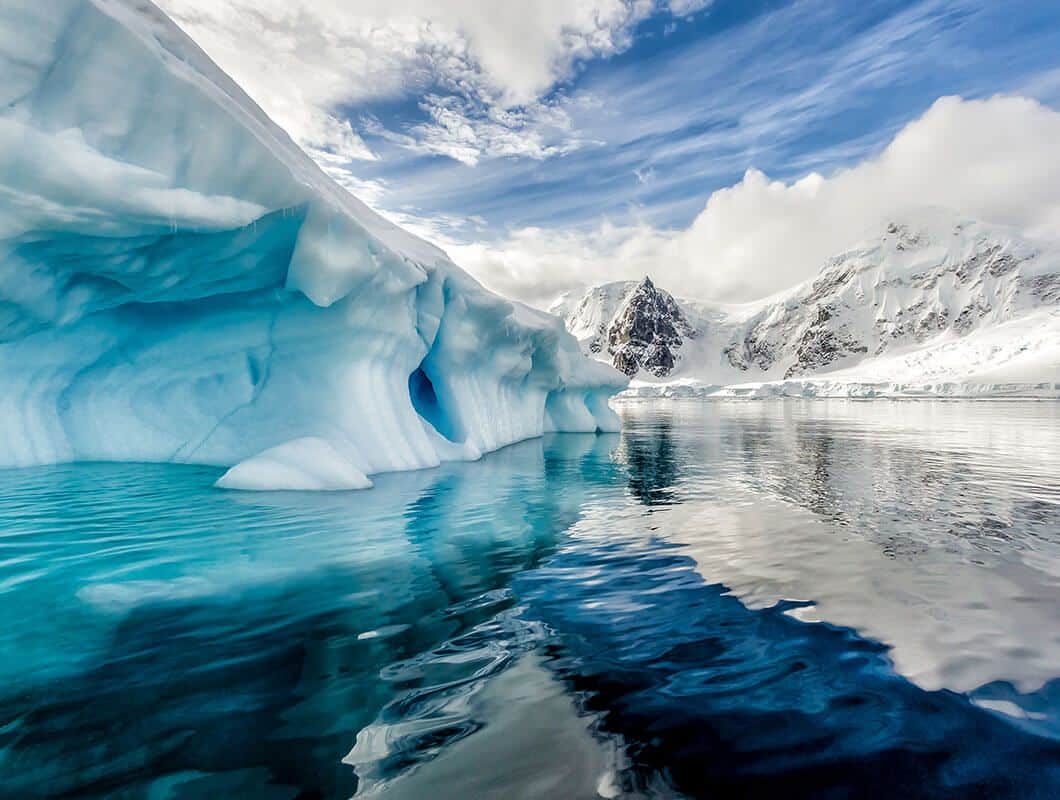
The Antarctic Peninsula's remarkable history will provide you with a type of excitement often only associated with the early explorers. You will have plenty of time to explore its amazing scenery, a pristine wilderness of snow, ice, mountains and waterways, and an incredibly wide variety of wildlife. Apart from penguins and seabirds, you are very likely to see Weddell, crabeater and leopard seals as well as Minke, killer (orca), and humpback whales at close range. We hope to navigate some of the most beautiful waterways (depending on the ice conditions): the Gerlache Strait, the Neumayer Channel, and the Lemaire Channel, the latter are narrow passages between towering rock faces and spectacular glaciers. We plan to make at least two landings per day. Possible landing sites may include: Paradise Bay is perhaps the most aptly named place in the world, and we attempt a landing on the continent proper. After negotiating the iceberg-strewn waters of the Antarctic Sound, we hope to visit the bustling Adelie Penguin (over 100,000 pairs breed here) and Blue-eyed Cormorant colonies on Paulet Island. The Nordenskjöld expedition built a stone survival hut here in 1903. Today its ruins have been taken over by nesting penguins. Further exploration may take you to Melchior Island, Cuverville Island, Portal Point, Neko Harbour, Pléneau Island, and if ice conditions permit, to Petermann Island for a visit to the southernmost colony of Gentoo Penguins.