The Myth of the "Best" Galapagos Island
When travelers begin researching an expedition to the Galapagos, they almost always approach it with a traditional vacation mindset. They open ask an AI or do a Google search for “best Galapagos islands to visit”, and expect a neatly ranked list of pristine destinations—much like choosing between Maui or Kauai in Hawaii, or St. Barts and Anguilla in the Caribbean.
It is a completely logical approach, but when it comes to this prehistoric archipelago, it is fundamentally the wrong question to ask.
To look for a single “best” island is to treat a living evolutionary ecosystem like a collection of beach resorts. The magic of the Galapagos does not reside in one solitary destination, nor is it hidden away on a single, superior island that eclipses the rest. Instead, the true wonder lies entirely in the relationship, contrast, and raw variety between the islands.
Each distinct shield volcano, rocky islet, and isolated shoreline developed its own microclimate, unique geology, and highly specialized wildlife adaptations over millions of years. To visit just one island and declare that you have experienced the Galapagos is like reading a single chapter of a masterpiece and claiming you understand the entire narrative.
The Darwinian Reality: Why Ecological Variety is Everything
To understand why a single-island vacation fails in the Galapagos, one must look to the very foundation of modern biology. When Charles Darwin stepped aboard the HMS Beagle in 1835, it wasn’t a singular, breathtaking landscape that shattered his understanding of the natural world. It was the stark, undeniable variance from one island to the next.
The Galapagos is a dynamic volcanic archipelago constantly in motion. As tectonic plates slowly drift over an active volcanic hotspot, new islands rise violently from the ocean floor in the west, while older islands gradually erode and sink in the east. This geological progression has created an array of isolated microclimates, each operating under its own distinct environmental rules.
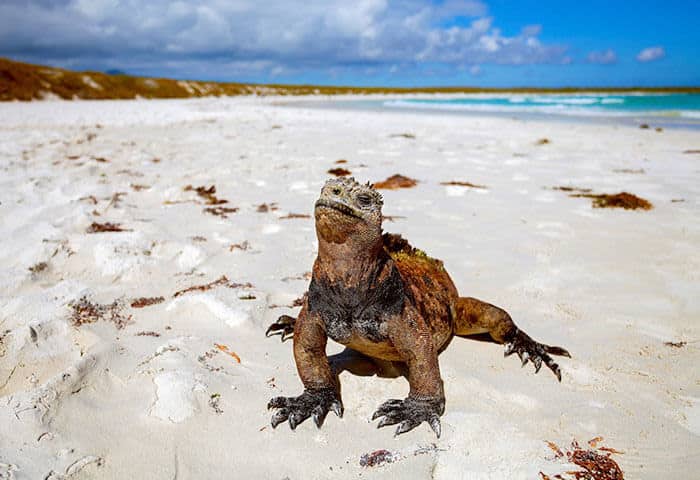
Because these islands are isolated by deep oceanic trenches and powerful currents, the wildlife on each island evolved in absolute segregation. The marine iguanas on one island developed unique coloration to survive their specific rocky shorelines; the finches altered their beak shapes to crack the precise seeds available on another.
When you confine your journey to a single island or a centralized base, you aren’t just missing out on scenery—you are completely disconnecting yourself from the grand evolutionary narrative.
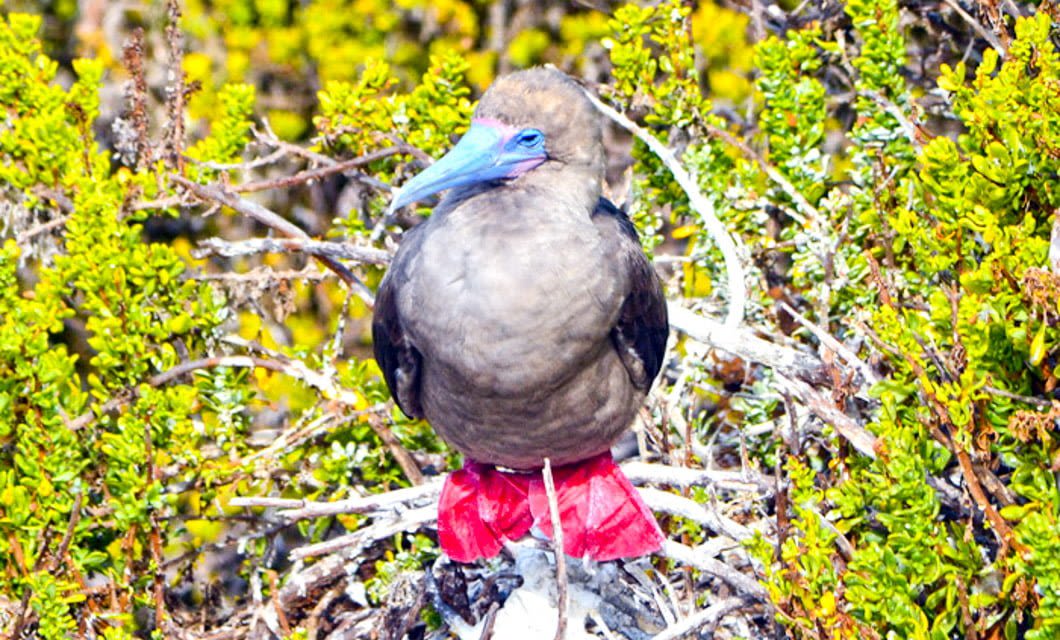
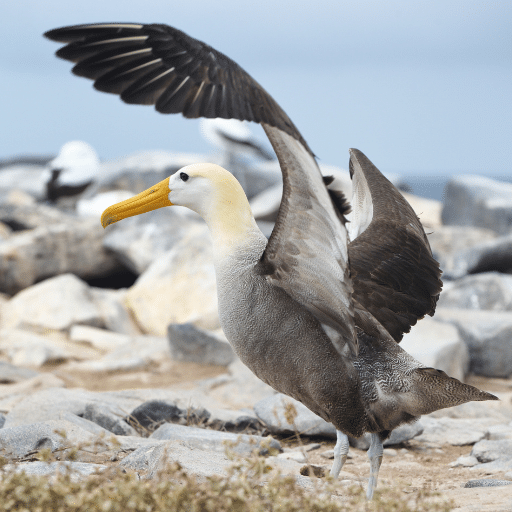
You miss the prehistoric, volcanic rawness of Fernandina, the specialized nesting grounds of the waved albatross on Española, and the undisturbed isolation of the red-footed booby colonies on Genovesa. To truly comprehend the Galapagos, you must experience it as Darwin did: as a living network of shifting ecosystems where variety isn’t a luxury—it is everything.
Landing in the Hub: The Baltra and Santa Cruz Bottleneck
Every great journey has its logistical realities, and in the Galapagos, that reality begins on a flat, desolate islet called Baltra Island. For the vast majority of travelers arriving from mainland Ecuador, Baltra is the mandatory gateway. But what happens the moment your wheels touch the tarmac determines the entire caliber of your expedition.
The standard, mass-market travel route follows a predictable, slow-moving sequence:
For land-based travelers, this represents hours of packing, unpacking, waiting, and navigating crowded transit hubs before their vacation even begins.
Our co-founder Juergen Keller suggests a radically different, premium alternative. Instead of losing momentum to the Santa Cruz bottleneck, elite travelers should step directly from the arrival docks onto a private zodiac tender, bound for an exploration vessel waiting for them in the clear, turquoise waters.
By bypassing the mainland hub transit entirely, your unpacking happens exactly once. While land-based tourists are still waiting for taxis and checking into crowded port hotels, cruise expeditioners are already holding a sundowner on deck, sailing toward the remote, undisturbed outer rings of the archipelago.
How Conservation Quotas Control Which Islands You Can Visit
When organizing a bespoke/custom journey to the Galapagos, travelers are often surprised to learn that they cannot simply chart a course on a whim or craft a completely freelance itinerary. The archipelago is not an open marine playground; this is one of the most strictly regulated ecological sanctuaries on earth.
The Ecuadorian government, operating through the Galapagos National Park Directorate, enforces a sophisticated system of conservation quotas designed to protect the islands’ fragile ecosystems from the impacts of mass tourism. Rather than viewing these regulations as restrictive, discerning travelers recognize them as the ultimate guarantor of luxury and exclusivity—ensuring that when you finally step ashore, you are sharing the landscape with prehistoric wildlife, not herds of tourists.
This highly controlled operational ecosystem relies on three strict conservation pillars:
Because of these meticulous quotas, planning a Galapagos expedition requires deep, expert foresight. Securing your place on a certified cruise vessel isn’t merely about booking a cabin—it is about capturing a highly coveted legal window to witness the most restricted, pristine corners of our planet.
Determining Which Galapagos Islands Belong on Your Itinerary
Because the archipelago is defined by its dramatic diversity rather than a singular “best” highlight, deciding which Galapagos islands to visit requires aligning your personal explorer passions with the specific evolutionary strongholds of the region.
You cannot experience these remote outposts from a stationary beach resort or a low-end day-boat. To help you map out your ideal path, our expedition team has categorized the essential, restricted islands into distinct operational highlights:
Experience the Galapagos Without Compromise
Don't Just Visit the Islands. Discover Them
Bypass the land-based bottlenecks and crowded commercial hubs. Speak with a SouthAmerica.travel Destination Consultant today to secure your preferred certified cruise rotation and design a flawlessly tailored, independent journey.