

The Humboldt Reality Check: Why Land-Based “Island Hopping” is Failing the Galapagos
- Juergen Keller, Co-Founder & Galapagos Expedition Expert.

- Published:
- Last Updated: June 26, 2026
- By Juergen Keller
Share This Post
The Myth of the Tropical Paradise: Unpacking the Humboldt Current
Close your eyes and picture an equatorial island vacation. Naturally, the mind conjures images of swaying palm trees, sun-drenched white sand beaches, and warm, crystal-clear tropical waters perfect for lounging. It is a beautiful image, but when applied to the Galapagos Archipelago, it is an absolute illusion.
To understand the true nature of this region, you must understand a massive oceanic force: the Humboldt Current. Sweeping all the way up from the icy depths of Antarctica, this powerful marine current collides directly with the equator right at the Galapagos. The result is a highly unique, high-contrast environment that completely defies traditional geographic expectations.
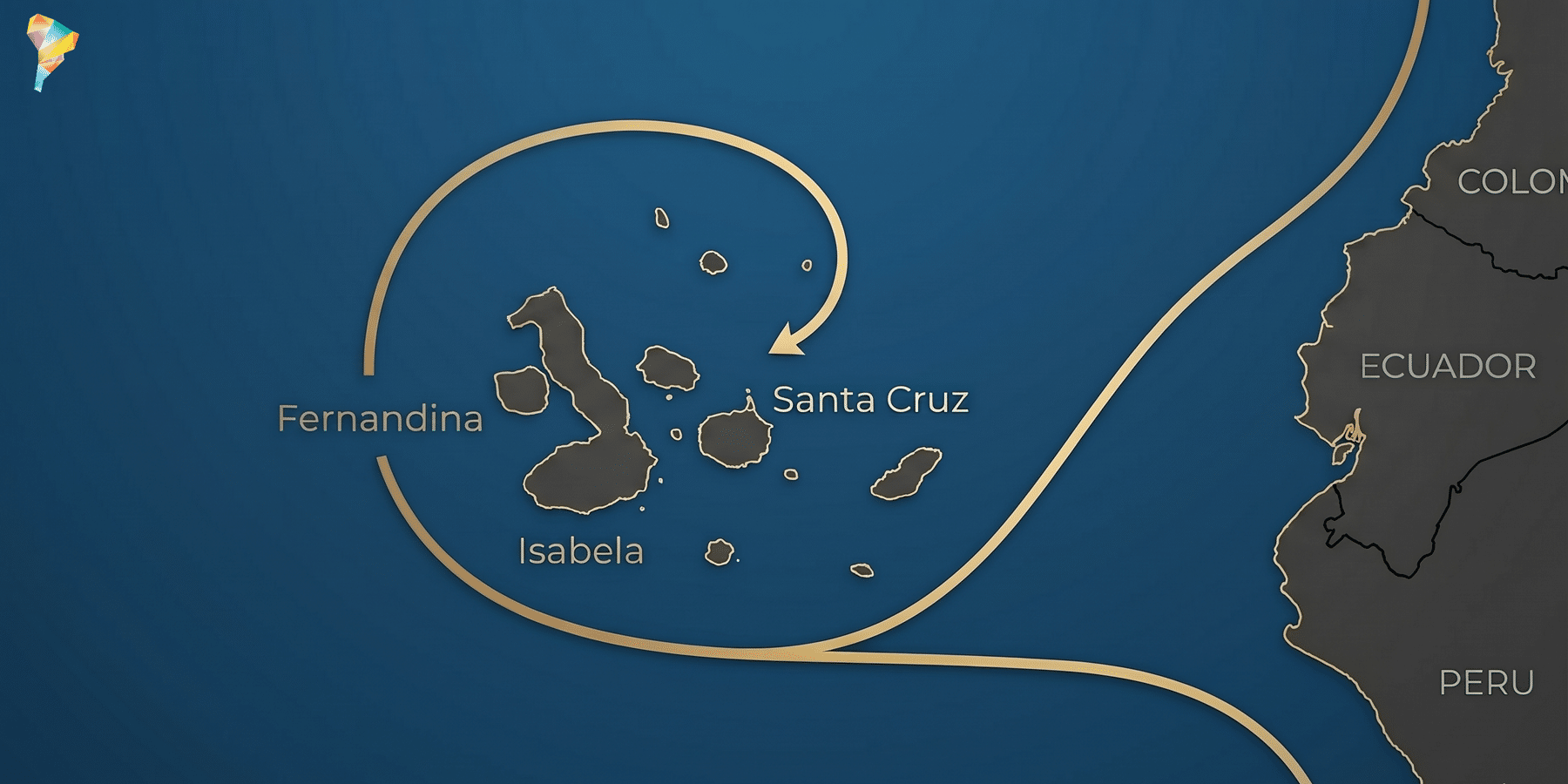
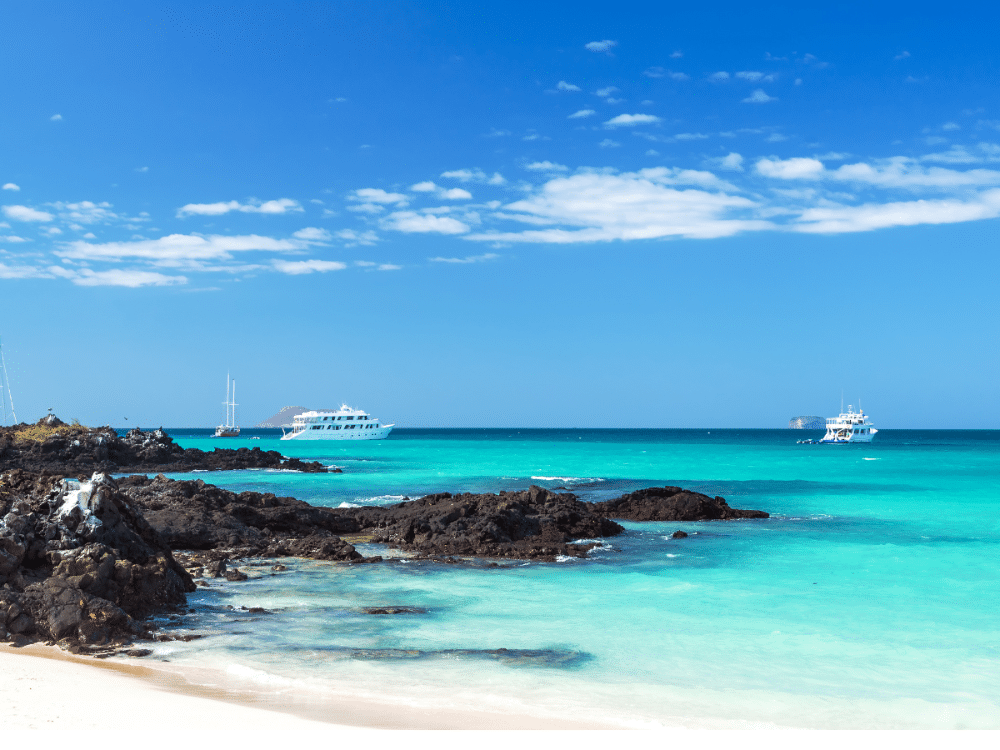
Beware your own expectations when packing for this journey. The Galapagos is definitively NOT a tropical island group. Thanks to the Humboldt Current, the waters are remarkably chilly, there are almost no massive crashing waves, and you won’t find rows of palm trees lining sunny resort beaches.
- Juergen Keller
Instead of a tropical playground, the Humboldt Current transforms the Galapagos into a wonderfully harsh, nutrient-dense marine sanctuary. The cool, oxygen-rich waters act as a biological engine, fueling an ecosystem where penguins, marine iguanas, and sea lions thrive in conditions that would paralyze traditional tropical species.
When you approach the Galapagos not as a resort destination, but as a raw, untamed evolutionary marvel, the chilly waters cease to be a surprise—they become the very reason you made the journey.
Wasted Horizons: The Hidden Logistical Drain of Land-Based "Island Hopping"
In recent years, a new travel trend has emerged across the archipelago: land-based “island hopping”. Promoted as a flexible, alternative way to see the region, these itineraries involve checking into a stationary hotel or lodge on an island like Santa Cruz, and then taking day-boat excursions to neighboring islands. To the uninitiated traveler, it sounds like a perfect balance.
But from a luxury logistics standpoint, it is a recipe for immense frustration.
The fatal flaw of land-based island hopping is the sheer volume of time sacrificed to open-ocean transits. Because the islands are separated by vast distances, a day trip to an outer island means spending two to three hours each way on small, speed-boat style day transfers.
- The Daily Grind: You wake up early, endure a bumpy, exhausting multi-hour morning transit, step ashore during the harshest, hottest mid-day sun, and then immediately turn around to ride another two hours back to your hotel.
- The Transit Tax: You are effectively losing four to five hours of prime wildlife-viewing time every single day just sitting on a boat in transit.
- The Boundary Limit: Because day-boats can only travel so far before needing to turn back before dark, you are completely cut off from reaching the most pristine, remote islands like Genovesa or Fernandina.
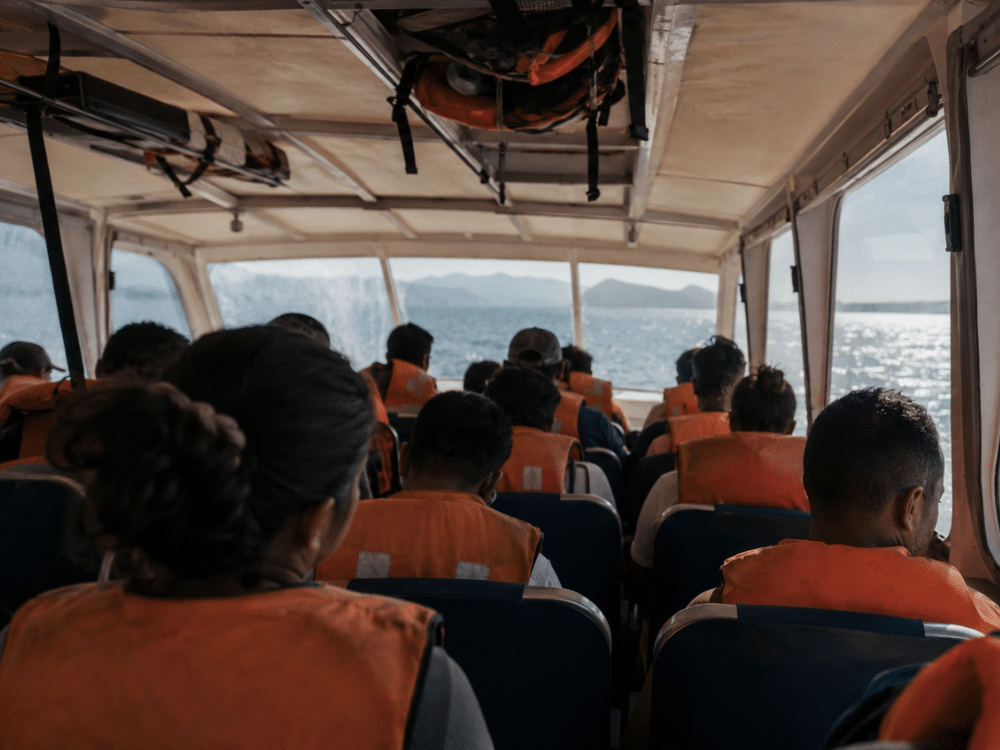
When you choose a land-based itinerary, you aren’t actually exploring the Galapagos!
You are spending a lot of your hard-earned vacation time commuting back and forth on small boats.
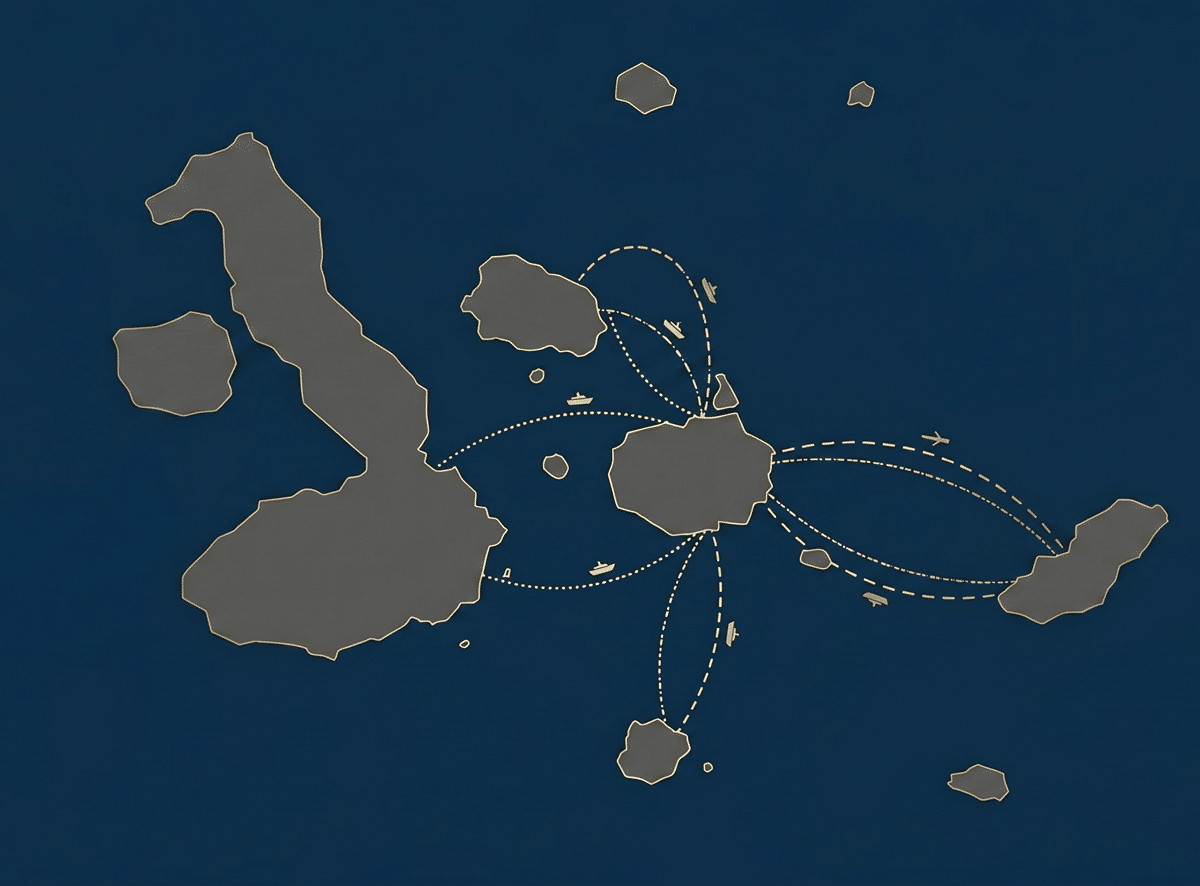
The Real-Time Audit: Where Does Your Day Go?
- Land-Based Island Hopping: 5 Hours Commuting on Choppy Water → 2 Hours Mid-Day Shore Excursion → Night spent in a noisy port town.
- Certified Exploration Cruise: 0 Hours Wasted Commuting (Sailing happens while you sleep) → 6+ Hours Prime Dawn & Dusk Shore Excursions → Night spent anchored in a silent, remote sanctuary.
The Santa Cruz Bottleneck: How Land Tourism Strains a Fragile Ecosystem
Beyond the immense loss of personal travel time, there is a much darker, systemic issue with land-based tourism that many agencies purposely hide from view. It is an environmental reality that directly threatens the very survival of the archipelago.
Because land-based travelers require a stationary place to sleep, eat, and shower, the massive influx of “island hopping” tourists has placed an unprecedented, unsustainable burden on Santa Cruz Island—the only legally inhabited hub in the region. The local infrastructure is buckled under the weight of rapid, unregulated commercialization.
We need to speak honestly about what is happening on the ground. To cater to the sudden wave of land-bound tourists, low-wage hospitality workers are constructing hostels wherever they please. And many of them completely illegal! This overstretches the water, sewer, and electricity networks. Rainfall is scarce, freshwater supplies are now at a critical breaking point, and the system is severely overstrained. For that reason, we at SouthAmerica.travel strongly recommend you stay entirely away from 'Island Hopping.' It is simply not responsible tourism.
- Juergen KellerWhen you choose a land-based package, you are unintentionally contributing to this localized ecological footprint. You are consuming scarce freshwater resources, adding to the critical sewage strain in Puerto Ayora, and incentivizing the construction of unregulated, unmonitored infrastructure.
Affluent, conscious travelers visit the Galapagos to witness a pristine world untouched by human dysfunction. Succumbing to the land-based trend compromises that ethos entirely, trading genuine conservation for localized commercial strain.
Certified Expedition Vessels: Access Without the Ecological Footprint
If land-based tourism is failing the archipelago, the natural question becomes:
How do we explore this fragile world responsibly?
The answer lies entirely at sea.
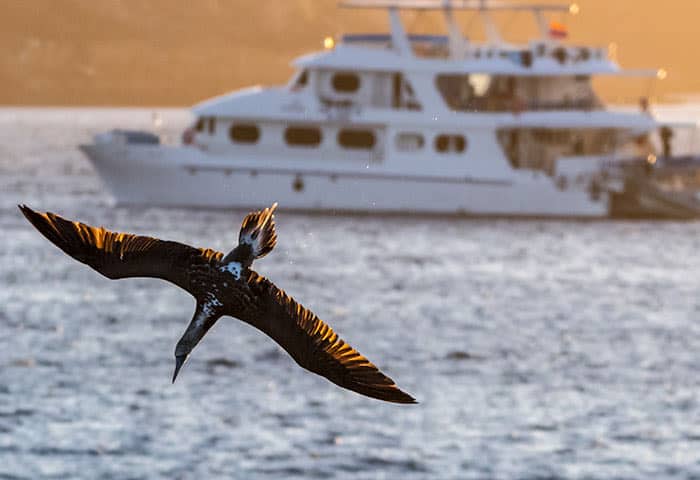
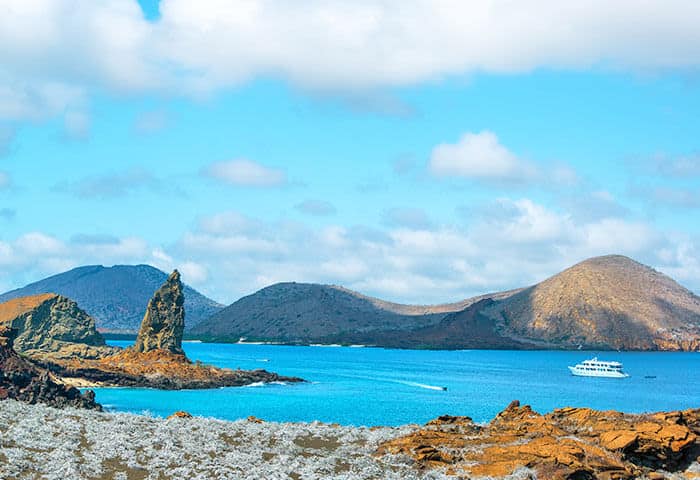
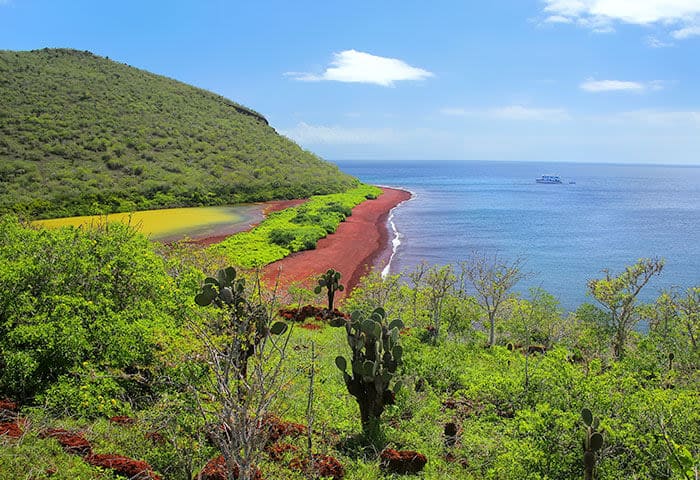
While the word “cruise” or idea of a cruise might conjure images of massive, multi-thousand-passenger floating resorts, the reality in the Galapagos is entirely different. The vessels operating here are highly specialized, low-density explorer ships and yachts. They are heavily regulated, meticulously audited, and fully certified by the Ecuadorian government to ensure zero disruptive footprint on the surrounding ecosystems.
When it comes to navigating by vessel, Juergen Keller highlights three crucial elements that redefine the experience:
- Strict Sustainability Compliance: Unlike unregulated mainland hostels, every certified expedition ship operates under rigorous environmental mandates. They utilize advanced, self-contained water desalination, waste management, and energy systems that completely bypass the overstretched public infrastructure of the inhabited islands.
- Surprising Accessibility: There is a common misconception that an authentic sea expedition is an inaccessible luxury reserved only for the ultra-wealthy. While top-tier luxury vessels certainly exist, there are numerous highly vetted, incredibly comfortable Explorer Class ships that remain highly affordable while offering the exact same elite naturalistic access.
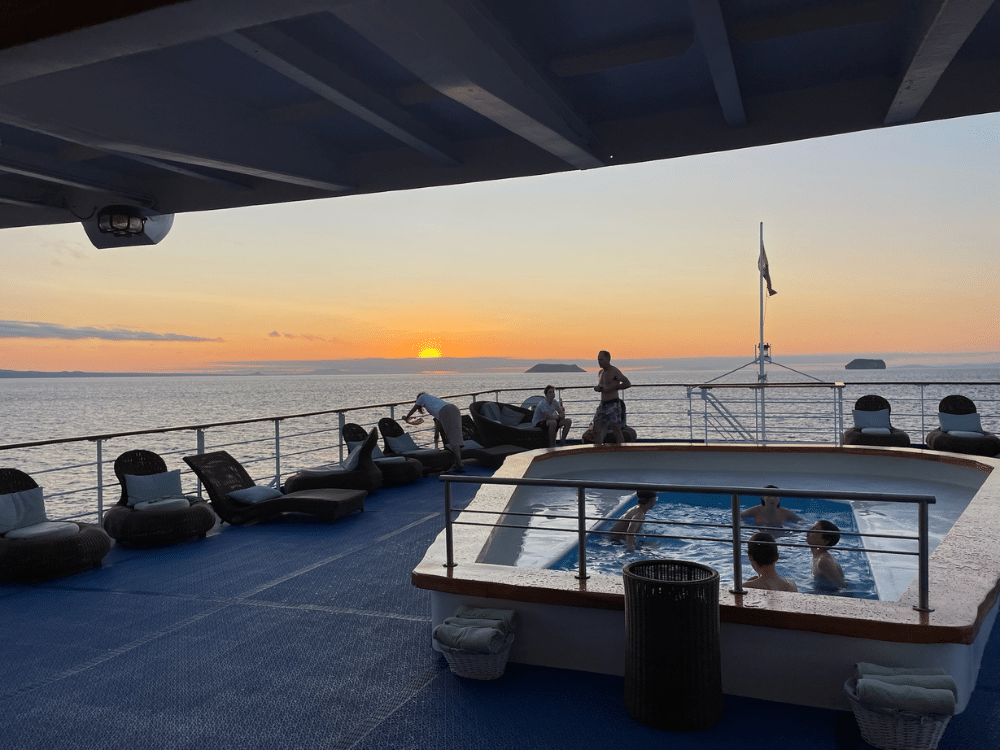
- Immersive Efficiency: Time is the ultimate luxury on a journey this remote. Because a certified vessel navigates between island waypoints while you sleep, even a concise three- or four-day cruise delivers a vastly deeper, more profound understanding of evolutionary nature than a week spent land-locked in a port town. For those seeking absolute completeness, a classic seven-day cruise opens the gates to the entire archipelago.
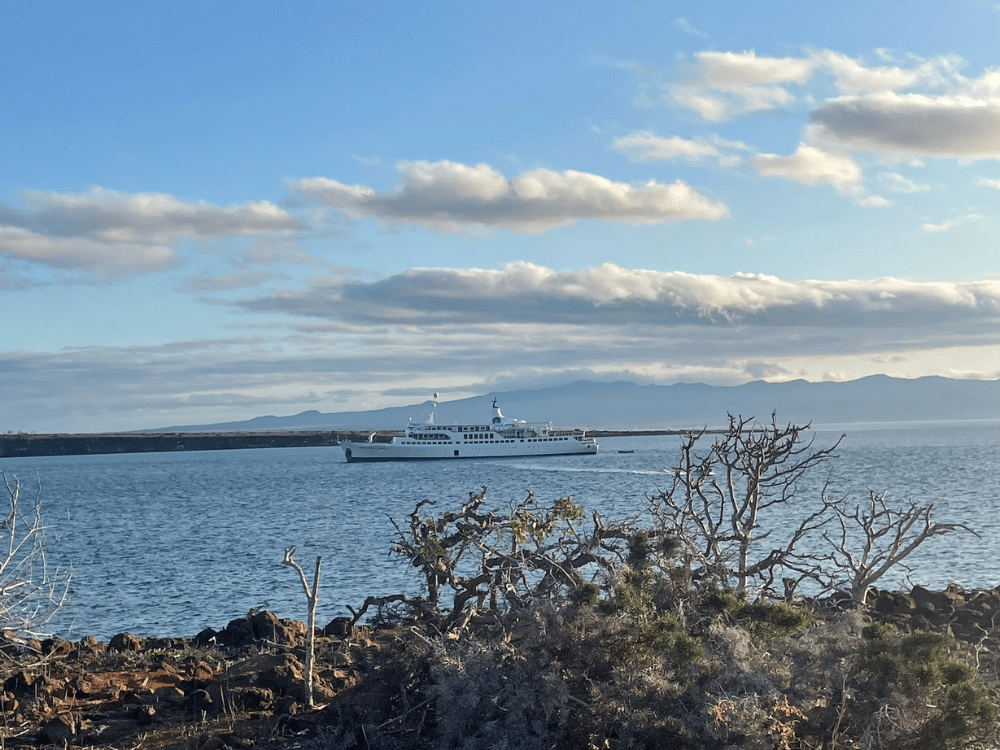
Choosing Your Adventure: How Will You Experience The Galapagos Archipelago?
Every journey to the Galapagos is an investment in your personal legacy of global exploration. How you choose to navigate this ancient world will entirely dictate the memories you bring home. You can follow the mass-market, land-based trend—spending your days trapped in a logistical bottleneck, commuting across choppy waters, and placing an unintentional strain on a fragile local community.
Or, you can choose the path of the true explorer.
By stepping aboard a certified, self-contained expedition vessel, you honor the very spirit of Darwin. You choose a style of travel that completely respects the local infrastructure, bypasses the commercialized tourist traps, and gives you front-row access to the most pristine, evolutionary wonders on earth—all while sleeping under a canopy of stars on the open Pacific.
The choice isn’t merely between a hotel and a boat; it is between a compromise and a masterpiece.
About the Author
