Venezuela holds some of South America’s most spectacular natural wonders — Angel Falls, the flat-topped tepui mountains of the Gran Sabana, and the coral islands of Los Roques among them. It’s a country of extraordinary landscapes and, at present, real practical challenges: many governments (including the United States) currently advise against travel here, and conditions on the ground change. This guide is written to inform and inspire — read it alongside your government’s current advisory and our Venezuela safety guide before making any plans.
Below are the experiences and places that make Venezuela extraordinary, for the day its wonders are easier to reach.
My favorite thing to do in Venezuela is to hike around Mount Roraima. Roraima is located in the southern part of Venezuela, right near the border of Brazil. It features one of the highest mountains in Venezuela, with epic cliffs, lakes, and waterfalls. For the adventurous traveler, this 7-10 day hiking and camping expedition is quite the thrill!
-Sinan Baysan
Venezuela Travel Expert

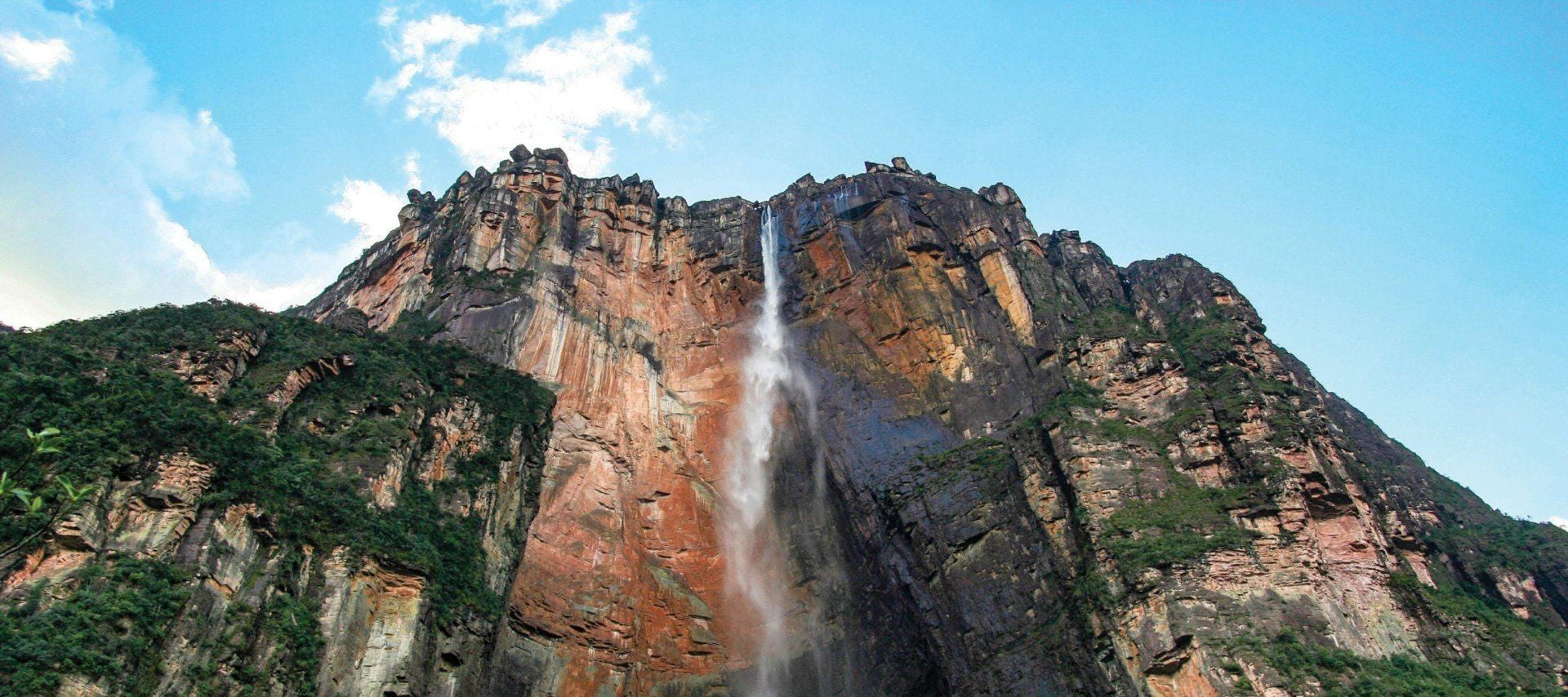
Plunging 979 meters (3,212 feet) off the edge of Auyán-tepui, Angel Falls is the tallest uninterrupted waterfall on Earth — roughly 15 times the height of Niagara. It lies deep inside Canaima National Park, reached by light aircraft to Canaima camp and then a river journey through the rainforest. The falls run fullest in the wet season (roughly June to November), when the water thunders; the dry season trades volume for easier access.

The largest of the Gran Sabana's tepuis, Roraima is a sheer-walled tabletop mountain where Venezuela, Brazil, and Guyana meet — said to have inspired Conan Doyle's The Lost World. The classic 6–10 day guided trek climbs onto a surreal plateau of black rock, quartz crystals, endemic plants, and waterfalls that pour off the edge into cloud. One of South America's great expedition hikes.

A UNESCO World Heritage Site the size of Belgium, Canaima is a primeval landscape of tepuis, savanna, rivers, and waterfalls — Angel Falls is only its most famous feature. Traditional dugout-canoe trips pass beneath thundering cascades like Sapo Falls, where you can walk behind the curtain of water, and Pemón indigenous communities host visitors along the lagoons.

An archipelago of some 300 coral islands and cays off the Caribbean coast, Los Roques is a national park of white sand, turquoise shallows, and world-class snorkeling, diving, and bonefishing. Days are spent boating between empty sandbars and reefs — one of the most pristine marine settings in the Caribbean.

Venezuela has a long Caribbean shoreline, and beyond Los Roques the mainland coast holds palm-fringed national parks like Morrocoy, with mangroves and offshore cays, and the beach towns and colonial-era forts strung along the way. The warm, calm water and easy pace are a counterpoint to the drama of the interior.

Set in a long valley beneath the green wall of El Ávila National Park, Caracas is Venezuela's cultural heart — home to colonial plazas, the birthplace and tomb of liberator Simón Bolívar, notable museums, and a cable car climbing the mountain for sweeping city views. It's the arrival point for most journeys into the country.
From the world’s oldest rock formations to Amazon rainforest and colonial cities, these are the regions that define Venezuela’s astonishing variety.
A vast highland savanna in the country's southeast, studded with more than a hundred tepuis — flat-topped mountains among the oldest geological formations on the planet. Rivers stained red by tannins, roadside waterfalls, and Pemón villages make the overland journey as memorable as the summits.

The mighty Orinoco River and the rainforests of Amazonas state form one of the continent's wildest frontiers — a world of river travel, indigenous communities, and dense biodiversity, including the wetlands of the Orinoco Delta where the river fans out to the Atlantic.

Beyond the capital's historic center, the Venezuelan Andes rise around Mérida — a university city with the world's highest and longest cable car, climbing toward the peaks of Sierra Nevada National Park. Together they show the country's cooler, mountainous, colonial side.

Venezuela’s highlights are far apart and the interior is remote, so travel here has always relied on domestic flights and local guides. Angel Falls and Canaima are reached only by light aircraft to Canaima camp, followed by river travel; Los Roques is a short flight from the coast; the Gran Sabana and Roraima involve long overland journeys best done with an experienced operator. Independent travel is difficult even in normal times — verify the current situation carefully before planning anything.
The dry season, roughly December to April, brings the most reliable weather for the coast, the Gran Sabana, and trekking Roraima. Angel Falls is the exception: it runs fullest in the wet season (about June to November), so waterfall-focused trips trade easier travel for a more dramatic cascade. Check current conditions and advisories close to any intended travel date.
This is the essential question, and the honest answer is that it requires caution. Several governments, including the U.S. Department of State, currently advise against travel to Venezuela, citing crime, unrest, and limited emergency services. Conditions can change quickly. Anyone considering a visit should consult their own government’s current advisory, our Venezuela safety guide, and reputable specialist operators before making plans. This page is intended as travel information, not a recommendation to travel against official guidance.
Venezuela is known for Angel Falls — the tallest waterfall on Earth — the otherworldly tepui mountains of the Gran Sabana, the coral islands of Los Roques, its Caribbean beaches, the Orinoco River, and as the homeland of independence hero Simón Bolívar. It holds some of South America’s most extraordinary and least-visited natural wonders.
Not without serious caution. Several governments, including the U.S. Department of State, currently advise against travel to Venezuela because of crime, unrest, and limited emergency and medical services, and conditions can change quickly. Anyone considering a trip should check their own government's current travel advisory and our Venezuela safety guide first. The information on this page is not a recommendation to travel against official guidance.
Above all, Angel Falls — the world's tallest waterfall — and the surreal tepui mountains of the Gran Sabana that surround it. Venezuela is also famous for the coral islands of Los Roques, its Caribbean beaches, the Orinoco River and Amazon rainforest, and as the birthplace of liberator Simón Bolívar.
Angel Falls is in Canaima National Park in southeastern Venezuela, with no road access. Visitors fly by light aircraft to Canaima camp, then travel upriver by motorized dugout canoe (mainly in the wet season, when water levels allow) to viewpoints near the base. It is a remote, multi-day journey best arranged with an experienced local operator.
The dry season (roughly December to April) is best for the Caribbean coast, the Gran Sabana, and trekking Mount Roraima. Angel Falls, however, is at its most powerful in the wet season (about June to November) — so the ideal timing depends on which wonder you're prioritizing.
Geographically Venezuela borders Colombia, Brazil, and Guyana, and its wonders like Roraima sit near those frontiers. In practice, cross-border travel here is complicated and currently inadvisable; travelers drawn to this kind of tepui-and-rainforest landscape often find more accessible experiences in neighboring South American countries for the time being.

Our favorite South America tour ideas featuring the best destinations & activities designed to inspire…
Get your FREE South America Guide Now!

