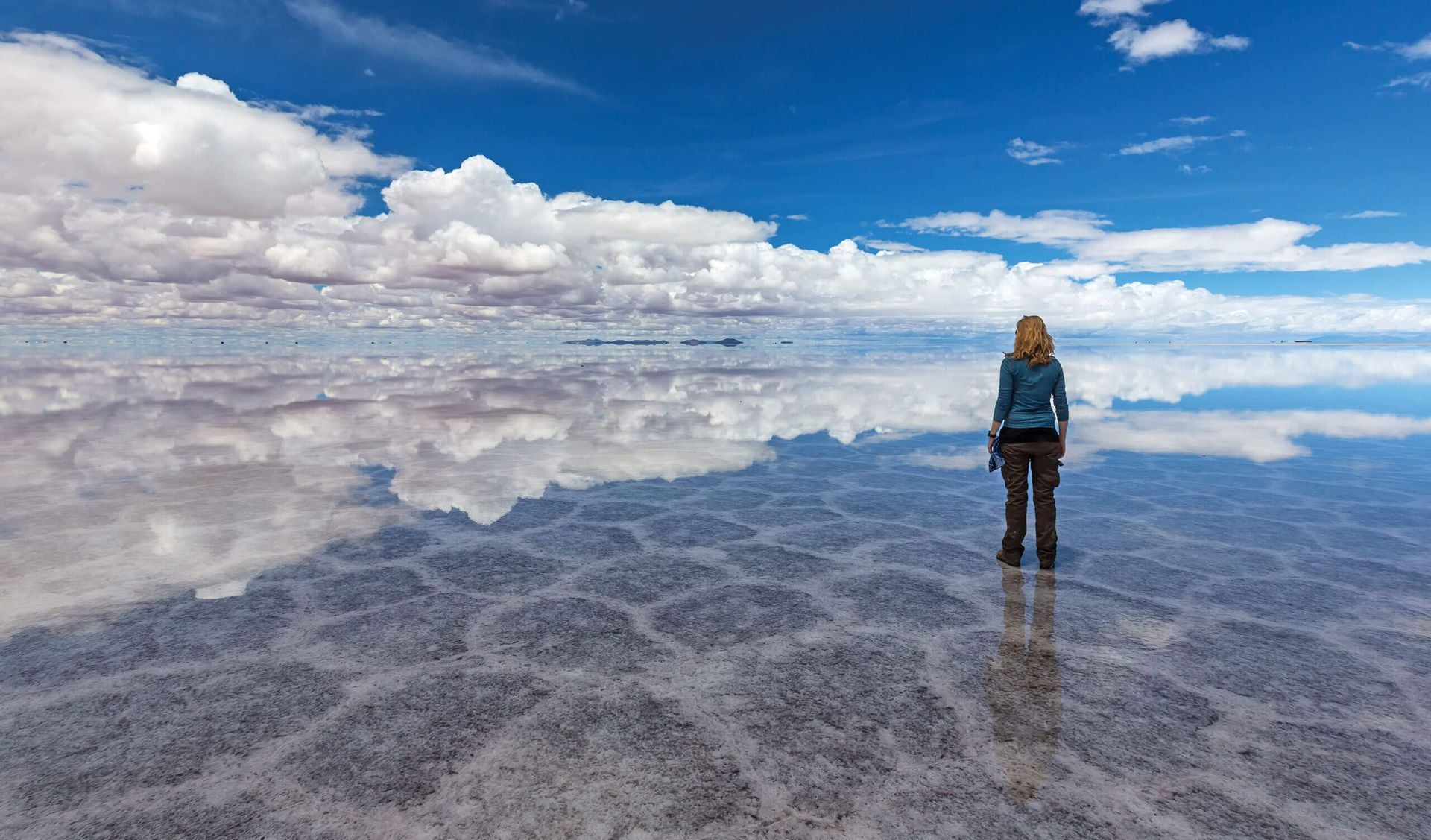
Spring in Bolivia is a “shoulder season”, meaning that the winter/dry season is tapering off but it hasn’t quite reached the rainy/wet summer season. During this time, travelers enjoy visiting Uyuni when the skies are clear and the weather is warm. However, tourists can also visit Uyuni in the rainy season from December to March. It just depends on what kind of experience the traveler is looking for - clear sunny days or a rainy mirrored spectacle of the salt flats.
Bolivia's weather in the spring reaches highs of 66F / 19C in La Paz, 67F / 19C in Uyuni, and as high as 97F / 36C in Rurrenabaque (a small town on the Beni River in the Bolivian Amazon). Visitors can expect a dry climate in areas like La Paz and Uyuni. The Bolivian Amazon can experience some rain showers, as it is a tropical climate.

One of the top things to do during Bolivia’s Spring is to explore some of the country’s greatest historical ruins. Once the parading ground of one of the continent’s greatest empires, the Incas, Bolivia is dotted with significant sites, ranging from ancient statues and cities to natural landmarks, like Lake Titicaca that were prominent locations in Incan folktales and legend. When rain levels are low during the Spring, sites like Isla del Sol and Tiwanaku can be fully explored and enjoyed under clear skies.
December in Bolivia marks the beginning of the Bolivian summer season when travelers can experience warm temperatures, but with frequent rainfall. While December and January are the hottest months of the year in Bolivia, from December to March, the rainy season is in full force. Therefore, if travel to Bolivia is during December, January or February, visitors may experience some rain showers throughout the day. However, the rain might be strong for a couple of hours and then cease. The rainy season is nothing like monsoons in other areas of the world.
Bolivia's weather in the summer season is hot and humid throughout the day and night. December and January are considered to be the warmest months of the year. Uyuni reaches highs of 69F / 21C. While the temperature spikes during this period of the year, there are more frequent rain showers as it is still the rainy season.
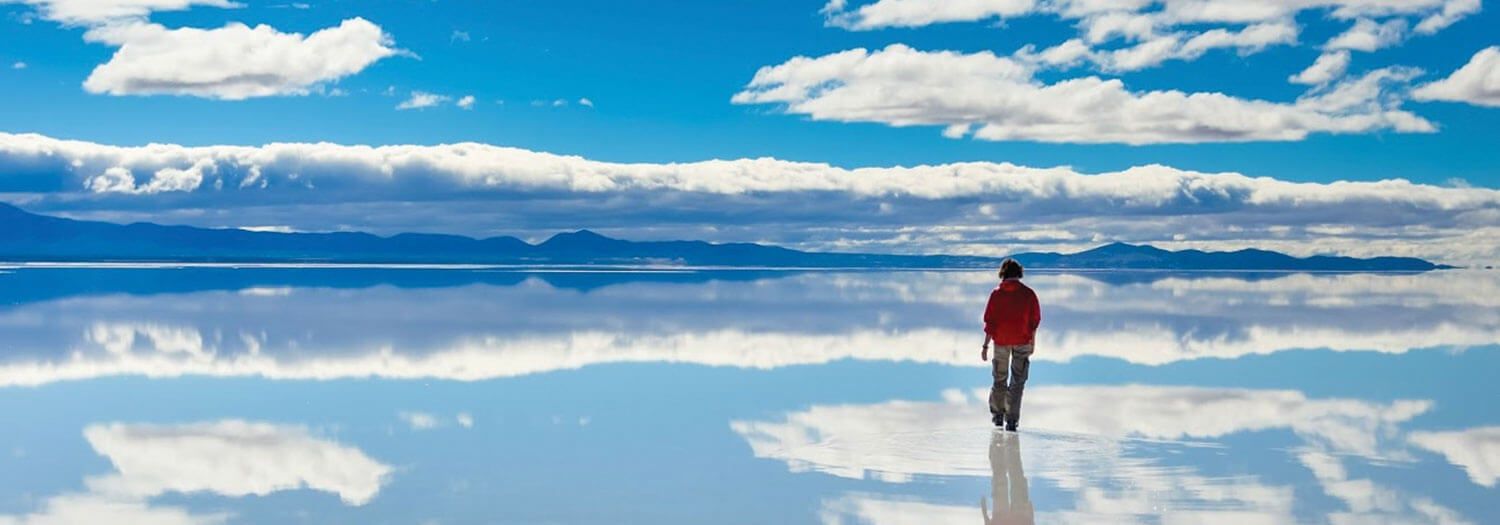
The best thing to do during Bolivia's Summer is to explore Salar de Uyuni and experience the vibrant culture all around. From January, the Uyuni Salt Flats will be glossed over with rainfall leaving travelers the mirrored reflection that makes Uyuni internationally well-known.
Summer in Bolivia is a highly festive season, making certain destinations popular spots to witness the vibrant culture of Bolivia. In Oruro, February marks the start of the famed Carnival celebrations. The religious holiday has been celebrated in Oruro since the 18th-century and serves as the country’s most important national holiday. For days leading up to Easter, the quaint city streets of Oruro fill up with colorfully decorated citizens and talented entertainers.
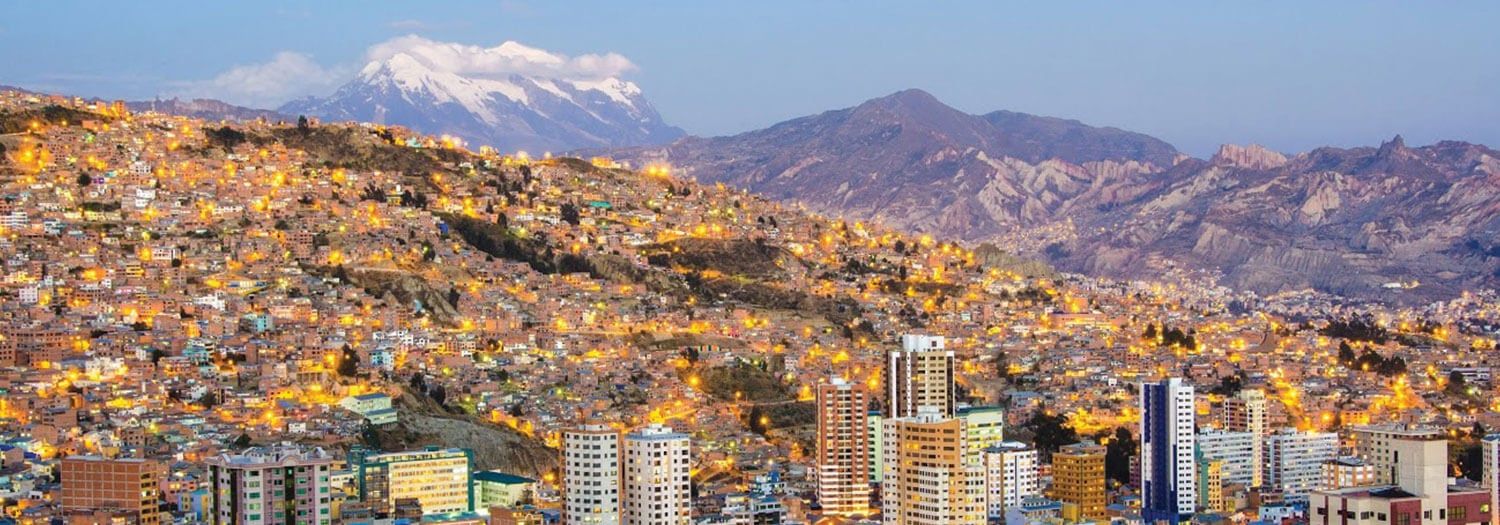
Bolivia in March is experiencing the last days of the rainy season, where rainfall typically occurs in short, sharp downpours. By April, the rain in the Andes comes to an end. In the plains and rainforest, the weather is beginning to get less humid and a bit drier too. Particularly in the Andes such as the La Paz and Uyuni regions, the days will start to become dry, sunny, and cold. In May, the Andes are well and truly in the dry season with great weather for travelers. In the lowlands and around the city of Santa Cruz de la Sierra humidity continues to fall.
Bolivia’s weather in Autumn remains warm but humidity levels start to decrease. In La Paz and Uyuni enjoy highs of 64F / 18C. Though in Uyuni, while the daytime is relatively warm, temperatures can dive down to lows of 19F / -7C at night.

One of the top things to do in Bolivia during Fall is to explore the city of La Paz, where the temperatures do not fall below 53F / 12C. In May, La Paz boasts pleasant, mild weather, perfect for outdoor exploration around the city and the surrounding natural regions.
La Paz is the seat of government in Bolivia, hosting a variety of impressive national monuments like Plaza San Francisco and Plaza Murillo, with the presidential palace. Additionally, the city is bursting with Bolivia's traditional culture. In every square, the “Cholas” (indigenous women of Aymara or Quichuan descent) sell an endless array of unique handicrafts, clothing, food and drink - everything you could need and much more. The Andes surrounding La Paz offers innumerable hikes along millennia-old Inca trails to Sorata, Tiahuanaco, the Capital of a lost empire which predated even the Incas.
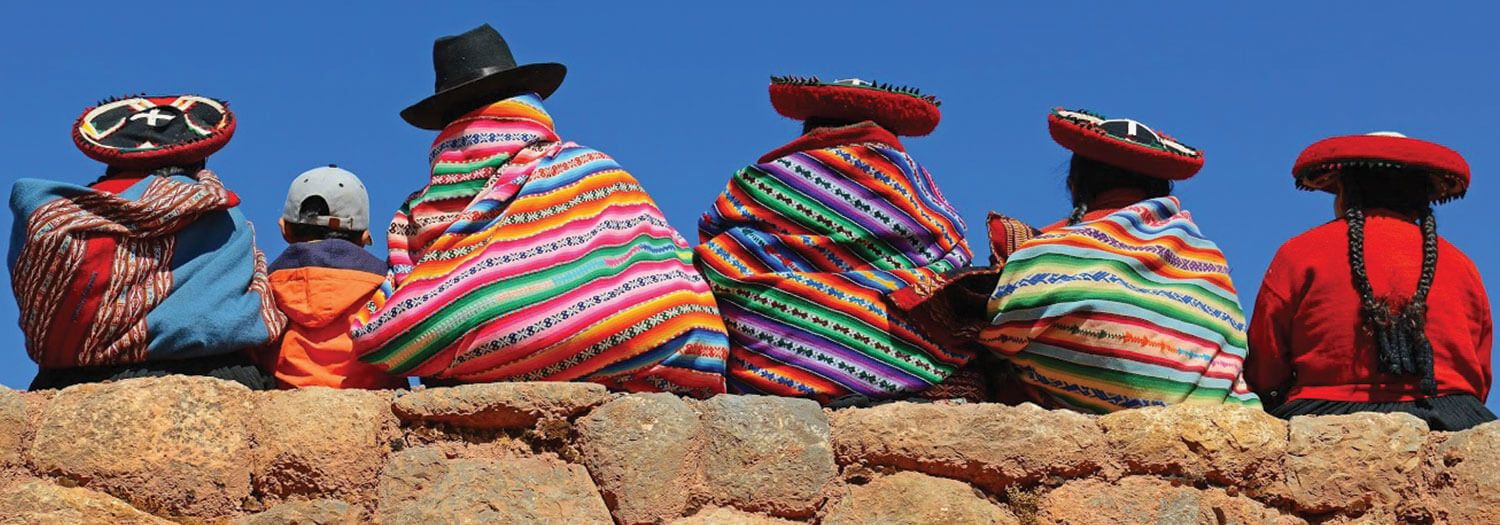
June and July are great months to visit Bolivia as the days during these two months are dry and sunny. However, the highlands can experience chilly temperatures. The dry days may deceive you in thinking that the temperature will be nice and warm, however, in the night, temperatures drastically drop. So it’s best to pack some easy to layer clothing if you travel to Bolivia in June and July.
August in Bolivia also experiences colder temperatures, however, it is the busiest time of the year for travel. Early booking is encouraged.
Winter marks the dry season for Bolivia, providing excellent weather conditions. Temperatures drop in the Bolivian Amazon to highs of 89F / 32C and lows of 66F / 19C. With temperatures dropping in Rurrenabaque, this is a great time to visit the rainforest as humidity levels will not be as high.
The top things to do in Bolivia’s winter season are trekking and exploring the ruins of Bolivia’s decorated past. In the province of Chiquitos, in the lowlands of Bolivia, some of South America’s best-preserved Jesuit Mission towns can be explored. Designated as UNESCO World Heritage sites in 1990, the province is dotted with six former missionaries with architecture inspired by European and Amerindian culture. You can visit these monuments at San Javier, Conception, San Miguel de Velasco, and San Jose. Temperatures in Bolivia’s lowlands remain in the high 50’s Fahrenheit, making for comfortable exploration.
For nature enthusiasts, the Trans-Apolobamba Trek is an excellent hike during winter as it is the dry season in the Andes. The challenging five-day hike is one of Bolivia's finest, taking you deep into the Cordillera Apolobamba, surrounded by dramatic mountain scenery.