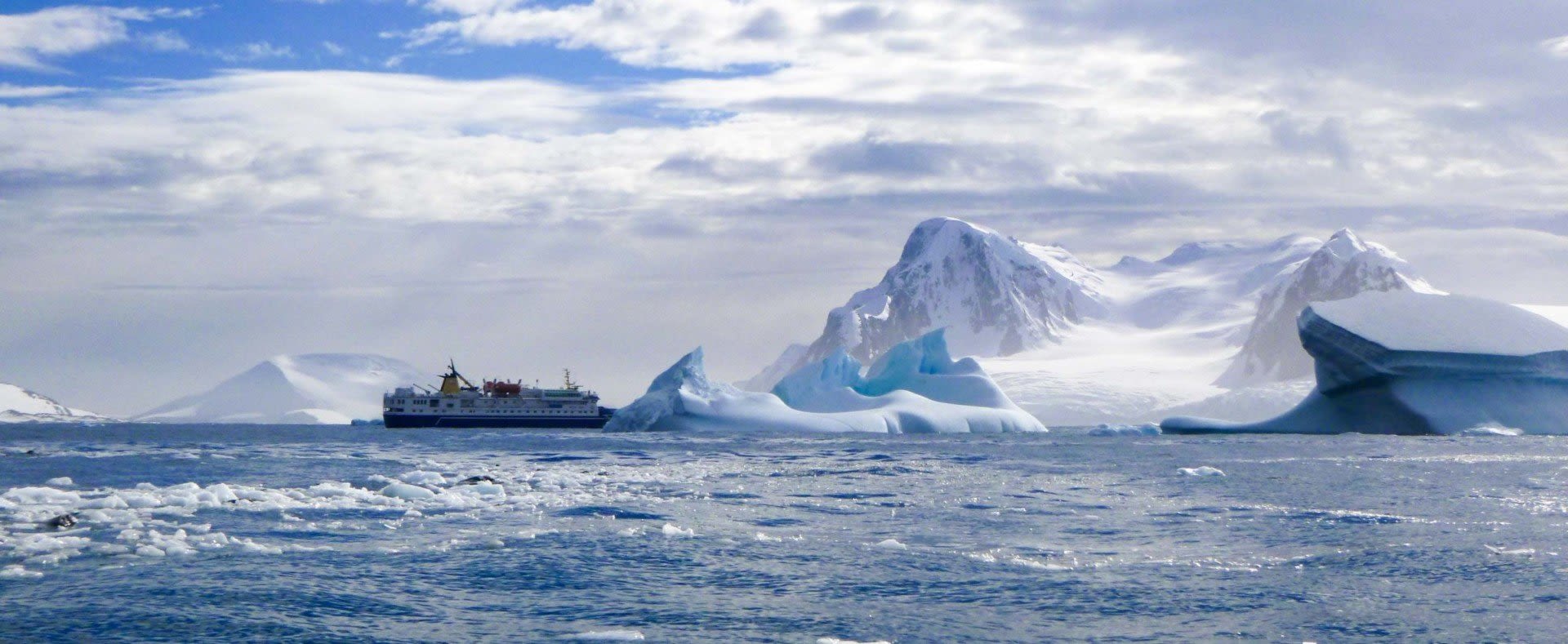
Antarctica is a remarkably safe place to travel — there’s no crime to speak of, no dangerous land predators, and no towns or cities to navigate. Modern expedition voyages have an excellent safety record. What matters here instead is respecting a powerful, remote environment: the sea crossing, the cold, the wildlife rules, and the fact that you’re a very long way from a hospital. Your expedition operator manages almost all of it. Here’s what to know.
How Safe Is Antarctica?
Very, on a reputable expedition. There’s no national government and so no travel-advisory level; trips are run by experienced polar operators, the great majority of them members of IAATO (the International Association of Antarctica Tour Operators), whose guidelines on landings, group sizes and wildlife distances exist precisely to keep both travellers and the environment safe. Following the expedition team’s instructions is the single most important thing you can do.
The Drake Passage & Seasickness
Most voyages cross the Drake Passage from South America, and it can be rough. If you’re prone to seasickness, bring your preferred remedy (patches, tablets or wristbands) and start it before the crossing; the ship’s doctor can also help. Move carefully around the vessel in heavy seas and keep a hand for the ship — most minor injuries on board are simple slips.
Cold, Weather & Zodiac Landings
- Dress in proper layers with a waterproof outer shell, warm gloves, hat and insulated waterproof boots — operators usually provide a parka and loan boots, but the base layers are yours to bring.
- Zodiac transfers to shore are the norm; follow the crew’s boarding instructions, wear your life jacket, and keep cameras in a waterproof bag.
- On land, stay with your group, watch your footing on snow and rock, and never get between wildlife and the water. Keep the required distance from penguins, seals and birds — approaching them is both unsafe and against IAATO rules.
- Weather rules everything; landings and routes change at short notice for safety, so stay flexible.
Remoteness & Insurance
This is the real consideration: Antarctica is one of the most isolated places on earth, and serious medical issues mean evacuation over vast distances. Reputable operators require comprehensive travel insurance that explicitly includes emergency medical evacuation, often with a high minimum coverage — arrange it as soon as you book, and make sure it covers polar expeditions. Bring any personal medication in your carry-on with a little extra.
Travelling With Us
An Antarctic expedition is the trip of a lifetime, and the right operator makes it as safe as it is spectacular. We work with established expedition companies, arrange your voyage and the logistics around it, and handle your gateway connections. Since most voyages depart from Ushuaia in Argentina or Punta Arenas in Chile, take a look at our Argentina and Chile safety guides for the start of your journey.
For the gateway countries, US citizens can enrol in the free Smart Traveler Enrollment Program (STEP) and review the Argentina and Chile travel advisories.
Ready to set sail for the white continent with everything taken care of? Browse our Antarctica tours and travel with confidence.