The Galápagos Islands are among the safest places you can travel in South America. A 90-minute flight from mainland Ecuador, they’re a strictly protected national park with a small resident population, controlled access, and a near-total focus on responsible tourism. There’s very little crime, and — to answer the question most visitors really have — the famous wildlife poses no threat. The few things worth knowing here are about the sea, the sun, and protecting this fragile ecosystem. Here’s the rundown.
How Safe Are the Galápagos?
Extremely. Entry to the islands and the national park is regulated on arrival and departure, the community is small and tourism-oriented, and you’ll spend your time with licensed naturalist guides. Petty theft is uncommon; standard sensible habits — valuables in the cabin safe, an eye on your bag in Puerto Ayora — are all that’s needed.
The Wildlife
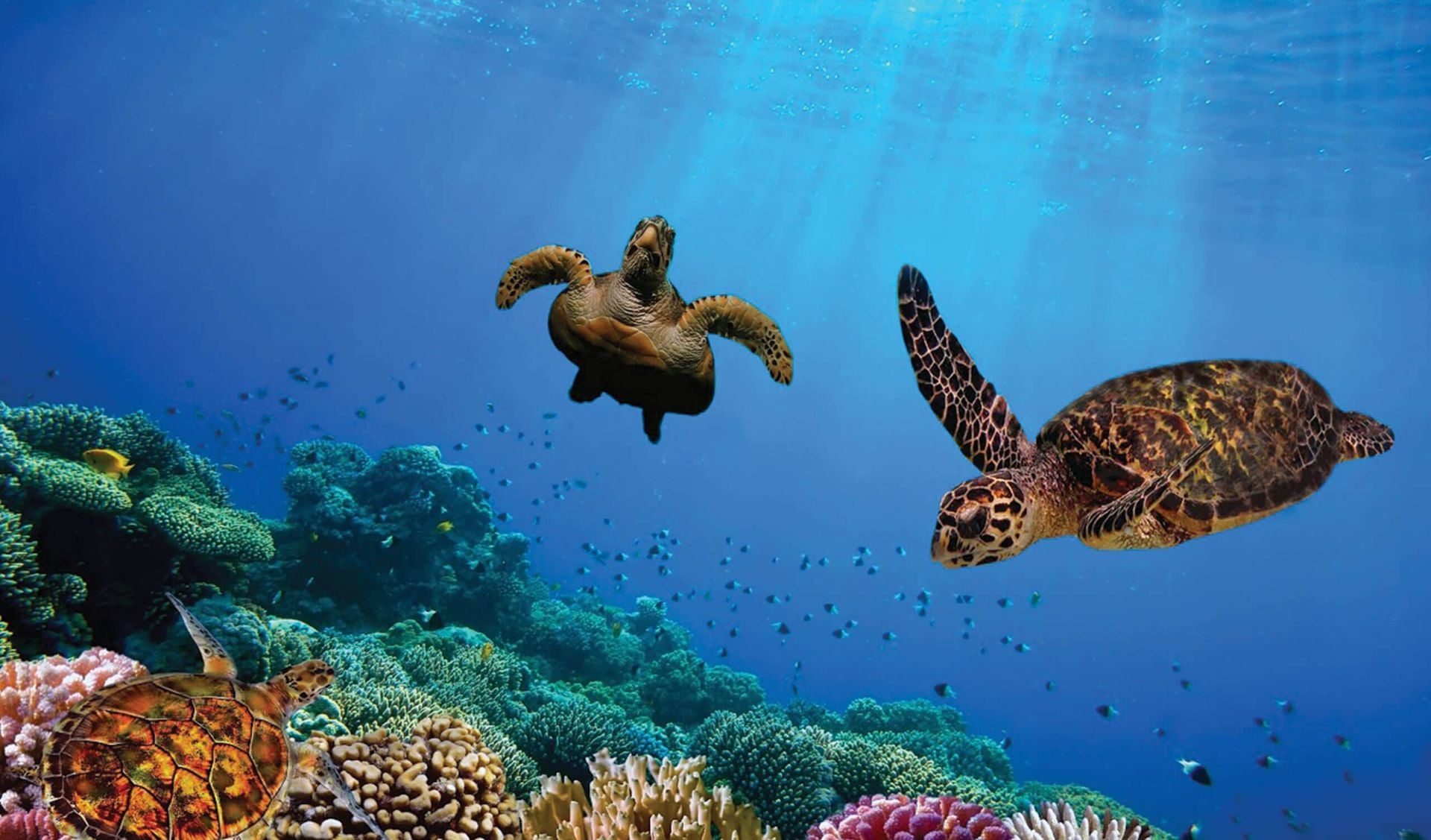
Many travellers are surprised to learn that the animals, never having been hunted, simply ignore visitors and go about their day — from giant tortoises and marine iguanas to sea lions and blue-footed boobies, you can watch them at close range without any danger. The rules exist to protect them, not you: stay at least two metres back, never touch or feed the animals, don’t use flash photography, and keep to the marked trails. Your guide will set the pace, and following park rules is both the law and the whole point of the place.
In & On the Water
Most Galápagos highlights happen in the ocean, so water safety is the real focus:
- Snorkelling: go with the group, follow your guide, and be honest about your swimming ability — currents between islands can be strong and water temperatures cool.
- Seasickness: if you’re on a cruise, crossings between islands can be choppy — bring motion-sickness remedies if you’re prone to it.
- Sun: you’re on the equator. Strong reef-safe sunscreen, a hat, sunglasses and a rash guard prevent the most common Galápagos mishap — serious sunburn.
Health & Practical Basics
The islands are remote, and serious medical issues require evacuation to the mainland, which can be very expensive — so comprehensive travel insurance that covers medical evacuation is essential. Bring any personal medication with you, as pharmacies are limited. Drink bottled or purified water, and respect the strict biosecurity checks that keep invasive species off the islands.
Travelling With Us
A guided Galápagos trip is the most rewarding and reassuring way to experience the archipelago. On every South America Travel itinerary you’re with licensed naturalist guides, your transport, vessel and transfers are arranged, and the logistics are handled end to end. Since most visitors connect through mainland Ecuador, it’s worth a look at our Ecuador safety guide too.
For official updates, US citizens can enrol in the State Department’s free Smart Traveler Enrollment Program (STEP) and review the Ecuador travel advisory; UK travellers can check the FCDO’s Ecuador advice.
Ready to meet the wildlife up close with everything taken care of? Browse our Galápagos tours and travel with confidence.