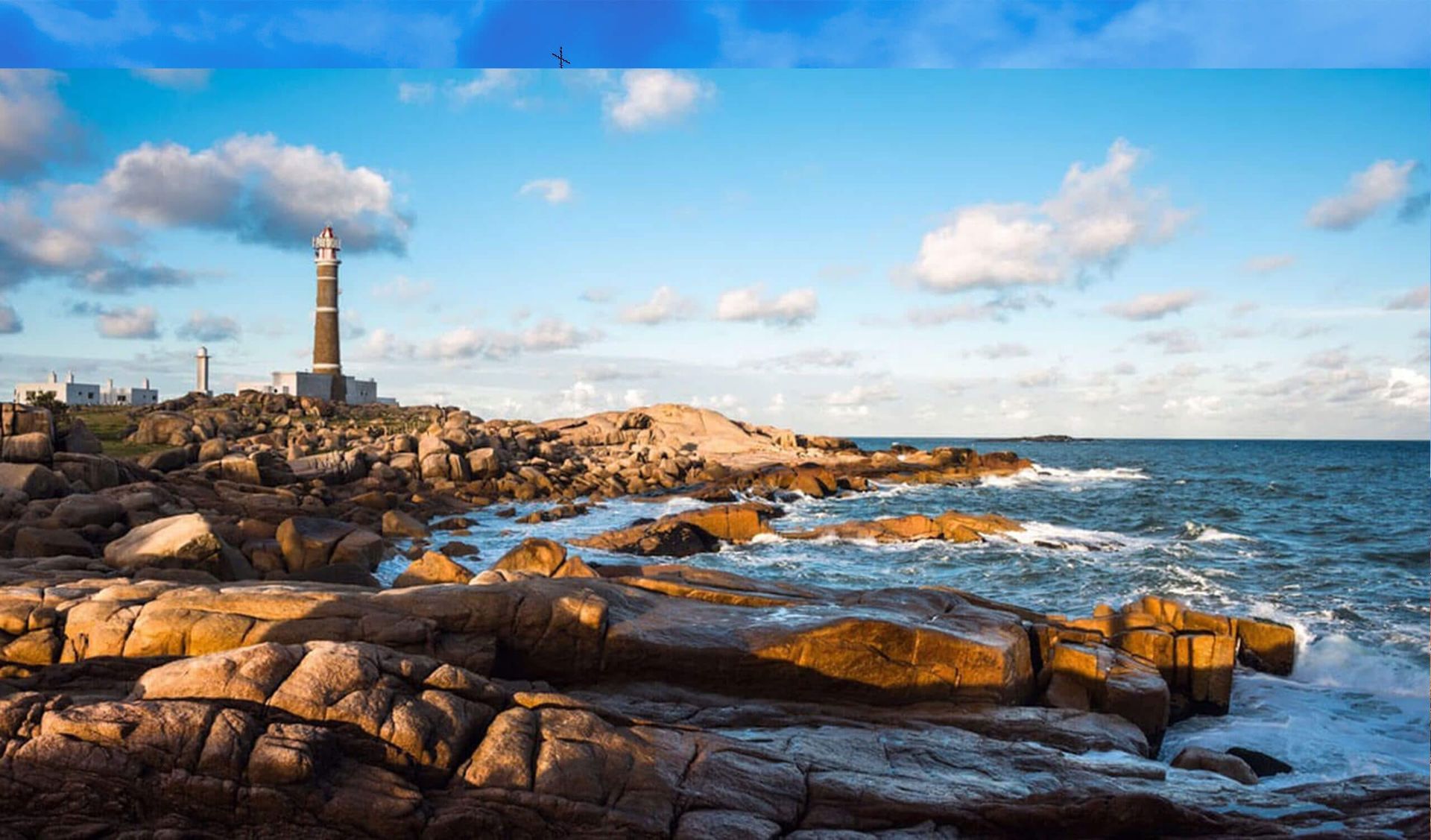
Small, sophisticated, and easygoing, Uruguay is South America’s most underrated escape — a country of white-sand beaches, colonial towns, gaucho estancias, and a wine scene quietly rivaling its famous neighbors. Below are the 8 experiences and 5 sights our team rates highest after 30+ years of planning Uruguay tours, from historic Colonia del Sacramento to glamorous Punta del Este and the wild Atlantic coast.
Compact and safe, Uruguay is easy to combine with Buenos Aires — a short ferry across the River Plate — making it a perfect, relaxed addition to a wider South America trip.
Updated for the 2026-2027 Uruguay travel season.
I visit Uruguay every year on my summer holidays, and every time I go back there, I try to include visits to my favorite two places: Colonia and Montevideo. Colonia is located on the river/sea coastline and is a lovely old colonial town. Stay for half a day or multiple nights and visit the nearby wine region, famous for its Tannat wines. I also recommend watching the sunset in one of the bars facing the Rio de la Plata River and try a “picada” at “El Buen Suspiro”, the best place in town for local tapas. In Montevideo, I recommend spending time in the historical center, visit the Port’s Market and a walk around the Rambla, along the coast of the River, where you can ask a local to try their beloved “mate” tea, Uruguay’s most popular and traditional drink.
-Clara Tort
Uruguay Travel Expert

Uruguay's laid-back capital rewards wandering: the atmospheric Ciudad Vieja, the sprawling Mercado del Puerto sizzling with parrilla grills, and a 22-km rambla promenade where the whole city strolls, sips mate, and watches the sunset over the River Plate.

A UNESCO World Heritage gem on the river opposite Buenos Aires, Colonia's cobbled Barrio Histórico is a postcard of sycamore-shaded streets, a 19th-century lighthouse built on colonial convent ruins, and vintage cars. An easy, enchanting day trip. See our Colonia del Sacramento tours.
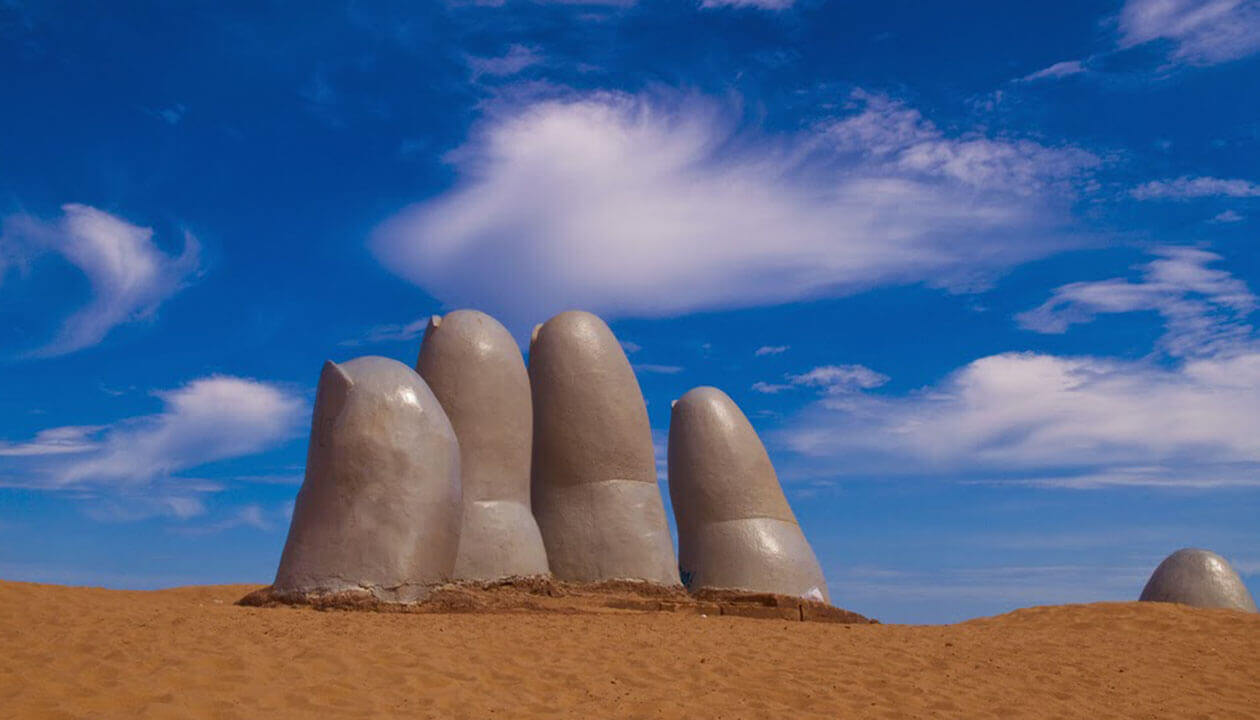
South America's answer to the Riviera: chic beaches, a marina of yachts, and the iconic La Mano sculpture rising from the sand. Nearby José Ignacio brings a barefoot-bohemian, celebrity-favored counterpoint, while the whole peninsula buzzes in the December–February summer season.

Uruguay is quietly one of South America's best wine destinations, and its signature grape — bold, inky Tannat — is found almost nowhere else at this quality. Tour the family-run bodegas around Canelones and Carmelo, many within easy reach of Montevideo. Explore our Uruguay food & wine tours.

Uruguay's rolling interior is gaucho country, and a night at a working estancia is the way to feel it — horseback rides across the pampas, open-fire asados, and the deep quiet of the countryside. Many welcome guests for authentic, hands-on farm stays.

On the rugged Rocha coast, off-grid Cabo Polonio has no roads, no mains electricity, and one of South America's largest sea-lion colonies. Reached by 4x4 across the dunes, it's a back-to-nature counterpoint to Punta's glamour — sand streets, a lighthouse, and huge starry skies.

Uruguay's Atlantic lagoons and wetlands — Laguna de Rocha and Santa Teresa among them — draw flamingos, black-necked swans, and hundreds of migratory species. Quiet, beautiful, and wonderfully uncrowded, they're a paradise for birdwatchers and walkers.

Beyond Punta, a long ribbon of beach towns lines the coast — from family-friendly Piriápolis to surfy La Paloma and tranquil La Pedrera. Warm summer waters, seafood shacks, and a famously unhurried pace make the Uruguayan coast a highlight in its own right.
Uruguay’s landmarks are small in scale but big on character — a mix of striking architecture and coastal icons.
Montevideo's signature building, a flamboyant 1928 tower that was briefly the tallest in South America. Rising over Plaza Independencia, its eclectic silhouette is the city's defining landmark.

Uruguay's grand 19th-century opera house and the oldest theatre in the country — an elegant symbol of Montevideo's cultured, European-inflected soul, still hosting concerts and ballet today.

Artist Carlos Páez Vilaró's dazzling white, Mediterranean-style cliffside creation near Punta del Este — part gallery, part hotel, part sculpture — famous for its sunsets over the Atlantic.

The giant fingers emerging from the sand at Playa Brava — Uruguay's most photographed sculpture and the unofficial emblem of Punta del Este since 1982.

An 18th-century Portuguese-Spanish fort set in a coastal national park near the Brazilian border — atmospheric ramparts, forest trails, and quiet beaches make it a rewarding stop on the wild eastern coast.

Most travelers arrive in Montevideo by air or — the classic way — by a short ferry from Buenos Aires across the River Plate, which also lands at Colonia. The country is small and easy to travel: good roads link Montevideo, Colonia, and the eastern beach resorts within a few hours, and much of Uruguay can be seen by car or private transfer. Its compact size and proximity to Argentina make it a natural add-on to a Buenos Aires trip. We handle the ferry and transfers. See our custom Uruguay trips.
Uruguayan cuisine is a carnivore’s delight — the asado (barbecue) is a national institution, and the chivito (a loaded steak sandwich) is the beloved signature dish. Wash it down with Tannat wine or medio y medio, and you’ll see mate, the ubiquitous herbal tea, carried everywhere, thermos under arm.
Yes — Uruguay is consistently rated one of the safest and most stable countries in Latin America, with a relaxed, welcoming feel. Montevideo warrants ordinary city sense, but overall travel here is easy and low-stress. On our trips you travel with local guides and pre-arranged transport. See our Uruguay safety guide.
The best time to visit Uruguay is the southern summer, December to March, when the beaches, Punta del Este, and coastal life are in full swing. Spring and autumn are quieter and pleasant for Montevideo, Colonia, and the wine country, with fewer crowds and mild weather.
Uruguay is known for its beaches and Punta del Este, gaucho and estancia culture, Tannat wine, a world-beating football tradition, the ritual of mate, and a reputation as South America’s most stable, progressive, and easygoing country.
Three to five days covers the essentials — Montevideo, Colonia del Sacramento, and Punta del Este — with more time for the wine country, estancias, and the wilder Rocha coast. Because it's so close to Buenos Aires, many travelers add Uruguay as a 2–4 day extension of an Argentina trip. Our planners tailor it to your dates.
Yes — it's the classic pairing. A fast ferry crosses the River Plate from Buenos Aires to Colonia (about 1 hour) or Montevideo (2–3 hours), so Uruguay makes an easy, relaxed add-on to an Argentina itinerary. We arrange the ferry and onward transfers.
Uruguay is a little pricier than some of its neighbors — it's a stable, developed country, and Punta del Este in high summer is genuinely upscale. As a benchmark from our own Uruguay itineraries, trips start around $330 per person and most custom routes run mid-range per day depending on hotel tier and season, with the summer beach resorts at the top end.
It depends on your style. Punta del Este is the glamorous, lively choice; nearby José Ignacio is barefoot-chic; La Paloma and La Pedrera on the Rocha coast are more low-key and surfy; and off-grid Cabo Polonio is for those wanting true wilderness. All lie along the same beautiful Atlantic coast.
Very — Uruguay is regularly ranked among the safest countries in Latin America, with a stable, easygoing atmosphere. Montevideo calls for the usual city awareness, but travel throughout the country is relaxed and straightforward. See our Uruguay safety guide.

Our favorite Uruguay tour ideas featuring the best destinations & activities designed to inspire…
Get your FREE Uruguay Guide Now!
"*" indicates required fields

