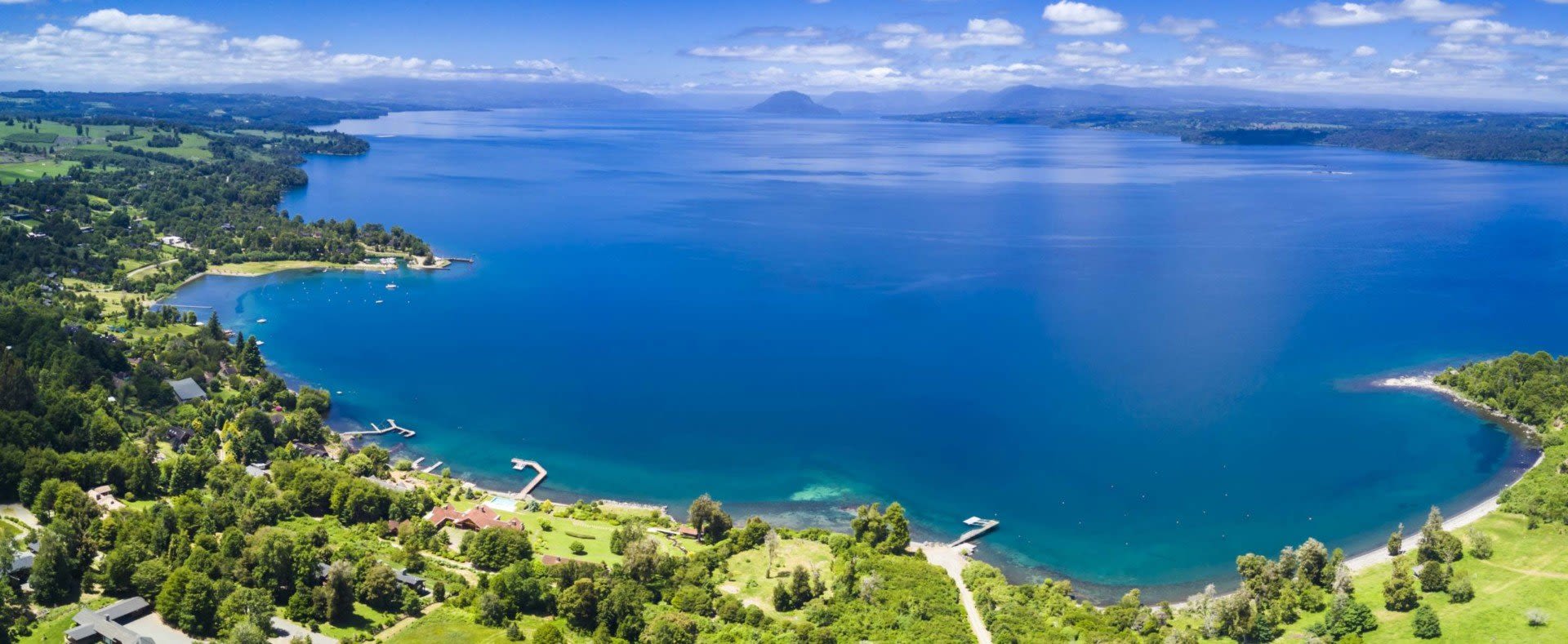
Aerial view of a large, blue lake in Chile surrounded by lush green hills, with small docks and scattered buildings—an inviting scene for visitors exploring beyond just Chile visa requirements under a bright, partly cloudy sky.
Chile Tours

Languages of Chile

Icon
Chile Overview
Icon
Best Time to Visit Chile
Icon
Chile Articles
Icon
Chile Recommended Hotels
Icon
Languages of Chile
Icon
Chile Food & Drink
Icon
Safety in Chile
Icon
Staying Healthy in Chile
Icon
Chile Travel Insurance
Icon
Internet & Calling in Chile
Icon
Chile Packing List
Icon
Chile Flights
Icon
Weather in Chile
Icon
Money in Chile
Icon
Chile Visa Requirements
Icon
Things to do in Chile

Spanish is the official language of Chile — but Chileans speak it in a way that’s all their own, and it has a reputation as the trickiest Spanish to follow in all of Latin America. Don’t let that put you off: a few words go a long way here, and locals genuinely appreciate the effort. Here’s what to listen for, plus the slang that’ll make you grin.

Spanish, Chilean-Style

Chileans are famous for speaking fast, dropping the “s” at the ends of words, and folding in a whole dictionary of homegrown slang (chilenismos). Even fluent Spanish speakers from elsewhere can find it a workout — so if you catch only every third word at first, you’re in good company. English is widely spoken in Santiago and the main tourist spots, and Chilean youth love to practice with visitors, but it’s always polite to ask rather than assume.

Spanish isn’t the whole story, either. Several Indigenous languages live on: Mapudungun, the language of the Mapuche people, is spoken in the south-central regions; Rapa Nui, a Polynesian tongue, is heard on Easter Island; and Aymara and Quechua survive in the northern altiplano. In hotels, restaurants and major sights you’ll find English spoken, and every one of our guides is English-speaking, with other languages available on request.

The Essentials

If you’d like to brush up before you fly, a free app like Duolingo, a “Spanish for Travelers” class, or a program like Rosetta Stone makes the basics easy. Start with these:

  • Hola — Hello
  • Adiós — Goodbye
  • Por favor — Please
  • Perdón — Excuse me
  • Gracias — Thank you
  • De nada — You’re welcome

Talk Like a Chileno

Half the fun of Chile is its slang. You won’t need all of it, but recognizing a few of these will make the locals light up — and help you crack the code of a conversation:

  • ¿Cachái? — tagged onto the end of a sentence: “you know what I mean?”, “right?”, “get it?”
  • Al tiro — right now, immediately
  • Po — added to the end of a sentence for emphasis (¡Claro, po! = “of course!”)
  • Chela — beer
  • Copete — a drink / cocktail
  • Bacán / La raja — cool, great, amazing
  • La micro — the city bus
  • El taco — traffic / a traffic jam
  • Tener caña — to be hungover
  • Estar copeteado — to be tipsy (from copete)
  • Tomar once — Chile’s beloved late-afternoon teatime (around 5pm), a British-immigrant custom of tea with milk, bread, cheese and conversation — sometimes in place of dinner. (Once is Spanish for “eleven.”)
  • ¡Fome! — boring
  • Pololo / Polola — boyfriend / girlfriend
  • Carrete — a party
  • Caleta — a lot (me gusta caleta = “I like it a lot”)
  • Pucho — cigarette (same in Argentina)
  • Rico / Rica — tasty, delicious (of food — or people)
  • Buena onda — good vibes (the opposite is mala onda)
  • Pasarlo chancho — literally “to spend it like a pig,” meaning to have a fantastic time
  • Weón / Huevón — Chile’s most famous word, and a chameleon: depending entirely on tone, it can mean “dude” or “buddy” among friends (¡Hola, weón!) or a not-so-friendly “idiot.” Listen to the tone of voice!

Ready to test your chilenismos on the locals? Browse our Chile tours — with English-speaking guides along for the ride, nothing gets lost in translation.
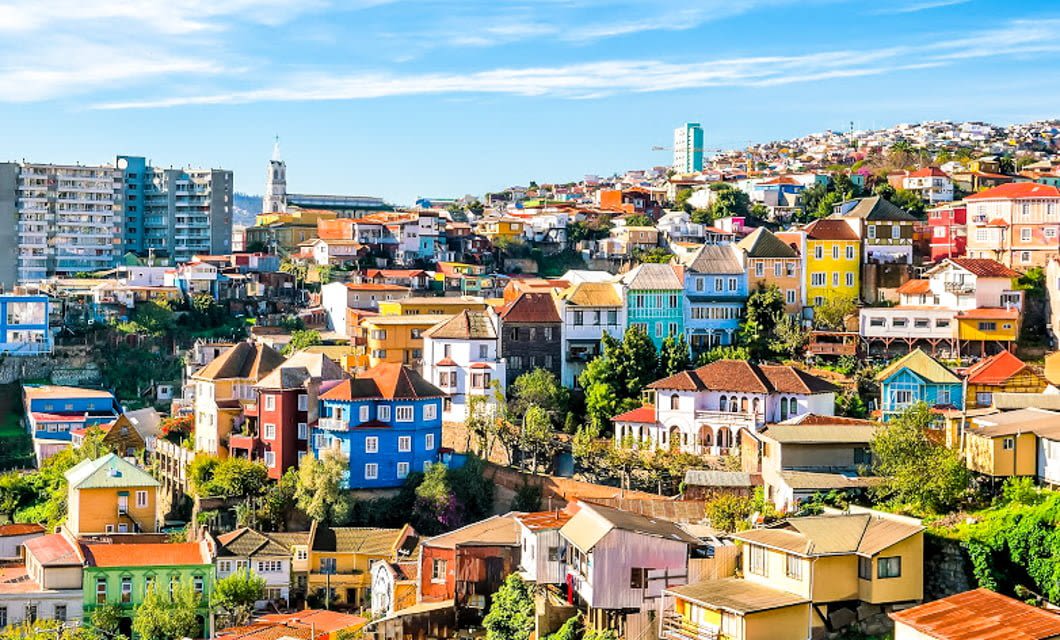
Colorful houses on a hillside in Valparaíso, Chile
