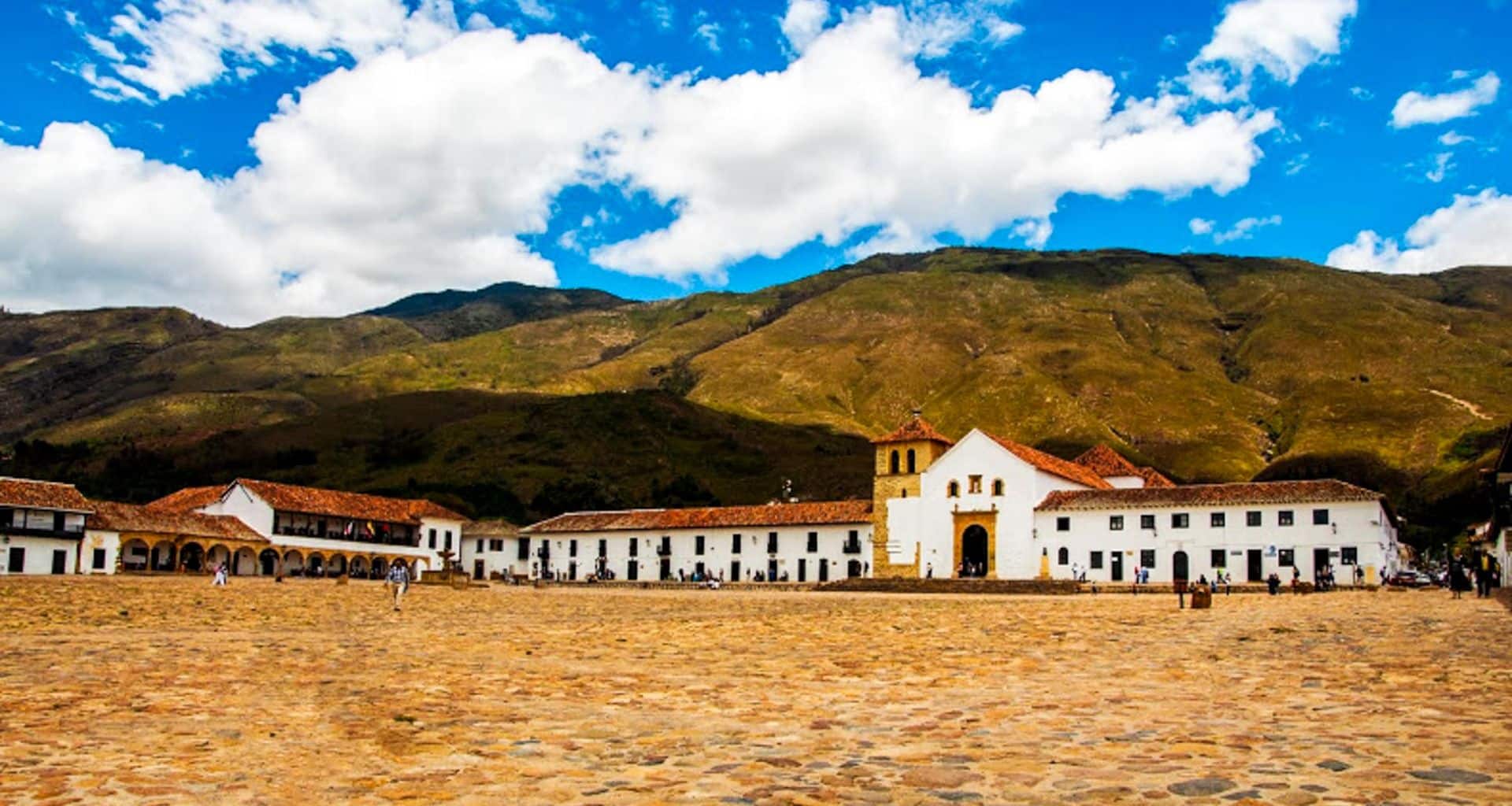
Colombia has transformed into one of South America’s most exciting destinations, and Cartagena, Bogotá, Medellín, the Coffee Region and towns like Villa de Leyva welcome large numbers of visitors who have a wonderful, trouble-free time. It’s also a country that rewards good planning: the US State Department rates Colombia overall Level 3 — “Reconsider Travel”, a rating driven by specific rural and border regions rather than the tourist heartland. Travelling on a well-designed itinerary with local guides keeps you firmly in the safe, rewarding parts. Here’s an honest, practical picture.
Far safer than its reputation from decades past — but the old line that “Colombia is safe now apart from the FARC” is out of date. The FARC formally demobilised under the 2016 peace accord; what remains are smaller dissident and other armed groups active in particular rural zones, well away from the standard tourist circuit. The realistic risk for visitors in the cities is ordinary urban crime — theft and, occasionally, drugging or robbery — which sensible habits and a local guide largely neutralise.
The Level 3 rating reflects “Do Not Travel” zones that no reputable tour visits: the departments of Arauca, Cauca (outside the city of Popayán), Norte de Santander, parts of Valle del Cauca (outside Cali), and the Colombia–Venezuela border region. These are remote areas affected by armed groups and trafficking. The destinations travellers actually come for — Cartagena and the Caribbean coast, Bogotá, Medellín and the Coffee Region — sit outside them.
Street theft is the everyday concern in the cities. The local phrase “no dar papaya” — don’t give an opportunity — sums up the approach:
One Colombia-specific risk worth knowing: criminals occasionally use sedatives — including scopolamine (“burundanga”) — to incapacitate and rob victims, typically via a spiked drink, food or even a handed cigarette. Never accept open food or drink from a new acquaintance, keep an eye on your glass, and be especially wary of meet-ups arranged through dating apps, which have been used to set up robberies. Stick to busy, reputable venues and travel back in a booked car.
Don’t hail taxis on the street. Book through an app (Uber, Cabify, DiDi and inDrive all operate) or have your hotel order one — it’s safer and the fare is set. Avoid travelling rural roads at night, and favour flights or reputable daytime buses between cities.
Large demonstrations occur periodically in Bogotá and other cities and can disrupt transport — avoid them and keep some flexibility. Bogotá sits at about 2,640 m, so you may feel the altitude on arrival; take it easy the first day. The nationwide emergency number is 123. Stick to bottled or filtered water, and travel with comprehensive medical insurance.
Colombia is exactly the kind of destination where local expertise makes all the difference. On every South America Travel itinerary we arrange your transport, transfers and hotels, route you through the welcoming, well-trodden areas, and pair you with professional local guides who know each city first-hand — which neighbourhoods to enjoy and which to skip. It’s the way to experience Colombia’s energy with genuine peace of mind.
For official updates, US citizens can enrol in the State Department’s free Smart Traveler Enrollment Program (STEP) and review the Colombia travel advisory; UK travellers can check the FCDO’s Colombia advice.
Ready to discover Colombia the well-planned way? Browse our Colombia tours and travel with confidence.