It’s very common for travelers visiting Cusco, Peru, to worry about altitude sickness. Especially if you’re thinking about embarking on an adventure tour where you’ll be hiking, climbing, or simply reaching high altitudes. It’s normal to be a bit apprehensive, but once you’ve learned our expert tips on how to avoid altitude sickness, we hope you’ll feel a bit better about planning a trip to Peru.
What to know about altitude sickness when traveling in Peru
Before you can learn how to avoid altitude sickness in Peru, you must know about the illness. Altitude Sickness, known as soroche in Peru, can occur for many people at heights starting at 8,000 feet (2,500 meters) above sea level. Altitude sickness is caused by insufficient oxygen in the blood and can cause dizziness, nausea, and shortness of breath. Many people have said altitude sickness feels like having a hangover. Everyone is susceptible to altitude sickness; it doesn’t matter your age, gender, weight, or even fitness level. You must know your limitations and always consult your physician to get their medical advice before you go. They are knowledgable about your medical history and can give you the best information related to you and your needs.
See our list of elevations including Machu Picchu elevation, Cusco altitude, and more.
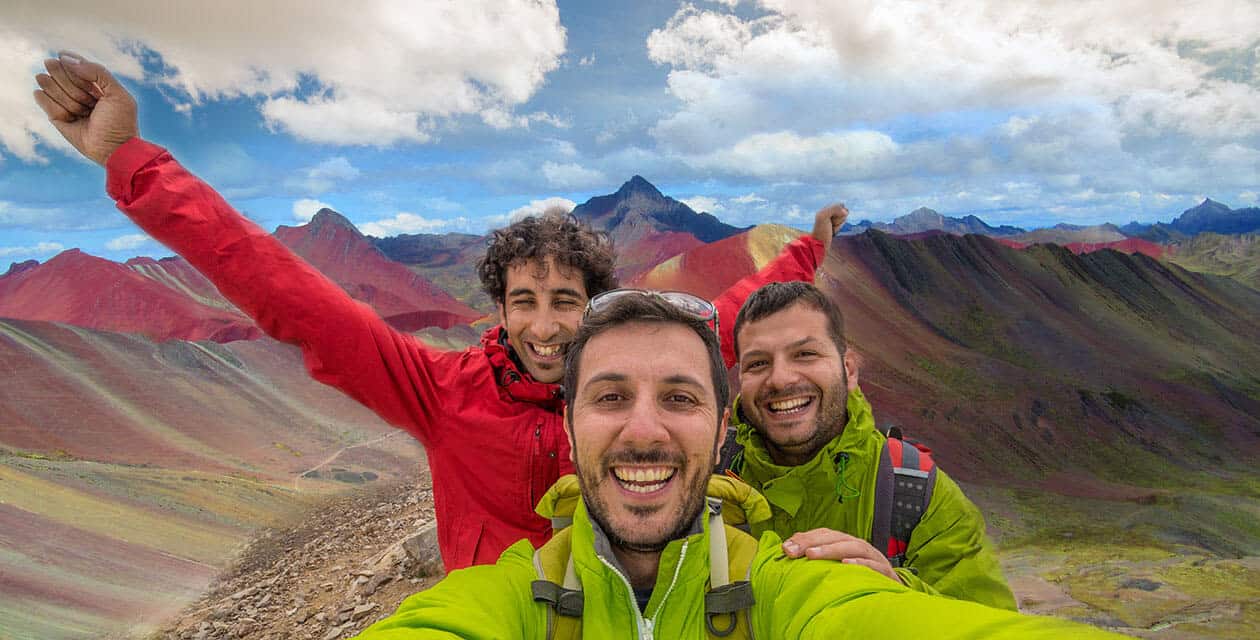
*The Rainbow Mountain is a sight to behold, but one must understand hiking to the summit isn’t an undertaking that should be taken lightly. The tour from Cusco and back can choose from 14 to 16 hours depending on weather, and as you can see from the chart above, its 5908 feet (1801 meters) higher in altitude to Cusco, so we recommend at least two nights in the city before undertaking the hike.
How to combat altitude sickness in Peru
One way to prepare for altitude sickness is to spend some time resting in the Sacred Valley. The town of Ollantaytambo in the Sacred Valley is at a much more manageable height of 9,160 ft (2,792 meters) above sea level (compared to Machu Picchu and Cusco). This is where we always recommend our clients begin their journey, particularly if they plan to hike the Inca Trail. Spending a night resting in the Sacred Valley helps travelers prepare their bodies for climbing the high altitude of Cusco, significantly reducing their altitude sickness.
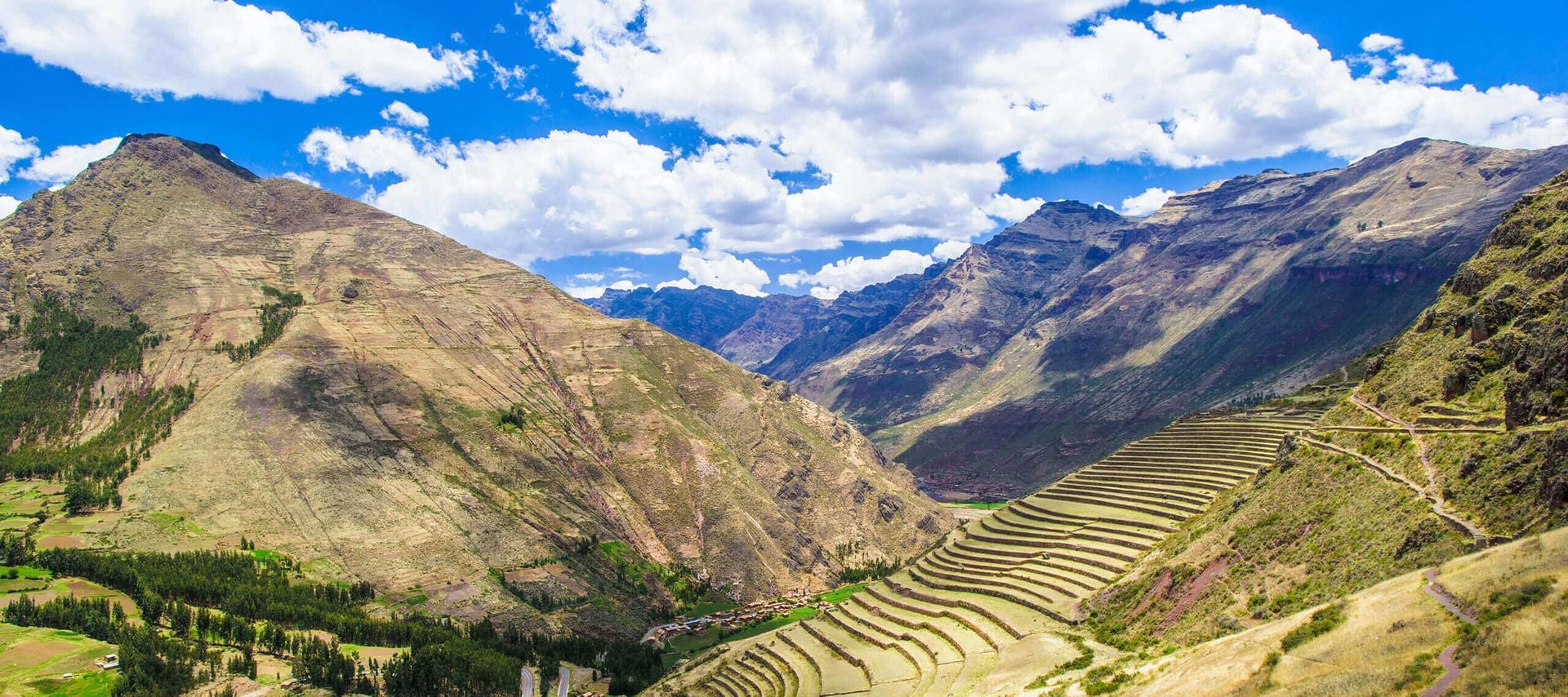
Besides preparing your body for the altitude, The Sacred Valley is a beautiful place to spend a few days exploring. You can visit the famous Pisac Market or relax and unwind in the many delightful hotels.
To enjoy your trip to its fullest, follow these simple tips to avoid altitude sickness.
People often wonder, what can I drink to help with altitude sickness in Peru? We have an answer for you – water! It is very important to stay hydrated. The human body will lose water when it reaches high elevation, that is why it is vital to keep hydrated. The higher the elevation, the more water you should drink. For example, you should be drinking more water if you’re visiting Cusco compared to if you’re exploring Lima.
To reduce altitude sickness symptoms, please refrain from drinking alcohol. Alcohol will worsen your symptoms of altitude sickness. You should not drink alcohol in high altitude places for the first several days of your arrival.
While you might feel the urge to get outside and quickly start exploring, we urge you to take it easy for the first couple of days. Participate in mild activities in your first few days in Cusco, Peru. Stroll around the city and parks, and take it easy. Don’t try and do everything at once when you first arrive in Peru. Instead, listen to your body.
Carbs are a great source of energy when you’re at high altitudes. Pasta and bread are great things to eat and there are plenty of Peruvian dishes that are perfect to eat. However, make sure you don’t overeat either!
One of the best natural and local supplements for altitude sickness is coca. Coca tea, coca candy, cocoa brownies, and the raw coca leaves themselves are great natural treatments for altitude sickness. Coca can be found everywhere in Cusco, and it can help alleviate the symptoms of altitude sickness.
Before you go on your trip to Peru, make sure to consult your physician about your plans to visit places of high altitude and how to stay healthy. Your physician may advise and prescribe you an “altitude sickness tablet” and will most likely advise you to take these at least one day before your arrival.
If you find yourself affected by soroche, you can take Diamox/Acetazolamide. This medication is available at pharmacies in Cusco. There are also health clinics in Cusco, some of which have English speaking personnel. Bring your travel insurance card when you go.
Many 4-star and 5-star hotels in and things to see in Cusco offer oxygen supplementation or oxygen-supplemented rooms and some medical services. Talk with your hotel to see if oxygen is available.
Some hotels that offer oxygen enrichment include:
Travel insurance may help protect you from unforeseen incidents that can happen while traveling. Get a free quote on travel insurance before your trip to Peru and see if one of the packages covers altitude sickness.
Our Travel Consultants at SouthAmerica.travel are experts in this destination and have been sending clients to Cusco, Peru, for 20+ years. Several of our consultants have been to Cusco and Machu Picchu themselves and can give you excellent advice on being prepared and help you avoid altitude sickness. Be sure also to read our client testimonials, as this will provide you with some more insight into the destination and our client’s experiences.



