An Amazon trip is one of the great wildlife experiences on earth, and it’s safer than many travellers expect — you’ll be in remote, sparsely populated rainforest, far from the urban crime that shapes city safety advice. Here the things to plan for are nature and health: the climate, the insects, the water and a few sensible jungle habits. Travelling with an experienced lodge and guide takes care of almost all of it. Here’s what to know.
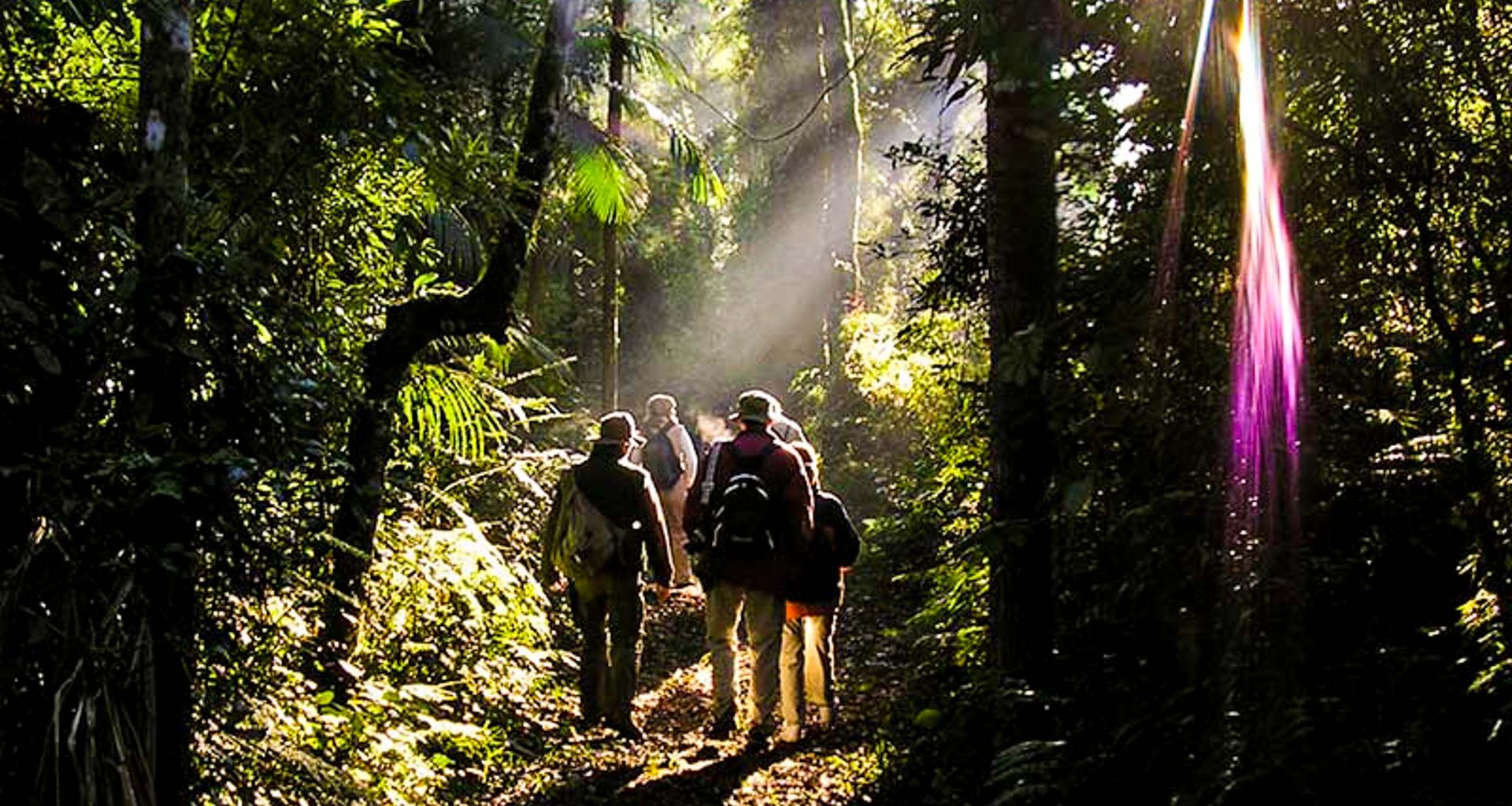
Very, on an organised trip. The Amazon basin spans several countries — Brazil, Peru, Ecuador, Bolivia and Colombia — and reputable lodges and cruises operate in well-established, safe areas with trained naturalist guides. The golden rule is simple: stay with your group and guide on hikes, canoe trips and night walks. The forest is genuinely wild, it’s easy to lose your bearings, and your guide knows the terrain, the wildlife and the way back.
Dangerous-animal encounters are rare and almost always avoidable with common sense. Don’t touch or provoke wildlife, watch where you put your hands and feet, keep to cleared paths, and wear closed shoes on walks. Your guide will show you what’s safe to approach and what to admire from a distance — that’s exactly what they’re there for.
This is the part that actually needs preparation before you fly:
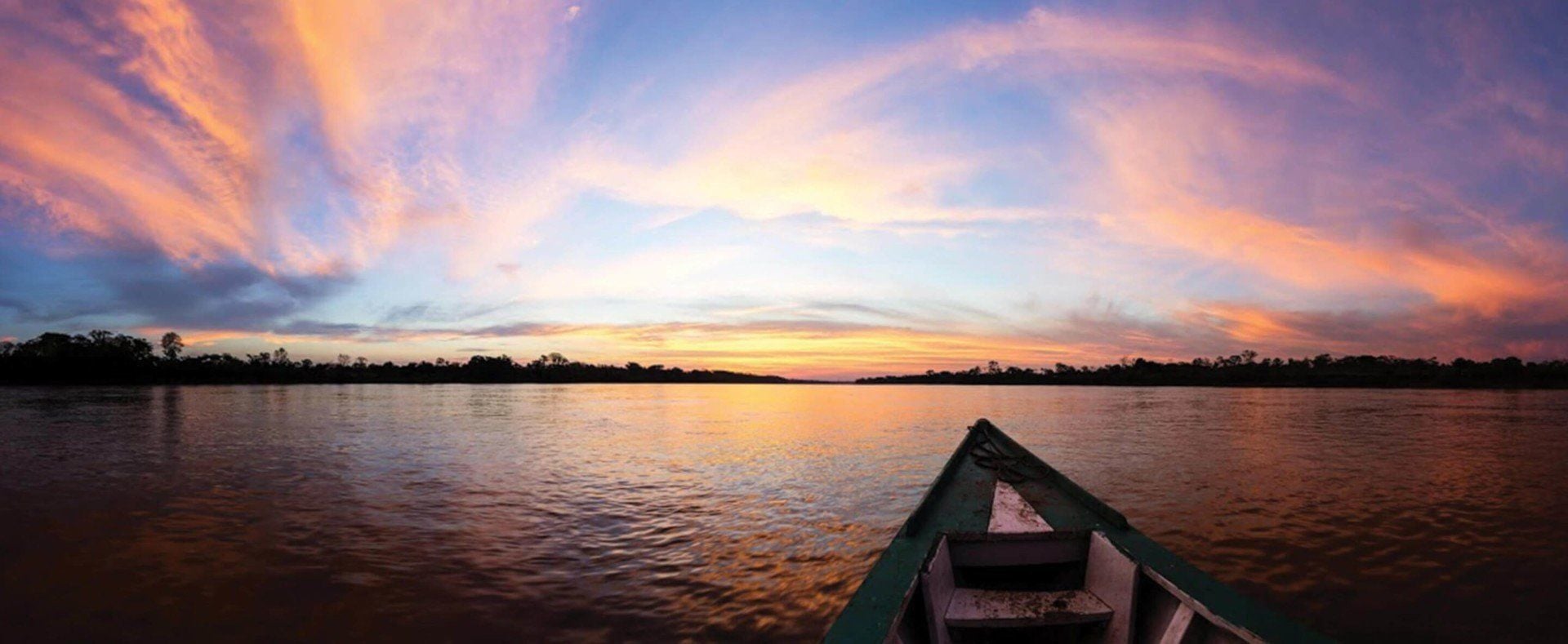
Much of an Amazon trip happens by boat. Wear the life jacket when asked, keep cameras and phones in a dry bag, and don’t swim except where your guide confirms it’s safe. Medical facilities are remote, so comprehensive insurance that covers evacuation is essential. Keep valuables minimal and your passport secured at the lodge.
The Amazon is the definition of a destination where local expertise matters. On every South America Travel itinerary we work with established lodges and seasoned naturalist guides, arrange all your transport and transfers, and handle the logistics so you can focus on the wildlife and the river. For the city portions of your trip, see our country safety guides — for example Brazil, Peru and Ecuador.
For official updates, US citizens can enrol in the State Department’s free Smart Traveler Enrollment Program (STEP) and review the relevant country travel advisories; UK travellers can use the FCDO’s country-by-country advice.
Ready to explore the rainforest with everything taken care of? Browse our Amazon tours and travel with confidence.