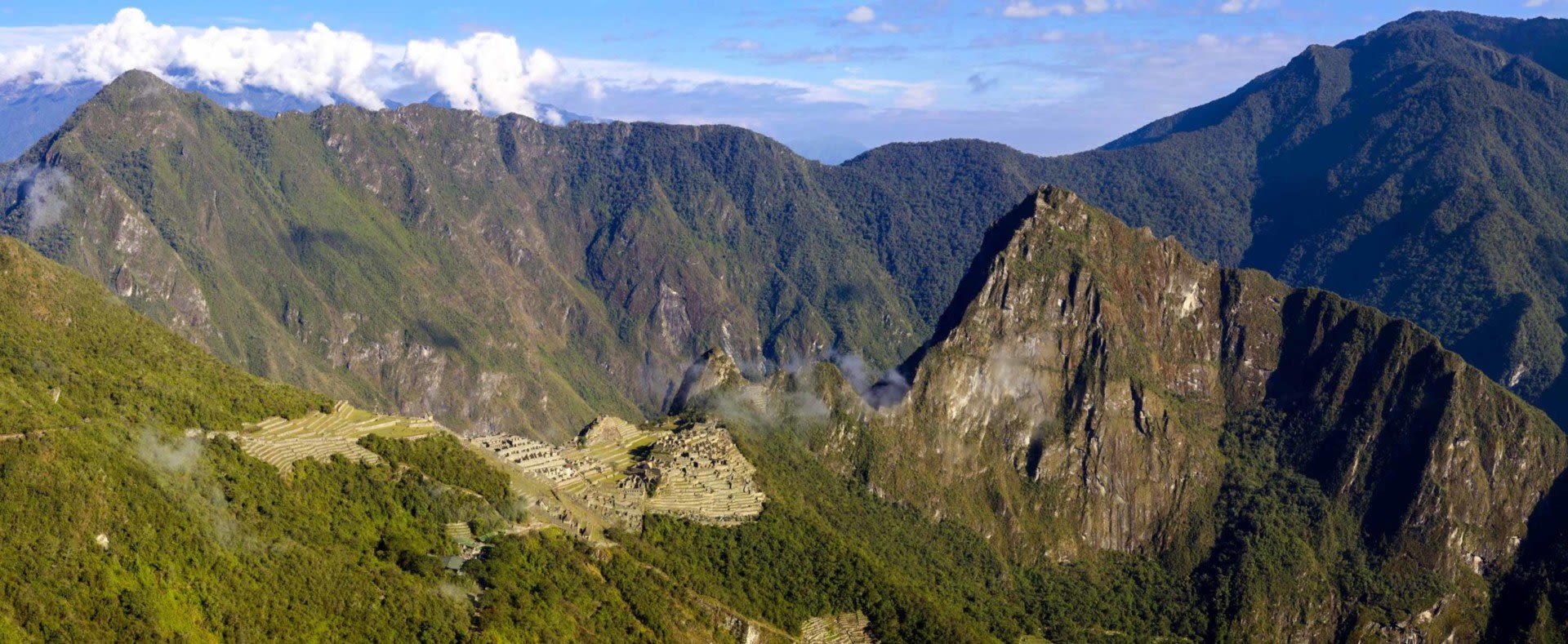
Peru is one of South America’s most rewarding and most-visited destinations, and the classic circuit — Lima, Cusco, the Sacred Valley, Machu Picchu, Arequipa, Lake Titicaca and the Amazon lodges — is travelled safely by huge numbers of visitors every year. The US State Department rates Peru Level 2 — “Exercise Increased Caution”, the same tier as much of Europe, with the main concerns being petty crime in cities and occasional travel disruption from protests. Here’s what’s actually worth knowing before you go.
How Safe Is Peru?
For travellers on the standard tourist route, very safe — particularly when you’re with a guide. The old worry about the Sendero Luminoso (Shining Path) is now a historical footnote for visitors: its remnants are confined to the remote VRAEM jungle region, which sits far from any tourist destination and is off-limits anyway. The day-to-day risk you’ll actually encounter is ordinary urban theft, and a little awareness handles most of it.
Petty Theft & Common-Sense Habits
Pickpocketing and bag-snatching are the most common problems, especially in crowded markets, bus terminals, and busy parts of Lima and Cusco — and they can happen in daylight. Sensible habits:
- Dress down. Leave valuable watches and jewellery at home, carry only the day’s cash and one card, and keep your passport in the hotel safe with a copy on your phone.
- Bag discipline. Keep bags in front of you in crowds, never on the back of a chair, and don’t leave a phone on a restaurant table.
- Nights out. Stay in a group, keep to well-lit central areas (Miraflores and Barranco in Lima are the usual bases), and be extra aware around ATMs — use ones inside banks or shops by day.
Taxis & Getting Around
Don’t flag taxis off the street, especially at night. Use a ride-hailing app (Uber, Cabify and inDrive all operate in the main cities) or have your hotel book a car — it’s safer and the fare is fixed. On long-distance routes, travel with reputable bus companies by day where you can.
Protests & Road Blockades
Peru has an active protest culture, and demonstrations and road blockades (paros) can flare up around political and economic issues, sometimes with little warning. They’re rarely aimed at tourists, but they can close roads, railways and even airports — and that occasionally affects the Cusco–Machu Picchu corridor. The practical answer is flexibility: build a little slack into your plans, and let your guide steer you around any disruption. A guided trip is a real advantage when this happens, because someone local is monitoring it and rerouting for you.
Altitude — The Real Thing to Plan For
For most Peru travellers, altitude affects the trip far more than crime ever will. Cusco sits at about 3,400 m (11,150 ft) and Lake Titicaca higher still, so mild altitude sickness (soroche) — headache, breathlessness, poor sleep — is common in the first day or two. Acclimatise gradually, take it easy on arrival, drink plenty of water, go easy on alcohol, and consider coca tea or talking to your doctor about preventive medication. Many itineraries start lower (the Sacred Valley) before Cusco for exactly this reason.
A Note on Ayahuasca
Plant-medicine and ayahuasca retreats have grown popular, but they carry genuine risks — there have been serious incidents involving unregulated ceremonies. If it’s something you’re set on, only ever go through a long-established, well-reviewed centre with proper medical screening and supervision, never an informal arrangement.
Health & Practical Basics
For drinking water, follow the US CDC’s general advice for travelers: where tap water might be contaminated, choose factory-sealed drinks and skip the ice. More in staying healthy in Peru. A yellow-fever vaccination is recommended if you’re visiting the Amazon basin. The national police emergency number is 105, and Peru has a dedicated tourist police (POLTUR) in the main destinations. As always, travel with comprehensive medical insurance that covers high-altitude regions.
Travelling With Us
This is exactly where a guided trip pays off. On every South America Travel itinerary we arrange your transport, transfers and hotels, and you’re with professional local guides who know each region first-hand — they’ll flag any demonstration, manage the altitude pacing, and keep you moving smoothly through the highlights. It’s the most relaxed way to see Peru.
For official updates, US citizens can enrol in the State Department’s free Smart Traveler Enrollment Program (STEP) and review the Peru travel advisory; UK travellers can check the FCDO’s Peru advice.
Ready to explore Peru with the logistics handled and an expert by your side? Browse our Peru tours and travel with confidence.