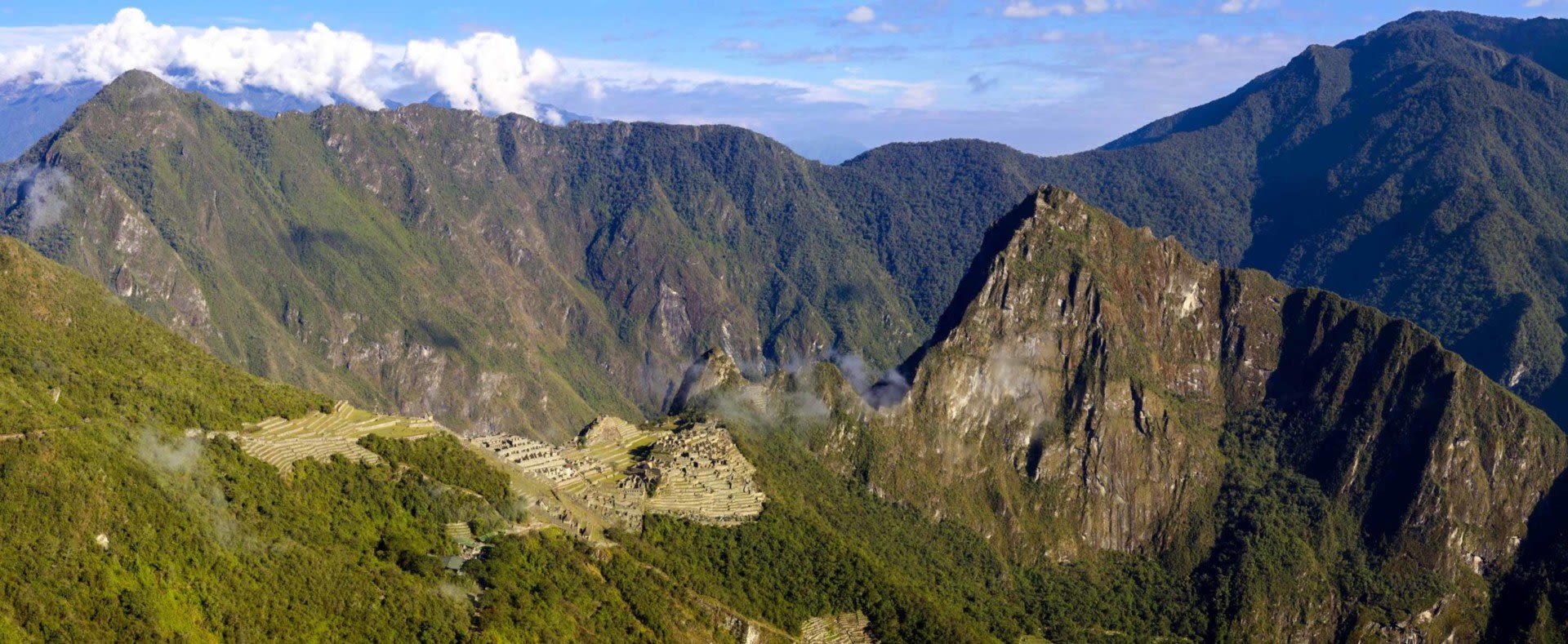
Money is easy to manage in Peru, where a mix of cards and cash covers everything from a fine-dining tasting menu in Lima to a hand-woven textile in a Cusco market. The one thing worth planning ahead is cash for the trail to Machu Picchu, where ATMs thin out. Here’s what you need to know.
The Peruvian Sol
The currency is the Peruvian sol (PEN), shown with the “S/” symbol; the plural is soles. The US dollar works as an informal parallel currency — many tours, hotels, and larger purchases can be paid in dollars — so it’s worth carrying some USD alongside your soles. Dollars (and to a lesser extent euros) are widely exchangeable at fair rates; change money at banks, hotels, or official casas de cambio, and use crisp, undamaged bills, as torn or marked notes are often refused.
Cards, Cash & ATMs
Credit cards are widely accepted in cities and at established hotels and restaurants, but you’ll want cash for markets, souvenirs, tips, taxis, and smaller towns. A few pointers:
- Stock up on cash before the Sacred Valley and Machu Picchu. ATMs are plentiful in Lima and Cusco but scarce in the Sacred Valley and Aguas Calientes — withdraw what you’ll need (in soles, and some dollars) before you head out.
- Bring two cards and tell your bank your travel dates so they aren’t blocked. Use ATMs attached to major banks.
- Check your bank’s ATM network. Some US banks waive withdrawal fees at partner banks abroad (for example, Bank of America customers can use Scotiabank ATMs via the Global ATM Alliance) — worth checking before you go.
- Guard against card fraud. Keep your card in sight when paying, and prefer ATMs inside banks to reduce the risk of skimming.
Everyday Costs & the Tourist Tax Break
Peru is moderately priced in the main tourist cities and inexpensive elsewhere. Everyday meals and drinks often cost around half what you’d pay in North America, though Lima’s celebrated fine-dining scene can match prices back home — you can still eat exceptionally well for around US$20 a head at many sit-down restaurants. Prices include 18% VAT (called IGV), so the listed price is what you pay.
One genuine saving: foreign tourists are exempt from the 18% IGV on hotel accommodation for stays under 60 days. Reputable hotels apply this automatically when you show your passport and entry stamp/Andean Migration Card (TAM), so the tax simply comes off your room bill.
Tipping in Peru
Tipping is welcome but modest:
- Restaurants: around 10% for good service; at small local spots, a few extra soles is plenty.
- Tour guides / directors: roughly US$3–5 per person per day.
- Drivers: about US$2–3 per day.
- Taxis: no tip expected — agree the fare before you set off, as most taxis aren’t metered.
Shopping, Markets & Bargaining
Peru is a wonderful place to shop for colourful textiles, alpaca knitwear, carved gourds, ceramics, and silver and gold jewellery. A word to the wise: very cheap “alpaca” is often acrylic, so buy from reputable shops or cooperatives if quality matters. In open-air markets, gentle bargaining is expected — ask the price, counter at roughly 20–30% lower, and settle somewhere in between. Stick to legitimate goods and avoid counterfeit or pirated items.
Ready to experience it for yourself? Browse our Peru tours — we handle the logistics so you can focus on the adventure.