Quick answer: There is no single best time to visit the Galapagos — the wildlife is extraordinary all year, and the “best” month depends on what you want to see and do. The warm, wet season (December–May) brings warmer water, calm seas, sunshine, and the best snorkelling; the cool, dry season (June–November) brings cooler, rougher water but the richest marine life, the most active wildlife, and whale sharks. Browse our Galapagos Islands tours to plan around the wildlife you most want to see.
A reality check on the weather: the Galapagos is not a tropical-island destination. The cold Humboldt Current keeps the water cool and the seas mostly calm, and you will not find palm-fringed white-sand beaches here. What you get instead is the world’s greatest wildlife spectacle — animals so adapted to these harsh, isolated conditions that they let you walk right up to them. Come for the giant tortoises, marine iguanas, blue-footed boobies, and sea lions, not for a beach holiday.
Air temperatures are warm in the wet season (highs around 84°F / 29°C) and milder in the cool season (around 75°F / 24°C); the sea ranges from about 77°F / 25°C in March to 70°F / 21°C in September. Here is what each month offers:
| Month | Season | Sea & Conditions | Wildlife Highlights |
|---|---|---|---|
| January | Warm & wet | Warm water, calm seas | Land birds nesting; marine iguanas nesting; green turtles arrive |
| February | Warm & wet | Warmest water, calm | Flamingos nesting; greater flamingo & dove courtship |
| March | Warm & wet | Calmest seas — best snorkelling | Marine iguana hatchlings; frigatebird courtship |
| April | Warm & wet | Warm, green islands | Giant tortoise eggs hatch; waved albatross return to Española |
| May | Transition | Pleasant, seas calm | Blue-footed booby courtship (North Seymour); albatross courtship |
| June | Cool & dry | Cooling, garúa mist begins | Whales & dolphins; giant tortoise migration on Santa Cruz |
| July | Cool & dry | Cooler, rougher seas | Seabird breeding peak; whale sharks begin at Darwin & Wolf |
| August | Cool & dry | Cool, misty | Sea lion pupping; Galapagos hawks; migrant shorebirds |
| September | Cool & dry | Coolest water, roughest seas | Penguins most active; sea lion pups; peak seabird activity |
| October | Cool & dry | Cool, seas easing | Blue-footed booby chicks; lava herons; whale sharks |
| November | Transition | Warming, seas calming | Sea lion pups playful; excellent diving |
| December | Warm & wet | Warming water, calm | Green turtles arrive; giant tortoise hatchlings; festive |
Warm/wet season (Dec–May) = warmer water, calm seas, best snorkelling · cool/dry season (Jun–Nov) = cooler Humboldt water, richest marine life, whale sharks. See our full Galapagos weather guide.
Planning a trip? Our things to do in the Galapagos guide can help you match a cruise to the wildlife you most want to see.
“The best time to visit the Galapagos is in June. I took a Galapagos cruise in early June and really recommend traveling at this time. We had many opportunities to snorkel and were able to get up close to giant turtles and sea lions on several occasions. Wetsuits were provided for the snorkeling, though not essential. There was no rainfall throughout the whole trip.”
Christina Mayo
Galapagos Travel Expert

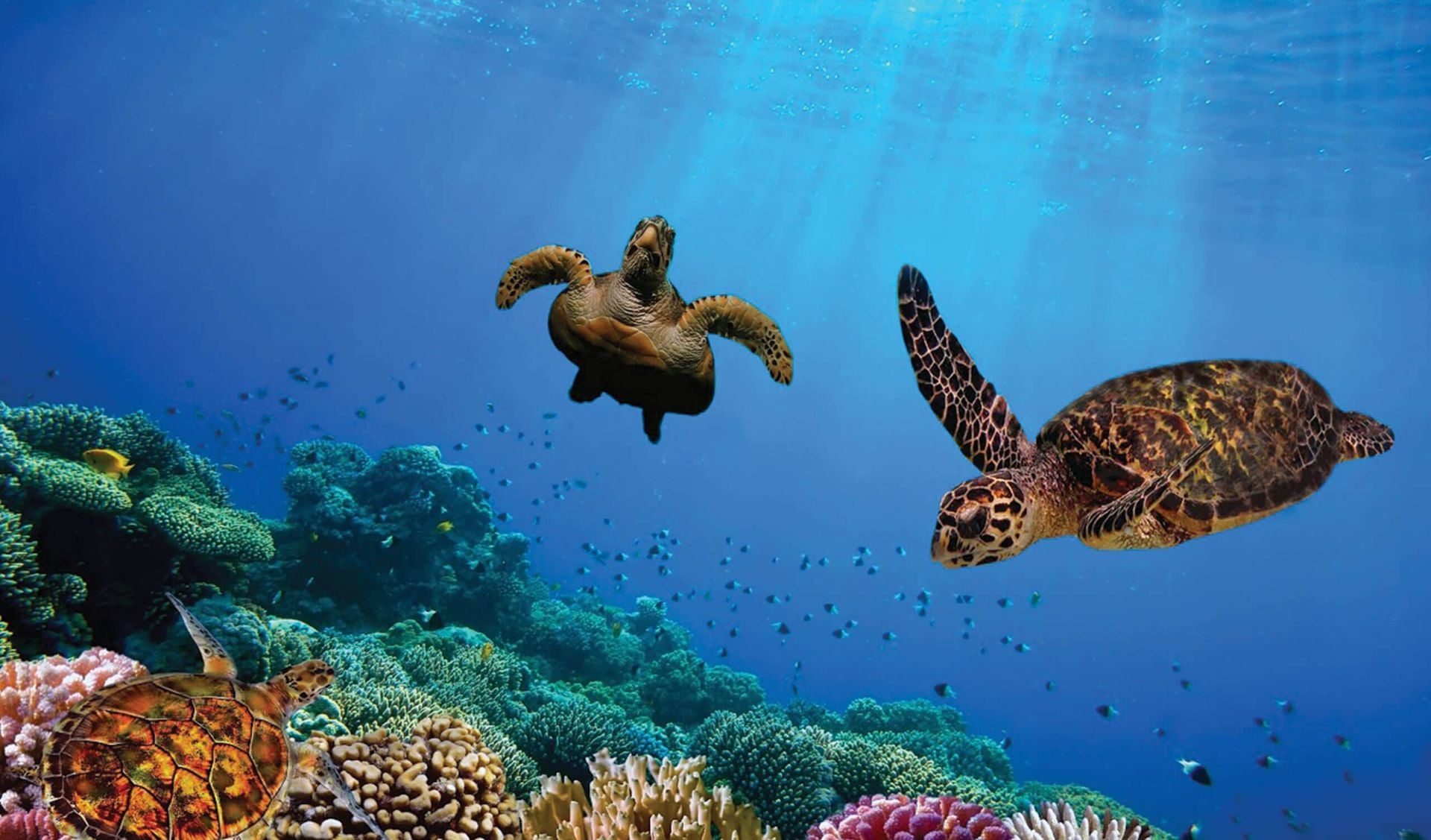
From December to May, as temperatures and rainfall increase, vegetation on the Galapagos Islands is particularly fresh and green and animals that feed on this new growth are found taking advantage of this time of abundance, including iguanas and tortoises. This is also the time that many land bird species begin nesting. This is the ideal time for snorkeling and diving. Highlights of this period include giant tortoises hatching out, marine iguanas nesting, and green sea turtles laying their eggs. Waved albatross arrive in large numbers and mate in April.
During the warm, humid season in the Galapagos Islands, there is plenty of both sun and rain. Ocean currents bring warm water from the north at this time raising water temperatures around the islands. At the same time, the air warms and there are regular downpours, usually short and sharp. The islands do not get as wet as other tropical regions of South America, and the showers can provide a welcome cooling down during hot afternoons. Winds are gentle at this time meaning this is the time of year with the calmest seas in the Galapagos.
In December observe green sea turtles mating and the start of giant tortoises hatching. Land birds such as Masked Boobies start to nest as the rains begin. Sea lions and iguanas breed. January and February are the best months to snorkel with penguins, tortoises lay eggs and Red-footed and Masked boobies can be seen breeding and nesting. Land iguanas start mating and green sea turtles nest. In April, flamingos breed and nest as do Waved Albatross. The warm, humid season is definitely the best season to spend time in the water and taking a cruise of the Galapagos Islands at this time is ideal as the sea is at its calmest.
During the cooler, drier months in the Galapagos Islands, the sea is particularly rich in plankton giving seabirds including penguins and albatross plenty of food. The sea gets choppy at this time, especially in August and September. If snorkeling or diving, a wetsuit is recommended though water temperatures are rarely below 20C / 68F. More strenuous activities such as mountain biking or kayaking can be good at this time of year taking advantage of the lower temperatures. There are plenty of wildlife highlights at this time of year, at least as good as during the warm, humid season.
The Humboldt Current is particularly pronounced during the dry season and brings cold, nutrient-rich waters up to the Galapagos Islands from further south. There is often a mist (garúa) on the islands, especially in the mornings and in the highland interior of the islands. Despite being drier, sunshine is lower at this time of year, hence the lower temperatures. The tradewinds bring choppier seas.
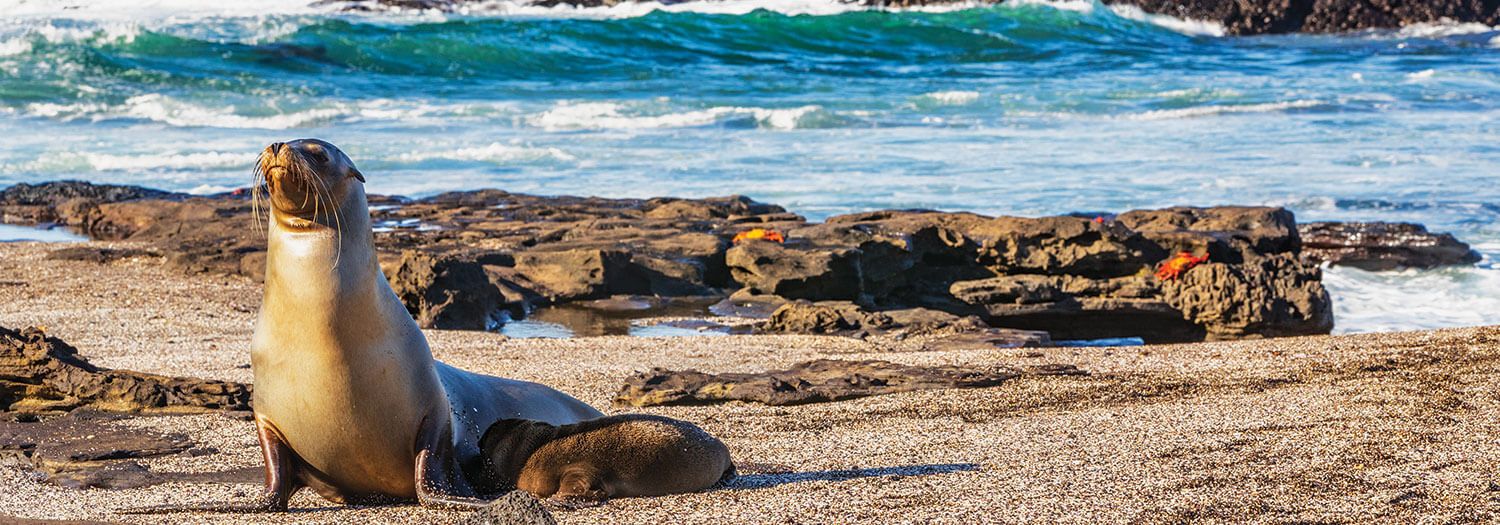
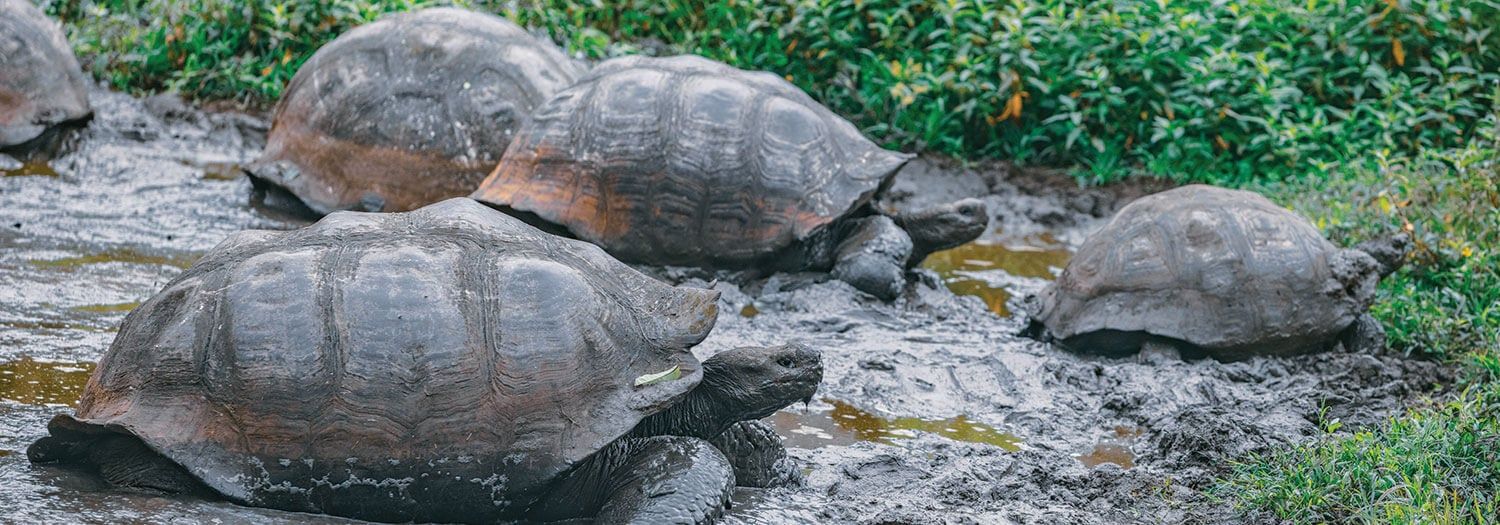
In June, watch giant tortoises move from the highlands towards the coast seeking out prime nesting sites. In July sea lion pups can be seen throughout the islands and Red-footed boobies start to nest. In August Blue-footed boobies perform their famous mating dances and whales and dolphins are frequently spotted going into September and October. While the water is not at its warmest, there is a lot to see when snorkeling at this time. Waved albatross nest at this time and sea lions and short-eared owls breed.
There is no single best time — the wildlife is remarkable year-round, so the right month depends on your priorities. The warm, wet season (December–May) is best for warm water, calm seas, and snorkelling; the cool, dry season (June–November) brings cooler water but the richest marine life and whale sharks. Both are excellent.
The warm/wet season (December–May) has warmer water (up to 77°F / 25°C), calm seas, sunshine with brief afternoon showers, and green landscapes — ideal for snorkelling. The cool/dry season (June–November) is cooler and mistier with rougher seas, but the Humboldt Current makes the ocean teem with life: seabird breeding, sea lion pups, penguins, and whale sharks.
No — every month has its wildlife highlights, from marine iguana hatchlings and albatross courtship in the warm season to whale sharks and sea lion pups in the cool season. The islands never have a genuine off-season for wildlife; the choice is simply which experiences you value most.
The warm season, especially February to April, has the warmest water and the calmest, clearest seas — the most comfortable time to snorkel. The water is still cool by tropical standards (the Humboldt Current sees to that), so wetsuits are usually provided on cruises even at the warmest time of year.
Whale sharks are seen in the cool season, roughly July to November, at the remote northern islands of Darwin and Wolf. These are advanced dive sites reached only on specialist liveaboard diving cruises, not on standard Galapagos itineraries — but for experienced divers they are a highlight of the year.
Not in the way people often expect. Despite sitting on the Equator, the cold Humboldt Current keeps the water cool and the seas mostly calm, and there are few palm-fringed beaches. The Galapagos is a wildlife destination first and foremost — the animals, so tame you can walk right up to them, are the reason to come, not a beach holiday.
A 7-day cruise takes in the widest variety of islands, though even a 3–4 day cruise gives a genuine feel for the wildlife and geology. We recommend a certified Galapagos cruise over land-based "island-hopping," which wastes time on transfers and strains the fragile resources of the only inhabited island. Read more on cruise vs island-hopping.
No single island is "the best" — the magic of the Galapagos is the variety between islands, each with its own landscapes and species (exactly what led Darwin to his theory of evolution). Rather than picking one, choose an itinerary that samples several. Our guide to the best Galapagos islands to visit explains how to think about it.