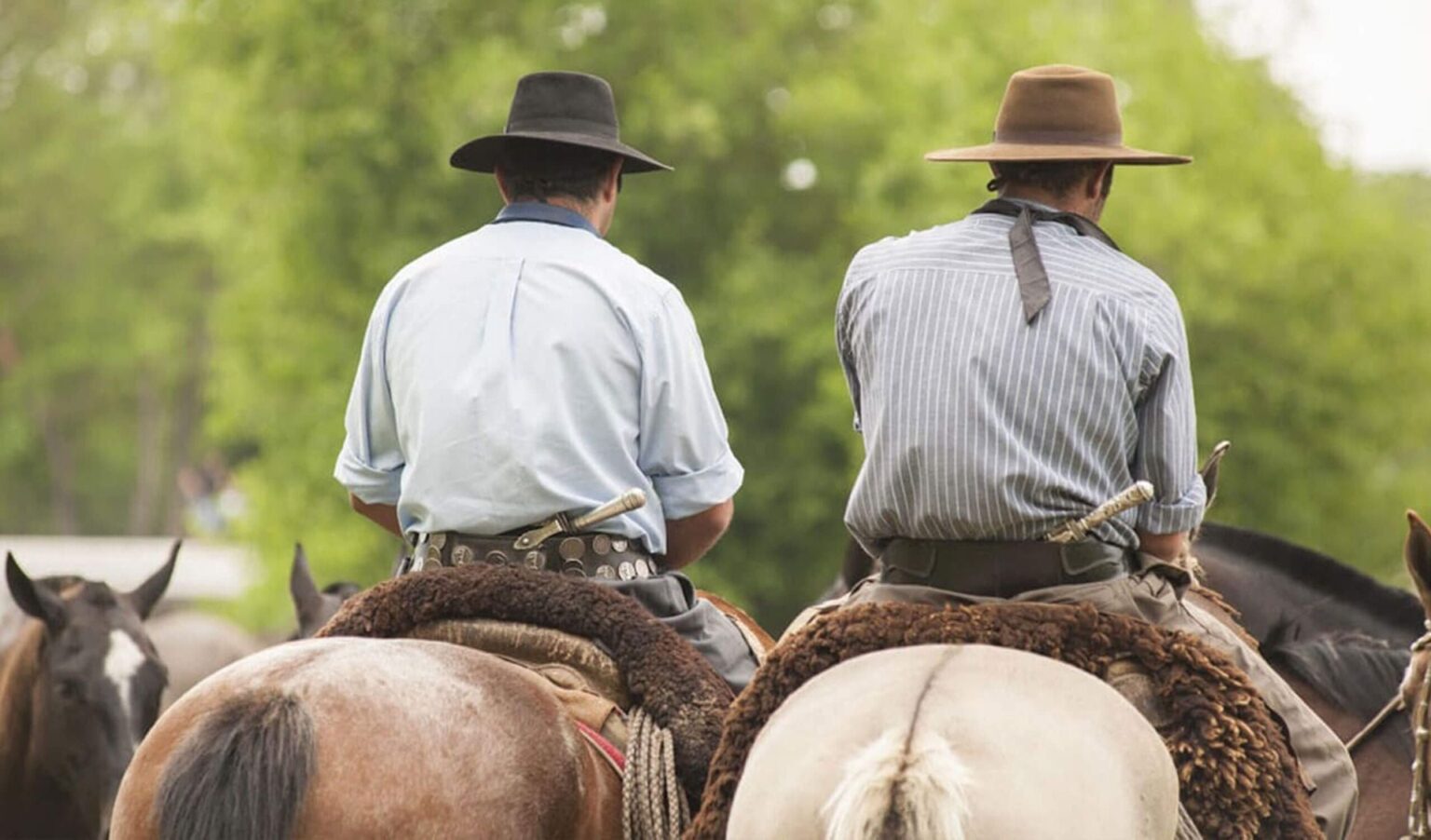
Estancias, or country ranches, are Argentina’s answer to cowboy ranches. Some of them only function as lodges nowadays, but there are some examples of fully-functional farms, which also offer accommodation for guests wanting to learn more about the country’s history with cattle and other rural activities. Here’s a list of the best estancias in Argentina, according to our Argentina travel expert. If you’re still shaping the bigger picture, our guide to planning your Argentina itinerary shows where an estancia stay fits between Buenos Aires, Patagonia, and the north.
From the northern tip of the country near the Iguazu Falls to the southern glacier region and even some estancias located just outside of Buenos Aires, here are the best estancias in Argentina:
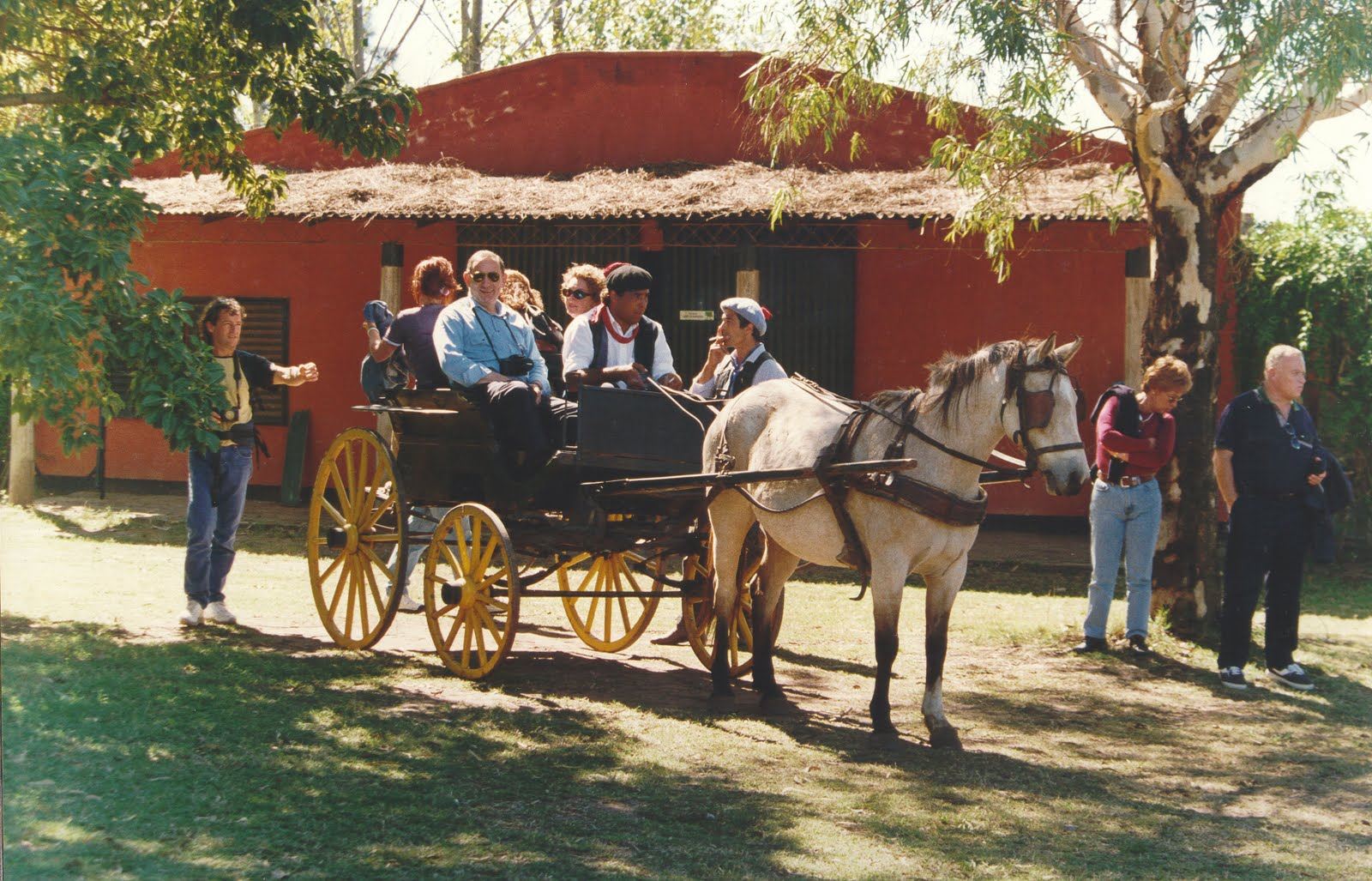

Nibebo Aike, El Calafate. The Lodge is situated on the southern arm of Lago Argentino, just 56 kms from El Calafate, the heart of the Glacier Region in the Argentinean Patagonia. Standing within “Los Glaciares” National Park, this is a typical Patagonia Pioneer Estancia dating from the early 20th Century. It is a fully functional ranch, whose main activities are beef and sheep cattle. The lodge holds 10 bedrooms, a restaurant, and all guests are welcomed to take part in the rural activities done in the Estancia, such and the branding of cattle, sheep shearing, milking the cows, rounding up cattle, etc. Estancia San Guillermo, Puerto Madryn (included in our Patagonia Estancias Tour). Located just 17 kms outside of Puerto Madryn, this Patagonian Estancia is strategically located between the UNESCO protected Valdes Peninsula (inhabited by whales, sea lions, and elephant seals) and Punta Tombo, home to the largest penguin colony in Patagonia. The Estancia offers various outdoor activities, such as horseback riding, mountain biking, trekking, bird watching, and fishing.
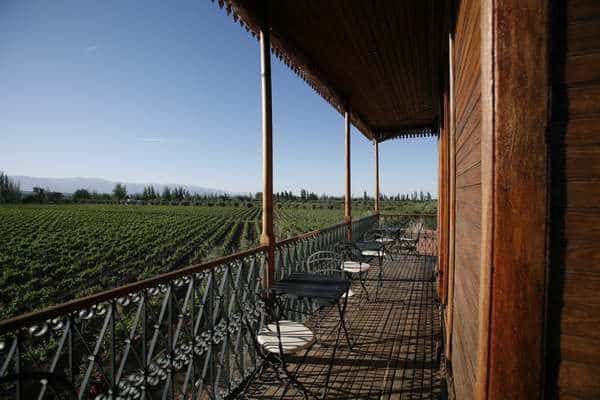
Yacutinga Lodge, in the Misiones Forest: a stay in this fabulous lodge is included in our Iguazu and Yacutinga Lodge Tour. The jungle lodge is located by the Superior Iguacu River, on Argentina’s northeastern border. Just 60 km away from the Iguacu Falls. The Eco Lodge, the first and most important eco-accommodation complex in Argentina, was built in materials from the place such as rocks and large logs recovered from fallen trees that have been successfully incorporated into the local architectural concept, thus totally integrating itself into the natural environment.