Argentina’s scale stretching from the subtropical border near Brazil to the sub-Antarctic tip of Tierra del Fuego makes smart logistics essential. While we offer a curated selection of Argentina tour packages, our Travel Experts specialize in tailoring flight connections, regional timing, and lodge stays to your specific needs. Whether you’re choosing one of our signature itineraries to Iguazú Falls and Patagonia, or building a custom journey through Mendoza and the Valdés Peninsula, every trip is optimized for seasonality and your preferred pace of travel.
The flagship route, and the one to book if you only come once: Buenos Aires, Iguazú, the Northwest, Mendoza and Patagonian ice in a single arc.
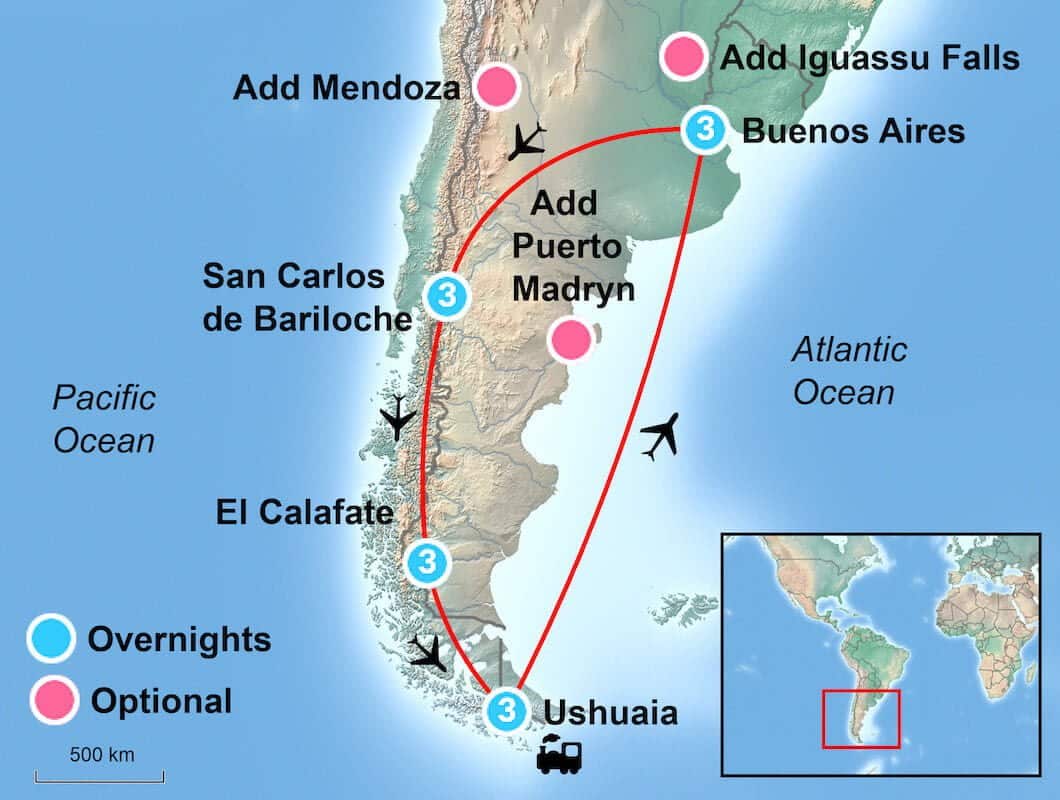
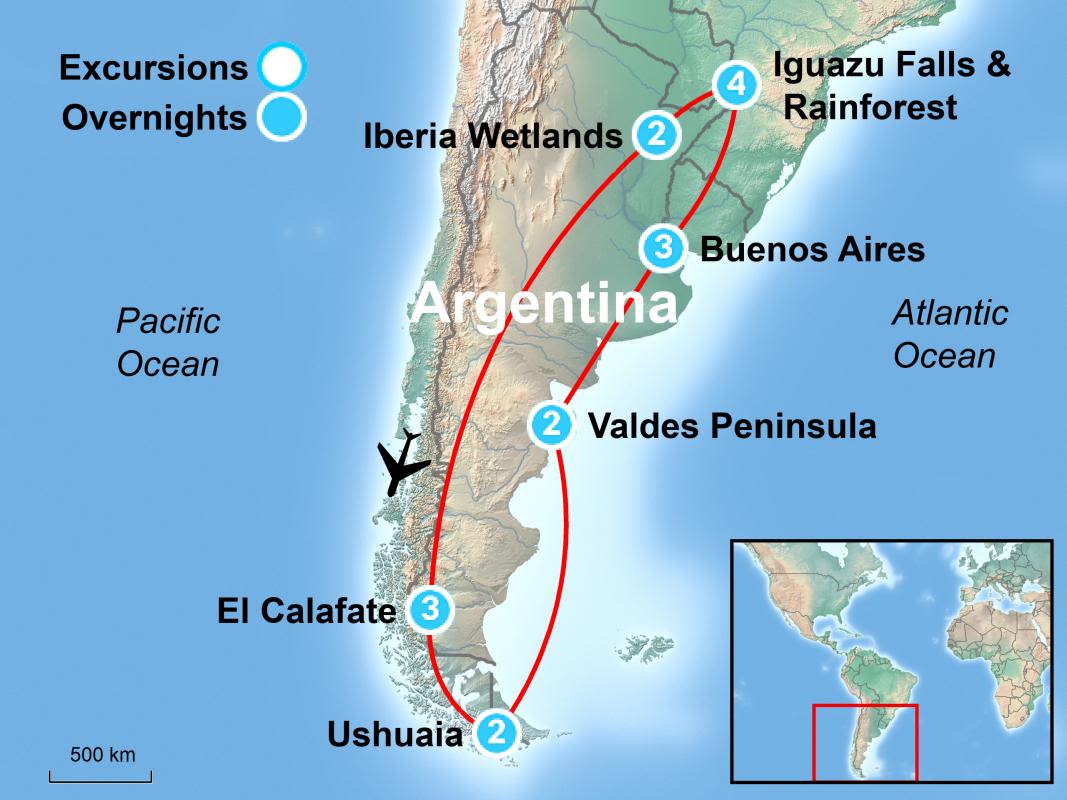
Puerto Madryn, El Calafate and Ushuaia — whales, glaciers and the end of the continent without doubling back on yourself.
The best short introduction: the city, the falls and the glacier. If you have one week, this is the week.
The Argentina most visitors miss — high desert colour, colonial Salta and the wine of Cafayate. Pairs naturally with a crossing to Atacama.
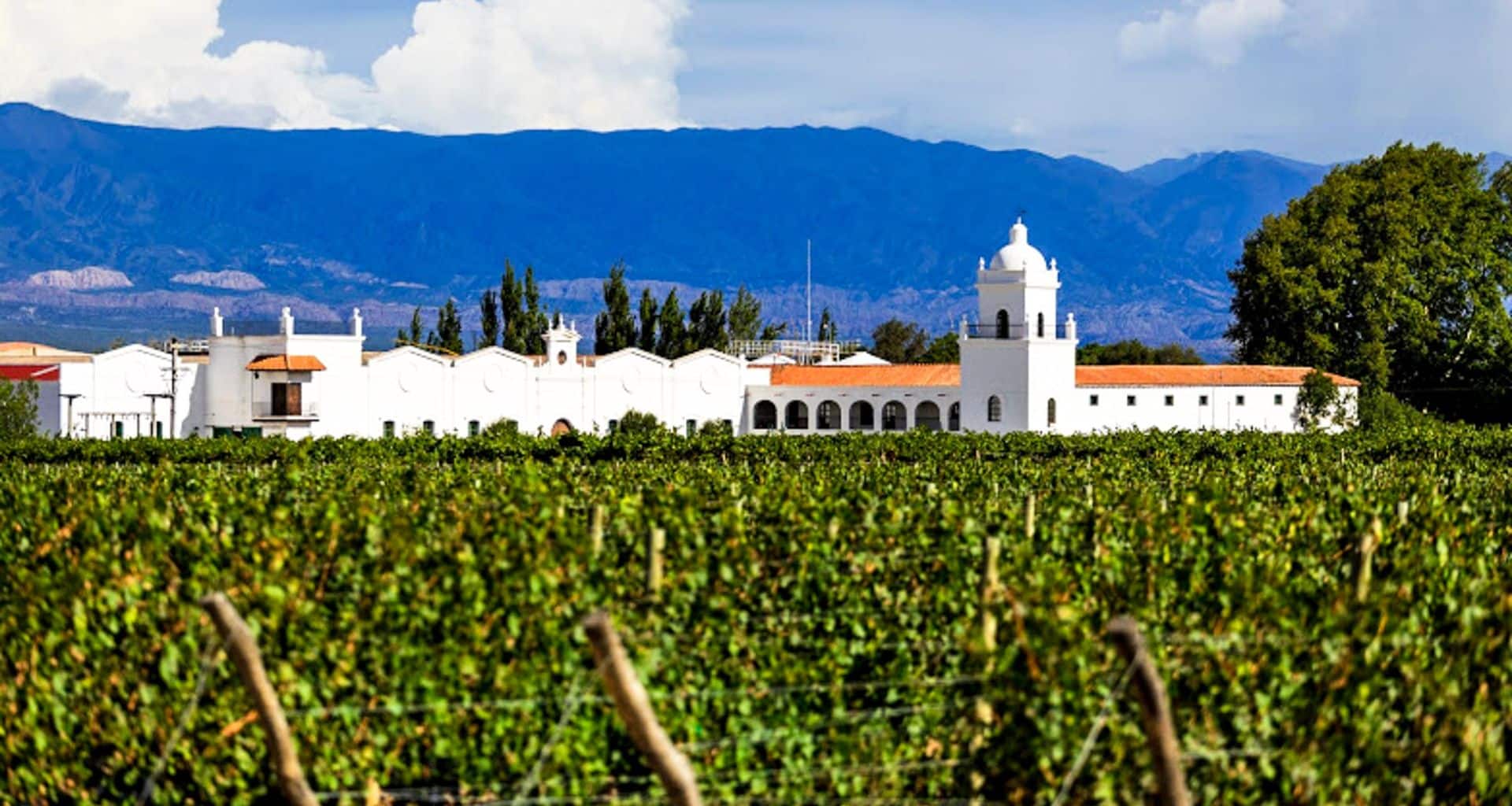
Small wineries at the source, including the Malbecs that never leave the country. Add the bus over the Andes into Chile if the calendar allows.
Most travellers arrive with one thing they will not compromise on — the wine, the glaciers, the wildlife, the train. Argentina is big enough to build a trip around any of them.
Browse by what you actually want: Mendoza wine tours and broader food & wine journeys, adventure tours in Patagonia and the Northwest, honeymoons, train journeys, estancias and lodges, cruises, golf, and UNESCO World Heritage sites.
Argentina is a big, logistically demanding country — roughly 3,700 km from the subtropical northeast to the southern ice fields. The difference between a good trip and an exhausting one is usually routing, not budget: which legs you fly, which you take overland, and what order you see things in. That is the part we handle.
We run 34 Argentina itineraries of our own, plus multi-country journeys that cross into Chile and Brazil, and every one is adjusted to your dates, pace and interests before anything is booked. Our Argentina material is written and reviewed by co-founder Juergen Keller, who has been building South America itineraries for over 30 years.
“There were 27 separate arrangements (transfers, hotels, tours) and three flights. All went very smoothly with no glitches.”
— SouthAmerica.travel traveller, Argentina & Chile
What to see...
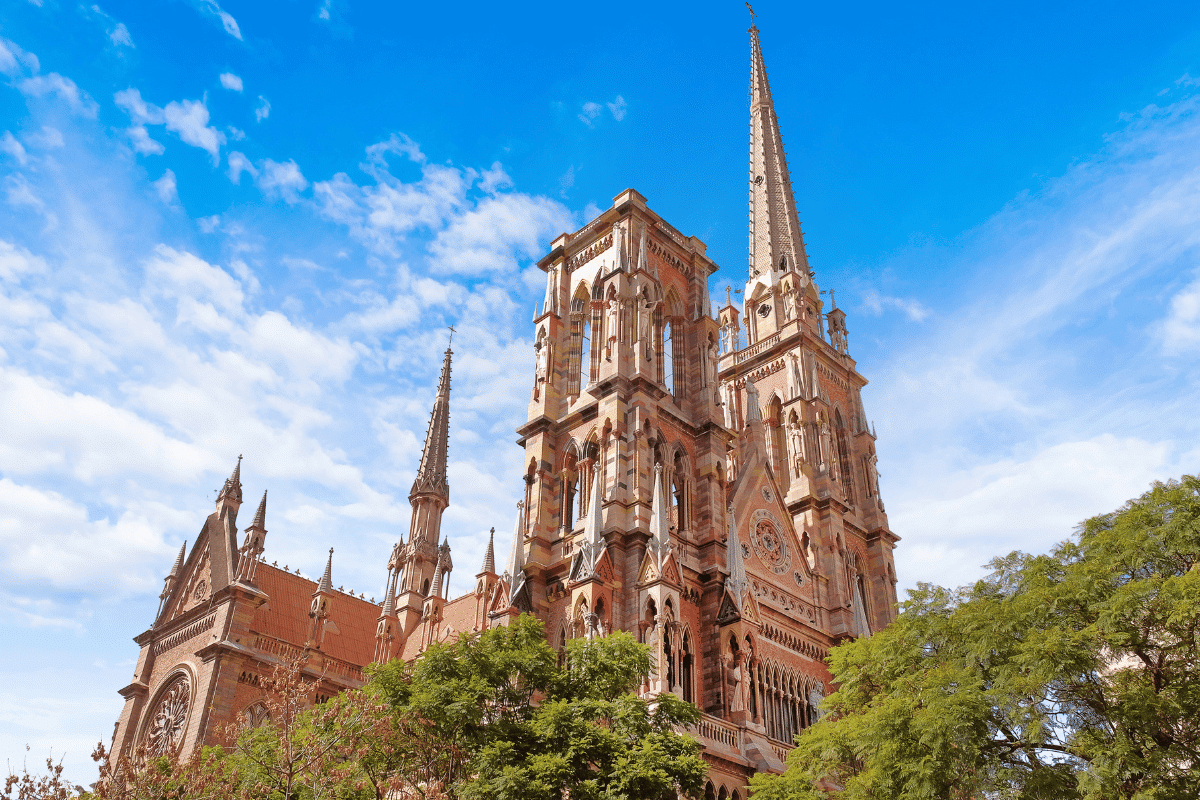
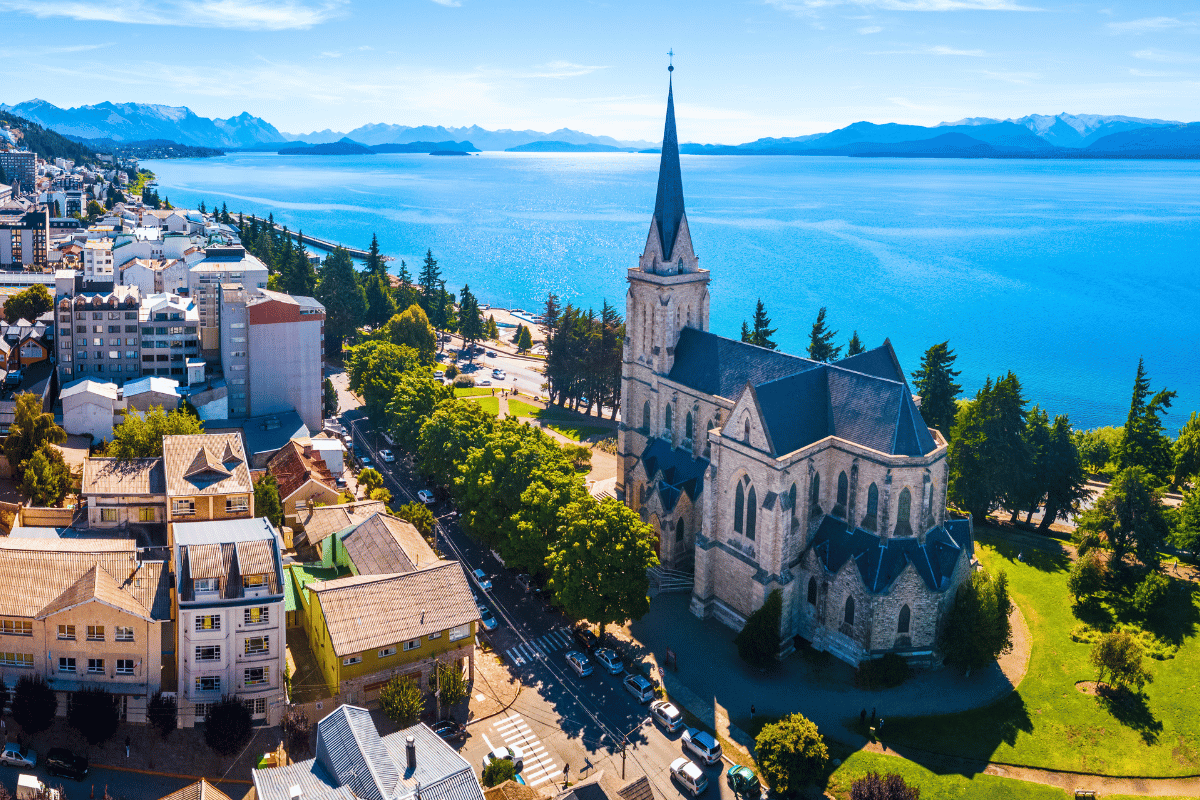
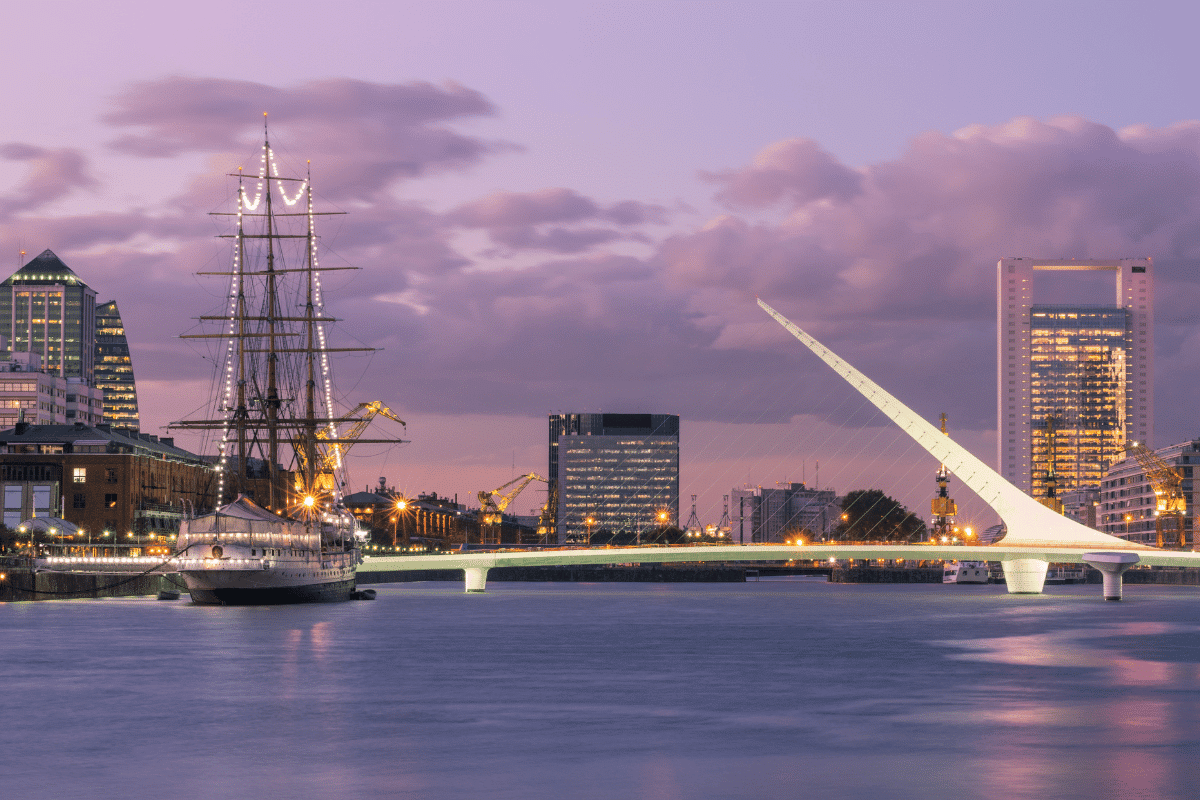
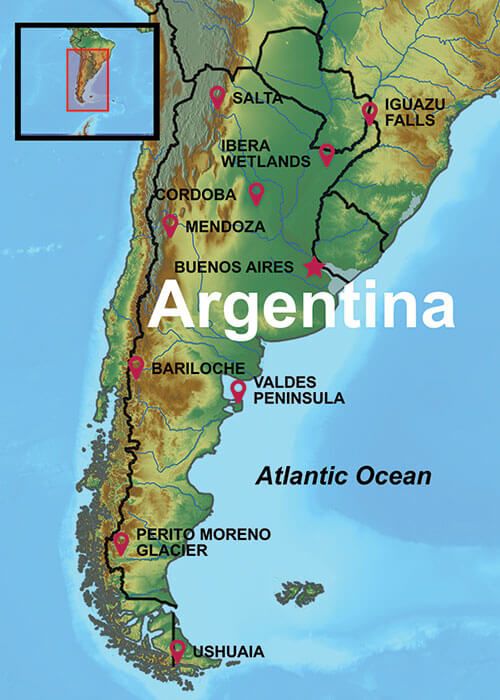
Travelers will not be hard-pressed to find exciting things to do in Argentina. With one of the grandest cities in Latin America, Buenos Aires, and awe-inspiring natural landscapes like Patagonia, Argentina offers a little of everything to those who visit. Major sights include Iguazu Falls, the Altiplano high desert of Salta, the Andes mountain range, and the lake region around Bariloche, Mendoza, the wine capital of South America, and Cordoba’s Jesuit settlements.
When is the...
The best time to visit Argentina depends on the regions you want to explore and the style of trip you’re planning. Argentina is a year-round destination, but seasons vary dramatically between Buenos Aires, Patagonia, Iguazú Falls, and the northern Andes. Wine lovers should visit Mendoza from March through May for harvest season, while Patagonia offers the best hiking weather between mid-September and mid-April. Spring in Buenos Aires (September–November) brings mild temperatures and blooming Jacaranda trees, and northern Argentina is most pleasant from April through November. Remember that the Southern Hemisphere’s summer runs December–March and winter from June–August, which can affect availability in Patagonia and other regions.
The Best...
Argentina stretches from subtropical rainforest to Patagonian glaciers, offering extraordinary diversity at every turn. Explore colonial Salta in the north, stand before the thunderous Iguazu Falls, experience the culture and cuisine of Buenos Aires, or venture south to Bariloche and the dramatic landscapes of Patagonia. From world-class museums and tango halls to glacier hikes and wildlife encounters, Argentina rewards every type of traveler. Discover our guide to the best places to visit in Argentina and start planning your perfect journey.
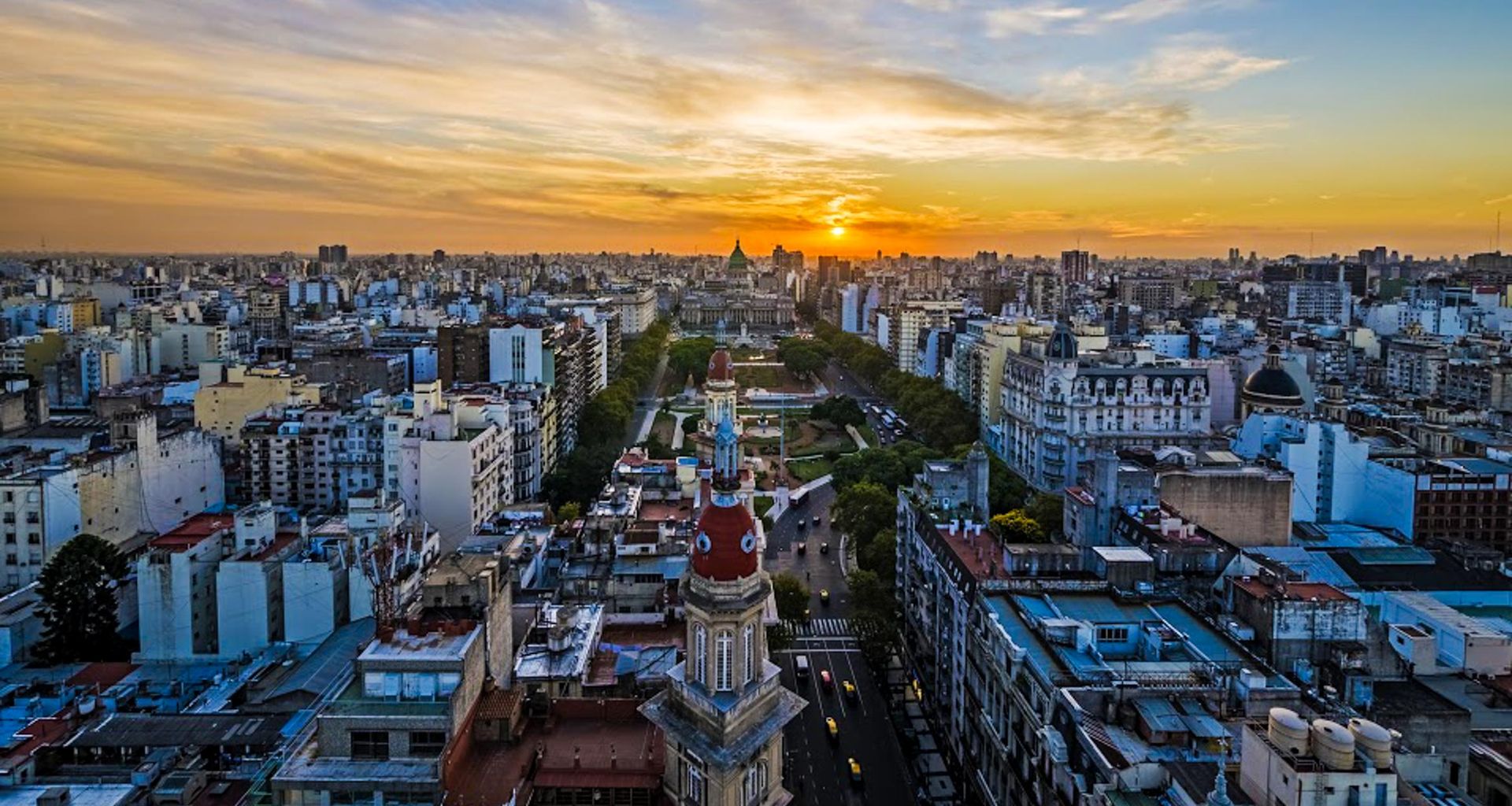
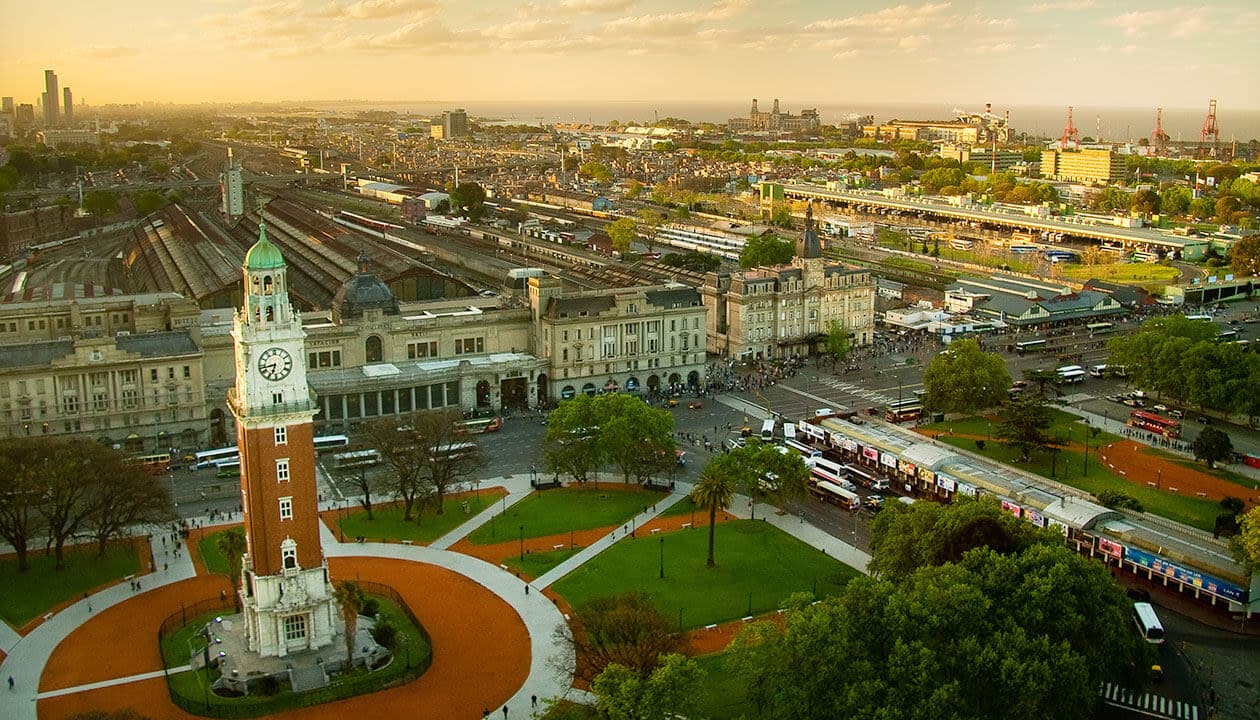
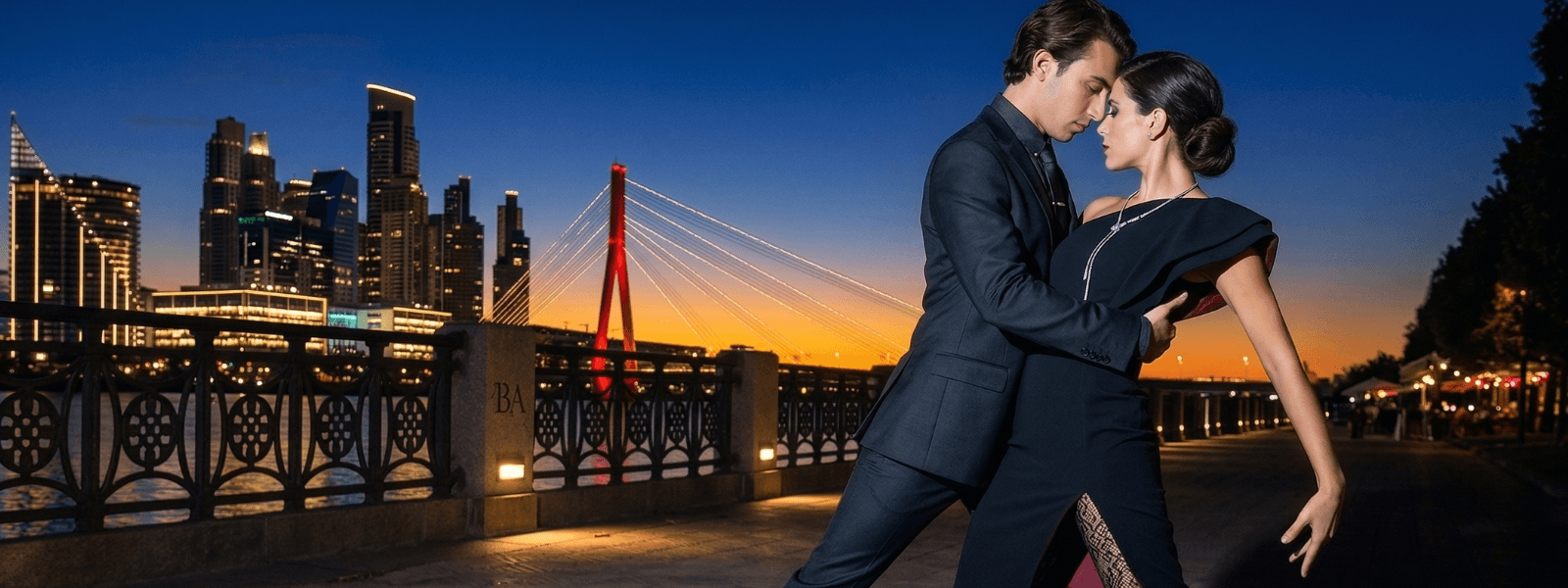
The obvious start, and worth more time than most itineraries give it. Tango halls, a food scene shaped by Italian and Arabic immigration, and an asado that is a social affair rather than a meal — a late lunch that drifts into evening without anyone noticing.
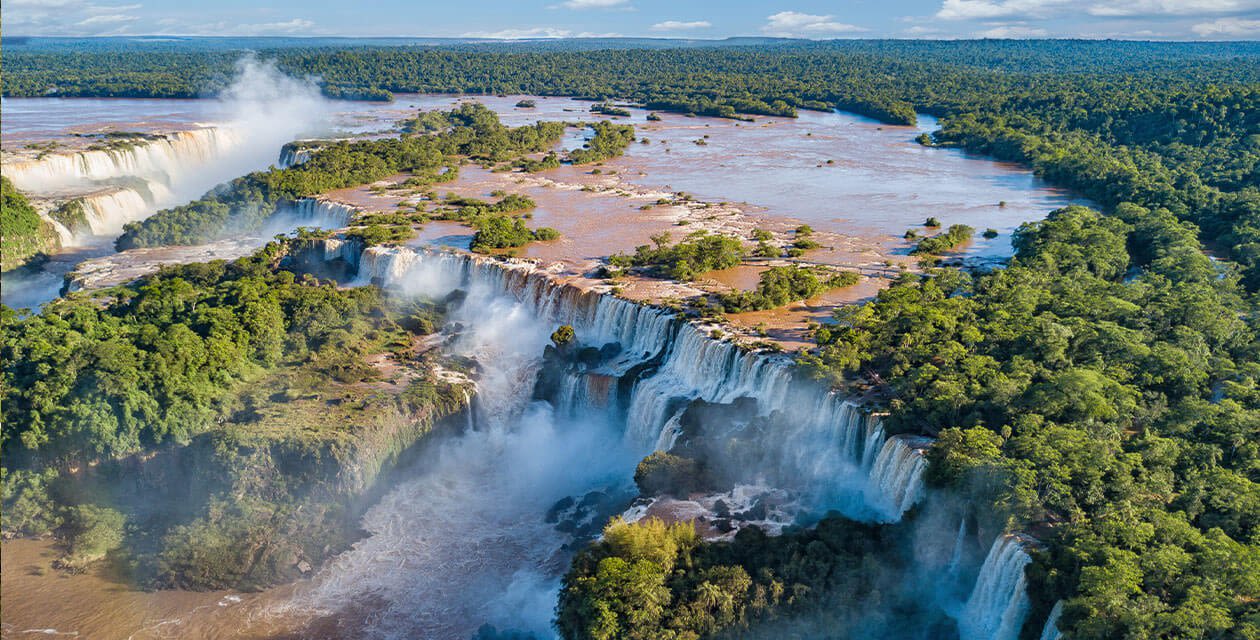
Yes, everyone goes. Go anyway — but do not do the usual Instagram tour and leave the same day. Stay in the subtropical country around Puerto Iguazú, where there is far more to see. With a few extra days, add the Iberá marshes: teeming with birds and wildlife, and with luck, jaguars. The logistics there are slightly complicated, which is precisely why so few travellers make it.
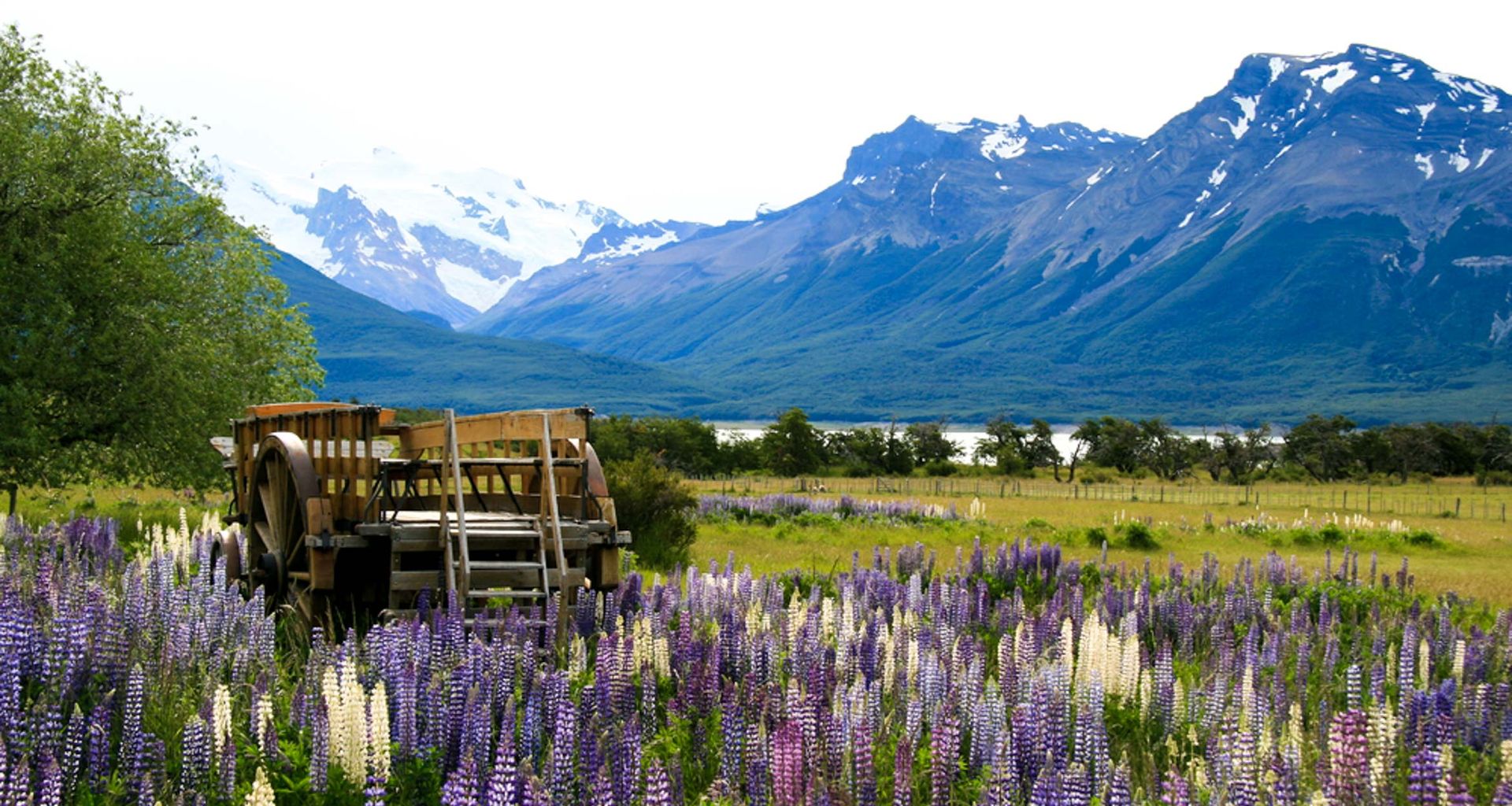
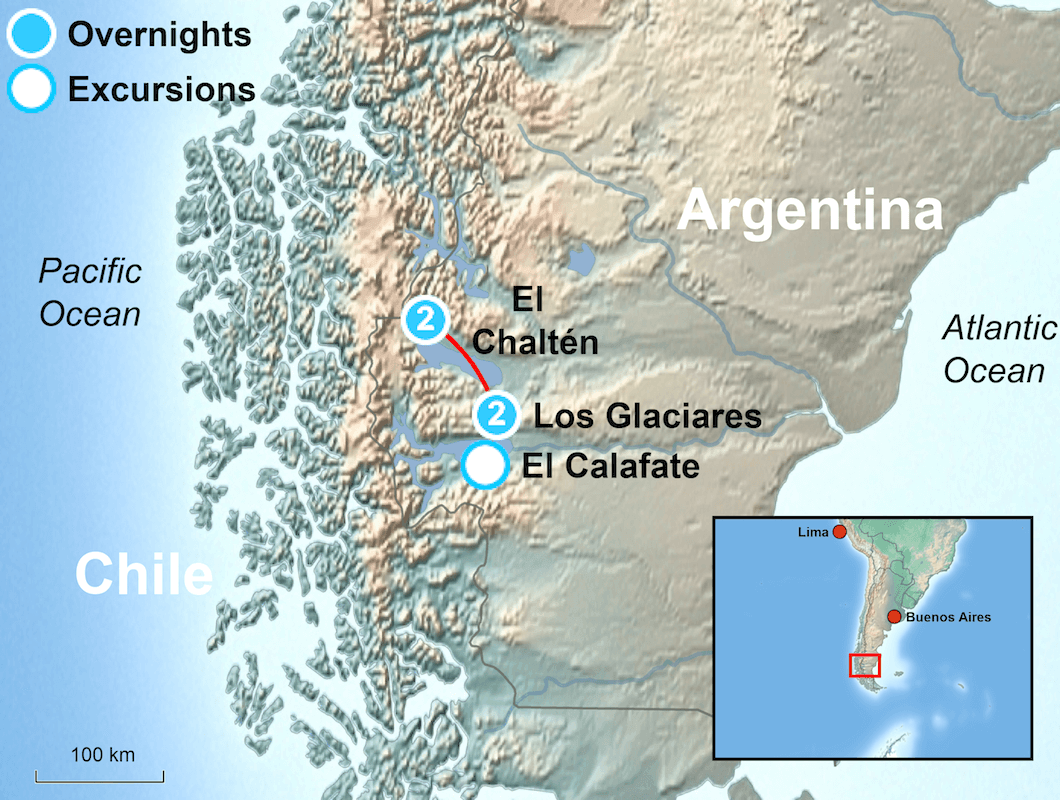
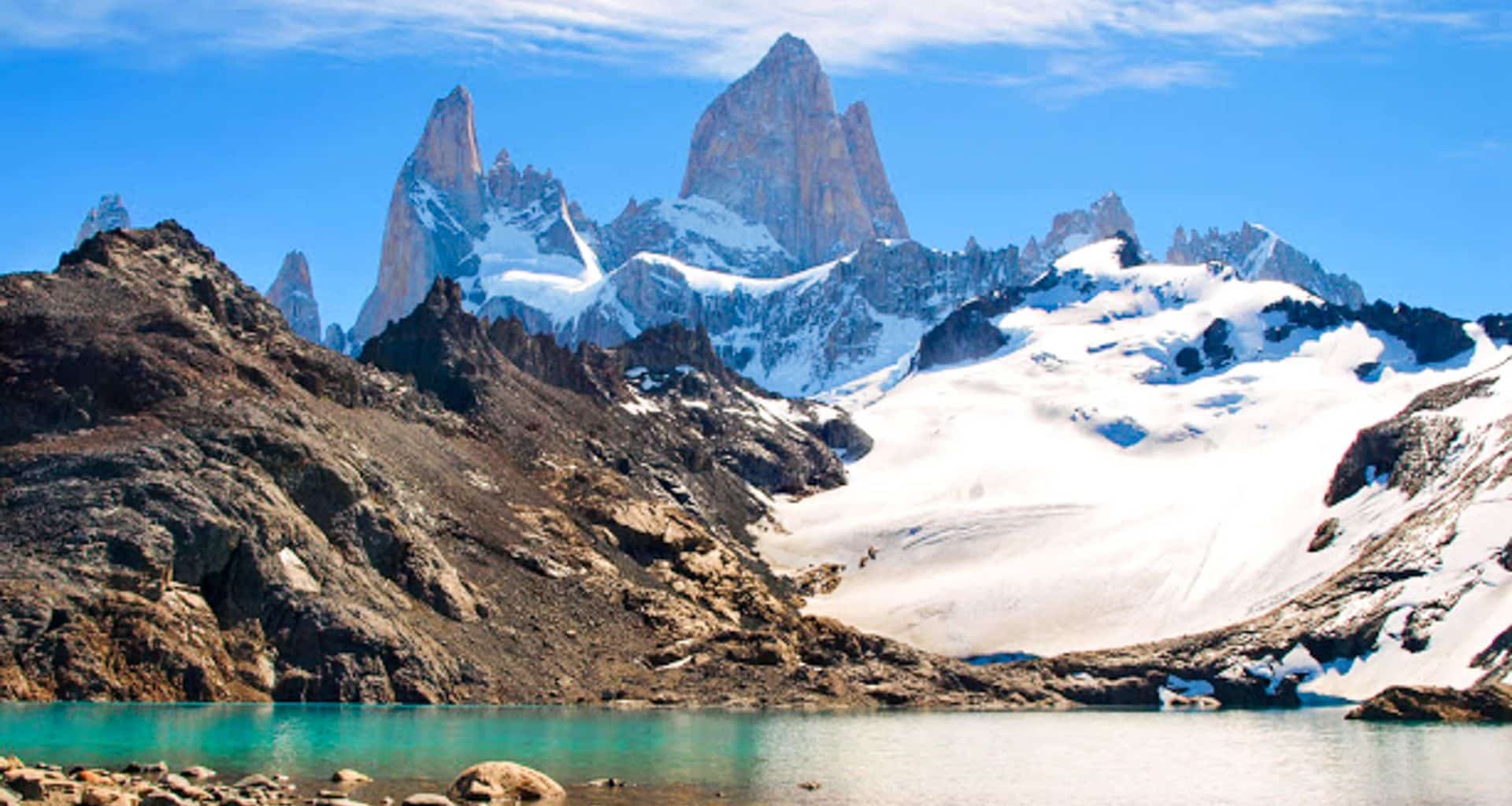
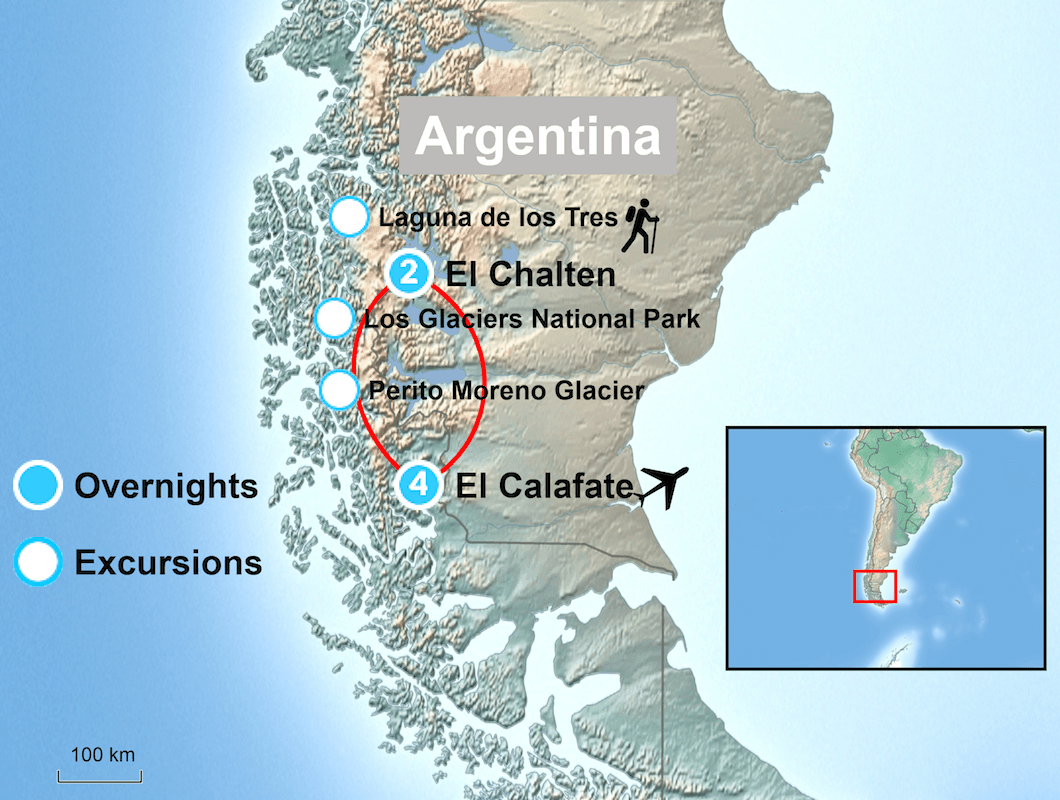
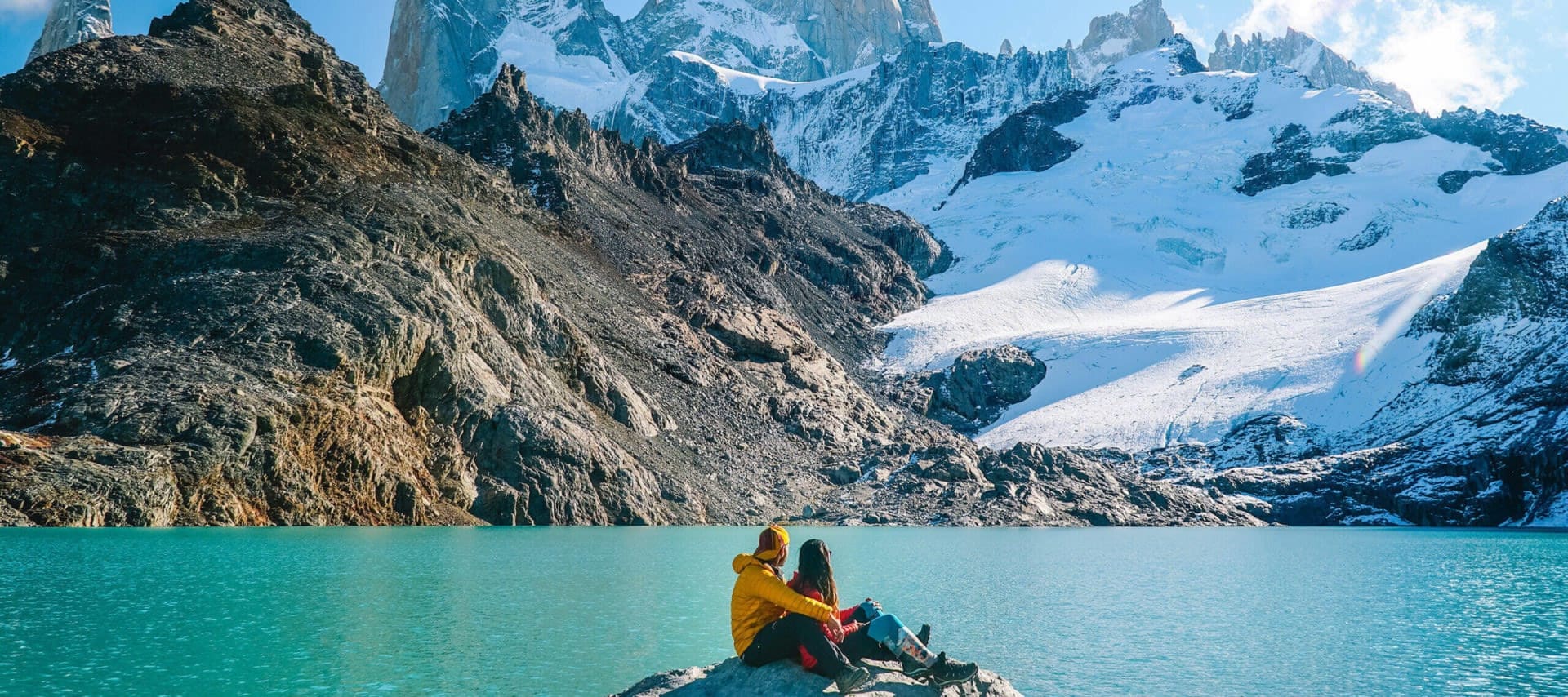
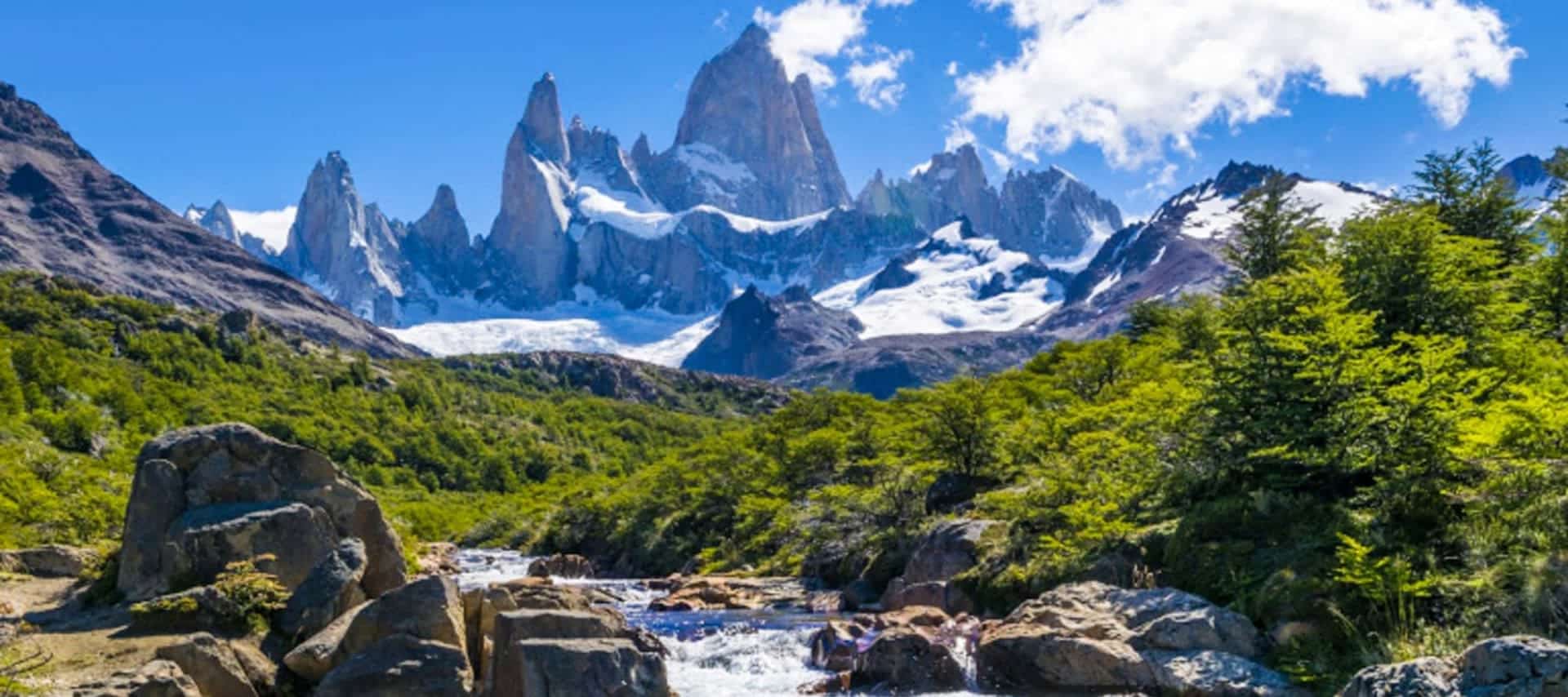
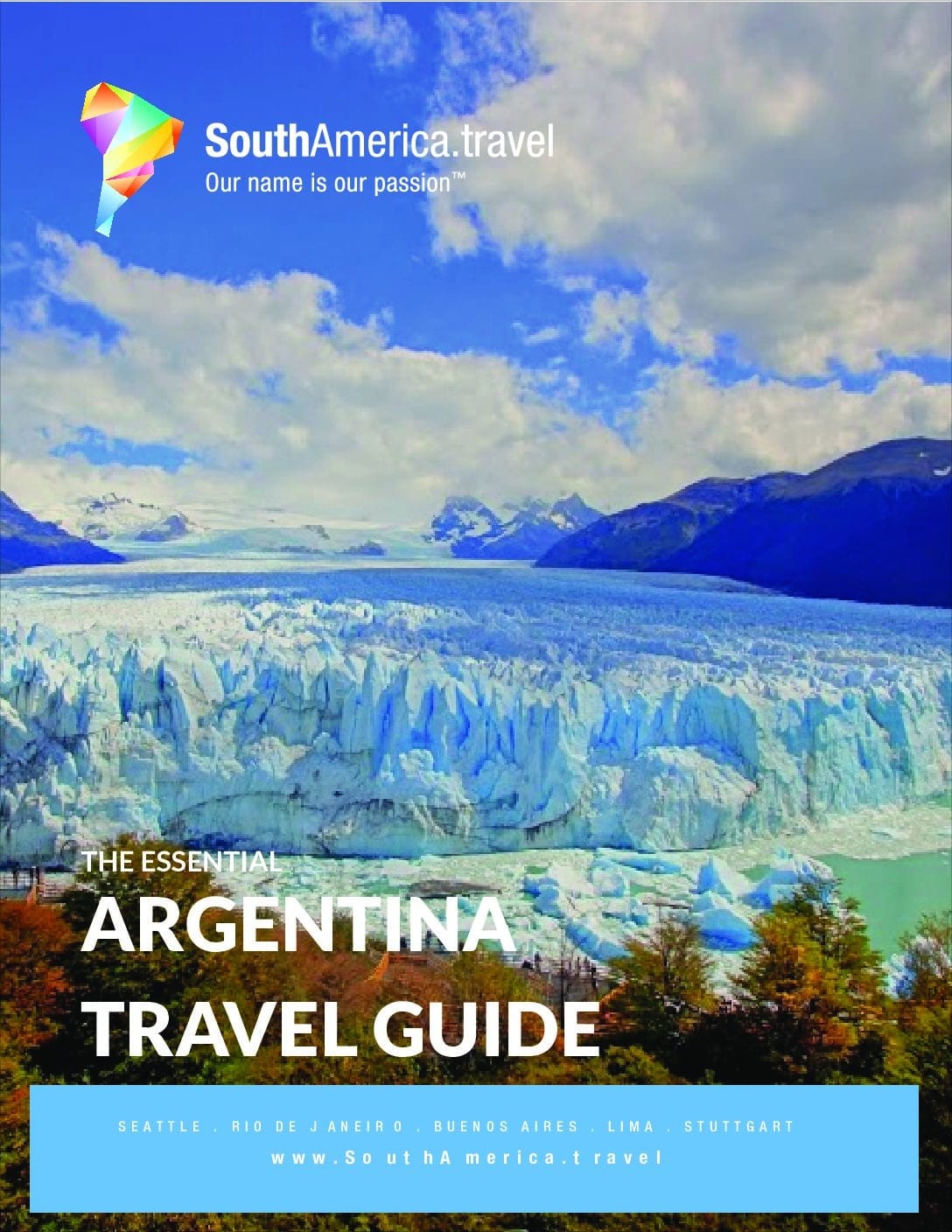
Stand in front of the glacier — then stay an extra day. El Calafate rewards people-watching and wandering far more than a rushed fly-in, fly-out allows. Add El Chaltén for the trekking, and if the calendar permits, carry on into Chilean Patagonia rather than doubling back.
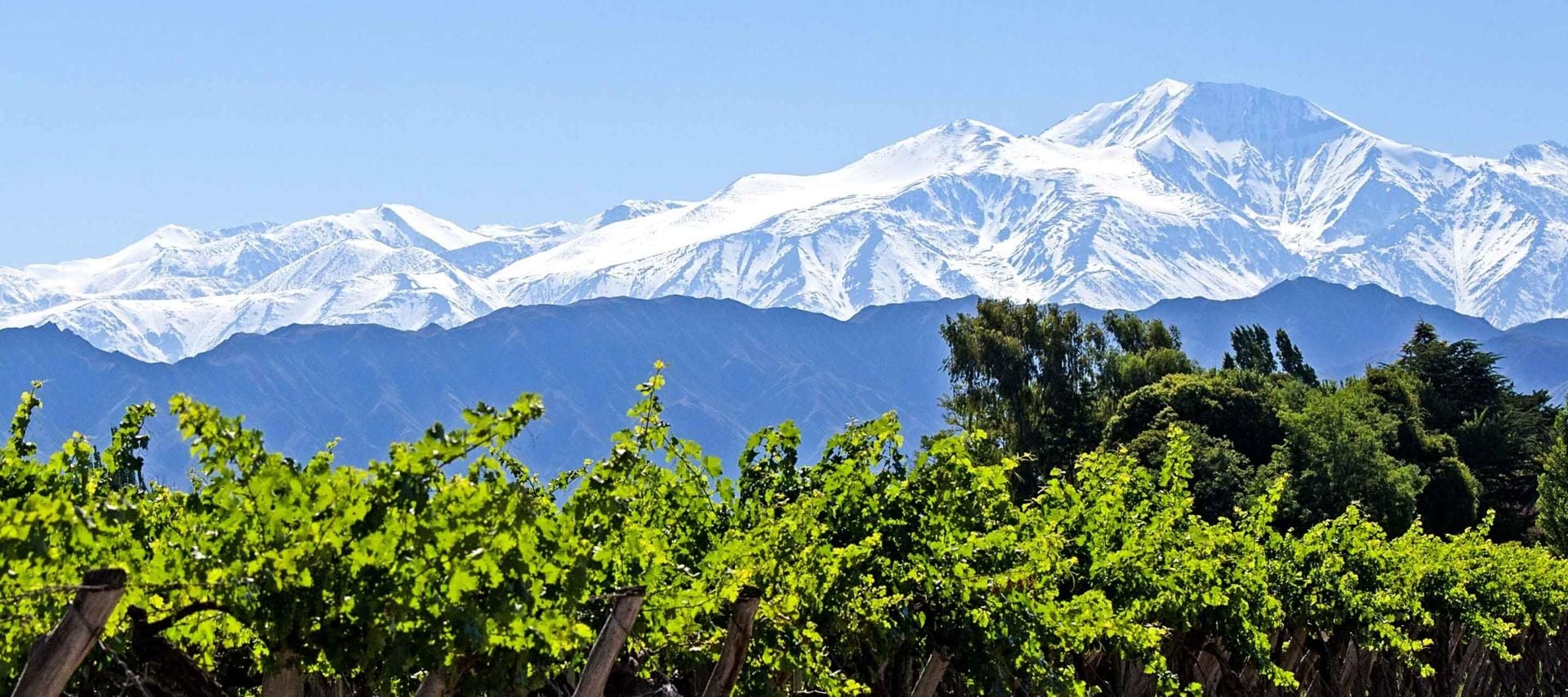
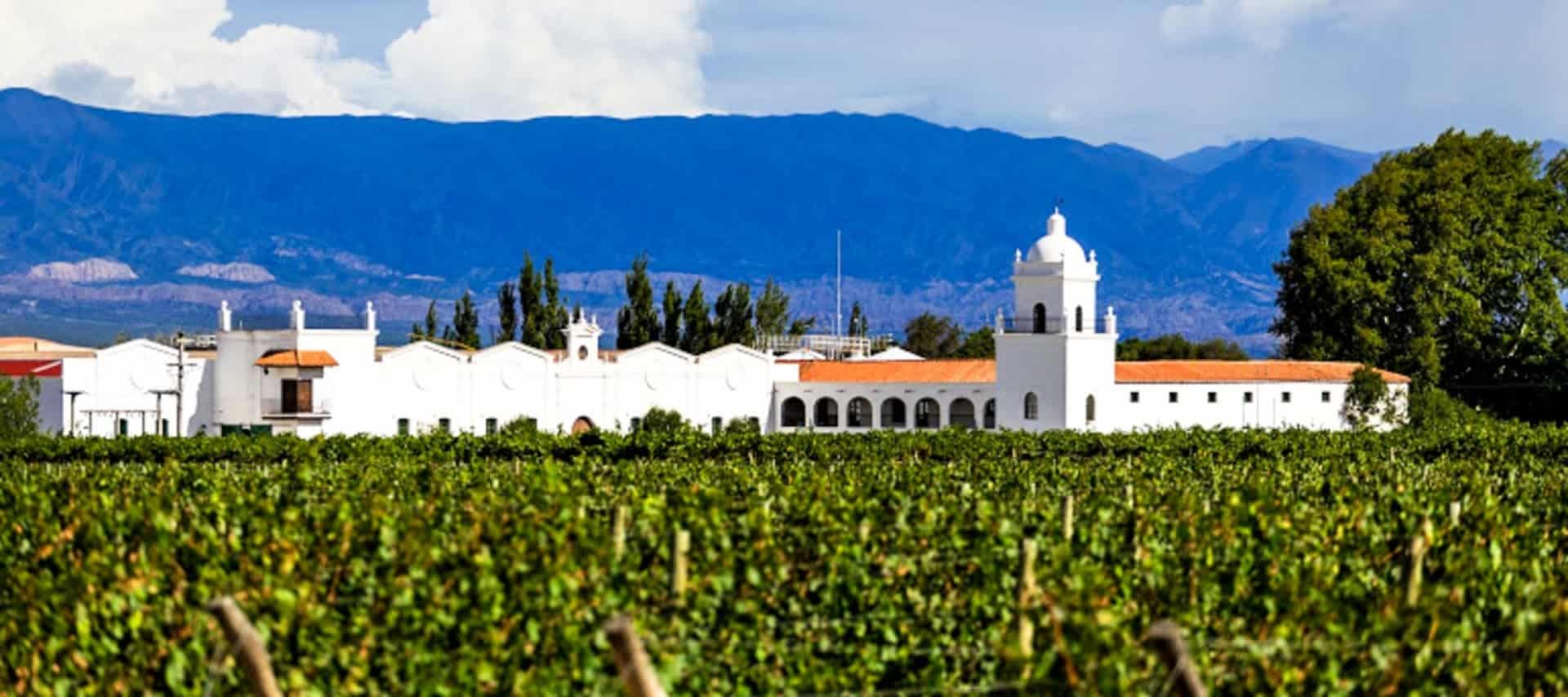
The reason to drink Argentine wine in Argentina: the best small-winery Malbecs never cross the border. Those producers simply do not have the export logistics, and the domestic market is big enough for them. What you buy abroad comes from a handful of large, frequently foreign-owned wineries — not bad wine, just not the real thing.
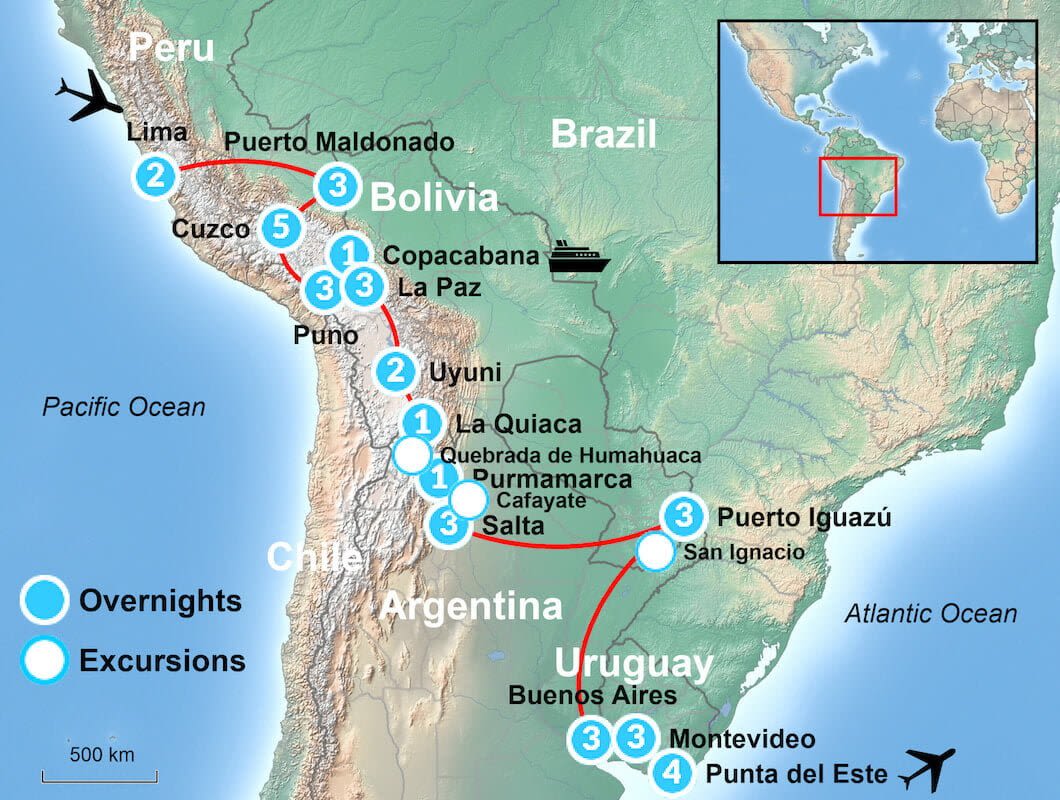
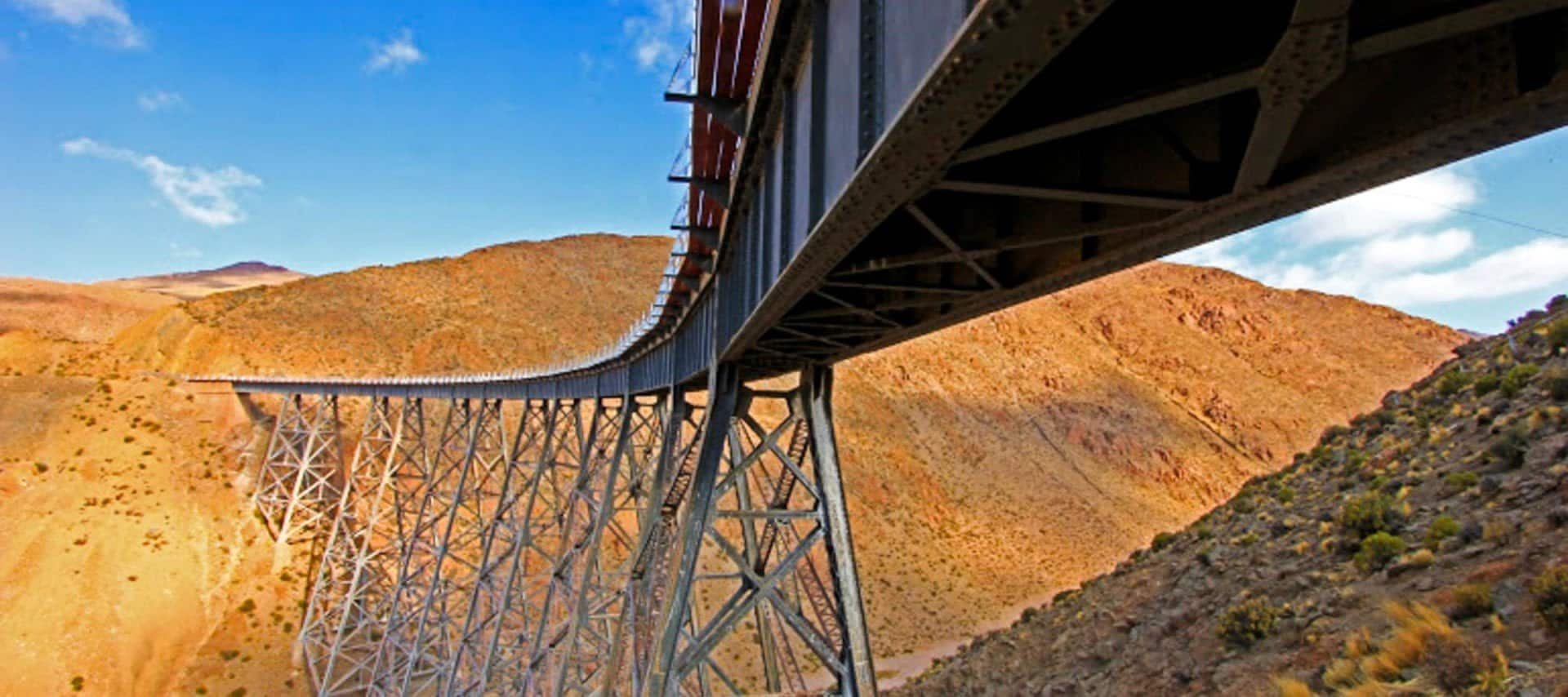
Colonial Salta, the high desert of the Altiplano, and the painted valley of the Quebrada de Humahuaca. The Salta-to-Atacama bus is the author's favourite route in the country — flamingos against the mountains, on coaches of a standard that puts Greyhound to shame.
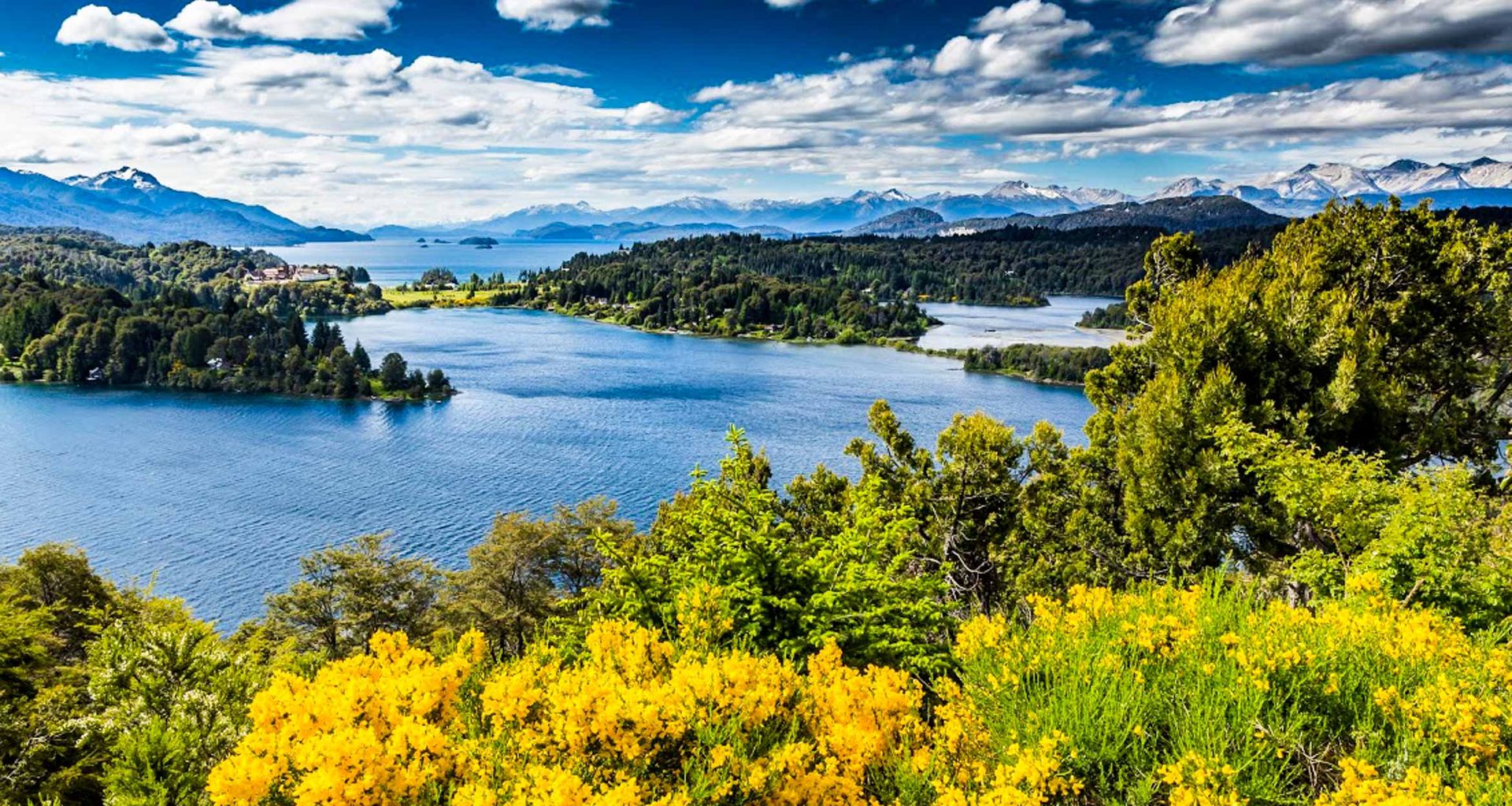
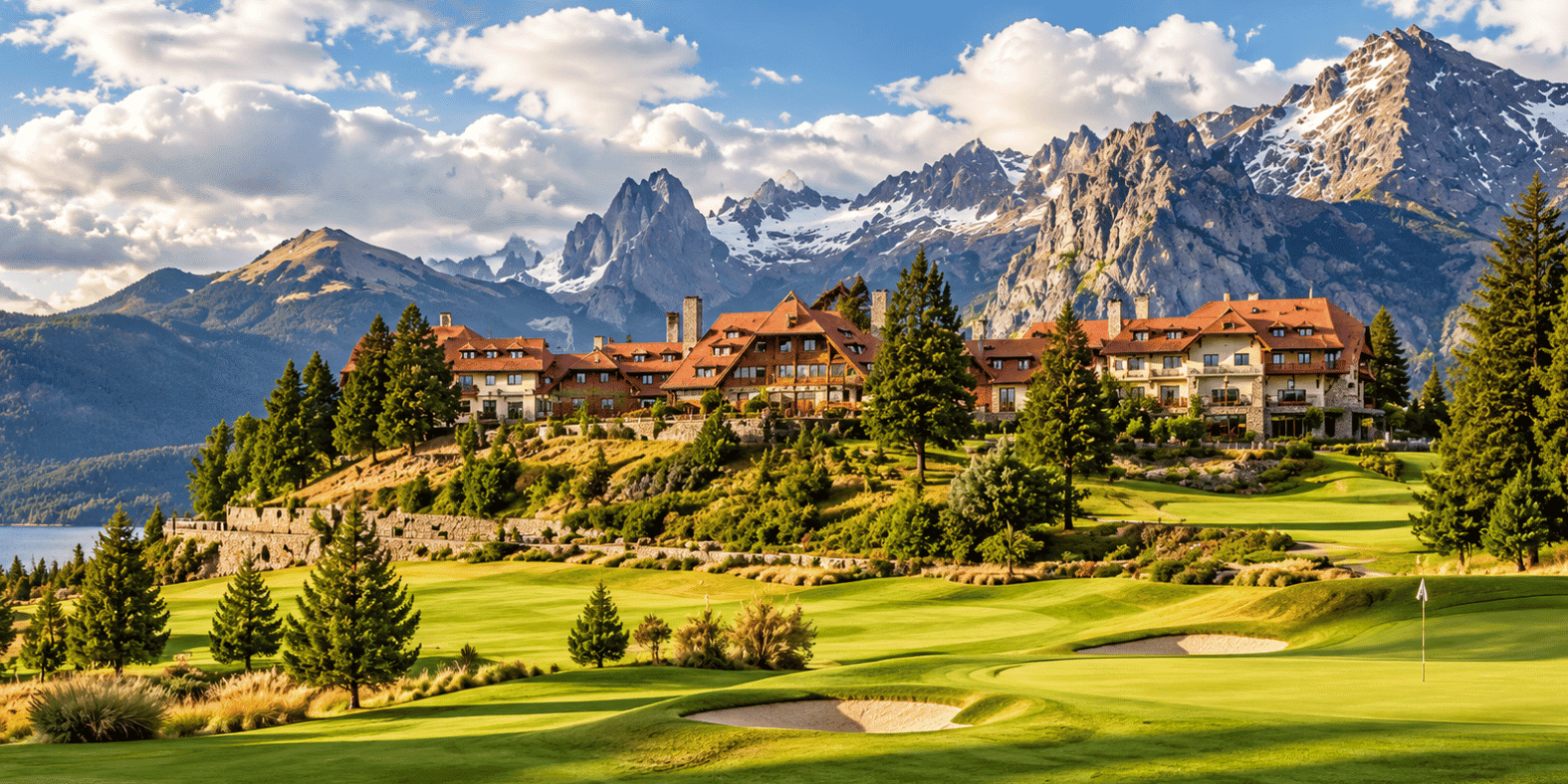
Alpine lakes, forest and chocolate shops on the edge of Patagonia, and the classic lake crossing over the Andes into Chile — one of the most scenic border crossings on the continent.
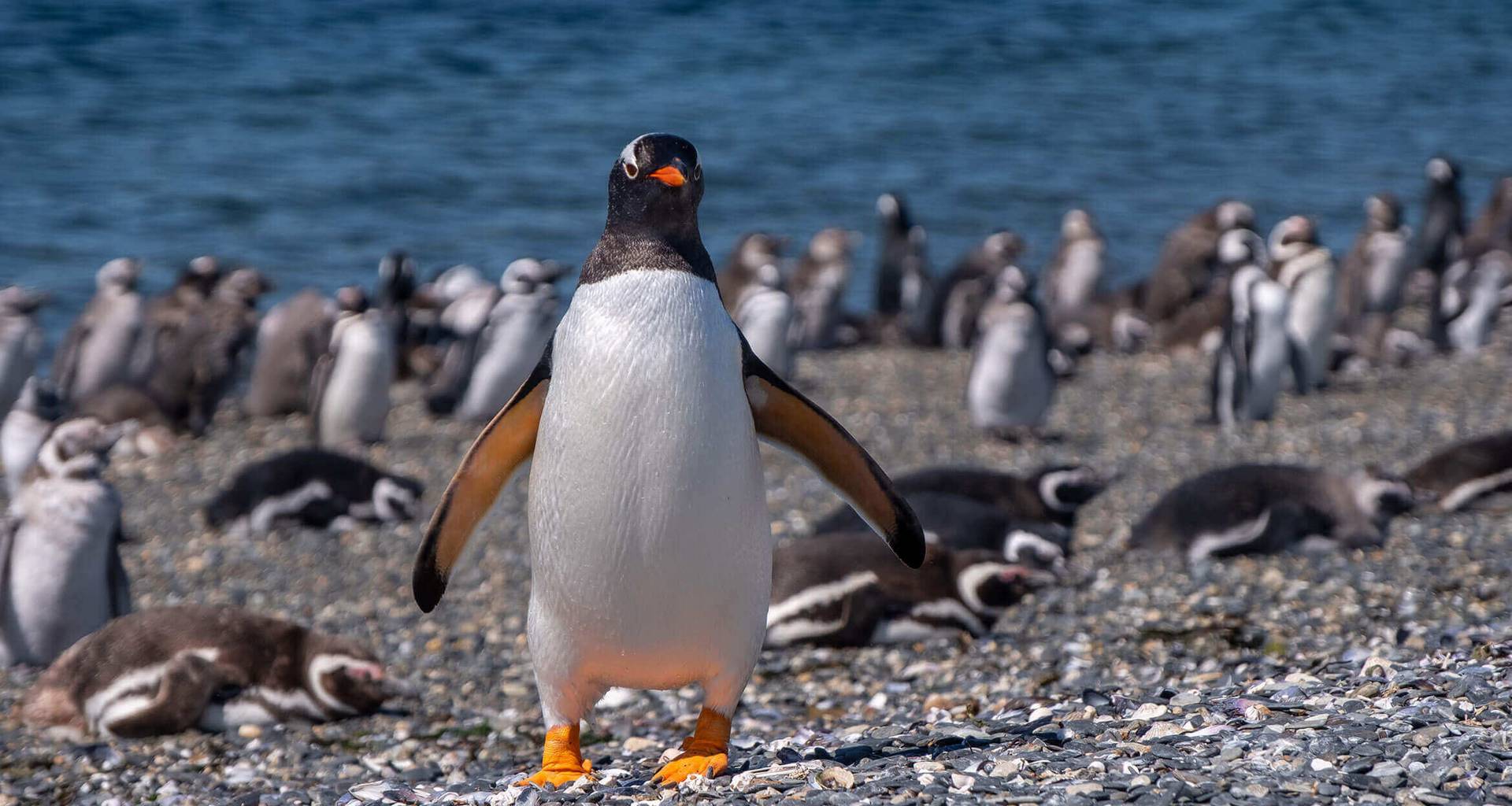
Argentina's great wildlife detour on the Atlantic coast: southern right whales in season, plus elephant seals, sea lions and Magellanic penguins along a shoreline most itineraries skip entirely.
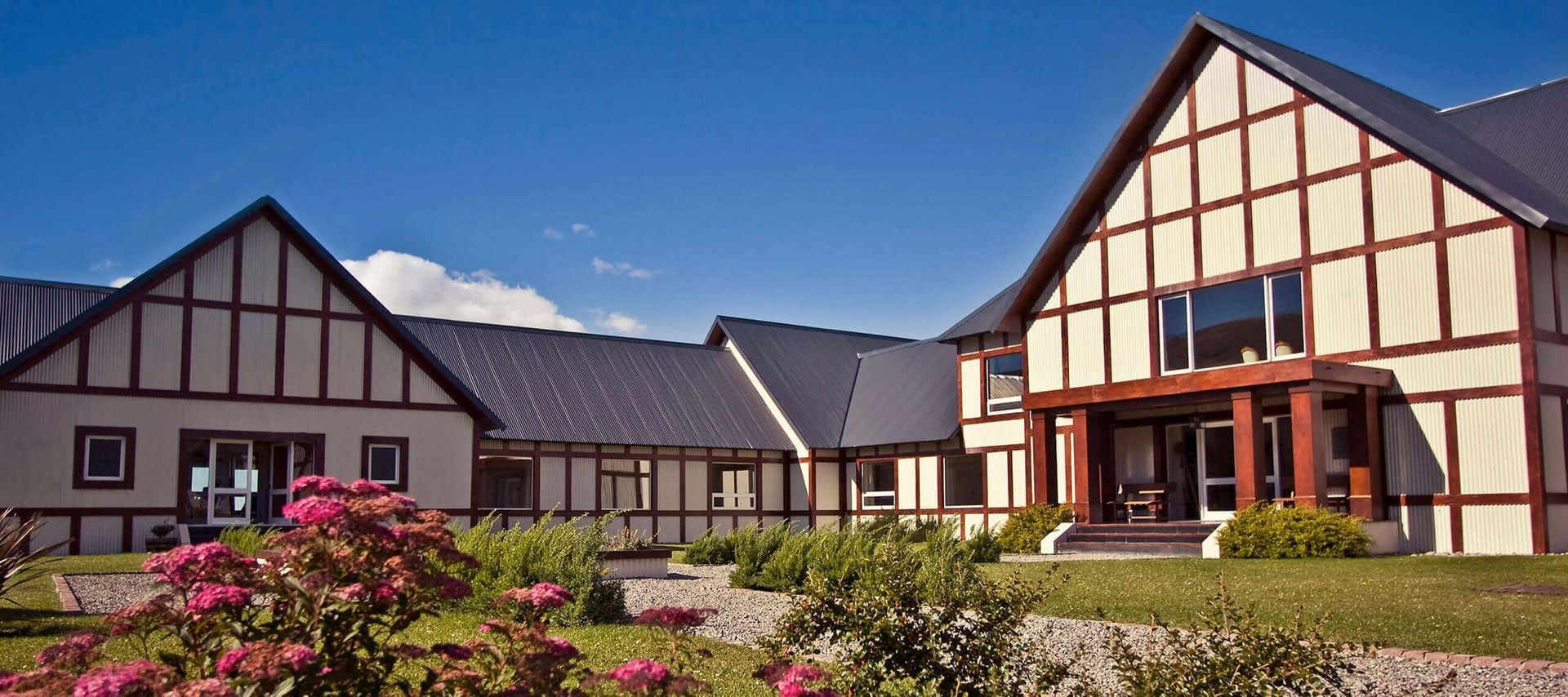
Venture out of Buenos Aires to one of the many family-run ranches. Mostly luxurious, usually with a pool, and horseback riding is always included — an ideal break for a family, and the most direct route into gaucho culture there is.
More Adventure
Here is the piece of advice that changes most Argentina itineraries: do not fly in and out of Buenos Aires. The country is shaped for a one-way route, and a good one usually begins or ends in Chile or Brazil.
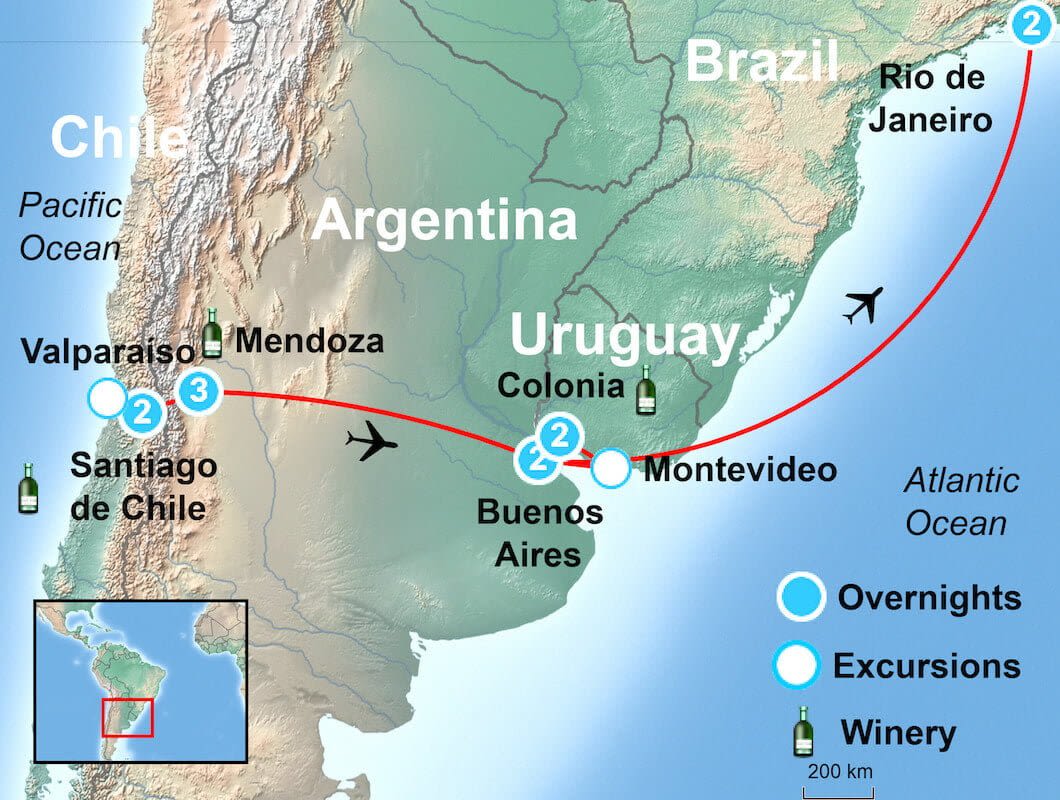
Fly into Santiago, work down through Chilean Patagonia, cross to El Calafate and Perito Moreno, then head north. Or finish your Mendoza wine days with the bus over the Andes — one of the great scenic crossings anywhere. See Argentina & Chile tours or the Chile hub.
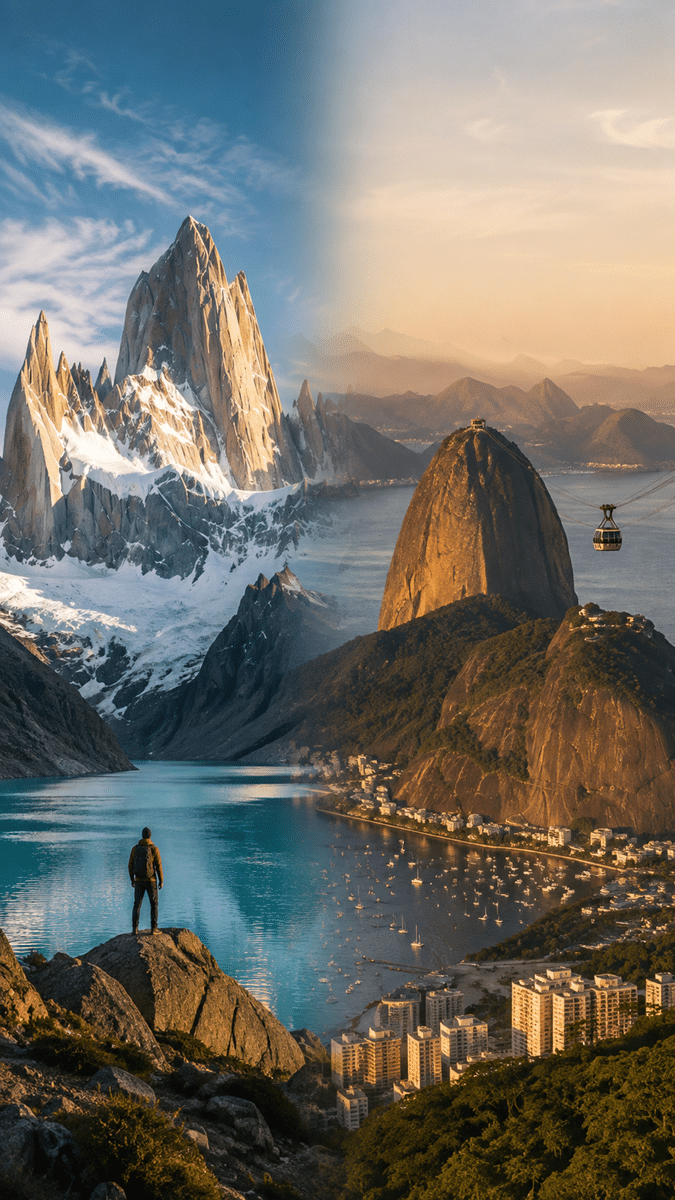
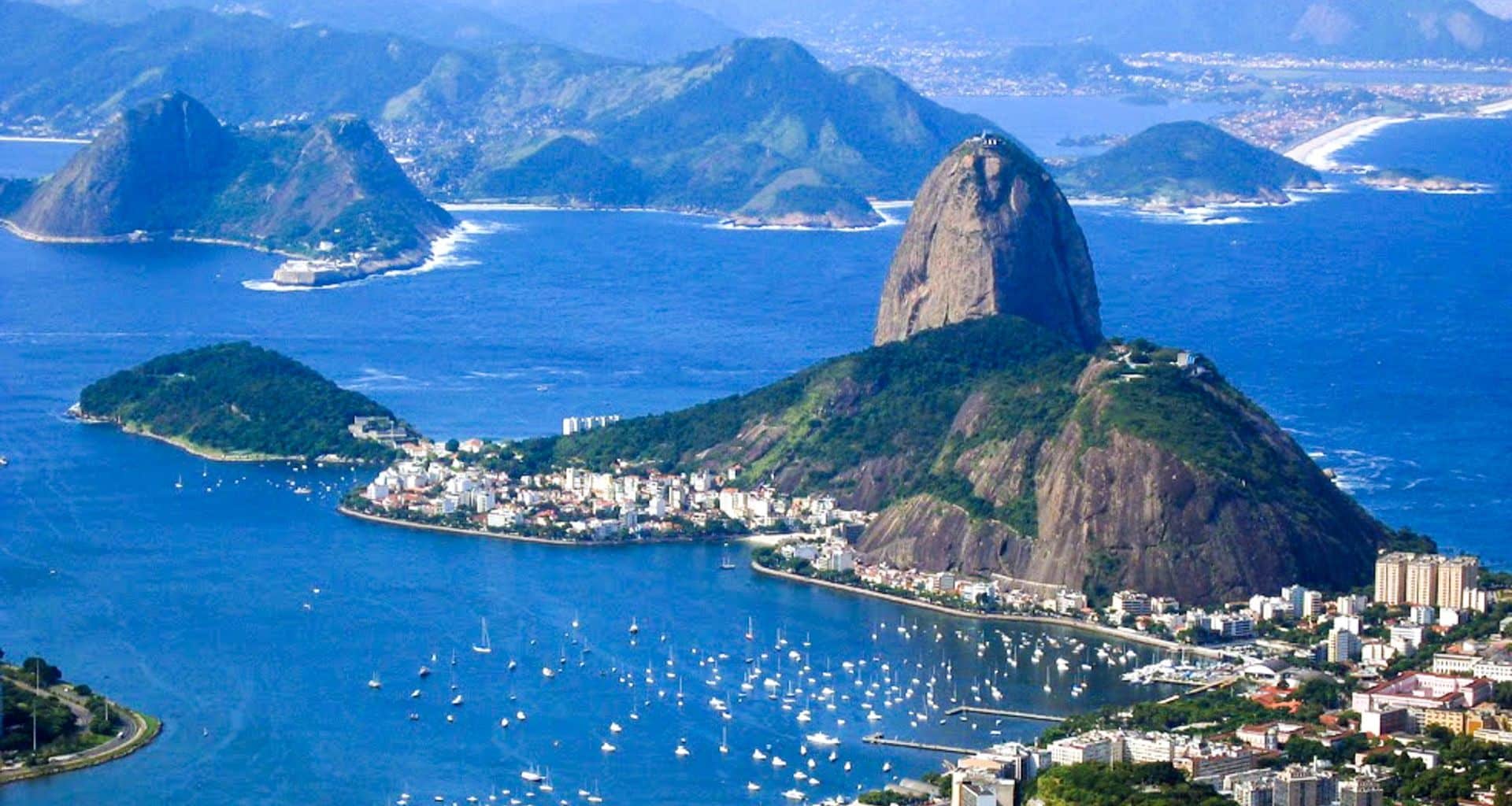
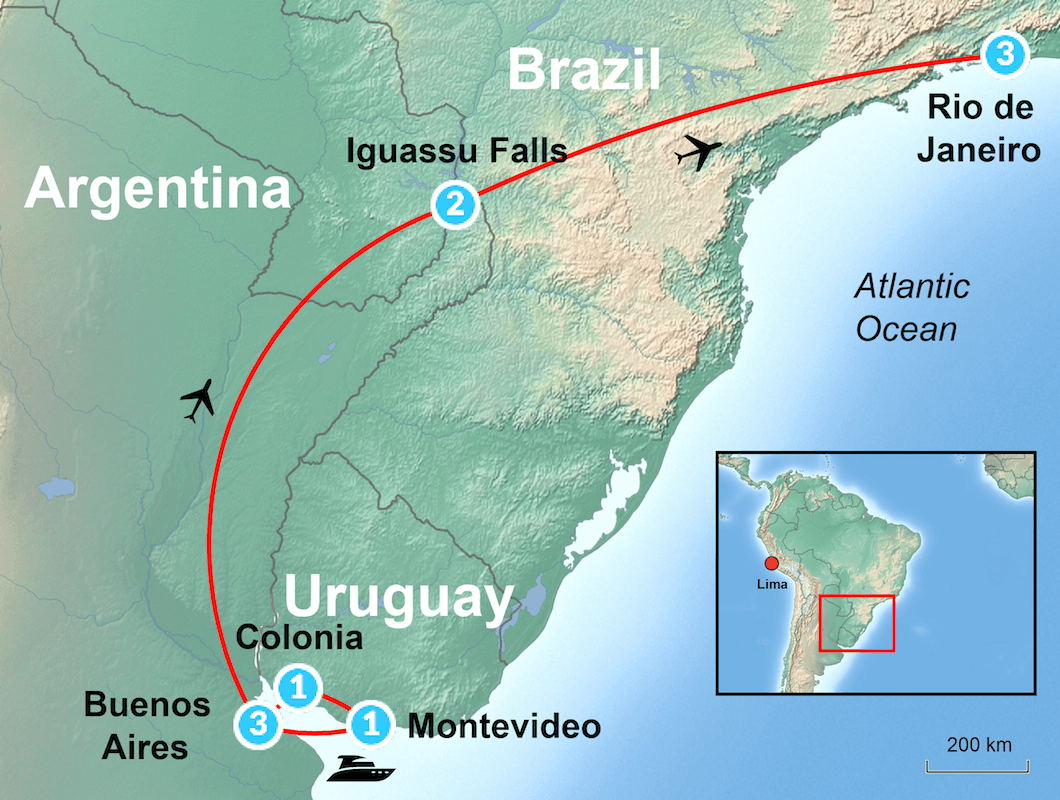
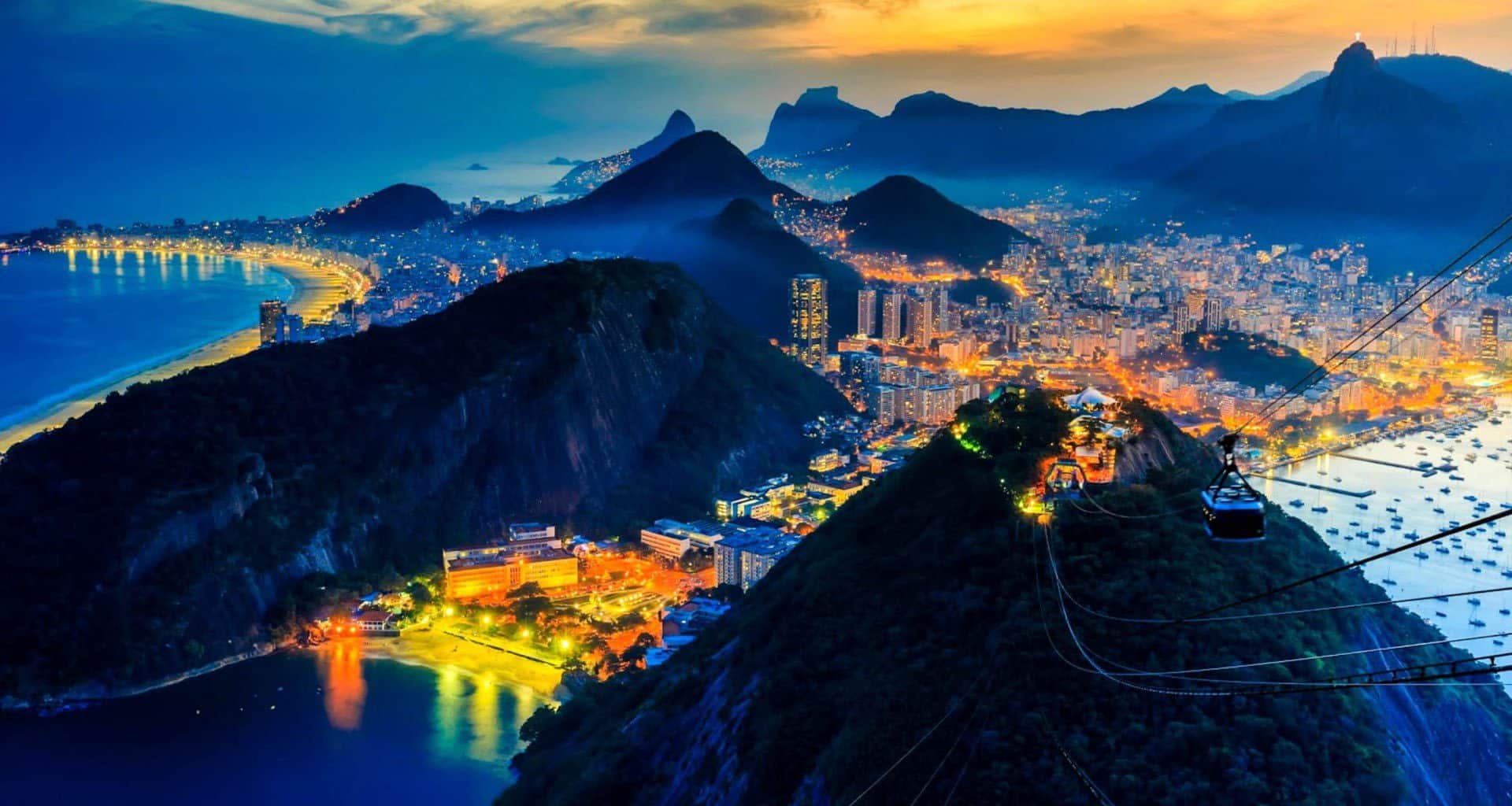
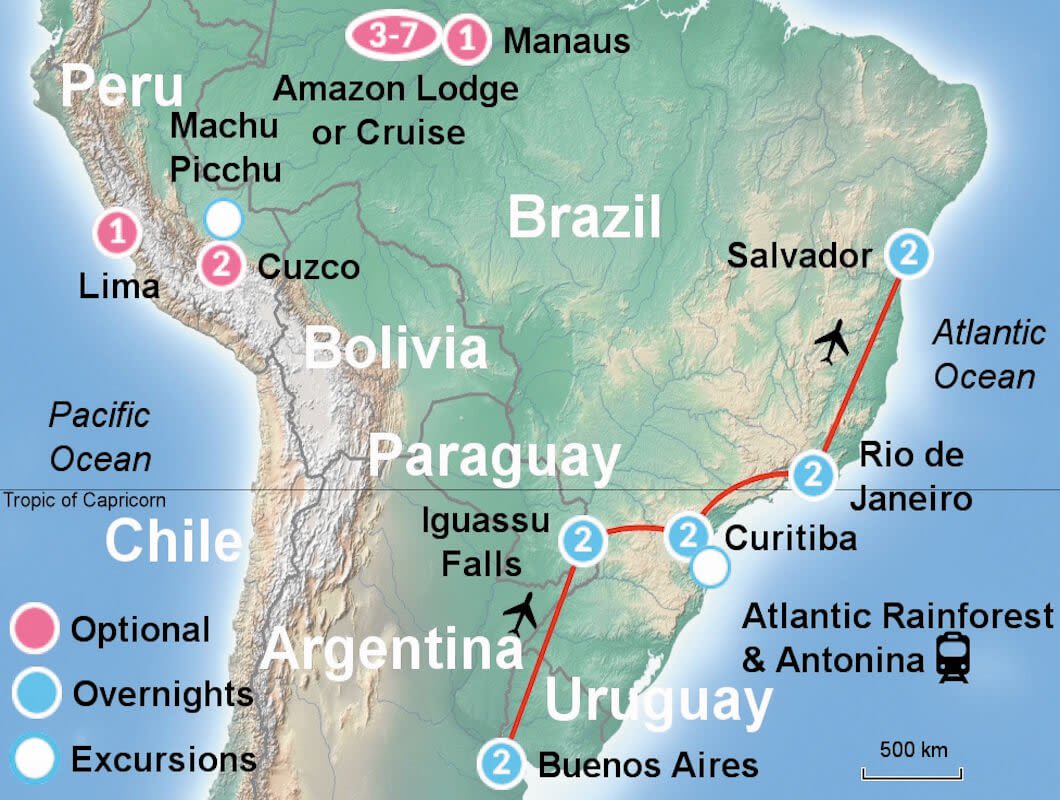
Start in Rio de Janeiro, cross into Argentina at Iguazú — both sides of the falls in one trip — then continue south. See Argentina & Brazil tours or the Brazil hub.
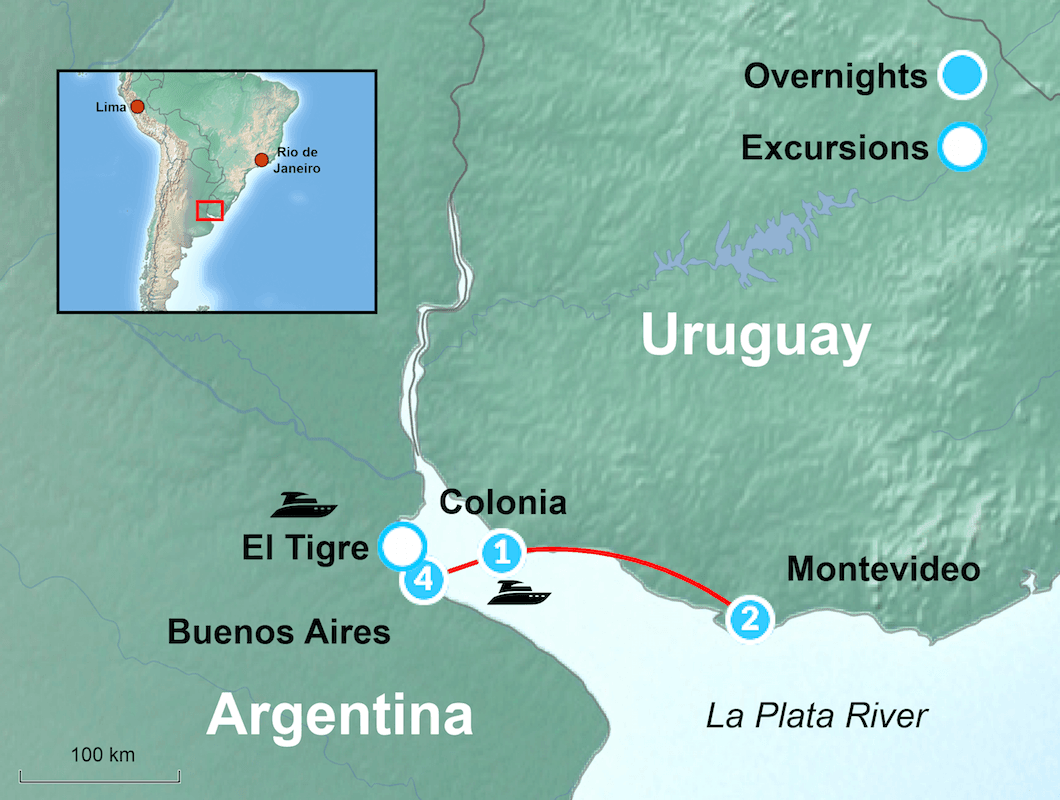
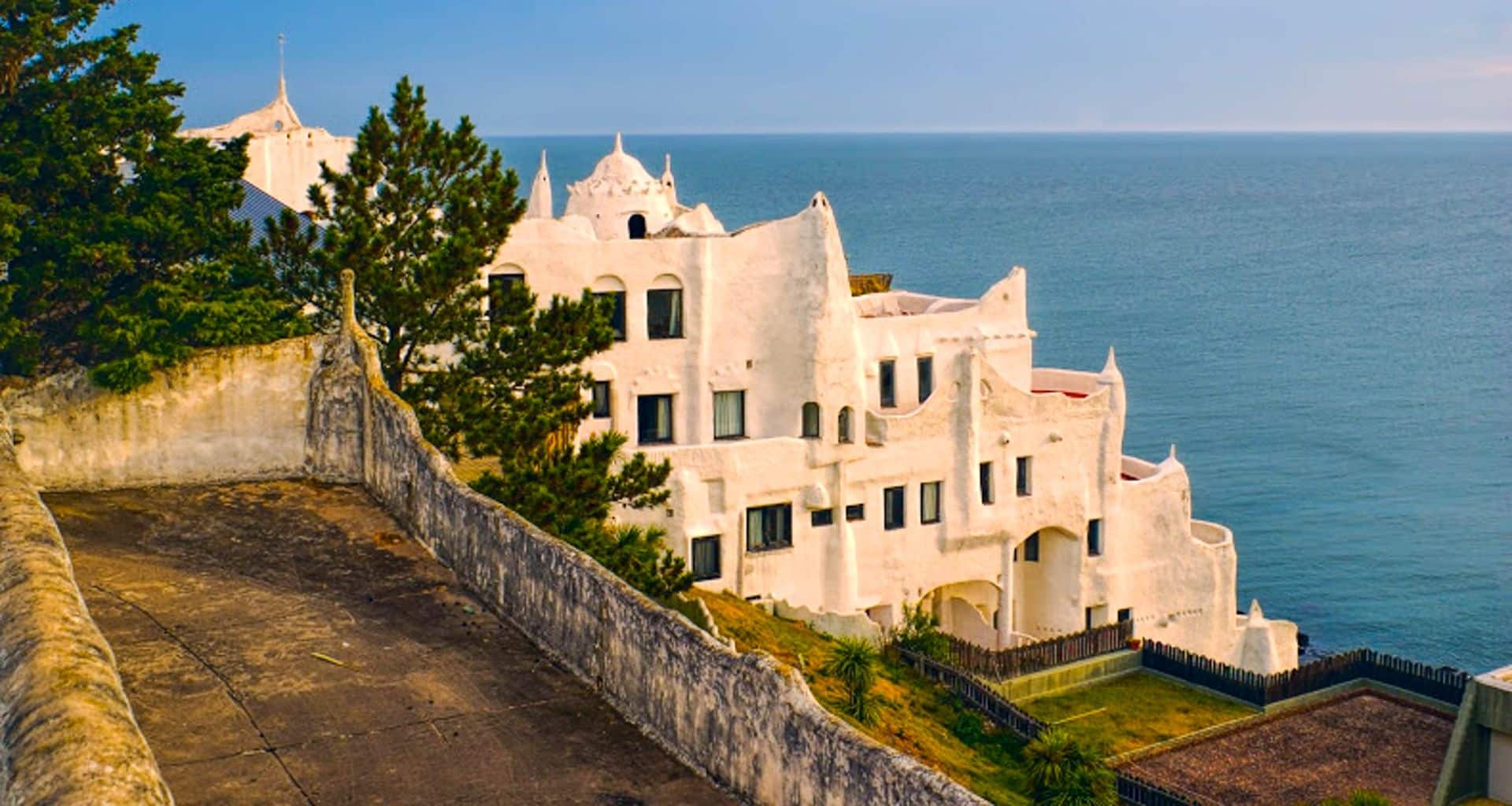
An hour by ferry from Buenos Aires, and the easiest add-on there is: Colonia, Montevideo and the coast. See Argentina & Uruguay tours.
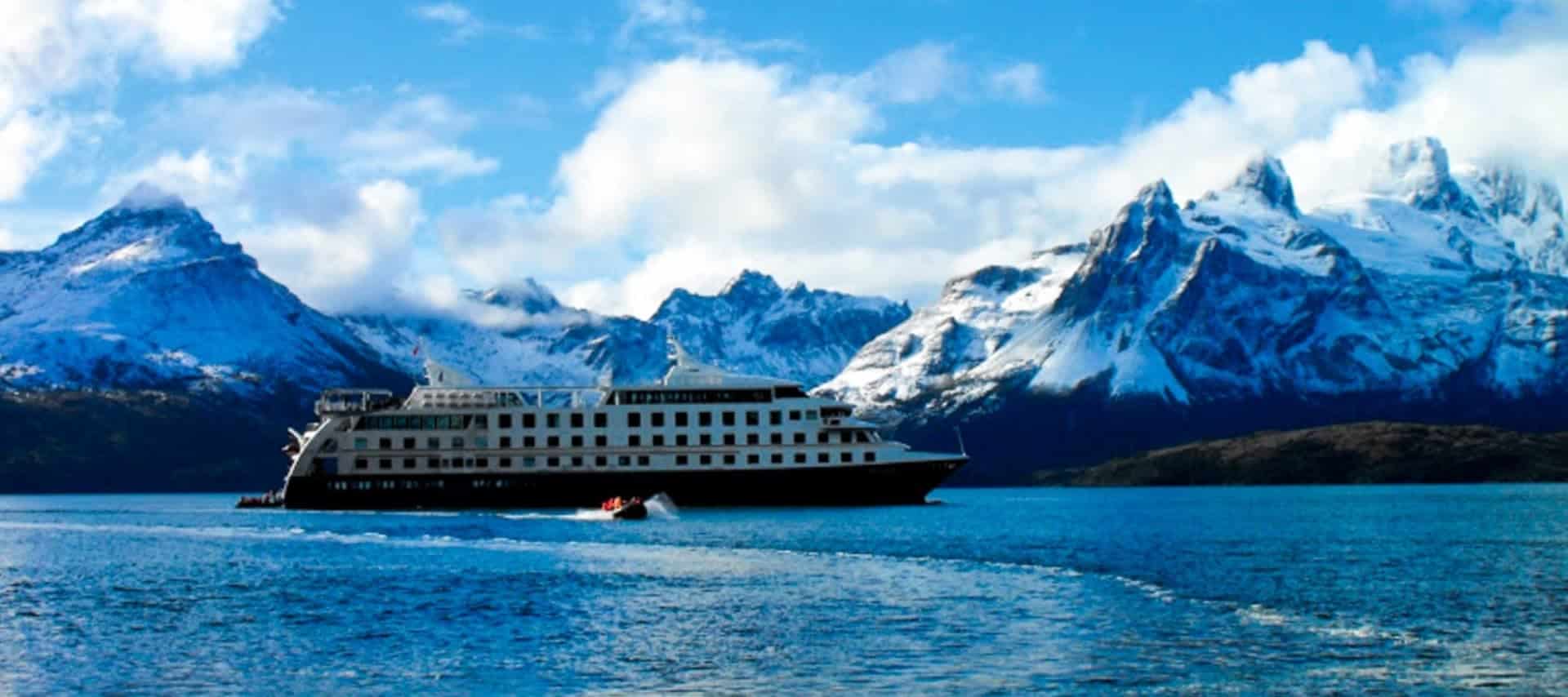
Nearly every Antarctic voyage leaves from Ushuaia, so Patagonia is already on the way. See Antarctica.
We run 26 multi-country journeys that pass through Argentina alongside our 34 Argentina-only itineraries.
Planning a trip to Argentina? Explore essential travel information including visa requirements, safety tips, weather, money, and more so you can focus on designing the perfect journey.
Thinking about an Argentina trip? Here’s a list of frequently asked questions we often hear from our guests. Visit our Argentina Vacation Planning page for in-depth Argentina travel tips.
Yes, Argentina is generally safe for travelers. Like any large country, there are areas where petty crime is more common, particularly in major cities. However, tourist areas are well monitored, and experienced local guides know where to go — and where to avoid. As in any major city worldwide, remain aware of your surroundings and take normal precautions, such as avoiding displaying valuables and staying alert near busy streets.
Absolutely. While Argentina is famous for its beef and traditional asados, major cities offer a wide variety of vegetarian and vegan cuisine influenced by Italian, Middle Eastern, and global culinary traditions. In rural regions options may be more limited, but dietary preferences can always be accommodated, especially on private or customized tours.
Visa requirements depend on your nationality. Many travelers from North America, Europe, Australia, and parts of Asia can enter Argentina visa-free for tourism stays of up to 90 days. However, entry requirements can change, so we recommend checking with your nearest Argentine consulate or official government website before departure. Your Travel Consultant can also help guide you on current entry requirements based on your passport.
Argentina can offer excellent value compared to many destinations in Europe or North America. Costs vary depending on the level of accommodation, domestic flights, and seasonal demand. Buenos Aires dining and wine experiences are often considered very affordable relative to quality, while remote regions such as Patagonia may be higher in cost due to logistics. Overall, Argentina provides a strong balance of quality and value for international travelers.
The official currency is the Argentine Peso (ARS). Credit cards are widely accepted in cities and tourist regions, though it is advisable to carry some local currency for small purchases and tips. Exchange rates can fluctuate, so it is recommended to review current rates before travel.
No special vaccinations are generally required for travel to Argentina. However, travelers visiting northern subtropical regions may consider yellow fever vaccination depending on their itinerary. For the most current recommendations, consult your doctor or a travel health clinic before departure.
Spanish is the official language of Argentina. English is widely spoken in major cities, hotels, and tourist areas. Indigenous languages such as Guaraní, Wichí, and Qom are also spoken in certain regions.
Yes! Argentina combines seamlessly with both Chile and Brazil. Argentina and Chile share Patagonia and the Andes, making cross-border itineraries natural and efficient. Iguazu Falls connects Argentina and Brazil, allowing travelers to experience both sides of this natural wonder. With well-established air routes and border crossings, combining these countries into one itinerary is straightforward and highly recommended.
Ten days is the realistic minimum if you want more than Buenos Aires and one other region, and two weeks is where the country starts to make sense. Argentina is far larger than most first-time visitors expect — Buenos Aires to El Calafate is a three-hour flight. Where people most often shortchange themselves is Patagonia: it is treated as a two-day stop when it deserves four or five. If you only have a week, do two regions properly rather than four in passing.
There is no single answer, because the country spans subtropics to sub-Antarctic. Patagonia is a summer destination (November–March); Iguazú is good most of the year but hot and humid in midsummer; Mendoza is at its best around the March–April harvest; the Northwest is most comfortable in spring and autumn. Shoulder seasons — October–November and March–April — give the best balance across a multi-region trip. See our full best time to visit Argentina guide for a month-by-month breakdown.
Argentina works across a wide range, and the biggest single lever is not hotel category — it is internal flights versus overland routing. The distances are large enough that flying every leg adds up quickly, while several of the great overland routes are genuinely worth doing in their own right. Tell us the shape of the trip you want and we will price it honestly against both options rather than quoting a headline figure.
Here is the piece of advice that changes most itineraries: do not fly in and out of Buenos Aires. A good Argentina route begins or ends in Chile or Brazil. Two that work particularly well: Santiago de Chile down through Chilean Patagonia, crossing to El Calafate and Perito Moreno, then working north; or starting in Rio de Janeiro and crossing into Argentina at Iguazú before heading south. Thinking about the route this way makes the whole trip easier to plan — and usually cheaper. See how to plan an Argentina trip for full routes.
It depends what you came for, but the combinations that consistently work are: Buenos Aires with Iguazú for a first, shorter trip; Buenos Aires, Mendoza and El Calafate for wine plus glaciers; and Salta with the Northwest for travellers who want landscape and culture away from the crowds. Pair the famous sights with something less obvious — Iguazú with the Iberá marshes, the glaciers with El Chaltén, Buenos Aires with a family-run estancia. Browse our Argentina tours or ask us to build the route around you.
Yes — and it tends to surprise people. Travellers arrive expecting steak, tango and Patagonia, and leave talking about the Northwest’s desert colours, the Italian and Arabic influence on the food, or a bus ride over the Andes. The clichés are true, but they are the beginning of the country rather than the whole of it.
Thinking of traveling to South America? We take your South American travel dream and make it a reality. Every fully custom South America trip is planned by your own expert personal Travel Consultant.
"*" indicates required fields