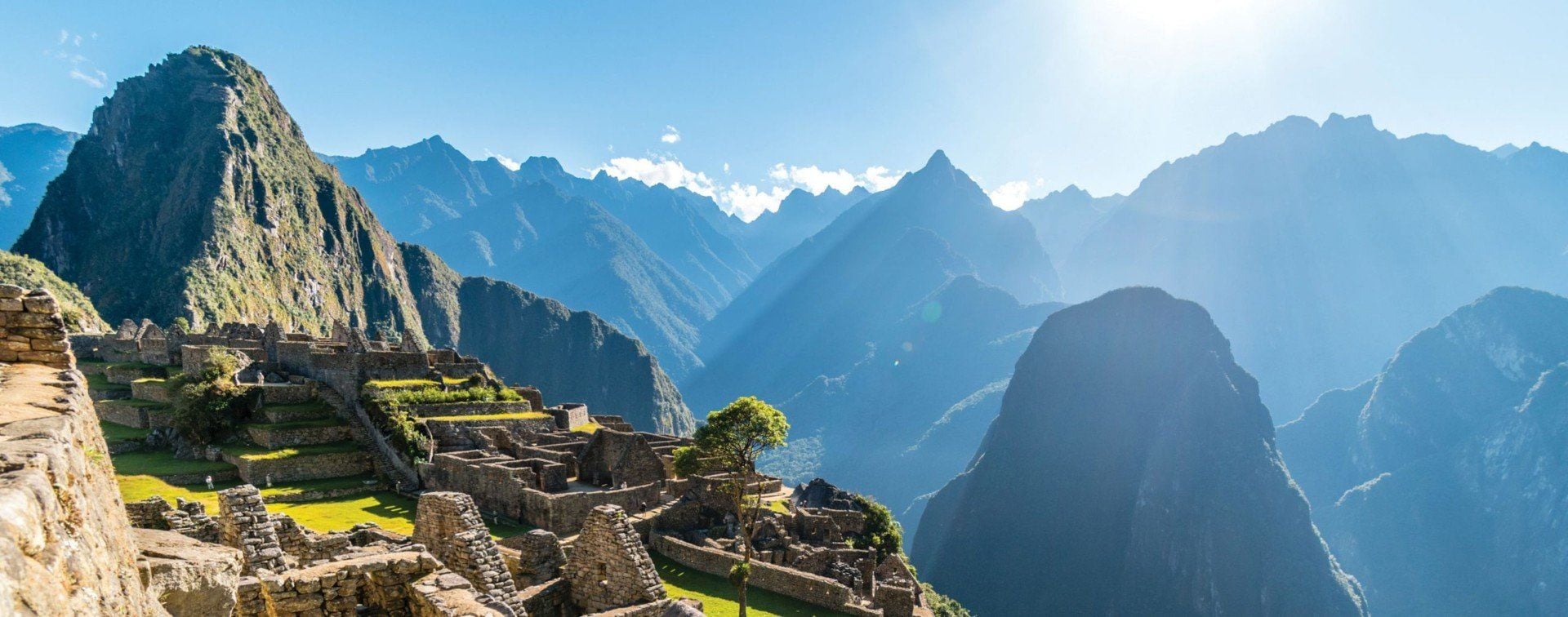
Machu Picchu sits in Peru, so the currency is the Peruvian sol — but the mountain town below the ruins is pricey and short on ATMs, so a little cash planning goes a long way. Here’s what to know.
Currency & Cash
Peru’s currency is the sol (PEN), and US dollars are useful to carry as a backup. The key tip: withdraw cash before you reach Machu Picchu. The gateway town of Aguas Calientes (Machu Picchu Pueblo) has only a handful of ATMs, which charge high fees and sometimes run out of cash — so take out soles in Cusco or the Sacred Valley first. Hotels and larger restaurants take cards, but you’ll want cash for small vendors, snacks, the bus to the site, and tips. See our Peru money guide for the full picture.
What You’ll Need to Budget For
Most expenses are included in any Machu Picchu tour booked with us. Some hotels include lunches and dinners and others don’t, so check your itinerary if you’re unsure. The main extras to budget cash for are tips for your guides and any meals or souvenirs not included.
Tipping
Tipping your guide is customary — around US$5–10 per day for a great guide is a good benchmark — and a few soles for restaurant service and porters is appreciated.
Ready to see the lost city of the Incas? Browse our Machu Picchu tours — we handle the logistics so you can focus on the wonder.