Our South America cultural tours start where Juergen Keller, our co-founder, starts every trip: “what kind of history, what kind of nature.” Here it is the history. The Incas, the peoples who came before them, the silver and gold of the colonial towns, the Jesuits, Africa in the Americas, the markets and the music. They live in different countries, often a long way apart.
Tell us which one you came for, and why. We tell you where it is and in what order to see it, and we plan the trip privately, on your dates and at your pace. If you are still choosing between regions, start with our South America tours overview. If you already know your history, tell us about it.
South America Cultural Tour Packages
Each card is a starting point, not a fixed package. We change the order, the pace and the day you reach a market, and we tell you when a route has one stop too many.
Click or Tap your preferences: Destinations & Activities. Be as specific or general as you like – or click Help Me Decide! We’ll spice it with hidden gems & personal tips to create your perfect trip. Need assistance? Contact an expert at +1 (888) 900-5060
Five History and Culture Trips Worth the Flight
Travels of the Incas – Machu Picchu to La Paz
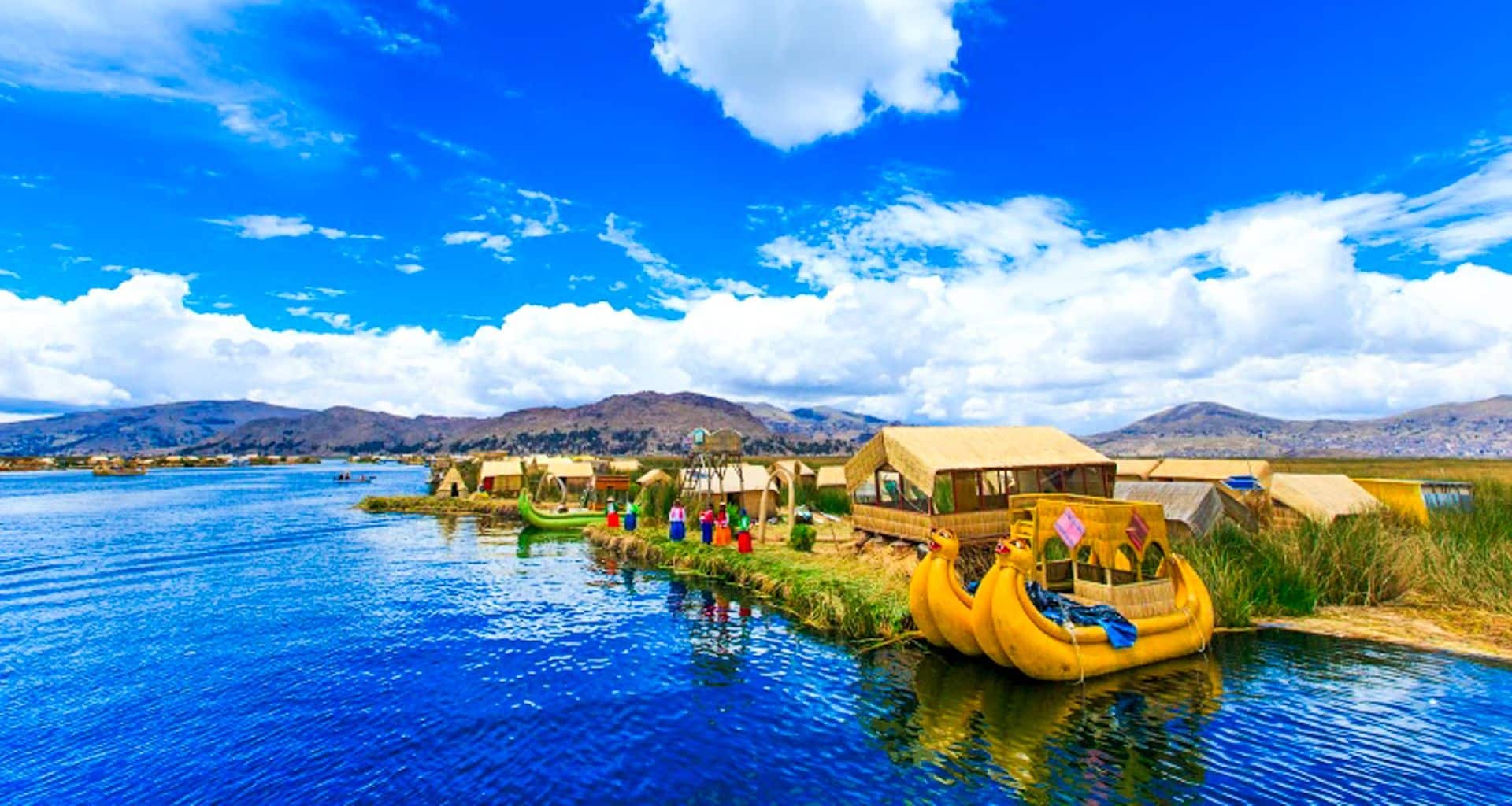
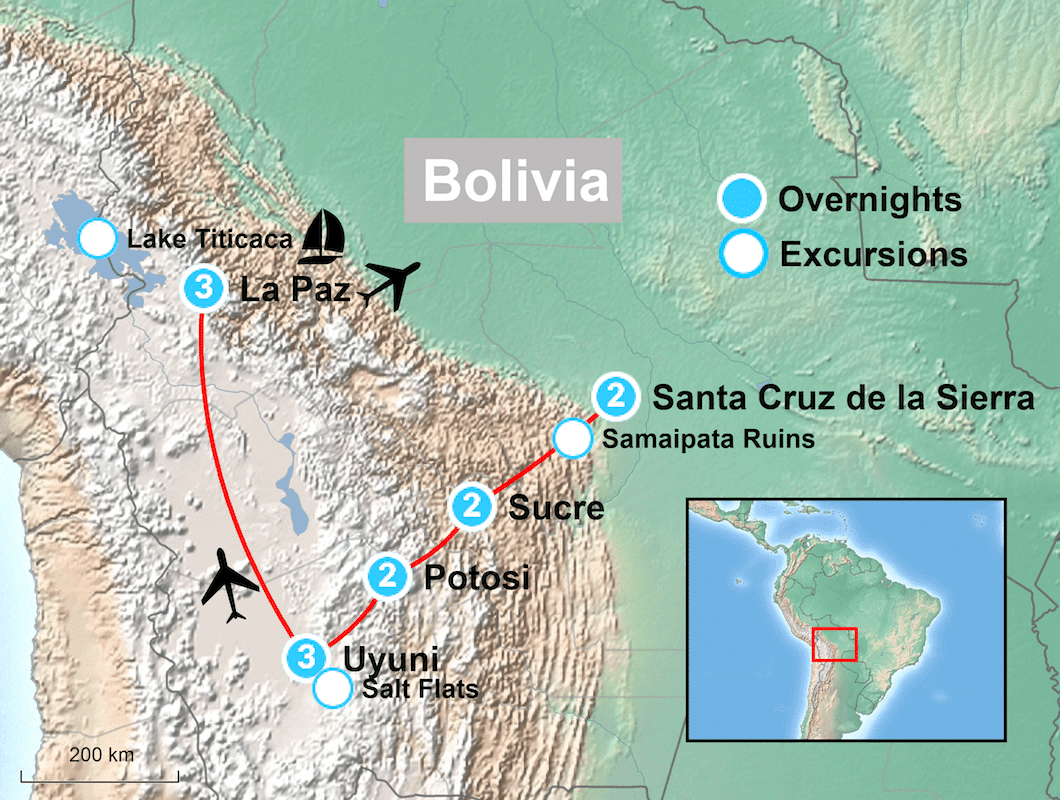
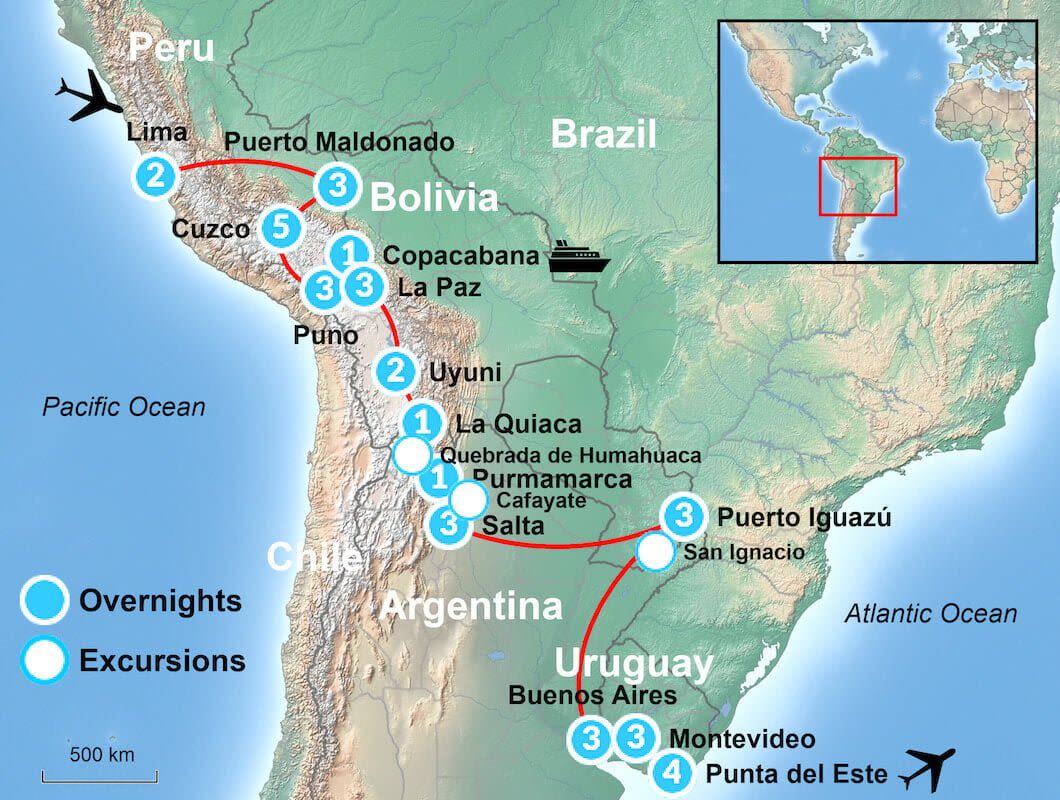
The Inca route end to end, in this order: Lima, the Sacred Valley and Pisac’s market, two days at Machu Picchu, then Cusco, the coach across the Altiplano past the painted chapel of Andahuaylillas to Puno, the Uros reed islands and the Sillustani towers, the catamaran to Isla del Sol, La Paz and Tiwanaku. What came before the Incas and what came after them, on one road.
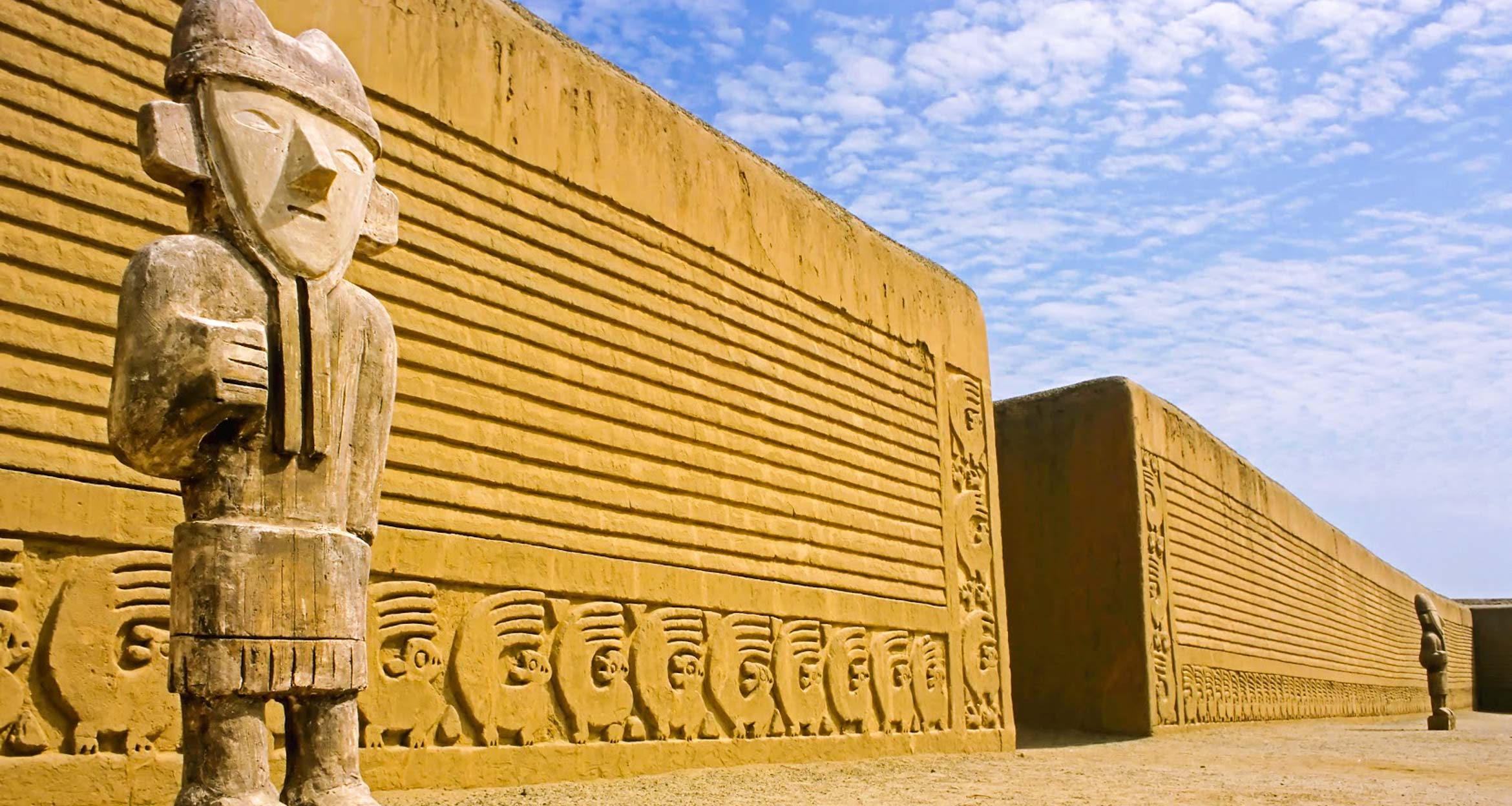
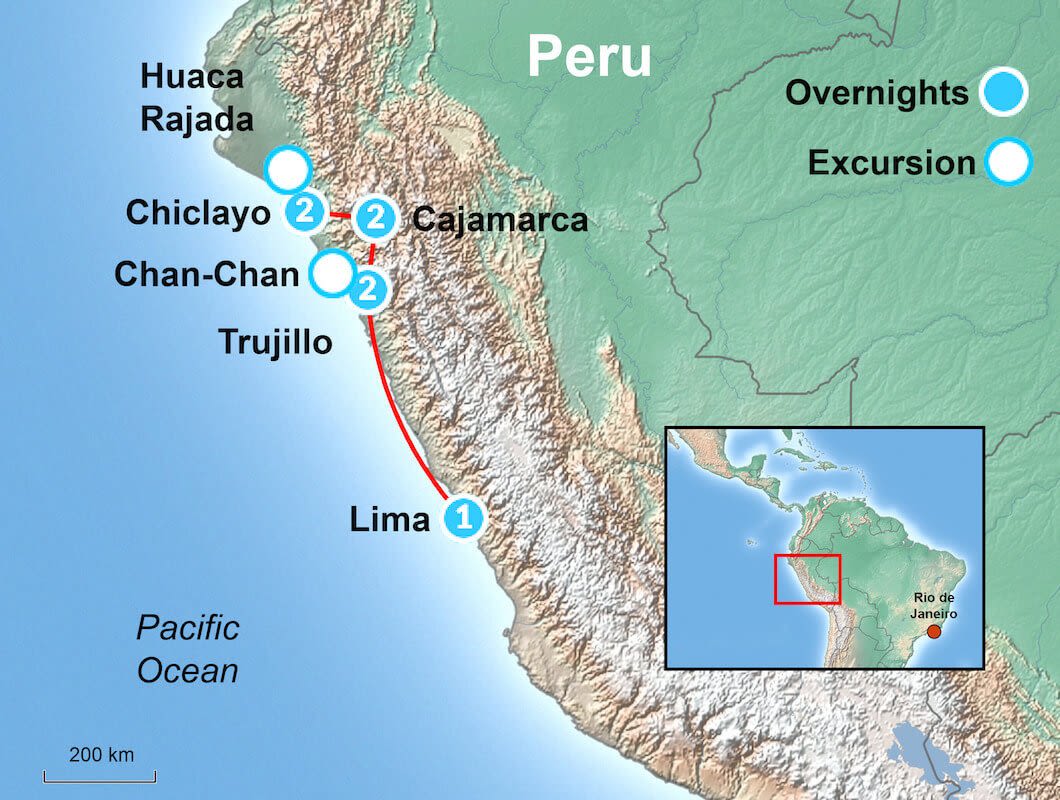
Peru before the Incas, up the coast and then into the mountains: Trujillo’s Moche temples and Chan Chan, Sipán’s royal tombs near Chiclayo, the long drive up to Chachapoyas for the Karajía sarcophagi, Kuélap and the Revash cliff tombs, and out through Cajamarca in the highlands. Two of the road days are long ones, and the sites at the end of them are the reason to go.
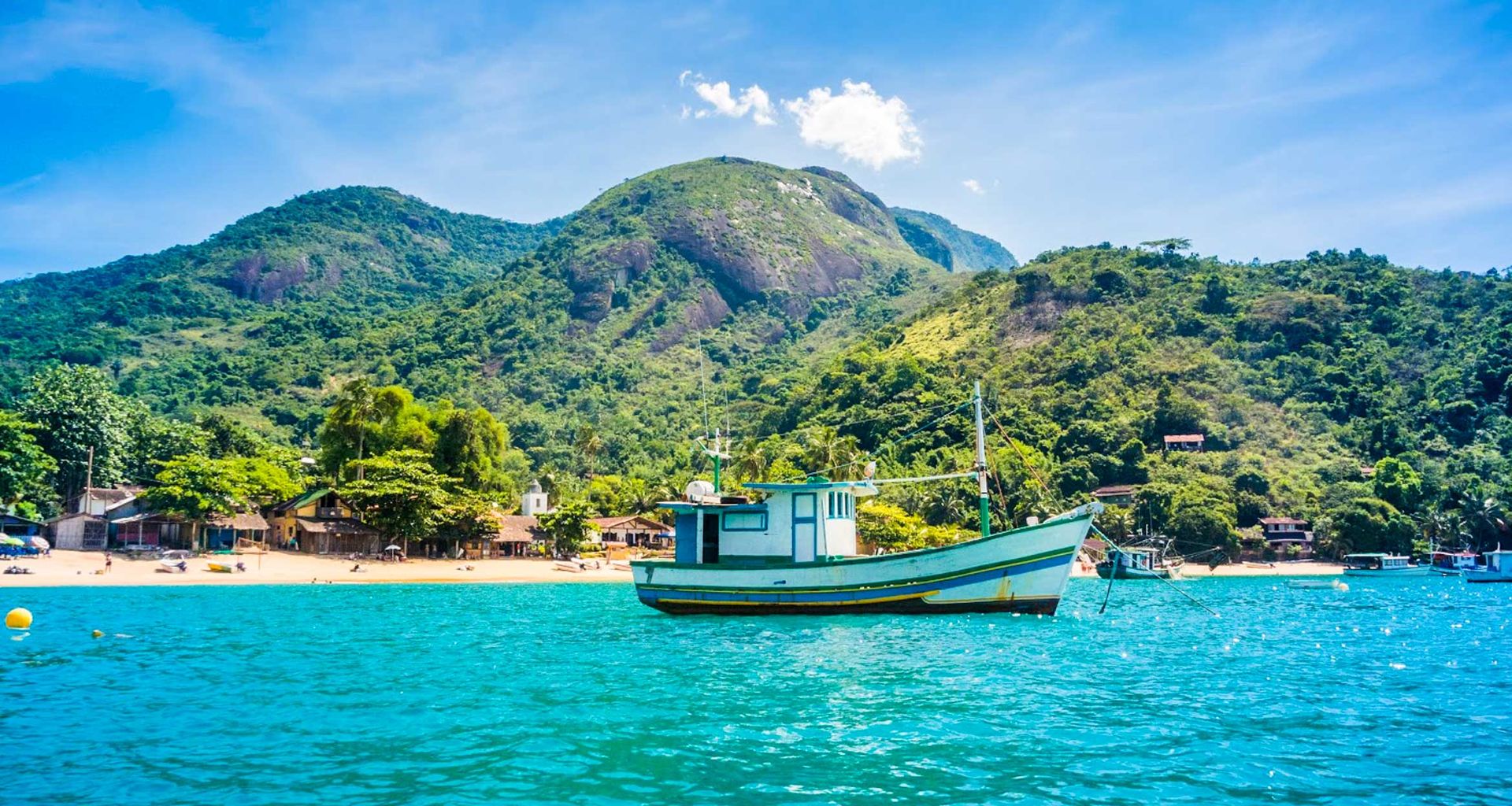
Salvador first, Brazil’s first capital and the heart of Afro-Brazilian culture, with two days in its Upper and Lower Town. Then up the northeast coast through Maceió to Recife and Olinda’s colonial hills; the middle of the week is beach, and we say so.
The Jesuits’ other South America, a working countryside and a university city: after a night at Estancia La Paz, Santa Catalina’s baroque church on a working ranch, wine at Jesús María and Caroya, then Córdoba’s Jesuit Block and the old university that made it La Docta, the looms and bells of Alta Gracia and La Candelaria’s cattle. A tour extension for a longer Argentina trip.
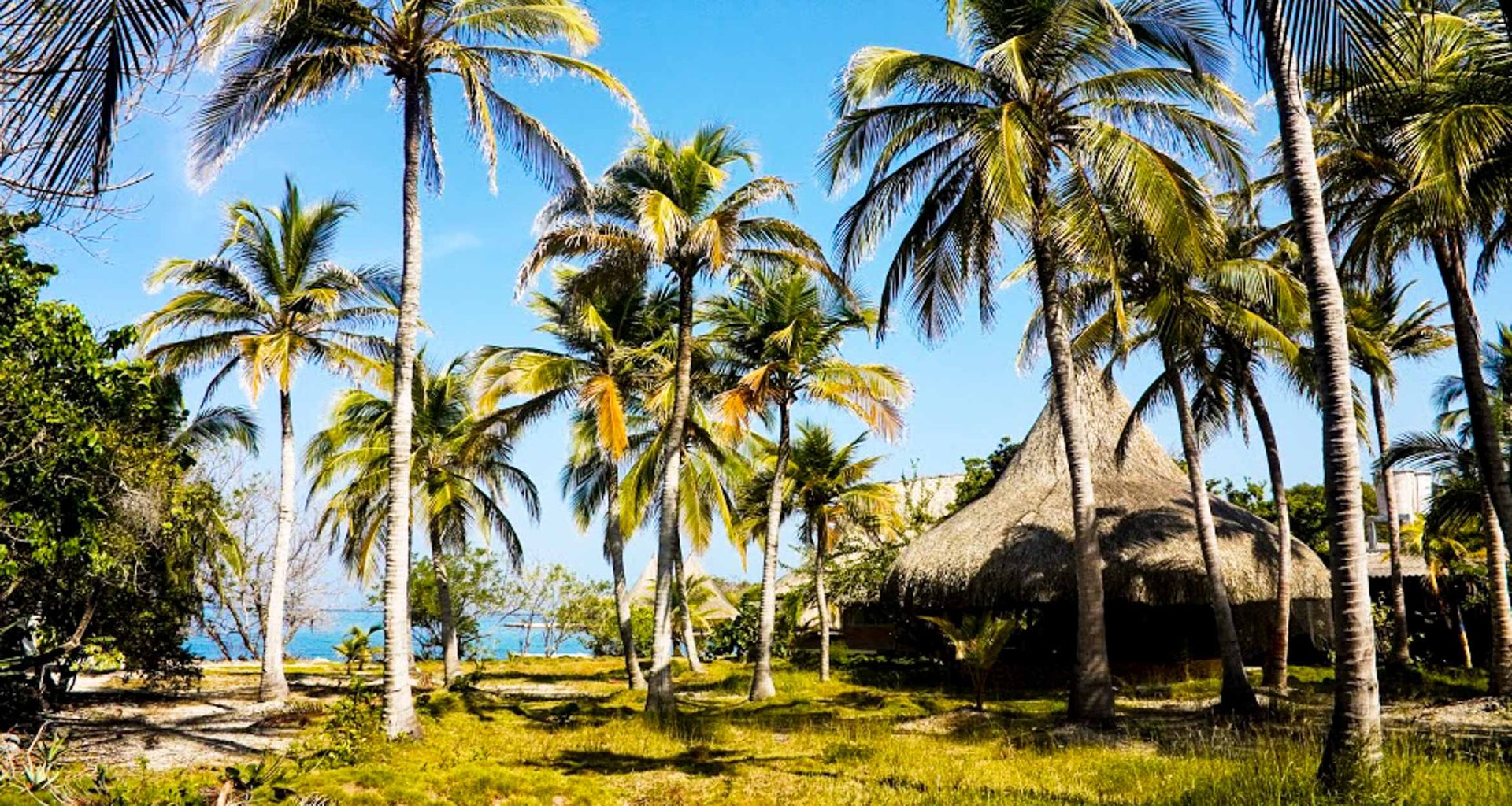
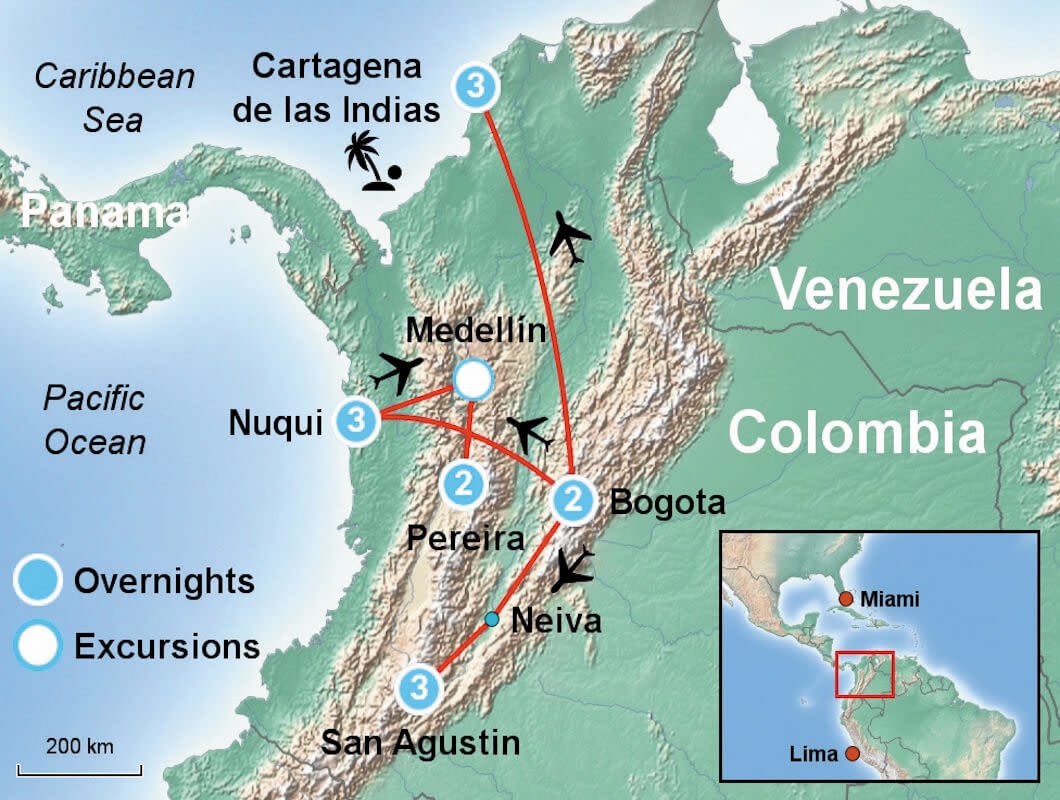
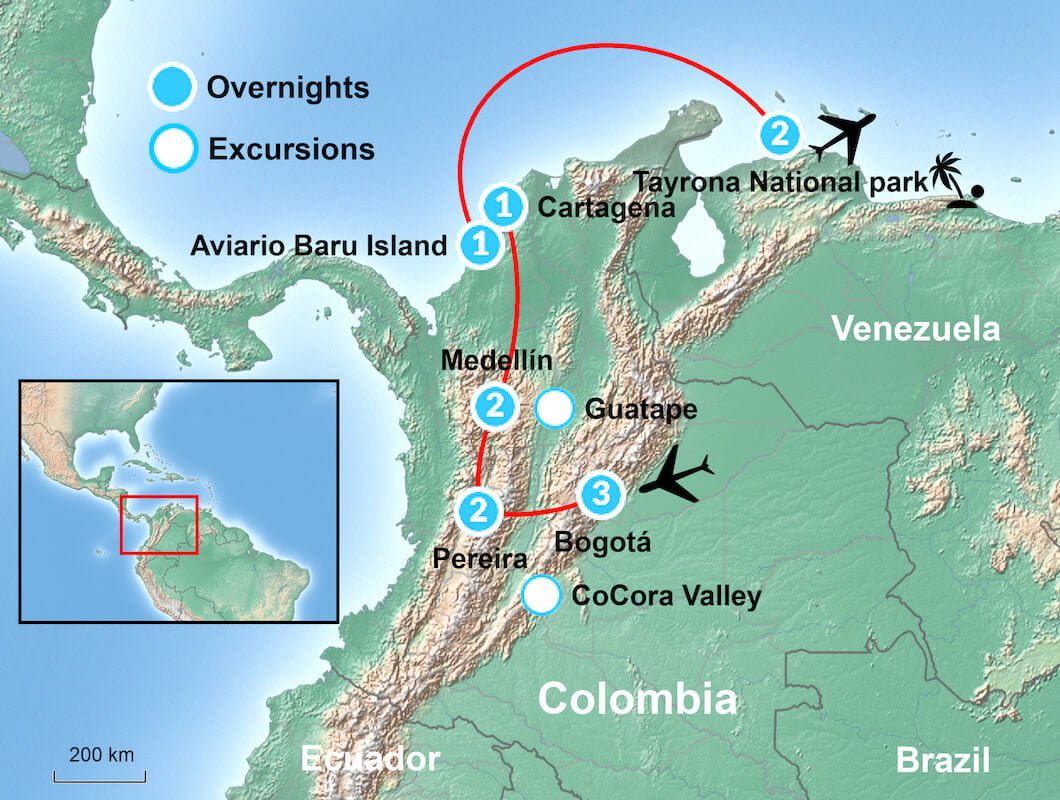
The African history of Colombia’s Caribbean coast: Cartagena’s old town, a few hours with a champeta musician (Afro-Caribbean music that began here), and San Basilio de Palenque, founded by people who escaped slavery, which the tour calls the first liberated village in the Americas. A few days on the end of a Colombia trip.
South America Cultural Tours, by the History You Came For
While you answer, Juergen corrects you a little. Most people name a country. The better answer is a history, and South America’s histories rarely share a road.
The Inca heritage lands are Peru, Bolivia and Ecuador. Juergen calls them “one history” and would not mix anything else into that trip. Before the Incas means the adobe cities and the cloud-forest fortress of northern Peru, and Tiwanaku in Bolivia. Colonial wealth came in two metals: silver from Potosí, gold from Minas Gerais, and in Minas the gold paid for the baroque churches. The Jesuits left a university city and its estancias in Córdoba, and the mission towns they built with the Guaraní, which you still walk through at the Jesuit missions of Paraguay. Africa in the Americas lives on the coast: Salvador in Brazil, Cartagena and Palenque in Colombia, the candombe drums of Montevideo.
Pick one, maybe two. That answer decides the route more than any map does.
Before the Incas, and Beyond Machu Picchu
Juergen has nothing against Machu Picchu. “Everybody wants to see Machu Picchu. I get that. But there are alternatives that are historically even more important,” he says. “Machu Picchu is just scenic because it sits on this rock.” His alternative is Kuélap, the stone-walled Chachapoya hilltop fortress in northern Peru, built well before the Incas. It is remote, which is the point: “there are not that many people there.”
Brad says travelers see “a whole other dimension to the South American cultures and the pre-Incas.” The Chachapoya built round houses; the Incas, he says, “tore down their round houses and built their rectangular houses.” On the coast, Chan Chan was the Chimú capital, an adobe city close to the Moche temples outside Trujillo; the royal tombs of Sipán lie further north, near Chiclayo.
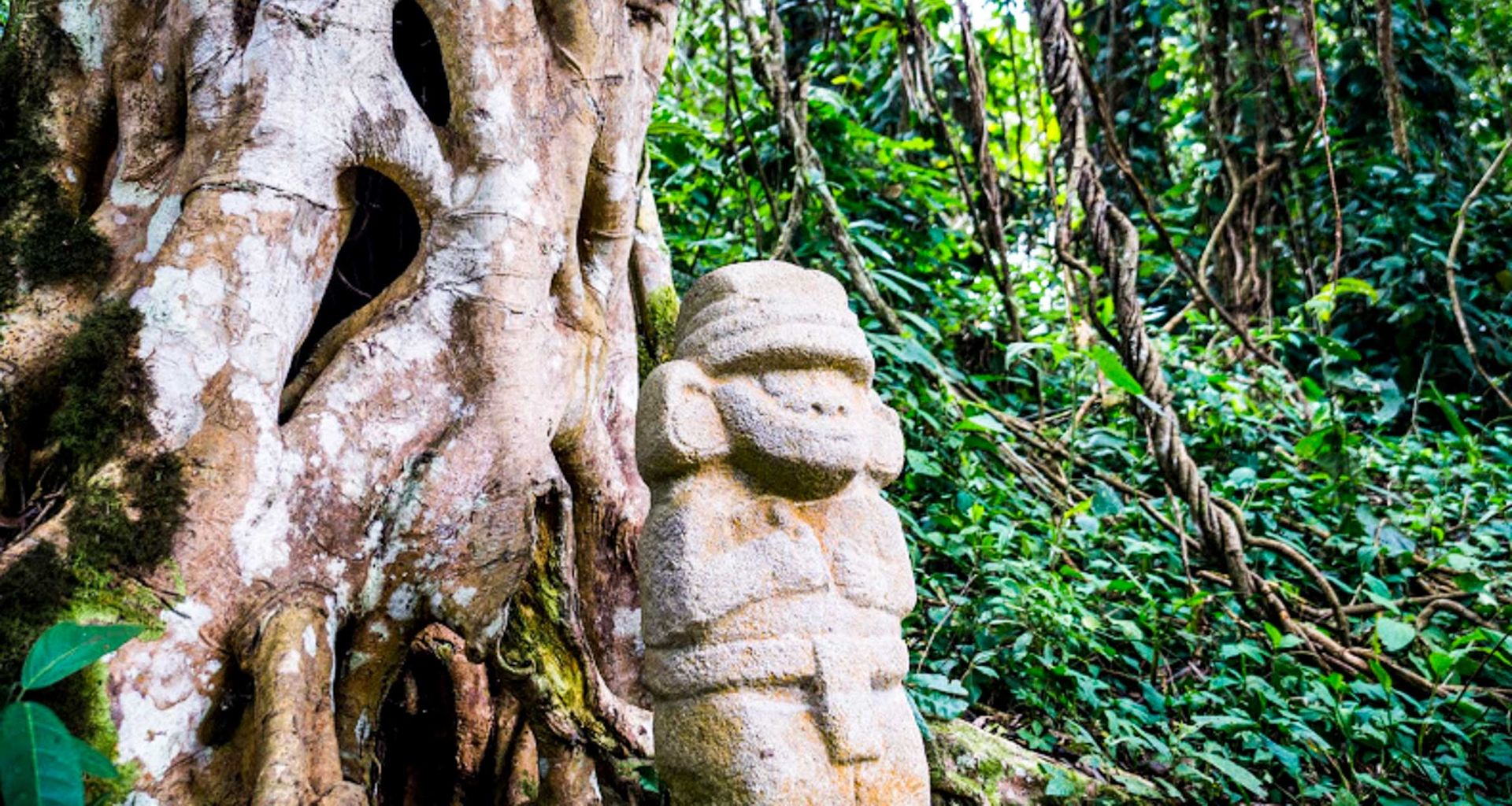
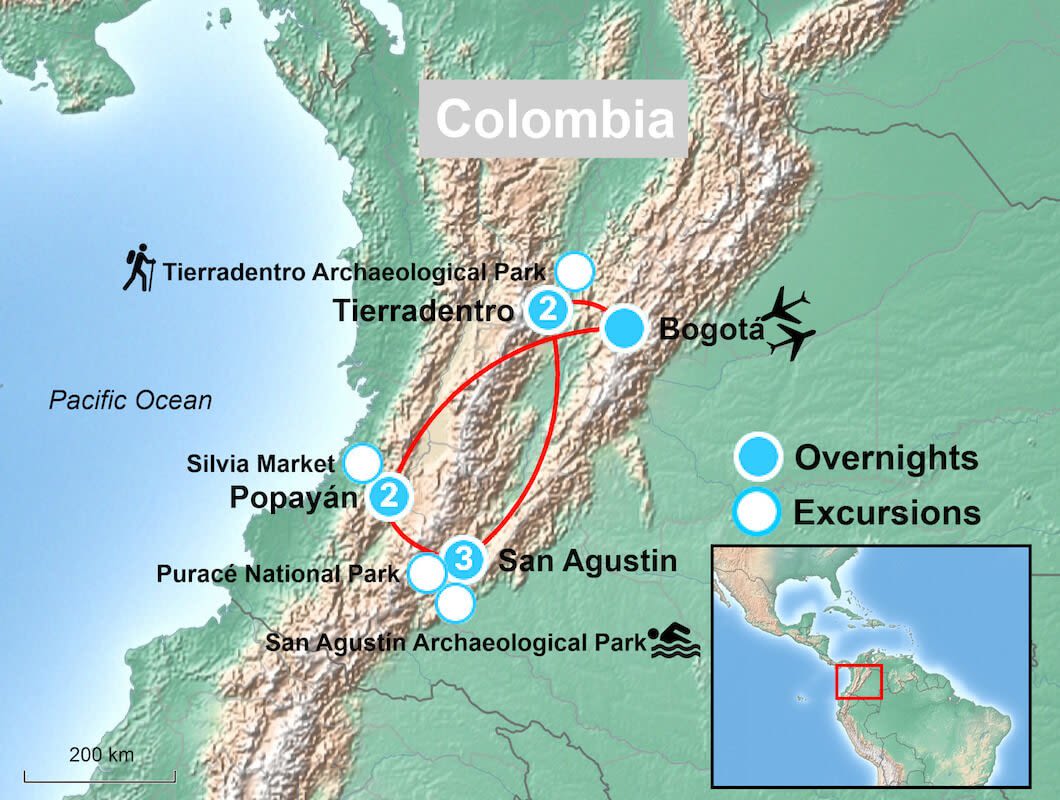
In Bolivia, Tiwanaku, older than the Incas, is a day trip from La Paz. In Colombia, the stone statues of San Agustín and the painted underground tombs of Tierradentro share one archaeology tour.
The drive to Chachapoyas takes about nine hours, the one to Cajamarca about seven. That is the price of the quiet.
When to Go, and the Order That Works
Seasons belong to places, not to a continent. In Peru, May to September is the dry season (our Peru travel seasons guide has the detail); Juergen’s own pick there is March and April, “still green from the rainy season” and less crowded. Our northern Peru archaeology route goes ahead normally May to October, with restrictions in April and November, and we do not recommend it December to March. Colombia’s Caribbean coast is windy in January and February. Across several regions, Juergen’s answer is April or October, and the month either side.
Rain is the wrong worry, he says: Rio’s Carnival falls in the rainy season. Semana Santa is the week to watch. Brad calls it “very tricky and potentially expensive”, because everybody travels.
Order matters as much. We route you to the Sacred Valley before Cusco. Market days fix the rest: Tarabuco’s is on Sunday, Silvia’s on Tuesday, and the days around them follow.
Culture Country by Country
The same histories, sorted by border. The Inca heritage alone runs across three of them.
1.
Peru
In Cusco the colonial churches stand on Inca walls, Spanish stone on top of Inca stone. Down in the Sacred Valley, Pisac has its market in town and its terraced ruins above it. Juergen on the Peruvians: “they have a history to share … It’s humbling.” The north, before the Incas, is a separate trip and deserves the days.
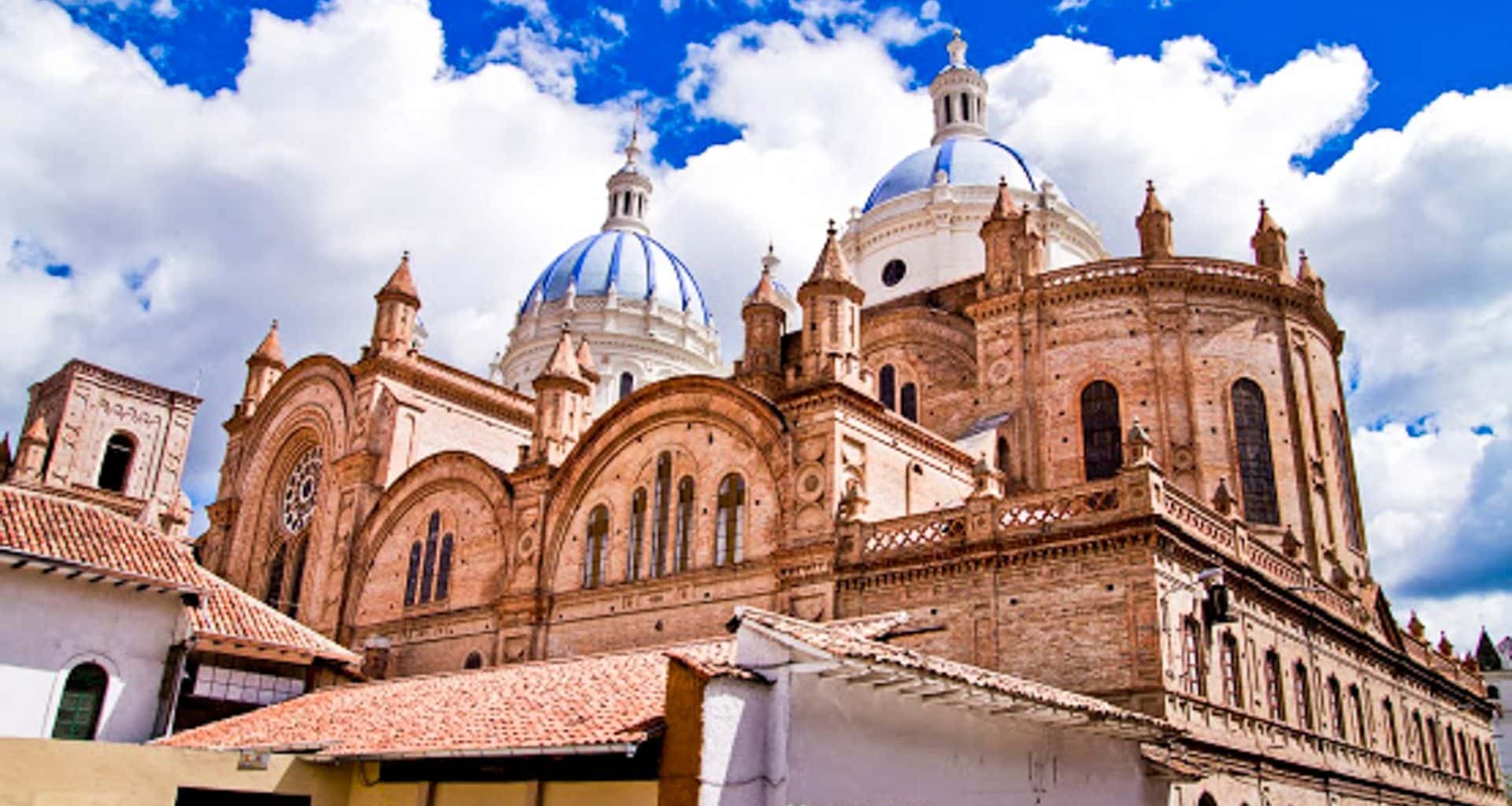
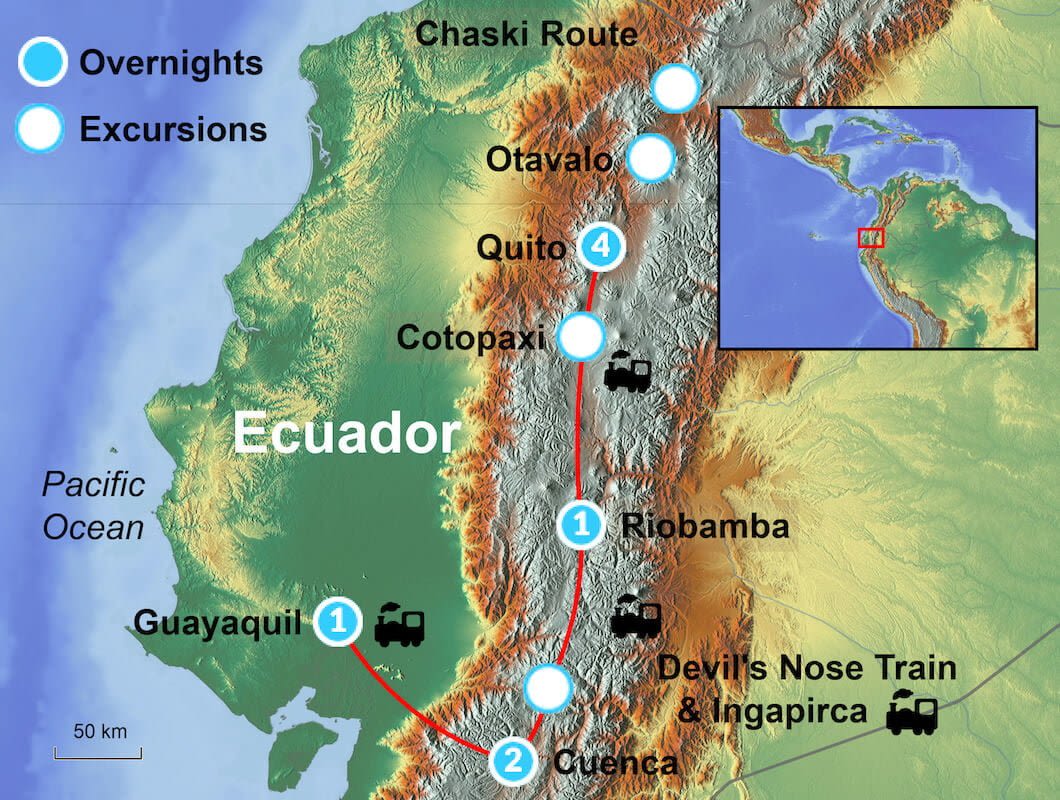
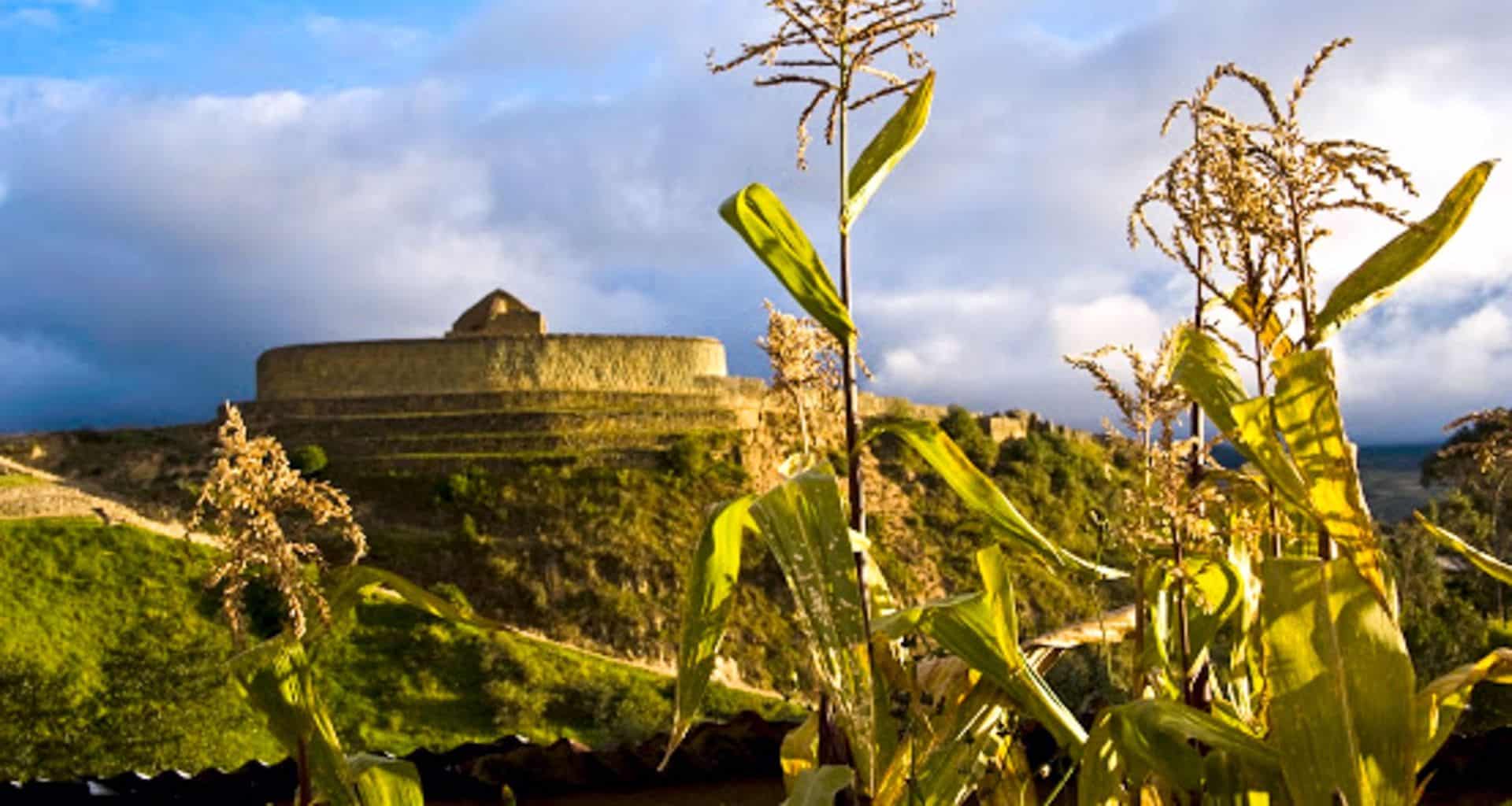
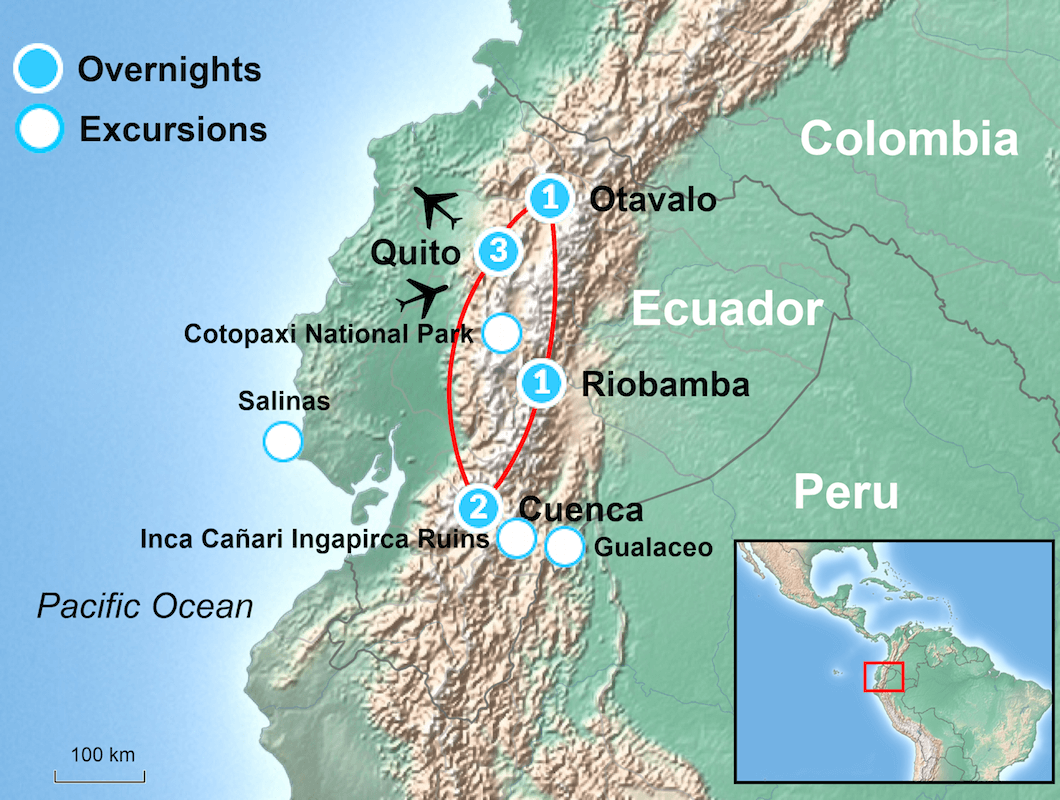
The other two Inca heritage lands. In Bolivia, Sucre is the white colonial city, and the Tarabuco market nearby is on Sunday, so the route bends to reach it. In Ecuador it is Quito’s old center, the market at Otavalo to the north, the Inca-Cañari ruins of Ingapirca and colonial Cuenca to the south.
Cartagena is the walled city on the Caribbean, and its African story runs out to Palenque. Inland, Bogotá keeps a colonial center inside a modern capital, and Villa de Leyva, about four hours away, is cobbled streets and wooden balconies. Pair the two with each other, not with the coast: they are a flight apart.
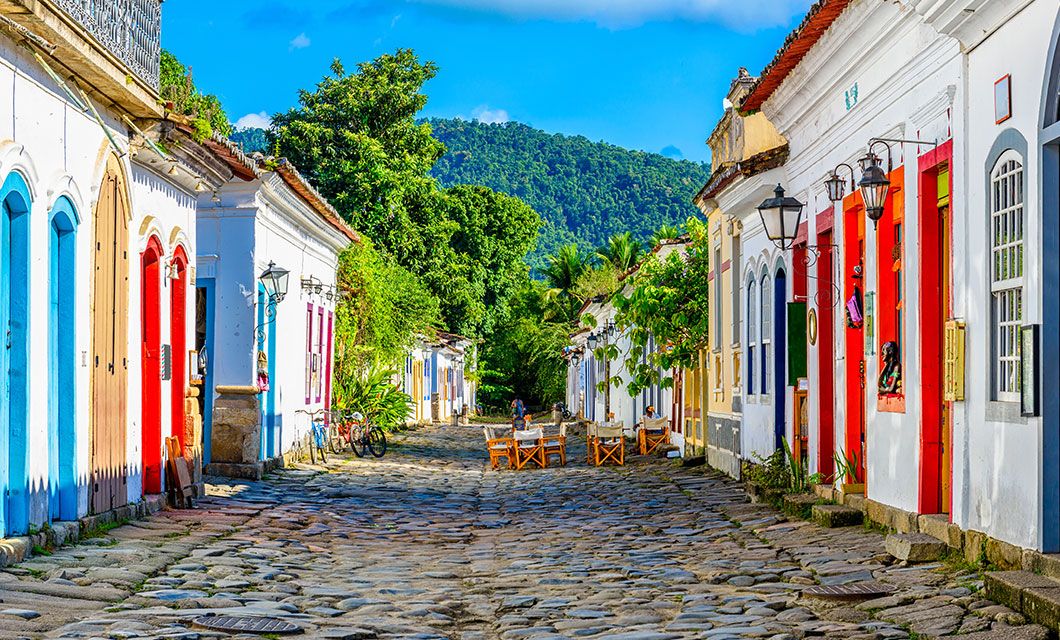
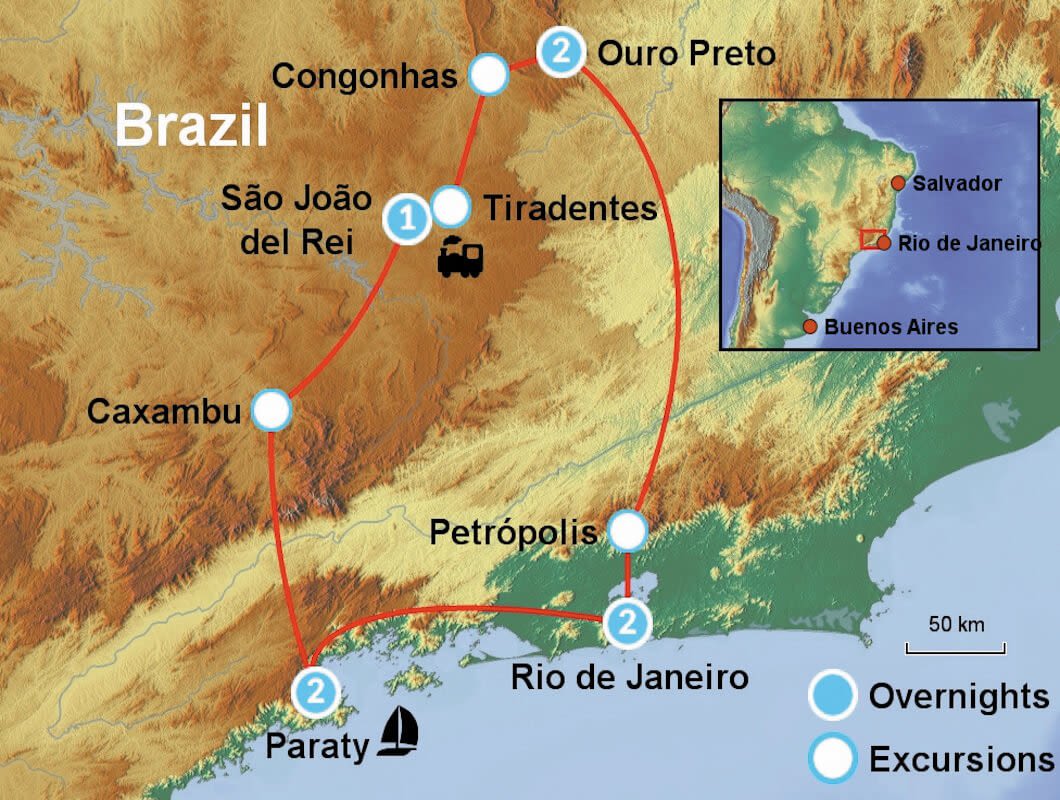
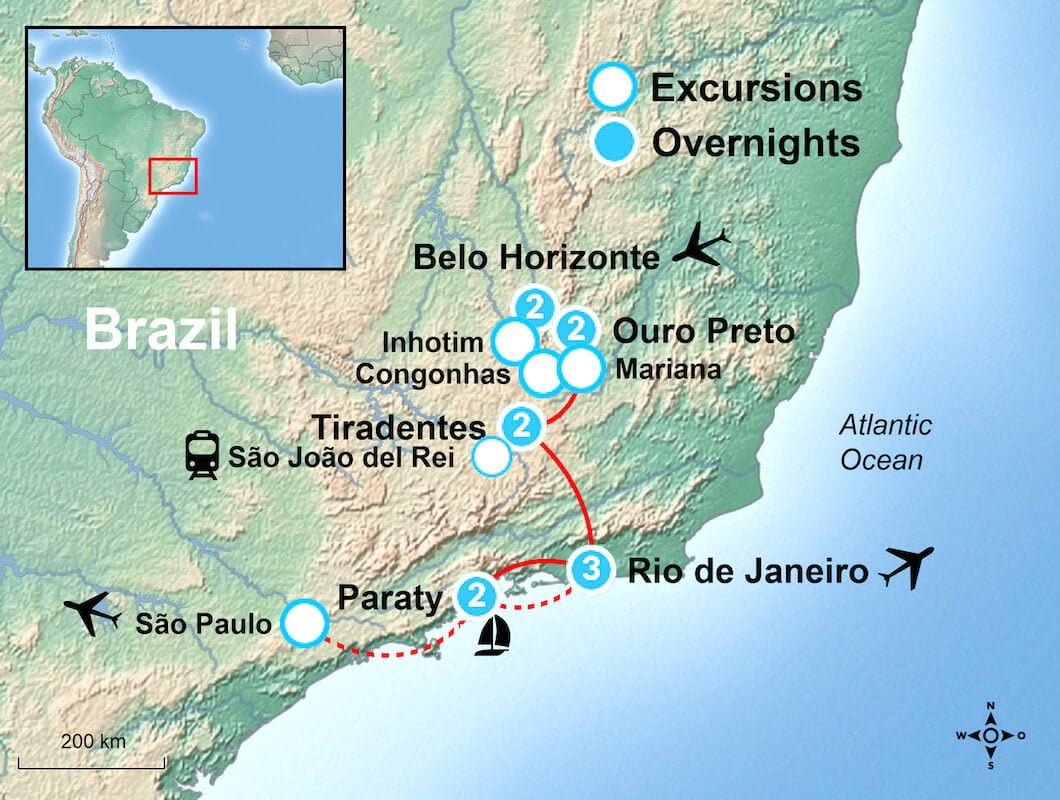
In Salvador the Pelourinho climbs in pastel facades above the bay, and Olinda’s churches crown its hills further up the coast. Inland, Minas Gerais is gold country: Ouro Preto, whose name means black gold, and Tiradentes, which Brad says “has become a small mecca for artists.” Juergen: “a little Portugal, but in a rich version.”
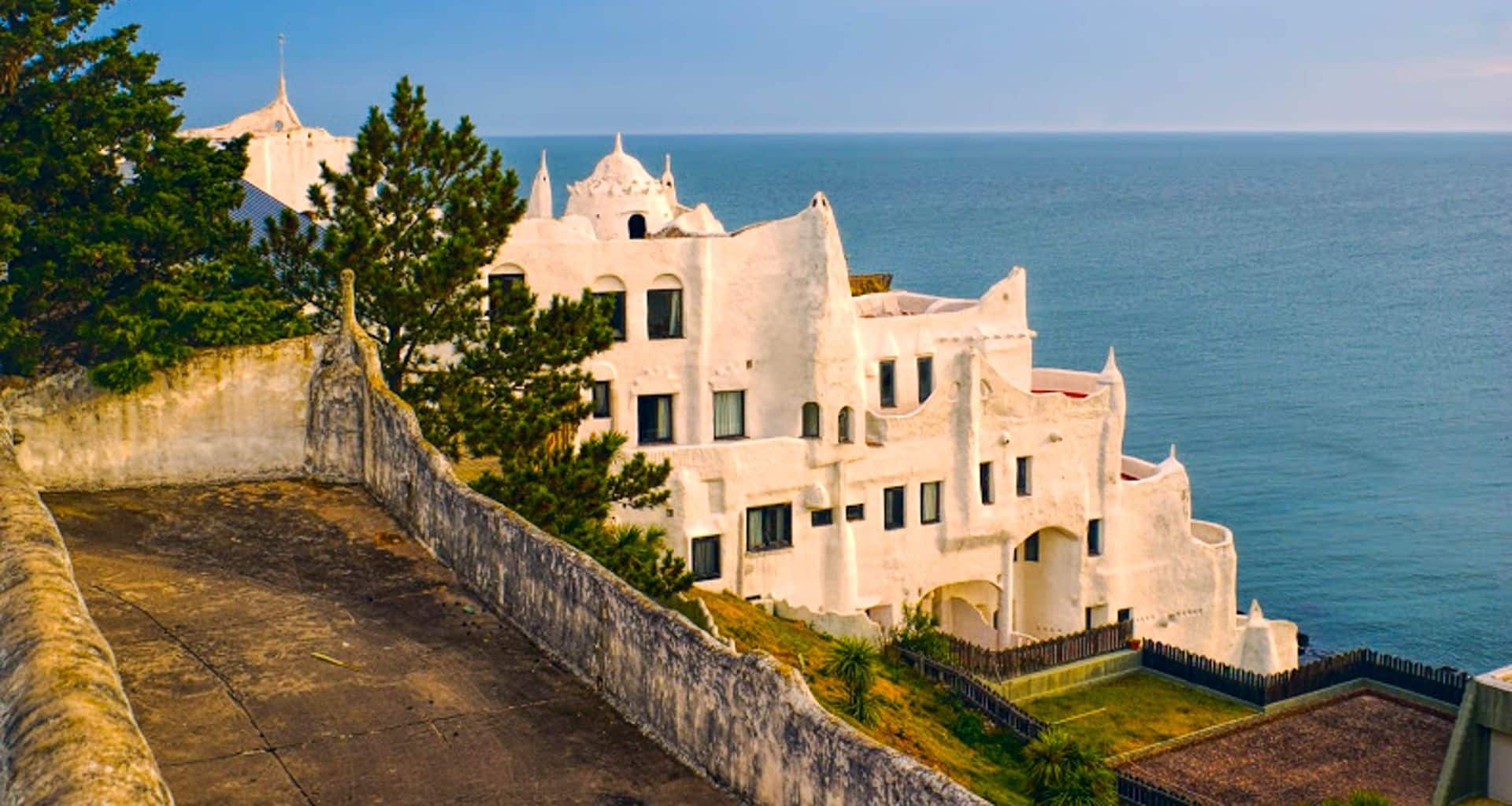
Buenos Aires is tango: classes in the Abasto, Carlos Gardel’s barrio, and a show in San Telmo. Across the river by ferry, Colonia keeps its cobbled old town, and in Montevideo the candombe drums carry Uruguay’s African heritage. In the baroque churches of the south, Juergen says, “you feel at home.”
For history, Chile’s great detour is far out in the Pacific. On Easter Island the moai stand on their platforms along the coast, and Orongo, on the rim of a crater, was the village of the Birdman ceremony. Rapa Nui is Polynesian, not Andean. On the mainland, Valparaíso climbs its hills above the Pacific.
We ask what history you came for, and why. Juergen: “we would not just price this, we also want to know why you want to see this.” Then we put the route in the right order, the market on its day, and we tell you straight when a drive is long. Brad: “we generally have a local guide in each destination.” And we will tell you when one history deserves the whole trip.
If you came looking for cultural tours in the Americas, South America is the part we know: Juergen for 30 years, and SAT, designing private, tailor-made trips here since 1999.
Download our FREE South America Travel Guide and get inspired to explore to South America. Browse through 26 pages of travel planning tips and ideas – a great resource for planning your dream vacation.
Planning a trip to South America? Explore essential travel info including via requirements, safety tips, weather, money, and more so you can focus on designing the perfect adventure!
South America Hotels & Resorts
South America Articles
Staying Healthy in South America
Internet & Calling in South America
South America Travel Insurance
South America Packing List
Money in South America
South America Visa Requirements
Getting to and Around South America
Weather in South America
Languages of South America
South America Food & Drink
Safety in South America
South America Cultural Tour FAQs
What are the best South America cultural tours?
In our view, the ones that follow one history instead of a checklist. For the Incas, Travels of the Incas goes from Lima to La Paz. For the peoples before them, our Chan Chan, Trujillo & Kuelap Tour. For Ecuador’s Andes, The Heart of the Andes; for Brazil’s gold towns, Rio de Janeiro & the Route of Gold. For Africa in the Americas and for the Jesuits, the Cartagena Black History Tour and The Jesuit’s Intellectual Heart of South America are short extensions.
Which country in South America is best for history?
It depends on which history, Juergen says. For the Incas it is Peru, together with Bolivia and Ecuador, which he treats as one destination. For colonial baroque, Brazil’s Minas Gerais and Salvador. For the Jesuits, Córdoba in Argentina and the missions of Paraguay. For Africa in the Americas, Brazil’s northeast and Colombia’s Caribbean coast. For Polynesian culture, Chile’s Easter Island.
What is there to see in Peru besides Machu Picchu?
A great deal, and much of it is older than the Incas. The north is a trip of its own: Chan Chan and El Brujo on the coast, Túcume near Chiclayo, the Leymebamba museum near Chachapoyas, and Cajamarca, where the Spanish captured the Inca ruler Atahualpa. Kuélap is in the same region. In the south, Lake Titicaca, with Tiwanaku just over the Bolivian border.
Where can I see Afro-Latin culture in South America?
Start with Salvador da Bahia, which our Coast of the Conquerors tour calls the most African city in the Americas. On Colombia’s Caribbean coast, Cartagena’s Black history runs out to San Basilio de Palenque, founded by people who escaped slavery, and to champeta, the music of that coast. In Montevideo it is candombe, and our Tango, Candombe & Samba tour includes a candombe show.
When is the best time for a cultural trip to South America?
It depends on the place. In Peru the dry season is May to September, and Juergen likes March and April there. The northern Peru archaeology route works May to October. On Colombia’s Caribbean coast, January and February bring strong wind (our Colombia travel seasons guide has more). Across several regions, Juergen points to April or October. Expect crowds and higher prices around Easter.
How many days does a culture trip need?
Four days covers a single history added to a longer trip, like the Cartagena Black History Tour. The Inca road from Lima to La Paz takes ten, and northern Peru’s archaeology route twelve. Give one history its own trip. Brad and Juergen are blunt about the alternative: two weeks across many countries is mostly airports and capital cities.
Do your cultural tours include local guides?
Yes. In Brad’s words, “we generally have a local guide in each destination, which ideally does the transfers and the sightseeing.” Every trip is private and planned around your dates, so the day follows your pace and your questions, not a group’s timetable. Tell us which sites matter most and we plan the guided time around them.
Your Experts in South America!
Let’s Design Your Perfect South America Trip
Tell us which history you want to see, why, and how many days you have. We put it in the right order and pick the season for each place.
We Love to Talk About South America Trip Ideas!
Thinking of traveling to South America? We take your South American travel dream and make it a reality. Every fully custom South America trip is planned by your own expert personal Travel Consultant.
"*" indicates required fields
South America Travel Guide
Our favorite South America tour ideas featuring the best destinations & activities designed to inspire…

 +1 (888) 900-5060