Spanish is the most widely spoken language in Bolivia — but it’s only the beginning. Bolivia is one of the most linguistically rich countries on Earth: its 2009 Constitution recognizes 37 official languages — Spanish plus 36 Indigenous tongues — more than almost any other nation in the world.
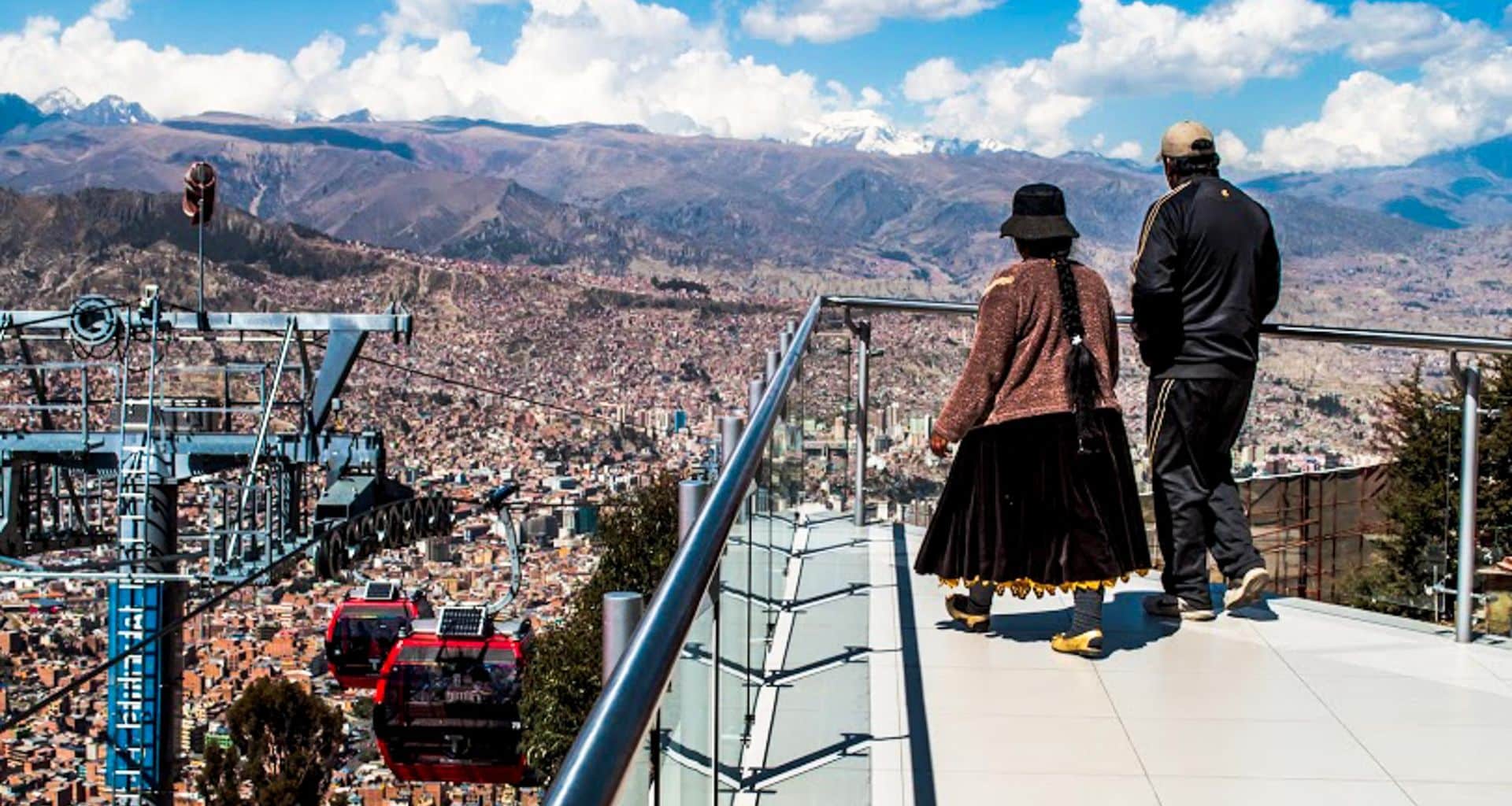
In daily life, three Indigenous languages stand out alongside Spanish. Quechua, the language of the Inca, and Aymara are each spoken by millions across the Andes and the high Altiplano — you’ll hear them on the streets of La Paz, around Lake Titicaca and in the highland markets. Guaraní is spoken in the eastern lowlands. Many Bolivians, especially in rural areas, are bilingual in Spanish and an Indigenous language, and you’ll often hear the two woven together in everyday speech.
English is limited outside hotels and tourist sites, though you’ll find some among businesspeople and officials. All of our guides are English-speaking, with other languages available on request — so a little Spanish goes a long way, but you’ll never be stuck.
Learning even a handful of words will smooth your trip and delight the locals. A “Spanish for Travelers” class, Rosetta Stone, or a free app like Duolingo is an easy way to start. Begin with these:
And up in the highlands, a word of the local language goes even further — try Allillanchu (“hello” in Quechua) or Kamisaraki (“how are you?” in Aymara), and watch the smiles appear.
Ready to hear it all in the thin Andean air? Browse our Bolivia tours — with English-speaking local guides, nothing gets lost in translation.