Staying healthy in Bolivia is mostly a question of altitude. Our Bolivia trips spend most nights above 9,000 feet, in Sucre, Potosí, Uyuni and La Paz, with a few days in the lowlands around Santa Cruz. Our travel consultants are not medical professionals and cannot give medical advice. The guidance below comes from the US CDC and other official bodies, and the CDC advises seeing your doctor at least a month before your trip.
The CDC asks travelers to Bolivia to be up to date on routine vaccines, including measles (MMR). It recommends hepatitis A for unvaccinated travelers aged one and older, hepatitis B for unvaccinated travelers under 60, and suggests considering typhoid for areas with poor sanitation or unsafe water. It also notes that rabies vaccines are typically not readily available in Bolivia after an exposure. The current list is on the CDC’s Bolivia travel health page.
As of November 2026, the CDC lists Bolivia as requiring proof of yellow fever vaccination from all arriving travelers aged one and older. The UK government’s travel advice and its TravelHealthPro service describe a narrower rule: proof only from travelers aged one and older arriving from a country with yellow fever risk. The gap matters most if your trip stays in the highlands, where the CDC does not recommend the vaccine but its entry rule would still apply. The CDC notes that entry requirements change and advises checking with the embassies or consulates on your itinerary, so confirm with Bolivia’s embassy or consulate before you fly, and carry your yellow card (the International Certificate of Vaccination or Prophylaxis) if you have one. In our experience, whether anyone asks for the card depends on the border crossing, so keep it with your passport just in case. According to the CDC, the certificate is valid from 10 days after vaccination, for life. Passports and visas: Bolivia visa requirements.
The CDC recommends the vaccine for travelers aged 9 months and older going below 7,550 feet (2,300 m) east of the Andes: all of the Beni, Pando and Santa Cruz departments, and designated areas of Chuquisaca, Cochabamba, La Paz and Tarija. If your trip continues to Brazil, the CDC lists no yellow fever entry requirement there; see our Brazil health guide.
According to the CDC, malaria transmission occurs in all areas of Bolivia below 8,200 feet (2,500 m), and not in La Paz. The CDC recommends prescription prevention medicine for certain areas. Ask your doctor whether your route needs it; the CDC notes that these medicines are started before the trip.
| Place | Altitude | CDC yellow fever area | CDC malaria area |
|---|---|---|---|
| Santa Cruz (airport) | 1,200 ft (370 m) | Yes | Yes |
| Sucre | 9,500 ft (2,900 m) | No | No |
| Salar de Uyuni | 11,800+ ft (3,600+ m) | No | No |
| La Paz | 12,000 ft (3,650 m) | No | No |
| Lake Titicaca | 12,500 ft (3,810 m) | No | No |
| Potosí | 13,300 ft (4,070 m) | No | No |
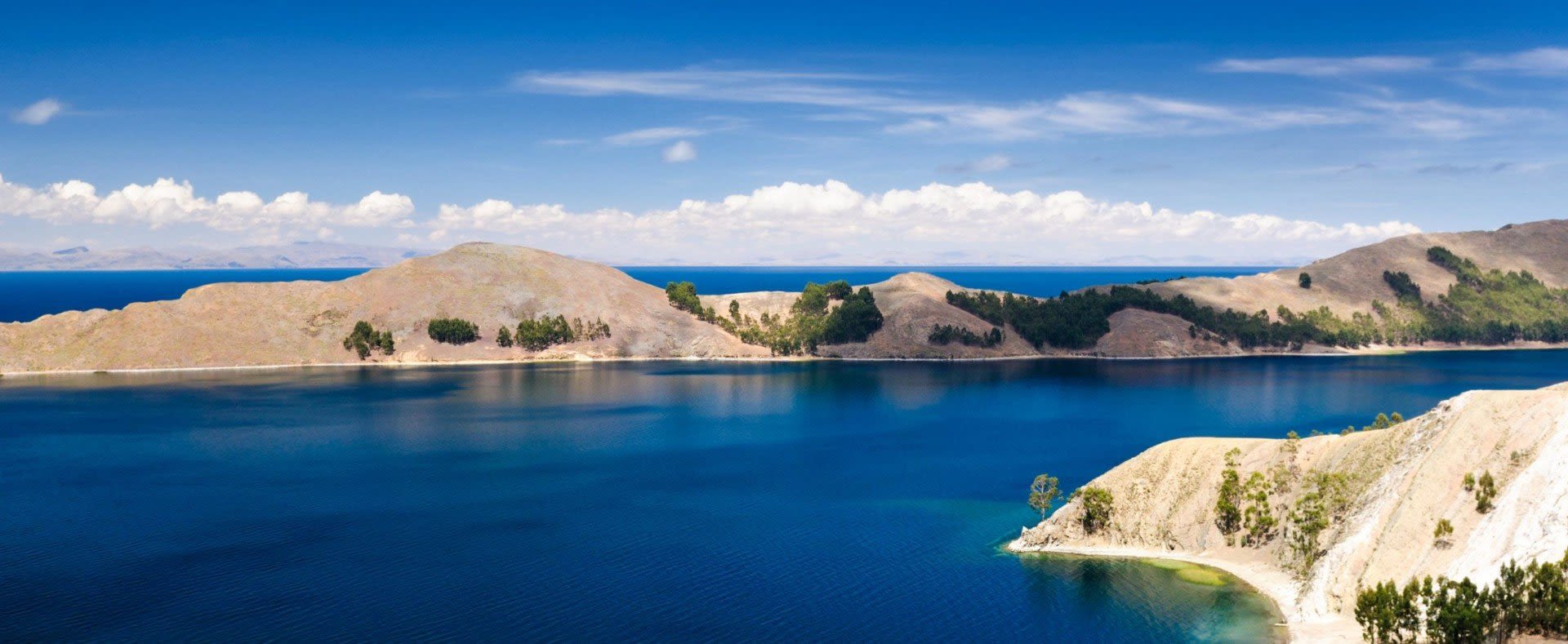
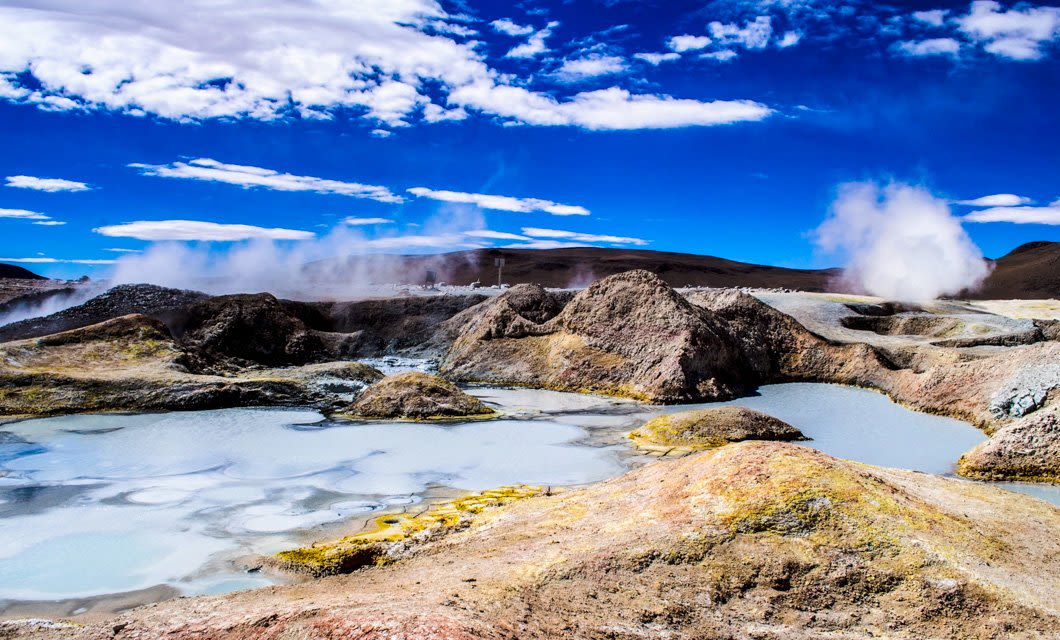
La Paz, Bolivia’s seat of government (Sucre is the constitutional capital), sits at about 12,000 feet, and its El Alto airport at about 13,200 feet (4,025 m). Potosí, Uyuni, Oruro and Lake Titicaca are all high too, and the geysers on the Uyuni route sit near 16,400 feet (5,000 m), a day visit.
The CDC says altitude illness is a risk for any unacclimatized traveler sleeping at 8,000 feet or higher, and that sleeping above 11,150 feet (3,400 m) on the first night is high-risk. Its advice: go up gradually, avoid alcohol and do only mild exercise for the first 48 hours, and go down if symptoms such as headache, nausea or dizziness get worse despite rest. Some travelers ask their doctor about acetazolamide, which the CDC names for speeding acclimatization when a fast ascent cannot be avoided.
That is how our itineraries are built. Juergen Keller, our co-founder, on how we route trips into the high Andes: “we try not to go to Cusco and to La Paz right away.” Instead, “We try to have them go to intermediate altitudes before.” Highlights of Bolivia starts in Santa Cruz, climbs to Sucre, Potosí and Uyuni, and reaches La Paz near the end. Classic Bolivia lands in La Paz and leaves the arrival evening free to acclimatize. Our Cusco altitude guide covers the same ground for Peru.
Mate de coca, coca-leaf tea, is a highland custom. Treat it as a local drink, not a treatment; the CDC’s altitude guidance does not mention it.
The CDC also asks travelers to be especially careful with sun at high elevation. The Altiplano air is cold. The sun is not. Pack sunblock, sunglasses and covering clothes; the Bolivia packing list has the rest.
On our routes, the lowland stop is Santa Cruz, inside the CDC’s yellow fever and malaria areas. As of November 2026, the CDC’s Bolivia page carries its Level 1 global notice for dengue. The CDC advises an EPA-registered repellent with DEET, picaridin, IR3535, oil of lemon eucalyptus (OLE), PMD or 2-undecanone, plus long sleeves and pants, permethrin-treated clothing (never on skin), and screened rooms or a bed net.
The US CDC’s general advice for travelers is to choose factory-sealed drinks wherever tap water might be contaminated, and to skip ice where clean water is a concern. To order a drink without ice, ask for it “sin hielo.” Bottled water is cheap and easy to find in the cities.
What to eat is in our Bolivia food and drink guide.
Parts of a trip are remote: on our Salar de Uyuni trips, you can spend up to three days driving across salt flats and high lagoons. The CDC suggests considering travel health and medical evacuation insurance; see our Bolivia travel insurance page.
The CDC lists proof of yellow fever vaccination as an entry requirement for all arrivals aged one and older, while UK sources apply it only to arrivals from risk countries. The CDC also recommends routine vaccines, plus hepatitis A and hepatitis B (under 60) for unvaccinated travelers. Ask your doctor about typhoid, rabies and malaria medicine.
According to the CDC, yes, in all areas below 8,200 feet (2,500 m), but not in La Paz.
About 12,000 feet (3,650 m), according to the CDC. The El Alto airport is higher, at about 13,200 feet.
The US CDC’s general advice for travelers is to choose factory-sealed drinks wherever tap water might be contaminated, and to skip ice where clean water is a concern.
❗ A note from our team: we plan trips, we are not doctors. This page sums up what official health bodies such as the US CDC say about travel here. It is not medical advice, and official advice changes, so please check with your doctor or a travel clinic, ideally at least a month before you go.