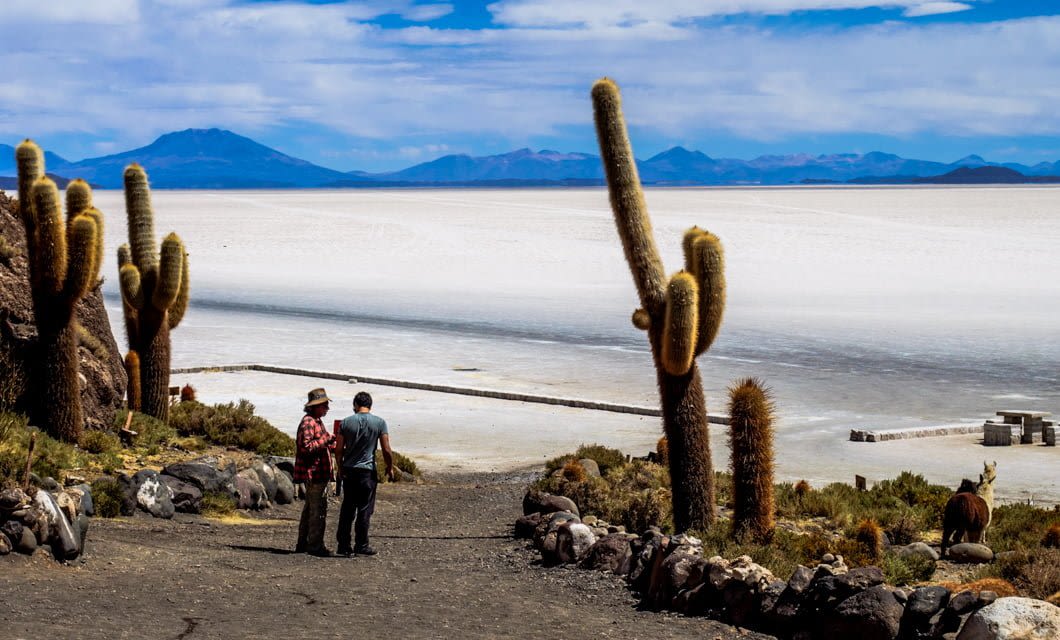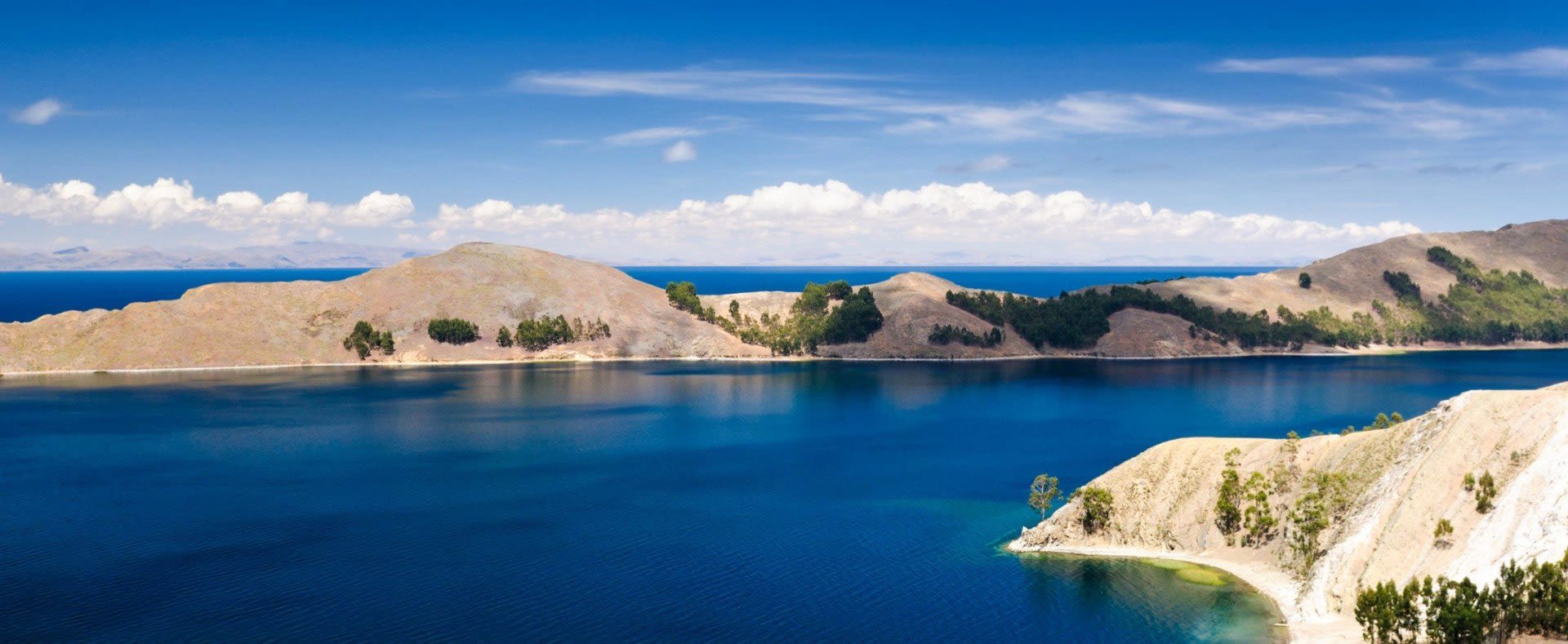
Bolivia is one of South America’s most extraordinary and authentic destinations — the Uyuni salt flats, La Paz, Lake Titicaca and the Andes reward every traveller who makes the journey. It’s rated Level 2 — “Exercise Increased Caution” by the US State Department, and for visitors the two things that actually shape a trip aren’t violent crime but altitude and protests/road blockades. Plan for those and you’re most of the way there. Here’s what to know.
For travellers on the usual routes, Bolivia is generally safe, and serious crime against tourists is uncommon. The everyday risk is petty theft — pickpocketing on buses and in stations, and the occasional scam. A couple of remote zones (notably the Chapare coca-growing region) carry higher advisories and are off any tourist itinerary, while La Paz periodically sees unrest tied to national politics.
Bolivia is high. La Paz sits around 3,600 m (and El Alto higher), Lake Titicaca and Uyuni are higher still, so mild altitude sickness (soroche) — headache, breathlessness, broken sleep — is common in the first day or two. Acclimatise gradually, rest on arrival, drink plenty of water, go easy on alcohol, try coca tea, and ask your doctor about preventive medication before you travel. It’s the single most likely thing to affect your trip.
Bolivia has a very active protest culture, and bloqueos (road blockades) are a frequent tactic — they can close highways and disrupt overland travel and supplies with little warning. Flights are usually unaffected, so itineraries built around them are resilient. The practical answer is flexibility and local knowledge: your guide monitors the situation and reroutes around any disruption. Never try to cross or argue your way through a blockade.
Standard precautions handle most risks:
Medical facilities are limited, especially outside the main cities, and blockades can occasionally affect hospital supplies — another reason comprehensive medical and evacuation insurance is essential here. Don’t drink the tap water; stick to bottled or filtered. Roads can be rough and mountain driving hazardous, so leave the driving to experienced local operators. The emergency number is 110 for police and 165 for medical assistance.
Bolivia is a place where a guided trip genuinely changes the experience. On every South America Travel itinerary we arrange your transport, transfers and hotels, pace the altitude sensibly, and keep you with professional local guides who track any blockade or protest and adjust the plan so you keep moving. It lets you focus on Bolivia’s astonishing landscapes rather than the logistics.
For official updates, US citizens can enrol in the State Department’s free Smart Traveler Enrollment Program (STEP) and review the Bolivia travel advisory; UK travellers can check the FCDO’s Bolivia advice.
Ready to experience Bolivia with the altitude and logistics handled for you? Browse our Bolivia tours and travel with confidence.