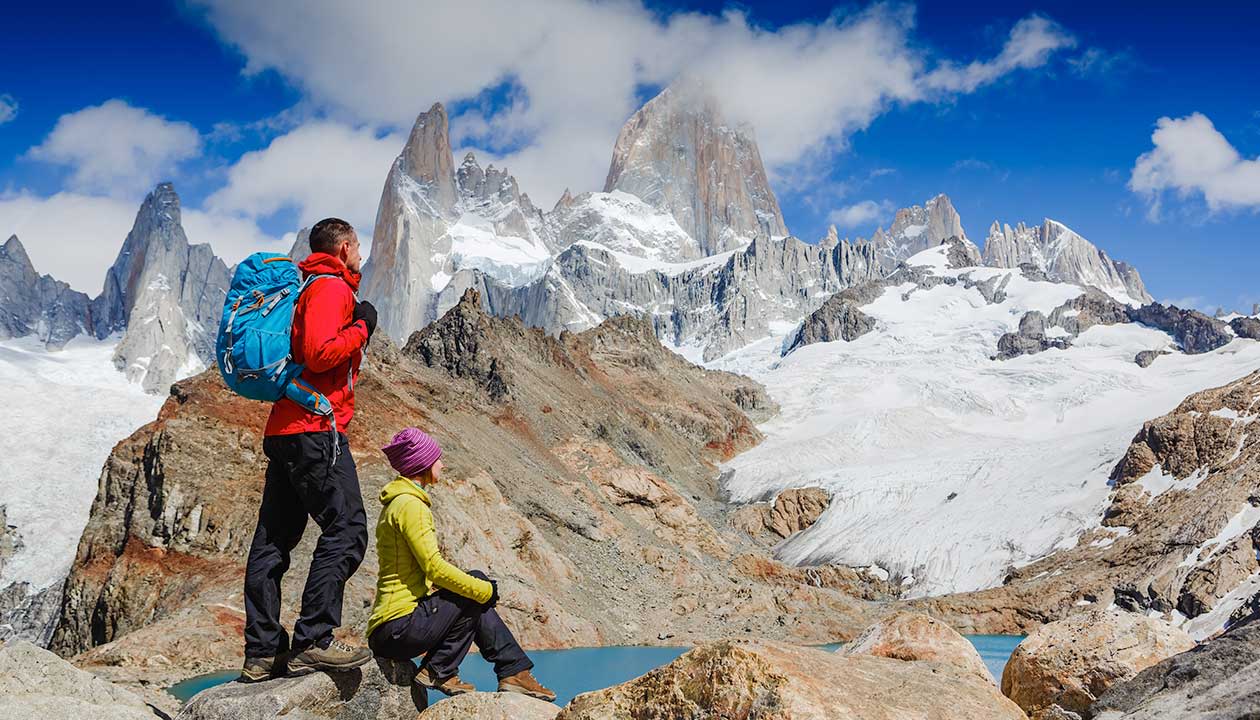
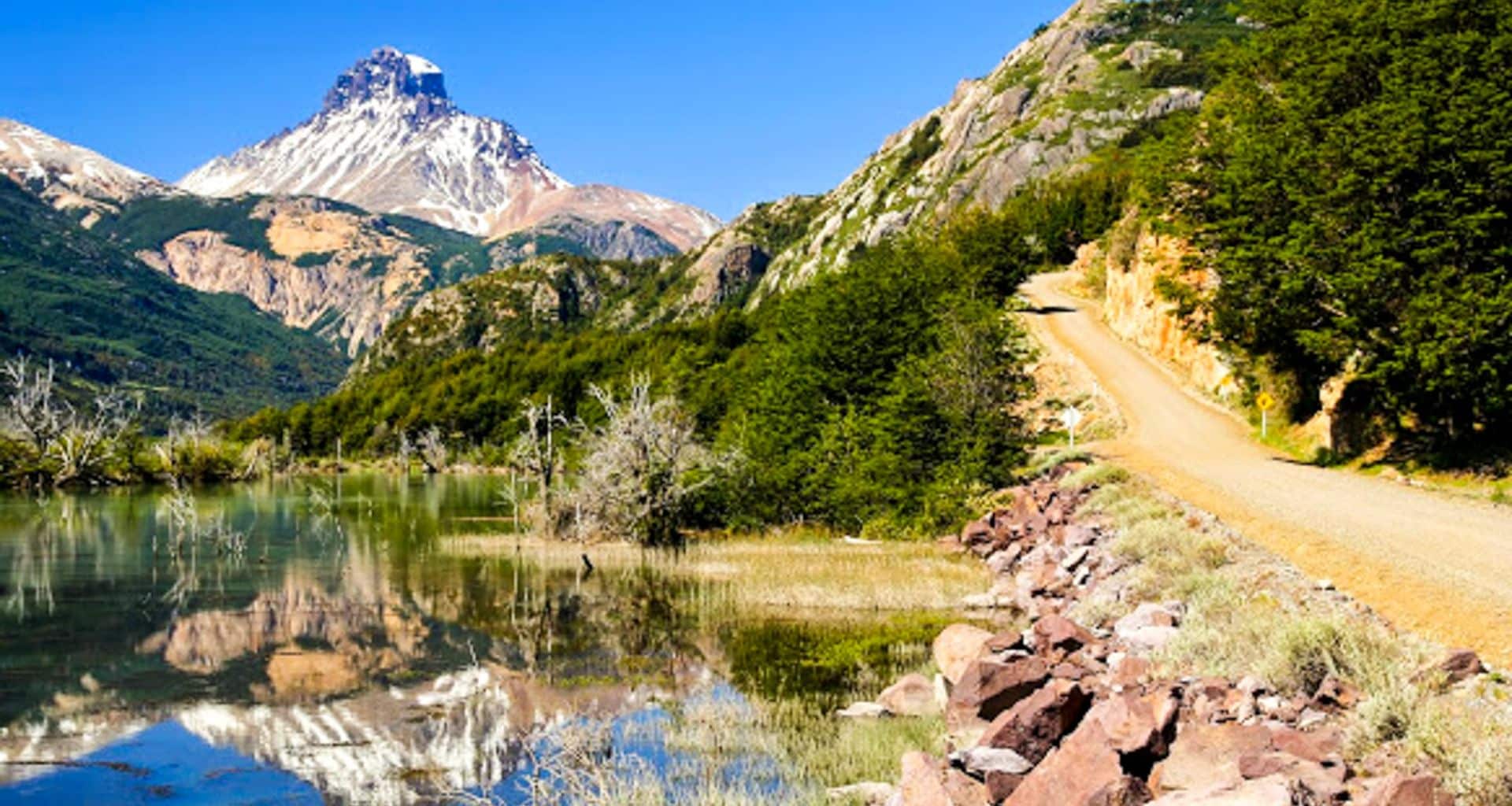
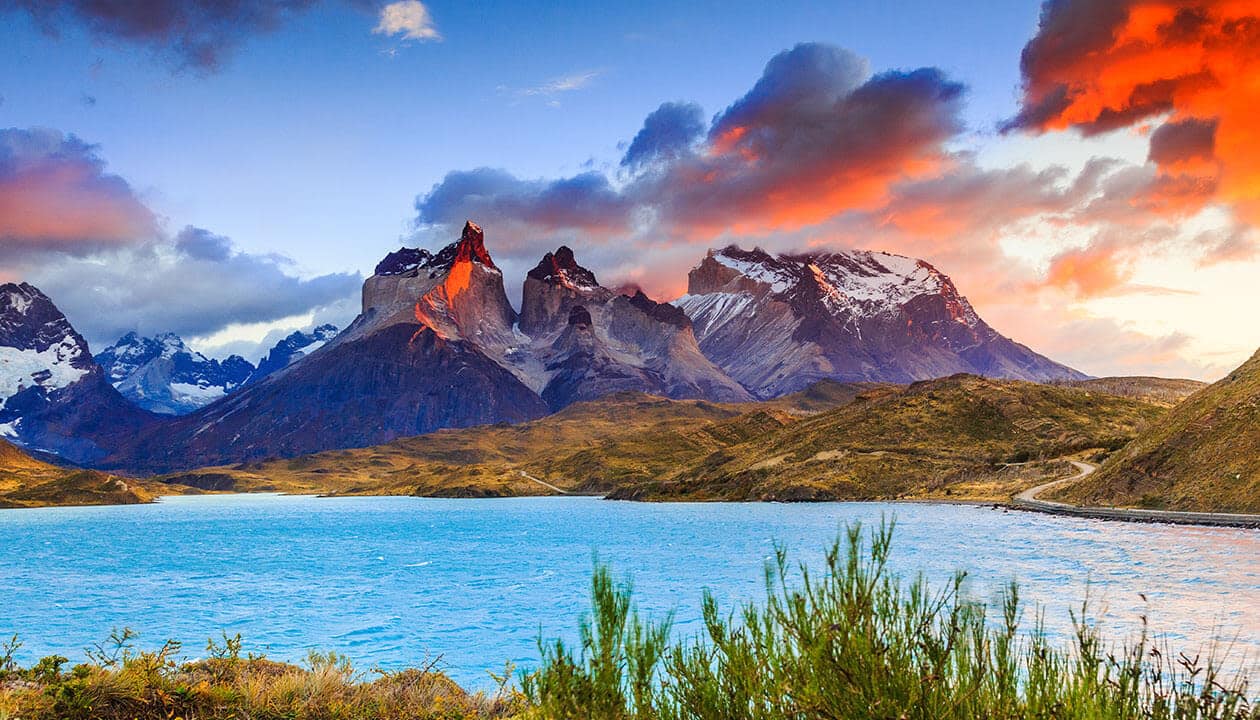
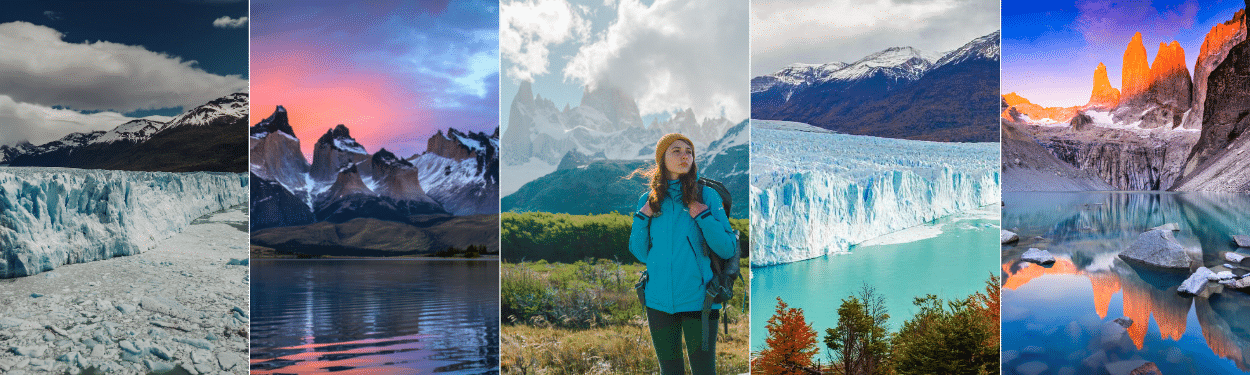
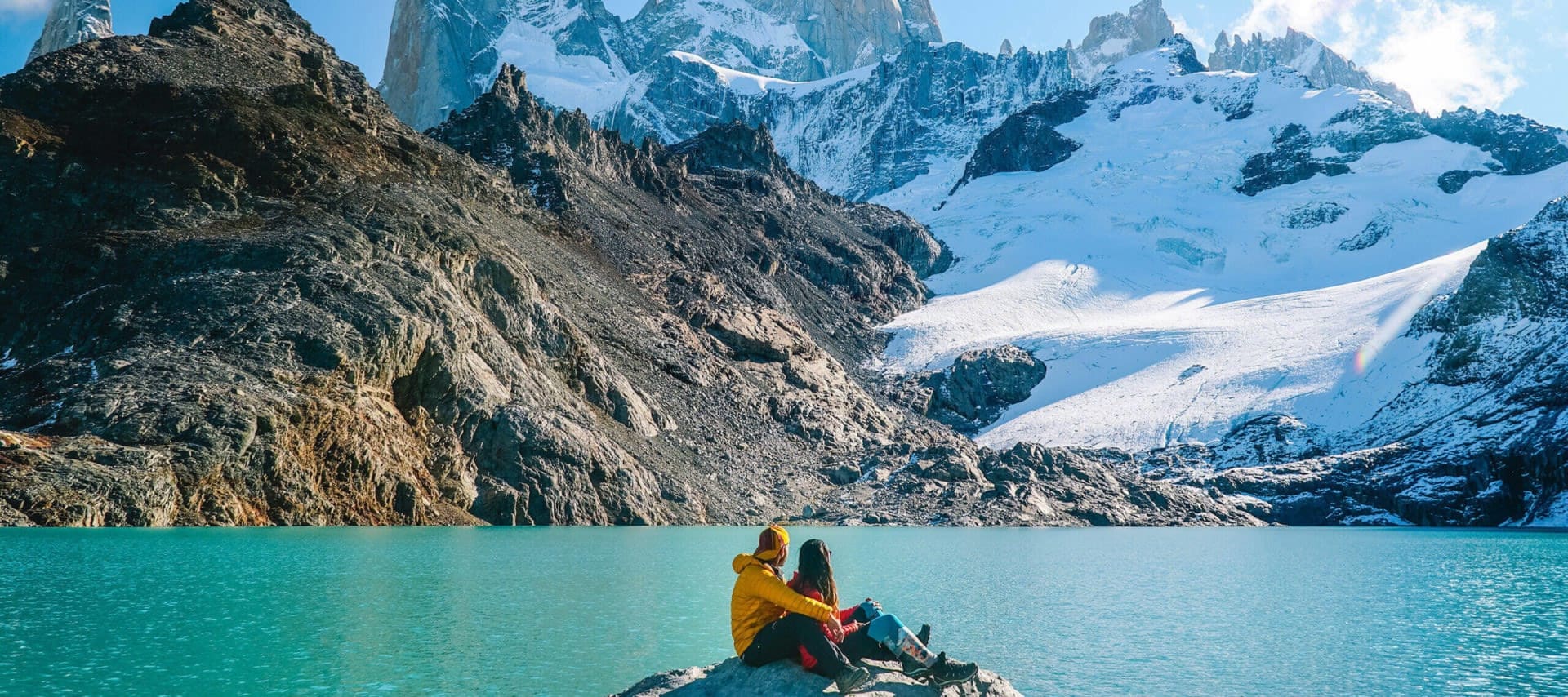
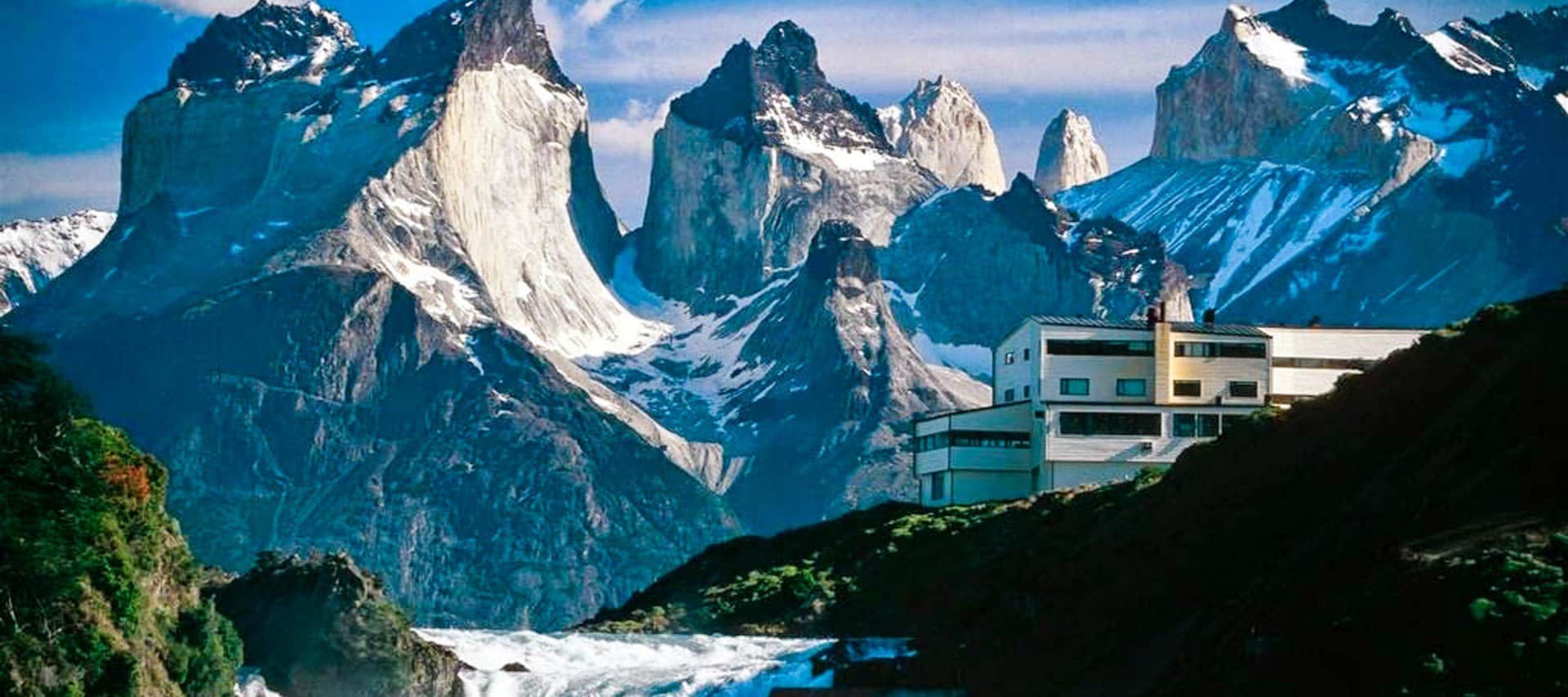
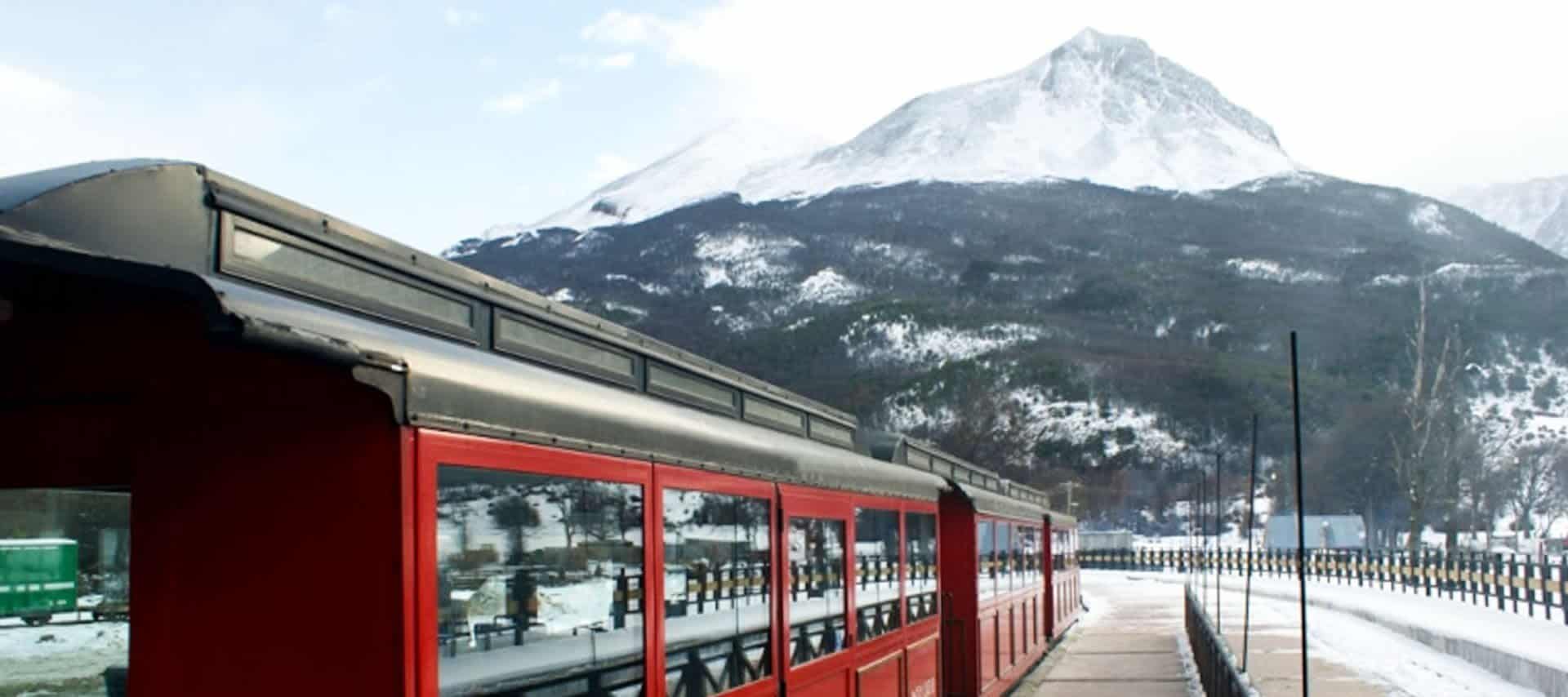
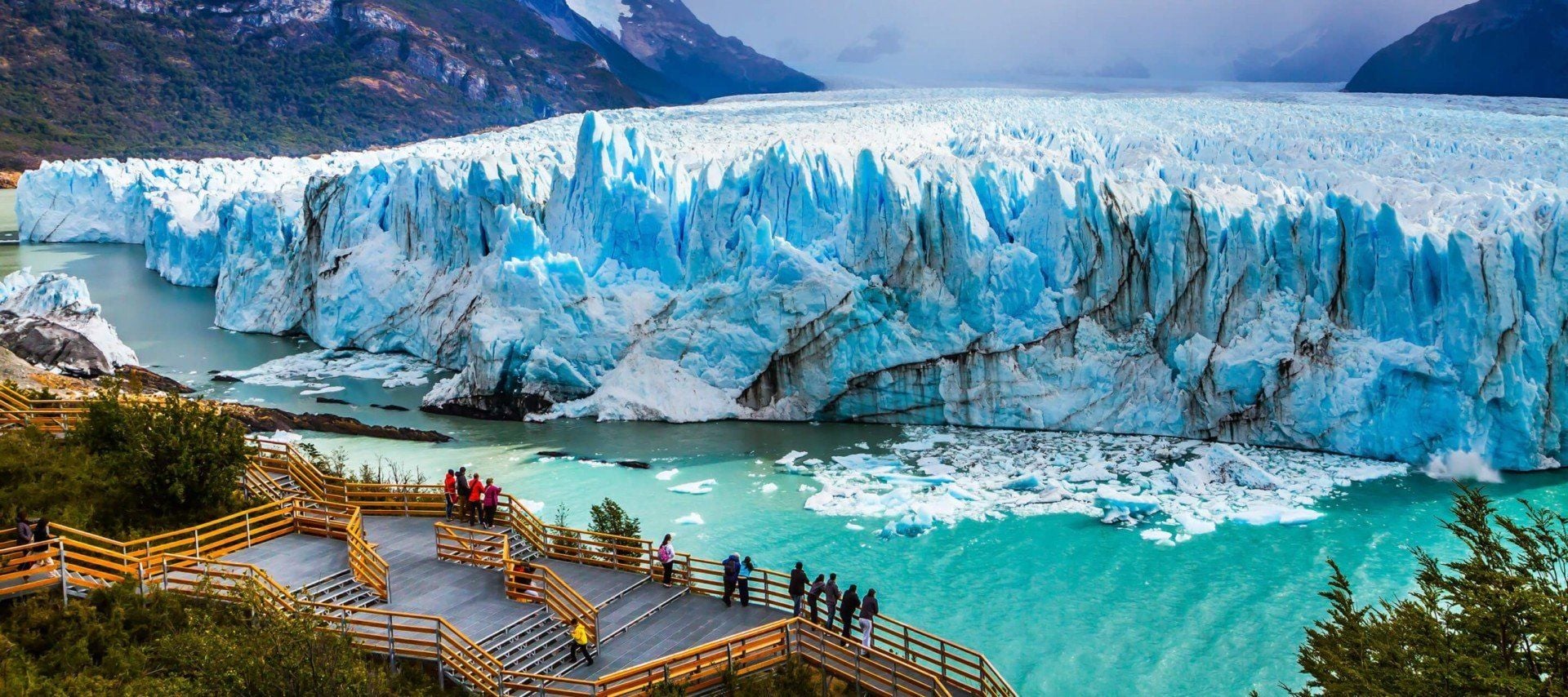
Patagonia Tours unveil some of the most dramatic and untamed landscapes in South America, spanning the wild frontier shared by Argentina and Chile. Stand before the thundering Perito Moreno Glacier near El Calafate, hike the legendary trails of El Chaltén, and marvel at the granite towers of Torres del Paine. Journey south to Ushuaia, gateway to the Beagle Channel and beyond, where some travelers extend their adventure to Antarctica. From immersive hiking and wildlife encounters to romantic escapes and remote luxury lodges, every Patagonia Tours itinerary is thoughtfully customized to your pace, interests, and spirit of exploration.
Click or Tap your preferences: Destinations & Activities. Be as specific or general as you like – or click Help Me Decide! We’ll spice it with hidden gems & personal tips to create your perfect trip. Need assistance? Contact an expert at +1 (888) 900-5060
Get to Know Us
Why Plan Your Patagonia Journey With Us
Patagonia travel content reviewed by Bradley Nehring, Co-Founder, COO & CFO of SouthAmerica.travel
With decades of experience crafting journeys across South America, our team combines local expertise, trusted partnerships, and personalized planning to design unforgettable trips. From your first conversation to your return home, we handle the details so you can travel with confidence.
Whether you’re dreaming of a romantic escape, an adventurous expedition, or a relaxed cultural journey, explore Patagonia in a way that matches your interests and travel goals.
Patagonia Adventure Tours
Patagonia Cruises
Patagonia Golf Tours
Patagonia Honeymoon Tours
Patagonia Lodges
Patagonia Train Tours
Patagonia UNESCO Tours
Get to Know Patagonia and...
Plan Your Patagonia Trip
Planning a trip to Patagonia? Explore essential travel information including visa requirements, safety tips, weather, money, and more — so you can focus on designing the perfect journey.
Thinking about a Patagonia trip? Here’s a list of frequently asked questions we often hear from our guests. Visit our Patagonia Vacation Planning page for in-depth Patagonia travel tips.
Where is Patagonia?
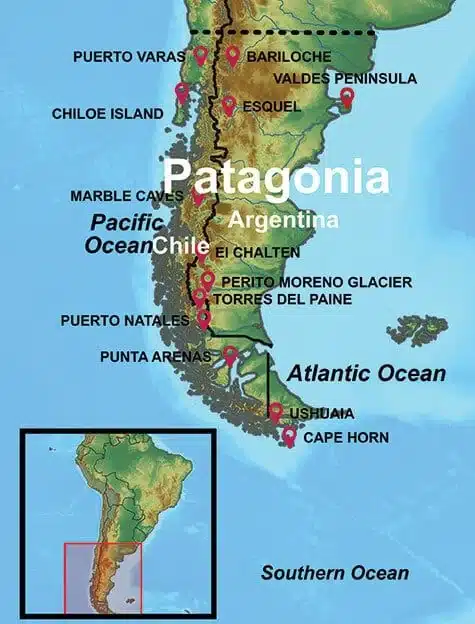
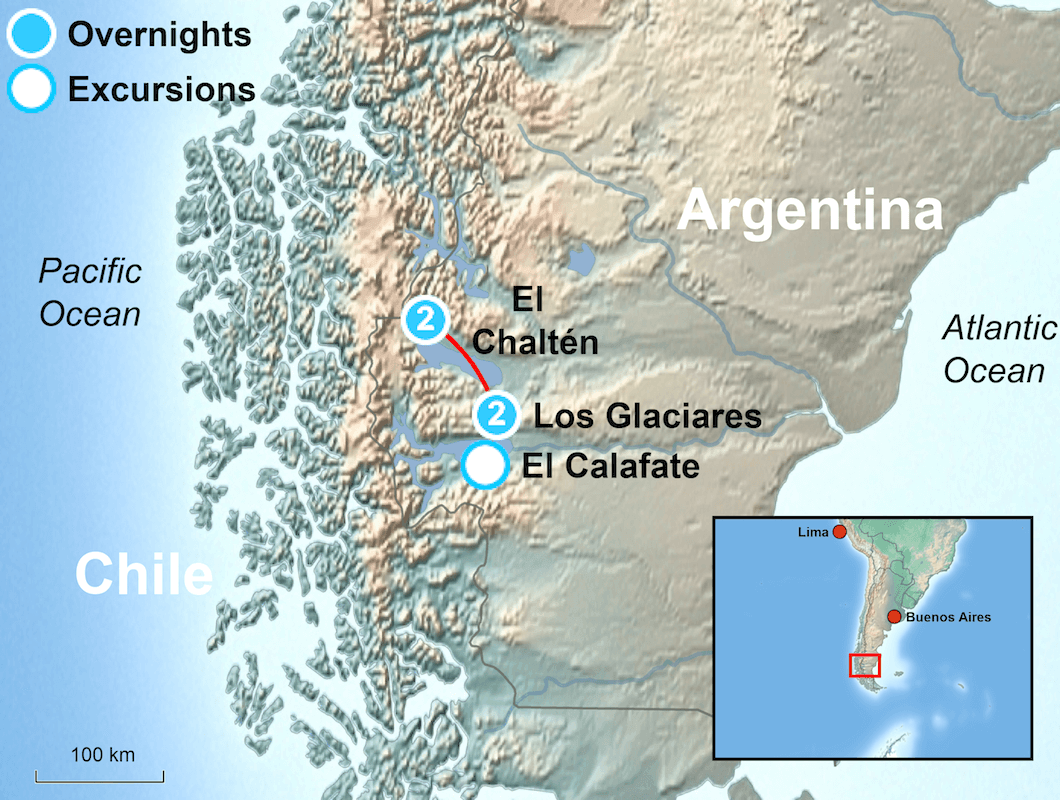
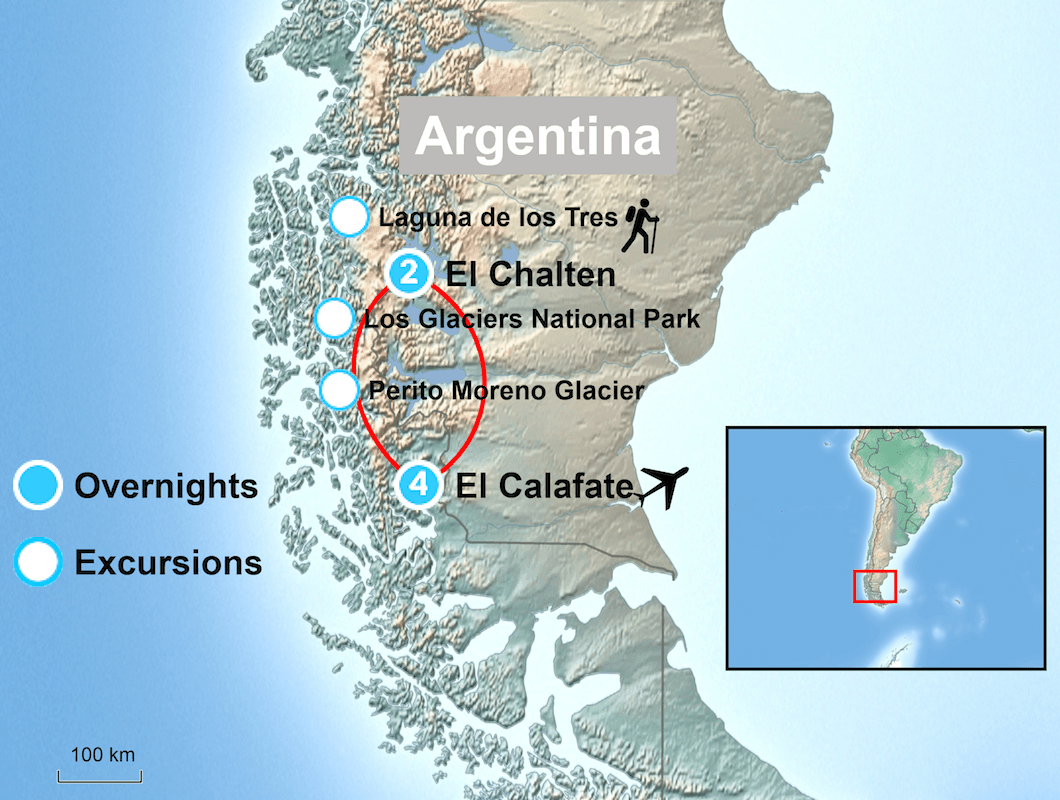
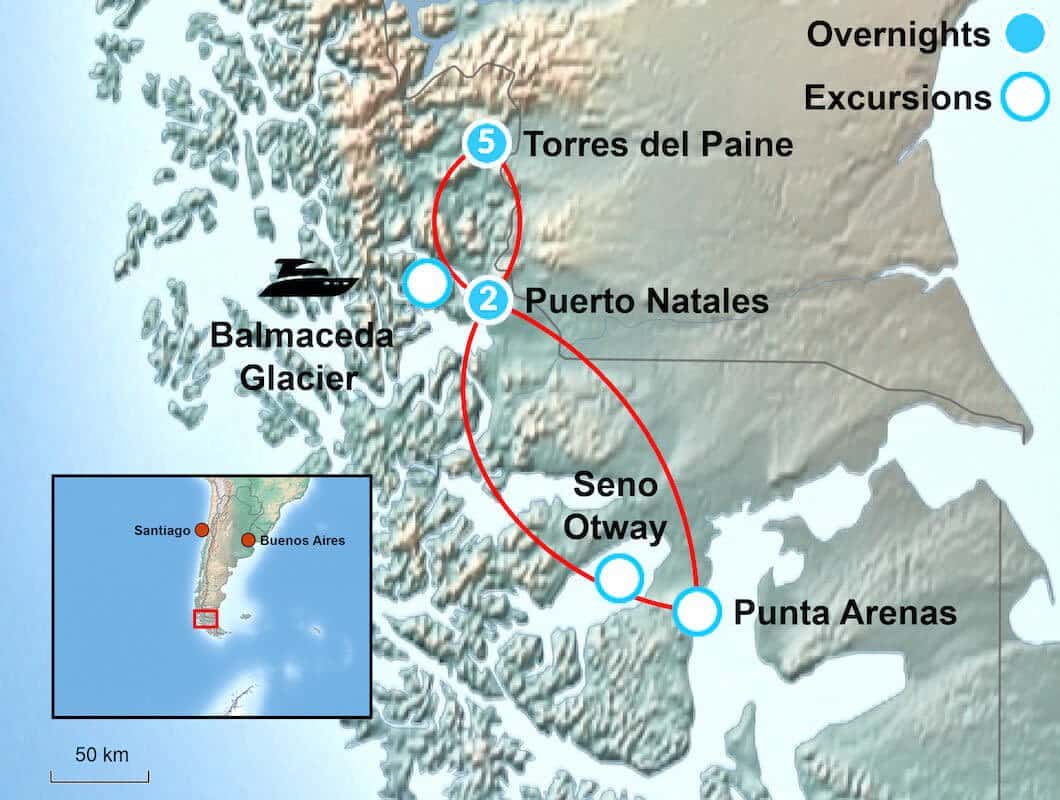
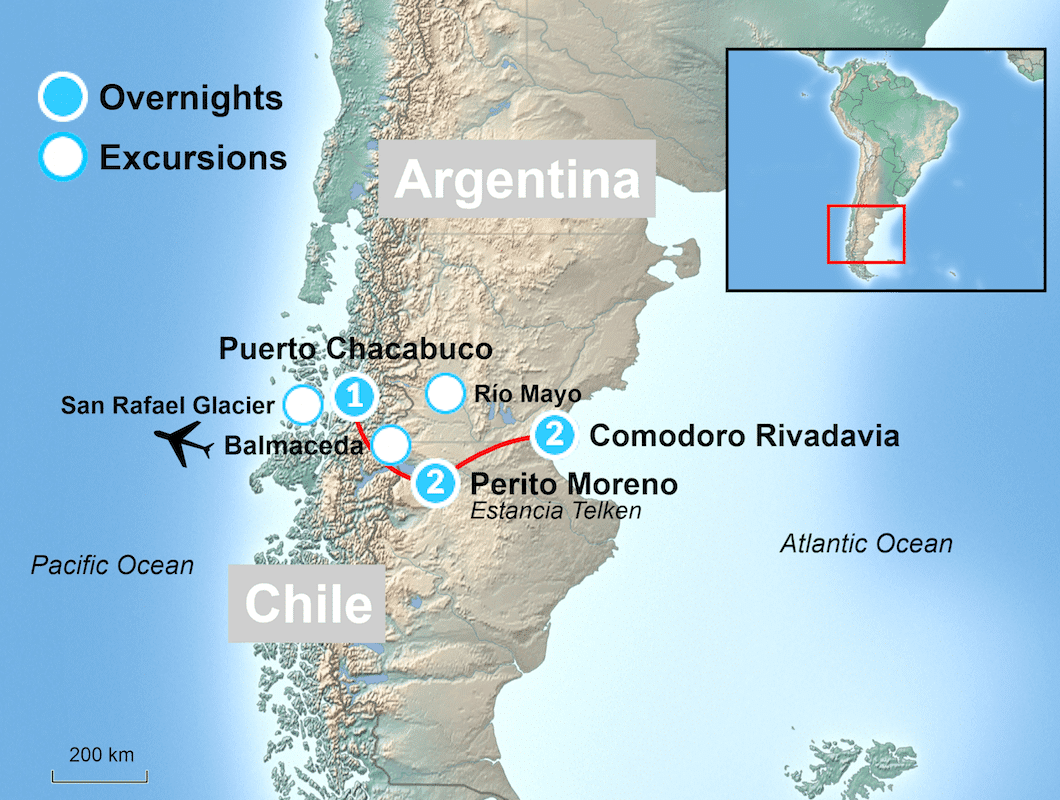
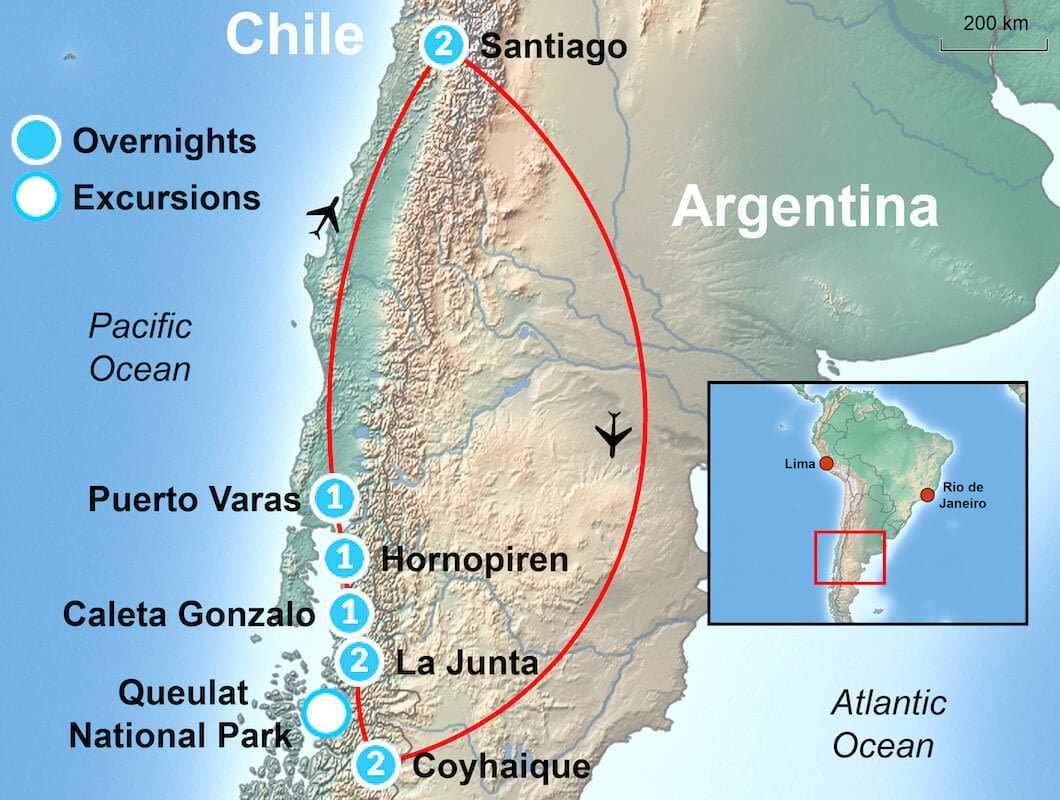
Patagonia is a region at the southern tip of South America, shared by Argentina and Chile. It stretches from the Lake District in the north to Tierra del Fuego in the south, and includes iconic destinations such as Torres del Paine National Park, Los Glaciares National Park, El Calafate, El Chaltén, and Ushuaia.
Is Patagonia safe to travel?
Patagonia is considered very safe for travelers. The region is sparsely populated and focused on nature-based tourism. The primary consideration for visitors is weather, which can change rapidly. Proper clothing and flexibility in scheduling are important for a comfortable trip.
What is Patagonia famous for?
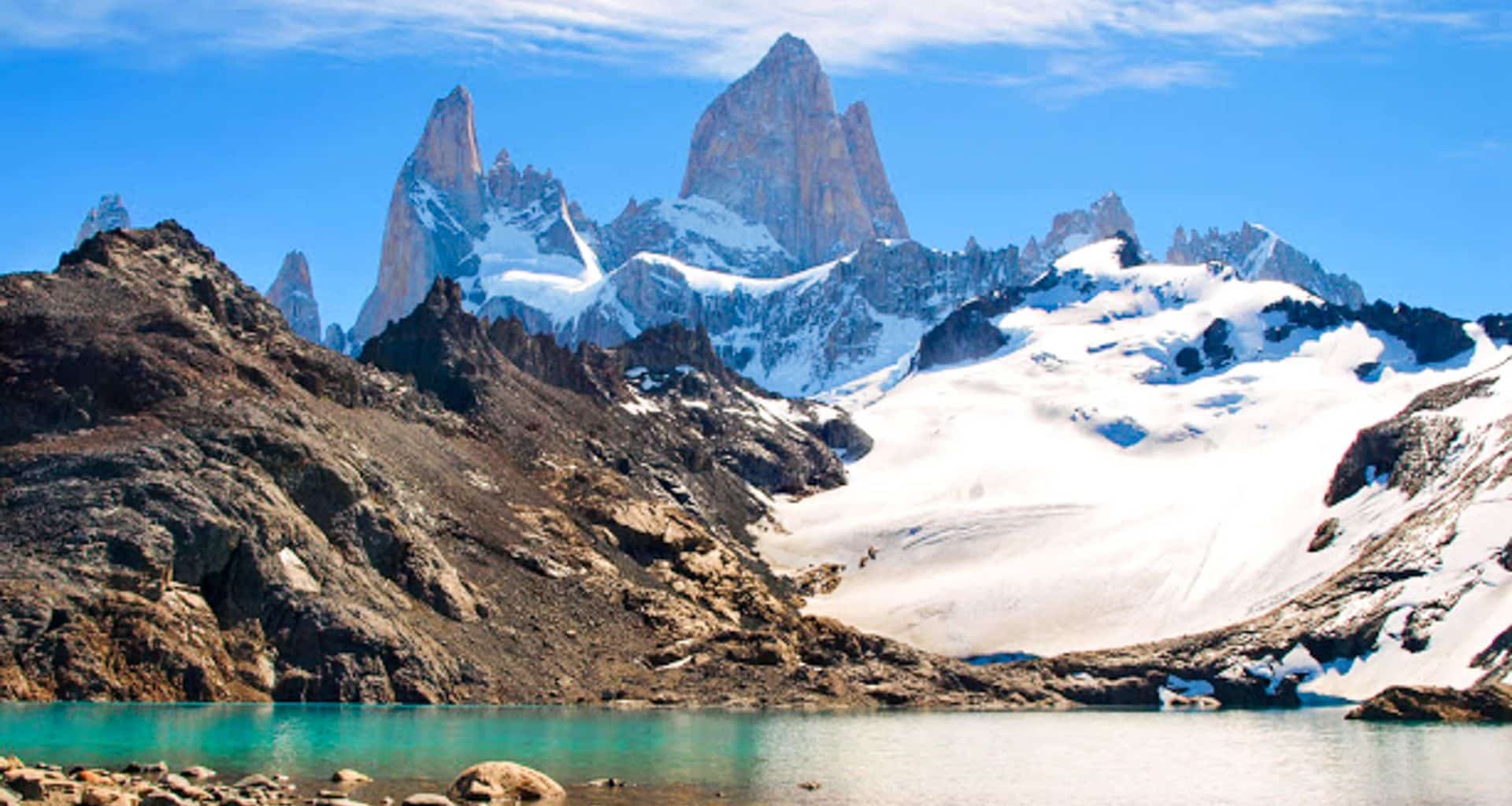
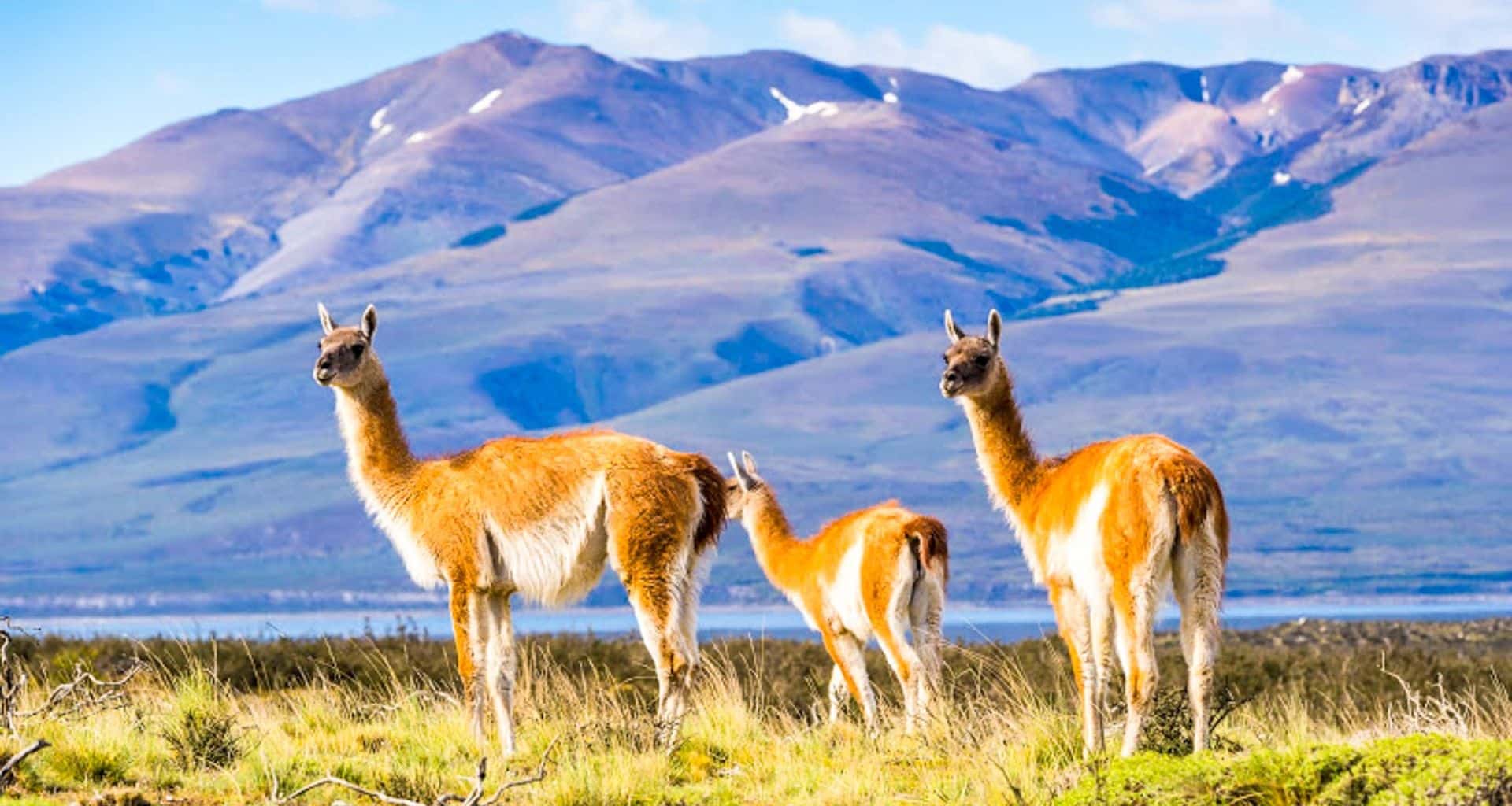
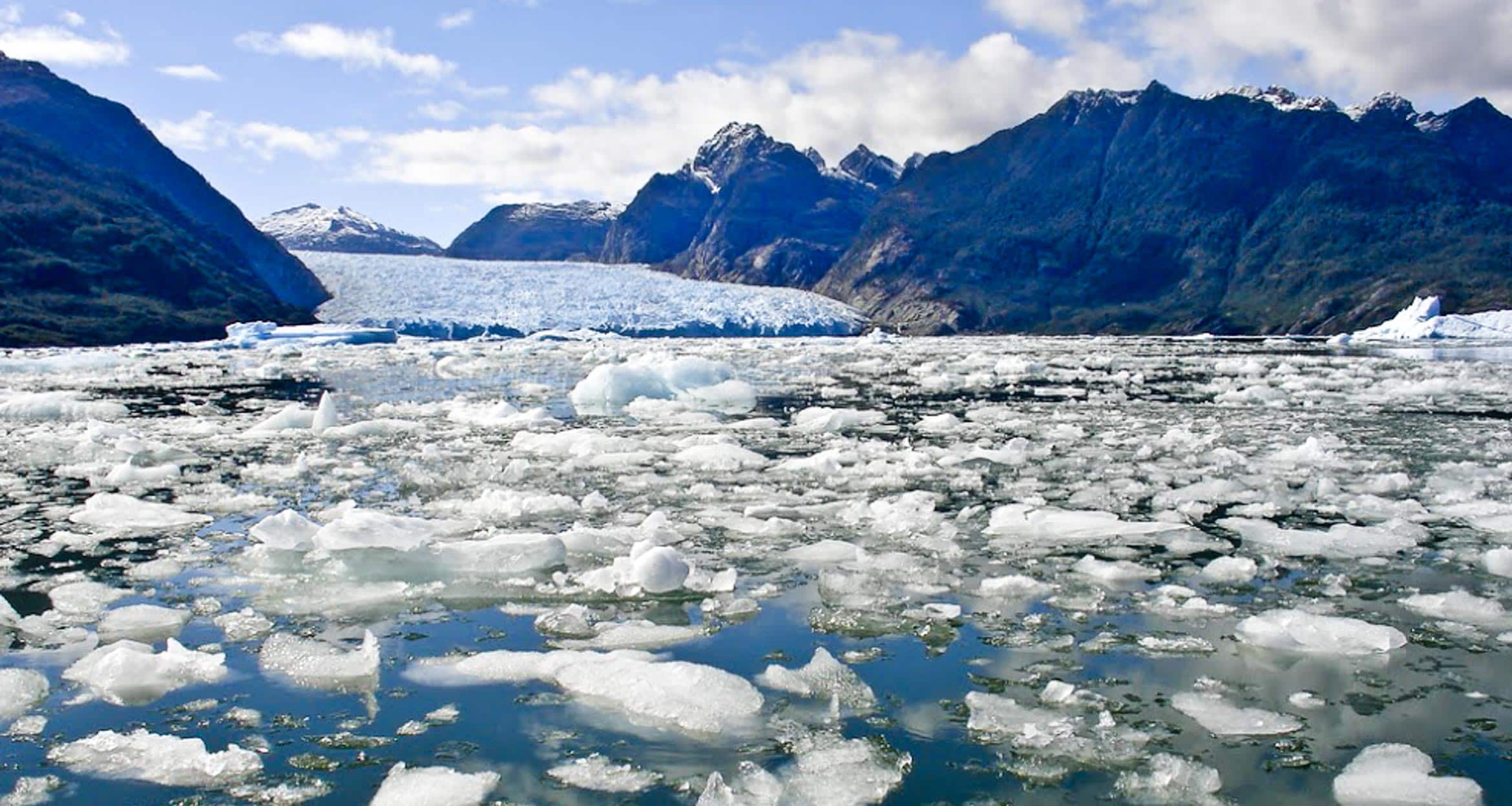
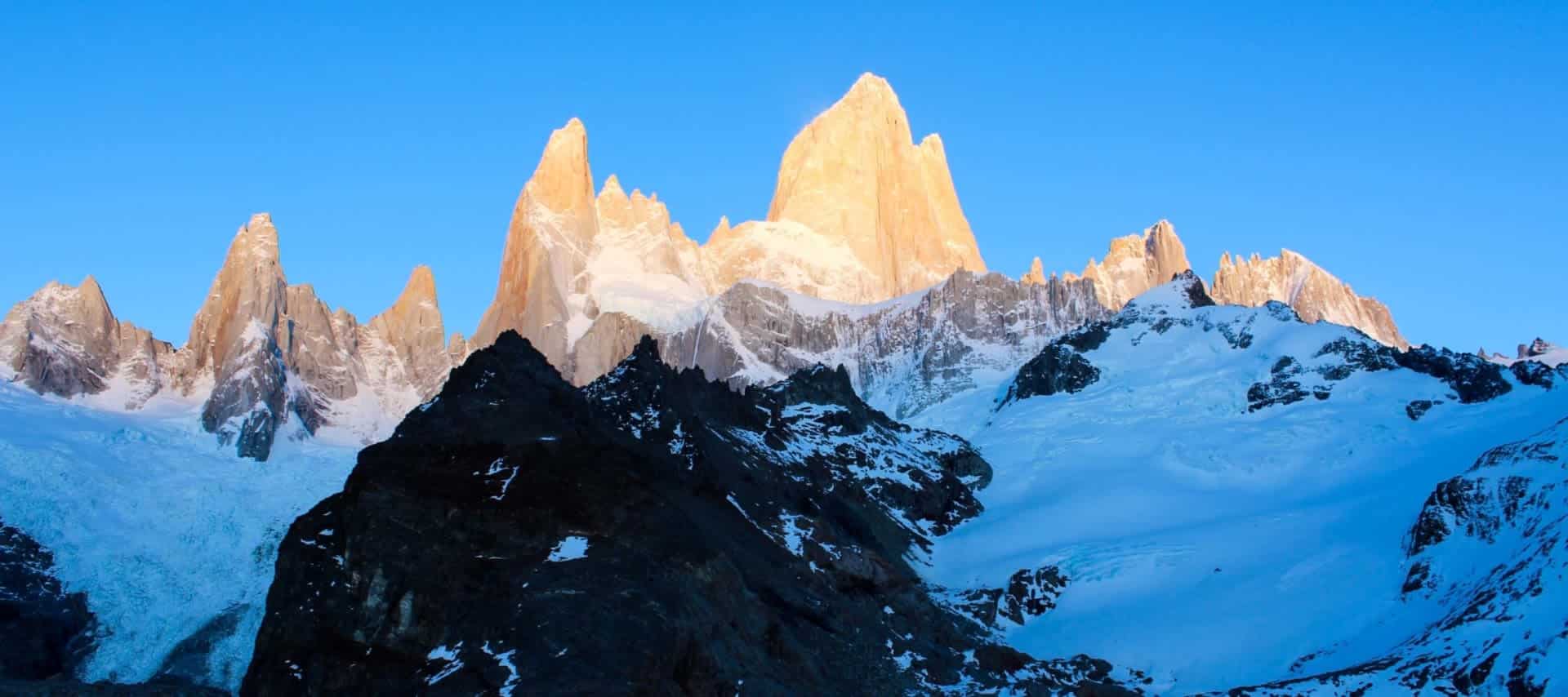
Patagonia is known for dramatic landscapes including glaciers, granite peaks, windswept plains, and vast national parks. Highlights include the Perito Moreno Glacier, Mount Fitz Roy, Torres del Paine, and Tierra del Fuego. The region is also home to wildlife such as guanacos, condors, penguins, and occasionally pumas.
How many days should I spend in Patagonia?
Most travelers spend 7 to 10 days in Patagonia to experience both the Argentine and Chilean sides. Those focusing on one area may spend 4 to 6 days exploring a single national park or region. Because distances are large, thoughtful itinerary planning is important.
How do you get to Patagonia?
Patagonia is typically accessed via Buenos Aires or Santiago, followed by a domestic flight to cities such as El Calafate, Ushuaia, or Punta Arenas. From there, transfers connect travelers to national parks and lodges. Travel times vary depending on which part of Patagonia you plan to visit.
How do you get around Patagonia?
Within Patagonia, transportation typically involves a combination of short flights, guided transfers, and local excursions. Due to long distances and limited public transportation in remote areas, itineraries are best structured in advance to minimize travel time.
How much does a trip to Patagonia cost?
Patagonia is generally more expensive than other regions of South America due to its remoteness and seasonal tourism infrastructure. Costs vary depending on accommodation level, length of stay, and activities chosen. The region offers both boutique luxury lodges and more modest options.
Can I combine Patagonia with Antarctica?
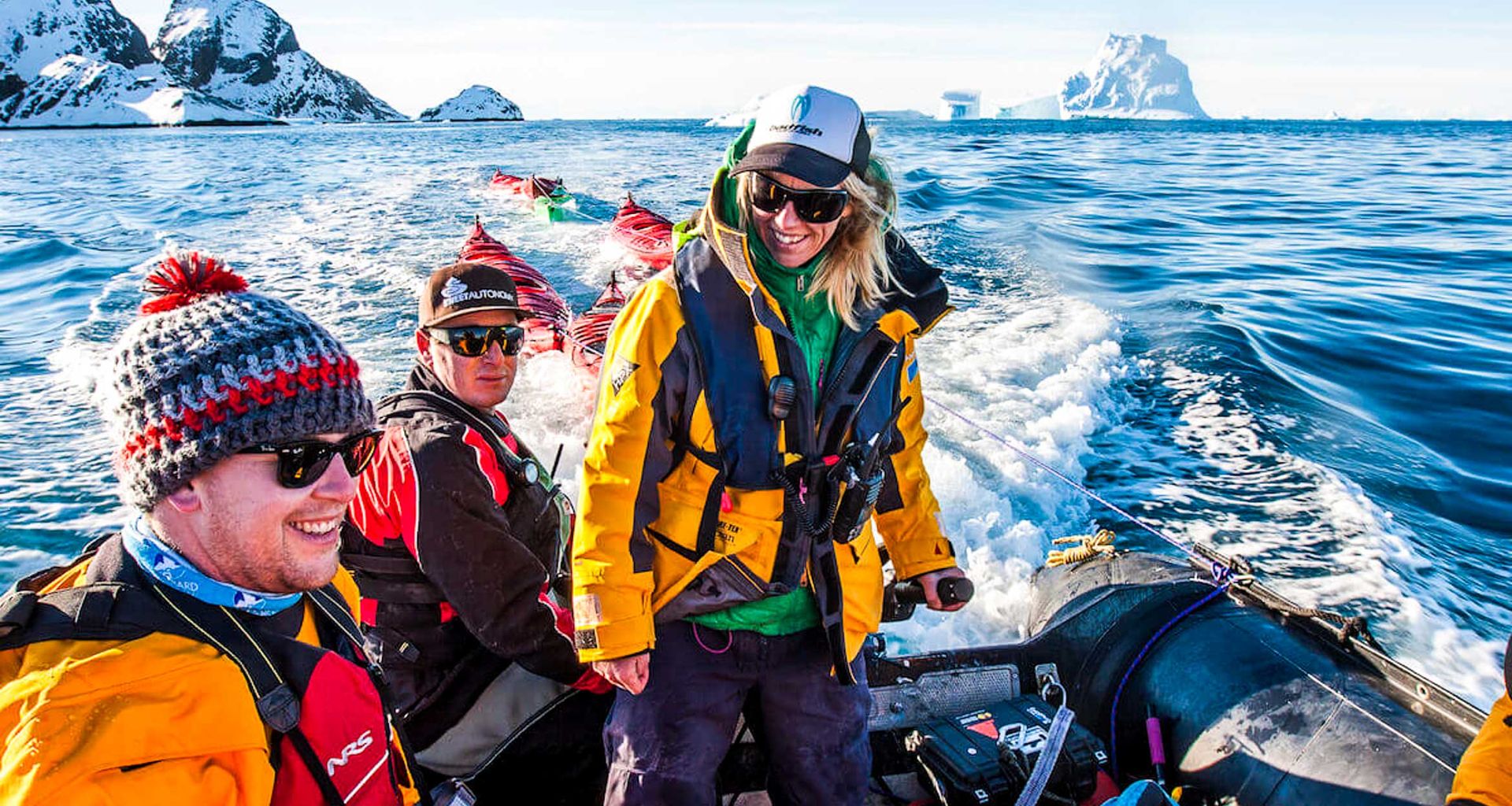
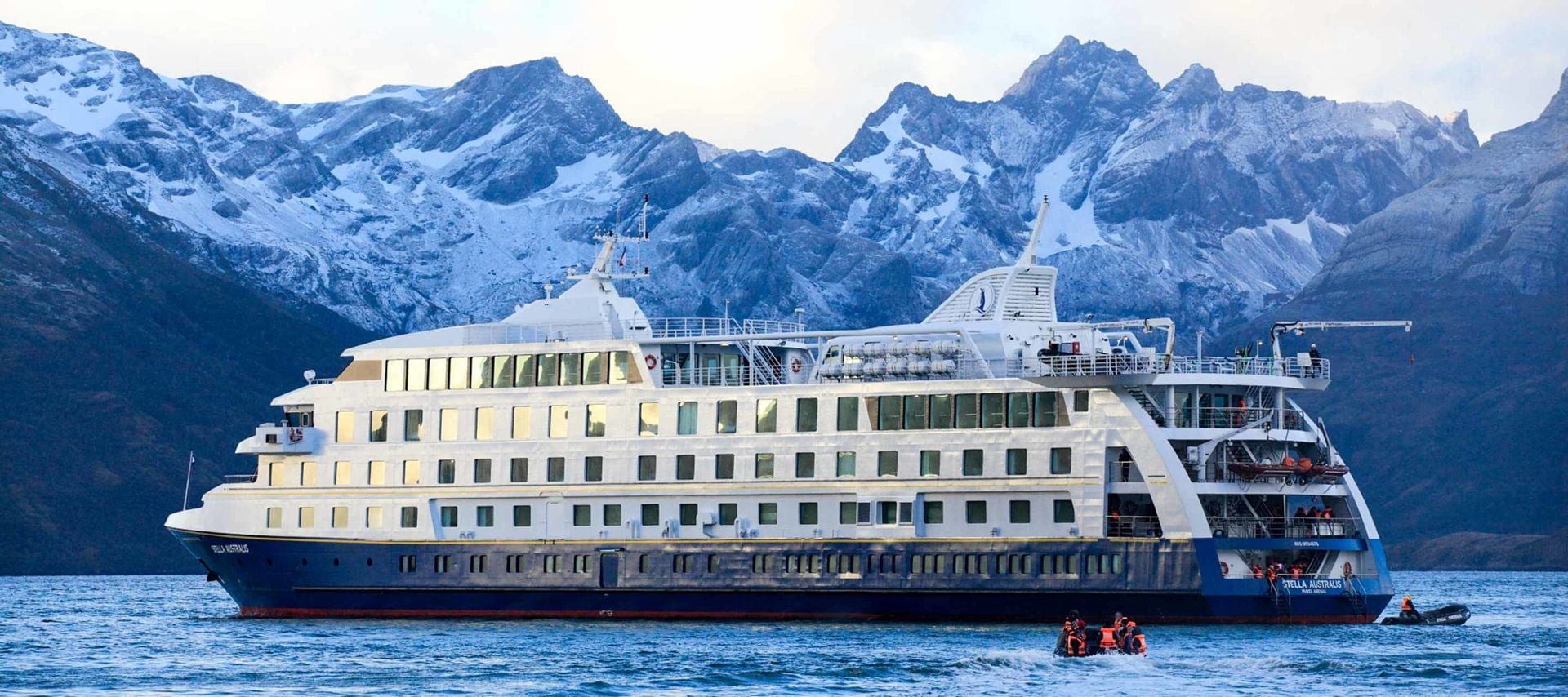
Yes. Many travelers combine Patagonia with an Antarctica cruise departing from Ushuaia or Punta Arenas. This creates a natural extension for those already traveling to the southern tip of South America.
Your Experts in Patagonia!
Start Planning Your Journey
We Love to Talk About Patagonia Tours!
Thinking of traveling to South America? We take your South American travel dream and make it a reality. Every fully custom South America trip is planned by your own expert personal Travel Consultant.

 +1 (888) 900-5060