With just a few exceptions, explained below, South America is a year-round destination. Please see our individual country sections for more detailed information.
In general, the continent can be grouped into a few weather regions:
- Tropical – this includes most of Brazil, including the Amazon, the Pantanal, and Rio de Janeiro, plus the coast of Ecuador, Colombia, and the Guianas.
- Highland – this covers the Andes which form the spine of South America running from Venezuela and Colombia down to Chile and Argentina in the south.
- Desert – this mostly covers the Pacific coastline of Peru and northern Chile, reaching inland to the Atacama Desert – the world’s driest.
- Subtropical – this includes most of Argentina where temperatures vary considerably depending on the time of year.
Here are a few things to keep in mind:
Patagonia and Antarctica
Time of year is important here. The season for Antarctica is from mid-October to mid-March – this is the Antarctic summer. The temperature on the Antarctic Peninsula typically hovers around freezing at this time and this is when cruises operate. You can visit most of Patagonia year-round, but during the winter months, especially from June to August, temperatures are low and the days are short. Weather in Patagonia is unpredictable all year and you should be prepared for wind and rain.
Peruvian and Bolivian Andes
The driest time in this part of South America is from May to October. Days are usually clear with strong sun and cold nights. December to April sees more rainfall and slightly higher temperatures. So if you want maximum changes of cloud-free skies visit Machu Picchu from May to October, but if you’d like to see reflections on the flooded salt flats at Uyuni, visit from December to April.
Brazil
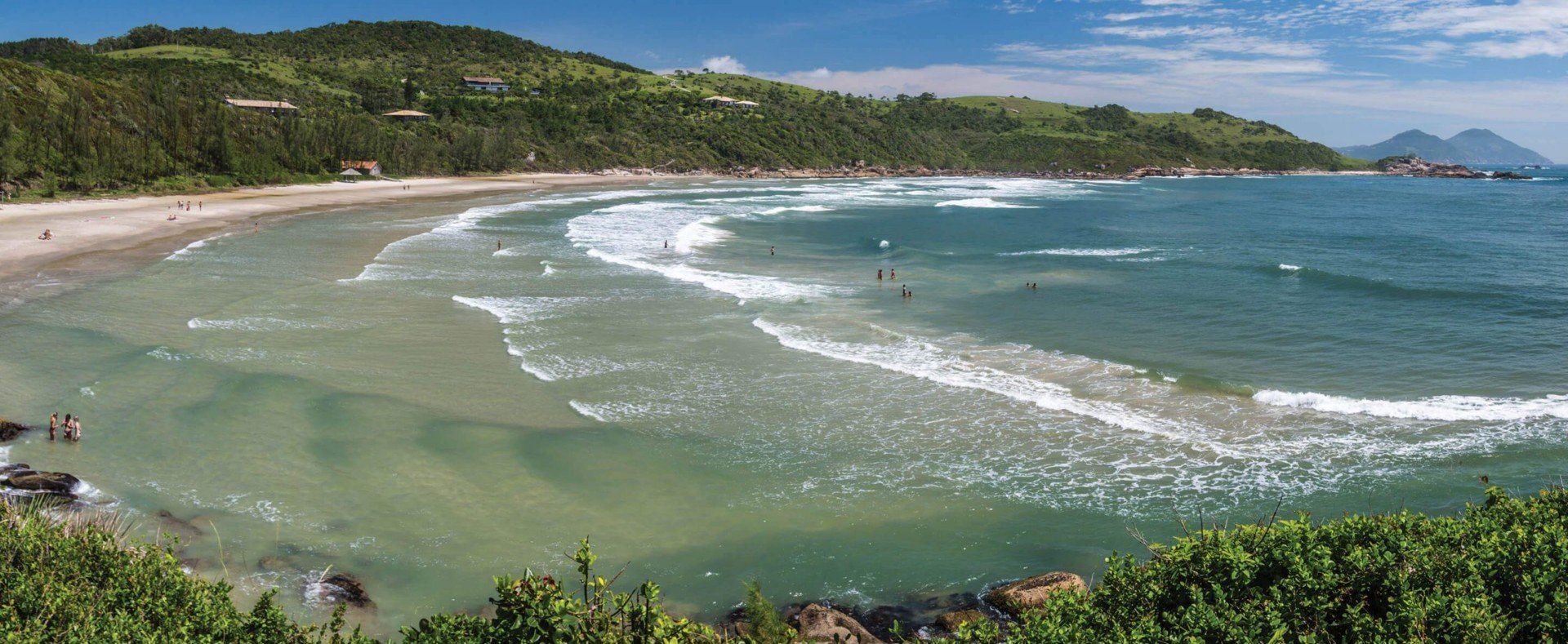
Brazil’s weather is warm or hot year-round. The exception is the south of the country where if you want to spend time on the beach you should visit during summer months such as November to March. If you wish to visit the Pantanal, the wetter months, especially January/February are best avoided as there tend to be more mosquitos, and wildlife sightings are harder.