Argentina wine tours are usually centered on Mendoza and the high-altitude vineyards near Salta, and the two are not the same trip. Mendoza is larger and better developed for wine travel: vineyard lodges, private tastings, full days through the Uco Valley and Luján de Cuyo. Cafayate and the Calchaquí Valleys are quieter, drier and higher, with some of the highest commercial vineyards in the world. They are far apart, so most itineraries take one properly or connect the two by domestic flight through Buenos Aires.
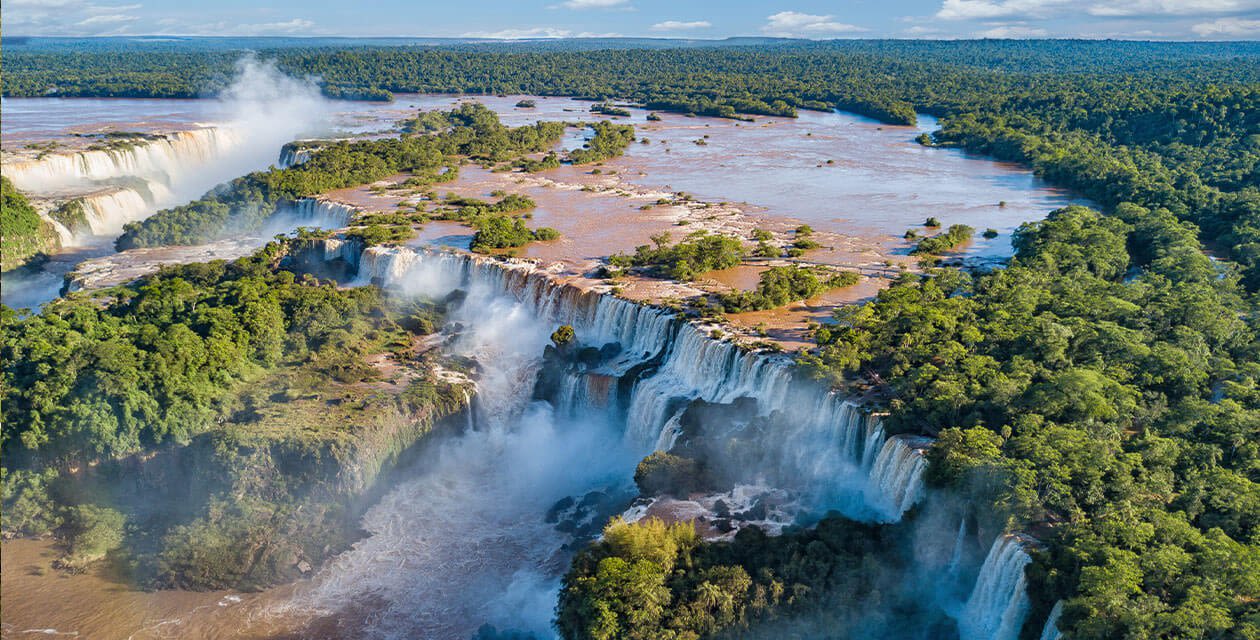
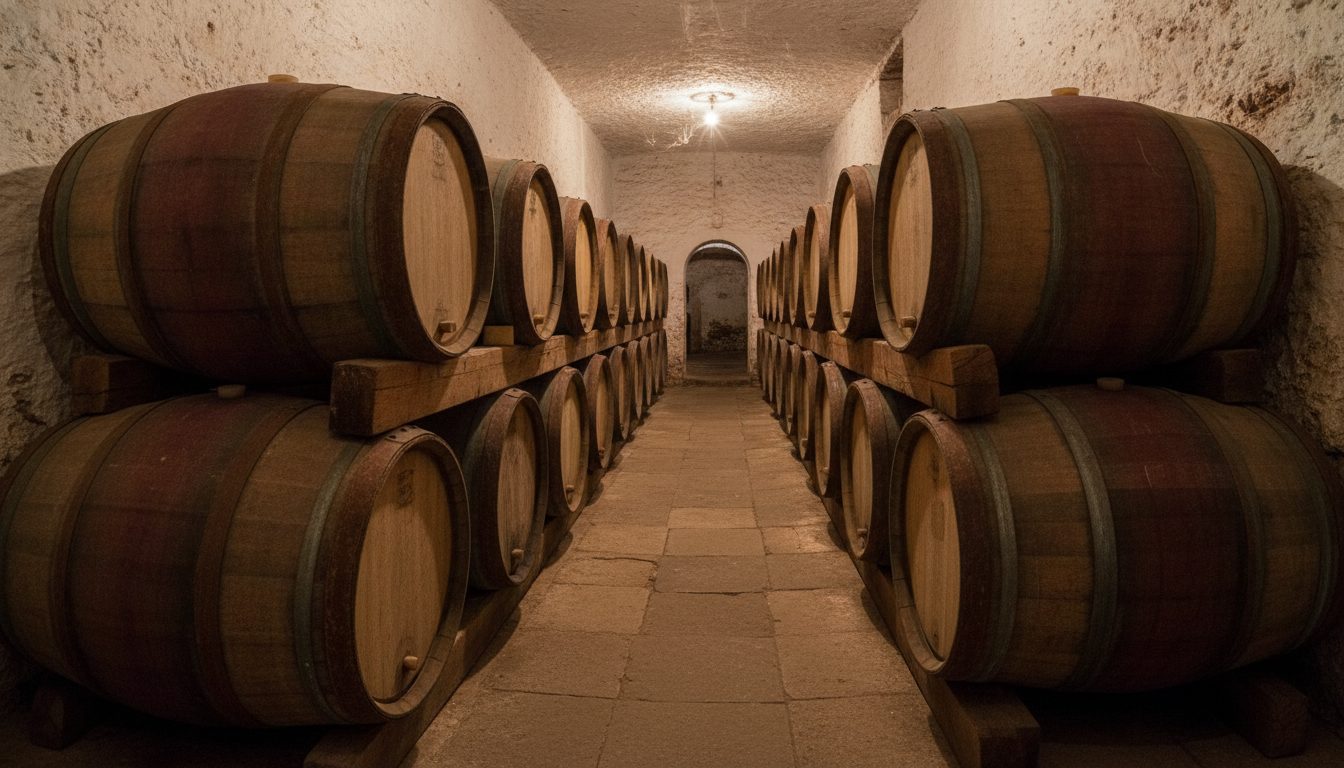
Most travelers add wine to a wider Argentina tour alongside Buenos Aires, Patagonia or Iguazú Falls: private vineyard visits, pairings and stays at working wineries. Harvest runs February to April. One thing first. The Malbecs that would change your mind are the ones you cannot buy at home. Small wineries do not have the export logistics in place, and the domestic market is big enough for them, so what reaches a shelf abroad comes from a few mass producers, often under foreign ownership. Good wine. Just not the wine you flew for.
Wine & Food Journeys Across Argentina
Everything below carries our Food & Wine tag, which covers full country routes as well as short vineyard extensions. Send us your dates and we will place the wine days where they fit the rest of the trip.
Click or Tap your preferences: Destinations & Activities. Be as specific or general as you like – or click Help Me Decide! We’ll spice it with hidden gems & personal tips to create your perfect trip. Need assistance? Contact an expert at +1 (888) 900-5060
Where to Add Your Wine Days
Salta to Cafayate Wine Route
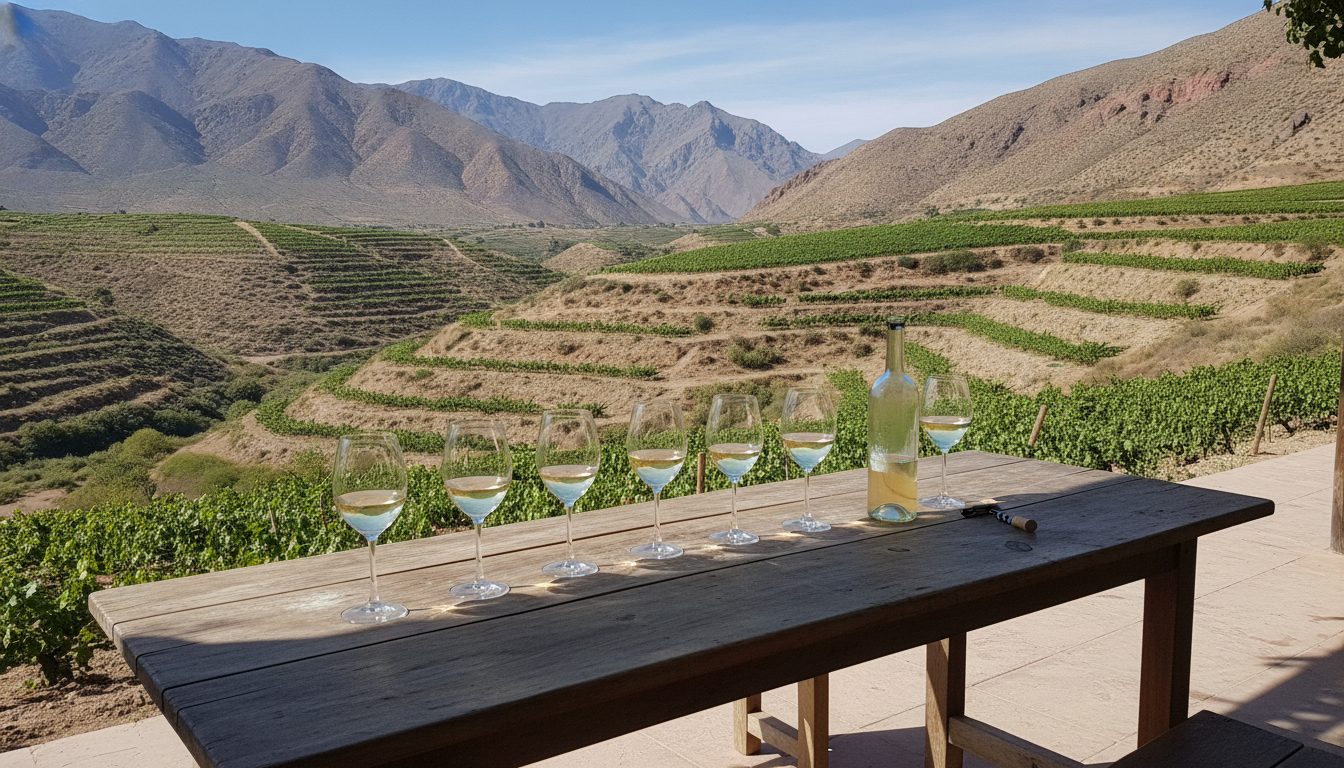
The lead for a reason: Torrontés in the Calchaquí Valleys, tasted against everything Mendoza has taught you about Argentine wine. Five days out of the colonial city of Salta, into the semi-arid northwest by way of Cachi, with tastings at Colomé and Cafayate.
Mendoza done plainly: several bodegas with a private guide, a day given to the Uco Valley, and a city tour to get your bearings. The one to pick if Malbec is what brought you.
The Northern Express: Salta, Cafayate & Purmamarca
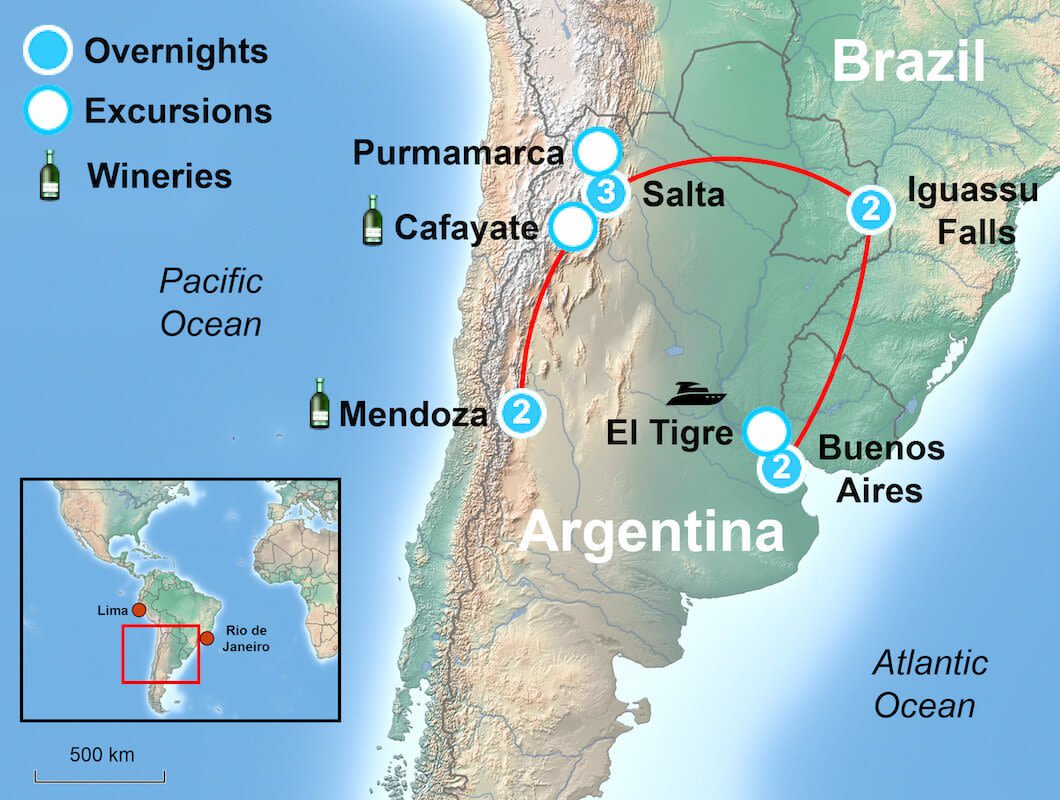
Six days out of Salta and back to Salta, which is the whole idea: it drops into a longer route without forcing you to rearrange the rest of it. Salinas Grandes, two nights in Purmamarca under the Hill of Seven Colors, the Quebrada de Humahuaca, and a Torrontés tasting at Cafayate on the way through.
Malbec with the Andes attached. The same private wine days, with an optional horseback riding tour set between them. It solves the trip where one of you wants tasting rooms and the other wants to be outside.
Not an itinerary but an address: a Relais & Châteaux lodge standing in the Luján de Cuyo vineyards, in the middle of Argentina's wine capital. Choose it when where you sleep matters as much as what you taste.
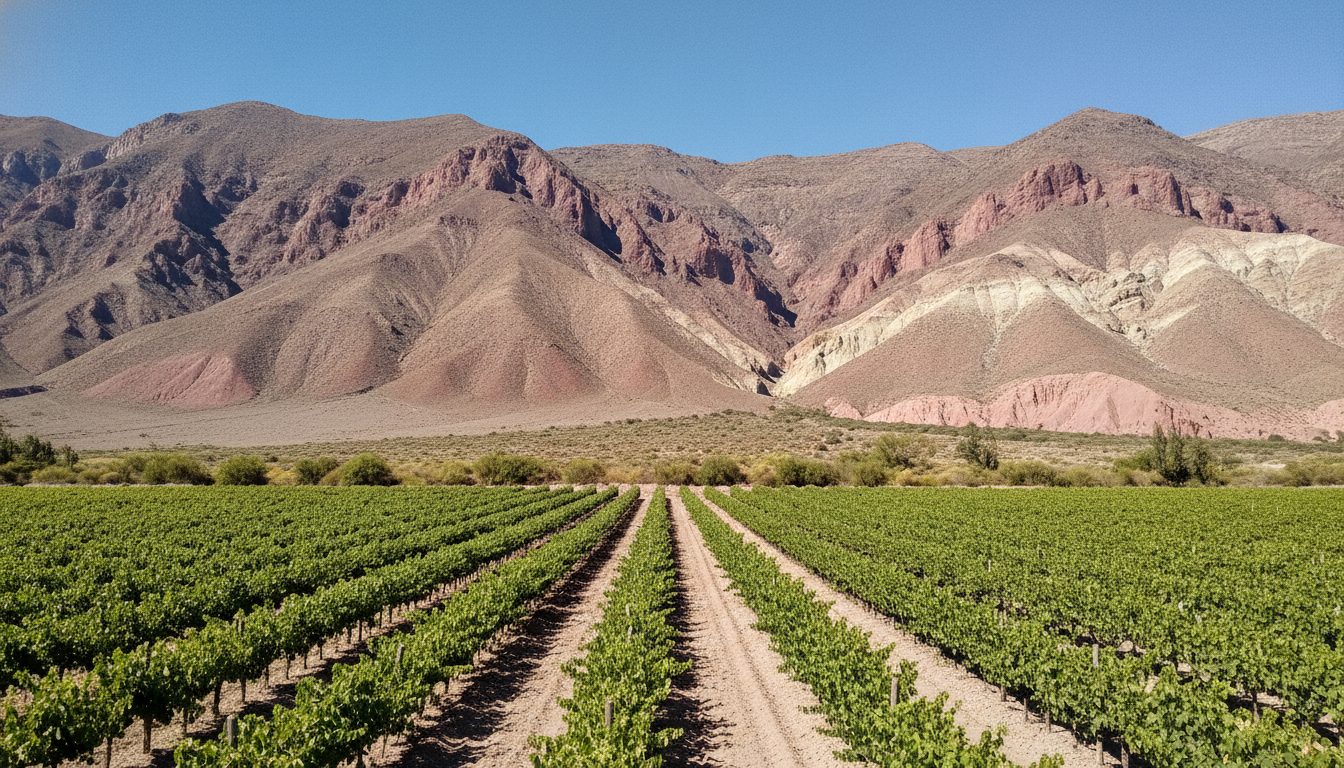
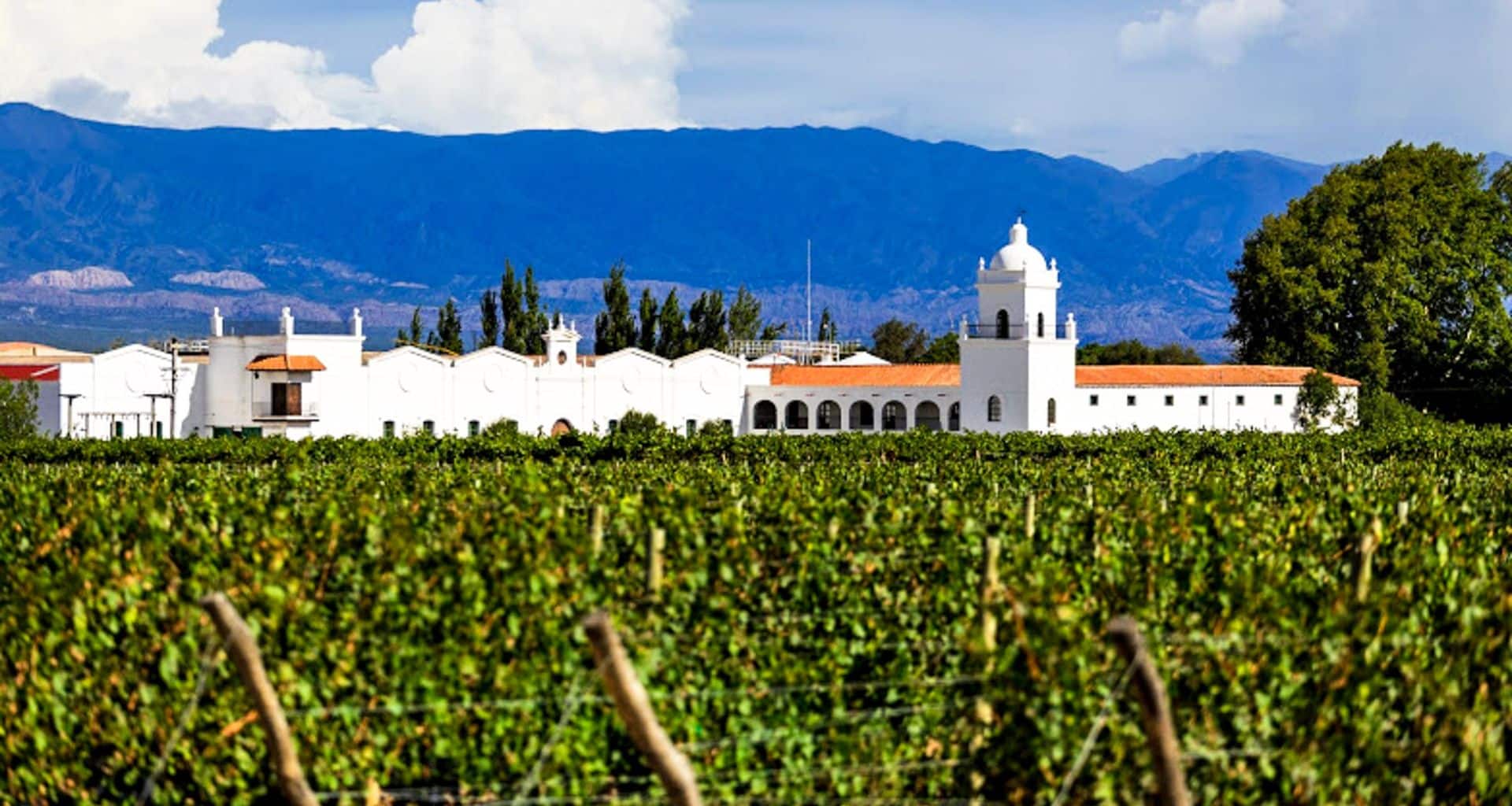
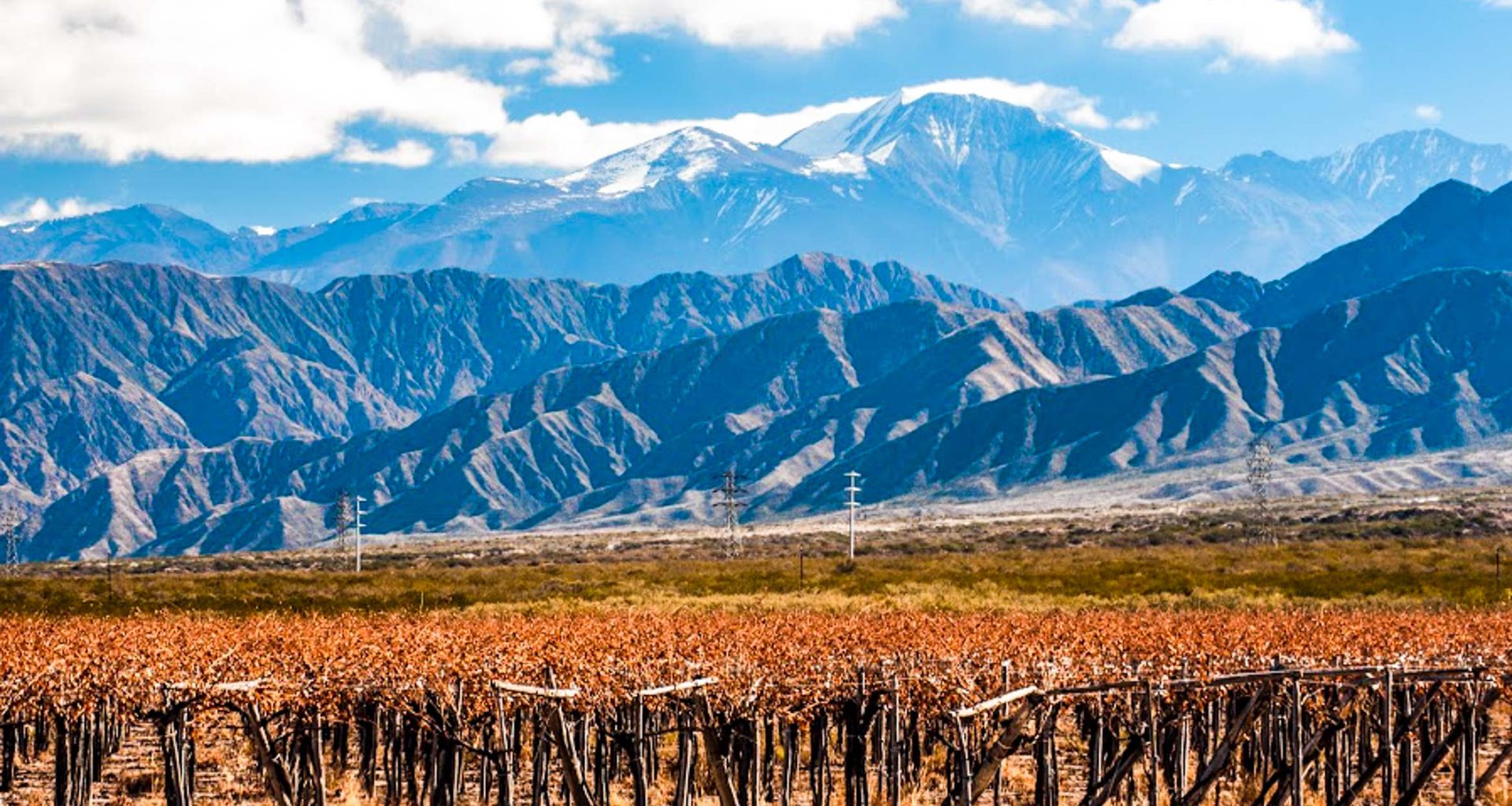
Everyone asks about Malbec. The better question is Torrontés. It is a white grape, and the best of it grows in the Calchaquí Valleys around Cafayate, where the vineyards sit high enough that the days are fierce and the nights are cold. That gap is what keeps the acid in the glass. Some of the highest commercial vineyards in the world are up here, and the Cafayate itineraries stop to taste at Colomé on the way in.
Cafayate is about three hours by road from Salta, out through the Las Conchas ravine, and it is worth sleeping in rather than passing through. Going the long way round by Cachi turns the drive itself into the point. Salta to Cafayate Wine Route takes five days over that circuit. The Northern Express adds Purmamarca and the salt flats and takes six. Both begin and end in Salta, which is the practical reason they fit inside a longer Argentina route without breaking it.
Mendoza, in Short
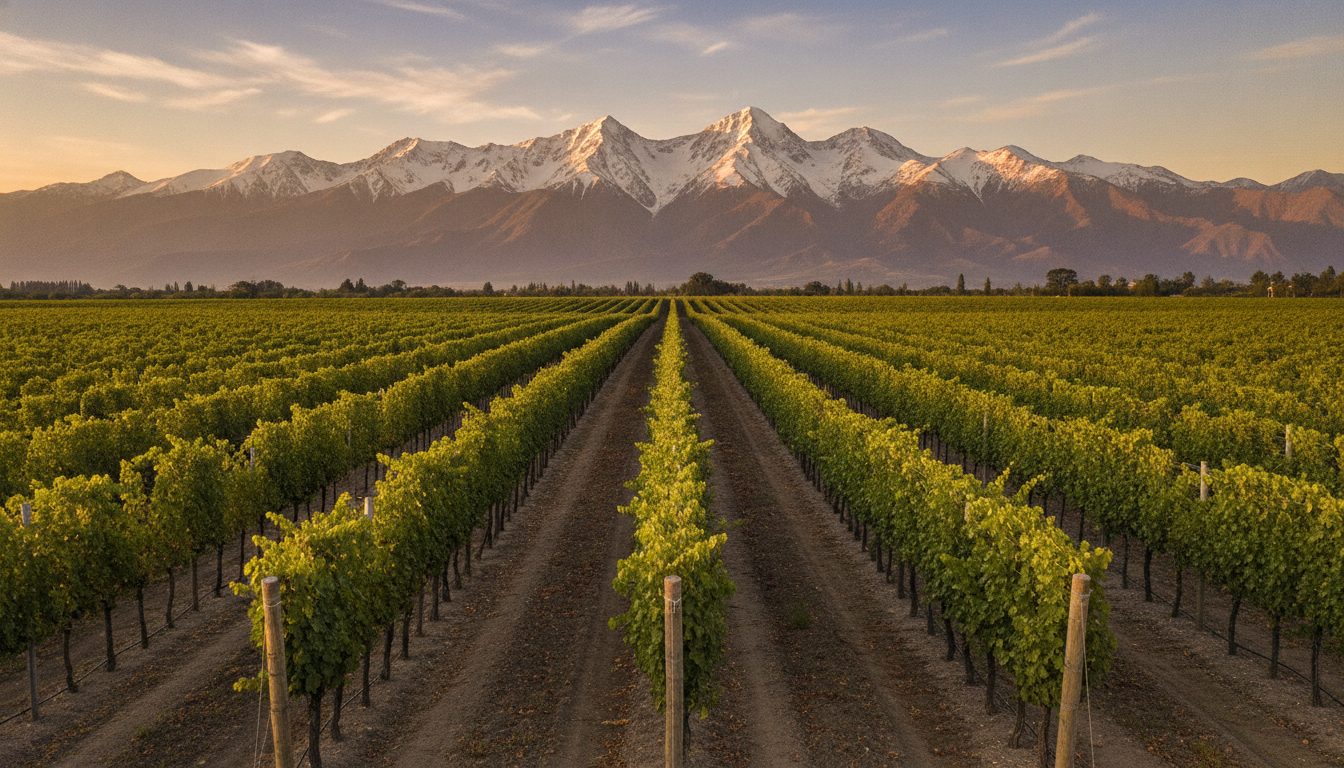
Mendoza is the other half of Argentine wine, and much the bigger half. Three districts, three different days. Maipú sits at the edge of the city, old and flat enough to cycle. Luján de Cuyo holds the classic Malbec estates and most of the vineyard lodges. The Uco Valley runs an hour and a half south, higher and cold after dark, with the newer bodegas and the long lunches.
Three or four nights covers all three without rushing. Less than that and you are choosing between valleys. The detail lives on the Mendoza wine tours page rather than here, and the Essential Mendoza Wine Tasting extension is the five-day version of that shape.
Asado, Empanadas and the Rest of the Table
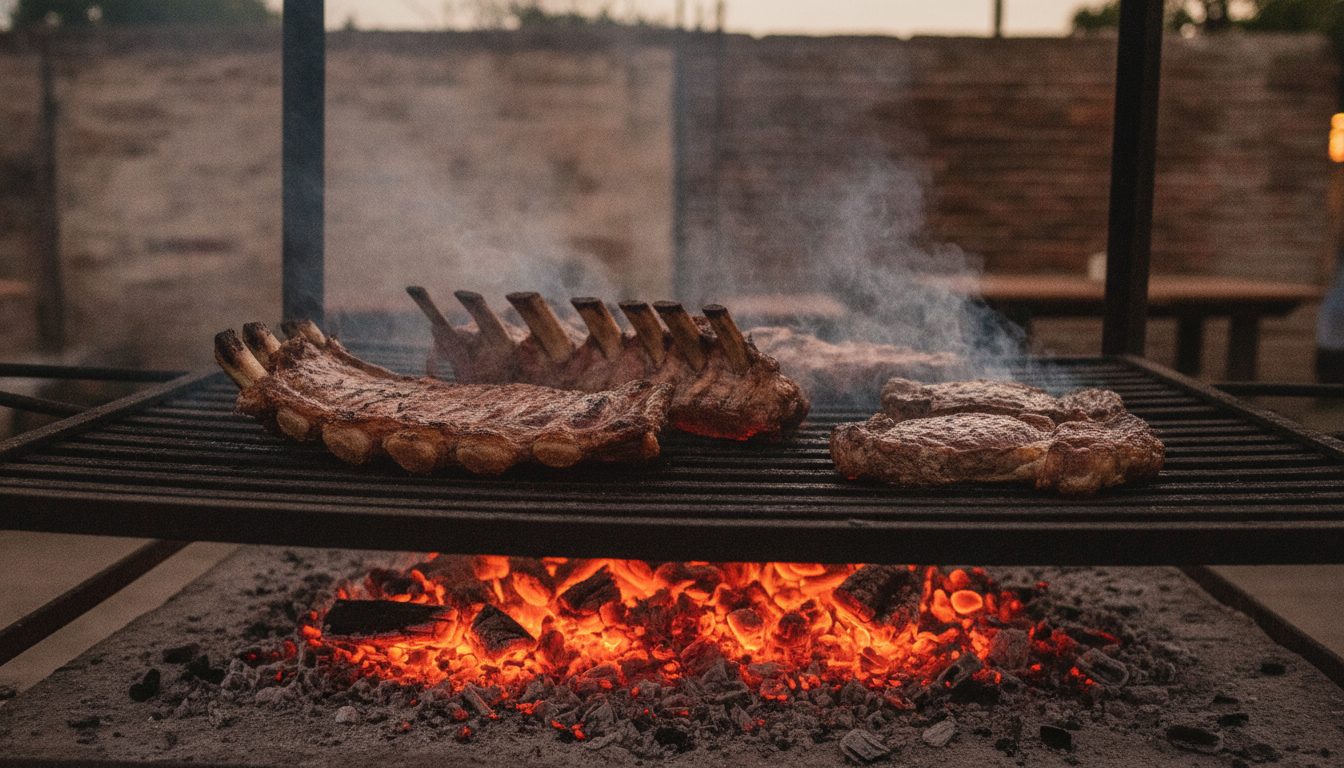
An asado is a social affair, not only the eating. Indeed the meat is legendary! And rightly so. But what makes it is the method: grilled slowly for hours, well away from the fire, and a great deal of patience. Nothing gets thrown on a grill here. Nope. While it cooks the starters come out, people stand around the fire with a drink in hand, and a late lunch goes into the evening without anyone noticing. It is the best way into the gaucho side of the country. No museum needed.
The rest is not steak. Empanadas change province by province, in the filling and in the way the edge is closed, and Italian and Arabic immigration left Buenos Aires with dinner options nobody expects. Some itineraries build in a cooking class. More on Argentine food and drink.
Argentina's Wine Regions, and What Each Is For
Argentina’s wine grows in two very different places, with a third that nobody plans for and three more that hold the trip together. Here is what to use each one for.
1.
Mendoza
The engine of Argentine wine and the easiest region to travel in. Three districts: Maipú at the edge of the city, flat and old; Luján de Cuyo with the classic Malbec estates and most of the vineyard lodges; the Uco Valley an hour and a half south, higher, colder at night and newer. Two hours by air from Buenos Aires.
Torrontés country, and the counter-argument to Malbec. The vineyards stand among red rock and cardón cactus at an altitude that gives hard sun by day and cold by night, which is what holds the acid in a white grape this far from any coast. Cafayate is small enough to walk and worth a night, not a stop.
The colonial city you fly into and work outward from. Belgrano Square, San Bernardo Hill for the view across the roofs, and the road south through the Las Conchas ravine towards Cafayate. Northwest itineraries begin and end here, which is what lets them slot into a longer route without rearranging your flights.
Not a wine region in the Mendoza sense, which is exactly why it is here. The Jesuit Block and the estancia road through Jesús María, Santa Catalina and Alta Gracia are UNESCO World Heritage, and the five-day extension puts wine alongside them. More history than tasting room, and a good change of pace after a week of bodegas.
Where the food half happens, and where the domestic flights connect. The Italian and Arabic side of Argentine cooking shows here more than anywhere else: dinner starting at ten, the parrillas, and wine lists carrying every region of the country in one room. Almost every wine route opens or closes with a few nights here.
The road on from Cafayate, and the reason six days beats five in the Northwest. Salinas Grandes is a white salt plain with nothing in it to give you scale. Purmamarca sits under the Hill of Seven Colors. The Quebrada de Humahuaca has been UNESCO World Heritage since 2003. Wine is not why you go up there. Go anyway.
Wine rarely fills a whole trip. Mendoza wine tours carries the valley-by-valley detail, and Salta and the Northwest covers everything around Cafayate that is not a vineyard. Most routes open or close in Buenos Aires. Couples pair the vines with a honeymoon route; if the building you sleep in matters, look at the lodges. The Jesuit estancias sit under Argentina’s UNESCO sites, and when to go settles the season for the whole country.
Why Plan Argentina Wine with Us
Get to Know Us
Argentina travel content reviewed by Juergen Keller, Co-Founder & CEO
The wineries worth flying for are small, and small wineries do not take walk-ins. Visits go by appointment, the appointments go through people the winemakers already know, and in harvest the good ones are spoken for months ahead while everybody on the property is busy pressing fruit. Distance is the other thing travelers underestimate. Cafayate is three hours from Salta each way, the Uco Valley an hour and a half from Mendoza city, and the two wine regions are a flight apart through Buenos Aires. We put the wine days where they belong in your route and open the gates that do not open on their own. Twenty years of doing it.
Download our FREE Argentina Travel Guide and get inspired to travel to Argentina. Browse through 30 pages of travel planning tips and ideas, pictures of Argentina, and adventurous tours. This e-book is a great resource for planning your Argentina dream vacation.
Planning a trip to South America? Explore essential travel info including via requirements, safety tips, weather, money, and more so you can focus on designing the perfect adventure!
Argentina Overview
Argentina Holidays
Argentina Recommended Hotels
Money in Argentina
Languages of Argentina
Safety in Argentina
Staying Healthy in Argentina
Argentina Travel Insurance
Internet & Calling in Argentina
Argentina Packing List
Argentina Visa Requirements
Argentina Flights
Argentina Food: Asado, Malbec and the Culture Behind the Table
Argentina Articles
Weather in Argentina
Argentina Wine Travel FAQs
When should I go to Argentina wine country?
The best seasons to visit are a little different in Mendoza to Salta. Mendoza is great year-round and spring and autumn are particularly pleasant with rich colors and plenty of activity in the vineyards. The Vendimia Festival takes place in March, this is a celebration of the harvest and is an excellent though busy time to visit. Salta and Cafayate are perfect to visit between January and April and September and December as these periods avoid the somewhat wet months of May to August.
What wine is Argentina known for?
The big one is Malbec but many other wines are produced in Argentina too. Other reds include Tempranillo and Cabernet Sauvignon. Around Salta, in addition to reds, some white wine is produced at cooler, higher altitudes, particularly Torrontes.
How many days do you need in Mendoza?
We recommend at least two full days to explore the vineyard and wineries around Mendoza. This gives time to visit several vineyards and get a proper feel for the area. You may also have time for a cooking class, gentle cycling trip in the vineyards or horse riding.
What are the best wine tasting and winery tours in Salta?
The best area to visit for wine tasting is Cafayate. This is about three hours by road from Salta and is an attractive journey in itself, passing through rugged valleys and canyons. Once at Cafayate, there are a number of wineries that can be visited before either returning to Salta or better still staying the night in Cafayate. Around Molinos and Cachi there are also some wineries, the landscape here is even more impressive and making a circuit combining Salta, Cafayate, Molinos and Cachi over a few days is highly recommended.
When is the grape harvest, and is Vendimia worth planning around?
Harvest runs roughly February to April, and later at altitude than on the valley floor. Mendoza's Vendimia festival falls in March and the city fills up, so book early or stay outside it. Our own preference is late March or April: the presses are running, the wineries are working rather than performing, and the festival crowds have gone home.
How many days should I add for wine?
Four to seven days, depending on how many regions you want. Nearly every wine itinerary we build is an extension bolted onto a longer Argentina route, so the real question is how much of your total you give it. Mendoza alone works in four or five days. Salta and Cafayate need five or six, because the driving is longer. Both in one trip means a domestic flight through Buenos Aires between them, so allow a day for the connection as well.
Mendoza or Salta: which should I choose?
Mendoza for Malbec, Salta and Cafayate for Torrontés, and if there are only days for one, choose on the landscape rather than the grape. Mendoza is green, well set up for wine travel and two hours by air from Buenos Aires, with short drives between bodegas. Cafayate is dry, red-rocked and high, with fewer visitors and longer roads. Our view: anyone who has already done Mendoza gets more out of the north.
Your Experts in Argentina!
Let’s Design Your Perfect Argentina Trip
Our specialists have been booking bodega appointments and Northwest wine routes for more than twenty years. Send your dates, the regions you are curious about and what you like to drink, and we will build the wine days into a full Argentina itinerary.
We Love to Talk About South America Trip Ideas!
Thinking of traveling to South America? We take your South American travel dream and make it a reality. Every fully custom South America trip is planned by your own expert personal Travel Consultant.
"*" indicates required fields
Argentina Travel Guide
Our favorite Argentina tour ideas featuring the best destinations & activities designed to inspire…

 +1 (888) 900-5060